

Bench Vises in Vises















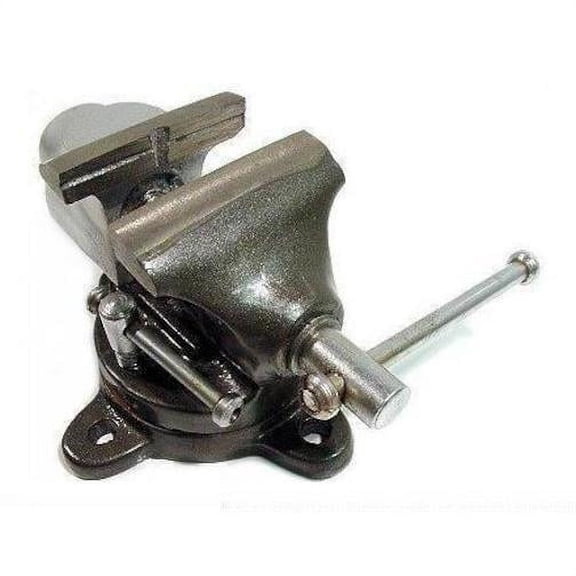


About Bench Vises in Vises - Walmart.com
Bench vises help you hold metal, wood, and parts steady while you cut, file, drill, or assemble. You can compare jaw width, base type, material, and anvil features to match your workspace and project load.
Choosing bench vises for your workspace
When you choose bench vises, you should start with the jobs you handle most often. You’ll want a model that fits your bench, your material size, and your preferred working angle.
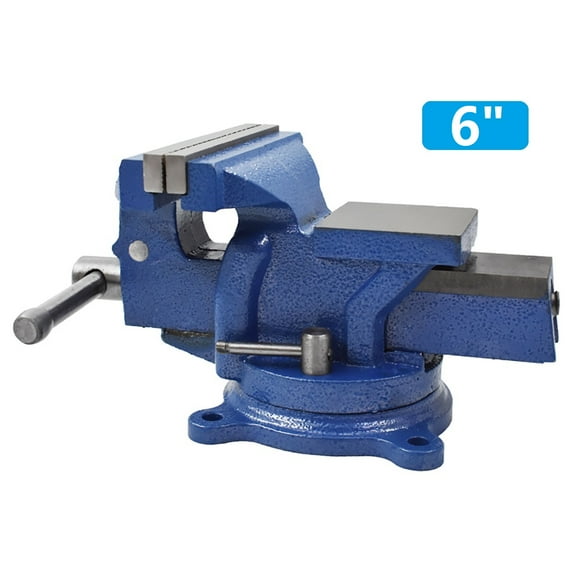
If you work on small repairs, you may prefer a compact tabletop vise or a 3 inch jaw width. If you handle larger stock, you should consider 4 inch, 5 inch, or 6 inch jaws.
Jaw width matters because it affects how much surface contact you get across the workpiece. You should also check jaw opening capacity and throat depth for thicker parts and deeper grip.
How to compare jaw width and opening capacity
You should match jaw width to the size of the pieces you clamp most often. A 4 inch bench vise often suits general workshop tasks, household fixes, and light fabrication.
If you clamp wider pipe, flat bar, or wood blocks, you may need 5 inch or 6 inch jaws. You’ll notice broader jaws spread pressure more evenly across larger surfaces.
Opening capacity tells you how far the jaws separate for thicker materials. Throat depth tells you how far down you can grip, which helps when your piece extends below the top edge.
- You can use 3 inch jaws for compact benches, hobby work, and smaller hardware.
- You can choose a 4 inch bench vise for balanced holding power and everyday versatility.
- You can move to 5 inch or 6 inch sizes when you handle wider stock or heavier parts.
- You should check opening capacity and throat depth when your materials vary in thickness.
Choosing a swivel bench vise or fixed base
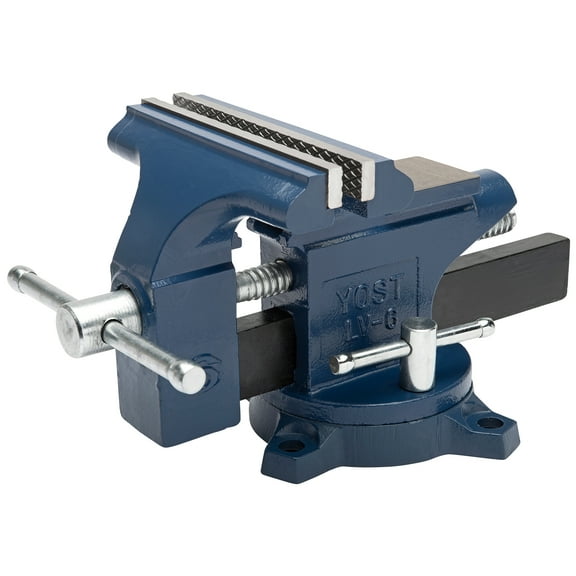
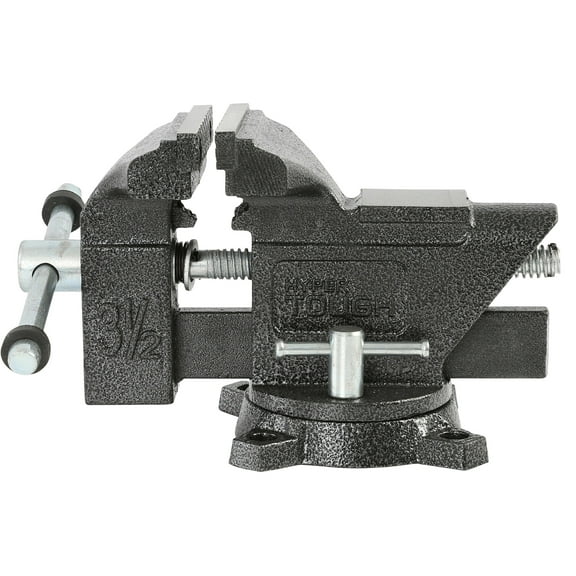
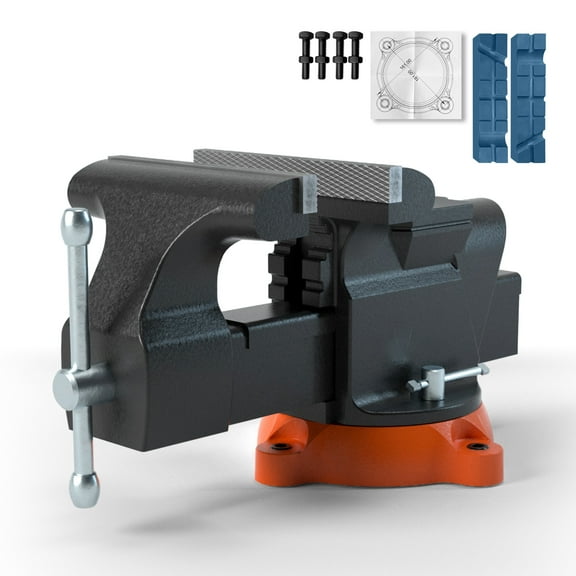
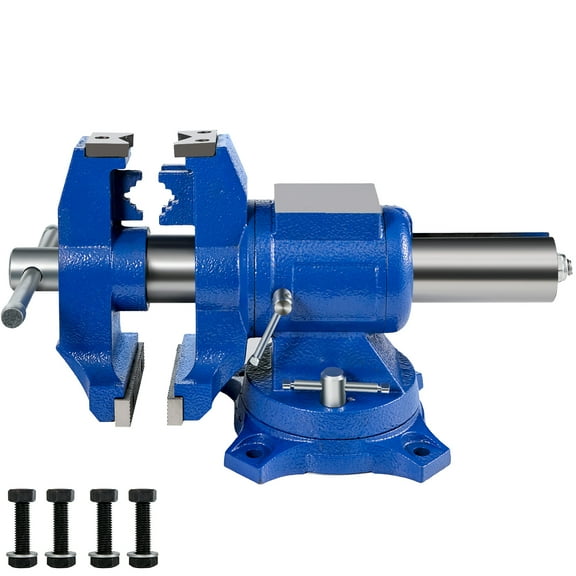
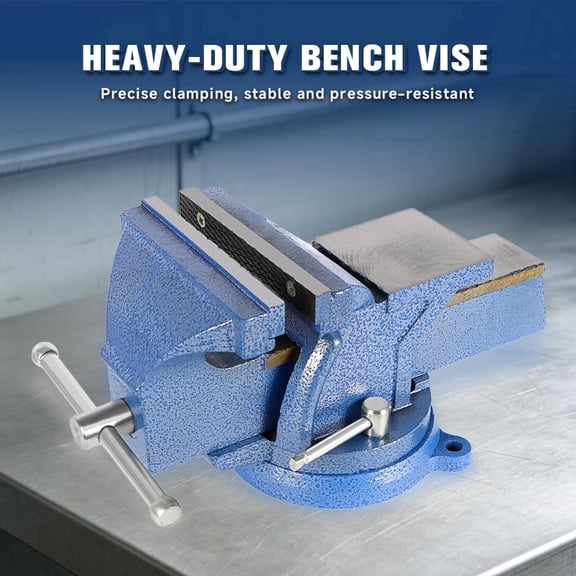
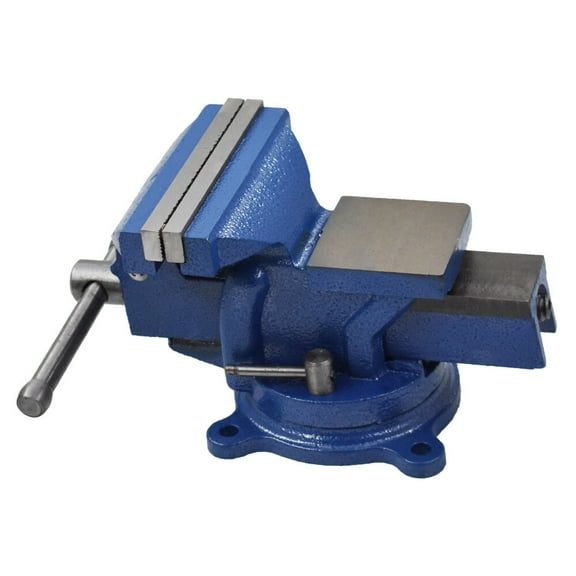
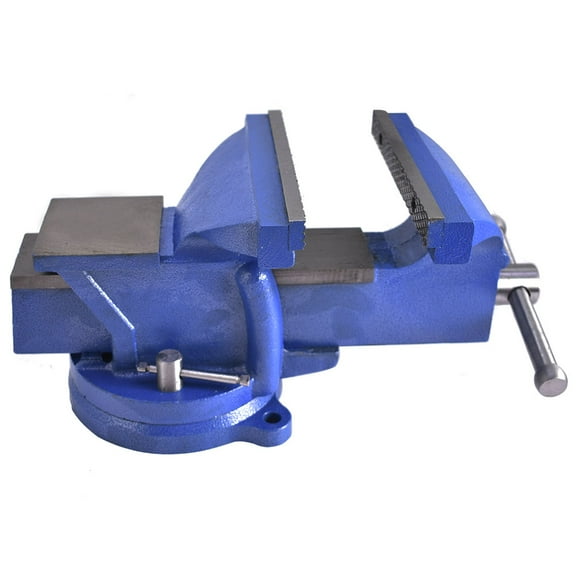
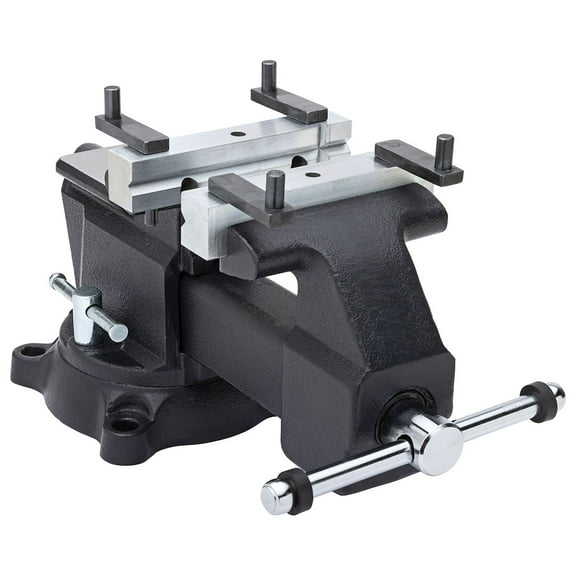
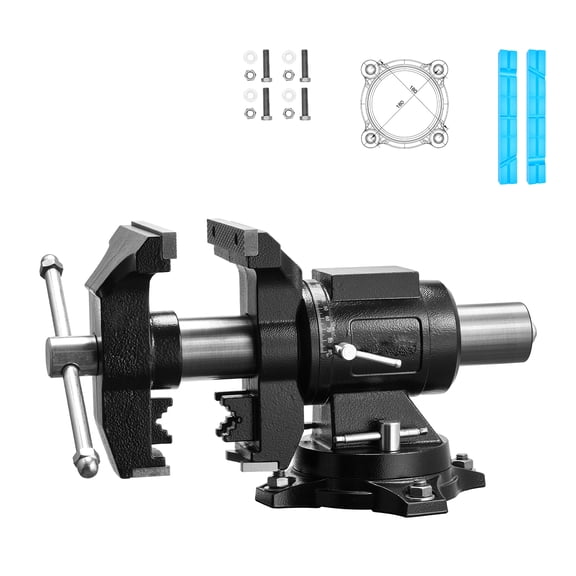
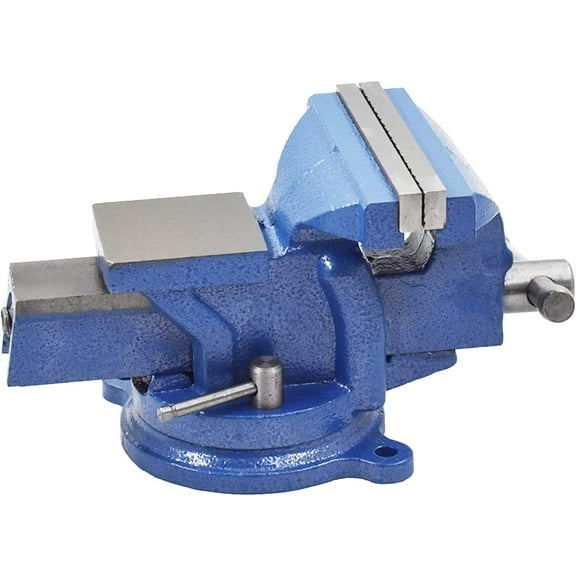
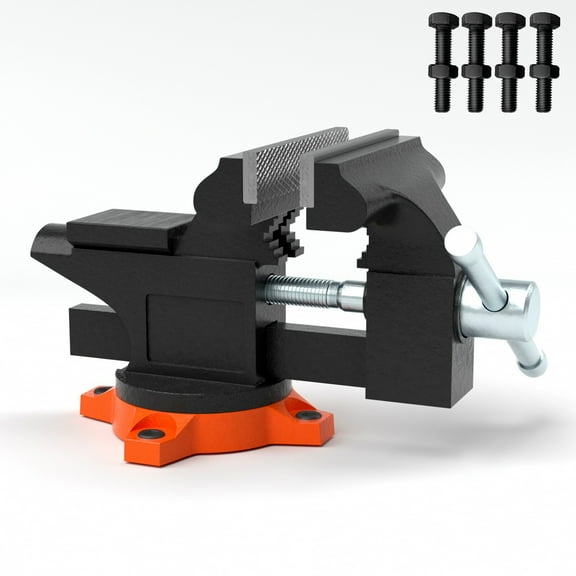
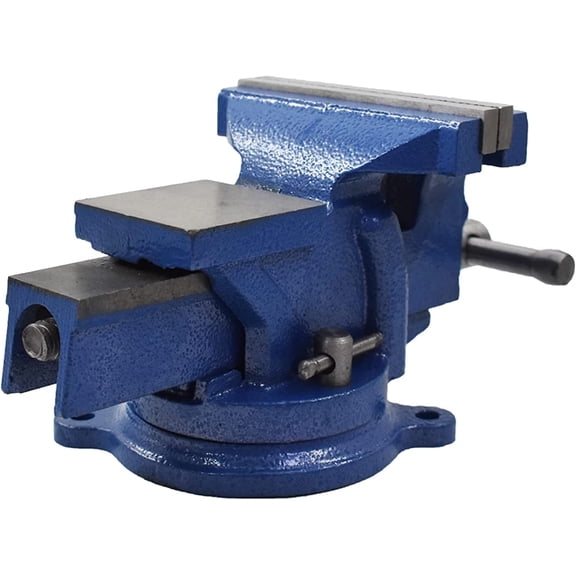
You should compare base type based on how often you reposition your work. A swivel bench vise lets you rotate the vise body, so you can approach your task from different angles.
If you file, saw, or inspect parts from multiple sides, you may prefer that added flexibility. If you repeat the same task in one direction, you may prefer a fixed base.
A fixed base gives you a simple setup with fewer moving parts at the mount. You should consider that design when your bench layout stays constant and your work angle rarely changes.
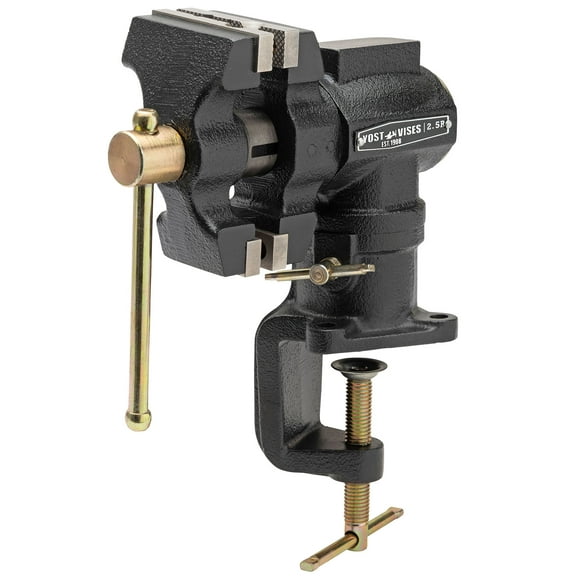
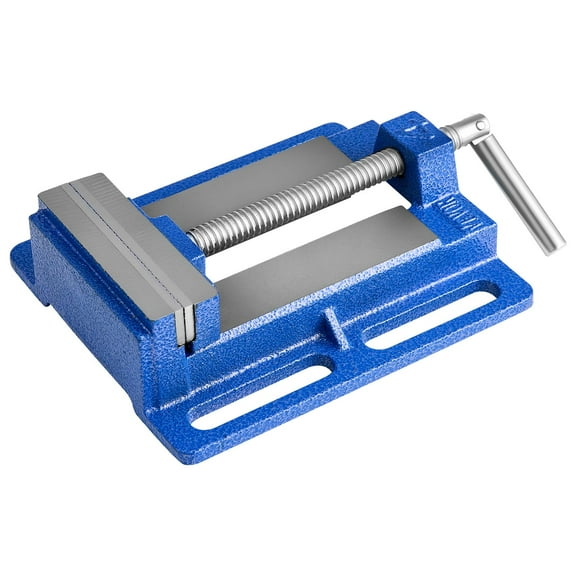
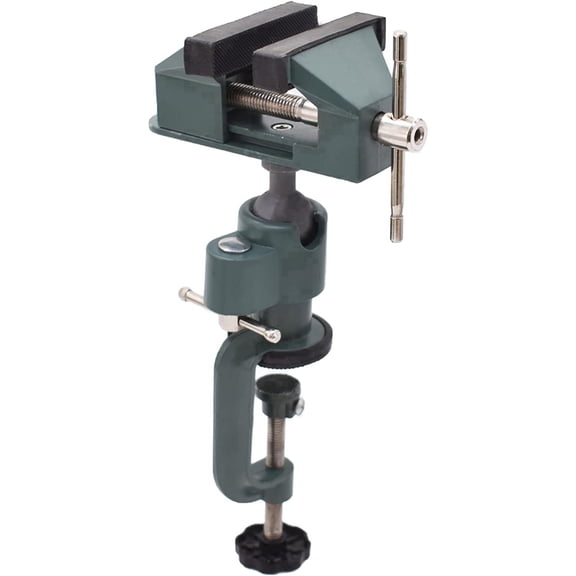
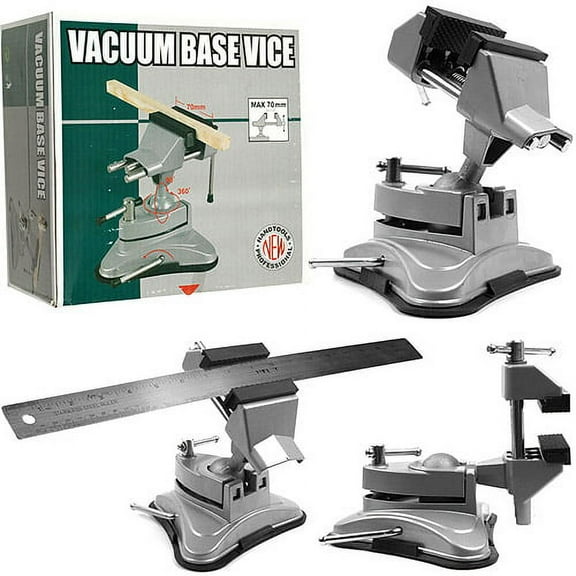
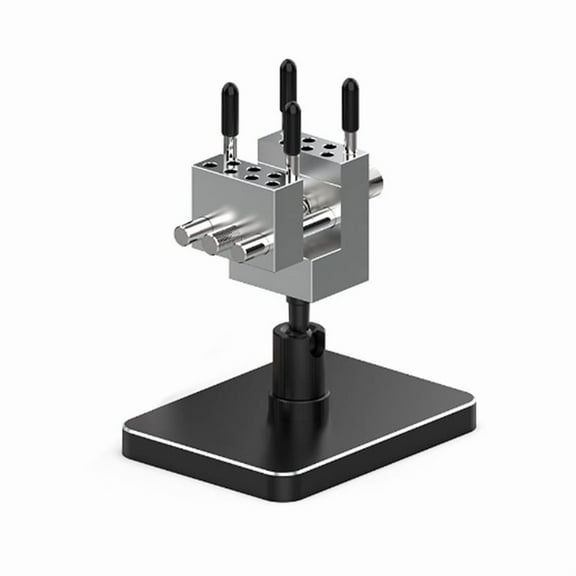
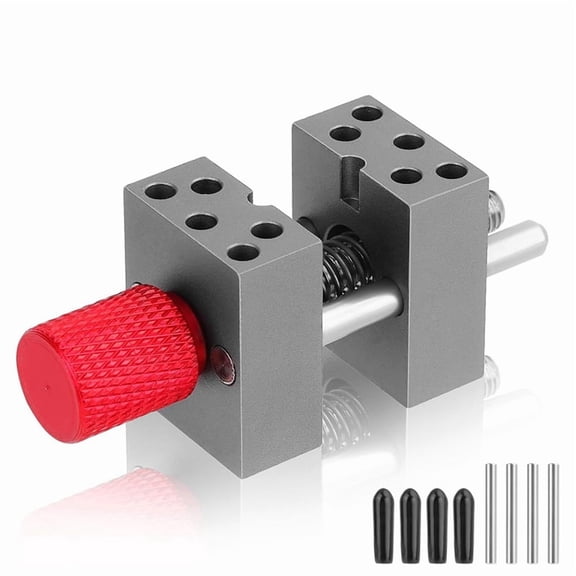
If you use a temporary station, you may also compare a vacuum base or tabletop vise style. You’ll want to check mounting style carefully, since bench thickness and surface type affect fit.
Heavy duty bench vise materials and duty ratings
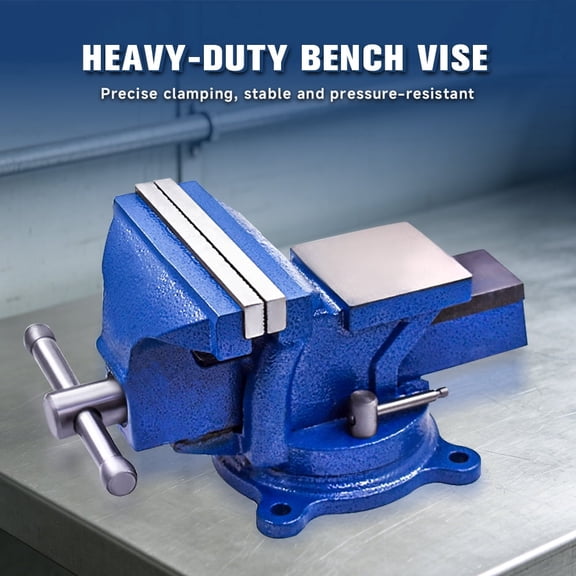
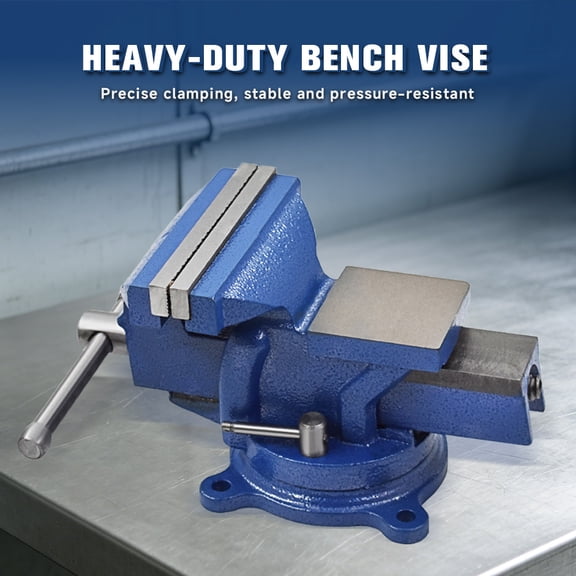
You should match duty rating to the force your projects demand. A heavy duty bench vise usually fits thicker metal stock, repeated clamping, and more demanding shop routines.
Light duty options can suit occasional repairs, hobby tasks, and lighter materials around the garage. Medium duty choices can give you a practical middle ground for mixed-use projects.
Material also shapes how your vise feels during repeated use. A cast iron vise can work well for many general tasks, while forged steel or ductile iron may suit tougher applications.
You should compare material with your workload instead of focusing on labels alone. If you tighten often and work with dense stock, you may want the added durability linked with stronger constructions.
When you compare tensile strength ratings, you’re checking how the body handles force under pressure. You should use that detail with duty rating to narrow choices for frequent shop use.
Deciding on a bench vise with anvil
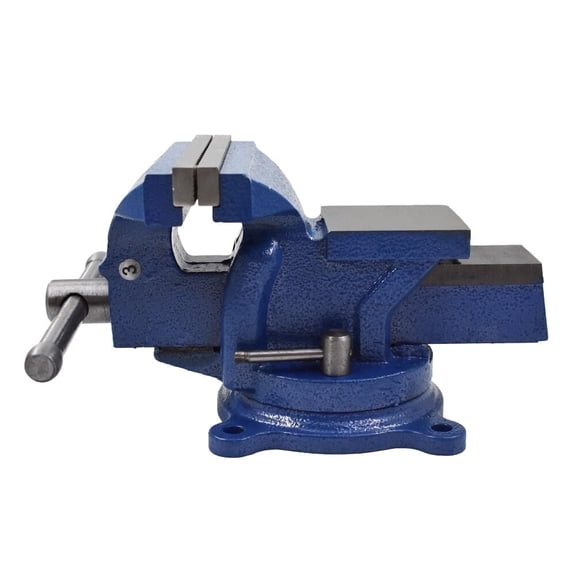
You may want a bench vise with anvil if you like extra function in one tool. That flat rear pad gives you a handy spot for light shaping and quick striking tasks.
If your work includes tapping pins, flattening small pieces, or adjusting hardware, that feature can simplify your setup. If you already use a separate striking surface, you may not need it.
You should also think about how much bench space you have available. A model without an anvil may suit tighter layouts when your main priority is clamping capacity.
Use cases for workshop, garage, and hobby setups
You can use bench vises for bike repairs, metal filing, cutting threaded rod, and holding fittings during assembly. You’ll also find them useful when you sharpen tools or stabilize parts for precise marking.
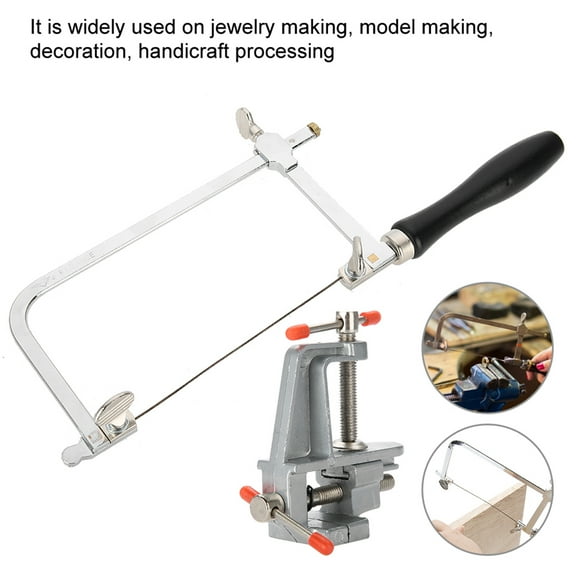
If you build models or handle electronics housings, you may prefer a tabletop vise with a smaller footprint. If you work on automotive brackets or pipe, you may lean toward a heavier mounted design.
You should consider a swivel base when your project needs side access for cutting or grinding. You should consider a fixed base when you want a stable position for repeated bench work.
If your projects range from household repairs to fabrication, you may benefit from a 4 inch bench vise as a versatile middle size. If you handle larger stock often, you should compare 5 inch and 6 inch options.
You can narrow your choice faster when you measure your bench, review your common material sizes, and compare mounting holes. You’ll get a more useful fit when those details match your real workflow.
With the right jaw width, base type, material, and anvil setup, you can hold work more securely and work with cleaner control. You’ll finish tasks with steadier positioning that suits your bench and your project mix.