

Telescopes and Microscopes in Industrial & Scientific






















About Telescopes and Microscopes in Industrial & Scientific - Walmart.com
With telescopes and microscopes, you can compare distant skies and tiny details in one category built for hands-on learning. You’ll find options that support astronomy, classroom work, coin collecting, and lab-focused viewing with clearer buying guidance.
How to choose telescopes and microscopes
When you compare telescopes and microscopes, you should start with your viewing goal and your experience level. You’ll make a faster choice when you match optical design, magnification power, and setup style to your routine.
If you’re shopping for a child, you may prefer simpler controls and quicker assembly. If your work is more advanced, you may look for finer adjustment, stronger illumination, and more precise image output.
- You can use refractor and reflector designs for astronomy viewing.
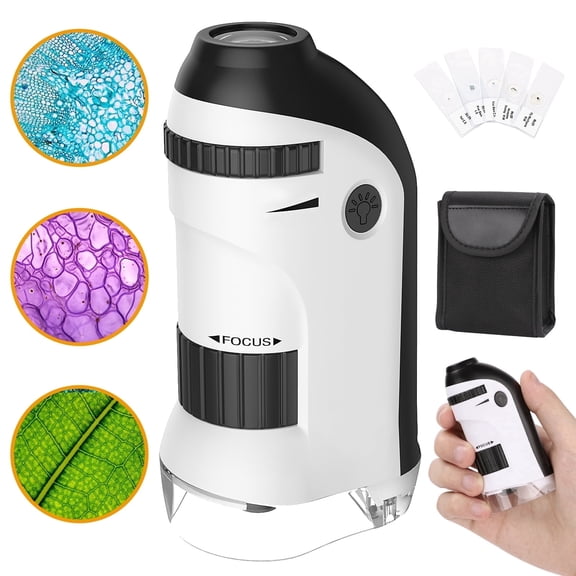
- You can use compound and digital designs for close inspection and screen viewing.
- You can compare LED, halogen, and natural light needs based on your space.
- You can choose magnification ranges that fit coins, slides, classroom samples, or moon viewing.
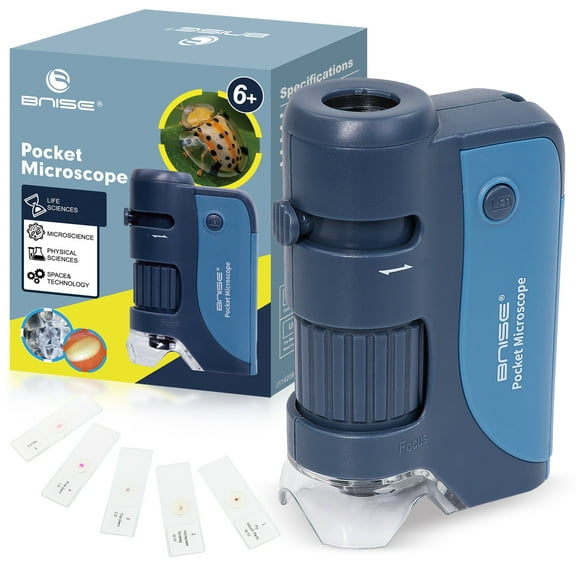
You’ll also want to consider portability before you choose a model for travel or shared spaces. You can keep setup easier with compact bodies, lighter frames, and simpler focusing controls.
Choosing digital microscopes and optical designs
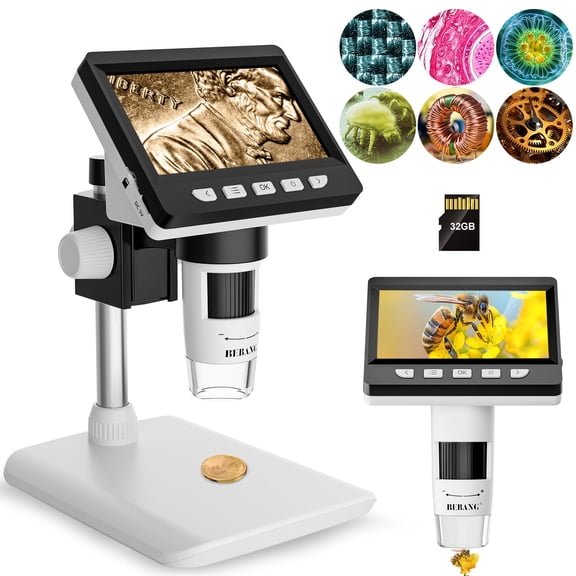
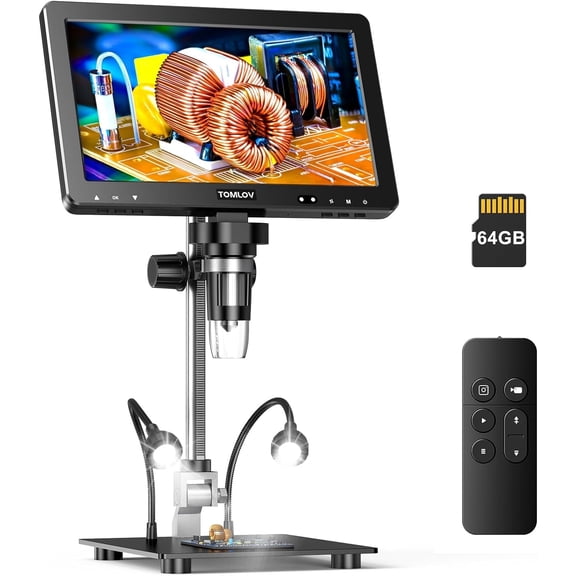
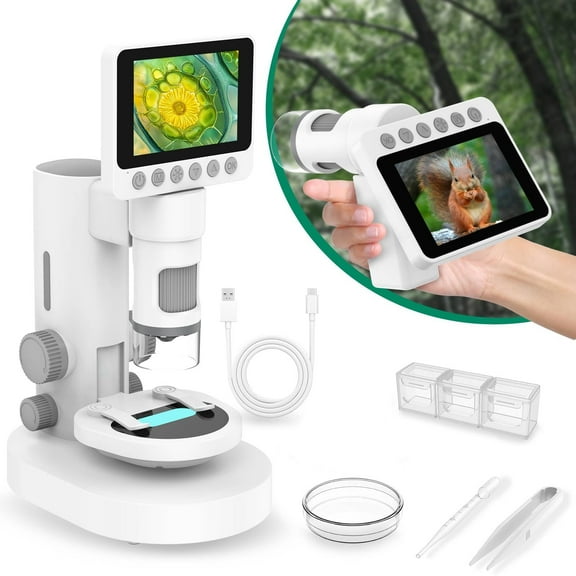
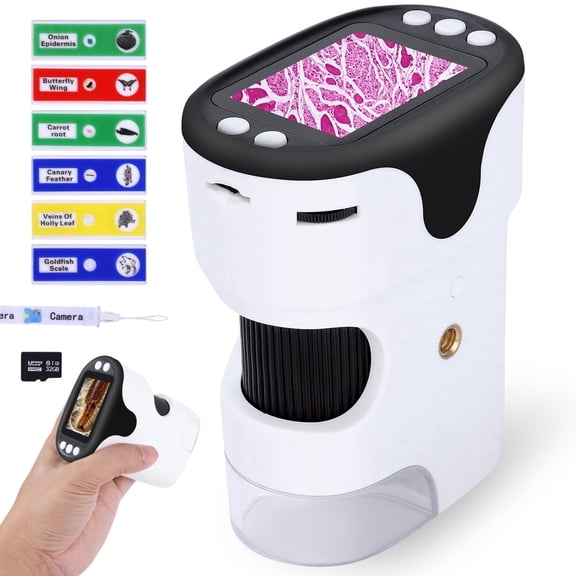
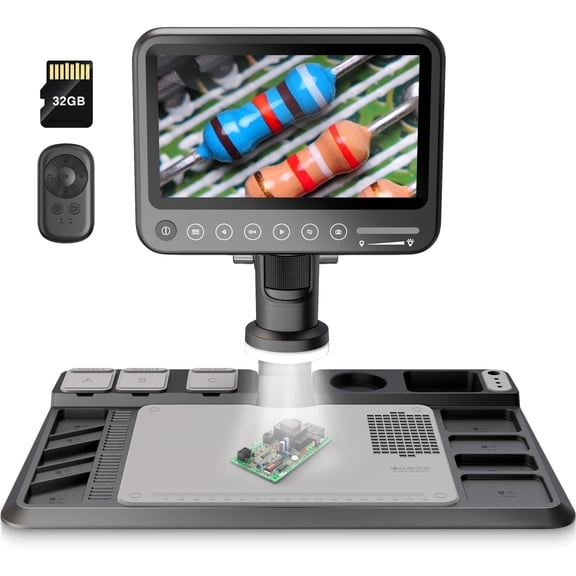
Digital microscopes work well when you want to view samples on a screen instead of an eyepiece. You can check USB or display output if you plan to share images during lessons, inspections, or hobby sessions.
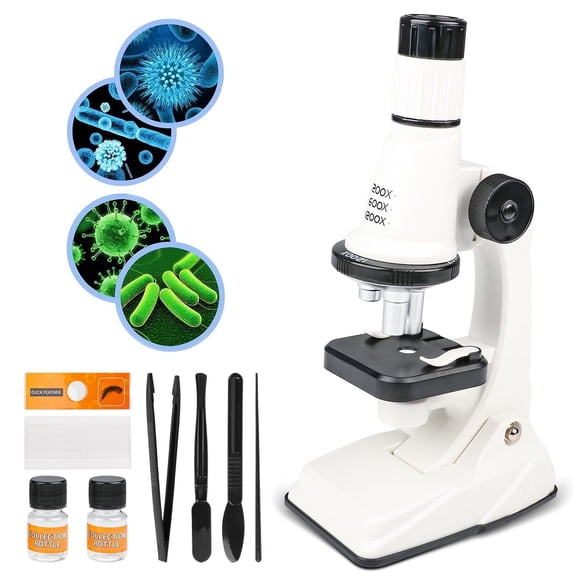
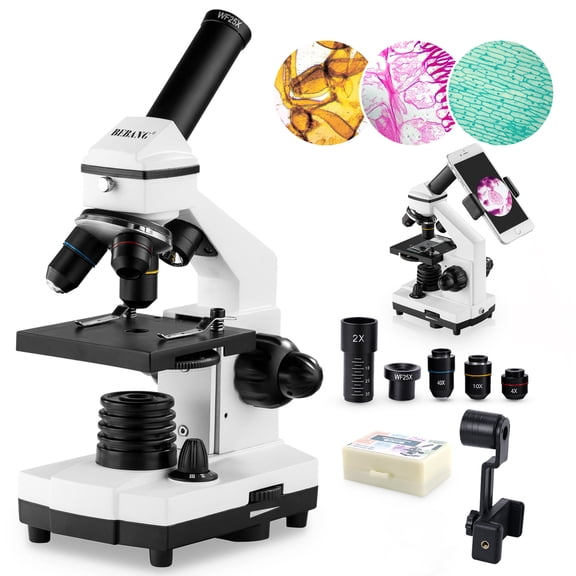
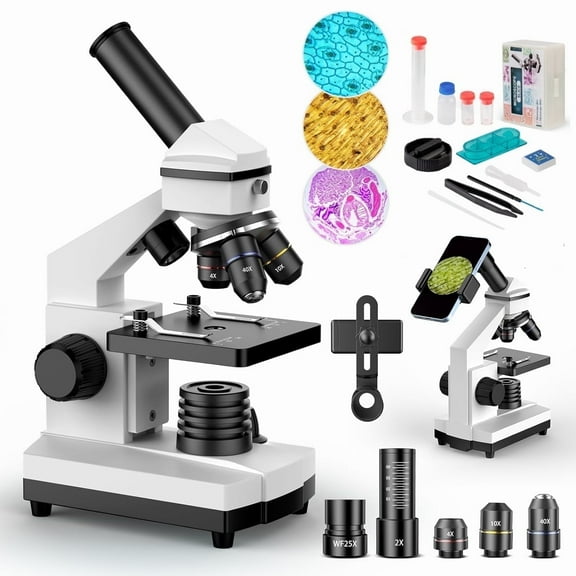
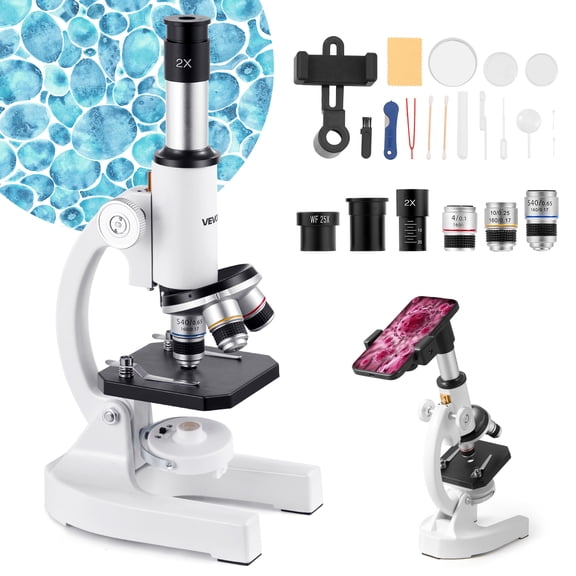
Compound options make sense when you want to examine slides and small specimens at higher magnification. You can compare 40x-1000x, 1200x, and up to 2000x ranges based on how much detail you need.
When you review magnification power, you should also think about image clarity. You’ll usually get a more useful view when focal length, aperture ratio, and lens coating support sharper contrast.
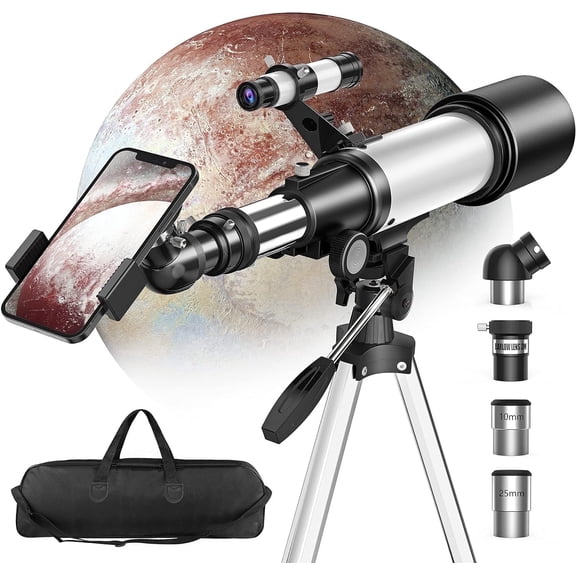
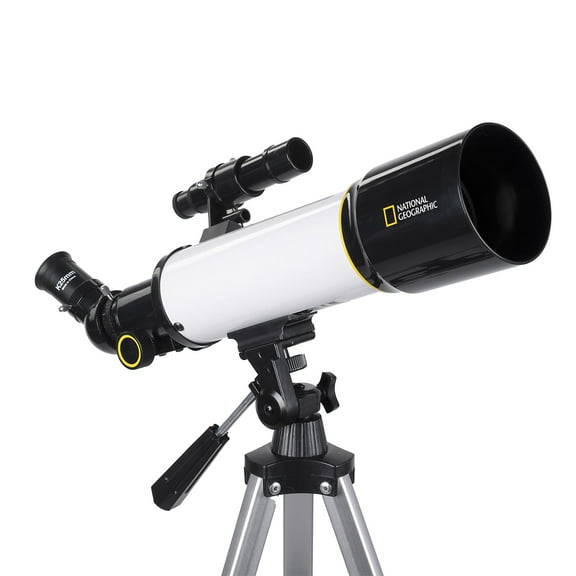
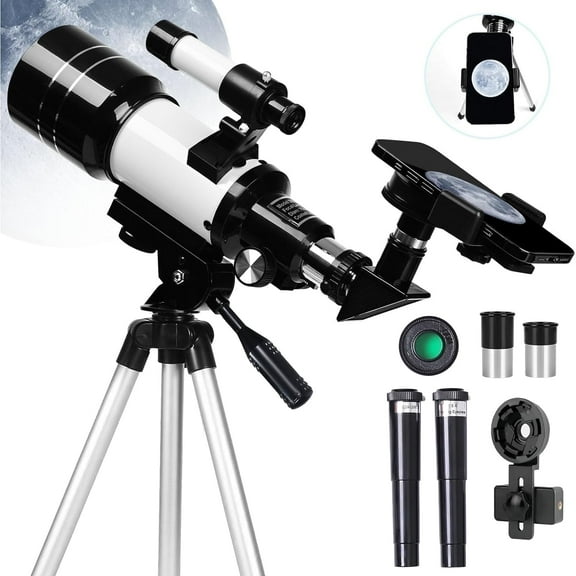
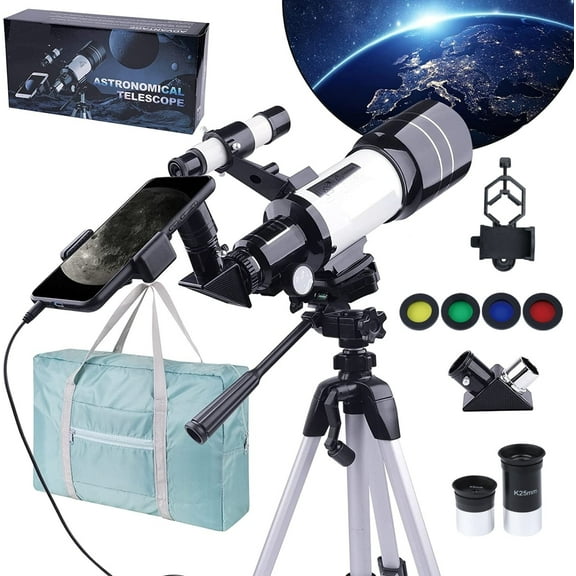
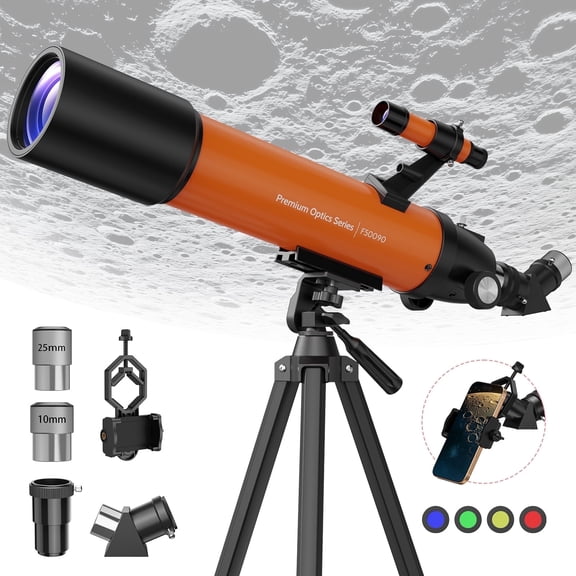
For telescopes, refractor designs can appeal when you want straightforward alignment and crisp lunar views. Reflector designs can suit you when you want larger light collection for deeper astronomy sessions.
Illumination changes what you see and how easily you can work. You may prefer LED lighting for bright, consistent viewing, while halogen can give you a warmer look in some settings.
What to look for in astronomy telescopes
Astronomy telescopes should match the sky targets you want to observe and the time you want to spend setting up. You can keep your sessions smoother by comparing mount style, tube size, and viewing position.
If you want moon and planet viewing, you may lean toward designs that offer steady alignment and clear contrast. If you want broader sky exploration, you may focus on aperture and light gathering first.
You should also measure where you’ll use your telescope before you buy. You can fit balcony, backyard, or table use more easily when you check overall length and tripod footprint.
Beginners often need simple controls that make first-night viewing less complicated. Advanced hobbyists may want more adjustment options, longer focal length choices, and accessories that expand viewing sessions.
How application changes your microscope choice
Your application should guide nearly every microscope decision you make. You can narrow your options quickly when you decide between education, professional lab work, and coin collecting.
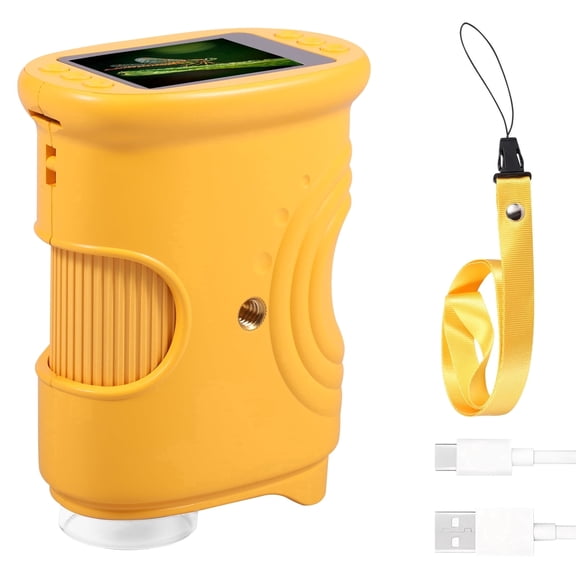
For education, you may want straightforward focus controls and durable construction for repeated classroom handling. You can also benefit from screen sharing if multiple students need to view the same sample.
For professional lab tasks, you may look for steady staging, dependable illumination, and clear sample viewing over longer sessions. Lab microscopes often make more sense when you need repeatable views and more exact positioning.
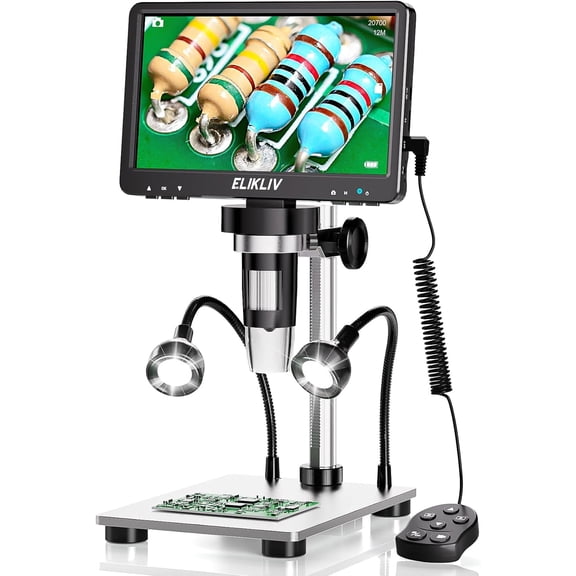
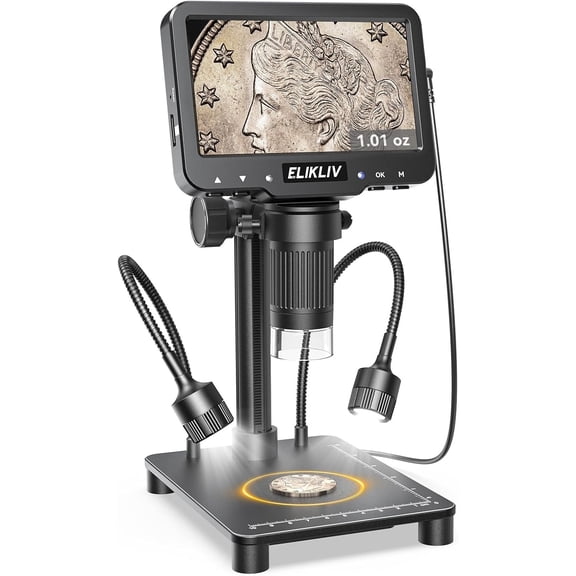
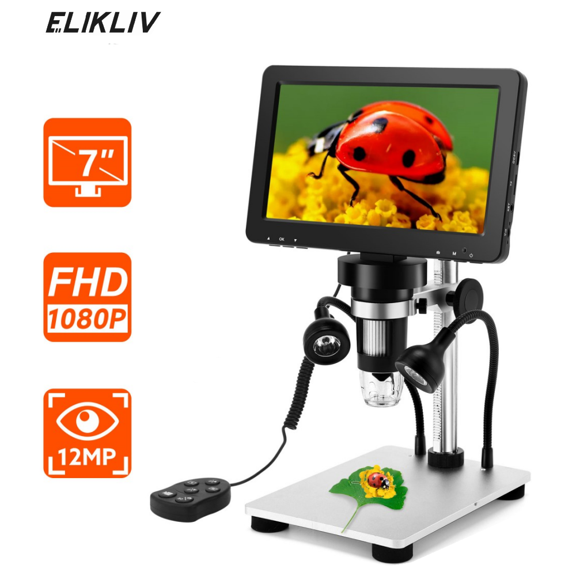
If coin collecting is your focus, you may want strong close-up detail for dates, edges, and surface texture. You can compare coin digital microscope options when you need enlarged views on a display.
You may also see interest around the elikliv coin digital microscope model edm4 when you compare category searches. You should still measure screen preferences, magnification needs, and workspace size before choosing similar formats.
Using telescopes and microscopes in real settings
You can use this category in ways that go far beyond one hobby or one room. You may switch from astronomy at night to slide viewing, electronics inspection, or collection review during the day.
If you’re buying for home learning, you can pair beginner-friendly controls with moderate magnification and LED lighting. You’ll keep sessions more approachable when setup steps stay short and viewing results appear quickly.
If you’re equipping a shared workspace, you may prefer digital output that lets several people view one image. You can reduce interruptions when everyone sees the same sample on one screen.
Collectors may want compact digital microscopes that fit neatly on a desk near storage boxes and tools. You can inspect coins, stamps, and other small surfaces with less guesswork when you enlarge the image clearly.
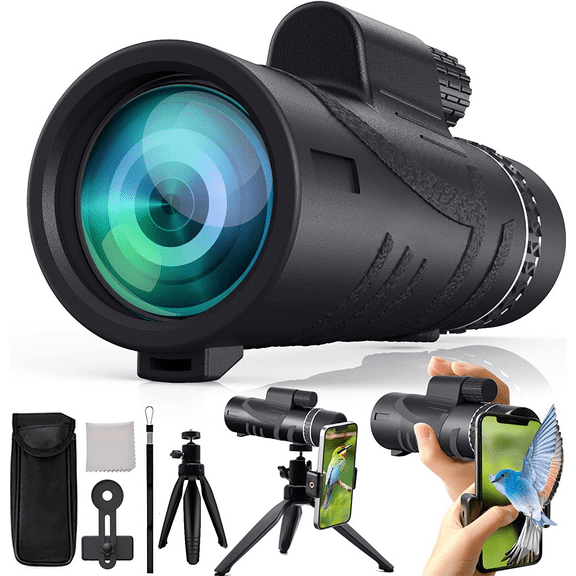
For astronomy use, you may prefer a portable telescope that stores easily between viewing nights. You can keep outdoor sessions practical when your setup moves smoothly from storage to tripod.
When you compare telescopes and microscopes carefully, you can match magnification, optical design, illumination, and application to your actual routine. You’ll end up with viewing tools that fit your space and make each session more productive.