

Ozark TrailMapskeyColemanGVDVHoteelCoPedvicTekariWakemanCOBIZIedxEDOEMSEForest MythSunoyarUnbrandedLilypelleEccomumCore EquipmentBTY KAKFFKFFZimtownMibotePureboxVEVOREVER ADVANCEDSANOPYRELOIVENight CatORFELDKtaxonXEENSOBroadfashionBiotreeRowsilySusuziMARNURRedcampGOTRAXSophia & WilliamPortalYUWENUSEZBYTarmeekYaconaDOMNIUKezqiaxnLICEWDERCLIVEM&M'SSenleetoIC ICLOVERKingCampCOTINSEUBesGooUmbrautoCAMPROSTowallmarkQUIETLEMONUNPCaravan CanopyGenericIbasetoyGARITINMISSMILETop LanderBN-LINKBtomtdSurpdewNOBRANDDomespacesMAXVINILumipartyTIFORGymaxDcentaPortal DragonNorchoFANRUINAGaonalaArctic LemmingsHIKERGARDENRevalCampFirefly! Outdoor GearPAMINGONOLatourregZouXiSyGeneralSeaYhSpacoGRIMPEXSoftHome LabYoxiHomeHubChina tigerspringTigerspringCozy Houseluminescence lezINDIAN MEDIEVAL ARMOUR REPLICASTOOLKIMAXENTUShenmamo shopEusebio SportingMATT&HANNChemeiyRiwcylaTammesyBarara KingAsterOutdoorGazelleKaifengKeltyKindofLOOKMQJIAZHIResenkosTopcobeAcpouwCAFORKPERDOUYFUNANaturnestShienyWHITEDUCKDIANJIEFASCKGARVEEGIMMYFIVEINDEEDINGOverland Vehicle SystemsYifanAoxunChSoZtDCLSKYNDodocoolGARENDEkedijiadianziLynonoVivaVaultWaldmateAMLDUCostwaydandelion shellDcmisasLeumiuslqyyMroobestRiver CountrySierra DesignsslutingTENGDAZJTERAimee LiiGrace PawsLLMJEEEYMaizoaOutsunnyWeXbleQinZaveroxCUSELEGeerTopGR8FUNHomhougoSewinflaU E UNICAMPERXC-GLOBALYANGXUNYINGYUEAyamayaDANCHELDcskynGuide GearKadynNOBOLEAPuppyCheerStansportTcbosikTeepee TentUltrashineAtaucjinBAYUELSWUChateauyCQSXDADMH OUTDOORSFENGFANGarveeHomeJOYTUTUSLuckynoteNapierVisit the Jadeite Muse StoreWLTERYihualaYuQiimBeiledBoupowerCANVORADemi BonnGoaderGOGRANTHtovilaIdealHouseinQ ProductsLIANGKALVUYOYO





Get it todayShop All TentsTents Under $50Tents Under $100Tents by SizeCanopiesOzark Trail TentsColeman TentsKelty TentsInstant TentsPop Up TentsBeach TentsFamily Camping TentsCar TentsWaterproof TentsCabin TentsTent AccessoriesBackpacking TentsShower TentsYurt TentsWeather PodsDome TentsCanvas TentsGlamping TentsCamping Gear
Camping Tents in Tents
Uses item details. Price when purchased online

















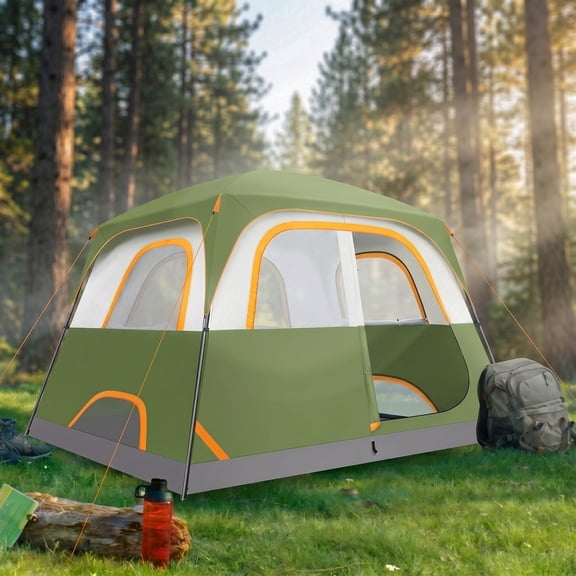


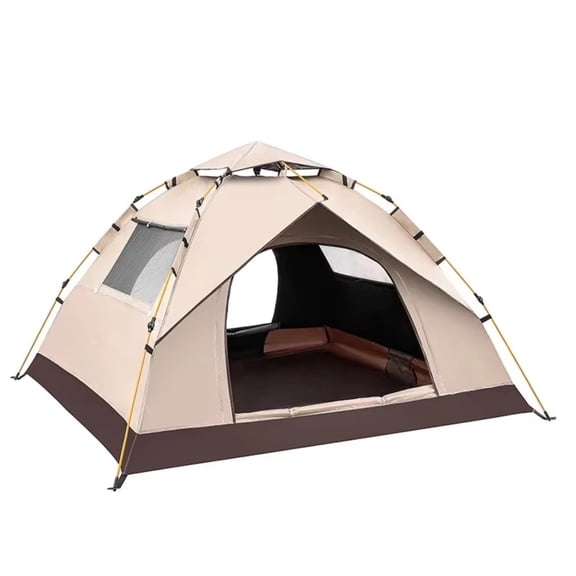


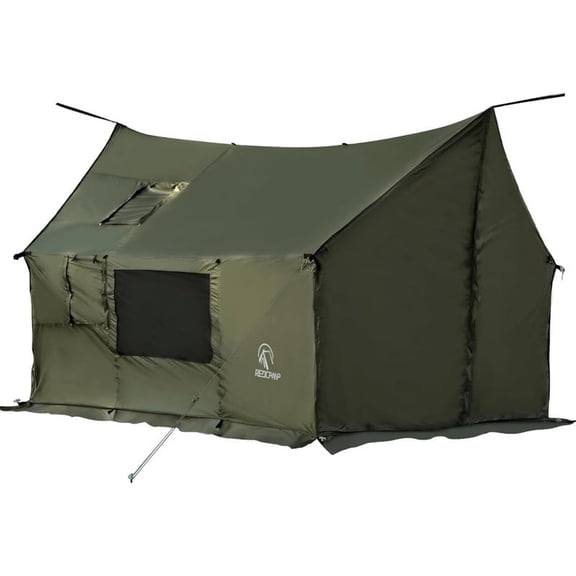


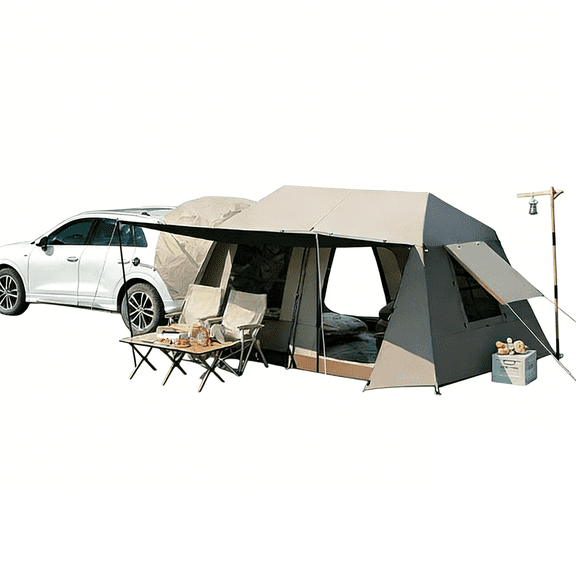


About Camping Tents in Tents - Walmart.com
Plan your July 4th celebration or summer outdoor adventure with confidence—Walmart offers a diverse selection of camping tents tailored to every occasion. Whether you're setting up for a family camping trip, hosting a backyard gathering, or enjoying an outdoor festival, finding the right tent is easy with so many sizes and features to choose from.
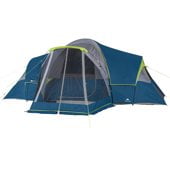
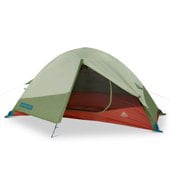
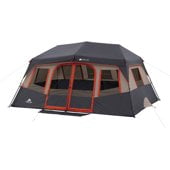
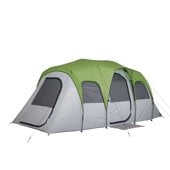
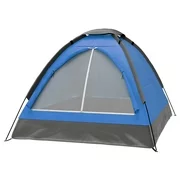
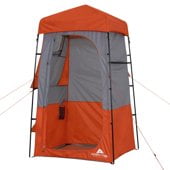
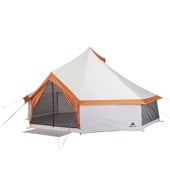
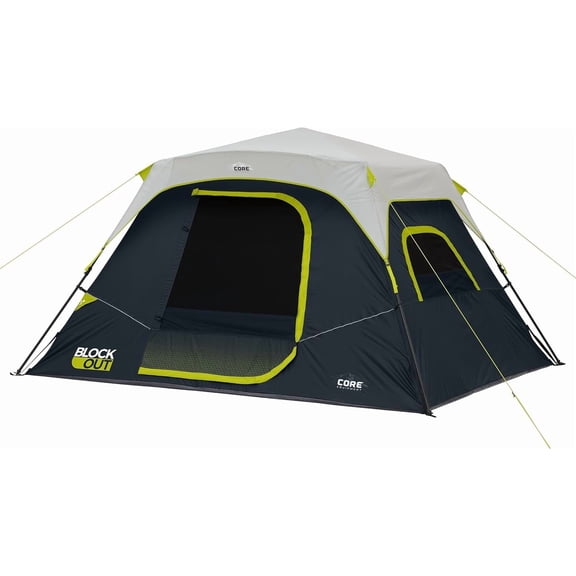
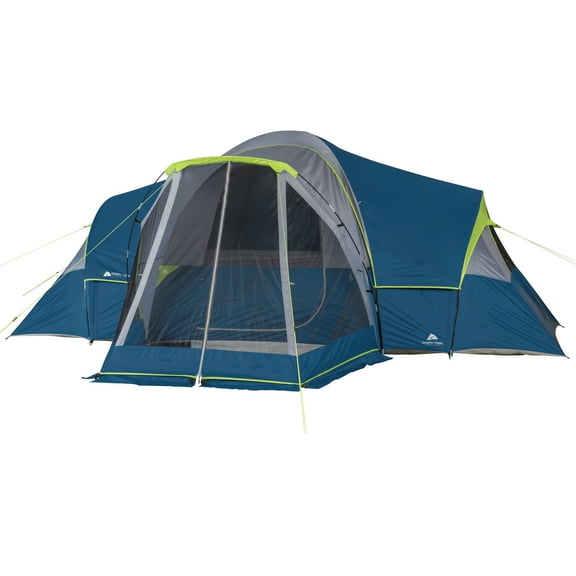
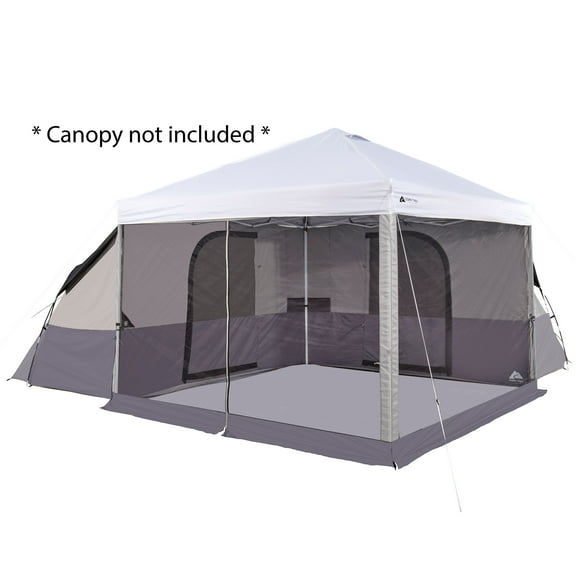
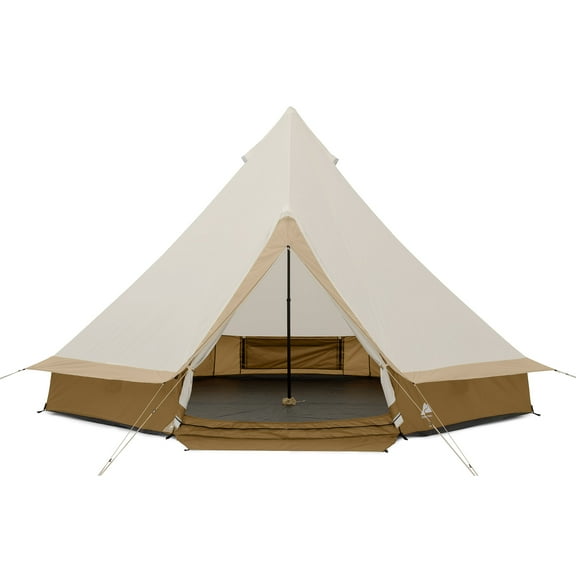
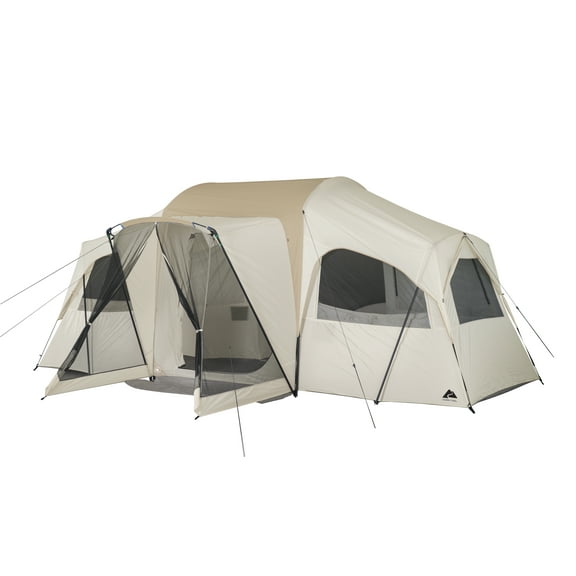
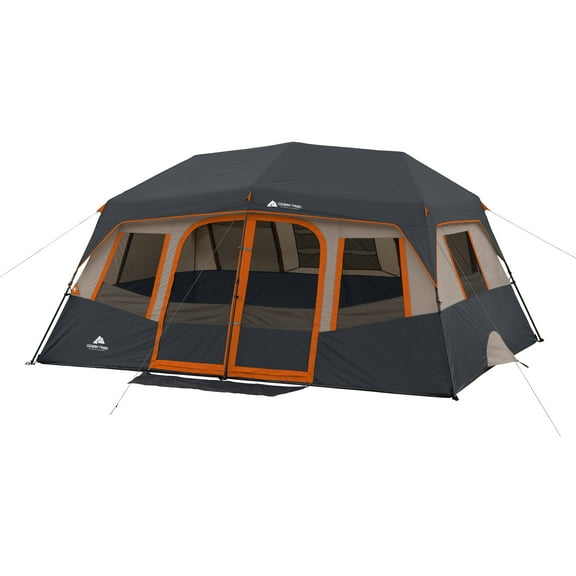
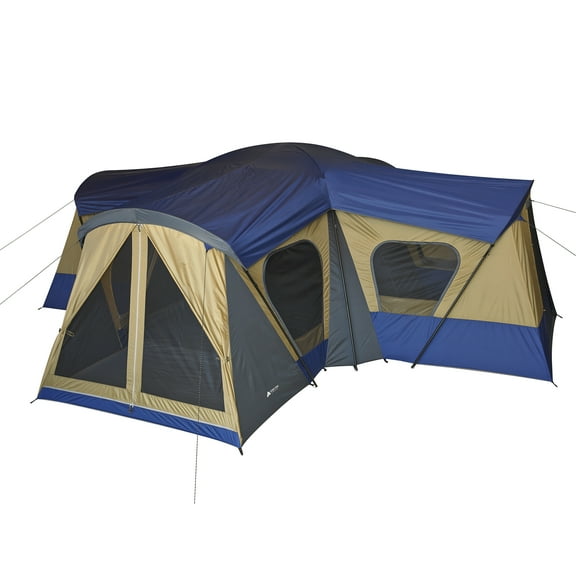
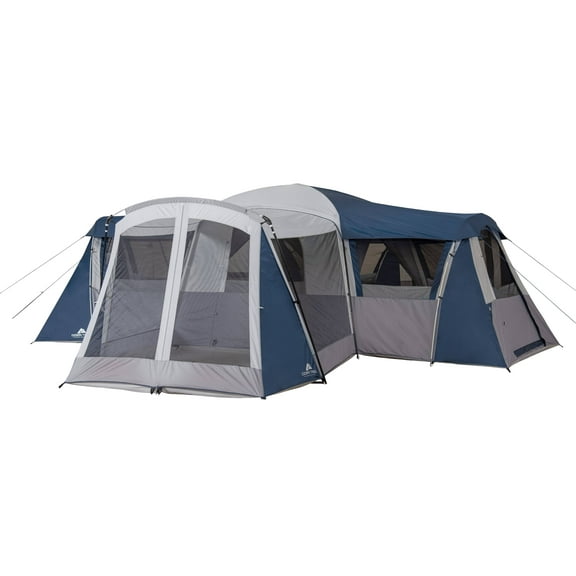
- Wide Selection for Any Group: Easily discover tents for solo excursions or large groups, including options with multiple rooms, extended vestibules, and flexible layouts to accommodate guests and gear.
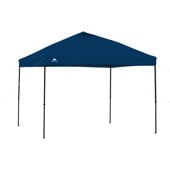
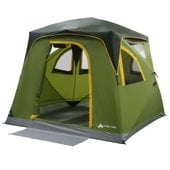
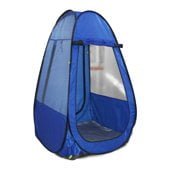
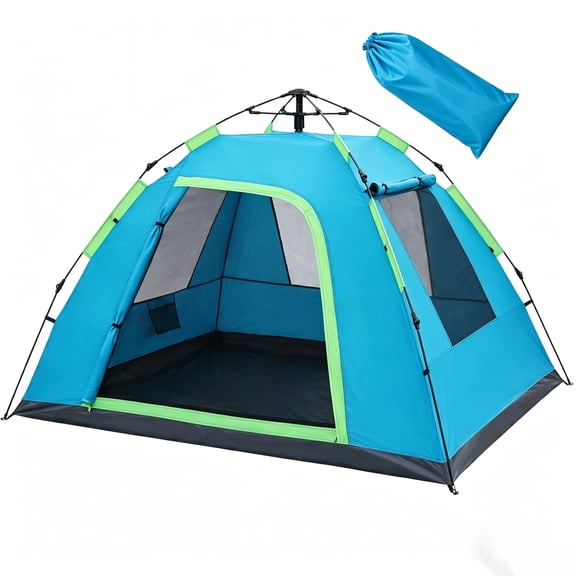
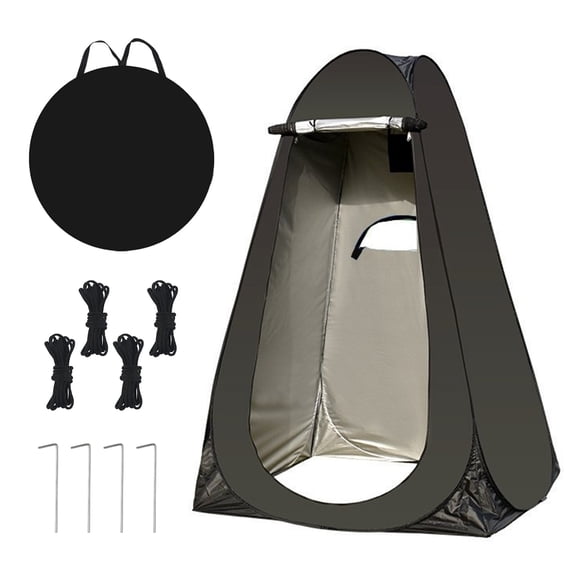
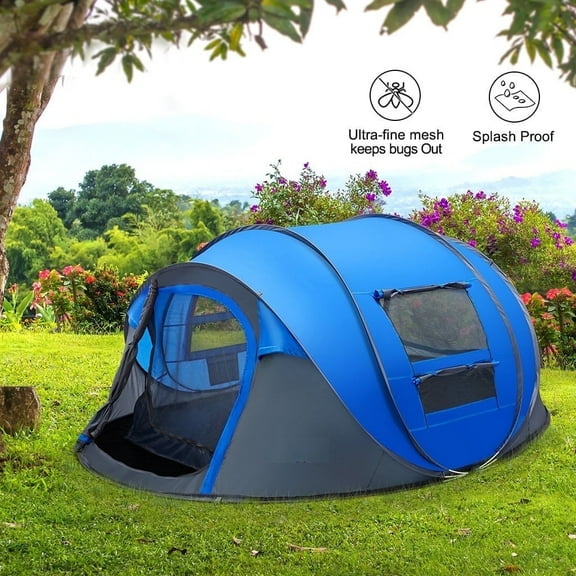
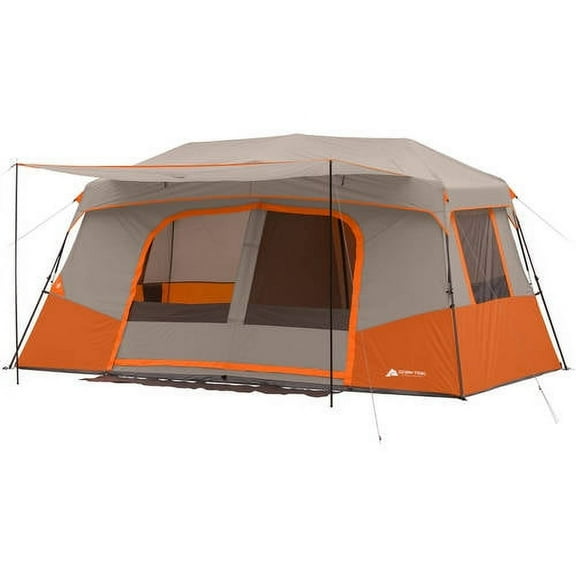
- Quick and Stress-Free Assembly: Choose instant tents and pop-up styles for hassle-free setup, saving time and streamlining your arrival at the campsite or backyard party.
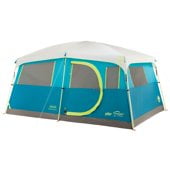
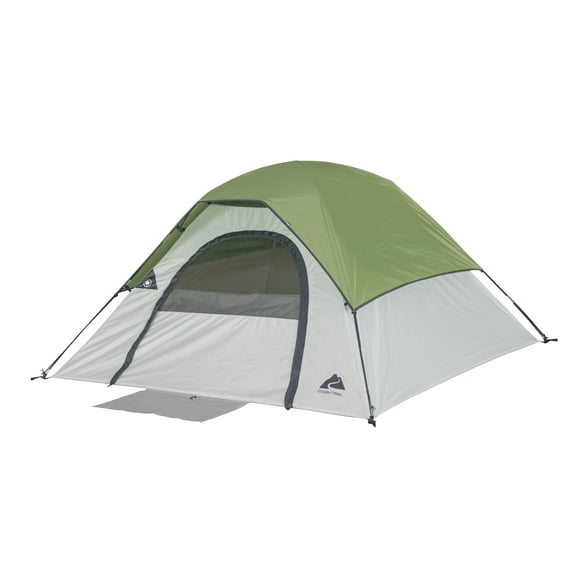
- Comfort in Any Weather: Explore tents designed with rainflies, ventilated mesh windows, and sturdy construction—helping you stay comfortable during summer nights or unexpected showers.
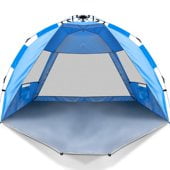
- Multi-Use Versatility: From outdoor hiking to backyard cookouts, beach days, and festive events, these tents provide adaptable shelter and space, making them ideal for a range of summertime activities.
- Convenient Shopping and Fast Pickup: Compare by size, setup features, and weather protection. Enjoy easy online ordering with delivery or same-day pickup, so you can prep for your plans without delay.
- Enjoyable Summer Memories: Create memorable moments—tents offer privacy, shade, and a safe place for relaxation, letting everyone focus on fun during the holiday.
With Walmart's variety, you can confidently select a camping tent that fits your July 4th adventure and everyday outdoor needs. Shop today to make your summer celebrations comfortable, easy, and unforgettable.