
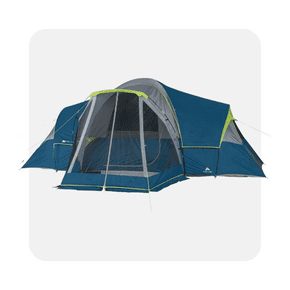
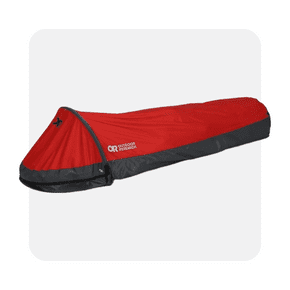
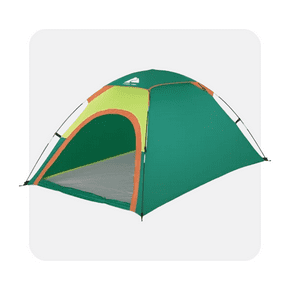
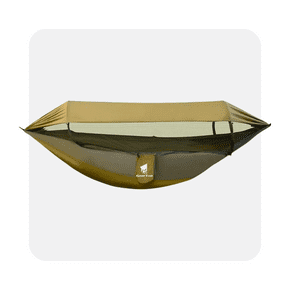
Tents

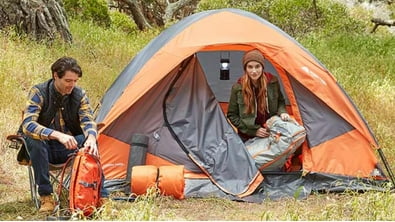
Camping made comfy

Take it easy in the great outdoors with Ozark Trail tents.Shop now

FAQ

How big tent do I need for 100 guests?

Planning space for 100 guests depends on how you’ll use the area. A quick guideline:

  • Seated dinner: Allow about 10–12 sq ft per person for tables and chairs.
  • Reception with dance floor: Add extra 15–20% for a dance or buffet area.
  • Standing cocktail: About 6–8 sq ft per person.

Also consider furniture layout, a stage, and weather protection. Different tent styles affect usable space, so check product dimensions on the tent listing and read customer reviews. Walmart offers delivery and pickup options—check the product page or store services for setup or rental referrals in your area.

How do I use a heater safely in an ice fishing tent?

Using a heater in a shelter requires caution. Follow these tips to reduce risks:

  • Use heater types made for enclosed shelters and follow the manufacturer’s instructions exactly.
  • Ensure ventilation: keep an opening for fresh air to avoid buildup of combustion gases.
  • Place heaters on stable, non-flammable surfaces and keep flammable items away.
  • Use a carbon monoxide alarm designed for cold conditions, and never leave a fuel-burning heater unattended.

Always verify local regulations and the tent manufacturer’s guidance. Check the tent and heater product pages for compatibility and safety recommendations before use.

When should I rent a wedding tent instead of buying one?

Renting can make sense depending on how you plan to use the tent:

  • Short-term or one-time events: Renting often includes delivery, setup, and teardown—handy if you don’t want storage or maintenance.
  • Custom needs: Rentals let you choose specialty flooring, sides, or staging without a long-term investment.
  • Frequent use or resale plans: Buying may be better if you’ll reuse the tent often or want to customize it permanently.

Compare total costs, storage ability, and logistics. Check Walmart’s tent selection and local rental services to weigh options and timelines for your event.

How do I clean and store my tent after camping?

Proper care extends tent life. Try this routine:

  1. Shake out debris and spot-clean dirt with a soft brush.
  2. Wash gently using mild soap and lukewarm water—avoid harsh detergents and machine washing unless the manufacturer allows it.
  3. Dry completely in shade to prevent mildew; never pack a damp tent.
  4. Repair small tears with a fabric patch or repair tape designed for tents.
  5. Store loosely in a breathable bag in a cool, dry place away from direct sunlight and pests.

Always follow the care instructions on your tent’s tag and check product pages for recommended repair kits or accessories.

How do I find replacement tent parts or repairs at Walmart?

If you need parts or repairs, start here:

  • Check the product page: Look for sections like parts, accessories, or compatible items linked to the tent listing.
  • Search for universal repair kits: pole splints, replacement stakes, seam sealer, and patch kits are often sold separately.
  • Contact customer service: use the retailer’s help center from the product page to ask about availability or warranty options.
  • Local service: some areas offer repair shops that fix poles or fabric; vendor listings or community sporting goods stores can be a resource.

Review warranty details on the product page before pursuing replacements or repairs.

About Tents - Walmart.com

You can compare wal mart tents by size, setup, and weather coverage, so your camping trip feels planned from the start. You’ll find category guidance here that helps you choose a tent for family camping, backpacking, festivals, and car camping.

How to choose wal mart tents for your trip

When you compare tents, your first decision is usually capacity. You’ll want to remember that a four-person tent fits four sleeping pads side by side, with little gear room.

If you want extra elbow room, you should size up by one capacity step. You’ll often feel comfortable in a six-person model when your group has four people and bags.

Your trip style also shapes the right pick. You may want outdoor tents with standing room for car camping, while your backpacking setup usually favors lighter packed gear.

Choosing the right tent size and capacity

You can narrow your options fast by matching tent capacity to your sleeping layout. You’ll usually see two-person, four-person, six-person, eight-person, and 10-person choices across this category.

For solo trips or tight trails, you may prefer a two-person tent with a compact footprint. You’ll have easy placement on small campsites and simple packing in your vehicle.

When your group includes kids, you may want a six-person or eight-person cabin layout. You’ll get floor area for pads, duffels, and changing space during longer stays.

  • You can choose two-person tents when your priority is lighter carry and a smaller campsite footprint.
  • You can choose four-person tents when your group needs a common weekend camping size.
  • You can choose six-person or eight-person tents when your family wants comfort and gear space.
  • You can choose 10-person tents when your trip calls for larger shared sleeping space.

If you camp at festivals, you may want to size up for cooler storage and clothing bags. You’ll notice that extra space supports entry, exit, and morning routines.

Comparing instant, pop-up, cabin, and dome tent styles

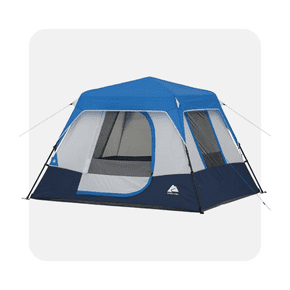
You can use setup type to decide how much time and effort you want at camp. You’ll often choose instant or pop-up options when your priority is fast pitching.

Instant tents usually use attached poles that unfold into place quickly. You’ll spend less time sorting pole sections and more time arranging your sleeping area.

Pop-up tents can work well when you want quick shelter for short stays. You’ll want to check folding size, because packed shape matters in your trunk or gear closet.

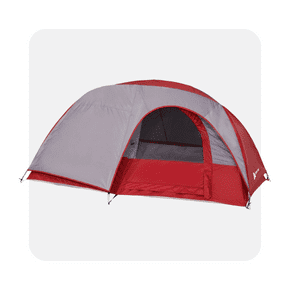
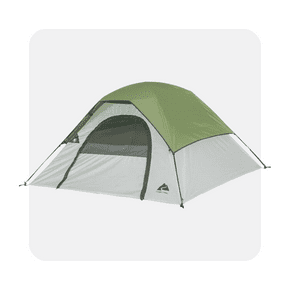
Dome tents often give you a rounded profile and a practical balance of space and packability. You may like them when your campsite needs flexible placement.

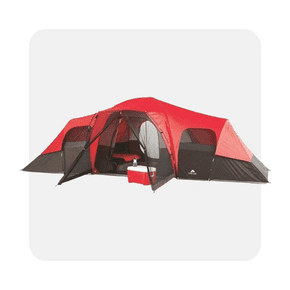
Cabin tents usually offer straighter walls and headroom. You’ll appreciate that shape when your family wants easier movement, air mattresses, or standing space to change.

You should also compare pole materials before you decide. You’ll often see fiberglass poles for general camping, while aluminum poles can matter when your trip demands lower weight and sturdy performance.

What to look for in outdoor tents and weather resistance

You can compare outdoor tents by rain coverage, fabric coatings, and season rating. You’ll want to check whether manufacturers label your tent three-season, four-season, waterproof, or windproof.

Three-season tents usually suit spring, summer, and fall trips. You’ll often get mesh panels, a rainfly, and ventilation that feels comfortable in mild conditions.

Four-season tents usually focus on a robust structure and coverage for harsher weather. You’ll want that added support when your trip may include colder winds or rougher conditions.

When you compare waterproof details, you should look for rainfly coverage and coated fabric. You may also notice PU coating and hydrostatic head ratings, which help you compare water resistance in plain numbers.

A full or extended rainfly can give your doors and walls coverage during wet weather. You’ll also want sealed seams and a bathtub-style floor for complete moisture protection.

Wind handling depends on shape, poles, and guyout points. You should check whether your tent includes stake loops and tension points that help keep the structure steady.

Matching tents to backpacking, family camping, and festivals

You can narrow your choice even more by matching weight and layout to your trip. You’ll want to compare trail weight and packed weight when you plan to carry your shelter.

Trail weight usually reflects the lighter carry setup for backpacking. Packed weight usually reflects the full carry load, so you should compare both before you commit.

For backpacking, you may want a smaller tent with aluminum poles and a compact packed size. You’ll likely care more about ounces and pack volume than standing room.

For car camping, you may lean toward larger tents with taller ceilings and wider floor plans. You’ll have room for cots, duffels, and longer stays at one campsite.

If your family camps on weekends, you may want a cabin or large dome tent. You’ll benefit from easier movement, gear organization, and comfortable sleeping arrangements.

For festivals, you may prefer simple setup and quick pack-down. You’ll appreciate instant or pop-up designs when your schedule includes arrivals, parking, and crowded camping areas.

You can also think about campsite conditions before you choose. You’ll want compact footprints for tighter pads, and you may want larger vestibules when your trip includes extra shoes and bags.

Key tent details that help you compare efficiently

You can make a well-informed pick by checking door count, vestibules, vents, and interior pockets. You’ll notice these details shape your daily comfort once you set up your shelter.

Multiple doors can make nighttime entry simple for shared sleeping setups. Interior pockets help you keep your phone, light, and small essentials off the floor.

Vent panels and mesh sections can improve airflow on warm nights. You’ll also want to check packed dimensions if your storage space at home or in your vehicle is tight.

With wal mart tents, you can compare practical options across capacity, setup type, weather resistance, and trip style. You’ll feel confident choosing a tent that fits your people, your gear, and your campsite routine.

Related Links