

Backup Cameras in Auto Electronics










About Backup Cameras in Auto Electronics - Walmart.com
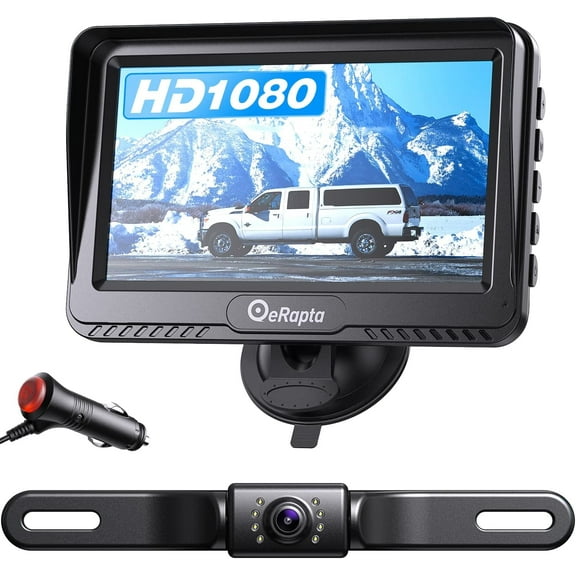
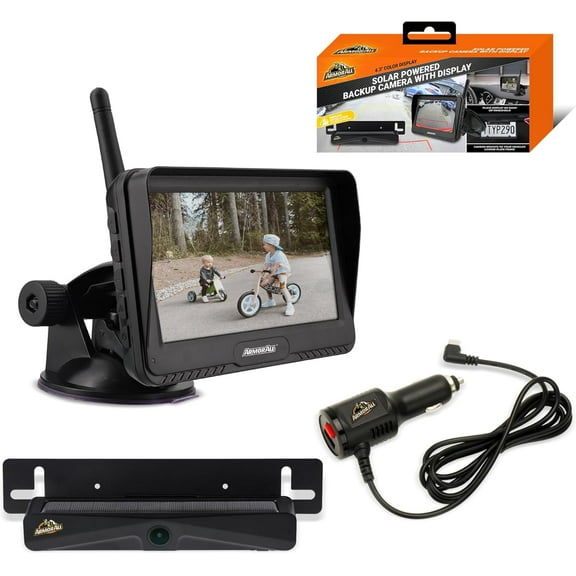
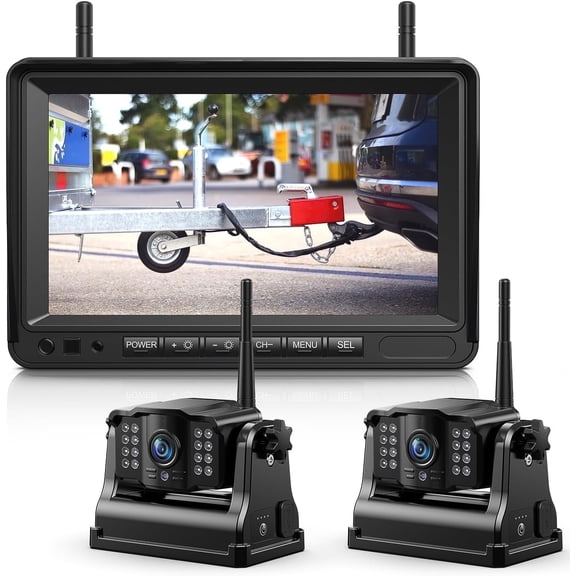
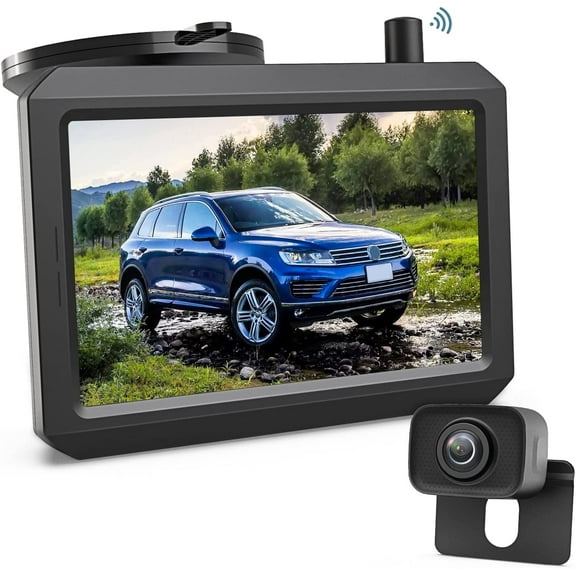
Backup cameras with monitors help you park with a clearer rear view and a dedicated screen you can place where it suits your dashboard. You can compare wireless, wired, and vehicle-specific setups that fit cars, trucks, trailers, and RVs.
Choosing backup cameras with monitors by connection type
When you compare connection types, you should start with how you want to install your system. You may prefer fewer cables, or you may want a direct video connection from camera to monitor.
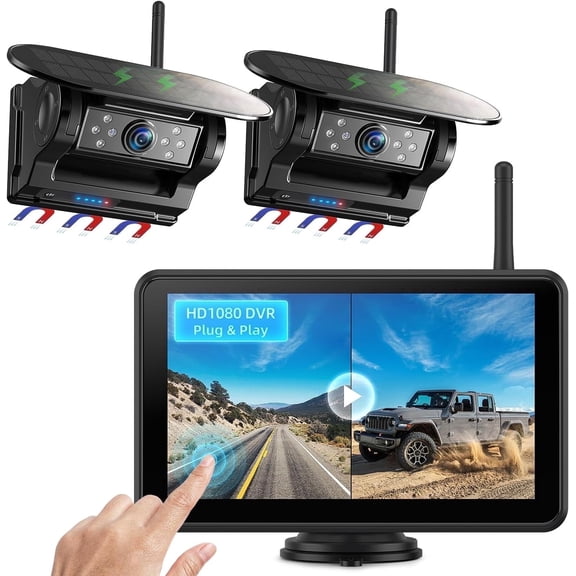
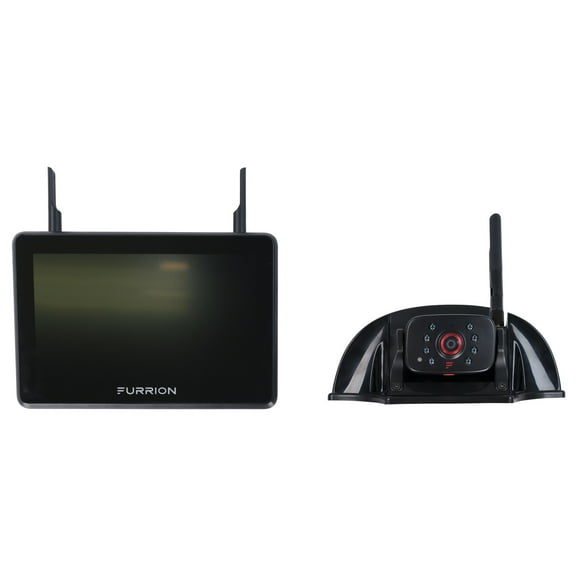
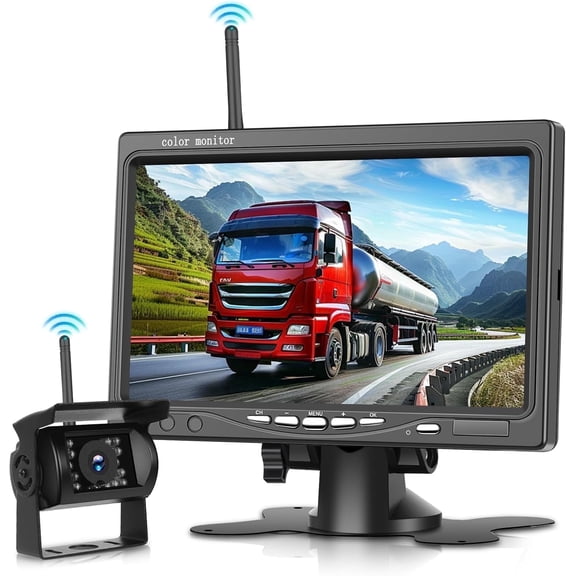
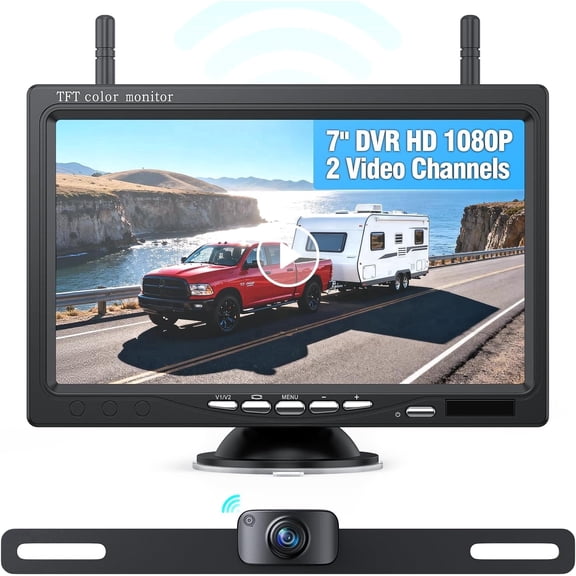
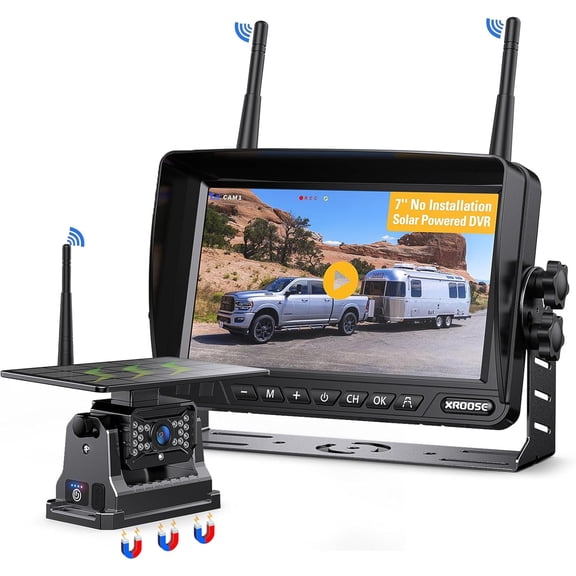
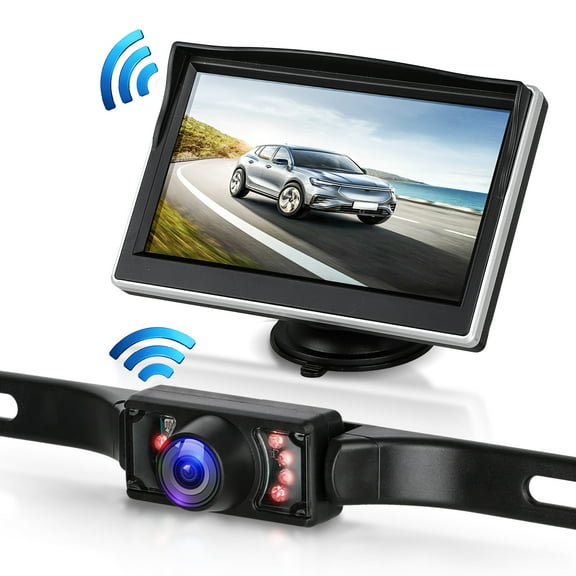
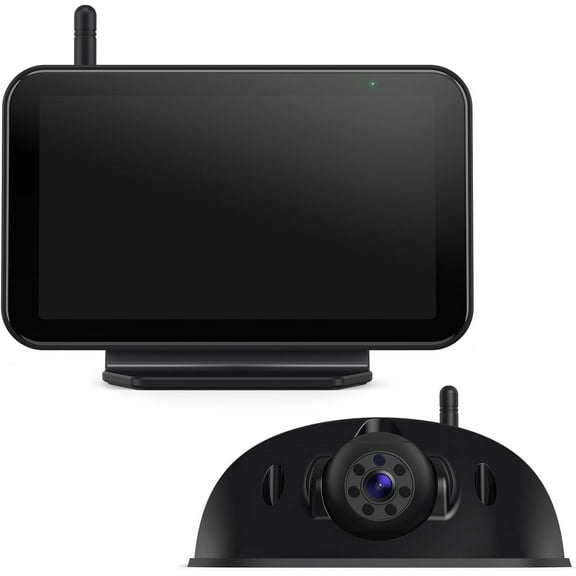
A wireless backup camera with monitor can simplify setup because you won't route a full video cable through your vehicle. You should still check signal range, especially if your RV or trailer adds extra distance.
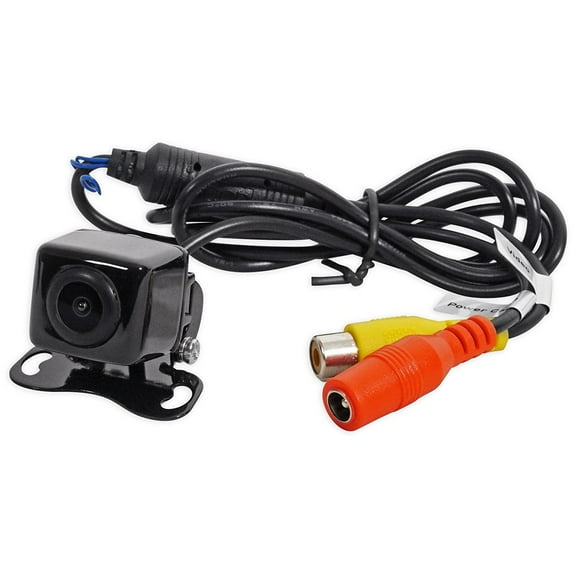
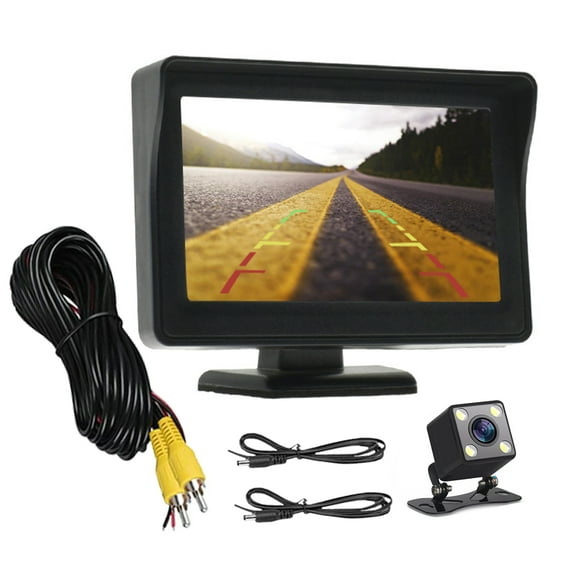
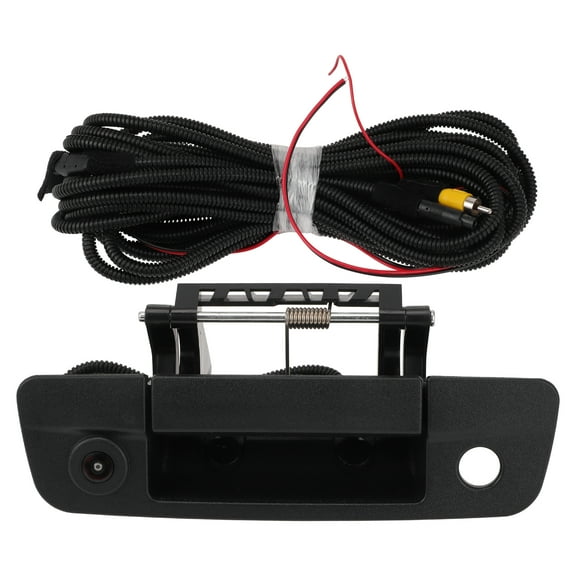
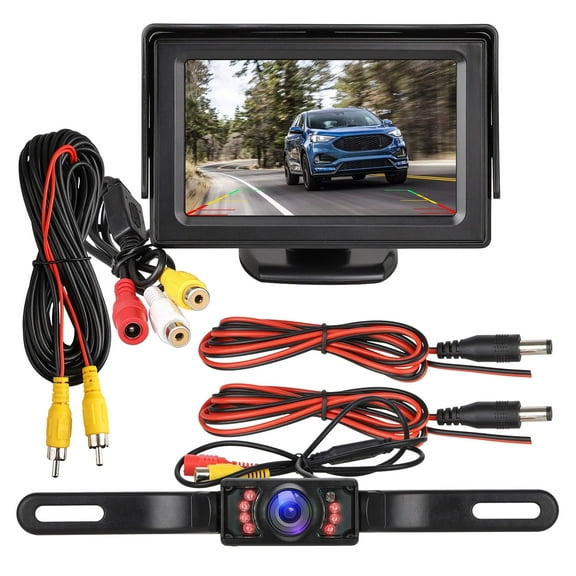
A wired backup camera gives you a physical connection that many shoppers choose for long vehicle lengths. You can compare cable length carefully, since trucks, trailers, and motorhomes need more reach.
Digital wireless systems can help you reduce interference in busy driving environments. You should compare stated range, pairing method, and monitor compatibility before you decide.
- You can choose wireless options for simpler installation on many cars and SUVs.
- You can choose wired systems when your longer vehicle needs a direct, extended connection.
- You can compare digital wireless models when your route includes more electronic traffic.
- You can check Bluetooth features when your setup calls for app or accessory pairing.
How to match your vehicle compatibility needs
Your vehicle type should guide nearly every buying choice, from range to mounting style. You should measure vehicle length and rear placement before you compare kits.
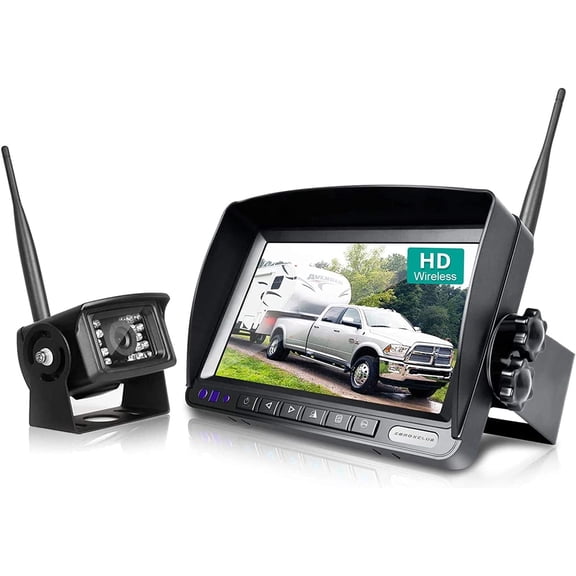
If you need an rv backup camera system, you should focus on long-range signal strength or extended cable support. You may also want a larger monitor that stays visible from a higher driving position.
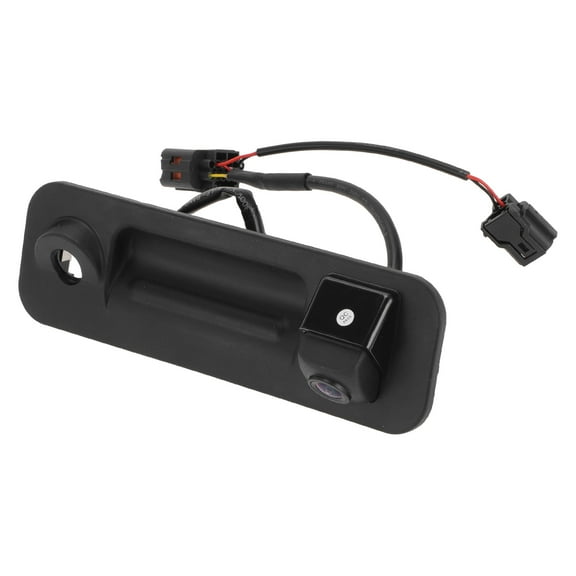
When you need a backup camera for truck use, you should compare tailgate placement, bed length, and cab visibility. You may prefer a monitor that stays easy to read without blocking your forward view.
Trailer setups need extra attention to connector length and stable image transmission over distance. You should also check whether your camera mount works with your trailer frame or rear trim.
For cars and SUVs, you may want a compact camera and a smaller screen that fits tighter interiors. You can often prioritize easier mounting and simpler power connections in those vehicles.
Choosing screen size and monitor placement
Your monitor size affects how easily you can read guide lines, obstacles, and hitch views. You should balance screen visibility with the space available on your dash or windshield.
A five inch screen can suit compact cabins where you want a smaller footprint. You may find it easier to place without crowding climate controls or vents.
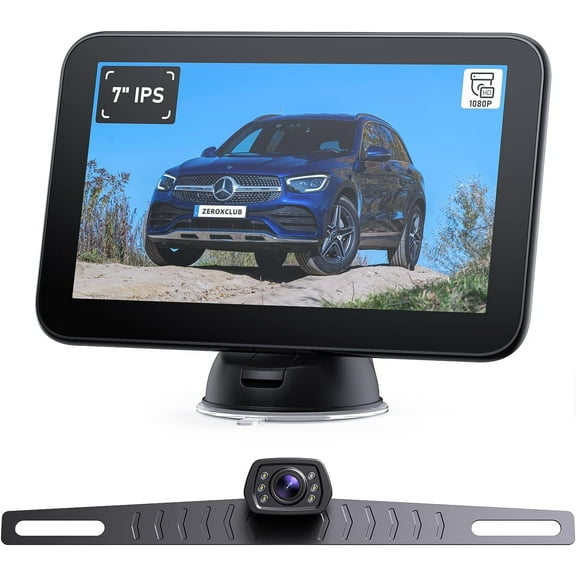
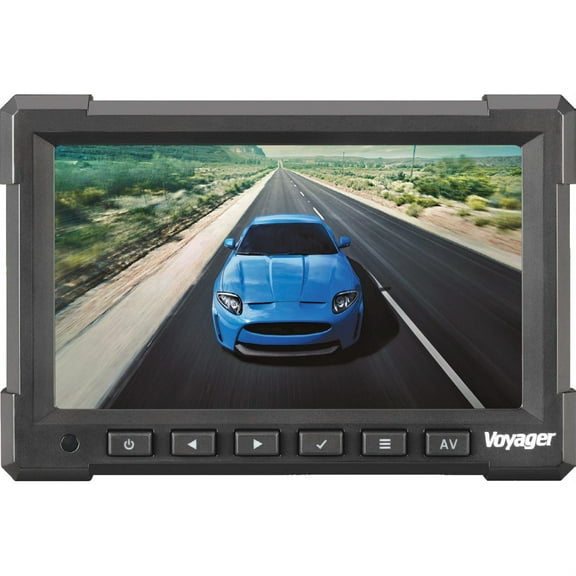
A seven inch or nine inch rear view camera with monitor setup gives you a larger image. You can often read the picture faster when you back up larger vehicles.
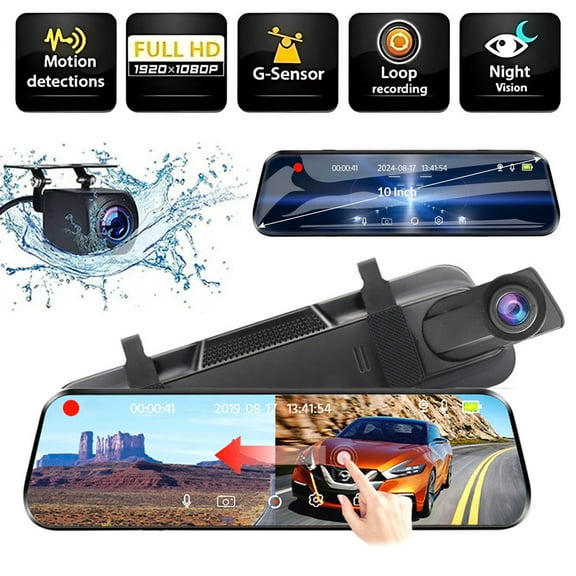
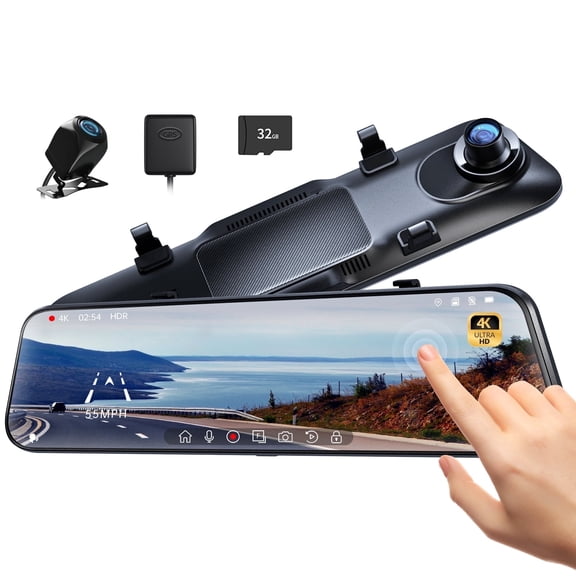
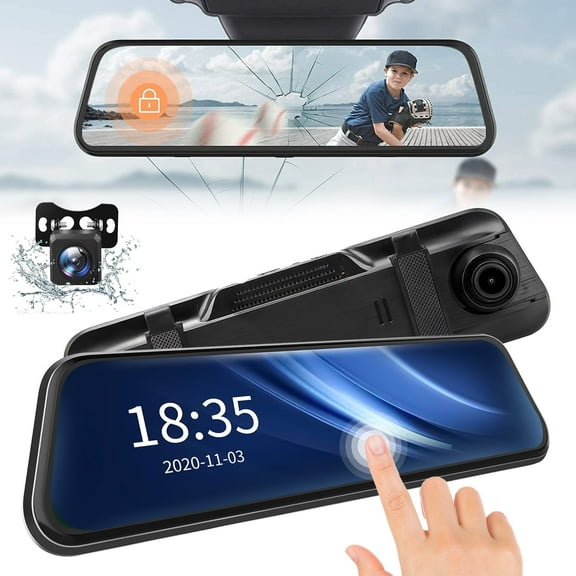
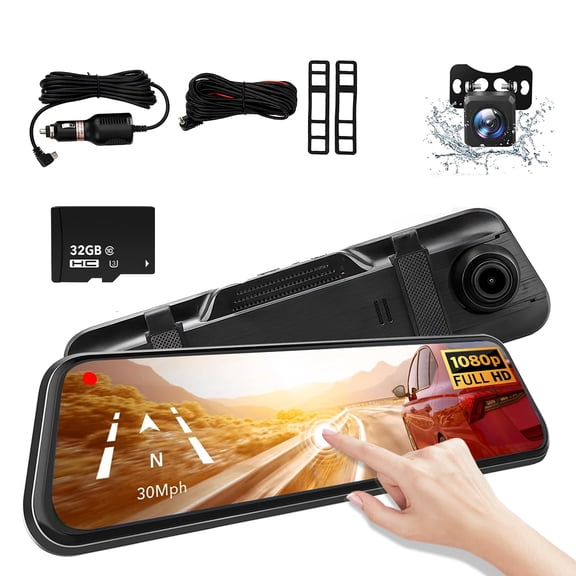
If you want a 10.1 inch display, you should confirm it won't interrupt your normal sight lines. You should also compare dashboard mounts, windshield mounts, and mirror replacement designs.
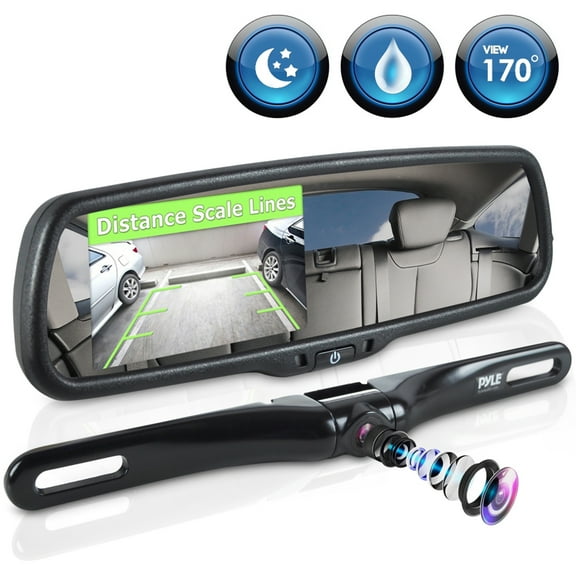
Dashboard mounts keep the screen lower and can blend into your instrument area. Windshield mounts can raise the picture closer to your line of sight, while mirror replacements can streamline the look.
Comparing resolution, night visibility, and weatherproofing
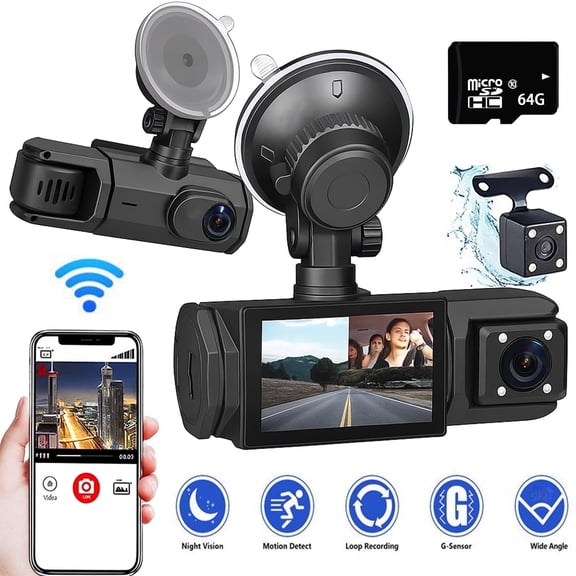
Your camera resolution shapes how much detail you can see when you reverse into tight spaces. You should compare 1080P HD, 720P HD, and standard definition based on your viewing needs.
If you want sharper image detail, you may lean toward 1080P HD for clearer edges and parking lines. You can still find 720P HD options that give you a solid picture for everyday backing.
Night vision matters when you park before sunrise, after dark, or in shaded lots. You should check how the camera describes low-light viewing, since that detail affects everyday use.
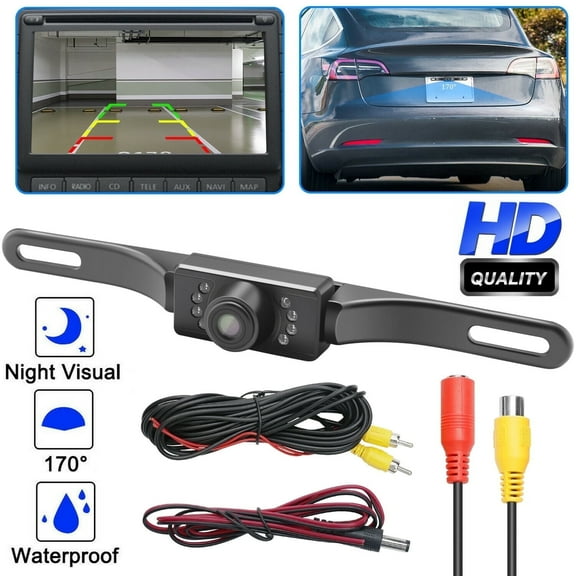
Weatherproofing also deserves close attention because your camera stays exposed on the rear of your vehicle. You should look for an IP69K rating when you want a camera built for heavy moisture and road spray.
Operating temperature range can matter if your vehicle sits in very hot summers or cold winters. You should compare that spec when your truck, trailer, or RV stays outdoors through changing seasons.
Picking the right mount and power setup
Your mounting style affects both appearance and installation steps. You should compare where the camera sits and how that angle supports your rear view.
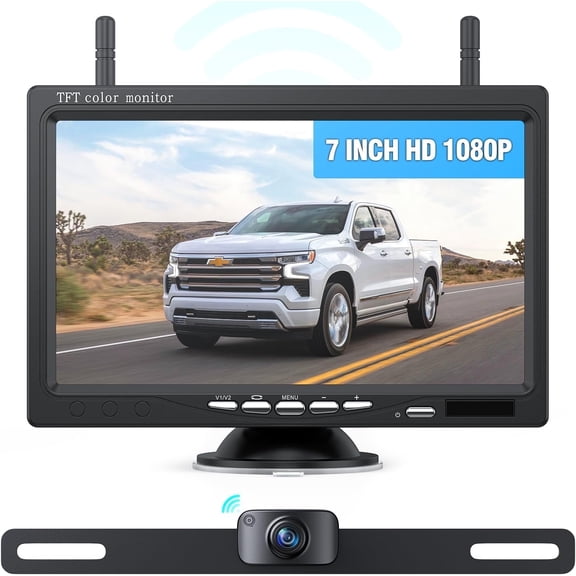
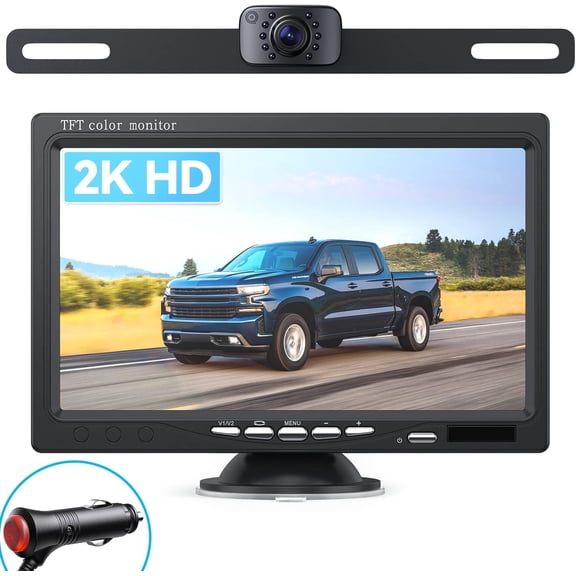
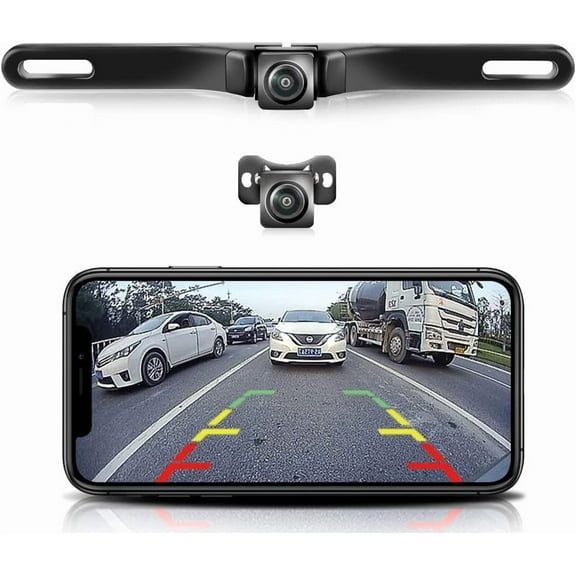
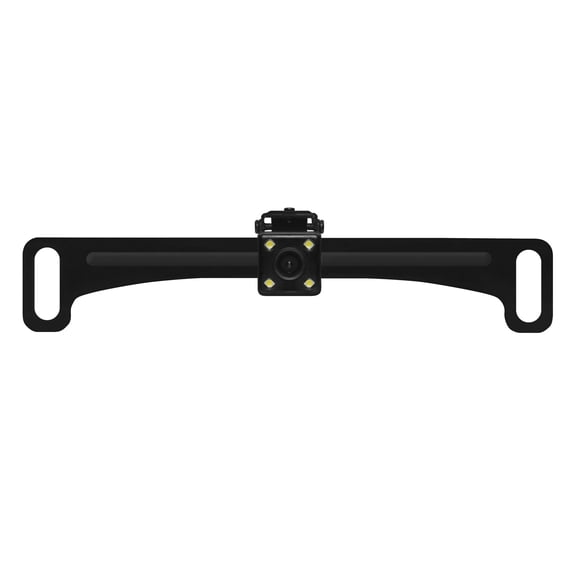
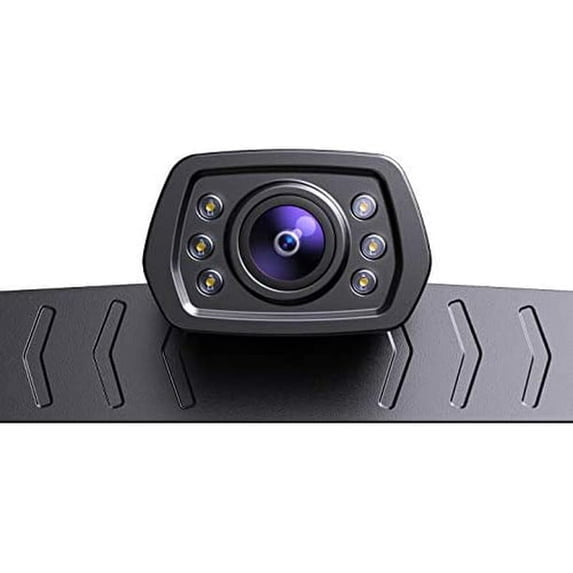
A license plate backup camera can work well when you want a familiar mounting point on many cars and trucks. You should confirm plate placement and available clearance before you choose one.
Dashboard and windshield monitor mounts can help you place the screen where you can glance at it easily. You may prefer a rear view mirror replacement when you want a more integrated cabin setup.
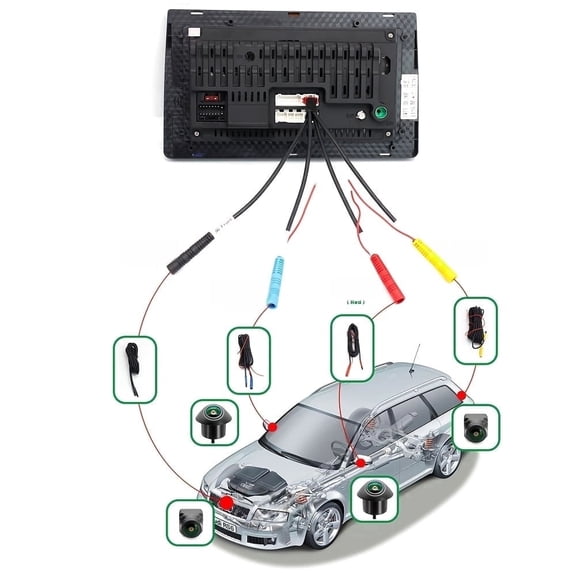
Your power setup also shapes installation time, especially if you plan a DIY project. You should check whether the system connects to reverse lights, a 12V outlet, or a hardwired source.
If you want a simpler install, you may prefer fewer components and shorter cable runs. If your setup involves a longer trailer or RV, you may decide that professional wiring makes more sense.
Using backup cameras with monitors for everyday driving
You can use these systems for daily parking, hitch alignment, trailer backing, and tighter garage entries. You should choose features that match the way you drive rather than extra specs you won't use.
If you commute in a car, you may want a compact screen and license plate mount for a clean setup. If you drive an SUV, you might prefer a larger display for a taller rear profile.
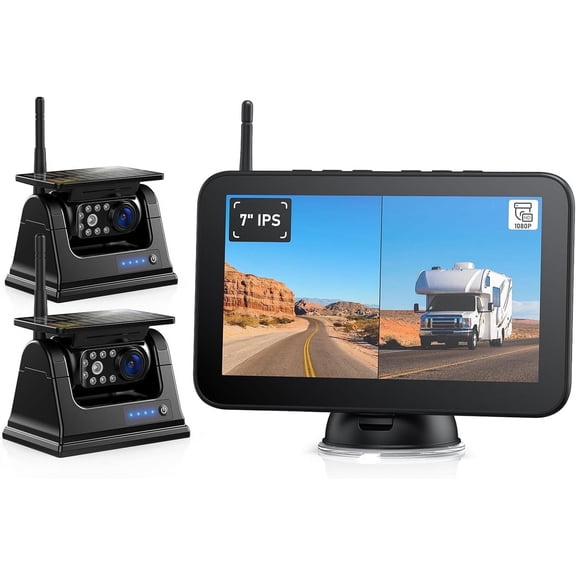
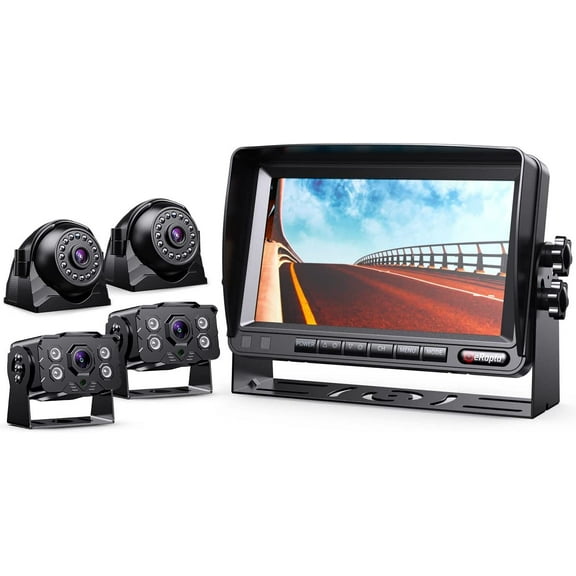
When you tow often, you can compare a dual backup camera system for wider coverage and hitch support. You should also consider monitor size carefully so your image stays easy to read.
For road trips in larger rigs, you may need an rv backup camera system with long-range digital wireless performance. You can pair that with a larger monitor to keep the rear view easier to track.
If your work truck sees frequent loading stops, you may want durable housing and a stable image connection. You can focus on weatherproof construction, cable length, and a monitor mount that stays put.
When you choose the right setup, you get a rear view that matches your vehicle length, monitor space, and installation comfort. You can narrow the field faster by comparing range, screen size, mount style, and weather-ready design.