



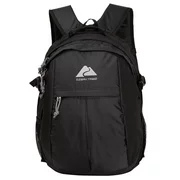
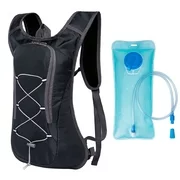
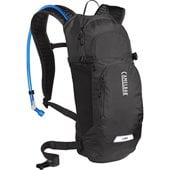
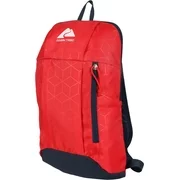
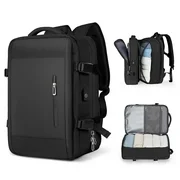
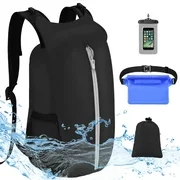
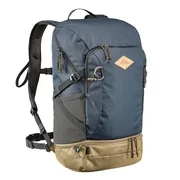
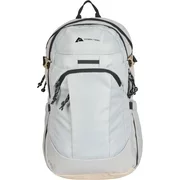
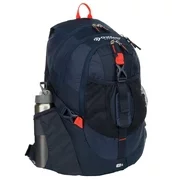
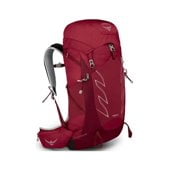
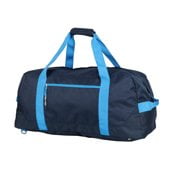
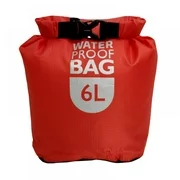
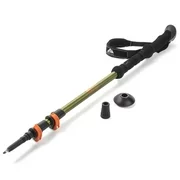

Hiking Backpacks for Camping and Outdoor Sports


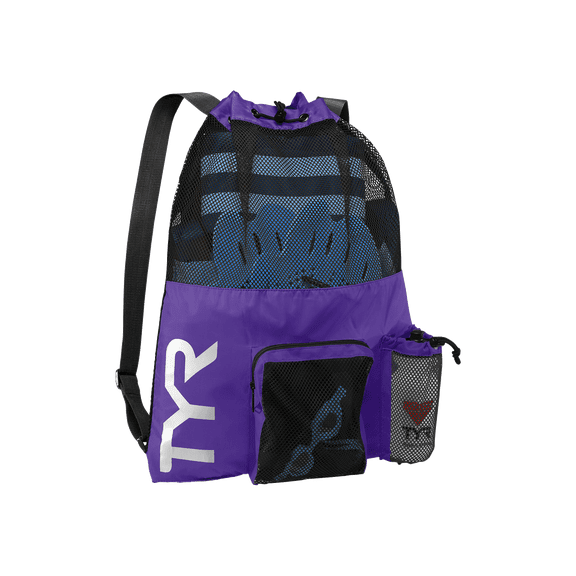
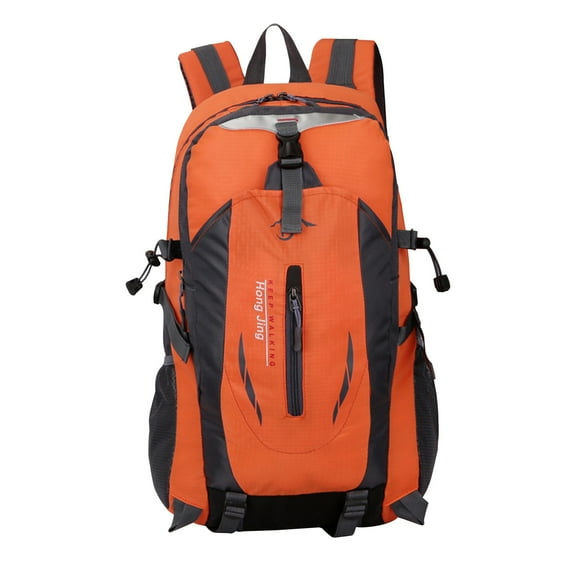


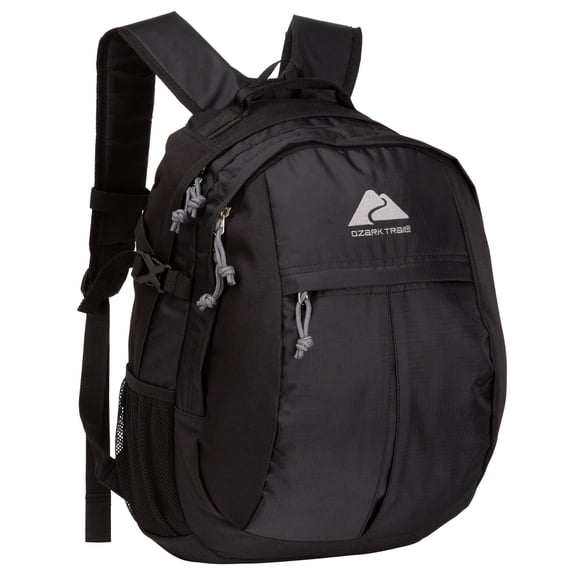


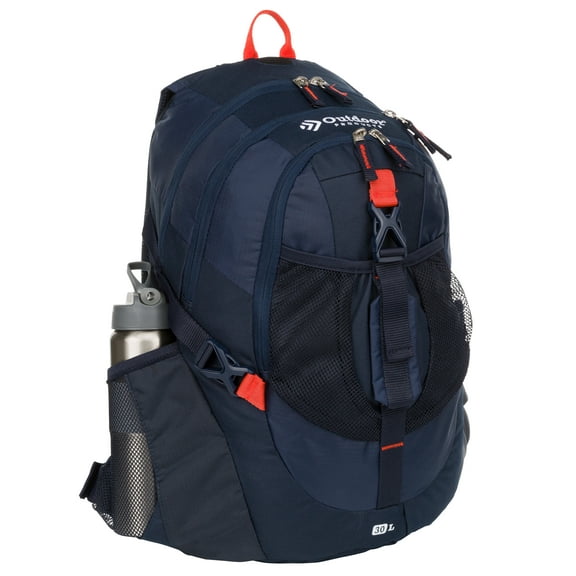


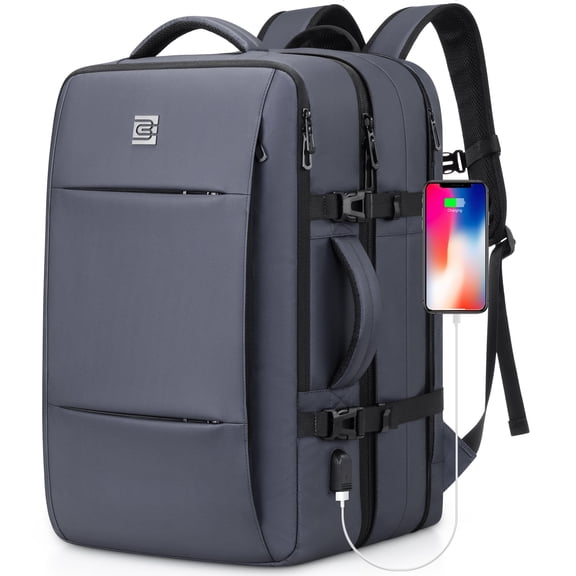

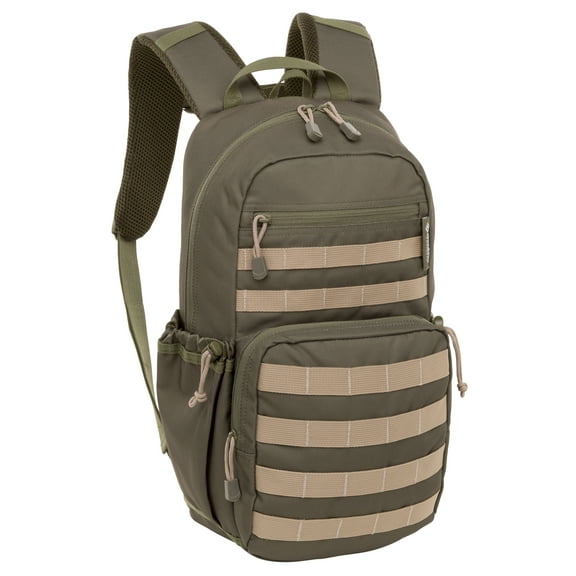


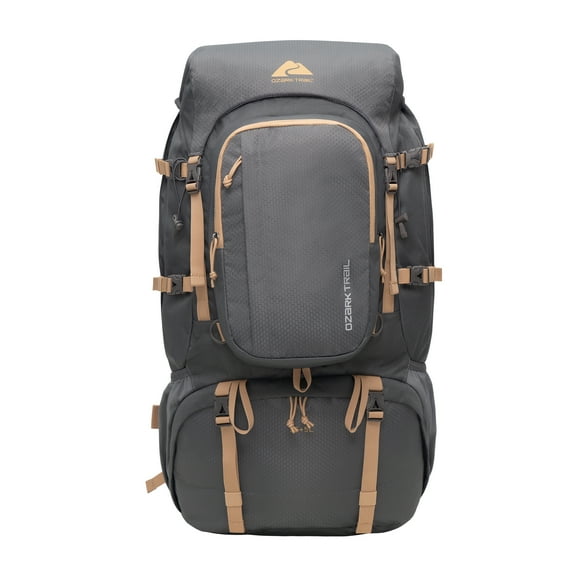
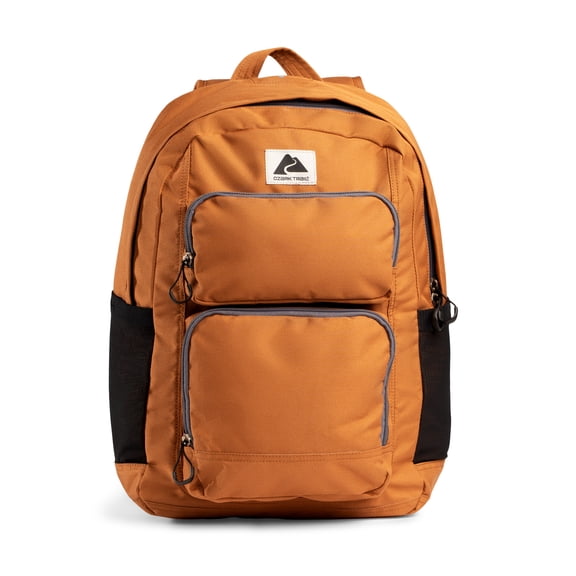


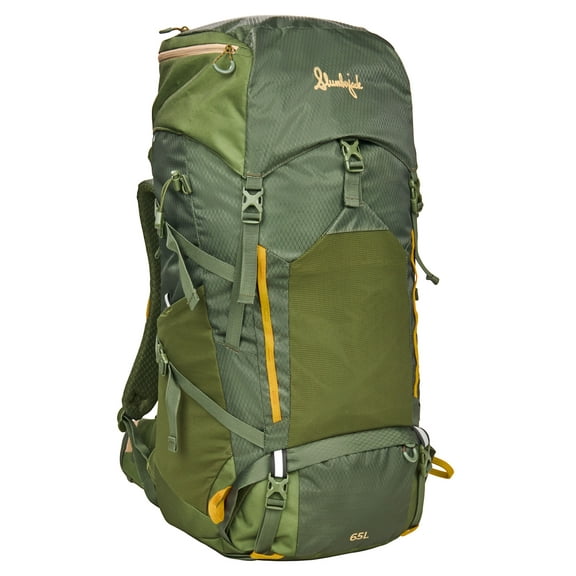
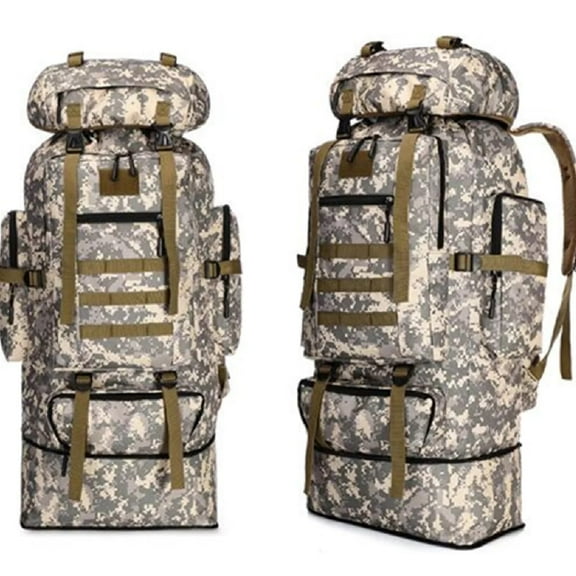


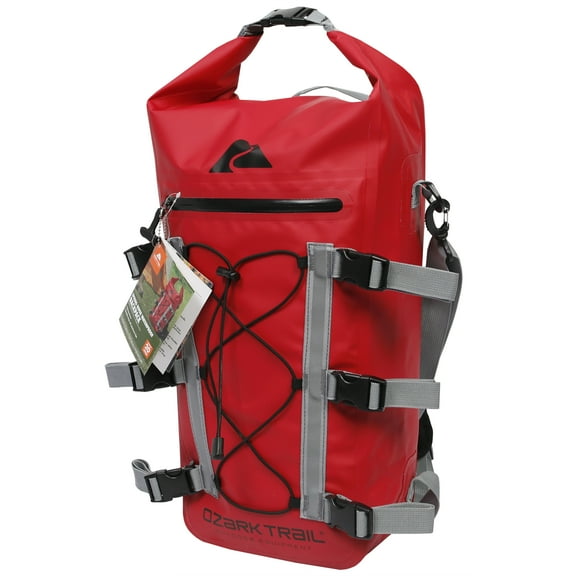


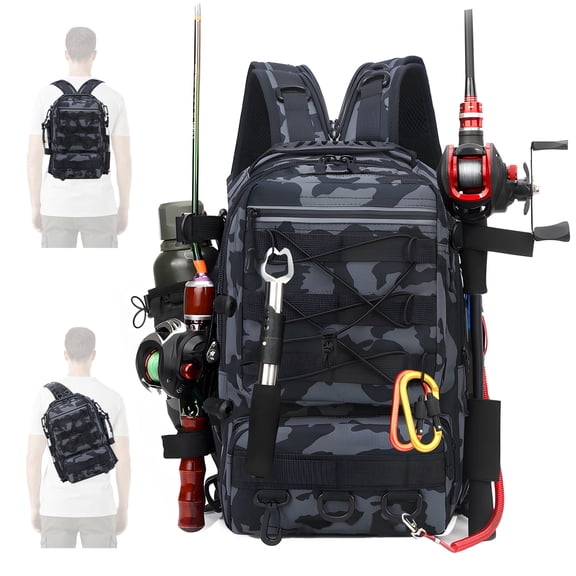


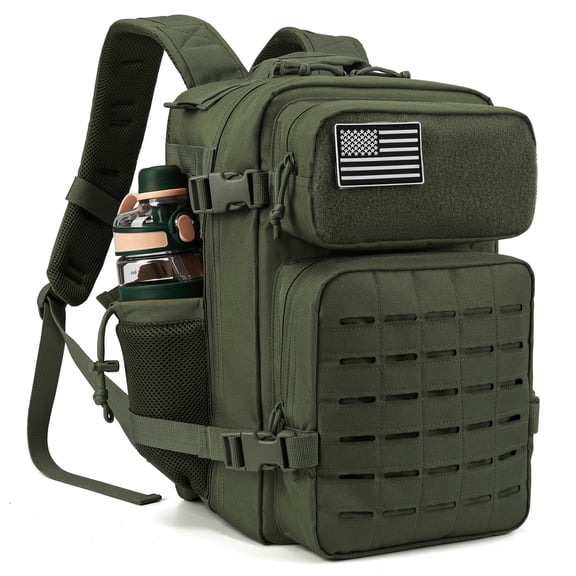


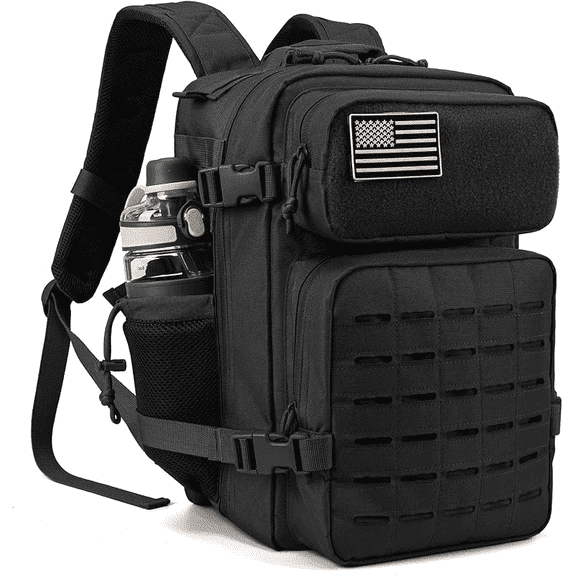


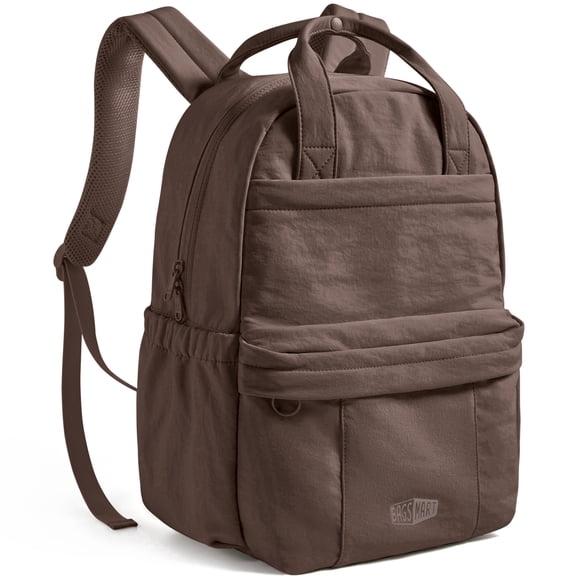
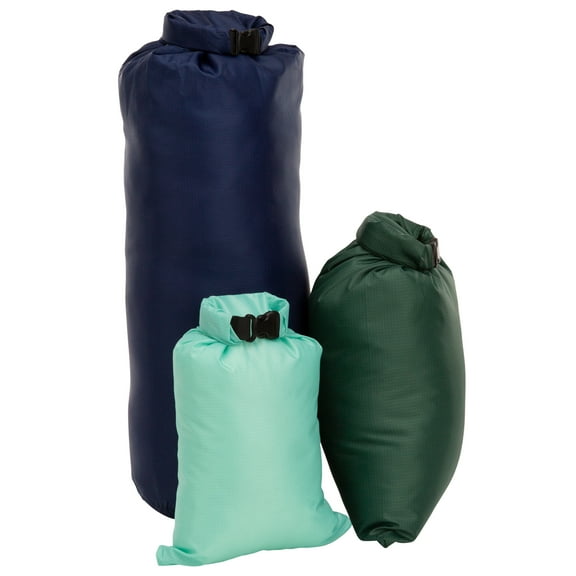


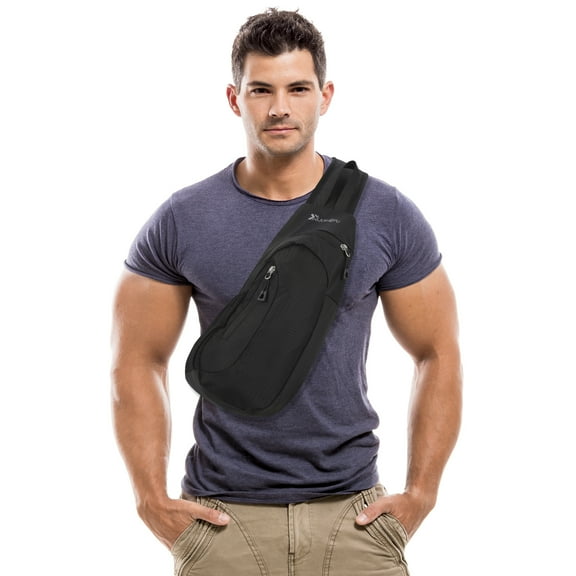


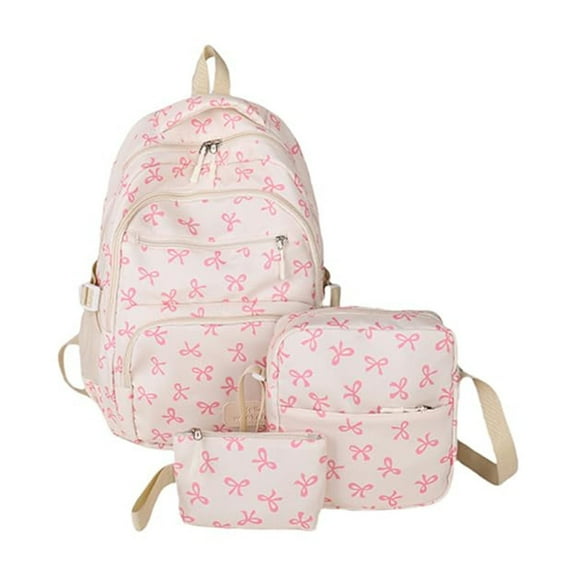


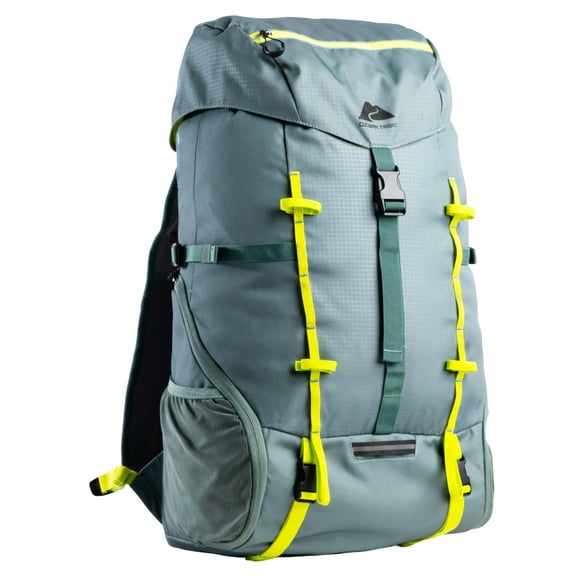
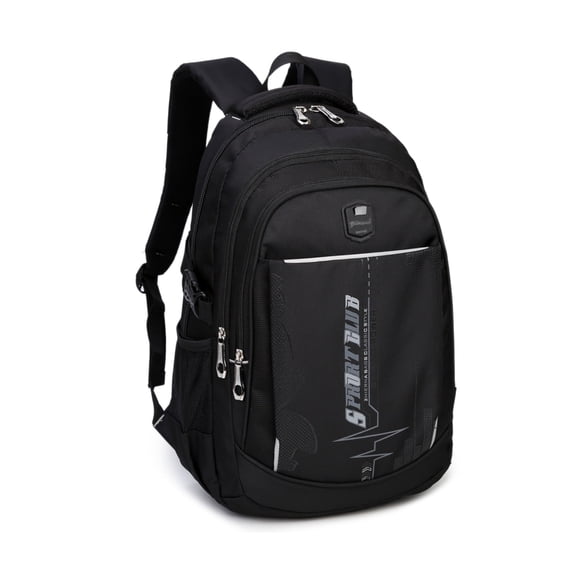









About Hiking Backpacks for Camping and Outdoor Sports - Walmart.com
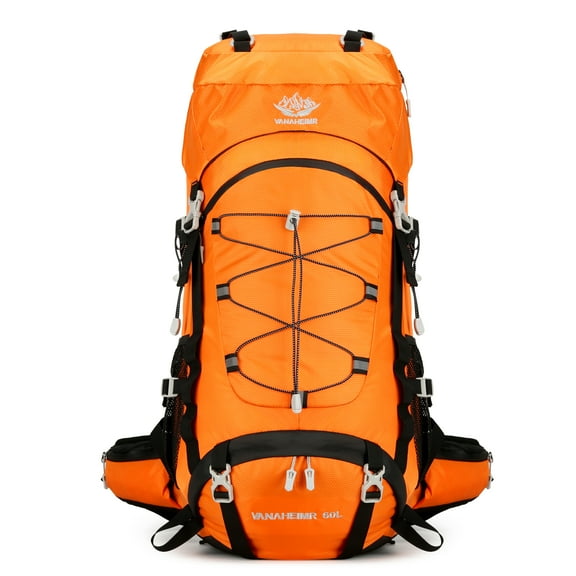
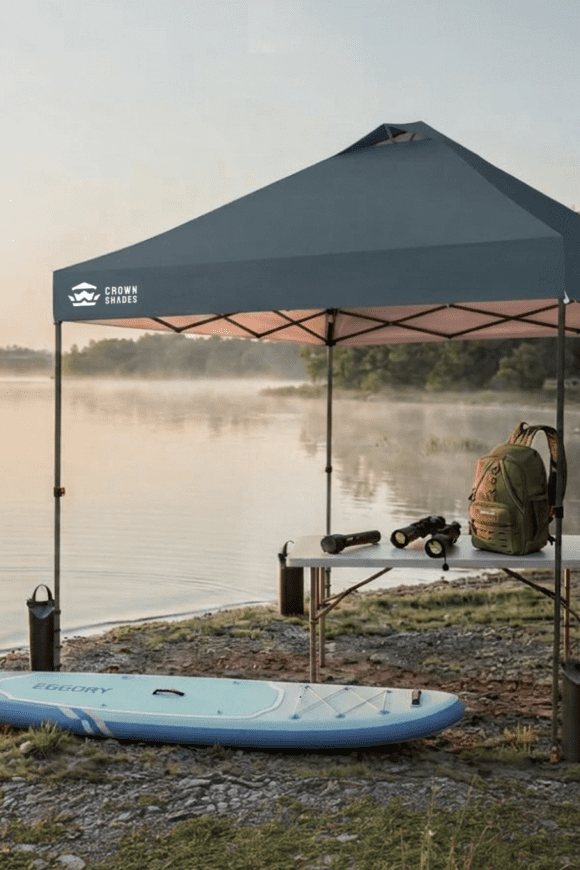
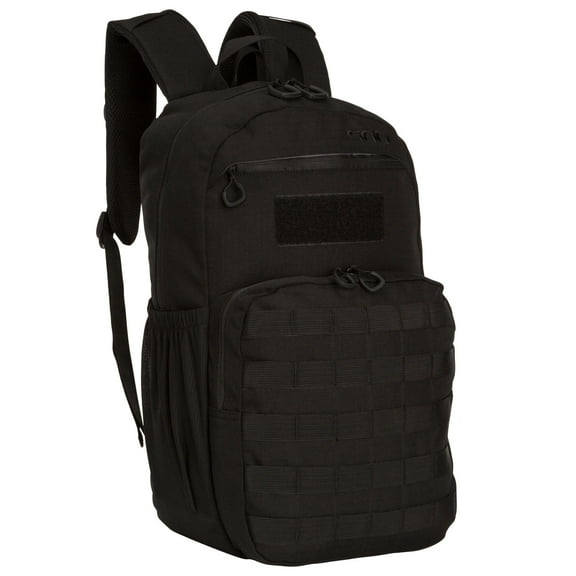
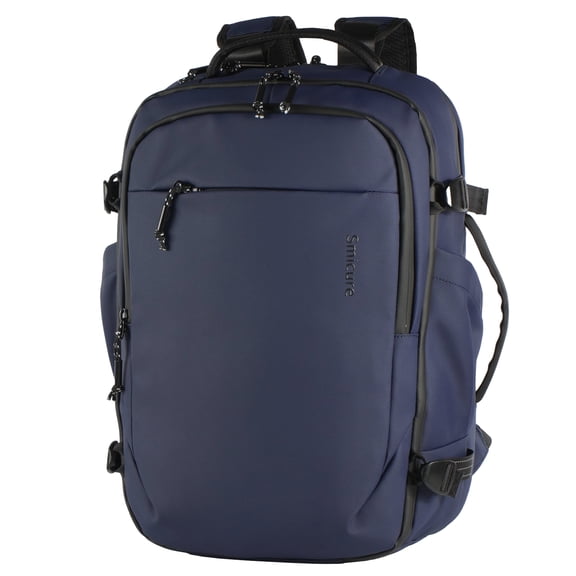
Hiking backpacks help you carry gear comfortably on day hikes and weekend trips, with adjustable fits and smart storage for changing trail conditions. At Walmart, you can compare sizes, frames, and pocket layouts fast, so your load stays stable on climbs and descents feel controlled. Many packs also support trekking poles, hydration reservoirs, and rain covers, so you stay prepared when weather shifts. Choose a pack that matches your torso length, trip length, and the gear you actually carry, so you spend less time adjusting straps. With the right suspension and access points, you’ll move smoothly and keep essentials within reach.
Benefits of hiking backpacks on the trail
A well-fit hiking backpack keeps weight close to your body, so you feel balanced on uneven ground. Supportive hip belts shift load to your hips, which helps reduce shoulder pressure on longer routes. Ventilated back panels help manage heat, especially when you’re moving uphill with a full load.
Smart organization keeps your routine simple at breaks and in camp. External stretch pockets hold bottles or layers for quick changes. Dedicated compartments help separate wet gear from dry items after a sudden storm.
- Carry water, layers, and food with stable weight distribution.
- Keep frequently used items accessible with front, top, and side entry options.
- Stay comfortable with padded shoulder straps and supportive hip belts.
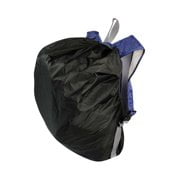
- Protect gear with durable materials and included or compatible rain covers.
- Secure trekking poles with lash points and bungee systems.
Features to compare when choosing hiking backpacks
Start with capacity, since liters should match your trip length and packing style. Day packs often run 10 to 30 liters for snacks, water, and an extra layer. Overnight packs commonly reach 35 to 60 liters for shelter, sleep gear, and cooking items.
Fit matters as much as volume, so check torso sizing and adjustability. Look for shoulder strap height adjustment and hip belt placement over your hip bone. A sternum strap helps stabilize the load when you scramble or step over roots.
Frame style changes carry and flexibility. Internal-frame designs support heavier loads and help keep the pack close to your back. Frameless options can feel lighter for minimal kits, when your load stays compact.
Material choices affect durability and feel. Compare fabric thickness and reinforced panels in high-wear zones, like the bottom and side pockets. Zipper size and buckle strength also matter when you’re opening compartments with cold hands.
Use cases for hiking backpacks
For day hikes, a smaller hiking backpack keeps water, sun protection, and a shell jacket organized. Side pockets make bottle access easier without stopping. A top pocket keeps snacks, a headlamp, and a map easy to grab.
For weekend trips, a mid-size pack supports bulkier gear and efficient packing at camp. A sleeping-bag compartment helps you separate warm layers from cooking items. Compression straps keep your load tight when food weight drops over time.
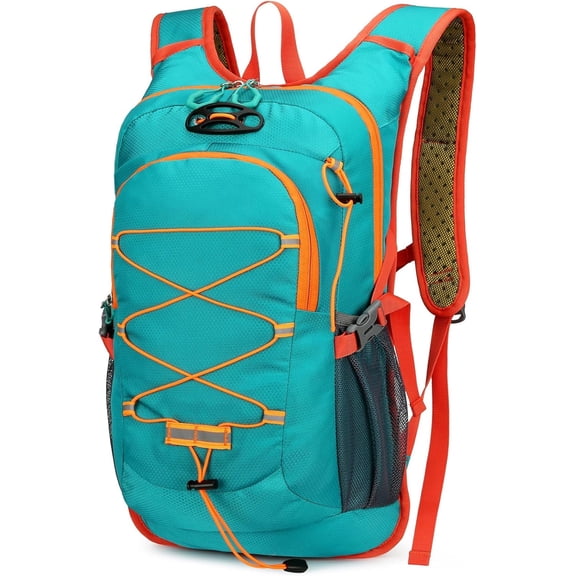
For warm-weather trails, look for ventilation and hydration compatibility. A hydration sleeve helps you route a hose cleanly along the shoulder strap. When your mileage increases, your hydration setup becomes a priority for steady pacing.
For colder seasons, you’ll want room for insulation and traction gear. Lash points can hold microspikes or poles when conditions change. Glove-friendly pulls help you access layers without fumbling.
Finish your kit with a hiking backpack that fits right
The right hiking backpack supports your load without constant strap tweaks or hot spots. Measure from the base of your neck to your waistline, then match torso sizing to the pack. When the fit is dialed in, hikes feel comfortable and your gear stays organized.