

ATV Disc Harrows in ATV Harrows













About ATV Disc Harrows in ATV Harrows - Walmart.com
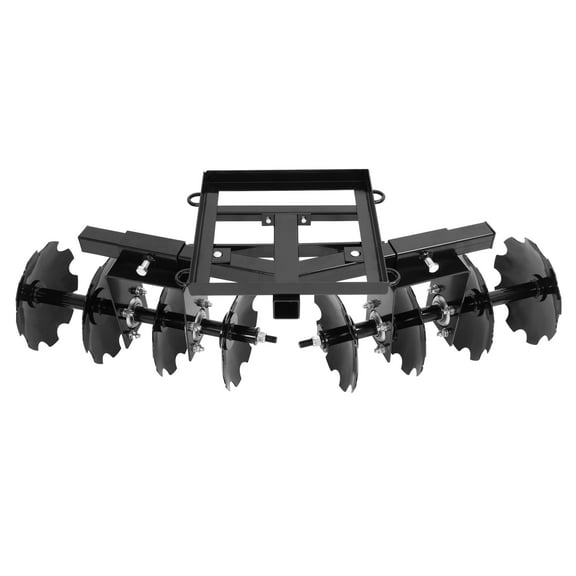
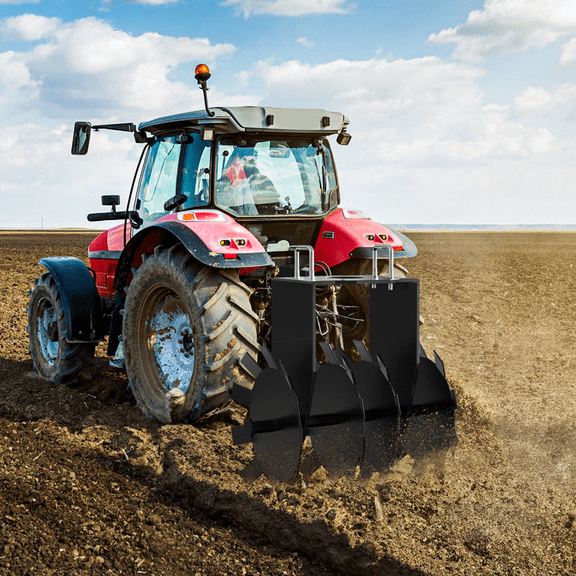
You can use an atv disc harrow to prep food plots, work garden ground, and manage small acreage with a towing setup that fits your machine. Here, you’ll get practical guidance on hitch fit, blade style, implement type, and transport features that matter during field work.
If you’re comparing land implements, you should focus on towing match, soil conditions, and the tillage jobs you handle frequently. Those details shape how evenly your setup pulls, cuts, and finishes each pass across your property.
How to choose an atv disc harrow
When you compare an atv disc harrow, you should start with your ATV or UTV towing capacity and vehicle weight. You’ll want a setup your machine can pull steadily across loose soil, packed ground, and uneven sections.
Before you choose a wider frame, you should check engine size, traction, and tongue weight together. A balanced match helps your gangs cut evenly instead of skipping across the surface.
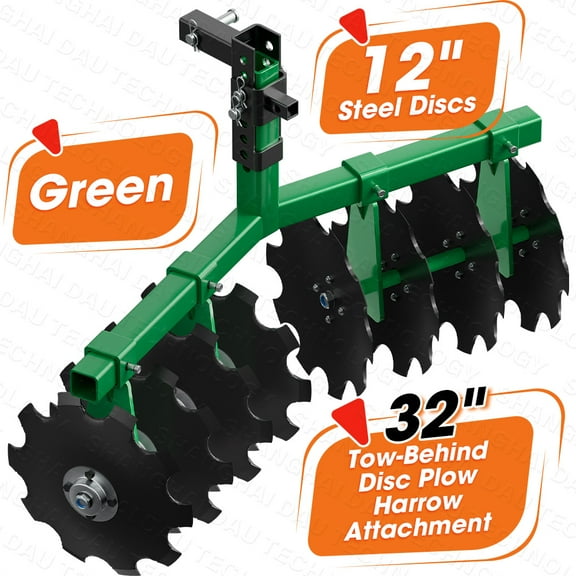
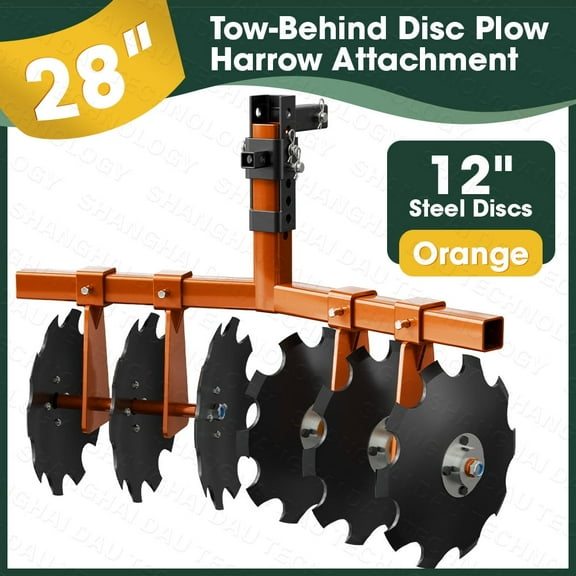
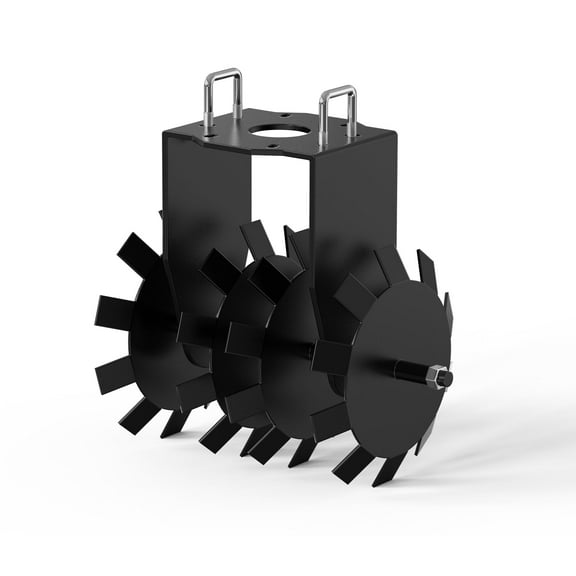
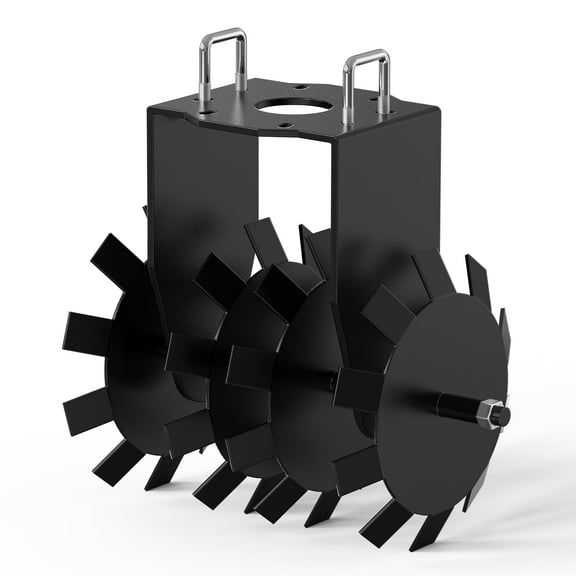
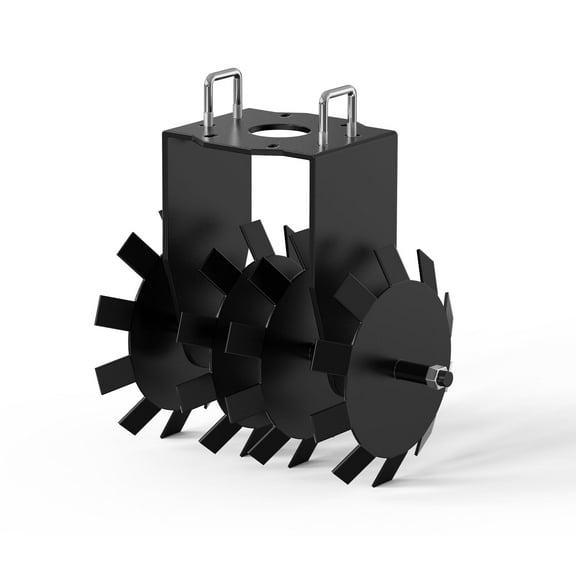
You should also compare the implement type that fits your field routine. You’ll usually see disc harrow, disc plow, and cultivator options that handle soil in different ways.
- You can use a disc harrow when you want to break residue, mix the top layer, and level a seedbed.
- You may prefer an atv disc plow when you need stronger soil movement in firmer ground.
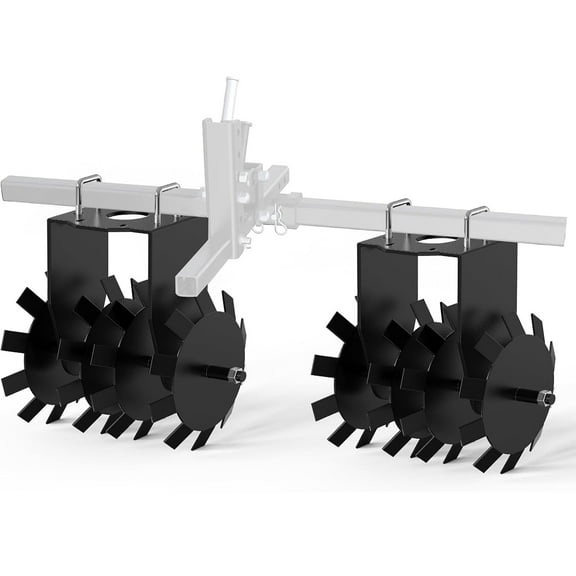
- You can choose a disc cultivator for atv use when you want lighter stirring between rows or repeated passes.
- You should compare transport features if you move between trails, plots, and storage areas often.
Choosing the right disc harrow for atv hitch setups
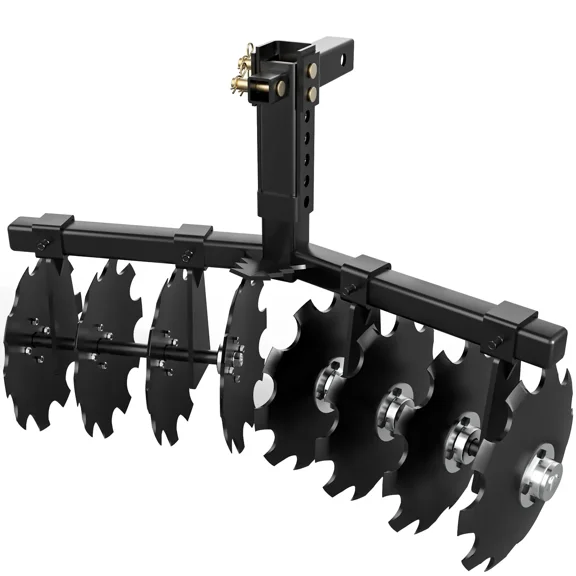
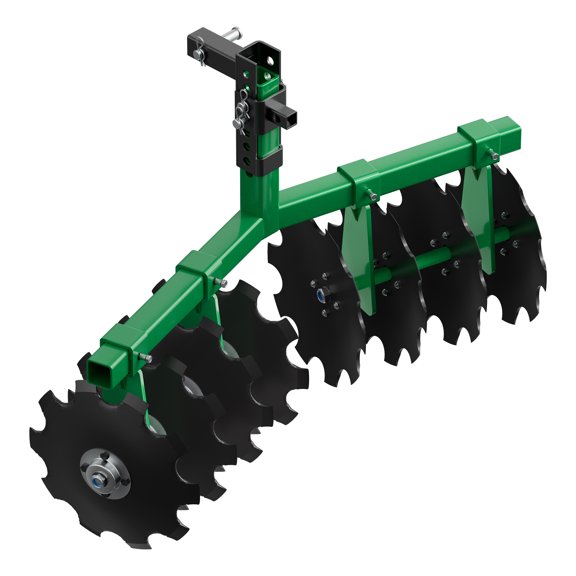
You should check mount and hitch type first because hookup affects control from the first pull. You’ll commonly compare tow-behind, pull-behind, 3-point hitch, and sleeve hitch designs in this category.
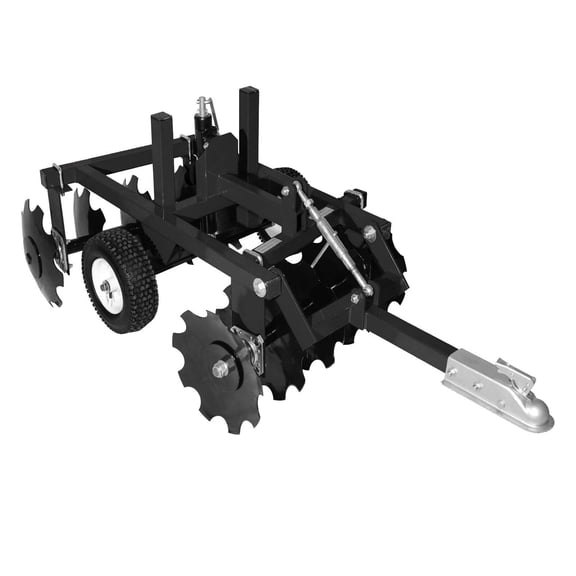
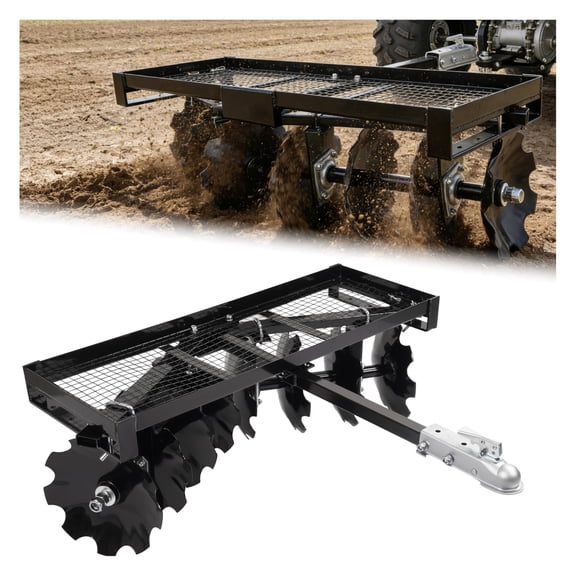
If you use an ATV or UTV, you may look for pin-style or 2-inch ball coupler compatibility. You’ll want the connection point to match your machine without extra adapters that complicate setup.
You should measure tongue height and attachment style before you choose a pull behind disc. This helps provide smoother tracking when your frame rides level and your blades meet the soil correctly.
For travel between work zones, you may compare manual height adjustment and built-in transport wheels. You’ll find those features helpful when you move across drives, packed surfaces, or longer property paths.
What to look for in blade style and frame design
You should compare blade style based on the soil you work frequently. You’ll usually see notched blades, smooth blades, or combination layouts across this category.
If your ground has clay, roots, or heavy residue, you may consider notched blades first. You’ll get increased bite because those edges grab firmer soil and help start the cut.
If your plot is already loose or previously worked, you may prefer smooth blades. You’ll often get a cleaner finish that helps with leveling and lighter cultivation passes.
When you want broader versatility, you should compare combination designs and adjustable gang angles. You may appreciate that flexibility if your property shifts from softer patches to rougher sections.
You should also look for steel frames, reinforced hitch points, and hardware meant for repeated field use. You’ll benefit from sturdier construction when you pull across stubble, packed lanes, and uneven ground.
Matching an atv food plot disc to your land
You can use a disc harrow for atv projects when you need to prep wildlife food plots, garden rows, or small farm sections. You’ll cover ground that feels too large for hand tools but too tight for larger tractors.
For food plot preparation, you should compare width, frame weight, and blade style together. You’ll want enough cutting action to open the top layer and create a workable seedbed.
If you’re refreshing hunting property, you may look for an atv food plot disc with tow-behind convenience. You’ll be able to reach remote clearings where larger equipment feels harder to maneuver.
For garden tillage and lighter soil cultivation, you may prefer a smaller disk plow for atv use. You’ll find compact setups easier to turn around beds, fence lines, and narrower entrances.
If you’re maintaining trailside plots or edge areas, you should compare a tow behind disc harrow with transport-friendly features. This can help reduce the effort needed when lifting or rolling the frame between locations.
You should also think about storage space after field work ends. You’ll want dimensions and frame shape that fit your shed, trailer, or utility area without crowding other gear.
Comparing construction, compatibility, and related ATV gear
You should check assembly details before you choose a model for regular use. You’ll appreciate grouped hardware and adjustable parts when you need a simpler setup process.
If you compare width and weight with your terrain, you can narrow choices faster. You’ll often find the right match feels easier to control and leaves a more even finish.
You may also coordinate your field setup with related ATV equipment on Walmart.com. You’ll often pair these implements with ATV tires, ATV winches, and utility trailers for traction, recovery, and hauling support.
When you choose the right hitch, blade style, and towing match, your atv disc harrow helps you prep soil with steadier passes. You’ll end up with an implement that fits your land, your machine, and your planting routine.