








Right Angle Drills

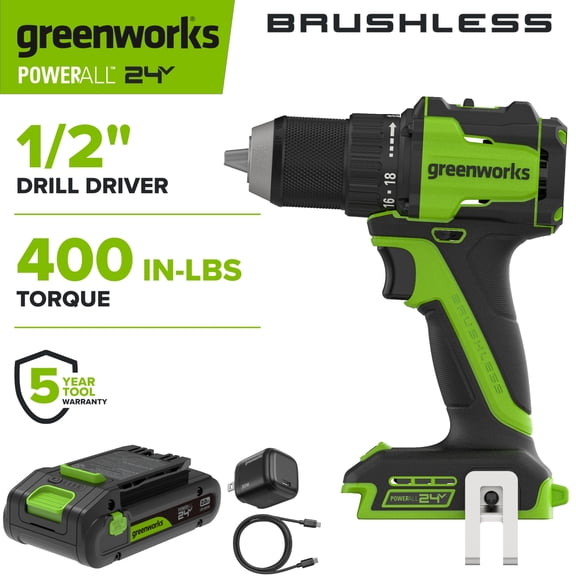


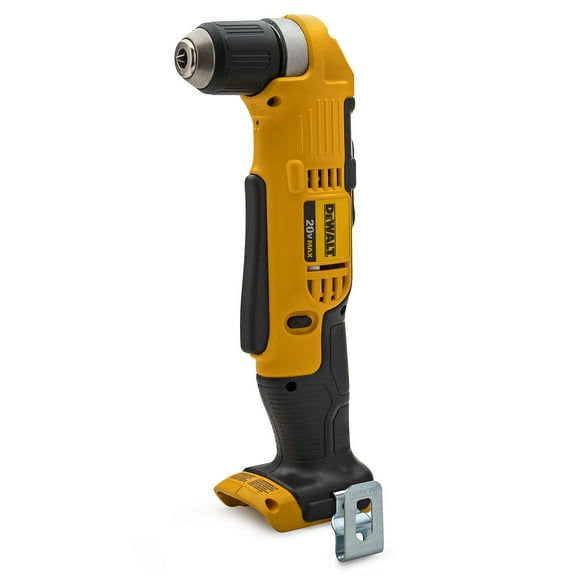



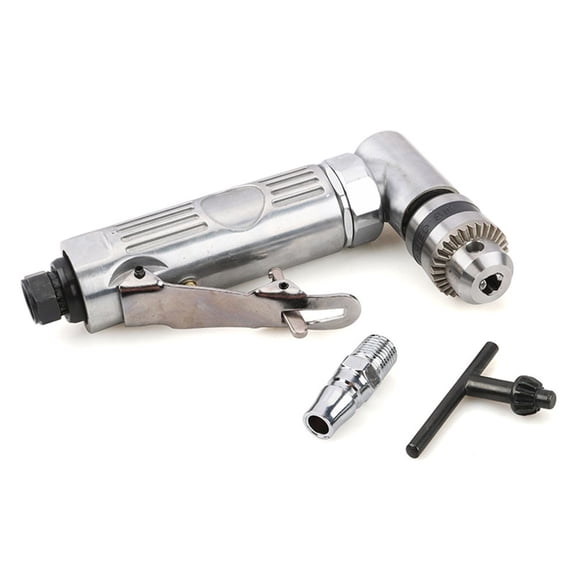


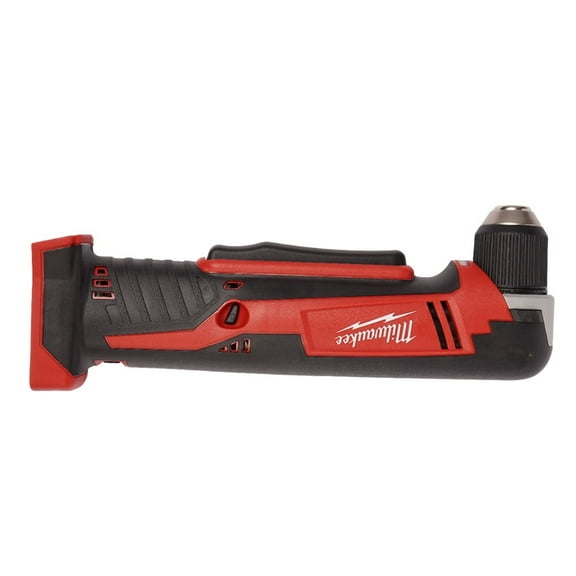


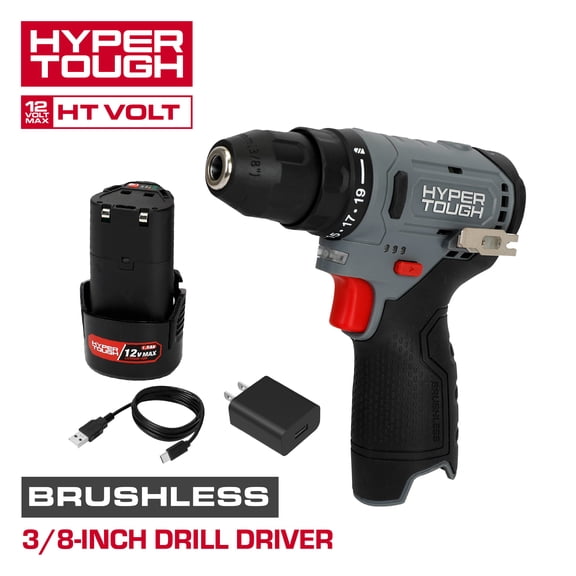


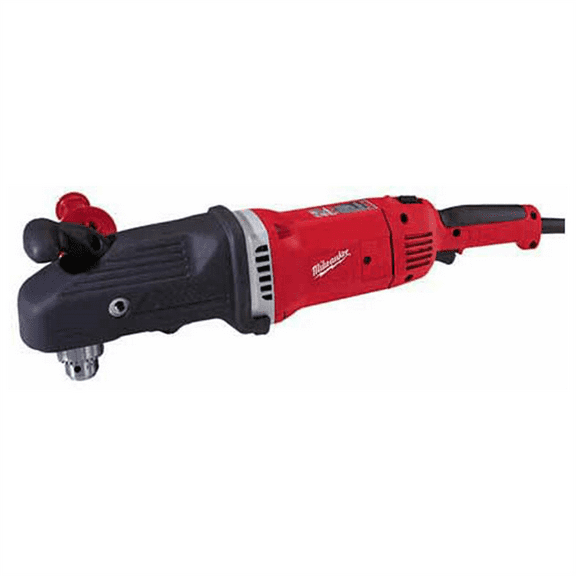







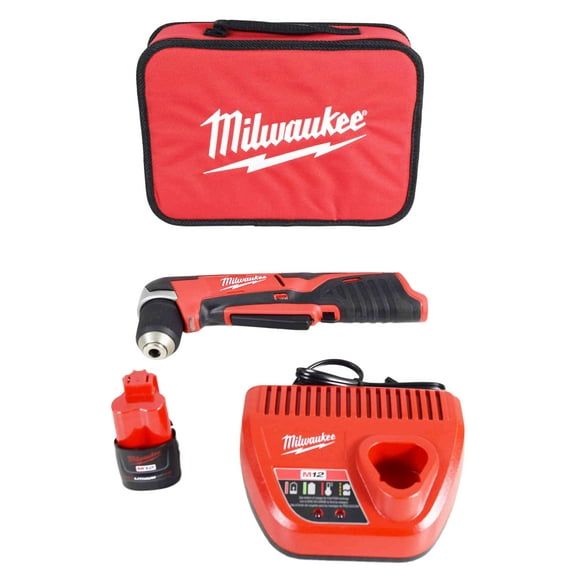
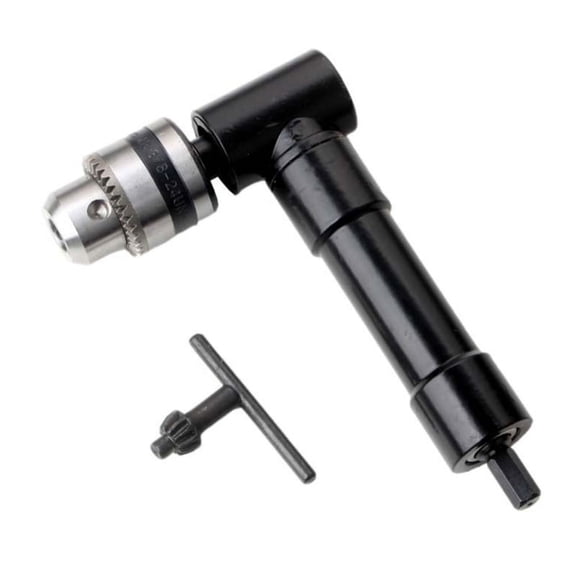
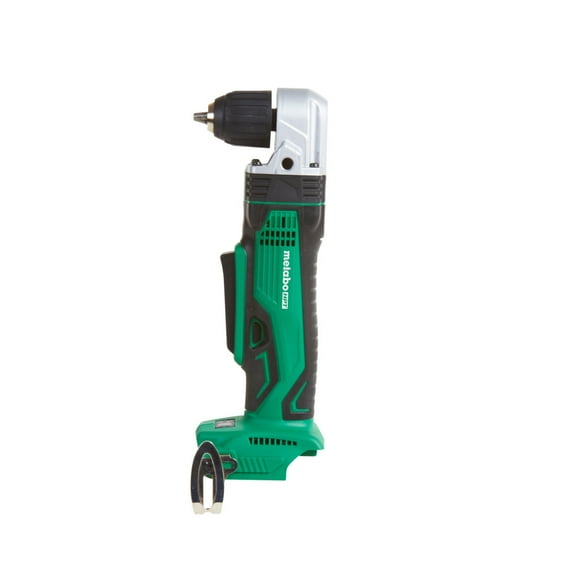
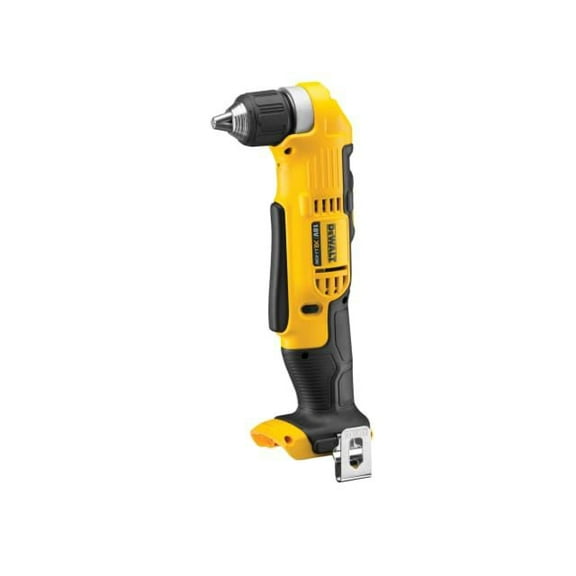



About Right Angle Drills - Walmart.com
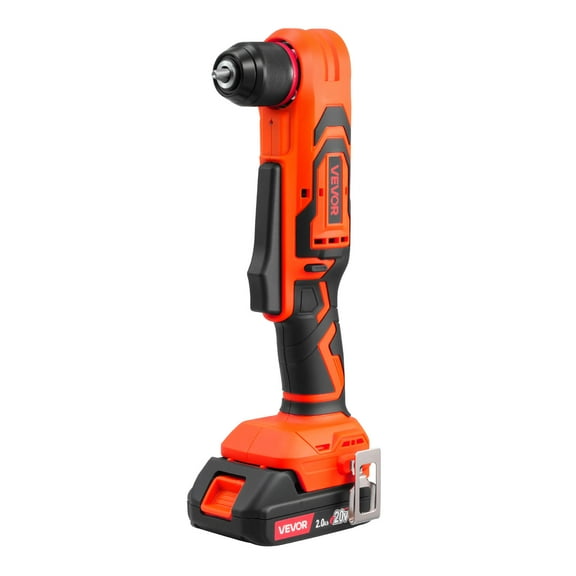
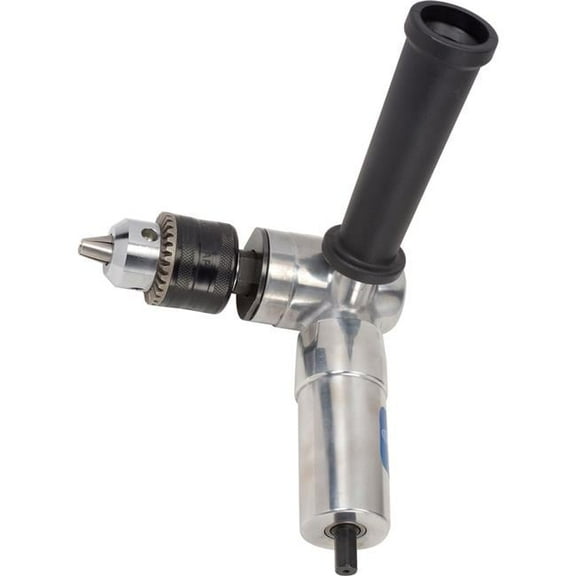
Your right angle drill helps you work where a standard drill won't fit. You can reach between studs, inside cabinets, and around pipes with better clearance.
When you compare this category, you'll notice the head shape matters as much as power. You can use this guide to sort cordless options, chuck sizes, and battery platform choices.
Choosing the right angle drill for tight spaces
If you drill in cramped framing bays, you should start with head profile and tool length. You can often move faster when your drill turns cleanly in a true 90-degree angle.
An ultra-compact body helps you fit into narrow gaps behind sinks and inside vanities. You can also line up holes more easily when the angle head drill stays close to the surface.
When you work between joists, your clearance becomes the deciding factor. You should compare nose length, overall length, and grip shape before you choose.
- You can drill between studs without switching to a larger opening.
- You can reach plumbing and electrical paths with less repositioning.
- You can keep holes aligned in corners, cabinets, and framing cavities.
- You can choose a body style that matches repeated overhead or awkward drilling.
How to compare cordless and corded options
If you move from room to room, you may prefer cordless angle drills for simpler handling. You can compare 12V and 20V classes by balancing lighter weight against longer runtime.
When you already own a battery platform, you should check compatibility before anything else. You can keep chargers and packs consistent if your right angle drill matches your existing collection.
If you run longer drilling sessions, you may lean toward corded models with steady output. You can also compare amp ratings when you want a clearer picture of continuous power.
A cordless setup suits punch-list work, cabinet installs, and service calls in finished spaces. A corded setup fits repeated shop tasks where you want uninterrupted drilling at a bench.
What to look for in a 90 degree drill
Your chuck size affects the bits you can use and the jobs you can tackle. You should consider a 3/8-inch chuck for lighter drilling and a 1/2-inch chuck for larger bits.
If you change bits often, you may want keyless operation for quicker swaps. You can save time during repetitive tasks when your grip stays steady and your bit changes stay simple.
Your handle design also shapes control in awkward positions. You should look for trigger placement and balance that help you guide holes cleanly along studs or braces.
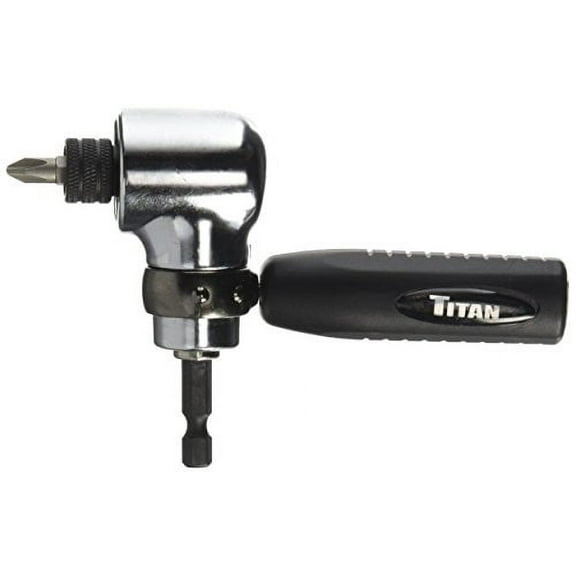
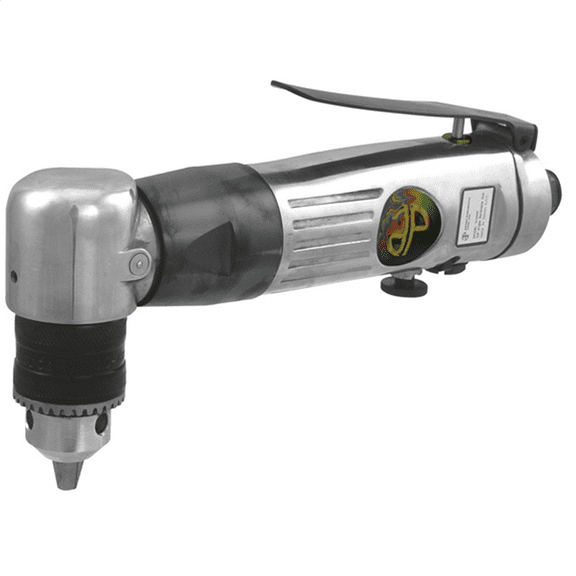
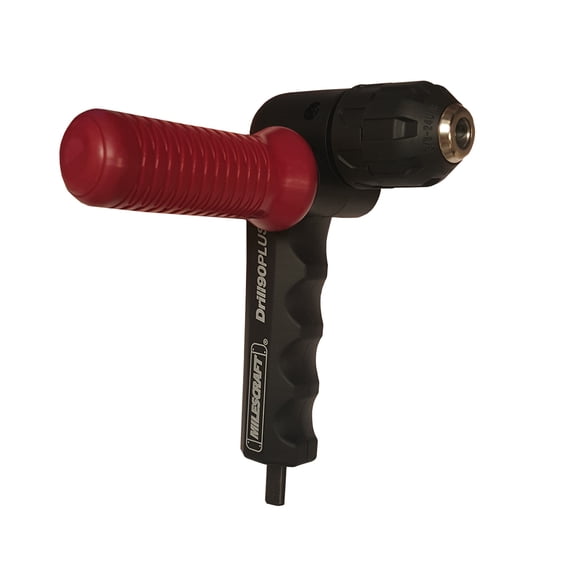
When you compare a 90 degree drill with a right angle attachment, you should focus on dedicated access. You can get a more purpose-built shape when the tool is designed for close-quarter drilling.
Matching brand compatibility to your tool lineup
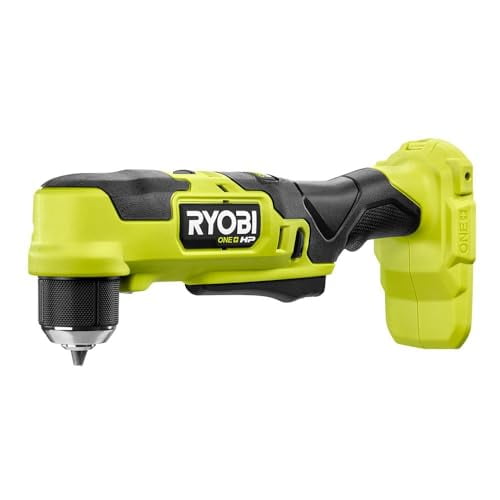
If you already use cordless tools, your battery lineup can narrow your choices fast. You should check whether a Ryobi right angle drill, DeWalt option, or Milwaukee model fits your current packs.
That compatibility matters because you can rotate batteries across drills, drivers, and lights. You can also avoid keeping extra chargers on a crowded shelf or work truck.
When you compare brand ecosystems, you should think about the rest of your projects. If you install hardware, bore rough-in holes, and assemble cabinets, your shared battery platform keeps your setup simpler.
You may also notice differences in grip style, head size, and control layout across brands. You should compare those details in person through dimensions, photos, and shopper reviews.
Use cases for angle drills in everyday projects
If you install cabinets, you can use angle drills where drawer slides and face frames reduce space. You can reach fasteners and pilot holes without removing surrounding parts.
During plumbing updates, you may need to drill near supply lines or inside sink bases. You can guide holes in cramped runs where a standard drill body feels too long.
If you handle electrical rough-ins, you can bore through studs in narrow wall sections. You can also work around existing framing where straight access isn't available.
For automotive or equipment work, you may need an angle head drill around brackets and housings. You can keep your tool path controlled when surrounding parts limit your swing.
In workshops, you can use a right angle drill for jigs, bench projects, and tight repairs. You should match the chuck size, power source, and head profile to your typical materials.
When you choose carefully, your tool works with the spaces you actually face. You can finish close-quarter drilling with fewer workarounds and more consistent access.