

Ventilation in HVAC Ducting and Ventilation






















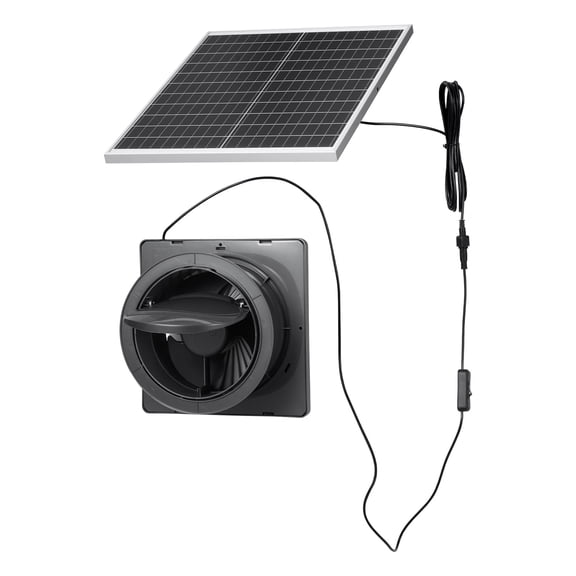

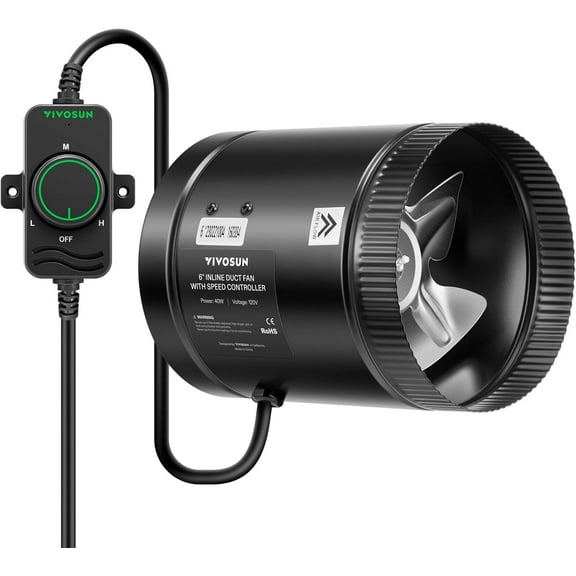
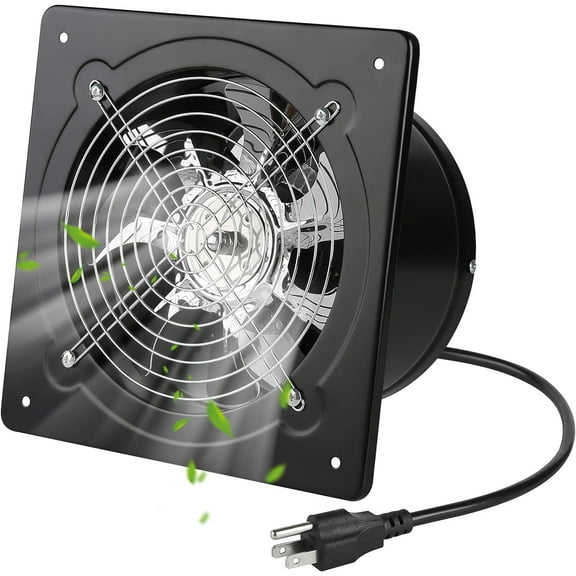

About Ventilation in HVAC Ducting and Ventilation - Walmart.com
Ventilation helps you manage airflow where moisture, heat, and stale air build up fast. You can compare vent types, duct sizes, and CFM ratings here for HVAC ventilation projects.
If you're updating a bathroom fan or planning attic exhaust, you need parts that match your layout. You can use this guide to compare materials, mounting locations, and home ventilation vents with less guesswork.
How to choose ventilation for your space
You should start with the room type and the air volume you need to move. You can then narrow your options by vent style, duct diameter, and installation point.
For smaller bathrooms, you may only need under 50 CFM or 50 to 100 CFM. For attics, kitchens, and dryer runs, you may need 100 to 200 CFM or over 200 CFM.
You should also check how often air should refresh in the space. If you compare air exchanges per hour with CFM, you can choose ventilation systems that fit your square footage.
- You can reduce lingering moisture by matching CFM to room size and duct length.
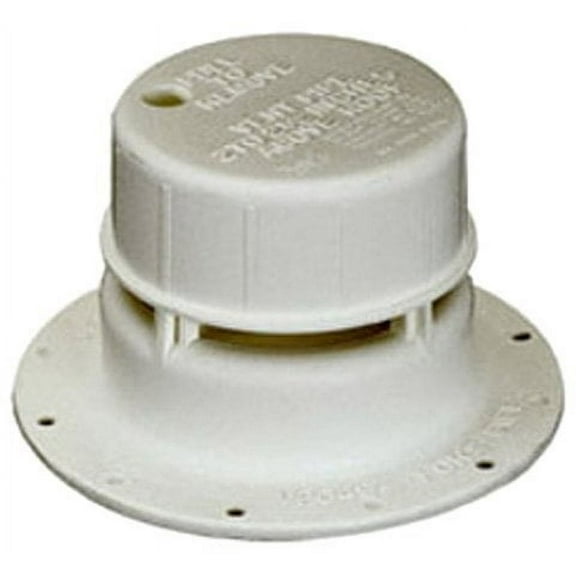
- You can compare roof vents, soffit vents, intake vents, and exhaust fans by installation location.
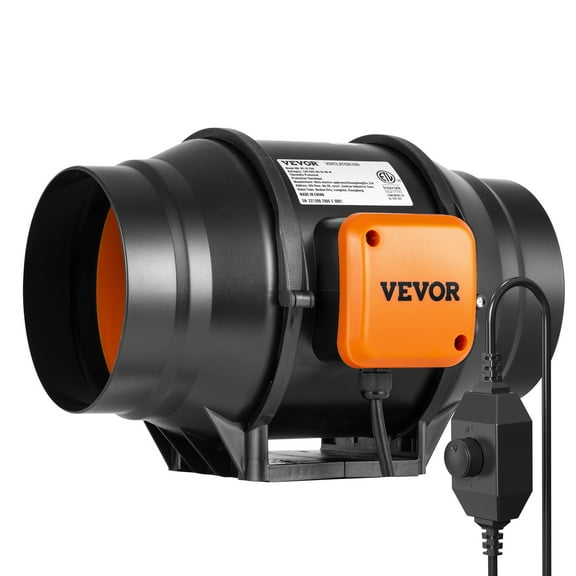
- You can match 4 inch, 6 inch, 8 inch, or 10 inch duct ventilation parts to existing runs.
- You can choose galvanized steel, aluminum, plastic, or copper based on weather exposure and finish needs.
Choosing between home ventilation vents and exhaust ventilation
You should compare intake and exhaust airflow as a system, not as separate parts. If you balance both sides, your attic or living area can move air more evenly.
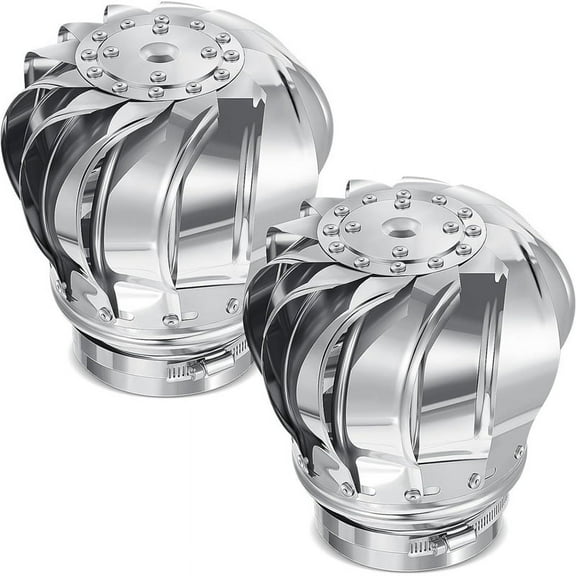
Soffit vents usually support intake along the roof edge or eaves. Roof ventilation parts usually support exhaust higher on the structure where rising heat collects.
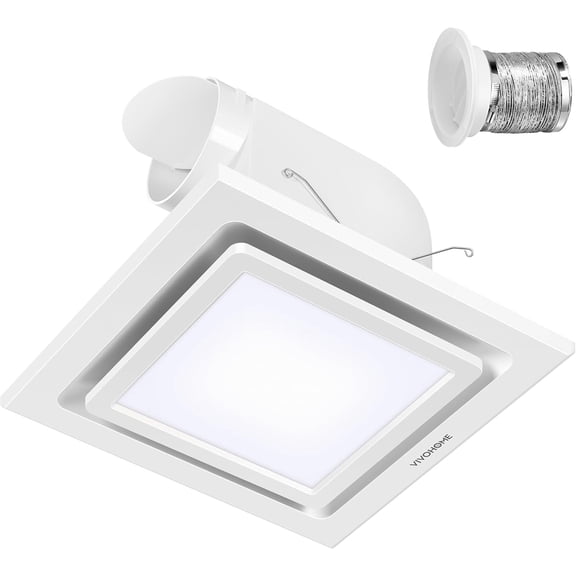
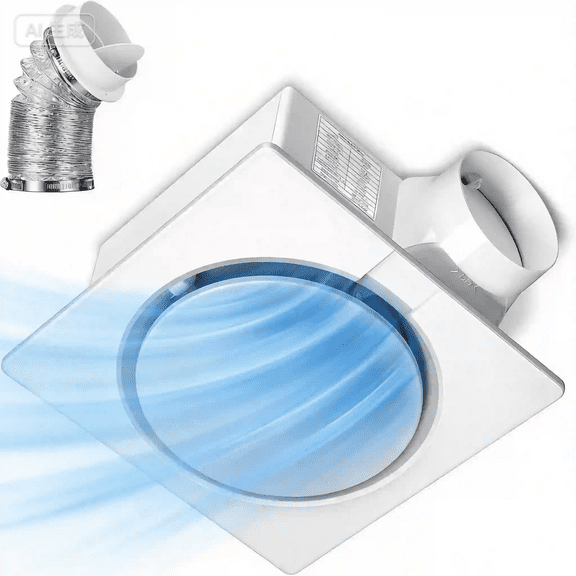
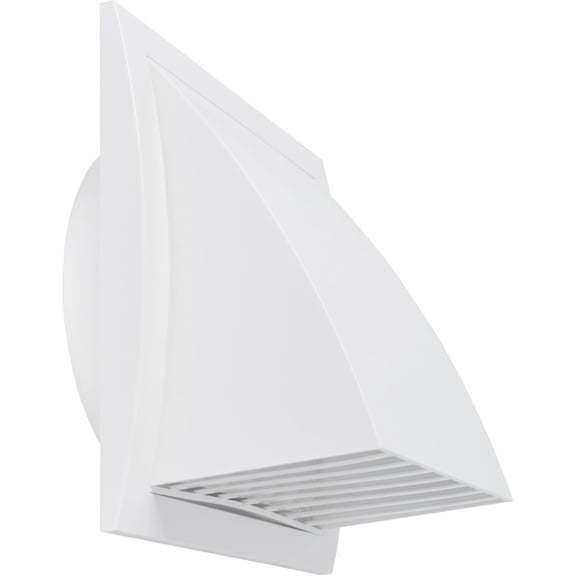
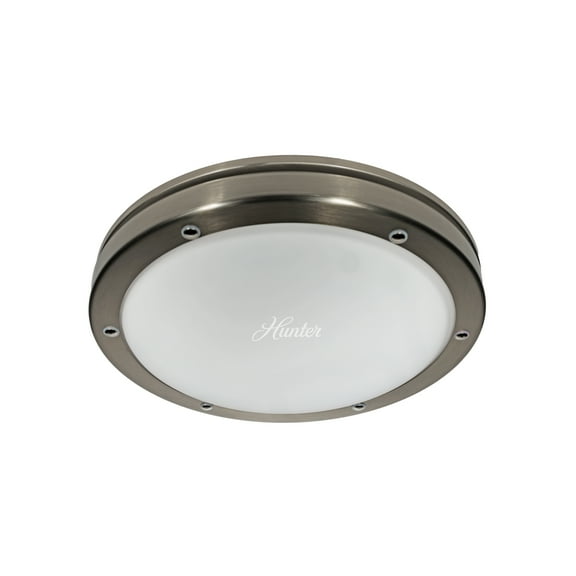
In bathrooms and kitchens, you may focus on exhaust ventilation that connects to a ceiling or wall duct. In attics, you may combine intake vents with ridge or roof vents for steadier airflow.
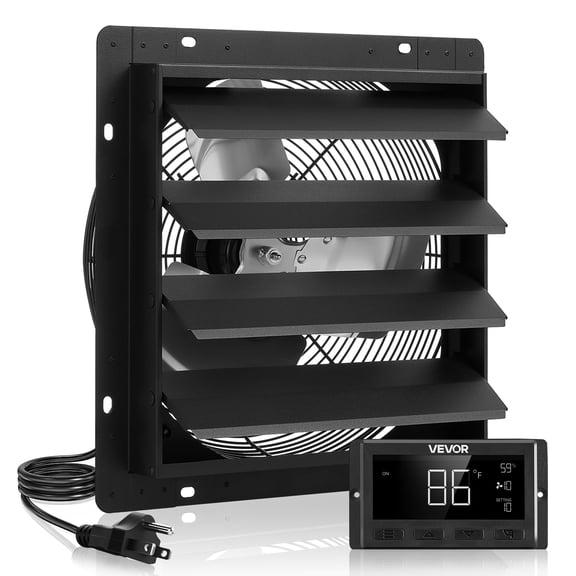
You should check whether your project needs wall, ceiling, or roof mounting. If you match the mounting style to the location, you can simplify installation planning and part selection.
What to look for in materials and duct sizing
You can compare galvanized steel, aluminum, plastic, and copper by placement and climate exposure. If your vent sits outdoors, you may want a material that handles sun, rain, and seasonal temperature swings.
Galvanized steel often suits duct ventilation runs where you want a rigid shape. Aluminum can feel lighter to handle, while plastic can suit select vent covers and short connection points.
Copper may fit visible exterior locations where appearance matters with the roofline. You should always confirm that the material works with your existing cap, collar, or adapter.
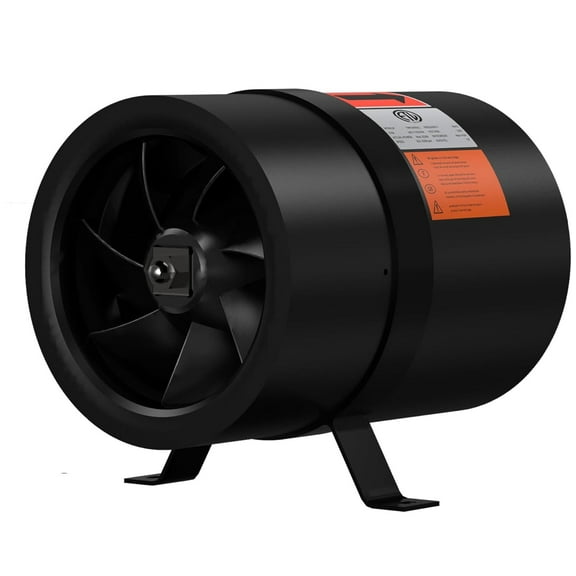
You also need the right duct diameter before you install anything. If your current run uses 4 inch, 6 inch, 8 inch, or 10 inch ducting, you should match it closely.
A smaller duct can restrict airflow and change how a fan performs. A larger duct may require adapters, so you should measure the opening and connector before you choose.
Understanding CFM and sone ratings
You should use CFM as a guide to how much air a fan can move. If you need airflow for a compact half bath, your target may differ from a larger kitchen or attic zone.
You can use higher CFM when the room is larger or the duct run is longer. If bends and long runs are part of your layout, you should allow for that resistance.
Sone ratings help you compare how noticeable the fan sounds in daily use. If your vent serves a bathroom near bedrooms, you may want a lower sone rating.
For utility spaces, you may accept more sound in exchange for stronger airflow. In living areas, you may prefer a quieter setup that still matches your duct and room size.
Matching ventilation to bathroom, kitchen, attic, and dryer projects
You should choose by application because each space handles airflow differently. A bathroom setup often centers on moisture removal, while a kitchen setup often handles heat and cooking exhaust.
An attic project may focus on roof ventilation, soffit intake, and balanced airflow paths. A dryer application usually depends on the correct diameter, direct routing, and compatible vent termination.
If you're replacing an older fan, you should measure the housing, duct opening, and mount location first. If you're planning a new install, you should compare ceiling, wall, and roof access before choosing parts.
You may also want related components that support the full airflow path. If your project includes transitions, grilles, or ducting, you can coordinate those pieces for a cleaner fit.
With ventilation, you get stronger results when airflow, sizing, and placement work together. You can choose with more confidence when you compare CFM, sone levels, materials, and duct compatibility first.