

Utility Sinks in Utility Sinks & Faucets



























About Utility Sinks in Utility Sinks & Faucets - Walmart.com
Utility sinks help you handle messy cleanup in laundry rooms, garages, and basements with deeper bowls and tougher materials than many standard sinks. You can compare storage, installation style, and material choices to match your space and routine.
Choosing the right utility sinks for your space
When you compare utility sinks, start with your available floor or wall space and your preferred installation type. You should measure overall width, depth, and bowl capacity before you choose a model.
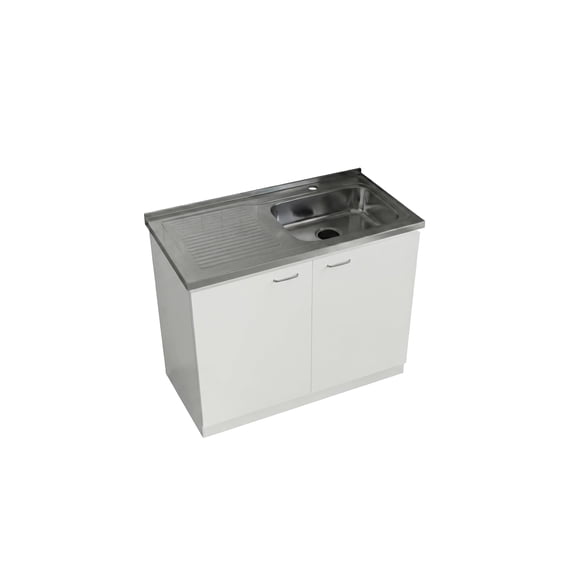
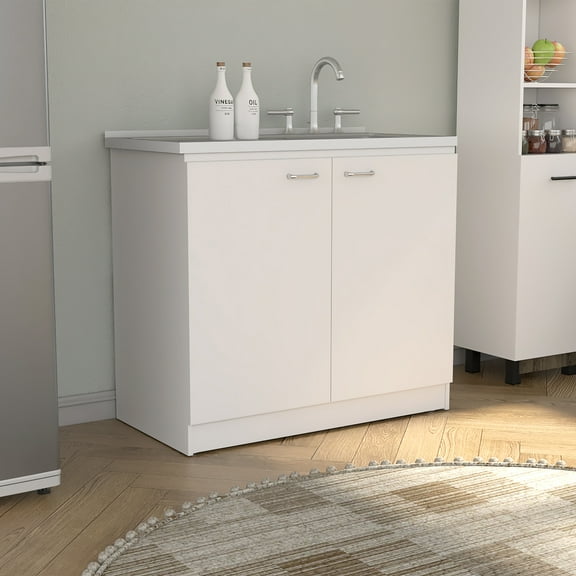
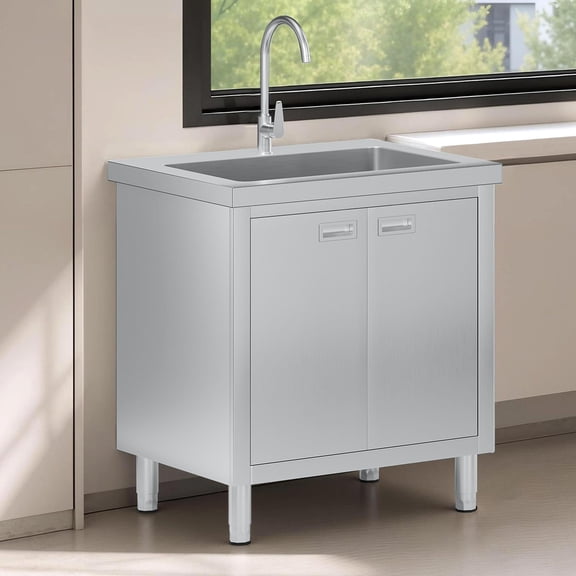
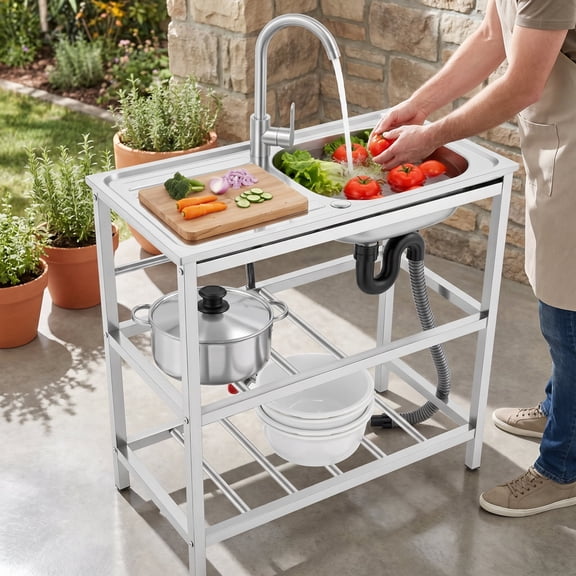
If you want a simple setup, a freestanding utility sink can fit open areas and keep access easy on all sides. If you want enclosed storage, a utility sink with cabinet can hide soaps, brushes, and small tools.
You may also compare wall-mounted and drop-in designs when your room layout already includes counters or limited floor space. You’ll get a cleaner fit when your sink style matches your plumbing placement and work surface.
How to compare material options
You should choose materials based on the tasks you handle most often and the look you want in the room. You’ll usually see stainless steel, plastic, acrylic, and cast iron options in this category.
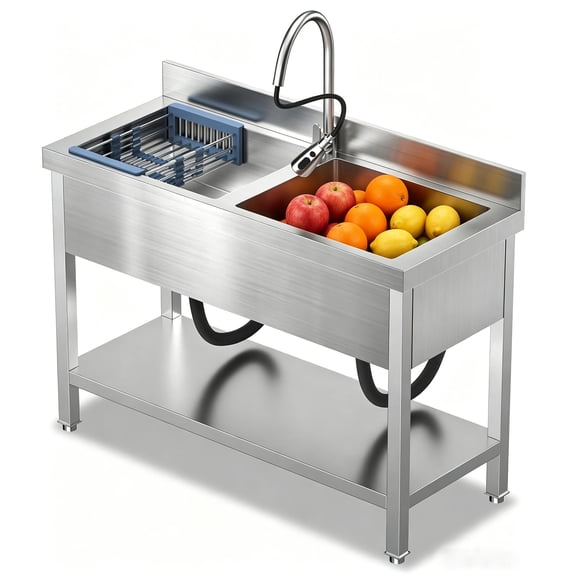
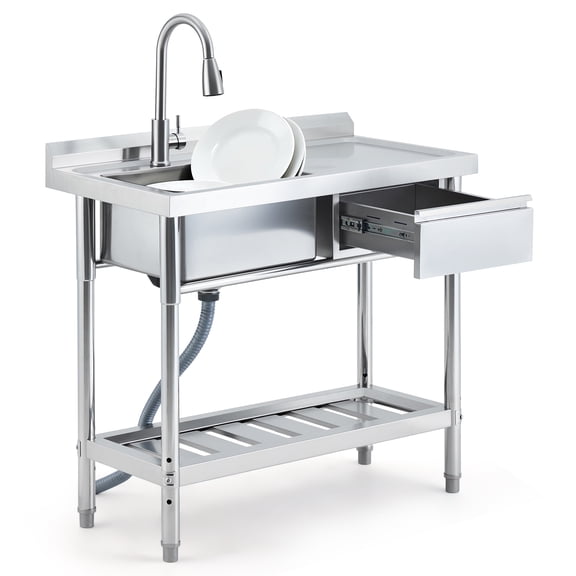
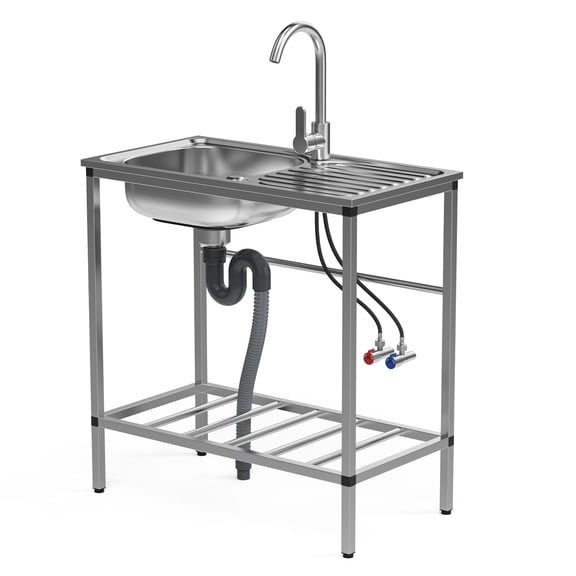
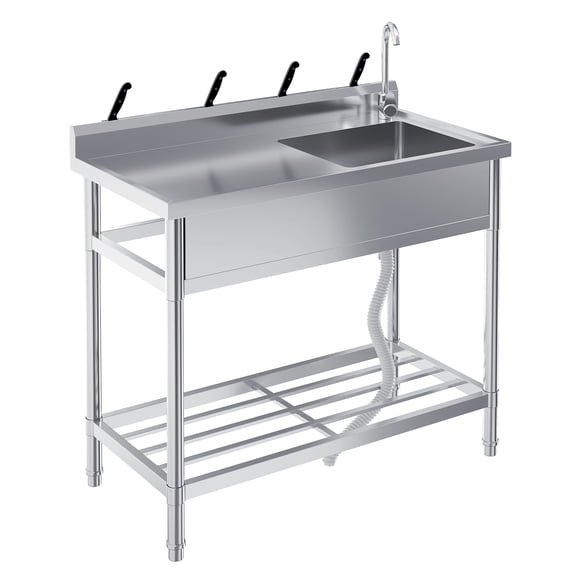
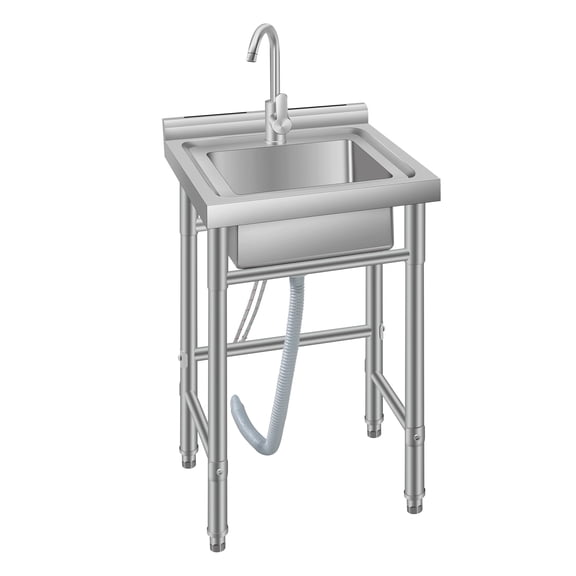
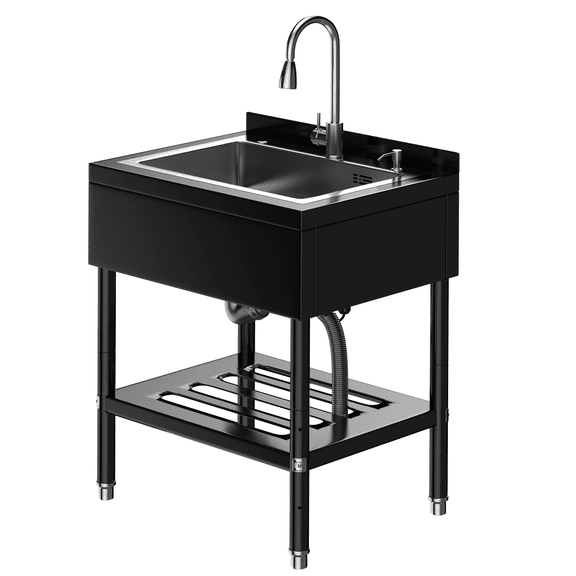
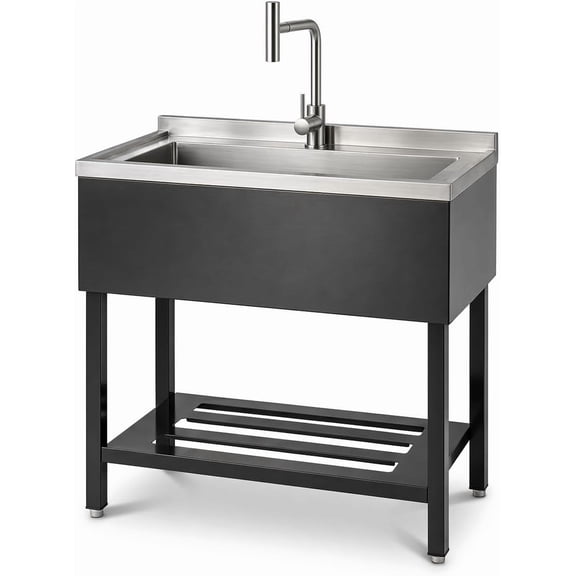
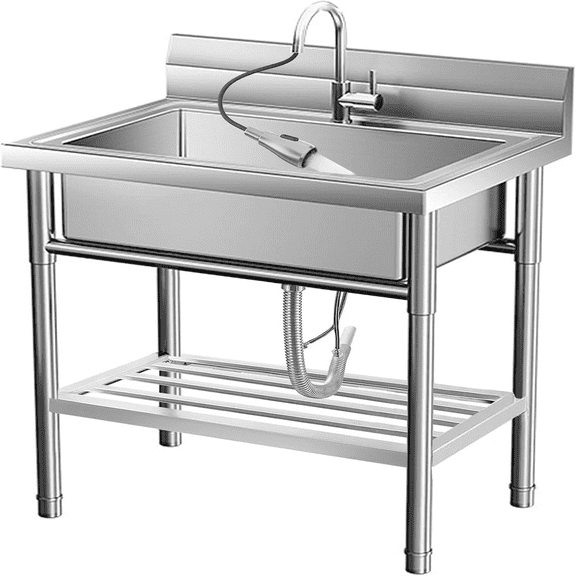
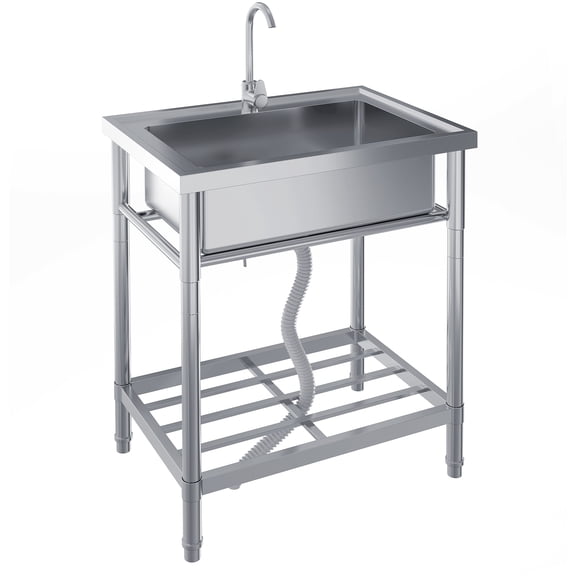
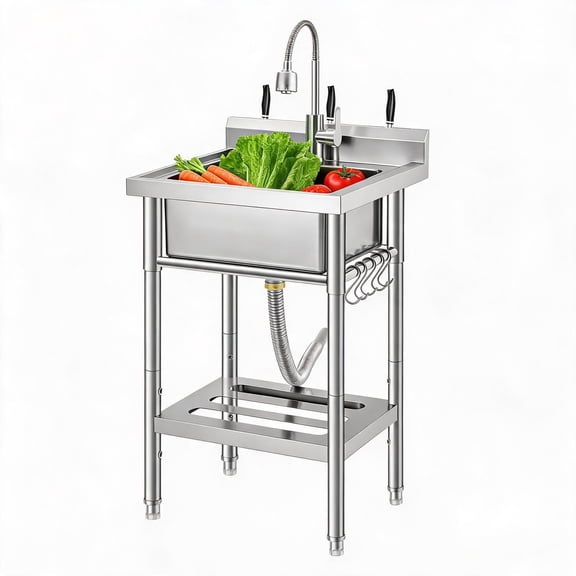
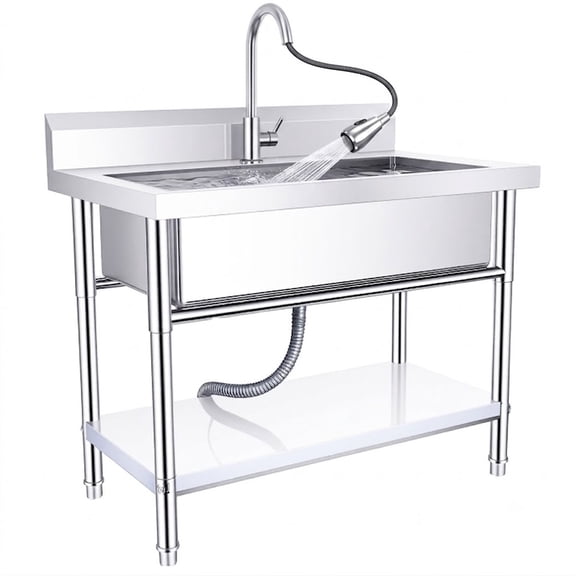
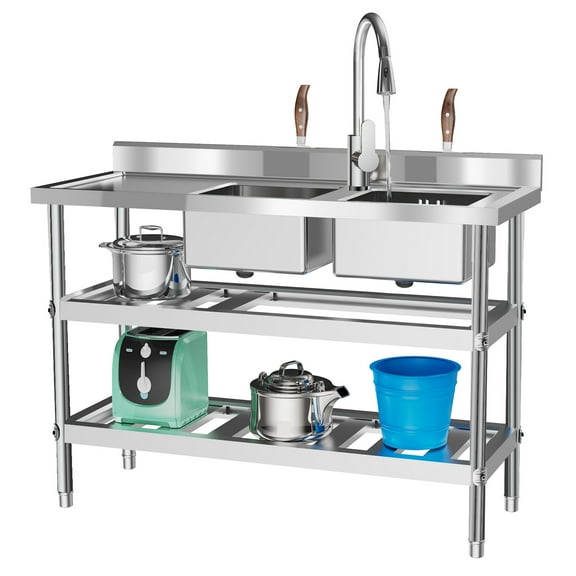
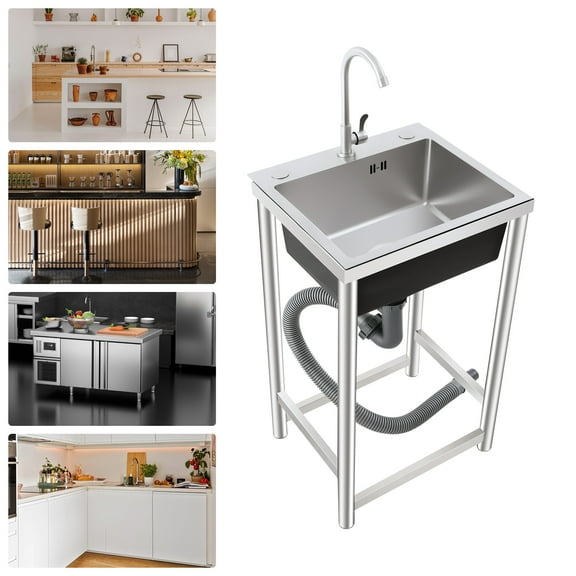
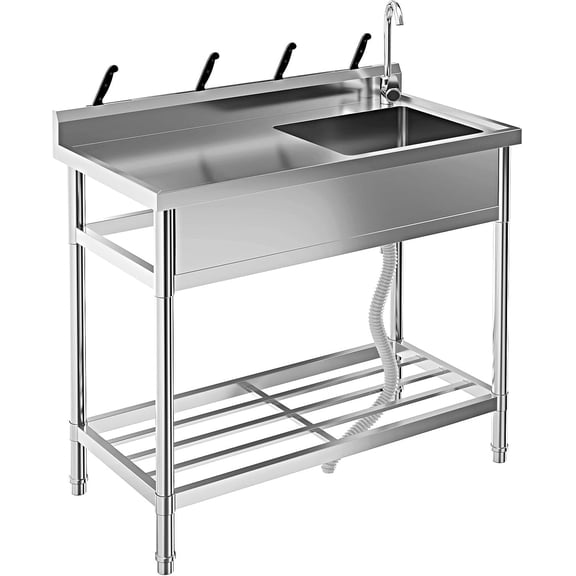
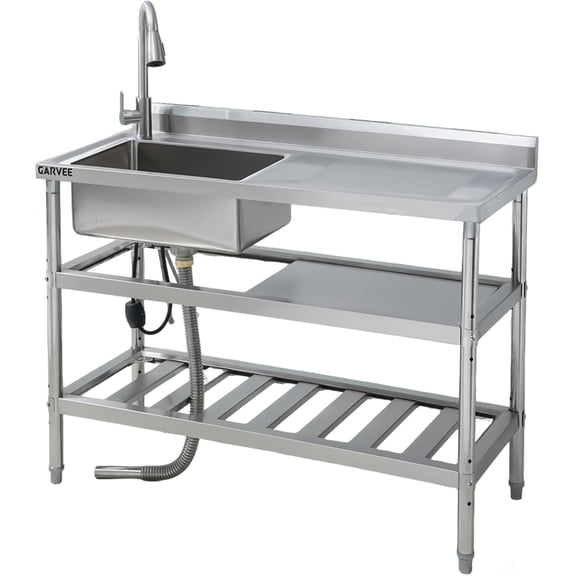
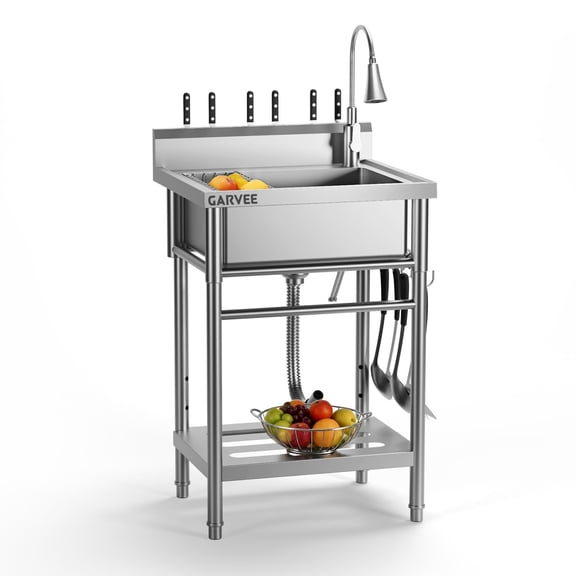
If you want a sleek work sink, a stainless steel utility sink gives you a smooth surface and a more industrial look. You’ll often find it easier to coordinate with metal faucets, exposed plumbing, and modern laundry rooms.
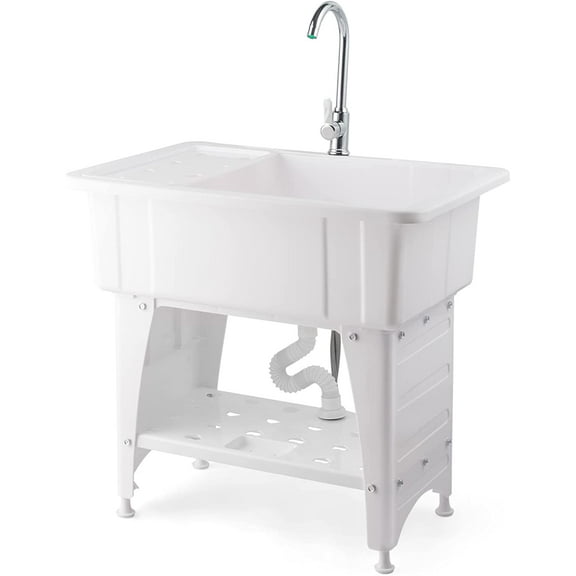
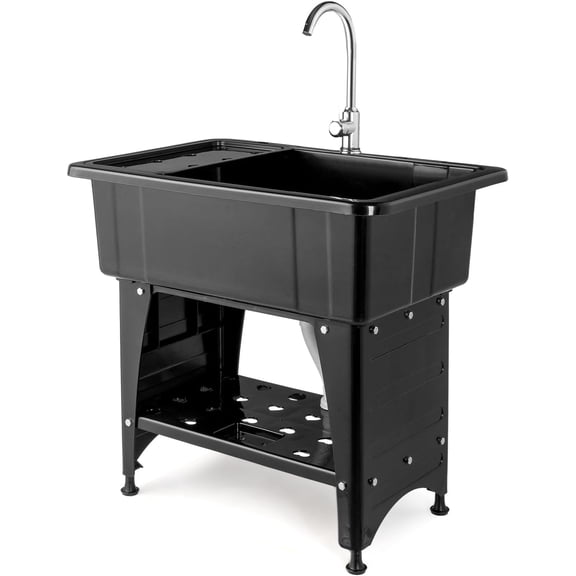
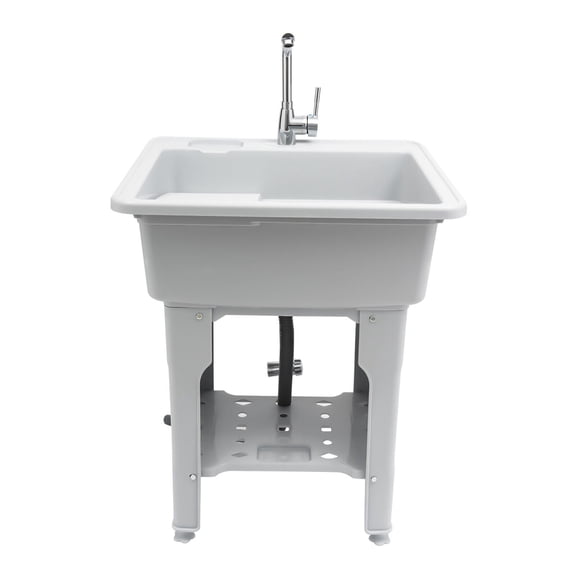
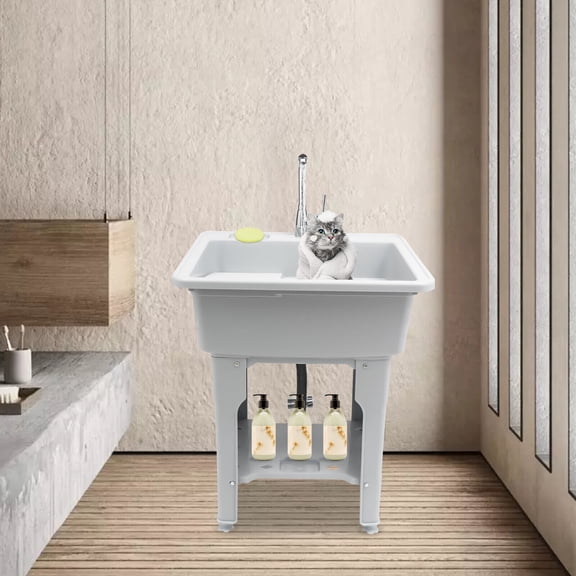
If you need a lighter option, a plastic utility sink can be easier for you to move and position during installation. You may prefer thermoplastic styles when you want a practical setup for utility rooms and garages.
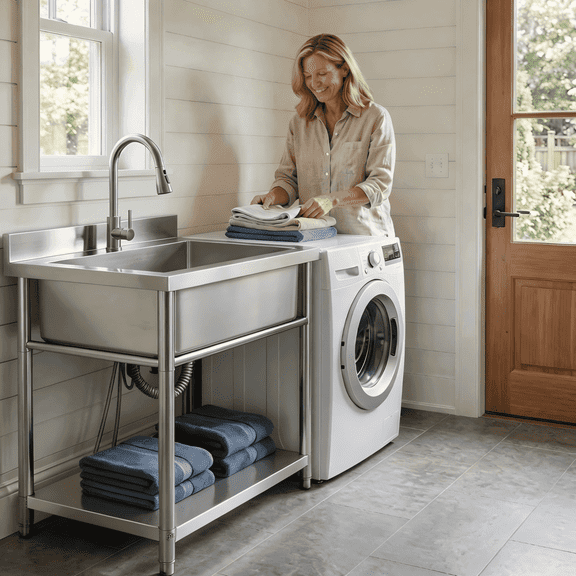
Acrylic styles can give you a bright, clean appearance that works well when your sink sits beside a washer and dryer. Cast iron options can suit you when you want a substantial feel and a classic utility-room look.
- You can choose stainless steel when you want a streamlined finish and easy coordination with metal fixtures.
- You can choose plastic when you want a lighter sink body and a straightforward installation process.
- You can choose acrylic when you want a crisp appearance in a visible laundry area.
- You can choose cast iron when you want a heavier build and a traditional utility style.
What to look for in installation and configuration
You should compare installation details closely because they affect daily use as much as material does. You’ll want to check overall width, front-to-back depth, and bowl capacity before placement.
If you wash paint trays, mop heads, or cleaning buckets, deeper bowls can give you more working room. You can avoid awkward splashing when your sink depth matches the items you rinse most often.
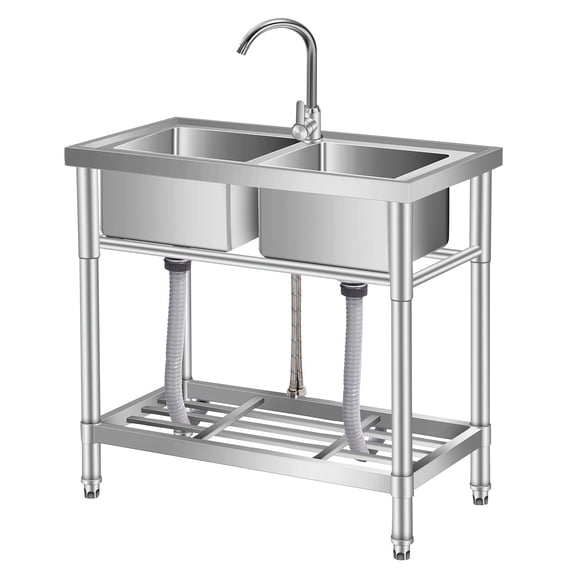
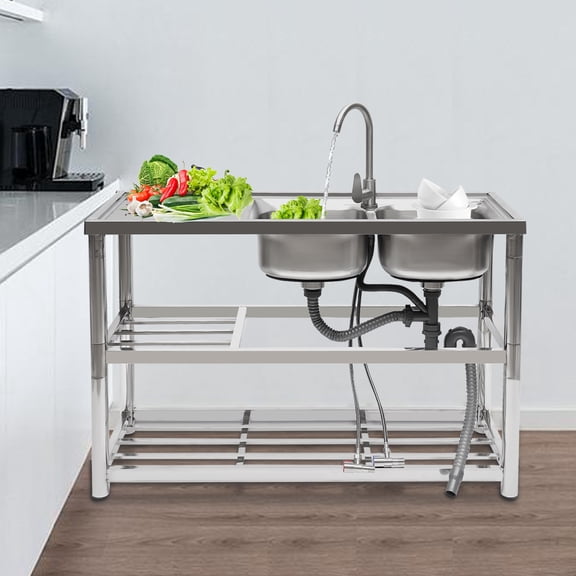
You may prefer a single bowl when you want one open basin for larger household jobs. You might choose a double bowl when you want to separate soaking from rinsing during cleanup.
If you’re considering a utility tub sink with a faucet combo, you should check what parts are included. You’ll also want to compare pre-drilled faucet holes and centerset measurements for faucet compatibility.
When you review faucet spacing, you can confirm whether your preferred faucet matches the sink deck without extra guesswork. You should also check drain placement if your existing plumbing limits where connections can sit.
Choosing between freestanding and cabinet styles
A freestanding utility sink works well when you want open access underneath and a simpler footprint. You can often use that open space for a small bin, step stool, or plumbing access.
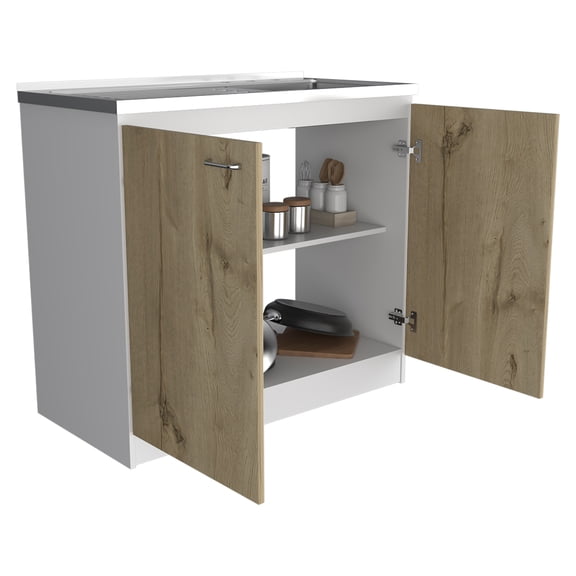
A utility sink with cabinet makes sense when you want enclosed storage close to the basin. You can keep detergents, gloves, scrub brushes, and paper towels tucked away but still easy to reach.
You should think about how visible the sink will be in your room before you decide. If your sink sits in a finished laundry room, a cabinet base can give you a tidier built-in look.
If your sink sits in a garage or basement work zone, a freestanding utility sink can keep things simple and functional. You may prefer fewer enclosed surfaces when you want fast cleanup around the sink area.
Matching a utility sink to your room
Your room type should guide the sink style you choose because each space creates different cleanup needs. You can narrow options faster when you match the sink to your daily tasks.
In a laundry room, a laundry room utility sink can help you rinse hand-wash items, fill buckets, and clean up detergent drips. You may also want a cabinet model when you need nearby storage for laundry supplies.
In a garage, you might want a deeper basin for cleanup after painting, gardening, or workshop projects. You’ll likely appreciate materials and finishes that fit a more rugged work area.
In a basement, you may prioritize compact dimensions that work around existing plumbing and limited floor space. You can also compare wall-mounted or freestanding styles when every inch matters.
For outdoor areas, you should look at installation needs, water access, and surrounding surfaces before you choose a sink. You’ll want a configuration that fits utility tasks like rinsing tools, pots, and muddy gear.
When you compare utility sinks by size, material, installation type, and faucet fit, you can choose with more confidence. You’ll end up with a hardworking sink that suits your room, your plumbing, and your cleanup routine.