






Utility Carts for Garage Storage Solutions

































About Utility Carts for Garage Storage Solutions - Walmart.com
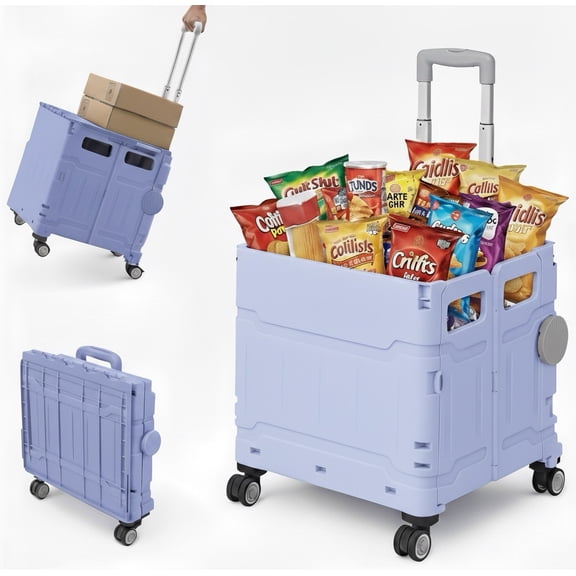
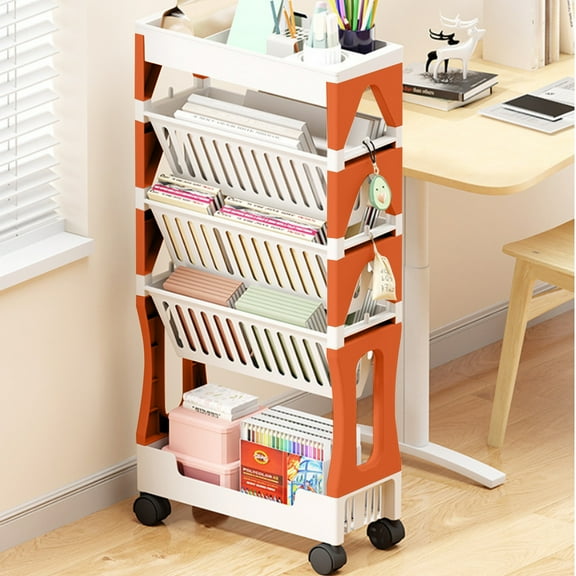
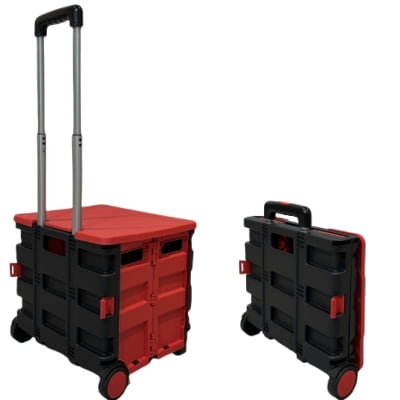
Tool utility carts help you move tools, parts, and supplies with less lifting and fewer trips across your garage or shop. You can compare material, shelf count, weight capacity, and wheel style to match your workspace.
How to choose tool utility carts for your workspace
When you compare tool utility carts, you should start with what you carry most often and where you roll it. You can make a clearer choice when you match cart design to your daily tasks.
If you move hand tools, spray bottles, and small parts, you may prefer a lighter cart that turns quickly in tight aisles. If you carry power tools, hardware bins, or bulky supplies, you should look for a sturdier frame.
Your layout also matters when you choose between open shelves and deeper trays. You can reach fast-moving tools quickly on open tiers, while raised edges help your items stay put.
Key benefits of rolling tool carts
Rolling tool carts help you keep frequently used gear close to the job instead of spread across benches and shelves. You can cut down on back-and-forth trips and keep your workflow moving.
- You can organize tools, parts, cleaners, and hardware by shelf for faster access.
- You can roll supplies between the garage, workshop, stockroom, or service bay with less effort.
- You can use locking wheels to keep your cart in place during detailed tasks.
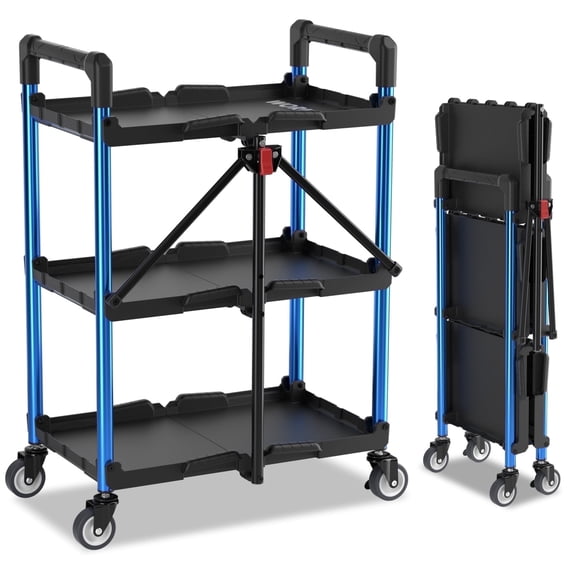
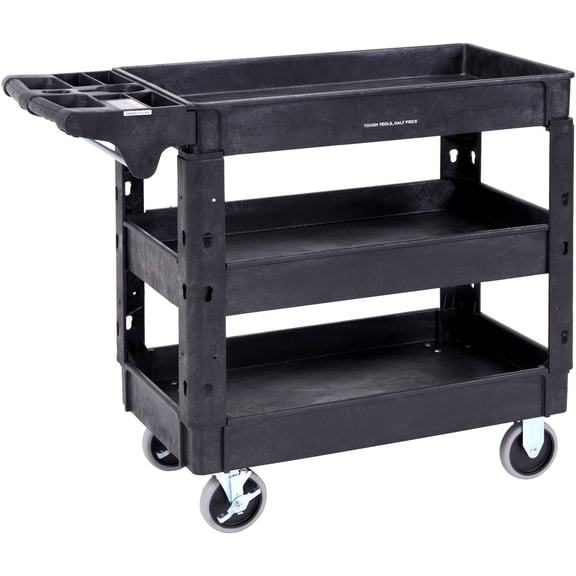
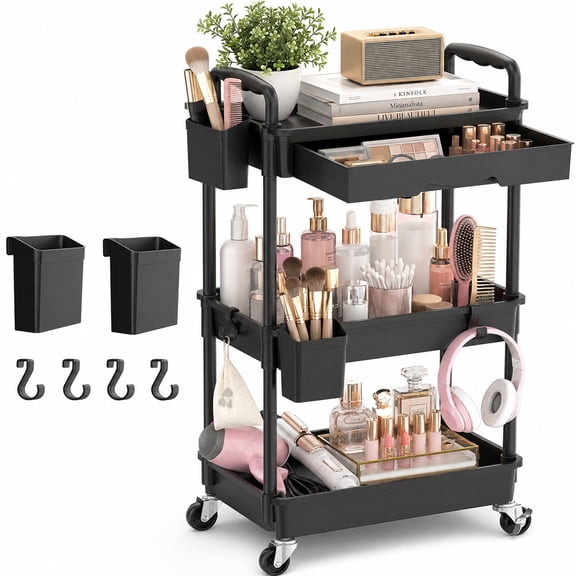
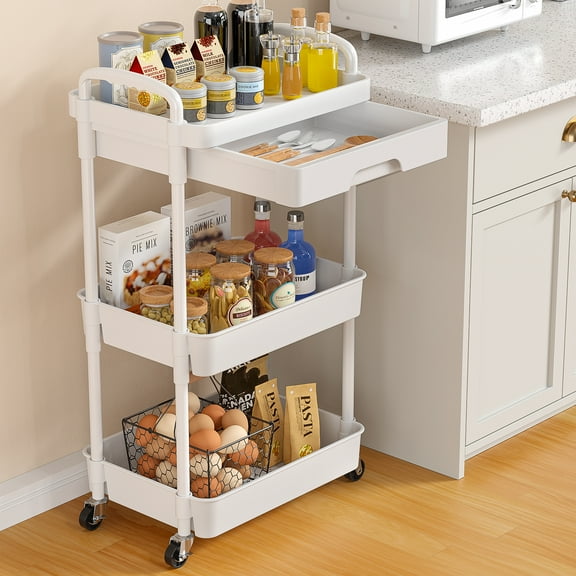
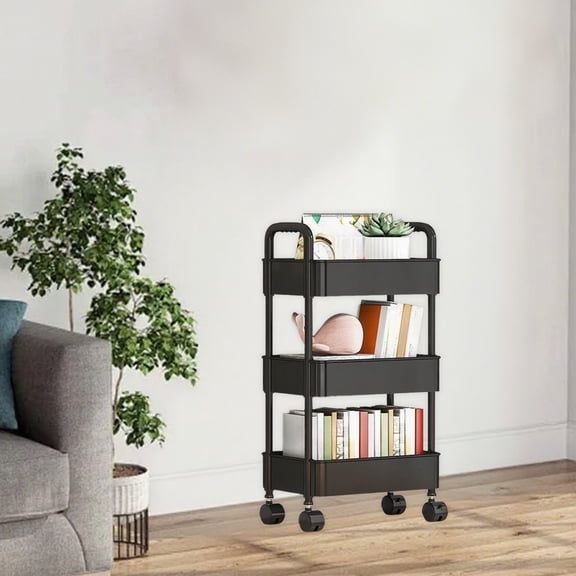
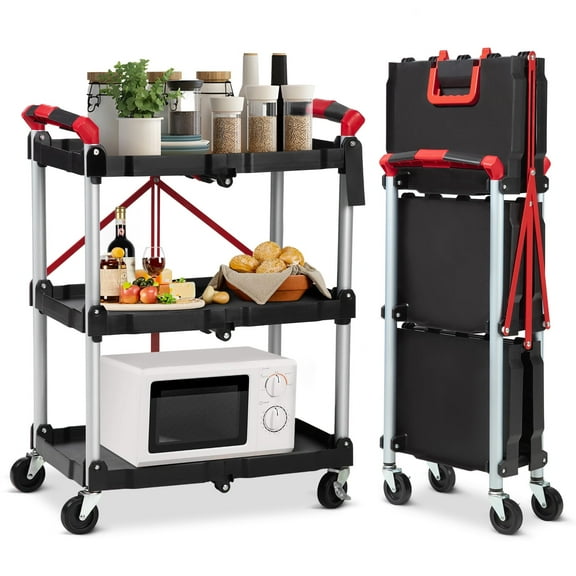
- You can choose a 2-shelf or 3 shelf utility cart layout based on how much vertical storage you need.
A mechanic cart can also help you separate dirty tools from clean supplies during busy projects. You’ll notice that shelf spacing and tray depth affect how neatly your gear fits.
For multipurpose spaces, utility carts with wheels let you switch between storage and transport without changing setups. You can use one cart for tools today and maintenance supplies tomorrow.
Choosing material for tool utility carts
You should compare material first if your cart lives in a garage, warehouse, or maintenance area. Your environment affects how the cart handles moisture, spills, dents, and daily wear.
Steel works well when you need a rigid frame for heavier loads and frequent shop use. You may often see powder-coated steel when you want a durable finish for indoor work areas.
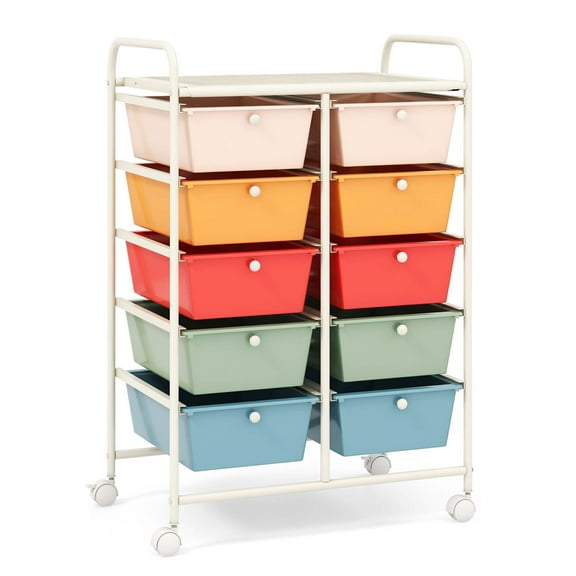
Plastic and polymer options can make sense when you want lighter handling and easy cleanup. You may prefer a plastic service cart when you move supplies often and want simple wipe-down care.
Polypropylene and other polymers are decision-critical if you expect regular contact with common shop liquids. You should check whether the material resists staining and routine chemical exposure in your workspace.
Aluminum can help you reduce cart weight while keeping a sturdy feel for repeated transport. You may like aluminum when you move your cart often between rooms or loading areas.
Choosing tier count and shelf layout
You should choose shelf count based on how many categories of items you need to separate. Your cart gets easier to manage when each level has a clear purpose.
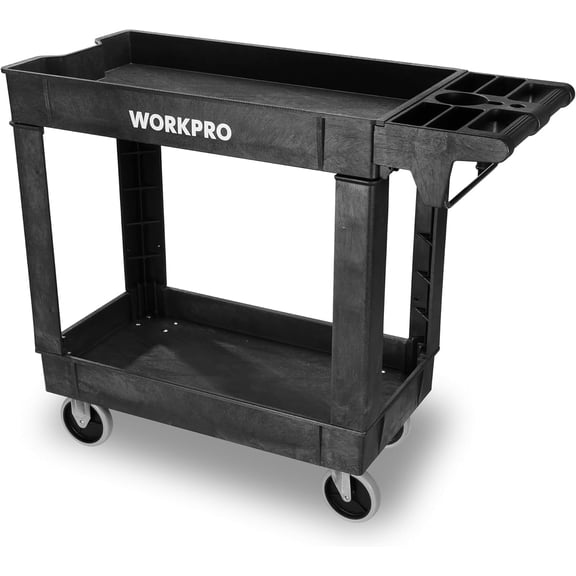
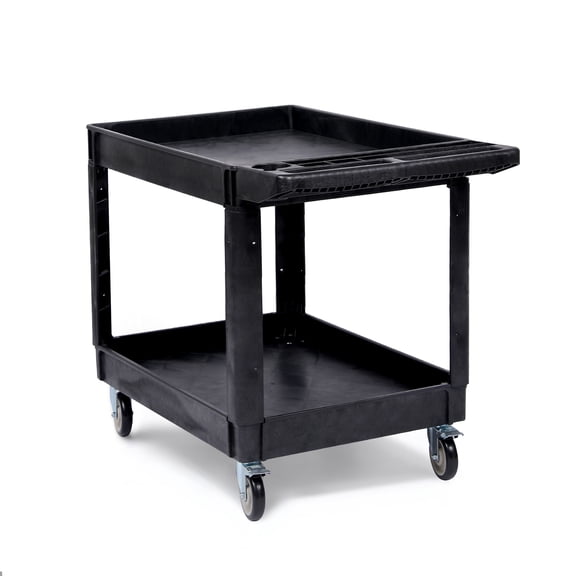
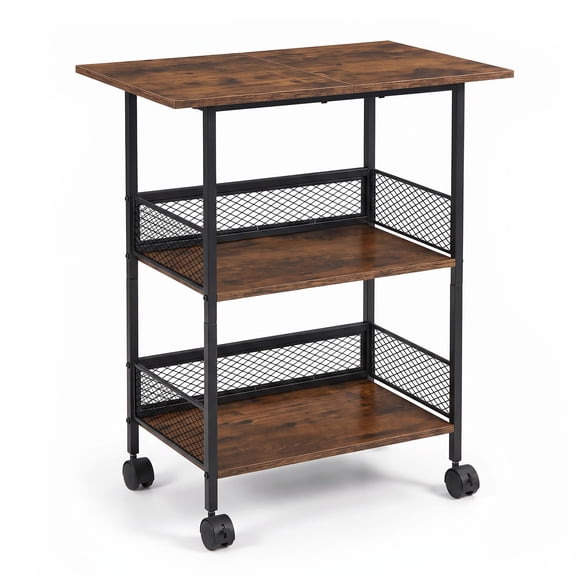
A 2-shelf cart can work well when you carry larger tools, cases, or bulky containers. You can have more vertical room for taller items that don’t fit neatly on crowded tiers.
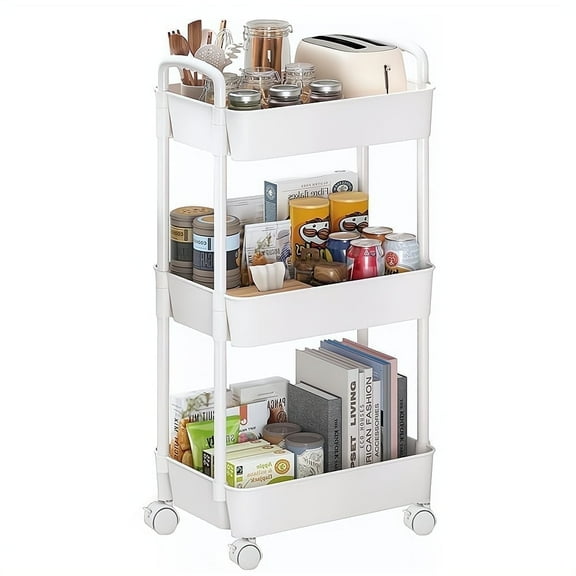
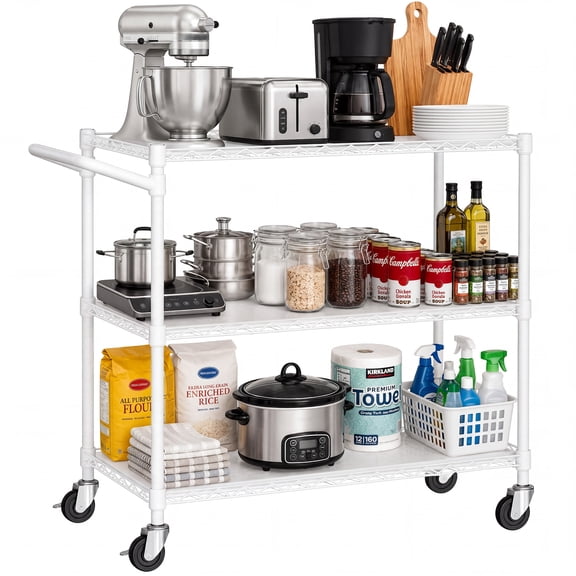
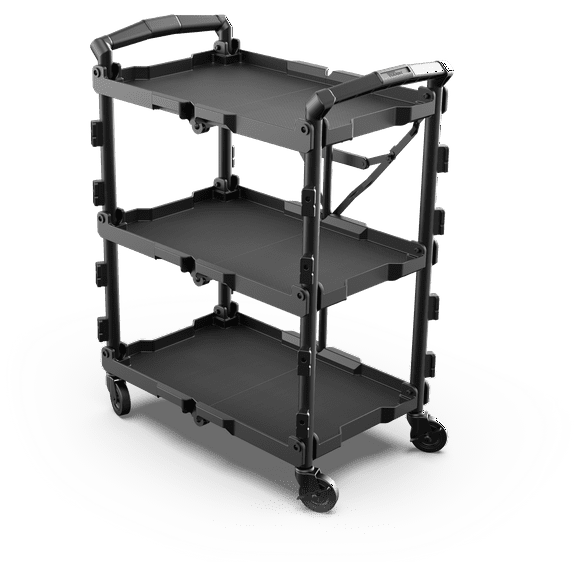
A 3 shelf utility cart can help you sort tools, fasteners, and cleaning supplies without mixing them together. You can keep frequently used items on top and backup items below.
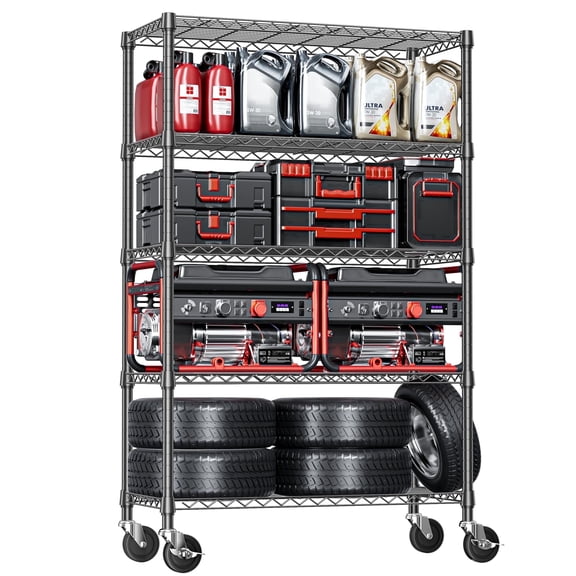
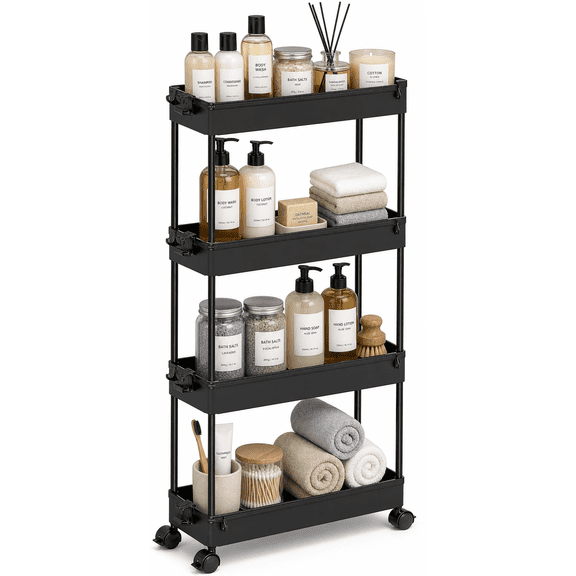
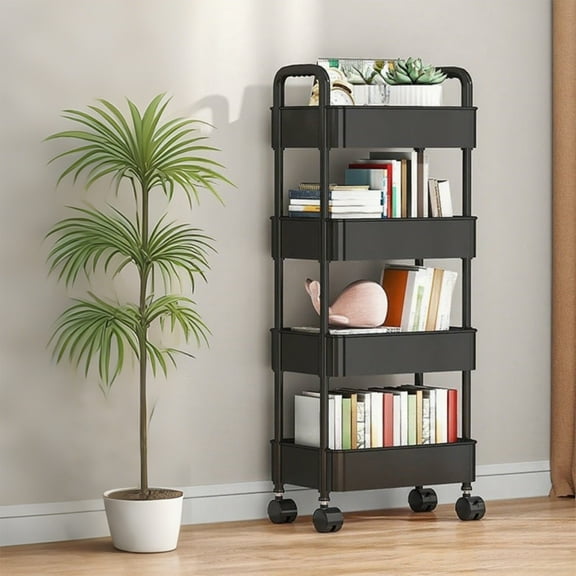
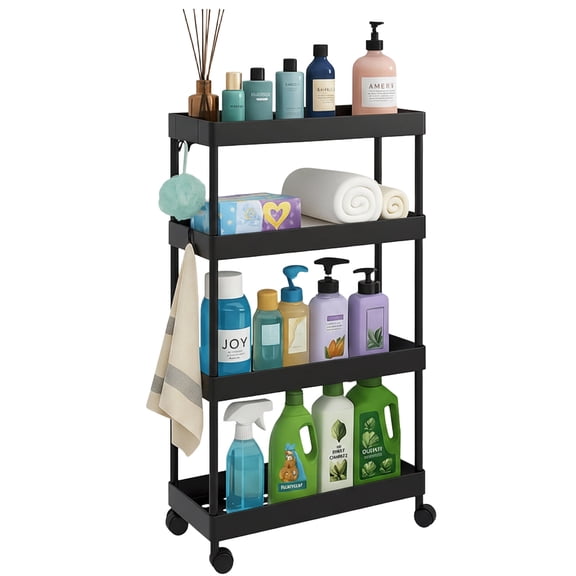
If you need even more separation, a 4-shelf design can support detailed workflows in supply rooms or service spaces. You should measure shelf clearance so your taller items fit comfortably.
Choosing weight capacity and heavy duty service carts
You should match weight capacity to your heaviest regular load, not your lightest trip. Your cart can feel more stable when its frame and shelves suit the tools you actually move.
Light-duty carts can suit office supplies, light hand tools, and smaller containers. You may prefer them when you want easier maneuvering and a lighter frame.
Medium-duty carts fit many general maintenance jobs where you carry mixed tools and parts. You can use them for everyday tasks that need balance between strength and mobility.
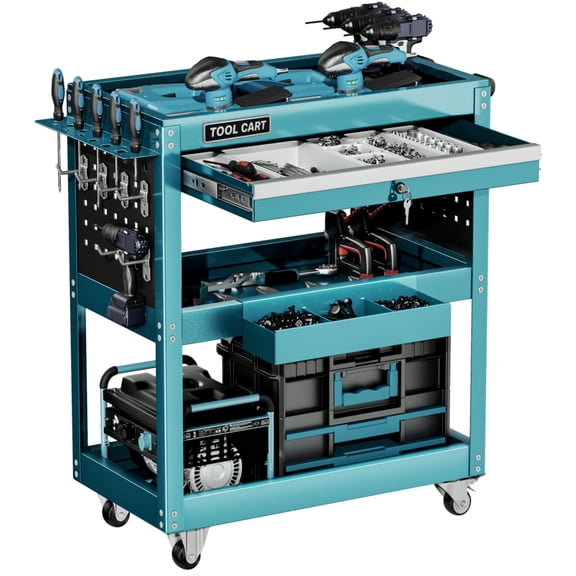
Heavy duty service carts are a smart choice when you move power tools, hardware boxes, or dense equipment. You should check shelf ratings, total load limits, and caster support together.
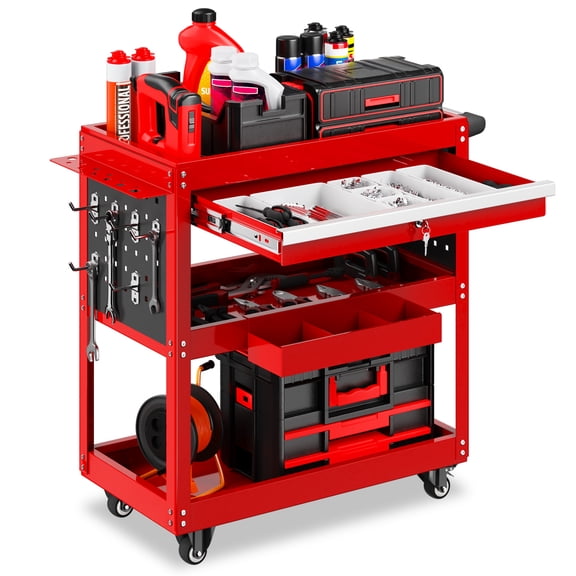
A mechanic cart often needs enough capacity for metal tools, chargers, and loose parts during repeated shop use. You may want a frame that stays steady as your load shifts between shelves.
Choosing wheel style and assembly needs
You should compare wheel style based on your floor surface, turning space, and parking needs. Your cart can feel easier to control when the casters match your route.
Utility carts with wheels and swivel casters can help you turn around benches, lifts, and narrow corners. You may want locking casters when you need the cart to stay put.
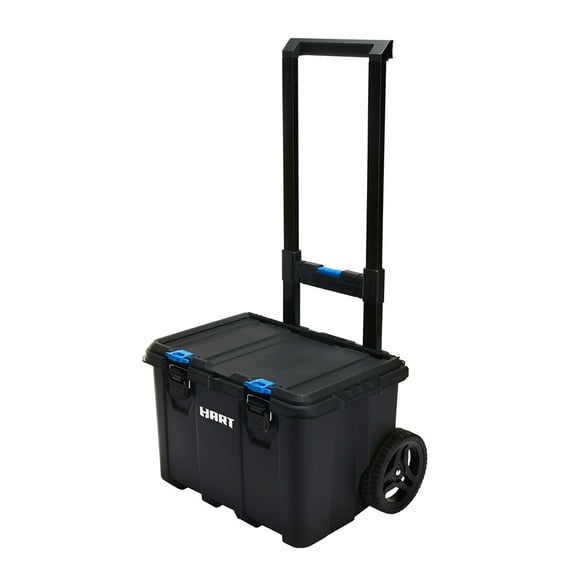
Rigid wheels can work when you move mostly in straight paths across open areas. You should consider pneumatic tires for rougher surfaces where a smoother roll matters.
Assembly also deserves attention before you choose a cart for daily use. You should check whether your cart needs basic hand tools, simple bolt assembly, or a more involved setup.
If you want a quick setup, you may prefer designs with fewer parts and clear hardware steps. You can spend less time building and more time using your cart right away.
How different cart combinations fit real jobs
If you organize a home garage, you may want a 3 shelf utility cart with locking casters for hand tools, cleaners, and hardware. You can keep your main supplies visible and move them beside your project.
If you work in a busy shop, you may need heavy duty service carts with steel shelves and strong casters. You can get a steadier platform for heavier tools and dense boxes.
If you restock janitorial or facility supplies, a plastic service cart may fit your routine well. You can wipe shelves quickly and move bottles, towels, and paper goods between rooms.
If you support maintenance calls across larger spaces, aluminum or polymer carts can reduce lifting strain during repeated trips. You should look for wheel designs that turn smoothly through hallways and doorways.
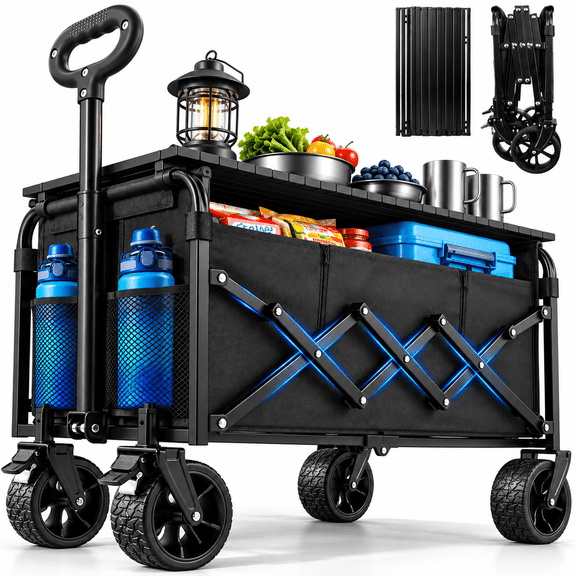
If your floor includes rough patches or outdoor paths, pneumatic tires may help your load move more evenly. You can compare that option with standard rolling tool carts for smoother indoor surfaces.
When you choose the right mix of material, tiers, capacity, and mobility, your cart supports cleaner organization and steadier transport. You can finish tasks with tools closer at hand and fewer interruptions.