

End Tables & Side Tables













































About End Tables & Side Tables - Walmart.com
Tables help you shape every room with surface space, storage, and style that fits your layout. You can compare coffee tables, end tables, dining tables, and accent pieces by size, material, and function.
If you're furnishing a living room or dining area, you can narrow your table options easily by focusing on everyday use. You may want a lift-top for snacks, an extendable design for guests, or drawers for clutter.
How to choose tables by type
You should start with table type because each use changes your ideal height and footprint. You may want coffee tables for seating areas, end tables beside sofas, or console tables along open walls.
When you compare dining tables, you should measure seating needs before style details. You can use side tables and accent tables when you need a smaller surface for lamps, books, or decor.
- You can use coffee tables to anchor sofas and keep remotes, drinks, and trays within reach.
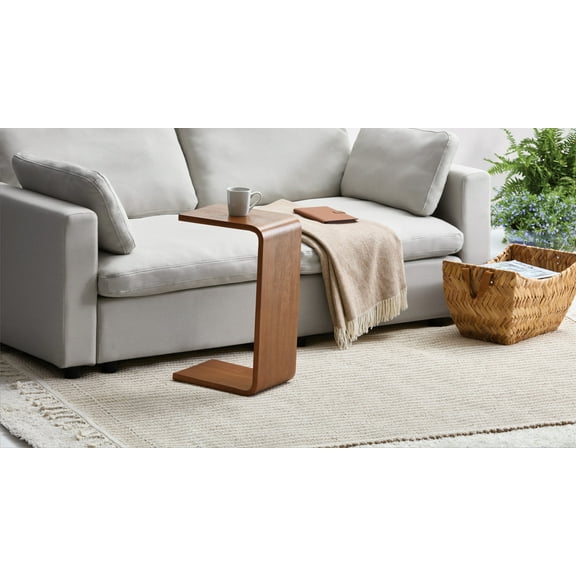
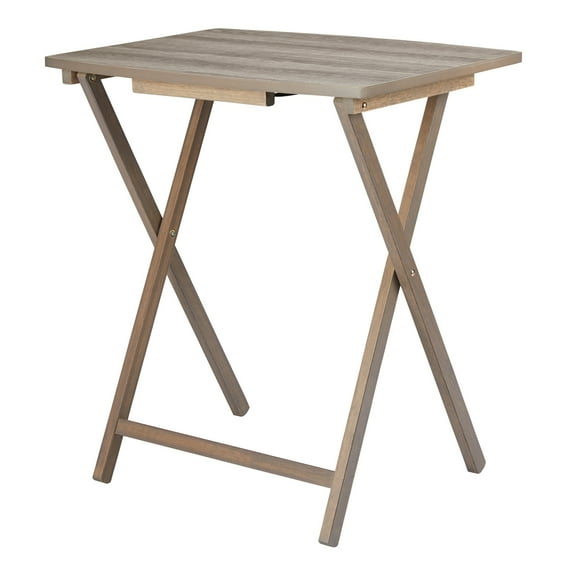
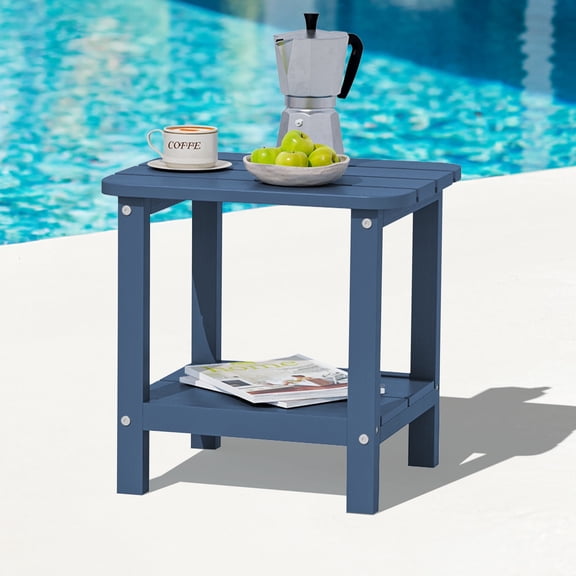
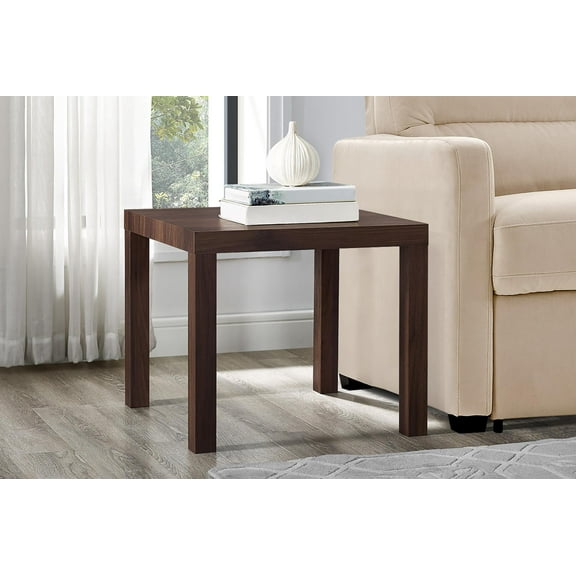
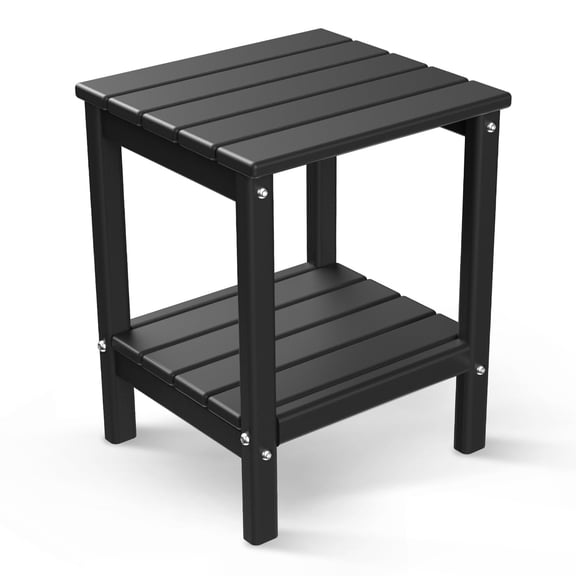
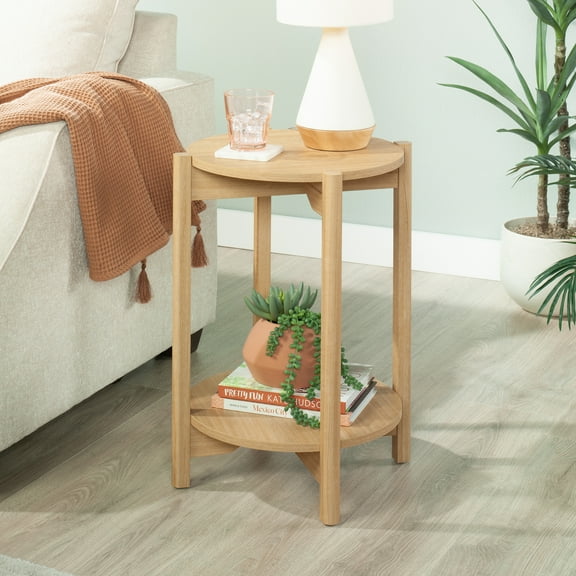
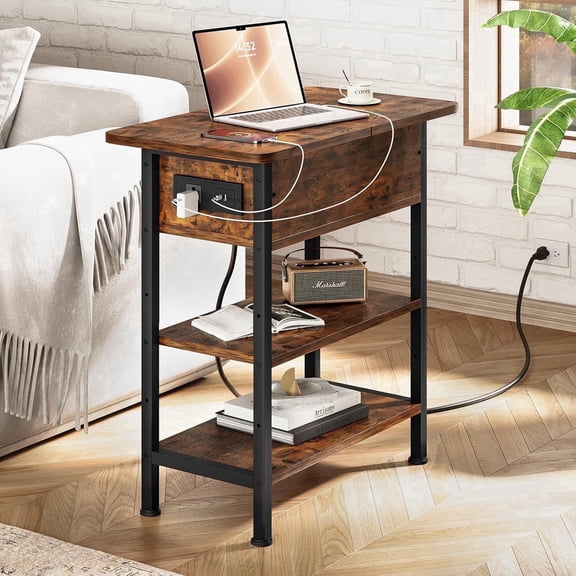
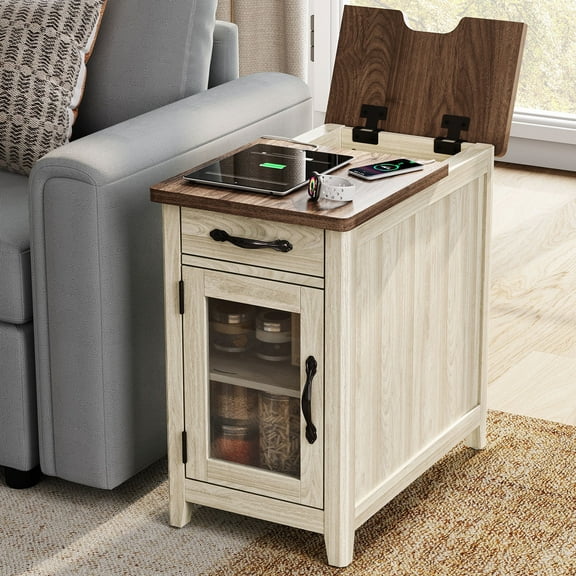
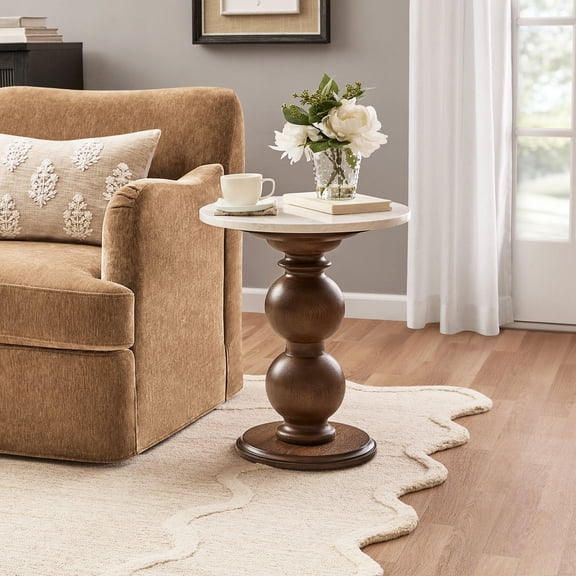
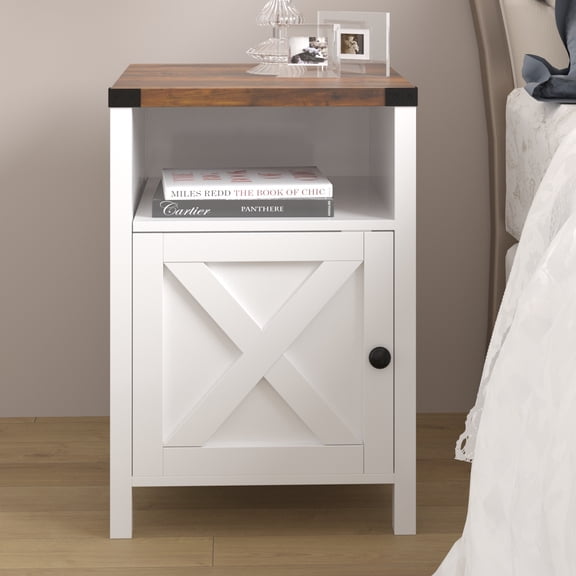
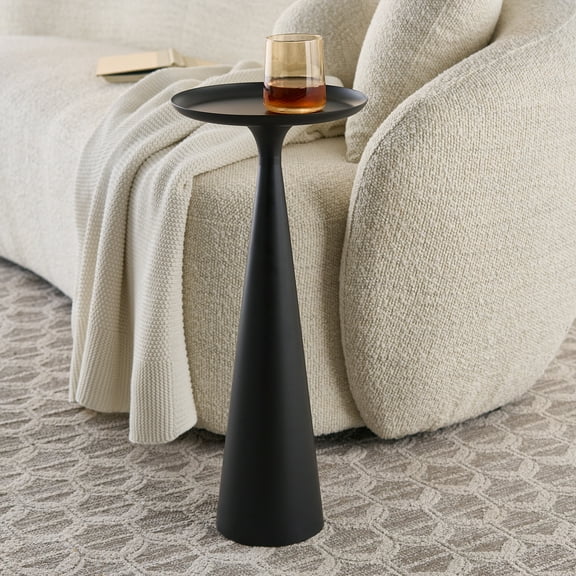
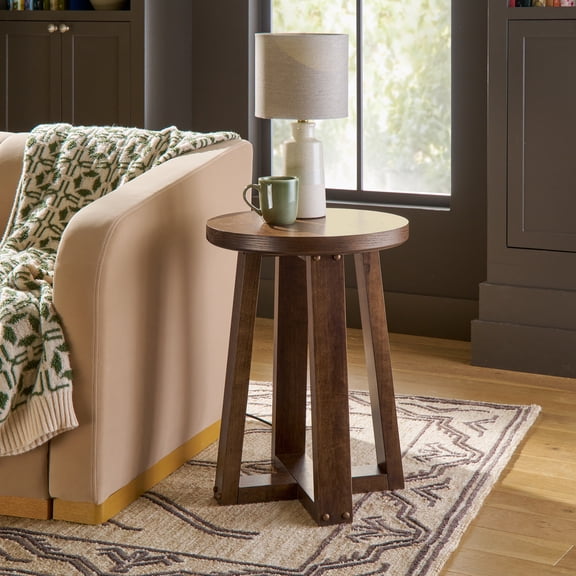
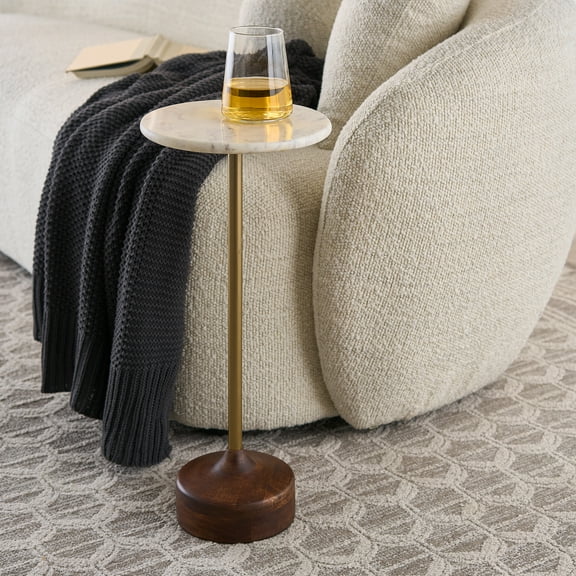
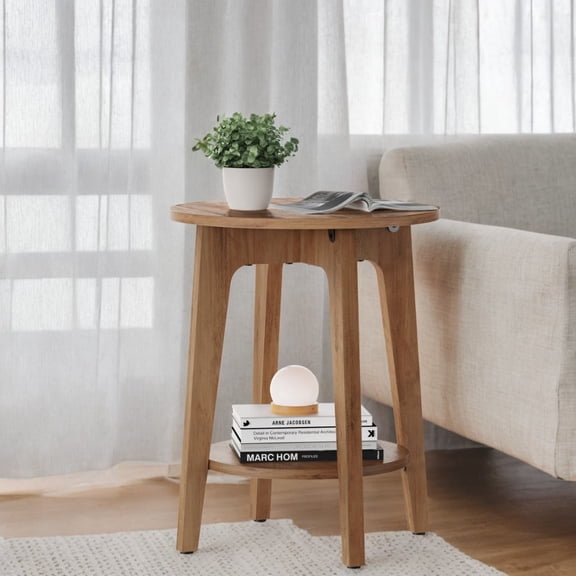
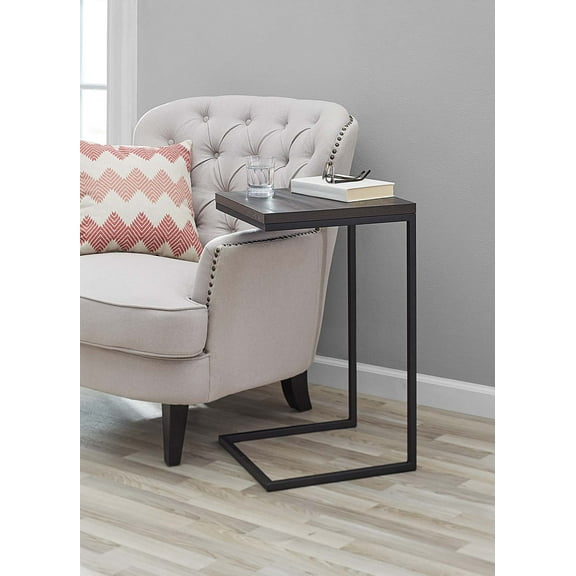
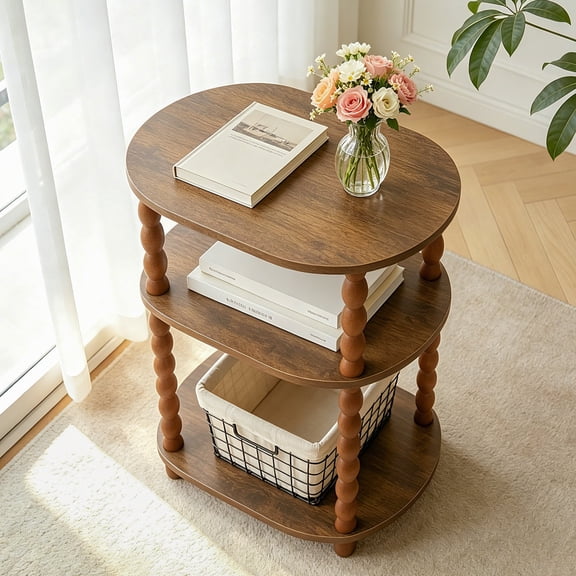
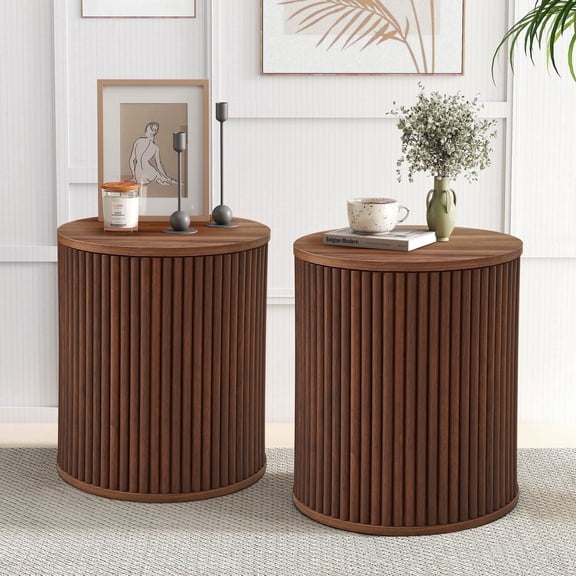
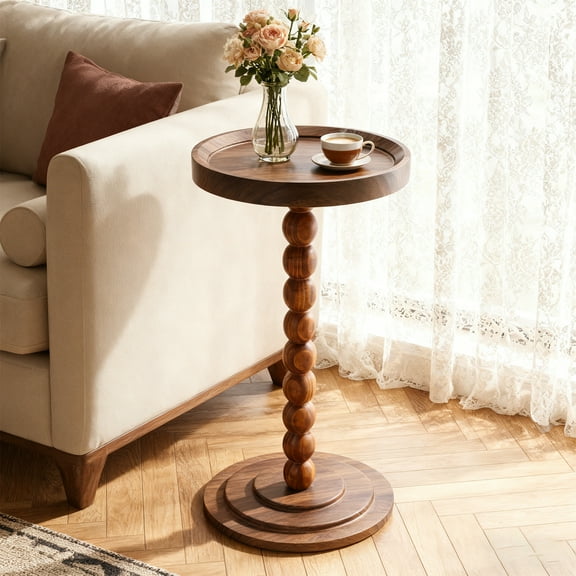
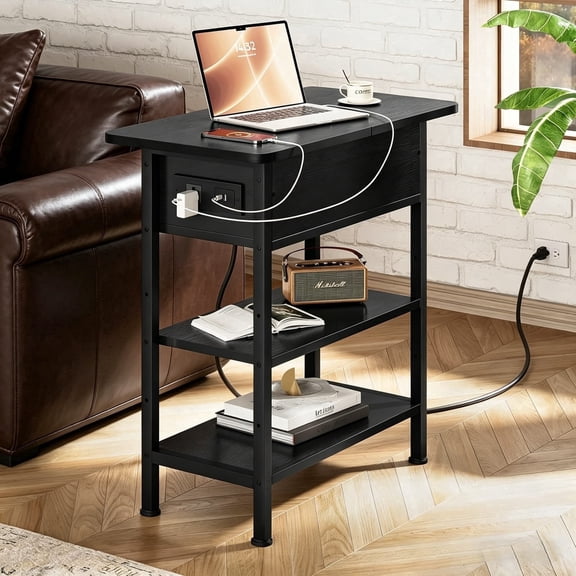
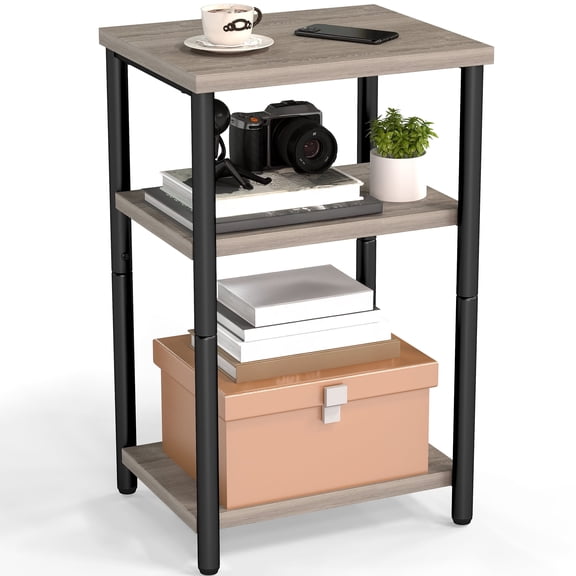
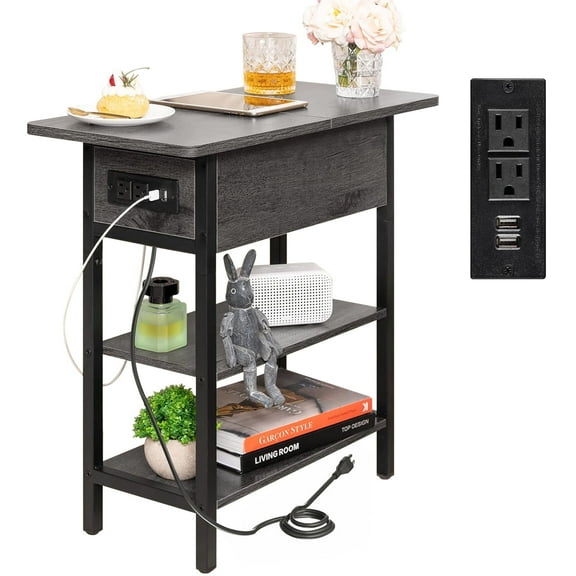
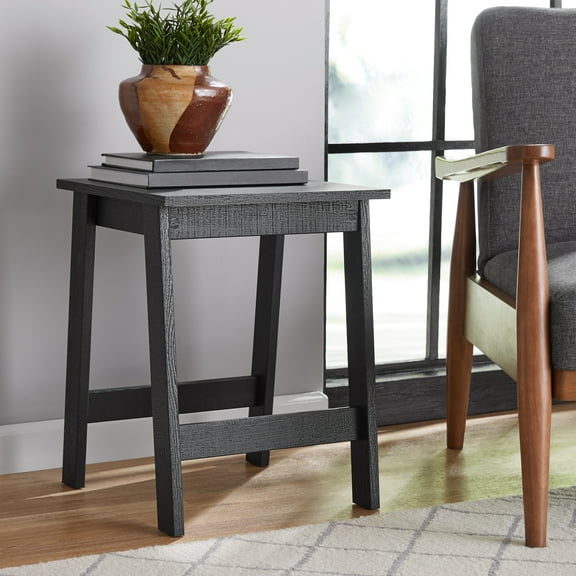
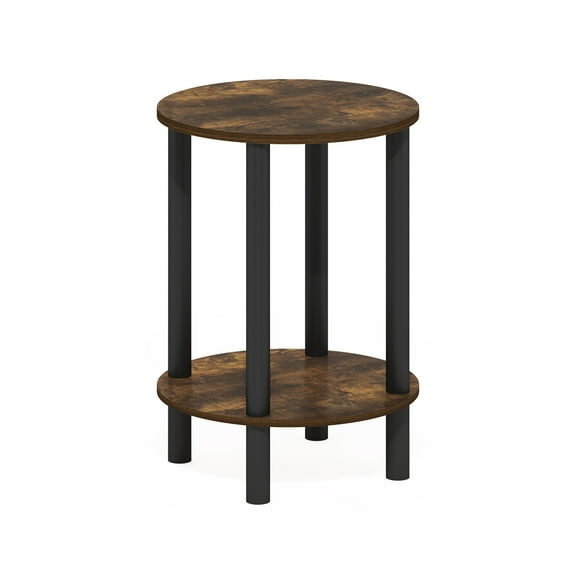
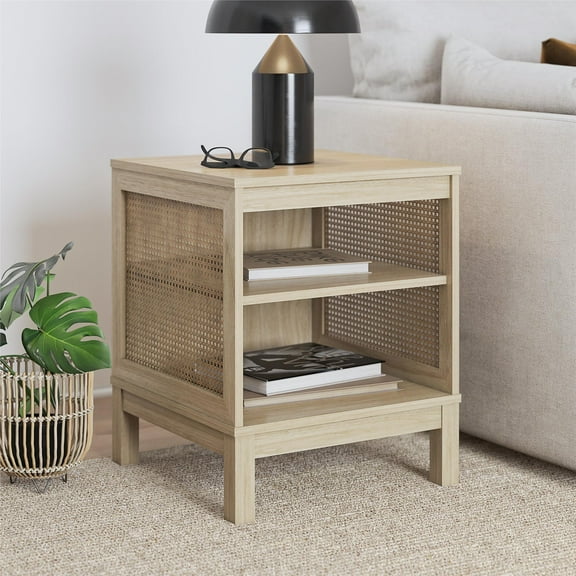
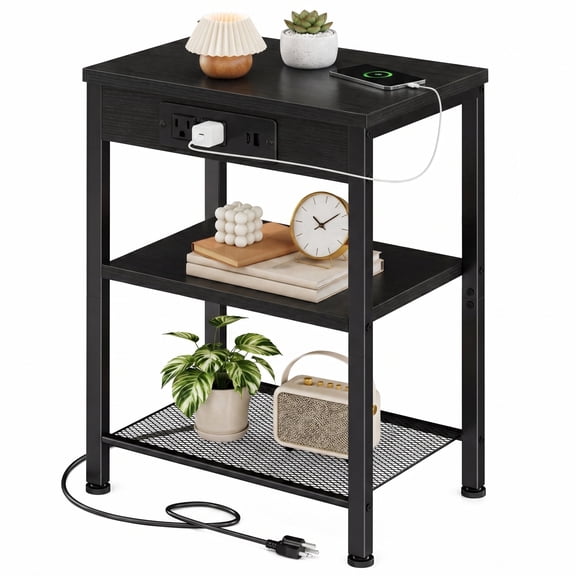
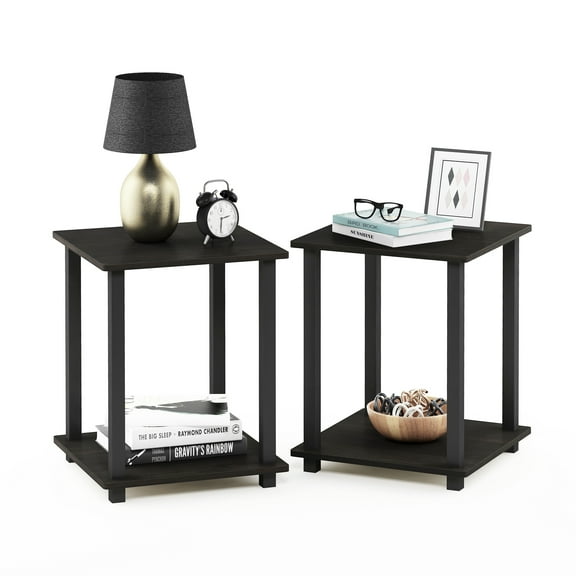
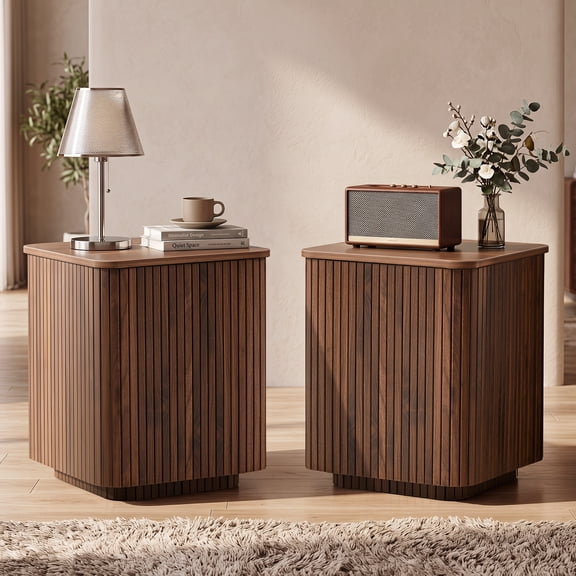
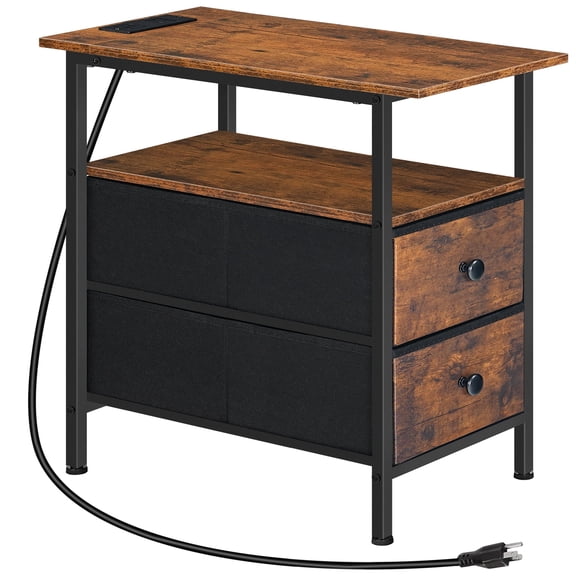
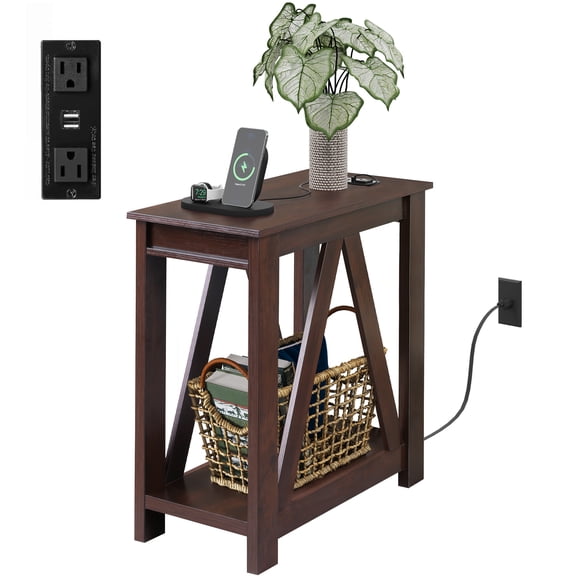
- You can place end tables or side tables next to seating for lamps, chargers, and everyday essentials.
- You can choose dining tables for shared meals, homework, crafts, and holiday hosting.
- You can add console tables in entryways or behind sofas when you need a narrow surface.
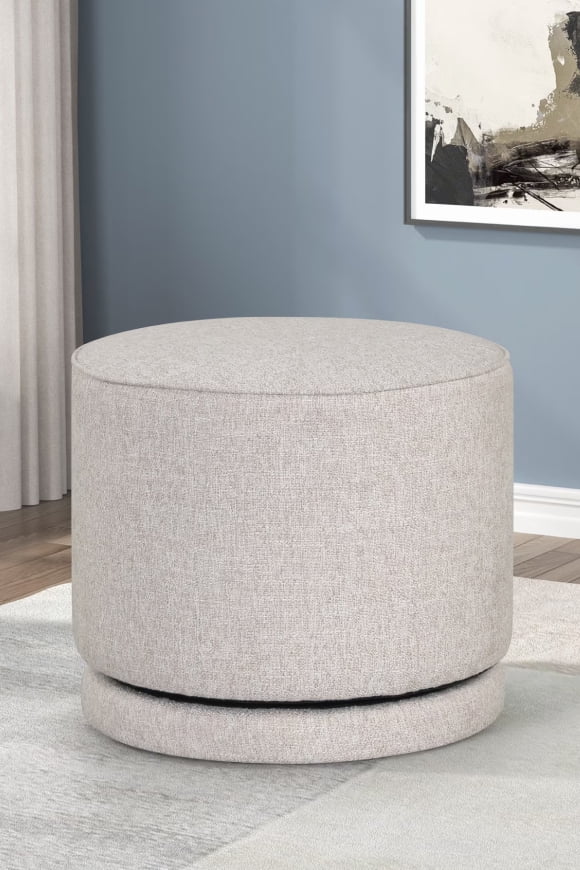
- You can pick accent tables when you want a flexible piece that moves easily between rooms.
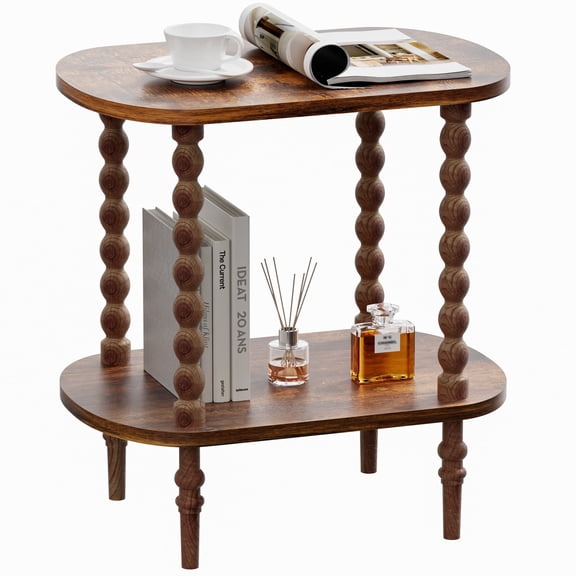
You should also think about storage features before you choose a finish. You may prefer tables with drawers, shelves, nesting designs, extendable leaves, or lift-top surfaces for added function.
Choosing tables by material and upkeep
You can narrow materials by balancing look, durability, and care. You may like wood for warmth, metal for a clean frame, glass for openness, marble for a polished look, or engineered wood for practical everyday use.
If you choose wood, you should check if the manufacturer sealed the surface for easier cleanup. You may notice glass tops wipe clean quickly, though you may notice fingerprints more often.
Metal bases can give your room a lighter visual profile while supporting busy daily use. Engineered wood can help you get a consistent finish when you want modern tables or rustic tables.
If you're considering marble or marble-look tops, you should compare the weight before placement. You can avoid guesswork by checking product details for weight limit in lbs and assembly notes.
Choosing the right shape, height, and clearance
You should measure first because a strong fit makes tables easier to use every day. You can compare height, clearance, diameter, and length to match seating, traffic flow, and room size.
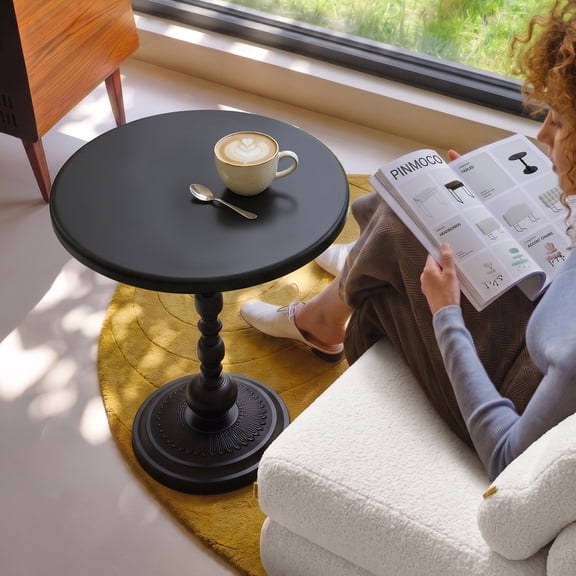
Round tables can soften tight spaces and help you move around corners more easily. Rectangular tables can suit longer rooms, while square and oval options can balance different seating plans.
For coffee tables, you should look for a height close to your sofa seat. You can leave enough clearance around the piece so legs, baskets, and foot traffic fit comfortably.
For dining tables, you should check knee space and chair clearance before you decide. You can use diameter for round styles and overall length for rectangular styles when planning your room.
How style and storage features change everyday use
You can use style to connect your table with existing furniture and flooring. You may lean toward modern lines, rustic textures, farmhouse details, mid-century modern shapes, or traditional profiles.
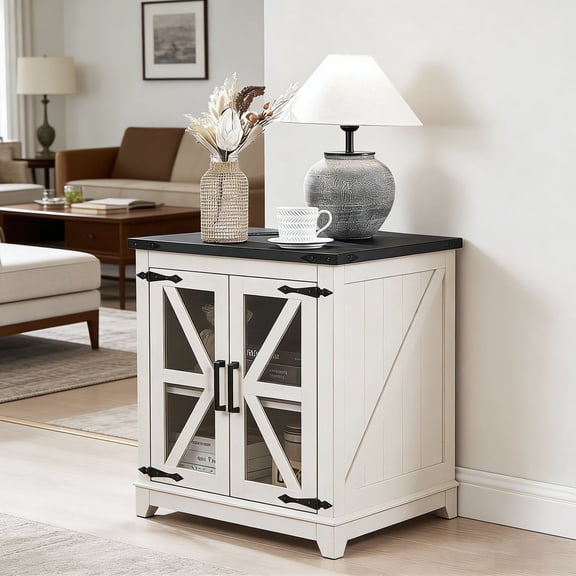
Modern tables often work well when you want simple silhouettes and mixed materials like glass and metal. Rustic and farmhouse looks can bring visible grain, thicker tops, and practical storage into busy family spaces.
If you want flexible storage, you should compare shelves, drawers, and nesting options closely. You can keep coasters, chargers, books, or placemats nearby without crowding your main surface.
Lift-top coffee tables can raise your surface when you want to read or use a laptop from the sofa. Extendable dining tables can give you extra seating space when guests join dinner.
What to look for in assembly and intended use
You should review assembly details before you choose a table for daily use. You can check whether the package includes tools, features labeled hardware, or arrives pre-assembled.
If you want a quicker setup, you should look for simpler frame designs or fewer parts. You can compare assembly notes alongside dimensions so your table fits through hallways, doors, and stair turns.
You should also match intended use with weight support and surface size. You can check the listed weight limit in lbs when placing decor, serving pieces, or heavier electronics.
Living room tables often need space for remotes, lamps, baskets, and daily drop-zone items. Dining tables usually need enough width for place settings, serving dishes, and comfortable elbow room.
When you compare tables across rooms, you should focus on measurements, materials, and features that support your routine. You can furnish dining areas, entryways, and seating zones with pieces that fit cleanly and work hard every day.