

Bug Bite in First Aid



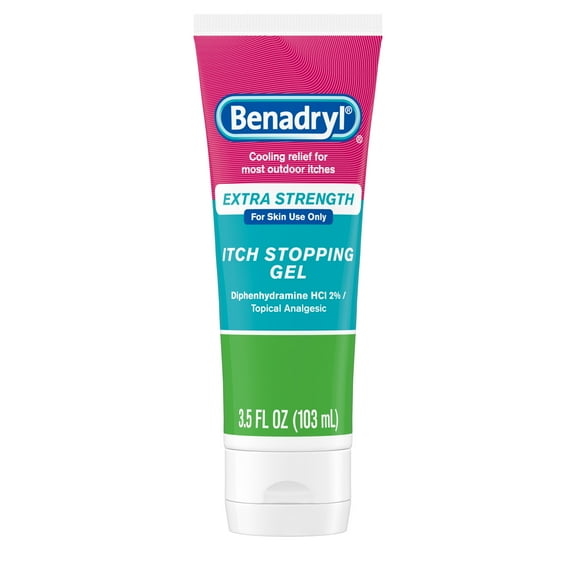
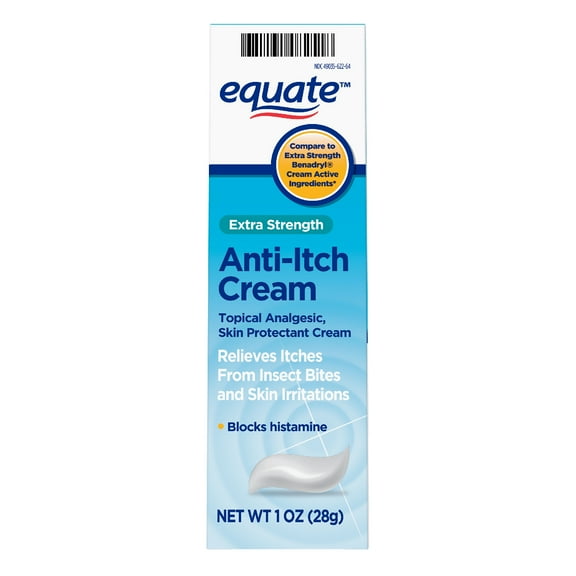
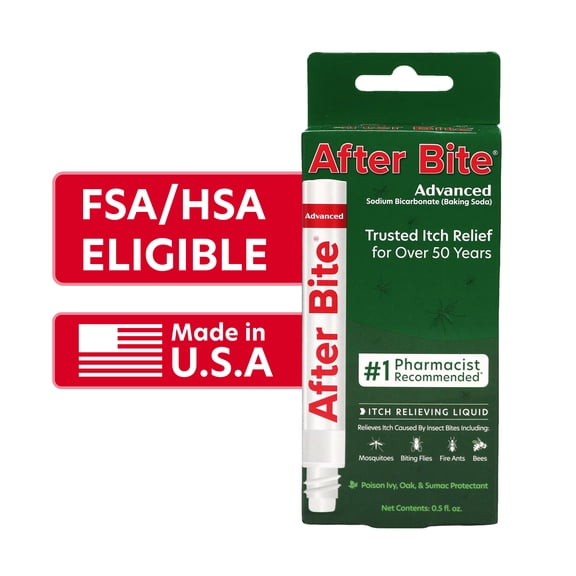
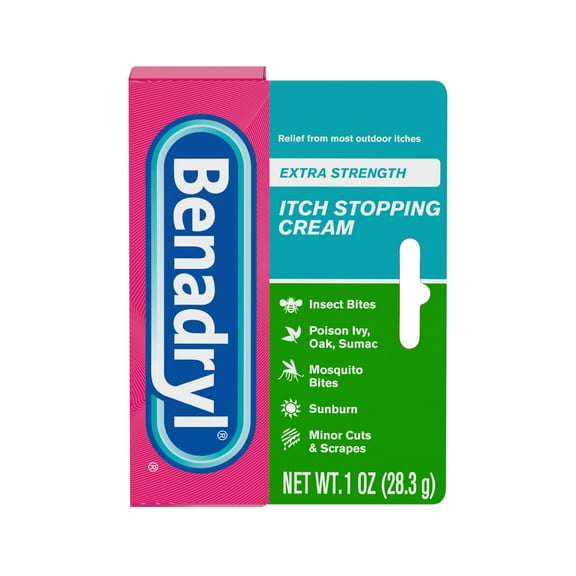
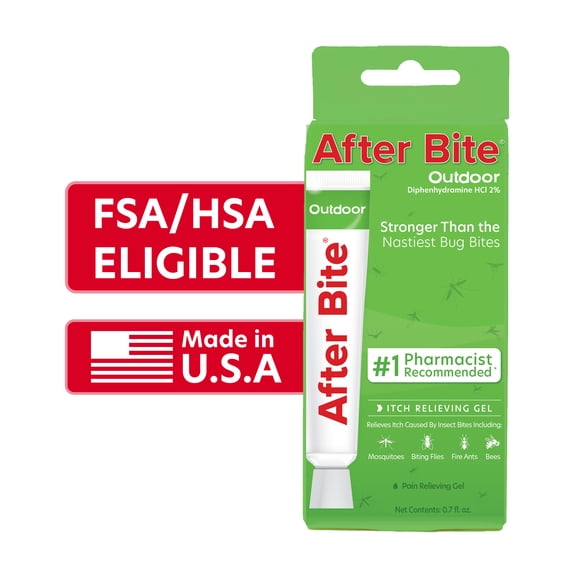
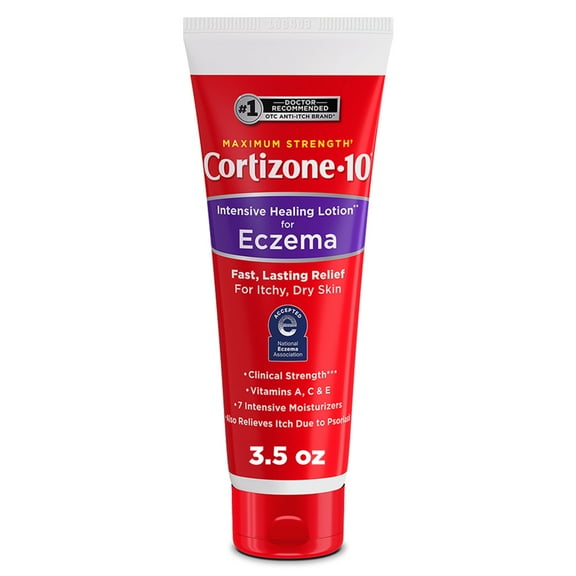
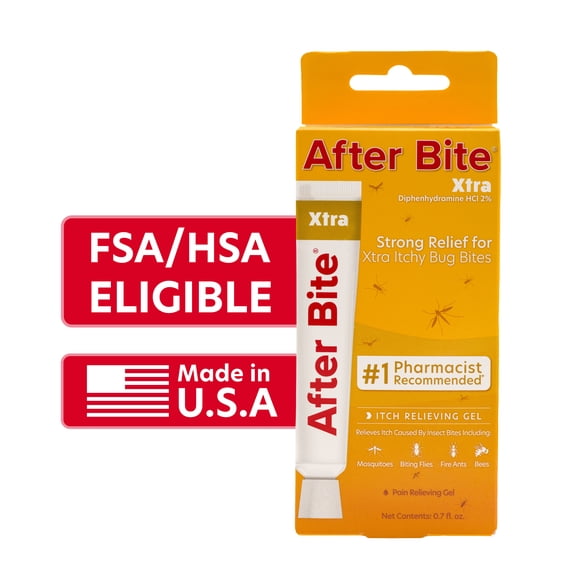
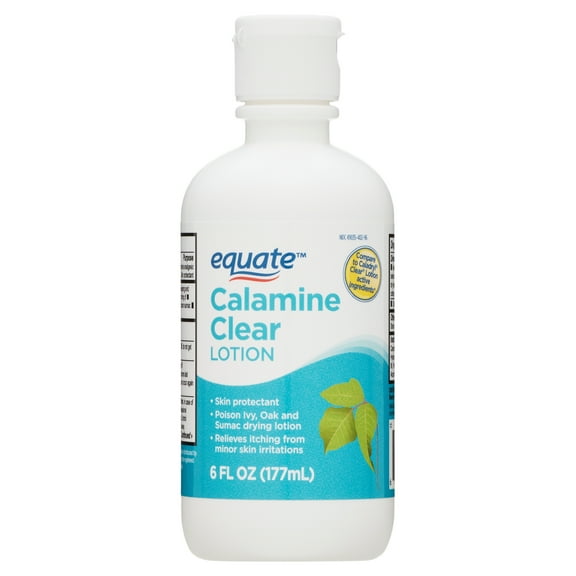
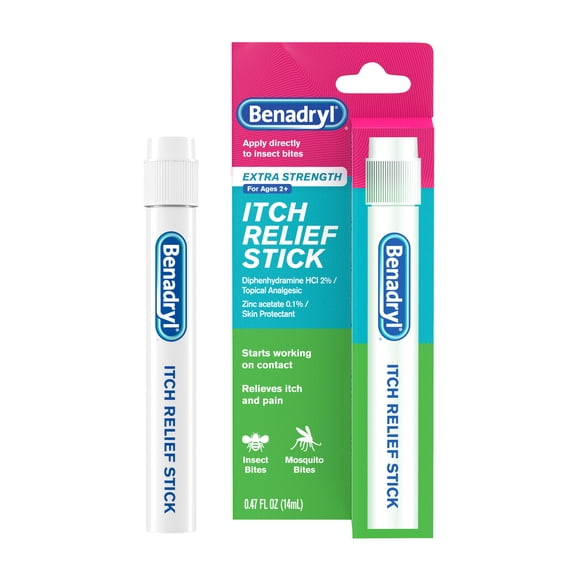
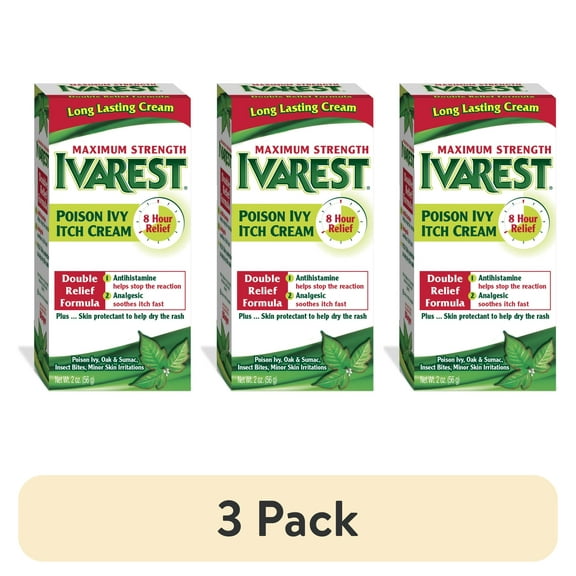
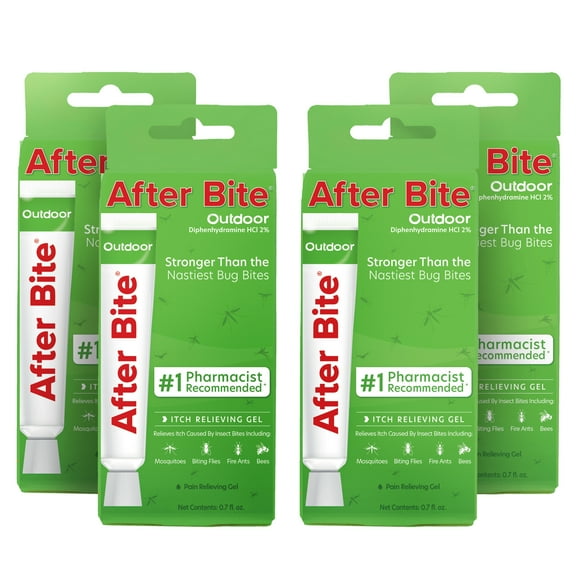
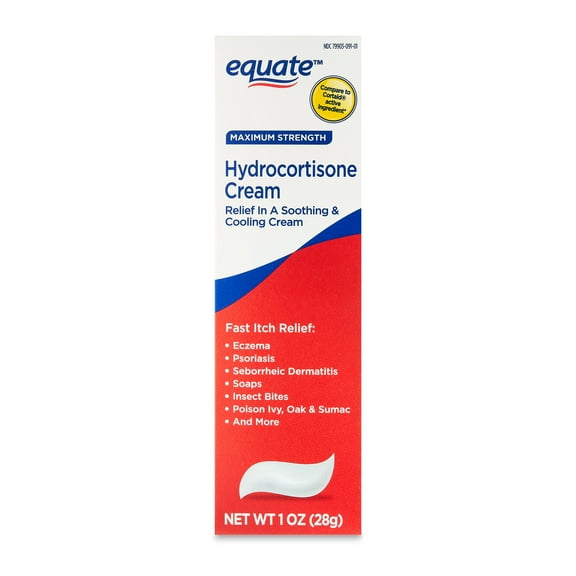

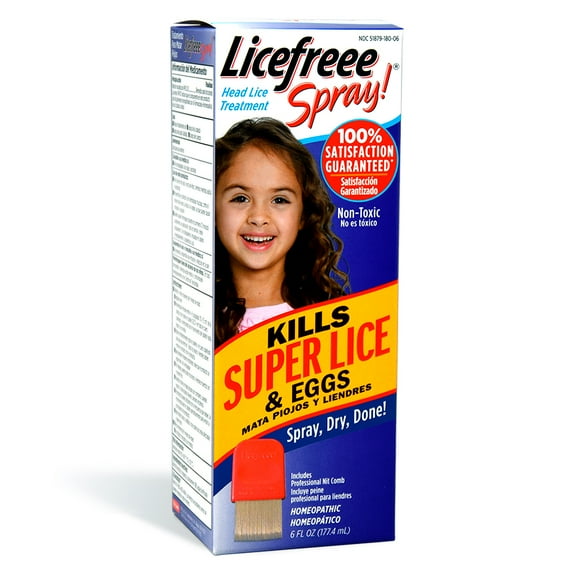
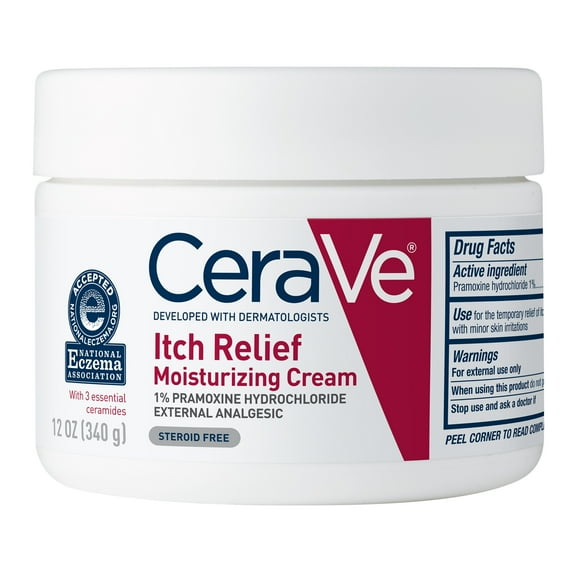

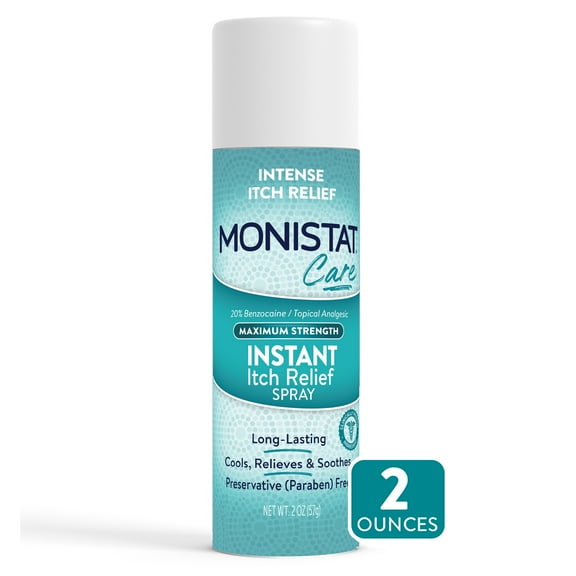






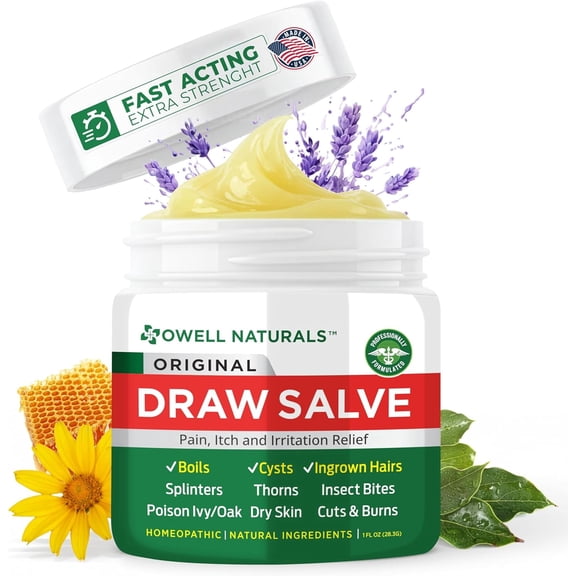
About Bug Bite in First Aid - Walmart.com
Insect bite treatment helps you compare creams, gels, sprays, patches, and suction tools for mosquito bites, stings, and family routines. You can narrow options by form type, active ingredient, target insect, and age guidance before you choose.
If you want bug bite relief that fits real situations, you should compare label directions with your usual outdoor plans. You’ll also want formats that suit adults, kids, infants, or shared household use.
How to choose insect bite treatment
You can narrow insect bite treatment quickly when you start with the bite type and the format you prefer. You should also check age guidance and ingredient details before you compare sizes or packaging.
For quick scanning, you can focus on a few decision points that matter deeply for everyday use. You’ll usually get a clear match when you compare form type, active ingredient, target insect, and age range.
- You can use anti itch cream for small, precise spots that need targeted coverage.
- You may prefer sprays when you want simple application across larger exposed areas.
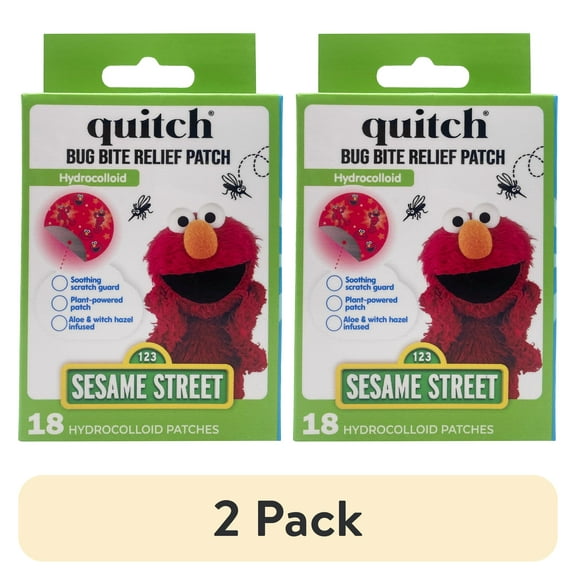
- You can choose a bug bite patch when you want a touch-free option for active kids.
- You should compare hydrocortisone, antihistamine, colloidal oatmeal, and ammonia based on label directions and bite type.
- You can sort by mosquito, bee, wasp, tick, or chigger use to find more relevant options.
You’ll notice each format supports a different routine, especially after yard work, camping, or time at the park. You can keep a few types on hand when your household needs different applications.
Choosing form type for bug bite relief
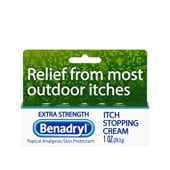
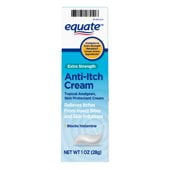
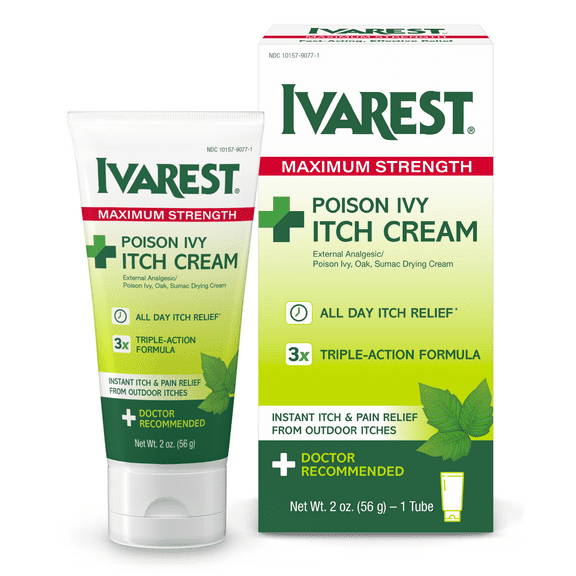
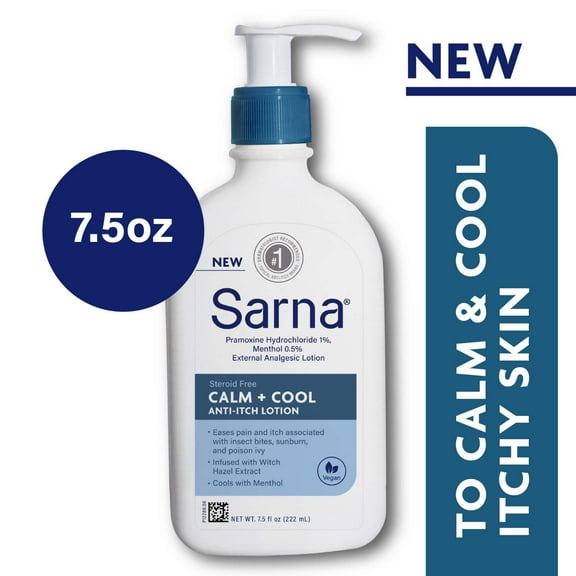
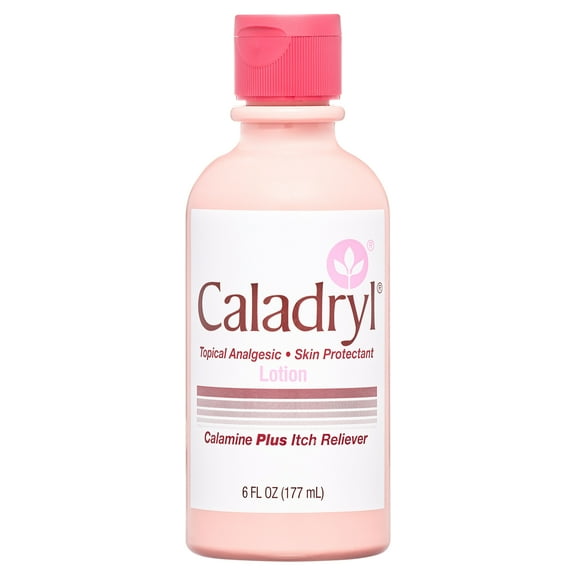
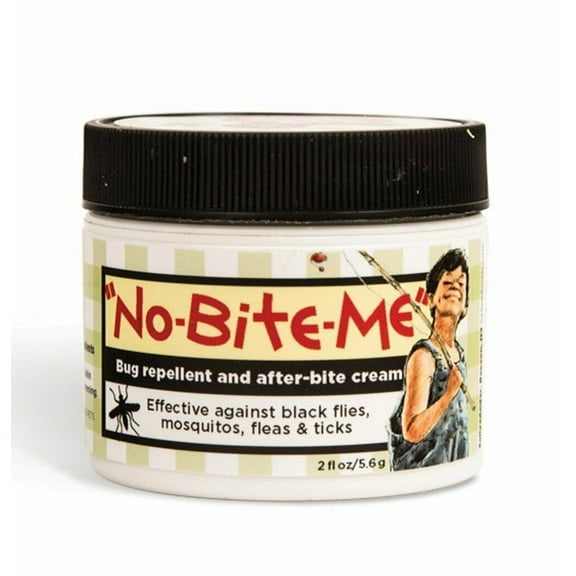
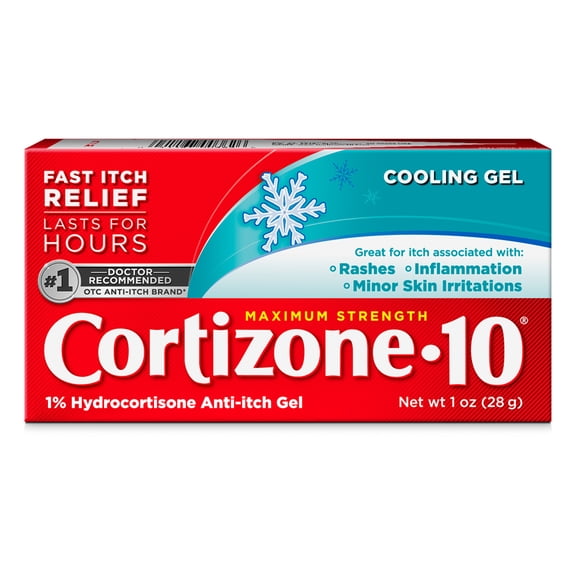
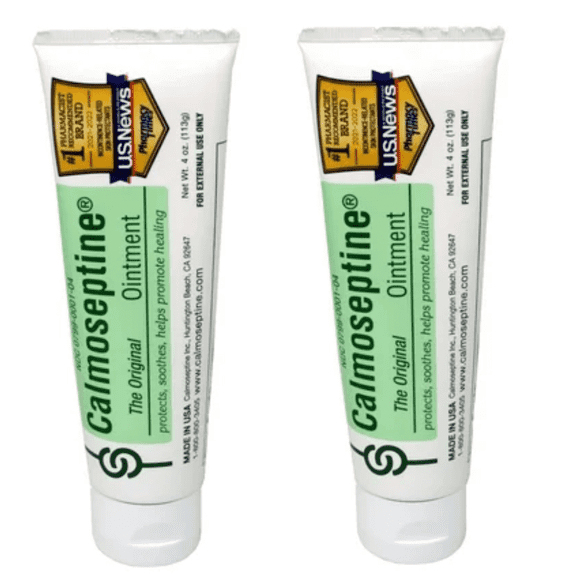
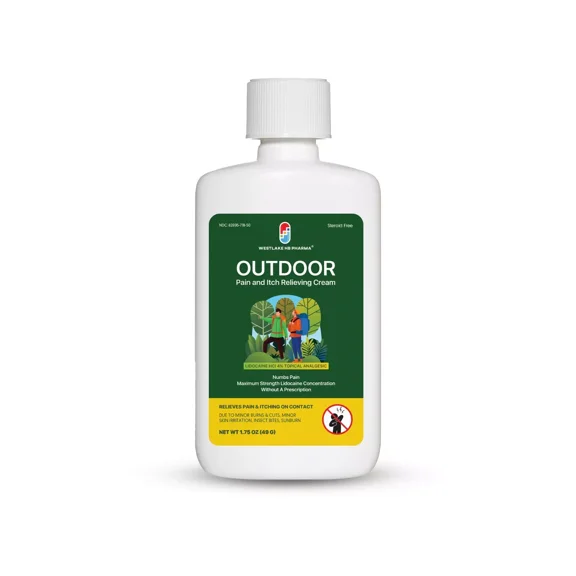
You can start with cream when you want a familiar texture and controlled placement on a single bite. You’ll often find anti itch cream useful when you need even coverage without overspray.
If you prefer a lighter feel, you can compare gels that spread smoothly and absorb quickly on small areas. You may like this format when you want less residue on your hands.
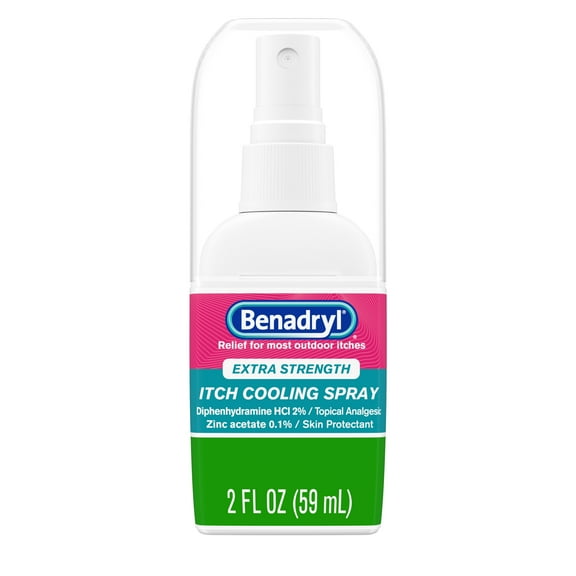
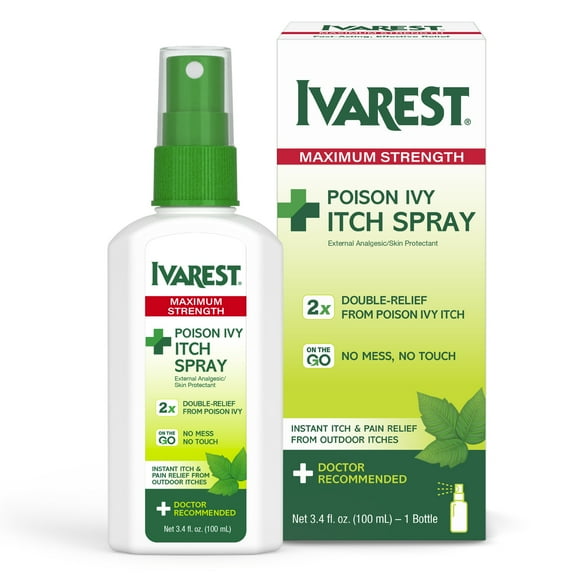
You can reach for spray when you need wider coverage on legs, arms, or several bites at once. You’ll find sprays practical after hikes, sports, or backyard evenings with more exposed skin.
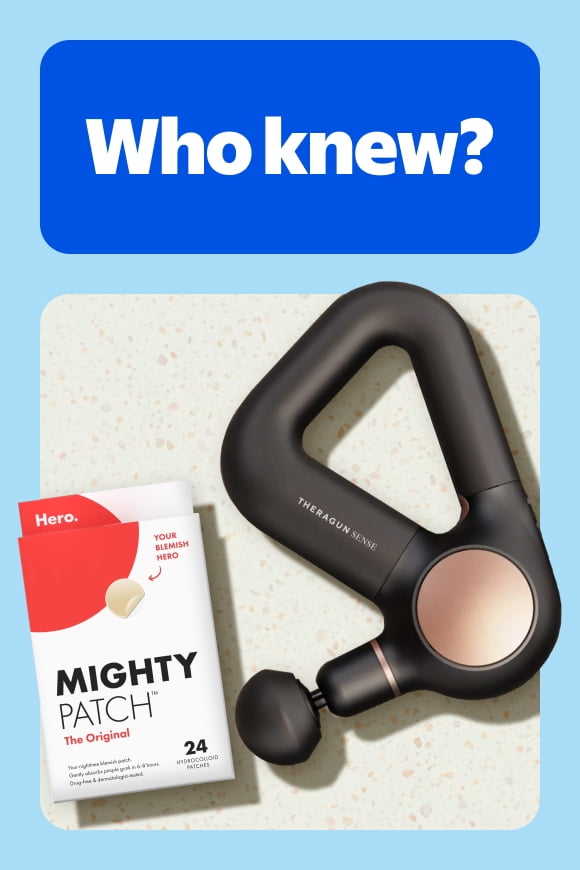
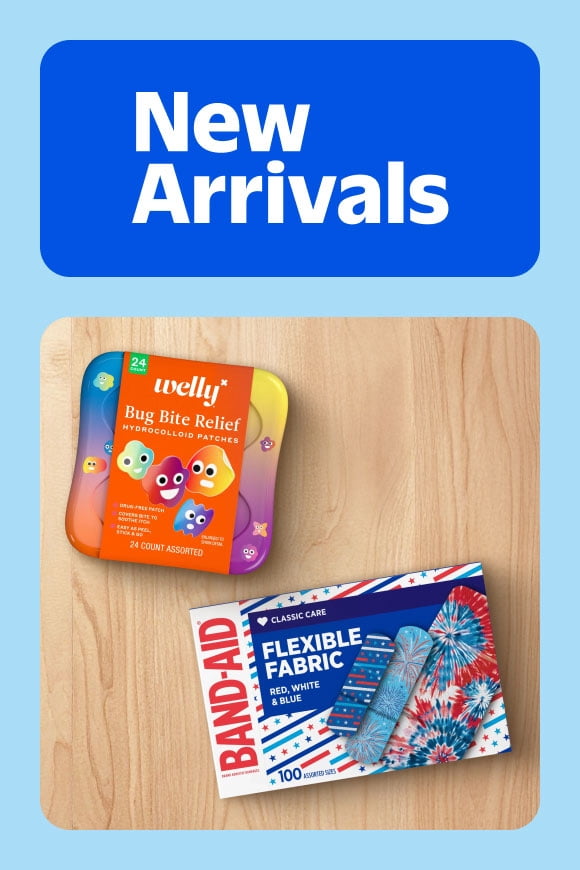
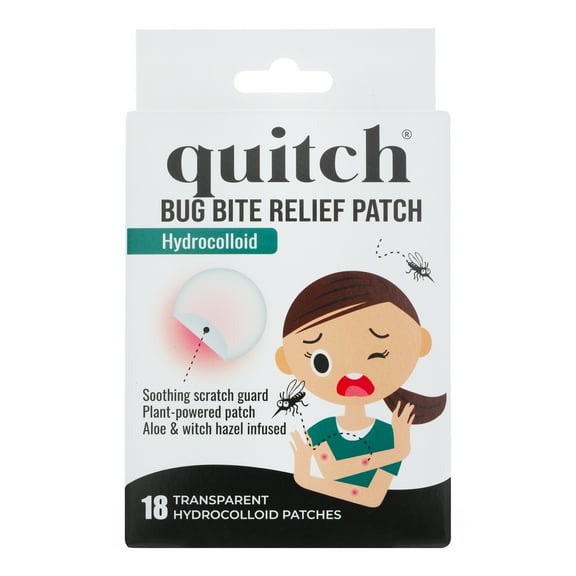
When you want less touching, you can consider a bug bite patch that stays over the spot. You may choose patches for kids because they create a simple, visible layer over the bite.
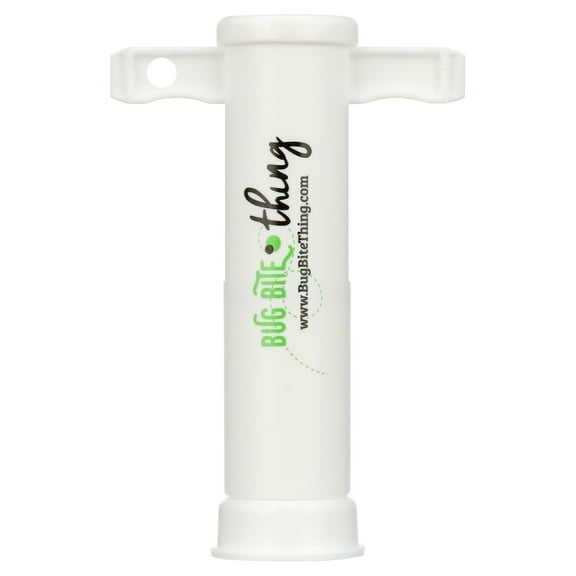
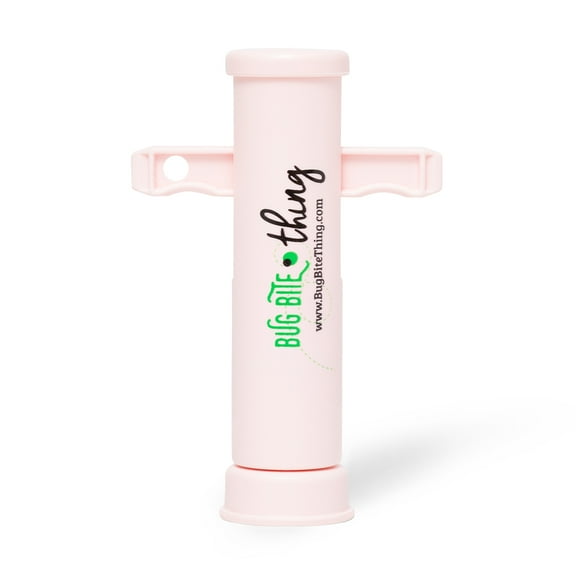
You can also compare a suction tool if you want a non-cream option in your outdoor kit. You should review use instructions closely, since this format works differently from topical products.
Comparing active ingredients in anti itch cream
You can make an informed pick when you compare active ingredients by purpose and feel. You should treat the label as your guide for where, when, and for whom each option works.
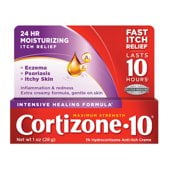
You’ll often see hydrocortisone cream for bug bites when you want a common topical option in cream form. You can compare strengths, directions, and package notes to match your preferences.
If you want another route, you can look at antihistamine formulas in creams, gels, or sprays. You may prefer them when you want an alternate ingredient profile and a different application texture.
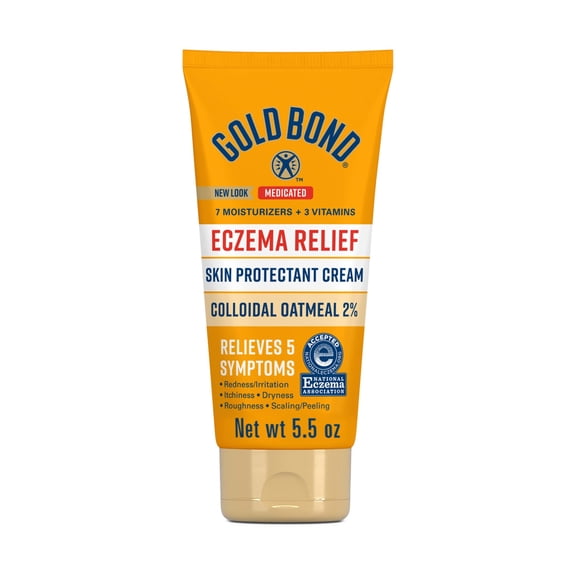
You can check colloidal oatmeal options when you want a soothing format with a gentler feel on the skin. You’ll often spot these in itch relief cream choices made for everyday household use.
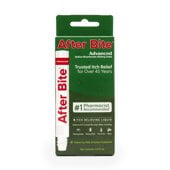
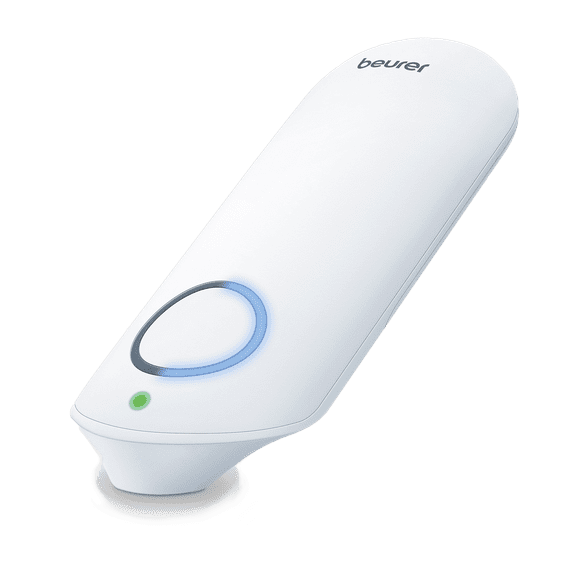
For another traditional option, you can compare ammonia-based formulas in portable applicators. You should read packaging details carefully, since instructions and placement can vary by product.
Matching mosquito bite treatment to the insect
You can shop more precisely when you match the product to the insect that caused the problem. You’ll often need different formats for mosquito bites, bee stings, wasp stings, tick-area care, or chigger irritation.
For mosquito bite treatment, you may want compact creams, gels, or roll-on styles that fit summer bags and travel kits. You can apply them to small, itchy spots after evenings outside.
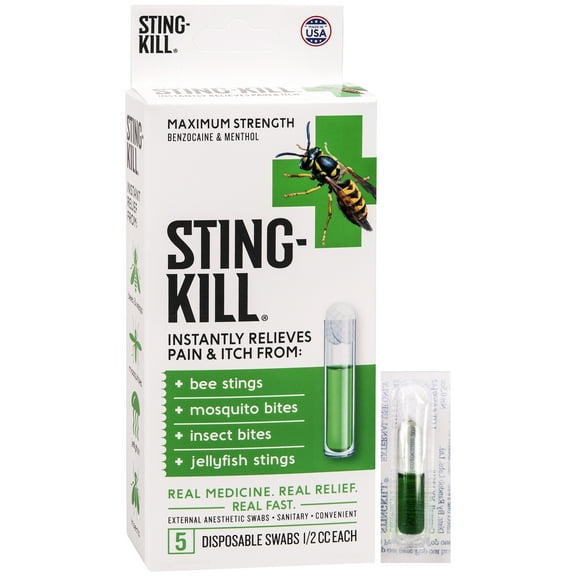
If you’re choosing for bee or wasp encounters, you may prefer a format that’s easy to place exactly where you need it. You should compare applicators that help you target one area cleanly.
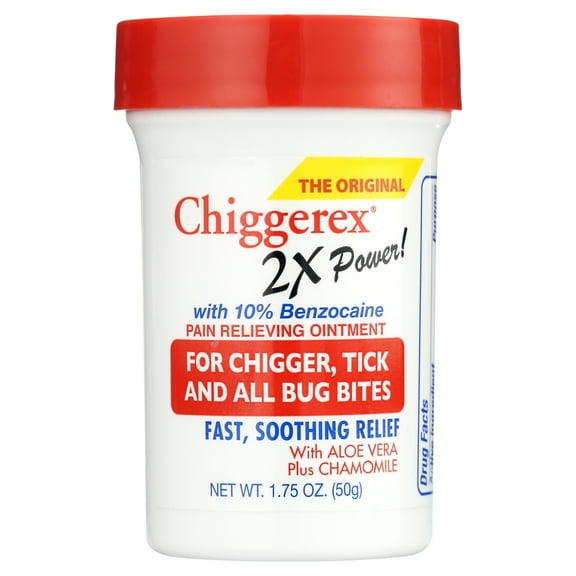
You can also look for options intended for tick-area skin care or chigger-related itch. You’ll benefit from reading labels that explain where to use the product.
When you build a warm-weather kit, you can keep different forms for different outings and insects. You may want a spray for camp trips and a cream for everyday mosquito bites.
Checking age range and family use
You should always compare age guidance before you choose any insect bite treatment for your home. You can sort options for adult, kids, infant, or family-safe use based on the package directions.
If you’re shopping for children, you may prefer simple formats that are simple to apply during busy routines. You can consider a bug bite patch or a mess-light cream for daytime use.
For infant or toddler households, you should check label language closely before you decide. You’ll want directions that clearly state the intended age range and application method.
If you’re stocking one shared cabinet, you can compare family-safe options with straightforward instructions and practical packaging. You may also want travel sizes for diaper bags, sports bags, or glove compartments.
You can feel more confident when your insect bite treatment matches the bite, the ingredient, and the user’s age range. You’ll get a more useful everyday option when you choose the right form for your routine.