

Drywall Screws





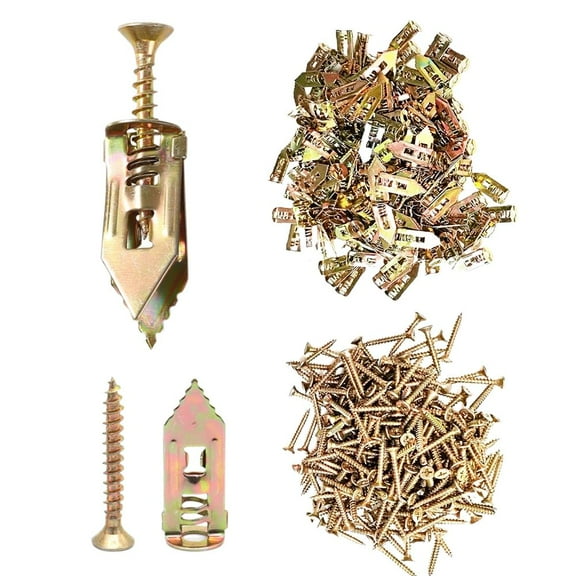

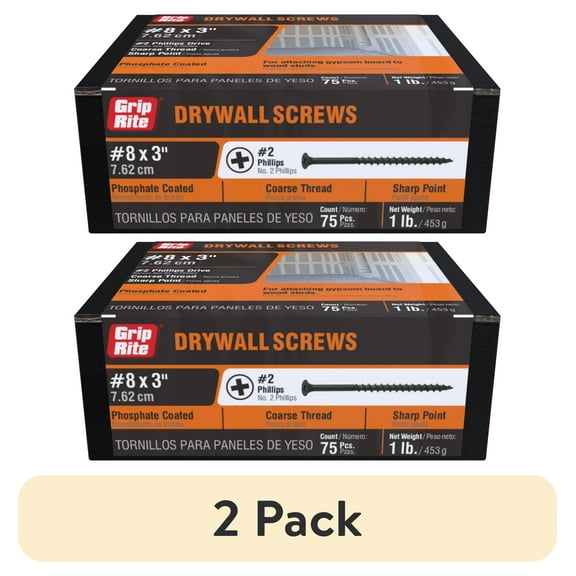
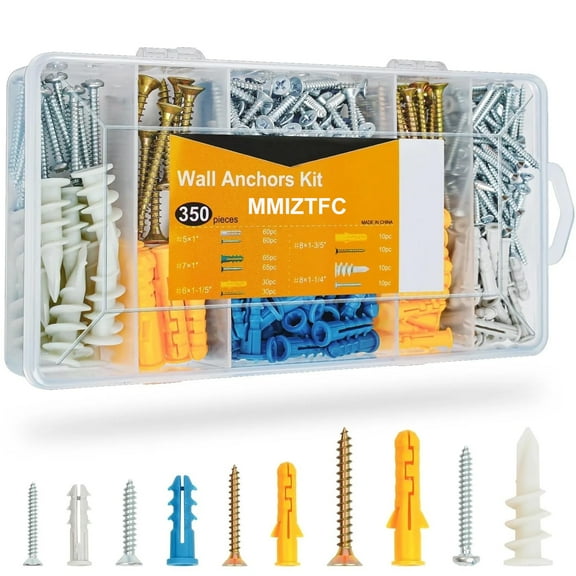


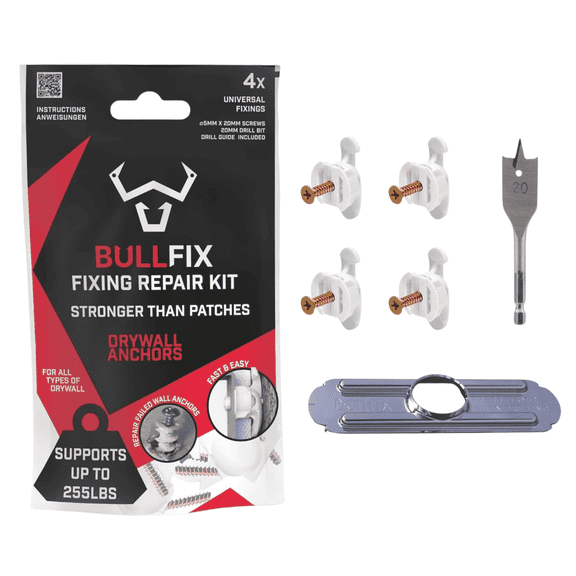


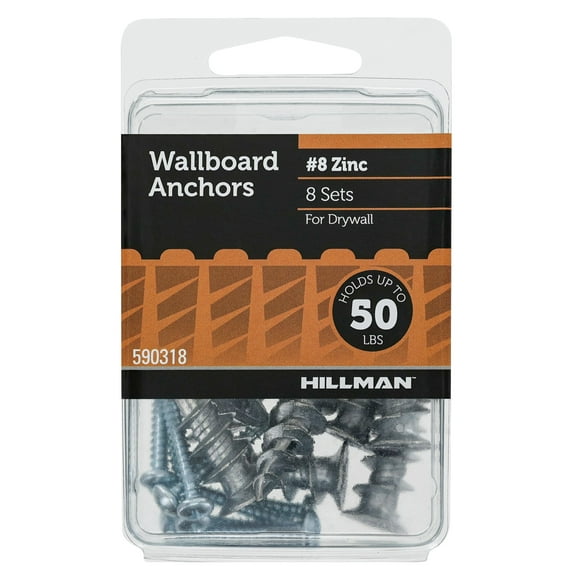

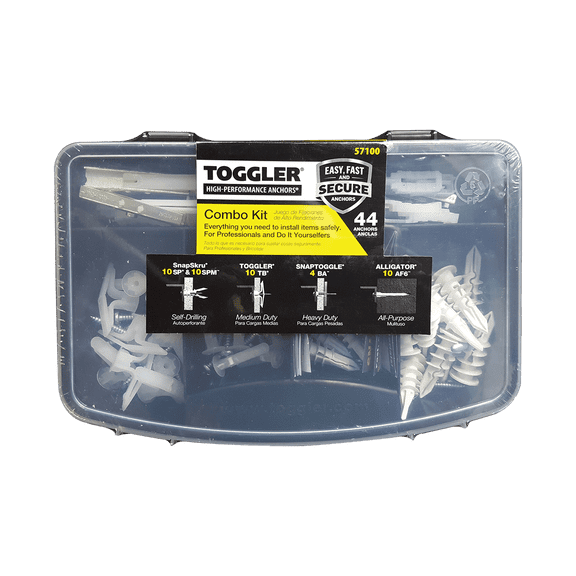




About Drywall Screws - Walmart.com
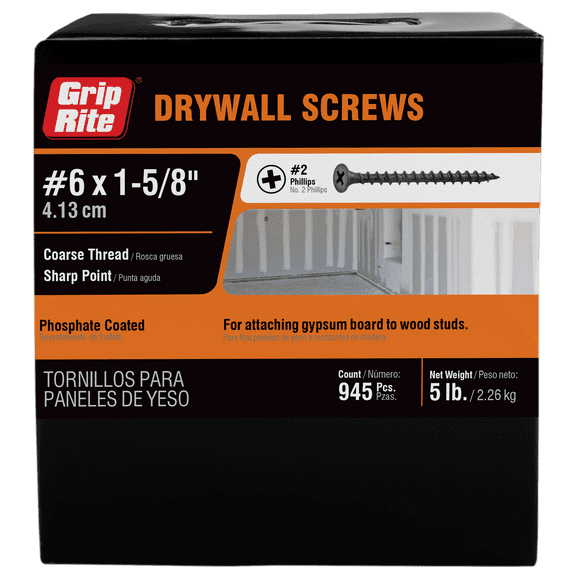
Drywall screws keep wallboard tight, flat, and secure during hanging and finishing. Their sharp points bite quickly, so you can keep your workflow moving.
Choose the right length and thread for your studs, and you’ll reduce pops and loosened panels. At Walmart, you can stock up for patch jobs or full-room installs.
Why drywall screws work
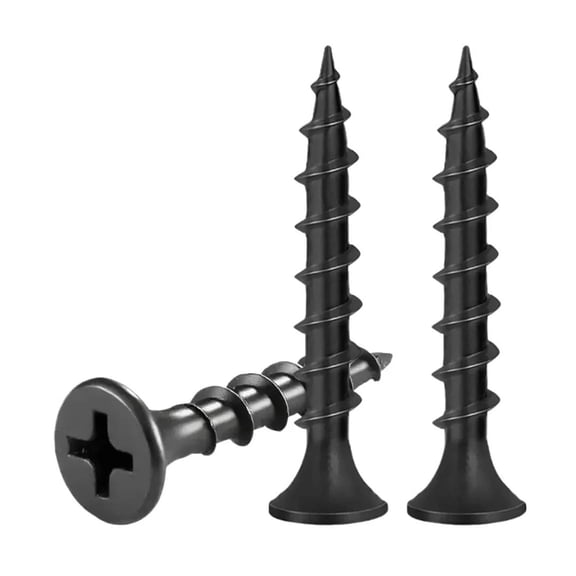
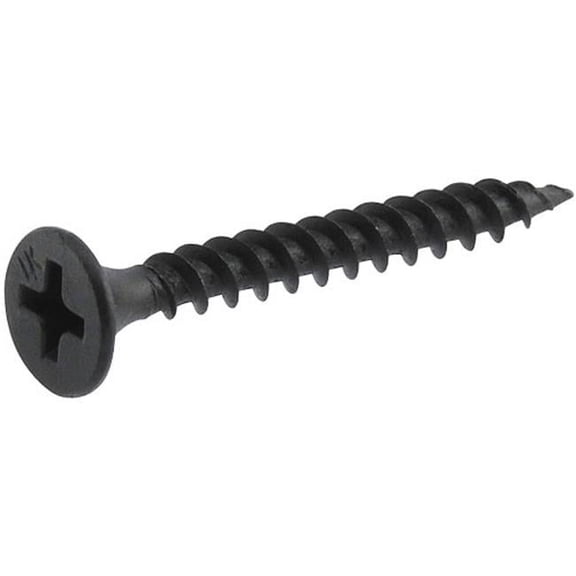
Drywall screws countersink to sit flush without tearing the paper face. That helps your tape and joint compound lay smooth and finish clean.
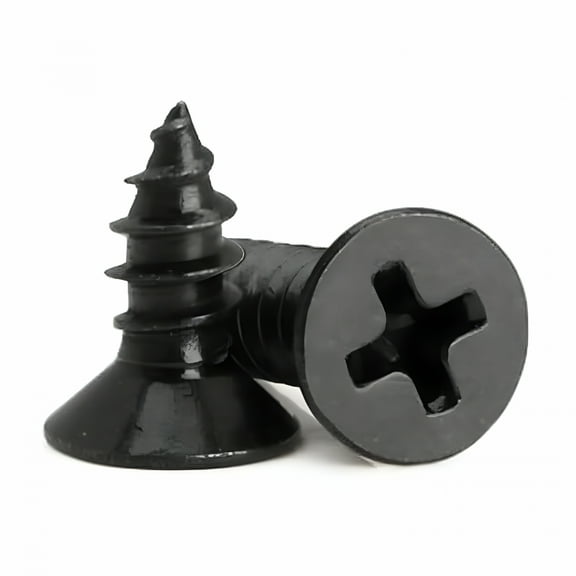
Their bugle heads spread pressure, so panels stay snug to framing as you drive them. Many options use phosphate or zinc finishes that help limit rust in normal indoor conditions.
Benefits that matter on the wall
Drywall fastening is about holding power, clean finishing, and fewer callbacks. The right drywall screws help you avoid surface bumps and cracked seams.
You’ll also get faster starts and steadier driving with consistent points and threads. That means fewer stripped heads and less time backing out problem fasteners.
- Helps panels sit tight to studs for flatter walls and ceilings.
- Countersinks for smoother mud work and cleaner sanding results.
- Reduces head strip-outs with drive styles made for drywall work.
- Supports faster hanging with sharp points and consistent threading.
When you’re patching, the right screw length can keep you from catching hidden pipes or wires. For ceilings, proper spacing and grip can reduce sag between joists.
Key features to compare before you buy
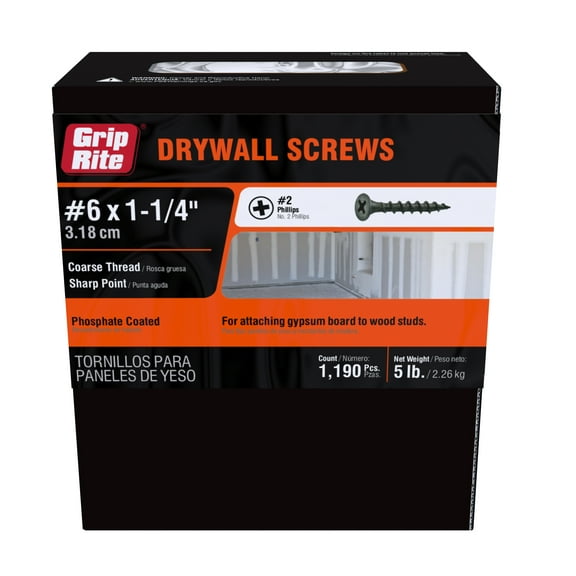
Start with length, since it controls how much bite you get into wood or steel. Common picks are one and one-quarter inches for single-layer board, and longer for double layers.
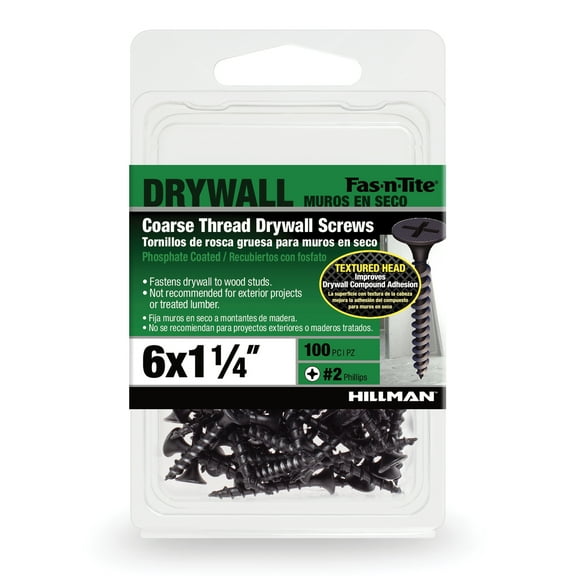
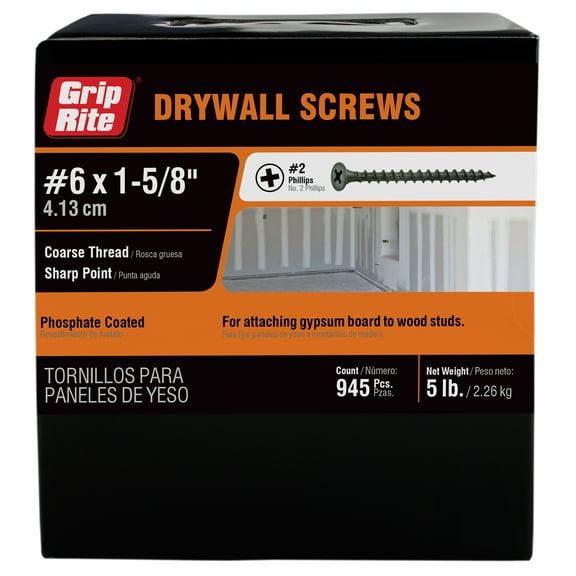
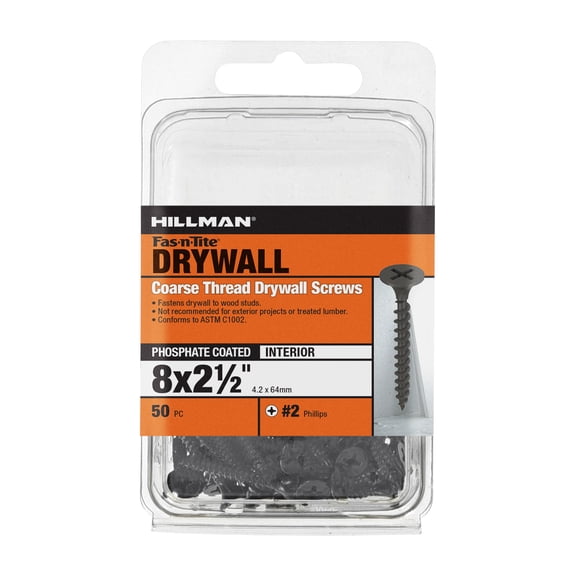
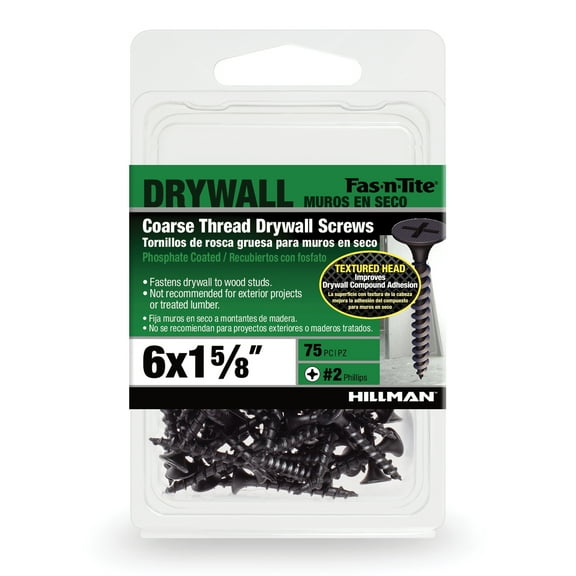
Thread type matters for your framing material and holding needs. Use coarse thread drywall screws for wood studs because they grab aggressively.
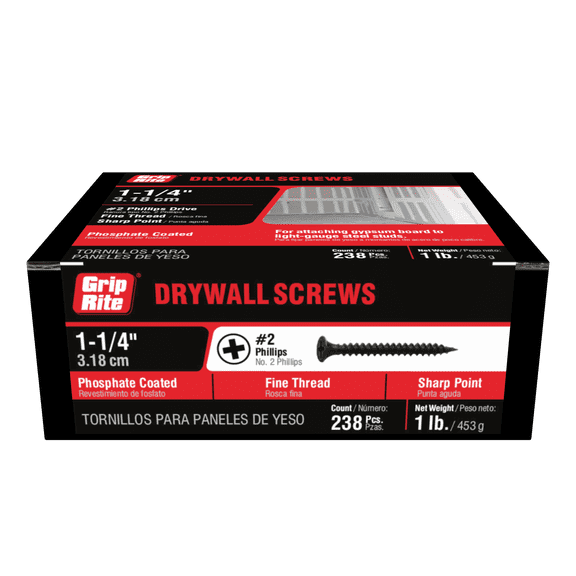
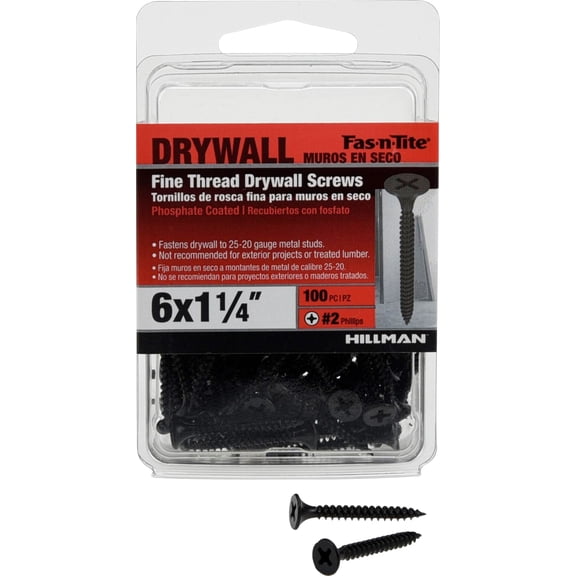
Use fine thread drywall screws for metal studs because they cut in without splitting thin gauge. For heavier steel, look for self-drilling tips that start without a pilot hole.
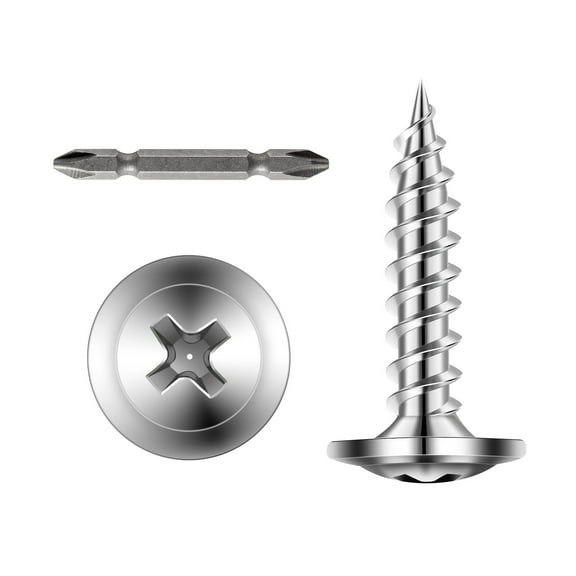
Head and drive style affect how cleanly the screw seats. Bugle heads help prevent paper blowout, while Phillips or square drives can impact cam-out control.
Finish can matter for storage and jobsite conditions. Phosphate coatings are common for interior work, while zinc-plated options can help when humidity is a concern.
Use cases for every project pace
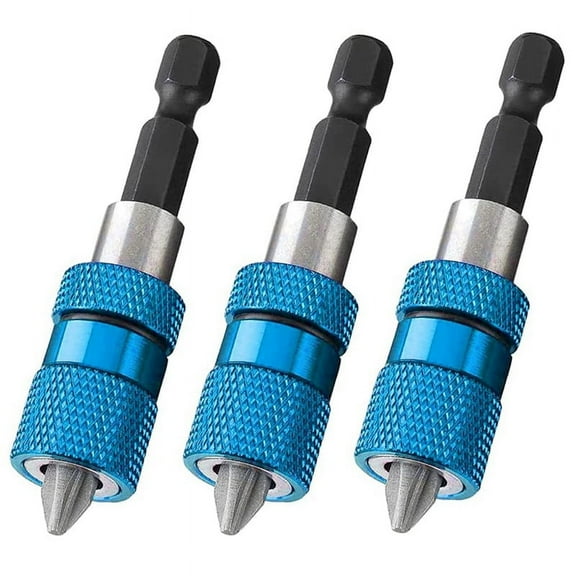
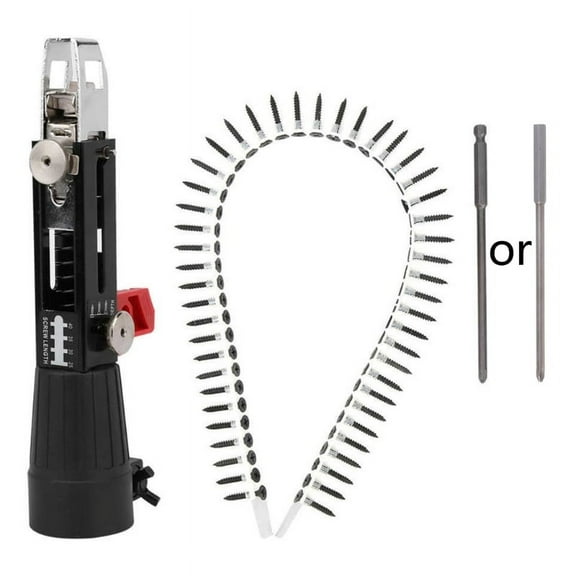
Hang new rooms with consistent screw spacing to keep sheets from shifting during taping. Use a dimpler bit or drywall gun nose to set depth without breaking paper.
Tackle ceiling installs with longer lengths when framing spacing and board thickness call for more bite. Pair screws with a panel lift for steadier placement while you drive.
Handle patch repairs by matching screw length to the stud depth behind the damaged area. Add screws around the patch perimeter to pull edges tight before mudding.
Work with metal stud partitions by choosing fine thread or self-drilling tips. Keep the clutch set low at first, then adjust until heads sit just below the paper.
Prep for trim and texture by keeping fastener heads consistently seated. That reduces ridges that can telegraph through paint or knockdown finishes.
Confidence for clean installs
Drywall screws are small, but they shape how your walls look after finishing. Choose the right thread, length, and head style, and you’ll get flatter surfaces with fewer touch-ups.