

Bow Rollers in Marine Supplies





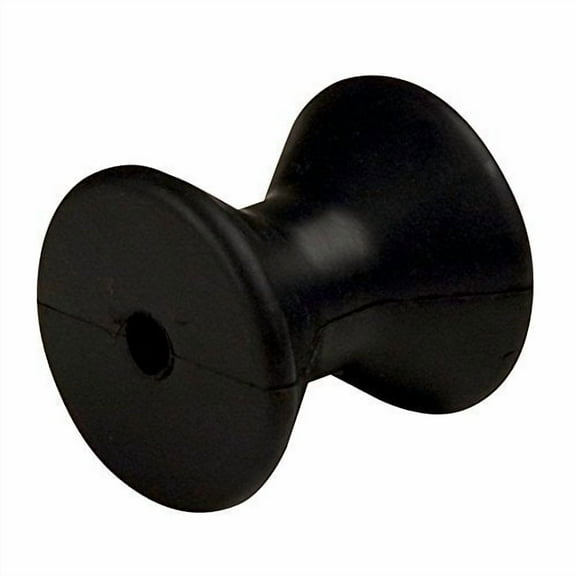
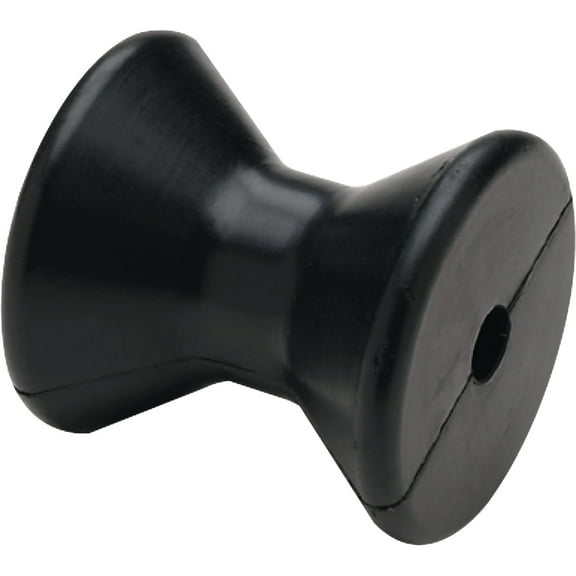

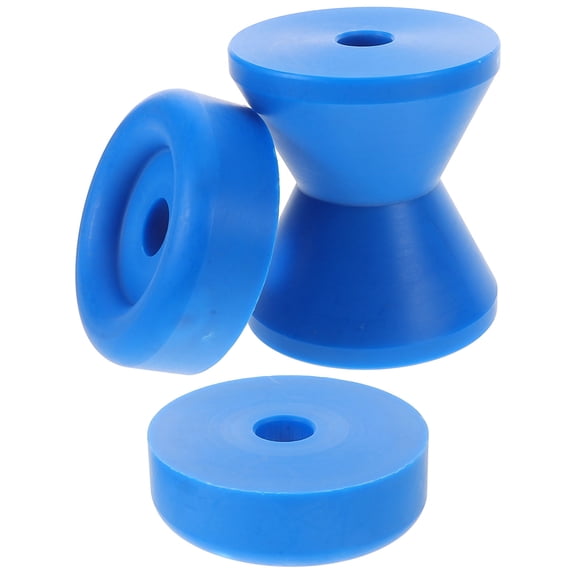

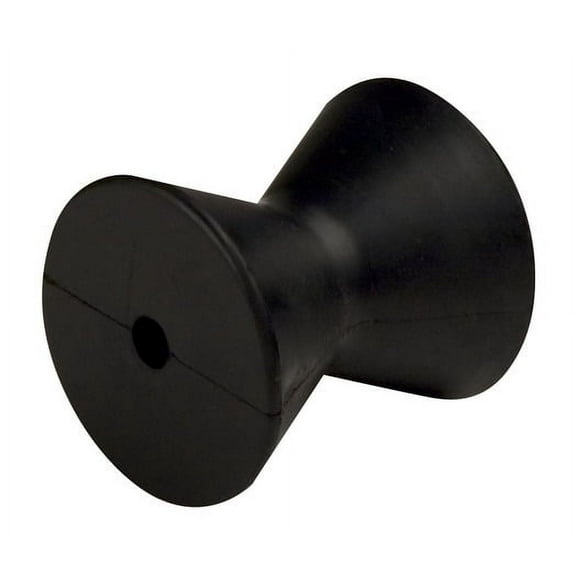







About Bow Rollers in Marine Supplies - Walmart.com
Bow rollers help you guide anchors and trailers smoothly while protecting your bow hardware from hard contact. You can use this guide to compare materials, mounting styles, widths, and fit details that matter on the water.
Choosing the right bow rollers for your boat
When you compare bow rollers, you should start with your boat setup and your anchor shape. You’ll want a roller that matches your bow layout, anchor geometry, and expected load.
If you trailer often, you may focus on alignment and steady launching support. If you anchor often, you may focus on smooth retrieval and controlled anchor positioning at the bow.
You can narrow your options faster by checking a few core decisions first. You should compare material, application, mounting style, roller width, load limit, and bolt size.
- You can reduce scraping at the bow by matching roller width to your anchor shank or trailer contact point.
- You can improve anchor retrieval by choosing a shape that supports fluke, plow, or claw anchors more cleanly.
- You can simplify installation by checking whether your setup needs a hinged, fixed, or over-the-bow design.
- You can get longer marine use by comparing corrosion-resistant materials for freshwater or saltwater conditions.
How to compare materials and applications
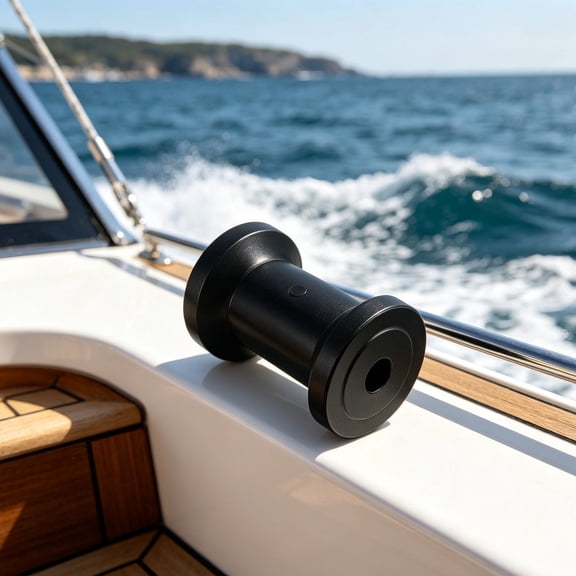
Material affects how your marine bow rollers handle sun, water, friction, and repeated loading. You should compare stainless steel, polyurethane, rubber, and silicone bronze based on your boating conditions.
If you run in saltwater, you may look for 316 stainless steel parts because you need stronger corrosion resistance than standard steel. You’ll often pair metal brackets with a roller surface chosen for contact and movement.
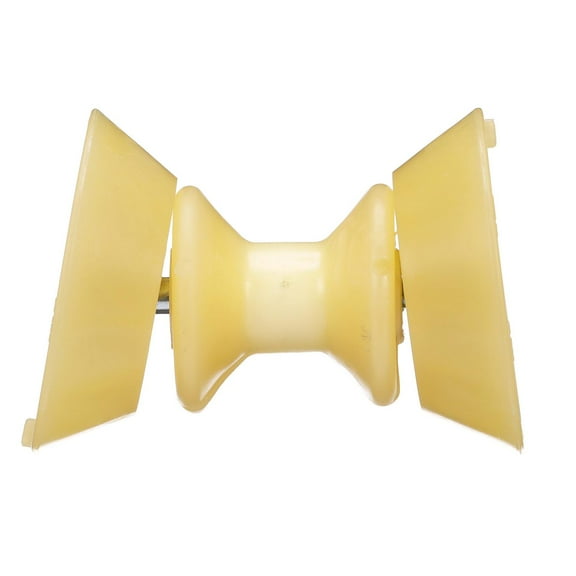
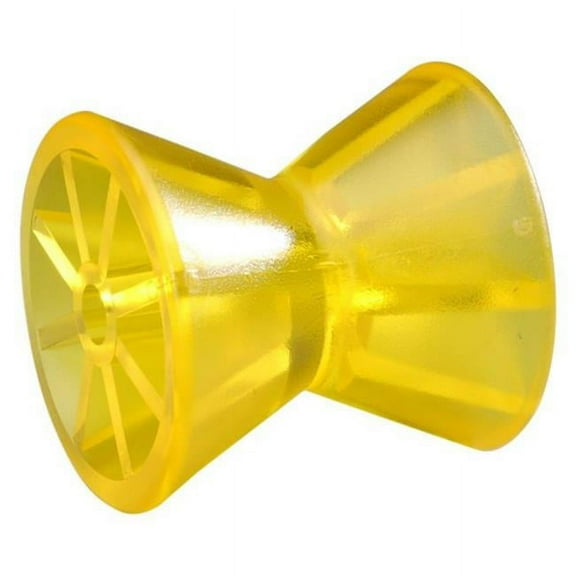
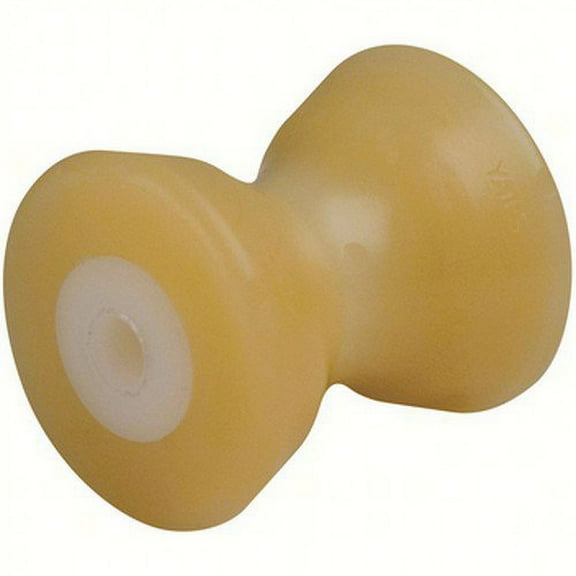
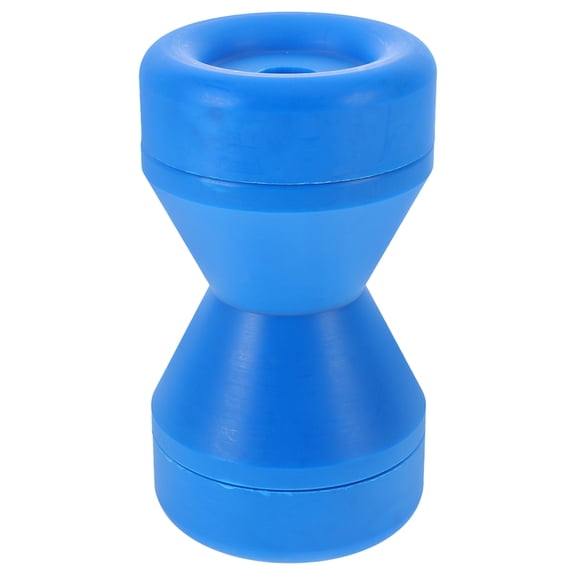
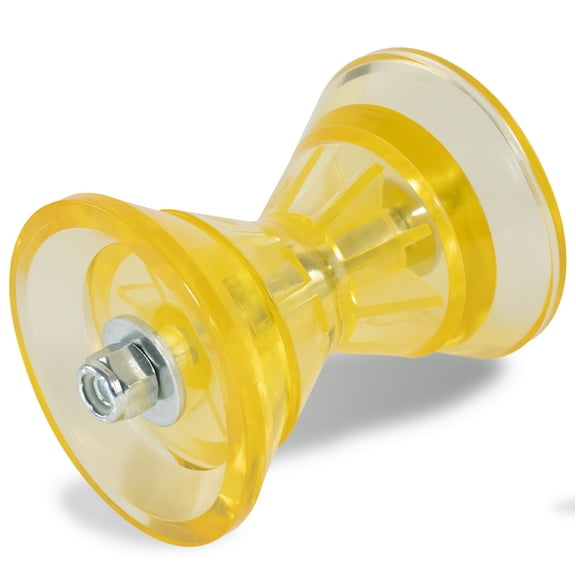
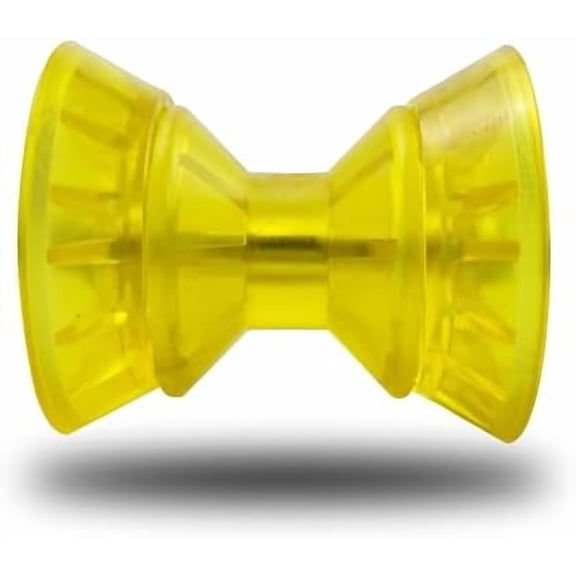
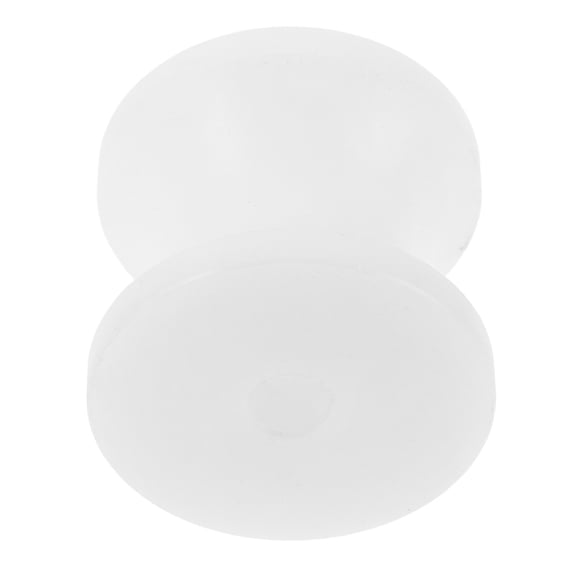
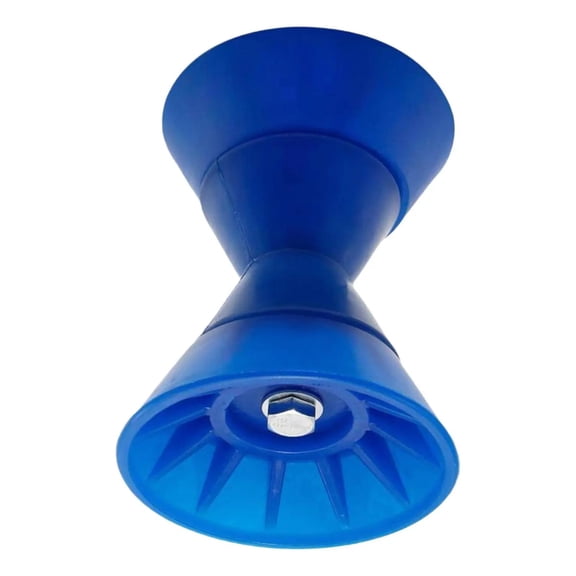
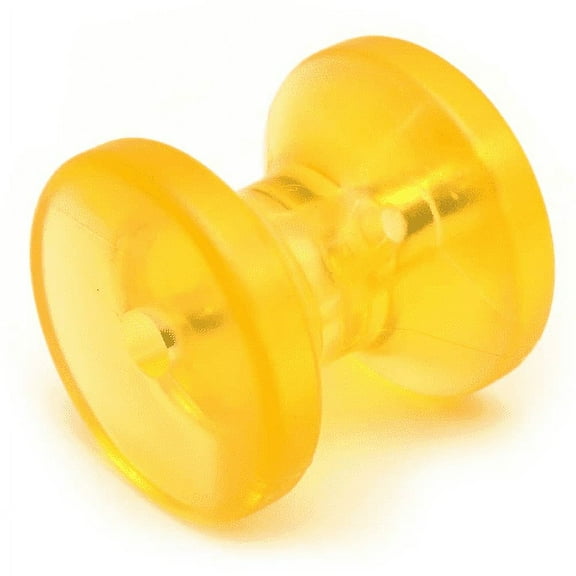
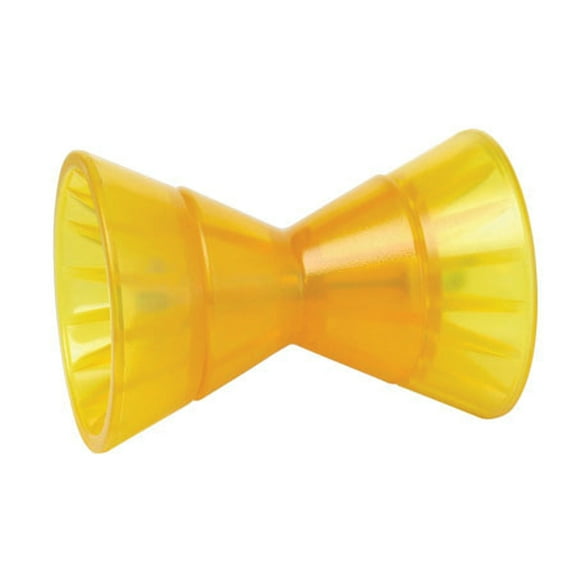
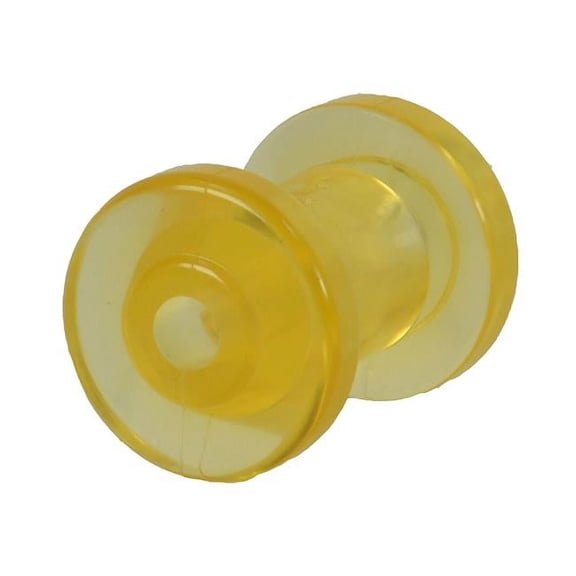
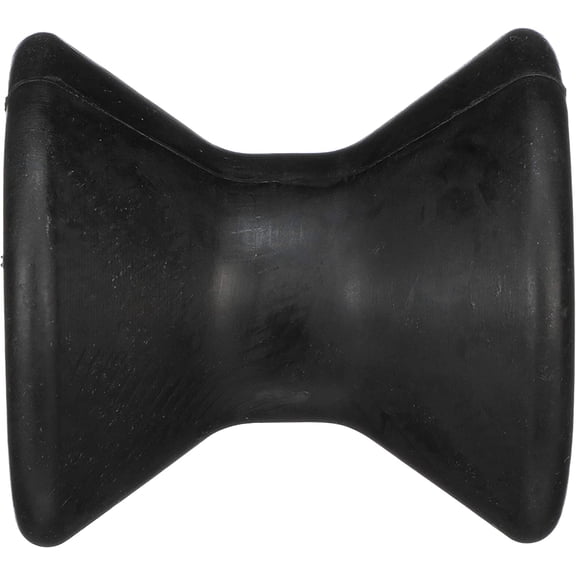
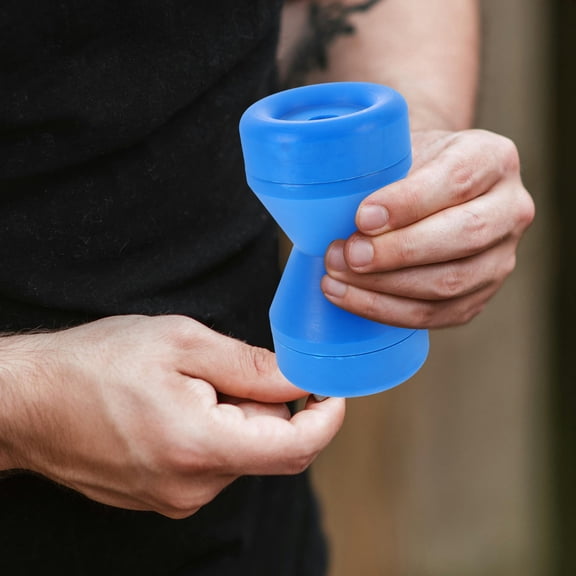
Polyurethane bow rollers can give you a firm surface with consistent shape retention during repeated launching or retrieval. Rubber can offer a softer contact point when you want cushioned support at the bow.
Silicone bronze may appeal to you when you want marine-grade hardware with traditional corrosion resistance. You should always compare the full assembly, because brackets, shafts, and fasteners affect long-term performance too.
Application matters just as much as material when you choose boat bow rollers. You may need anchor retrieval support, boat trailer bow rollers, or keel support for a specific trailering layout.
For anchor use, you should check how the roller supports your anchor’s entry angle and resting position. For trailer use, you should measure where the hull meets the roller during loading.
What to look for in mounting style and size
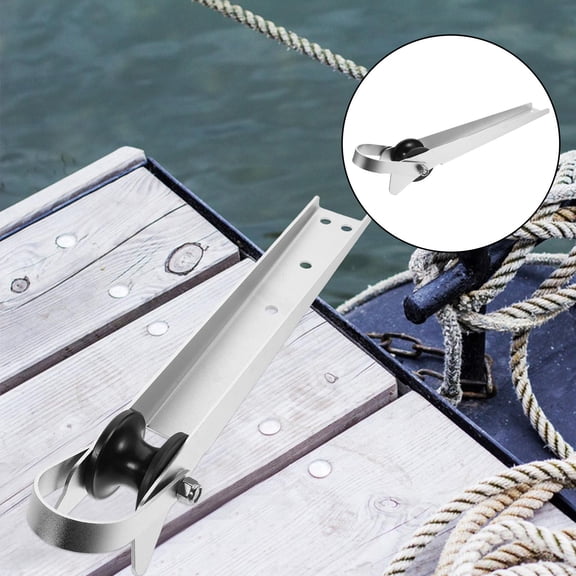
Mounting style changes how the roller moves with your anchor and bow shape. You should compare hinged, fixed, and over-the-bow options based on clearance and retrieval path.
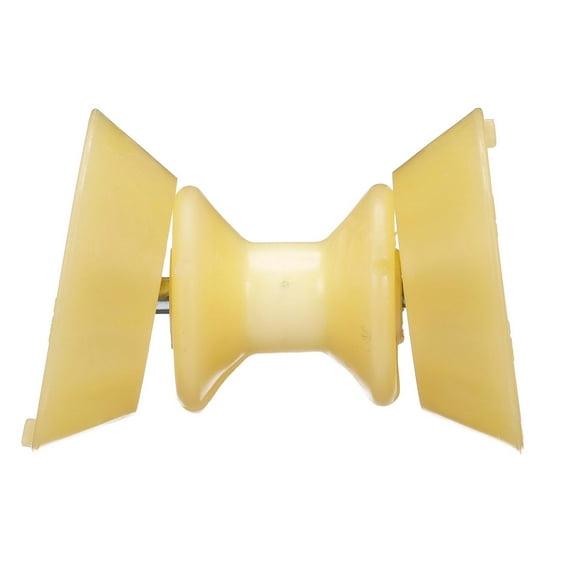
Hinged bow rollers can help you manage changing anchor angles during deployment and retrieval. You may prefer this style when your anchor needs extra movement to clear rails or pulpit hardware.
Fixed styles can suit you when your bow layout is straightforward and stable alignment matters most. Over-the-bow styles can help you guide the anchor farther away from the hull edge.
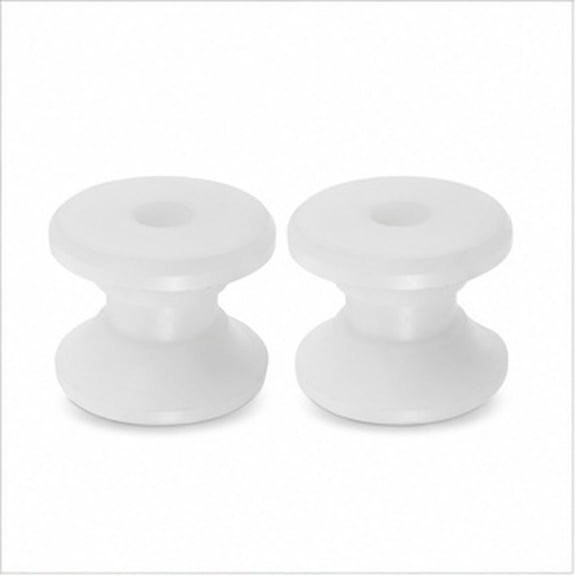
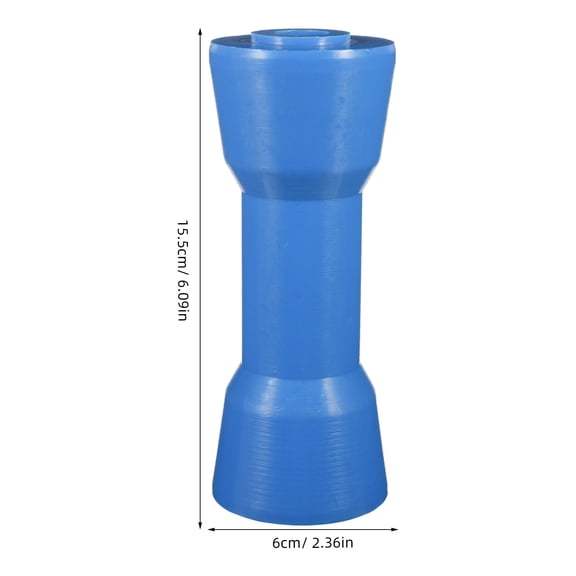
Roller width is a key fit detail, and you should measure before you choose. Common widths include three inch, four inch, six inch, and 12 inch options for different setups.
A narrow width may suit you when your anchor shank is slim and your bracket spacing is tight. A wider roller may fit you better when your anchor is larger or your trailer contact area is broader.
You should also check bolt size and mounting hole spacing before ordering. Load limit matters too, because you need a roller assembly that matches your boat size and anchor weight.
Anchor geometry is decision-critical when you compare anchor bow rollers. You should confirm whether the roller shape supports fluke, plow, or claw anchors without awkward twisting at the bow.
Matching bow rollers to real boating tasks
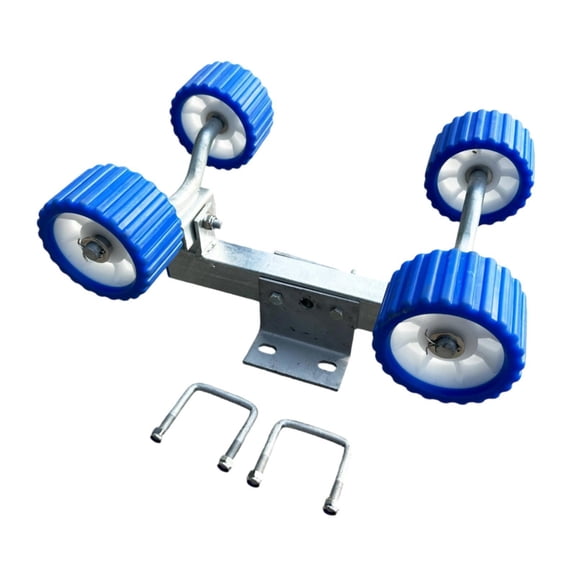
If you prep for spring launching, boat trailer bow rollers can help you guide the hull into position with less guesswork. You should look for durable contact surfaces and hardware that fits your trailer frame.
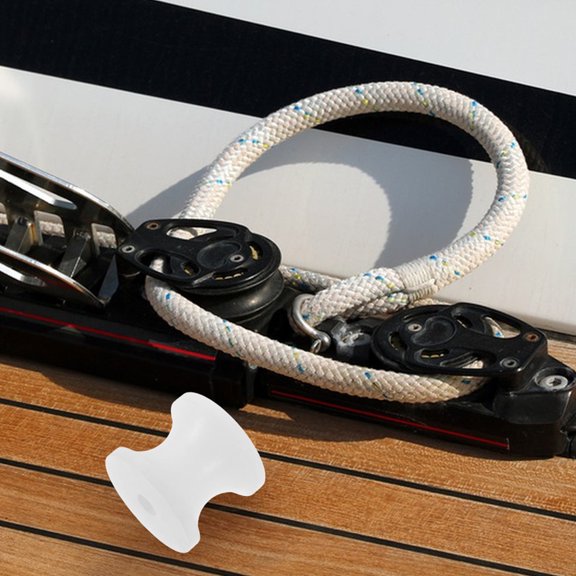
If you anchor often on day trips, anchor bow rollers can help you retrieve and stow your anchor with cleaner alignment. You’ll want enough width and clearance for your anchor to sit securely during travel.
When you keep your boat in coastal water, stainless steel bow rollers may matter more to you because salt exposure is constant. You should compare 316 stainless steel components when corrosion resistance is a priority.
If you want quieter contact and steady support, polyurethane bow rollers may fit your setup well. You can use them for repeated trailering when you want shape stability and dependable rolling action.
For compact boats, you may need a fixed mount with a shorter roller and simple hardware spacing. For larger bows, you may need longer rollers, stronger brackets, and a load rating matched to heavier ground tackle.
You should think about the full path your anchor follows from water to bow rest. That check helps you compare hinged bow rollers, width options, and over-the-bow styles with more confidence.
When you replace anchor roller replacement parts, you should compare shaft size, bracket fit, and roller width together. That approach can help you avoid mismatched pieces and extra installation work.
With the right fit, you can improve anchor handling, trailer alignment, and bow protection in one upgrade. You’ll feel the difference every time your anchor tracks cleanly or your boat centers smoothly on the trailer.