

Festool in Featured Brands



About Festool in Featured Brands - Walmart.com
You can explore Festool tools built for precise woodworking, clean jobsite workflows, and connected systems that help your projects stay consistent. You’ll find category guidance here that explains tool types, power options, and compatibility details before inventory expands.
How to choose Festool by tool type
When you compare Festool by tool type, you should start with the task you handle most often. You may prefer track saws for sheet goods, routers for edges, and sanders for surface prep.
If you build cabinets, you’ll likely compare domino joiners, guide rails, and multifunction tables together. If you handle trim work, you may focus on compact tools that support repeatable cuts and clean finishes.
You can use this category as a decision guide for woodworking tools that work as part of a broader setup. You’ll notice that Festool centers on connected workflows instead of one-off tool purchases.
What you gain from the Festool system
You can keep your workflow more organized when your tools, storage, and accessories fit together with less guesswork. You’ll also spend less time switching setups when your guide rails and tables align across jobs.
- You can make straighter sheet cuts with track saws and matched guide rails.
- You can keep surfaces ready for finish work with sanders made for controlled material removal.
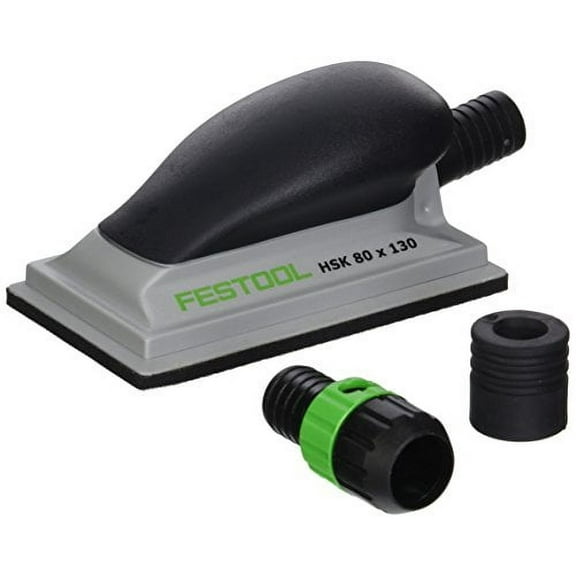
- You can collect dust more efficiently with extractors that connect across tools and workstations.
- You can transport gear more neatly when Systainer storage supports stacking and organized access.
For daily shop work, you may value repeatability as much as raw cutting power. You’ll see that system-based tools help you measure once, align faster, and return to familiar setups.
On remodeling jobs, you may want fewer loose parts and less clutter around your workspace. You can pair storage, extraction, and cutting tools to keep materials moving with fewer interruptions.
Choosing power source and runtime
When you compare corded and 18v cordless options, you should think about where you work most often. You may want corded tools for longer sessions and cordless tools for movement around rooms or jobsites.
If you move between installations, you’ll likely appreciate cordless portability and easier setup in finished spaces. If you stay at a bench, you may prefer corded output for steady use without battery swaps.
You may also see hybrid workflows across this category, especially when your shop and jobsite needs overlap. You can keep a corded saw at your table and carry a cordless sander for punch work.
Checking Festool compatibility details
Before you choose accessories, you should check whether your setup uses Systainer storage, guide rails, or multifunction tables. You’ll want those parts to align with how you transport, cut, and organize gear.
If you compare Systainer generation details, you should look for T-LOC compatibility in plain terms. You can stack, carry, and access cases more smoothly when latches and footprints work together.
Guide rail choices also matter when you handle long rips, crosscuts, or repeated cabinet panels. You should compare rail length, connector stability, and cutting depth so your saw setup fits your material size.
When you join rails for longer cuts, you’ll want stable connectors that help maintain alignment across the seam. You can reduce rework when your rail path stays straight over full sheet material.
What to look for in dust extraction
Dust extraction matters when you want a cleaner bench, clearer cut lines, and less cleanup after each pass. You can keep your workspace tidier when extractors pair closely with sanders, saws, and routers.
If you sand indoors or work in finished spaces, you may prioritize hose connection points and compact extractor size. You’ll notice that connected dust collection supports visibility and a more controlled workflow.
For cabinet shops, you may need extraction that moves from sanding to cutting without constant adapter changes. You can compare hose fit, storage layout, and tool pairing before building out your system.
Matching Festool choices to your work
If you’re a professional woodworker, you may compare track saws, guide rails, and multifunction tables first. You can create repeatable panel cuts that fit shop workflows centered on accuracy and organization.
If you’re a cabinet maker, you may focus on domino joiners, routers, and dust extractors for cleaner assembly steps. You’ll want tools that support precise joinery, edge work, and smoother handoff to finishing.
If you’re a finish carpenter, you may look for portable setups that move easily between rooms. You can pair cordless tools, compact storage, and dust control to keep indoor work more orderly.
You may also compare accessories based on transport and storage habits, not just the main tool body. You’ll benefit when your Systainer layout keeps blades, abrasives, rails, and connectors easy to find.
Why this Festool page helps you decide
You can use this Festool page to compare system-based woodworking tools with clearer context around power, compatibility, and extraction. You’ll make more confident choices when your tools, rails, storage, and workflow fit together from the start.