

Great ValueFresh ProduceMaruchanFreshness GuaranteedPop-TartsKnorrUnbrandedMarketsideLittle Debbie"JIFFY"Campbell'sLay'sKraftBar-SCinnamon Toast CrunchGatoradeKeeblerDoritosQuakerPop SecretSIMPLYFrito-LayKinder'sHeinzPEBBLESMountain DewIdahoanDr. PepperICEESmucker'sChef BoyardeeLuigi'sPillsburybettergoodsHershey'sWelch'sFlorida's NaturalReese'sLunchablesHamburger HelperOld El PasoCheeriosGeneral MillsBetty CrockerOREORamenSweet Baby Ray'sStarKistCanada DryTyson FoodsCheez-ItHellmann'sBirds EyeCoca-ColaBUSH'SPasta RoniSunnyDChunkyFrosted Mini-WheatsProgressoFritosPepsi7UPFroot LoopsClear AmericanRITZCheetosCap'N CrunchTotino'sLucky CharmsVelveetaBiscoffMissionOn The BorderAct IICapri SunRaisinetsKool-AidFun PopsNature ValleyBimboEnsureJifSnack PackPregoPrima DellaVlasicSanpellegrinoSwansonJet-PuffedReadySuddenly SaladGoldfishRice Krispies TreatsA&WPhiladelphiaTropicanaPure LifeTysonGorton'sHemaKayyGraphics and MoreVandarllinTrendierGenericFsddasclDelight JewelryEliteNailsKarymiFeiFei HomeNOBRANDBoanketChemeiyHemaKeyyHomeTailorZHBwalRyvnsoCOTECRAMFNFEJHTBWARM TOURGnmfdDinhomelaJXMVOJYuefeiRMDQTRZomytoUnlbquuoefntacCaroline's TreasuresYOHAVENJinyTownQhnvtdBaHomeckHuanheLivingKdxiolkfuzjTgbvmtYatrohikumFdksdfERXPOODgoojooDyegoldJauhouwhtonDEQQORAXiogeowzxpwtWilt E-Commerce LtdFuzoiuYOUNGKIDSbzkewjVsdgherNineChefYokanWWGAmketimaMcCormickUxcellNinety3PODQnjujnPhooArtoddioayhHWUXMOBfagkibuCheaparkFHBVTJINGONEEgymenXecaoGqtwoyluoweisiMORESECSPOORYYOAUHomiFood to LiveKITCHXNRijanmtIt's DelishLQPWZUDwaogomUZEVCSAQPZFQYxjwjuwMake Your MarkVaelorPRATYUSCxhicLuvInerpossCyNvUlIsShaduduJGJJUGNYIMWNYICURLYOOTVETEBKnackbooyaaVikakioozeLiremdnsoJRXYIUERNSVAAZhiganghome




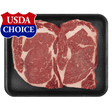

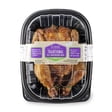

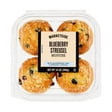

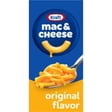




Shop Food Essentials for Every Meal
Uses item details. Price when purchased online







View details for Up to 20% off hosting picks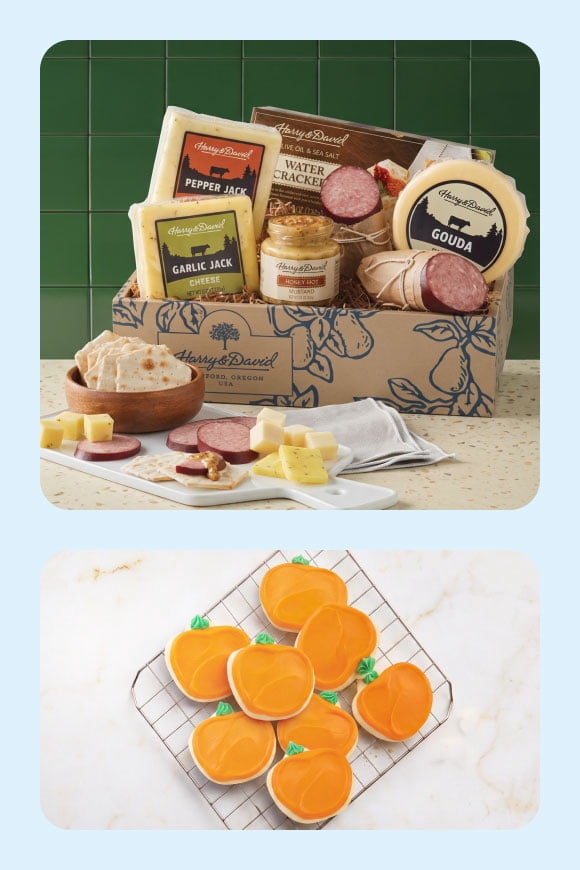
Up to 20% off hosting picks
Impress your guests: gift sets & more.
























About Shop Food Essentials for Every Meal - Walmart.com
Explore a world of convenient and delicious options with our diverse selection of breakfast foods, snacks, and pantry essentials. Whether you're planning a family breakfast, looking for quick snacks, or stocking up on meal basics, you'll find a variety that makes every day easier and tastier.
- Start your mornings right: Choose from classic cereals and toaster pastries for a quick, satisfying breakfast that gets you out the door on time.
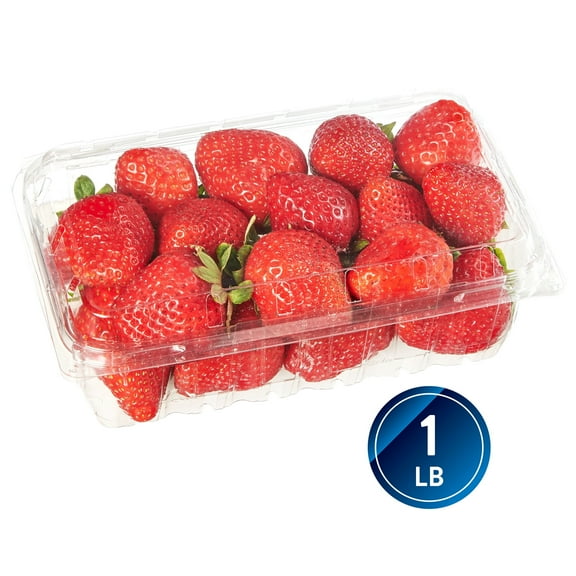
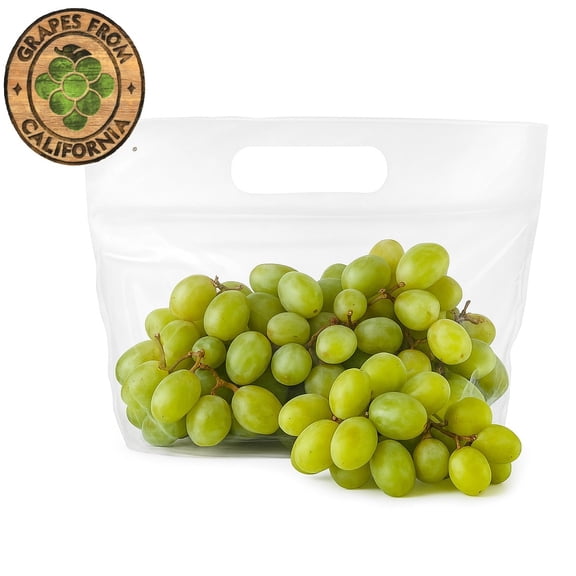
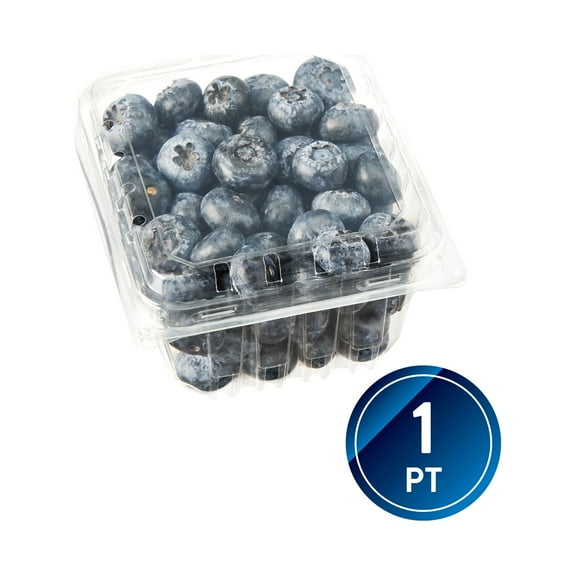
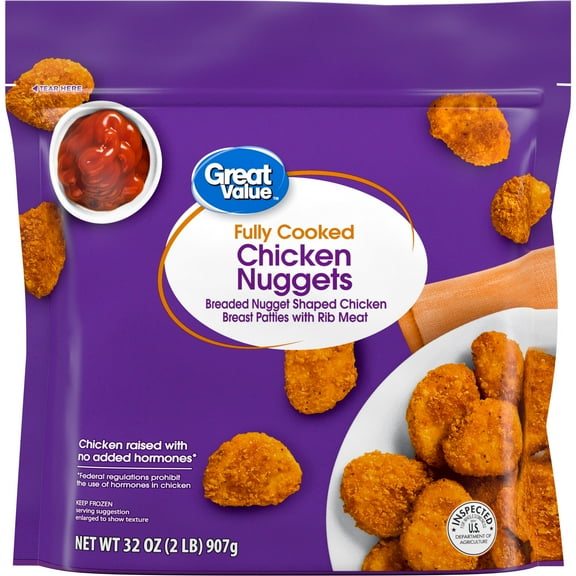
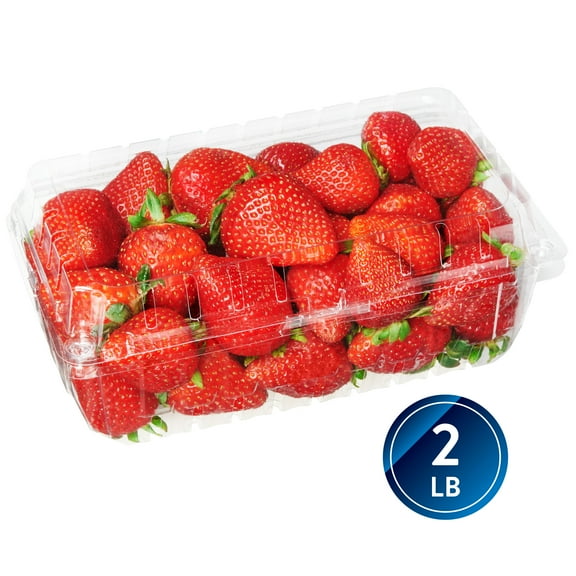
- Snack-ready anytime: Keep fresh fruits and packaged snacks on hand to fuel busy days, help curb cravings, and keep energy levels steady.
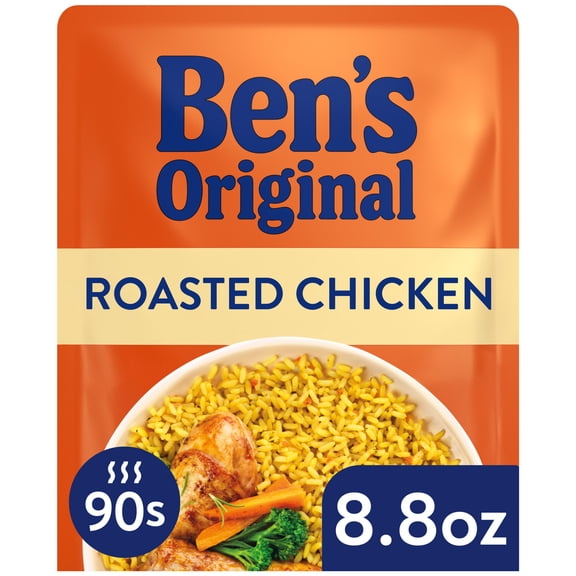
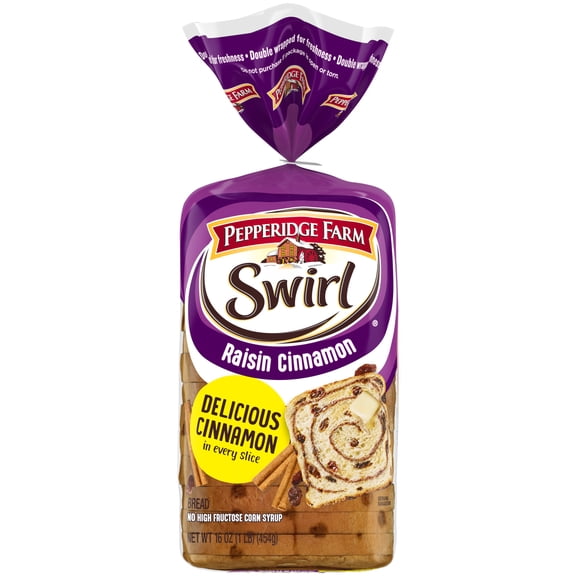
- Versatile pantry staples: From purified drinking water to essential spices and bread, find all the basics you need for simple meals or creative recipes.
- Family-friendly variety: With options suitable for every member of the household, it's easy to cater to different tastes and preferences.
- Easy shopping experience: Enjoy the convenience of finding everything you need for meals and snacks in one place, with quality you can trust and seamless pickup or delivery options available at Walmart.
Make every day a little simpler and more enjoyable with essentials that fit your routine. Shop now and discover how easy it is to keep your kitchen stocked and your family happy.