












Kids Clothing in Kids Clothing





































About Kids Clothing in Kids Clothing - Walmart.com
Kids clothing helps you dress growing kids for school, play, and special events with less guesswork. You can compare fits, fabrics, and outfit types in one place, so your choices feel practical and easy.
How to choose kids clothing by age and fit
When you shop kids clothing, you’ll want to start with gender and age group. You can compare boys clothing, girls clothing, toddler clothes, and unisex styles based on daily routines.
Standard sizing charts help you measure chest, waist, height, and inseam for precision. Age-based sizing gives you a quick starting point when you need everyday childrens clothing without extra steps.
If you’re shopping for toddlers, you may want room for movement and simple outfit changes. If you’re shopping for older kids, you may look for clean lines for class, sports, and events.
What to look for in tops, bottoms, and kids outfits
You can narrow your options quickly when you compare clothing type before color or print. Tops, bottoms, activewear, pajamas, and outerwear each support different parts of your child’s routine.
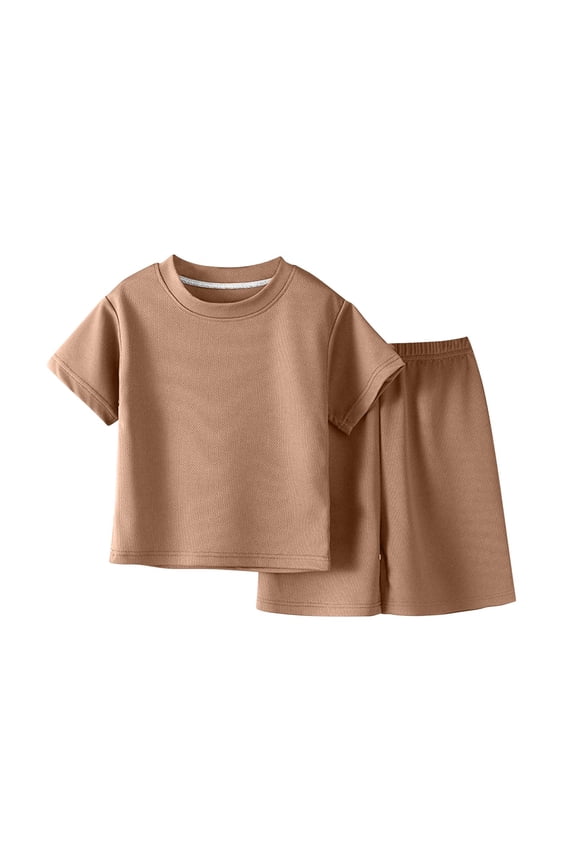
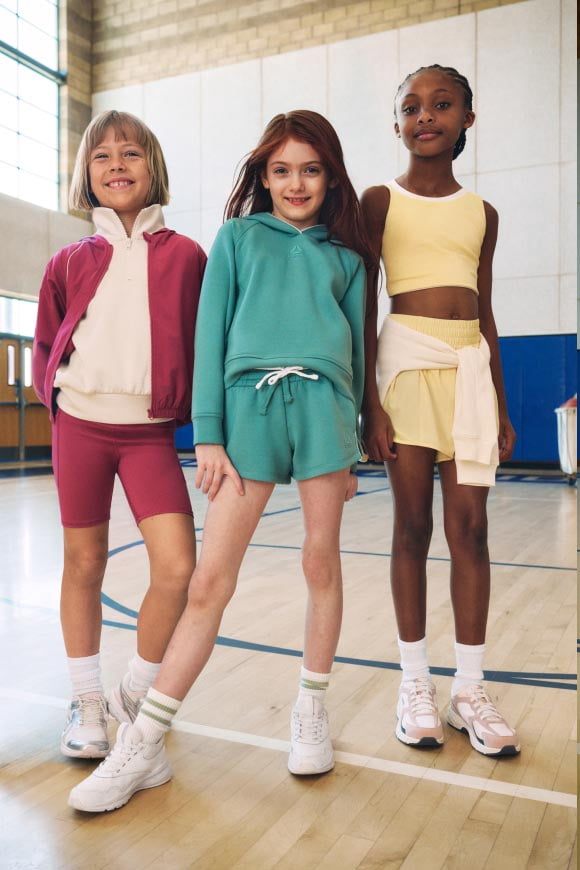
Tops and bottoms give you mix-and-match flexibility for busy mornings and repeat wear. Activewear supports recess, practice, and playground time when you want movement through the day.
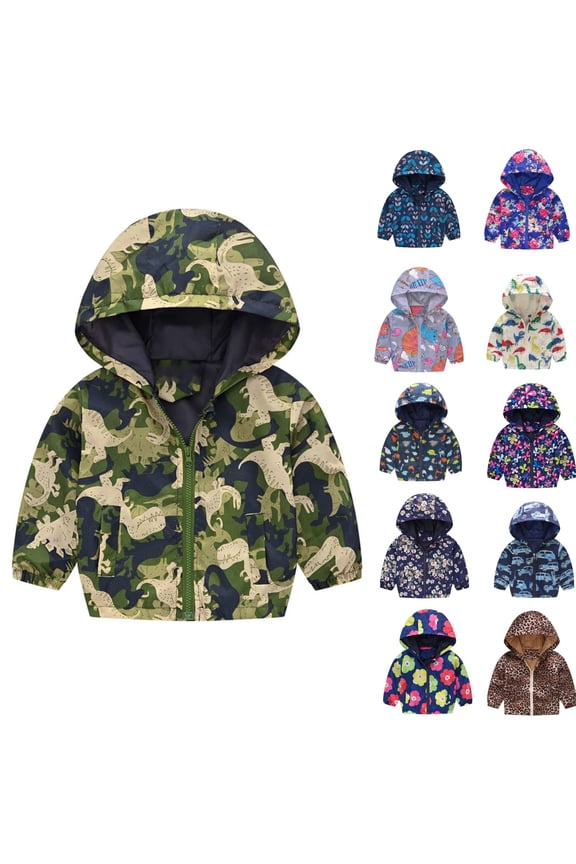
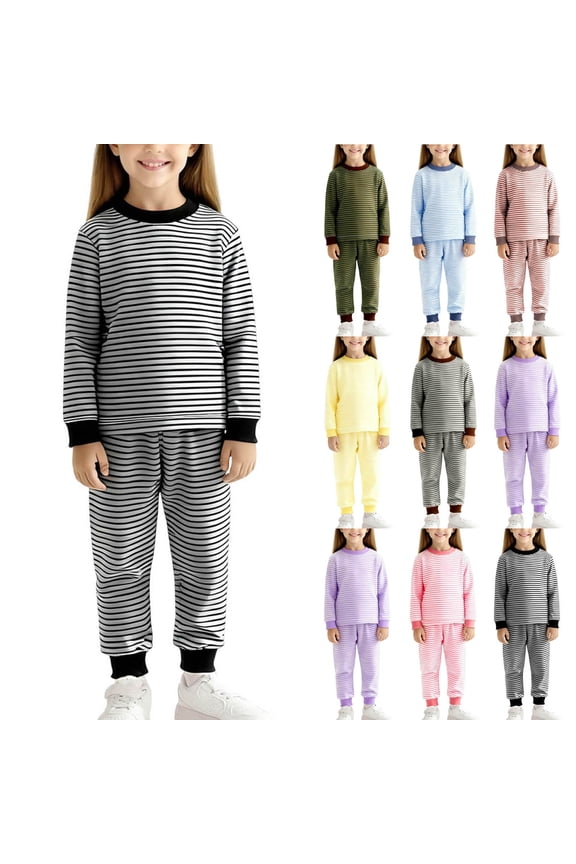
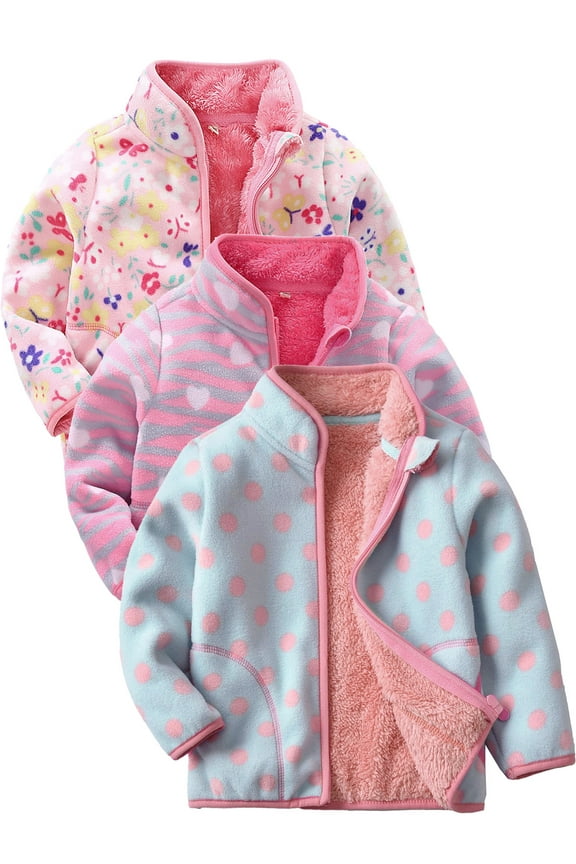
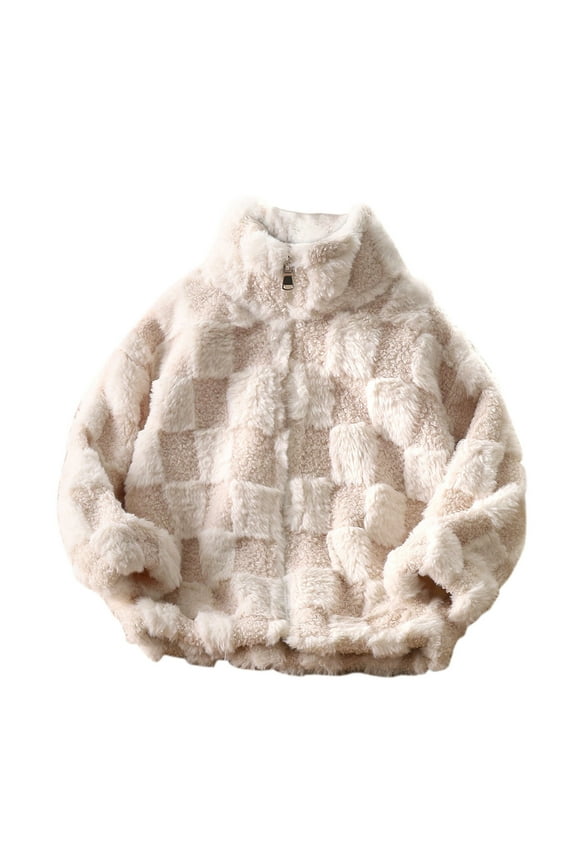
Pajamas matter when you want soft fabrics and straightforward care after frequent washes. Outerwear helps you layer for changing weather, so your kids outfits stay useful across more than one season.
- You can build school-ready combinations with easy layers and simple separates.
- You can choose playwear that moves well during running, climbing, and sitting.
- You can keep laundry simple with machine washable pieces for repeat wear.
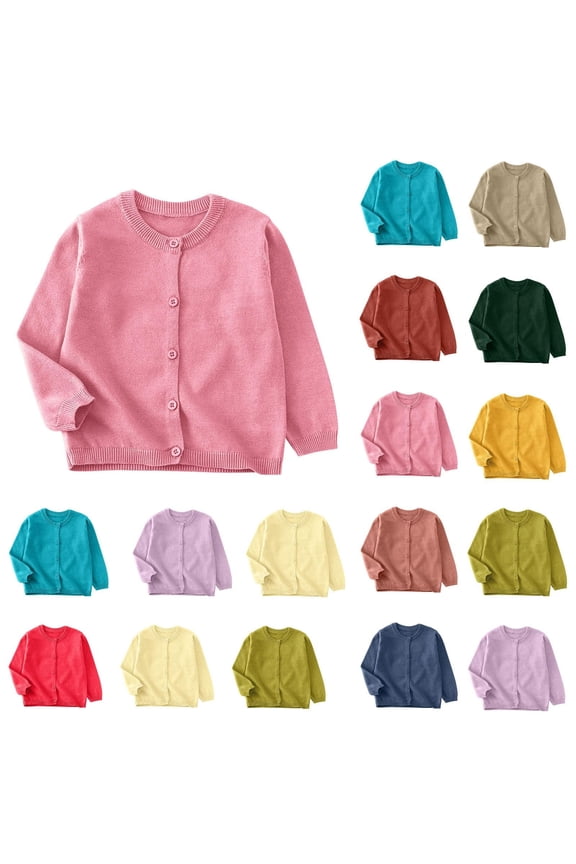
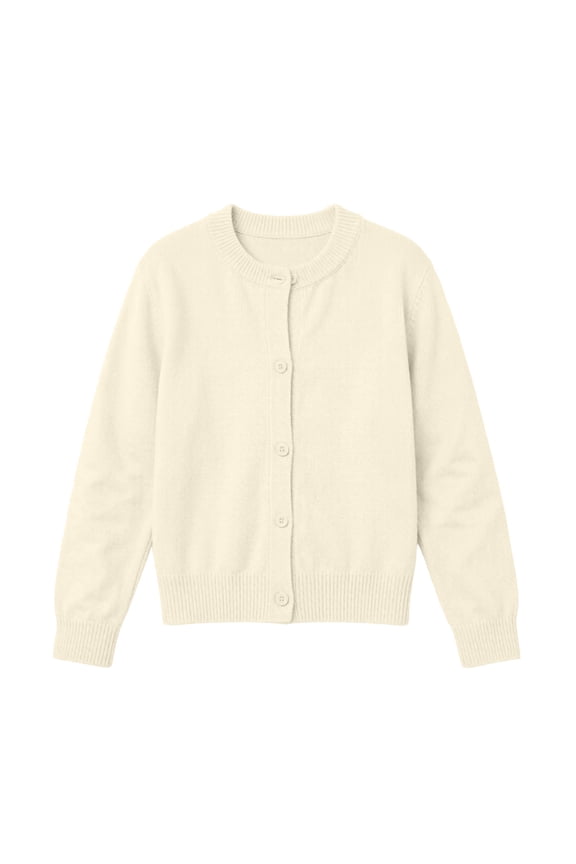
- You can create dressed-up looks with polished bottoms, knits, and lightweight layers.
Choosing materials and care for durable kids clothes
You should compare material and care details early because they affect comfort and upkeep. Cotton can feel soft for everyday wear, while fleece adds warmth when temperatures drop.
Stretch denim can give your child comfortable movement in class, at parties, or outdoors. Machine washable fabrics help you handle frequent laundry without adding extra care steps to your week.
You may also look for details that feel comfortable during long wear. Tagless labels and soft seams can help your child stay comfortable through school hours, playtime, and evening routines.
Check whether fabric notes mention shrinking, fading, or shape retention after washing. Those details help you choose kids clothes that keep their fit, color, and look through regular wear.
How to compare occasion needs from playwear to formal looks
You can make faster decisions when you shop by occasion instead of buying random pieces. Casual styles, school wear, playwear, and formal options each support a different part of your calendar.
For school wear, you may want simple layers, easy closures, and colors that pair well. That approach helps you build back to school clothes that work across multiple outfits.
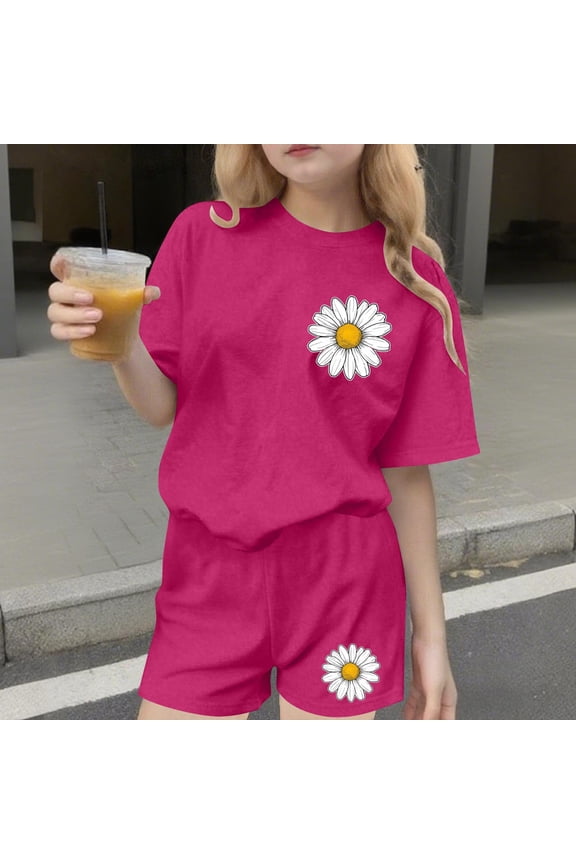
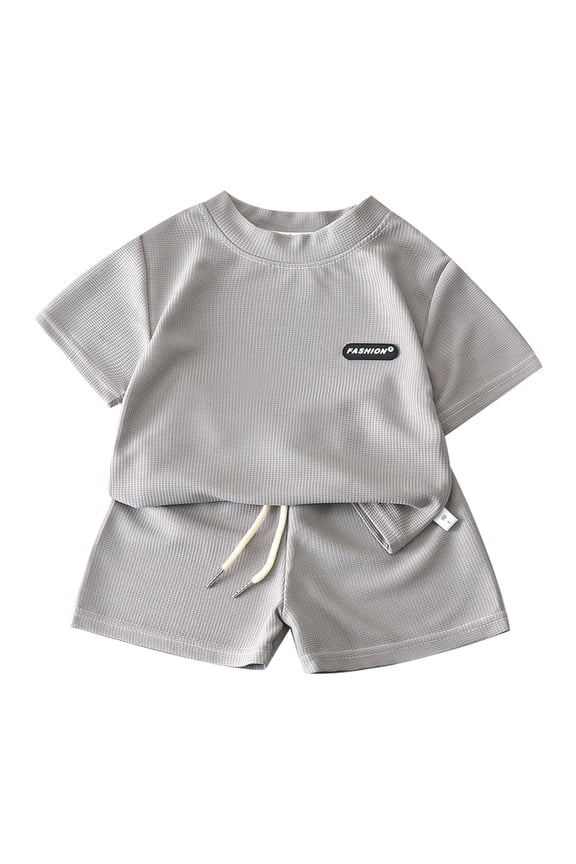
For playwear, you may prefer soft knits, joggers, leggings, and active sets that move easily. Those choices can support art time, sports practice, and after-school play without constant outfit changes.
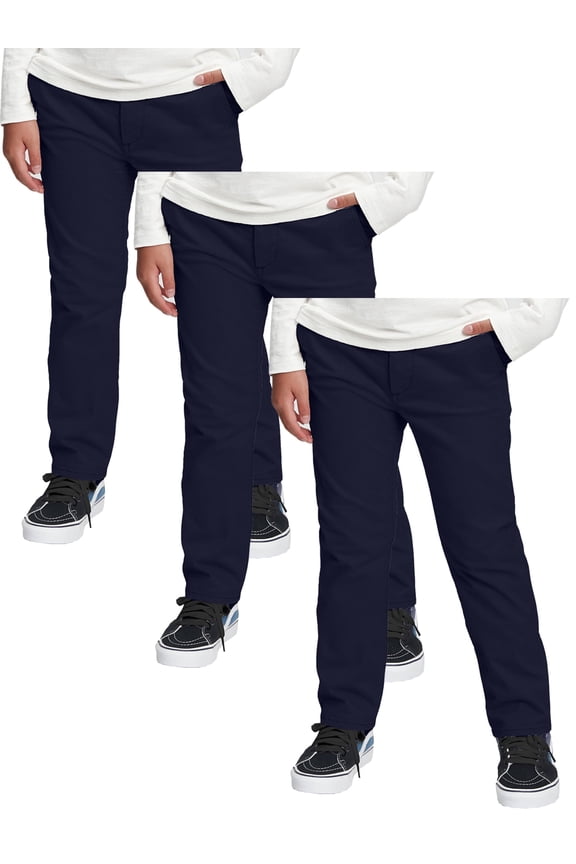
When you need formal looks, you can compare dresses, collared tops, chinos, skirts, and lightweight jackets. Those pieces help you dress kids for photos, celebrations, and school programs with less stress.
Boys clothing, girls clothing, and toddler clothes for daily routines
You may shop boys clothing with an eye on active days, layered looks, and easy dressing. You can pair graphic tees, jeans, joggers, hoodies, and shorts for steady rotation through the week.
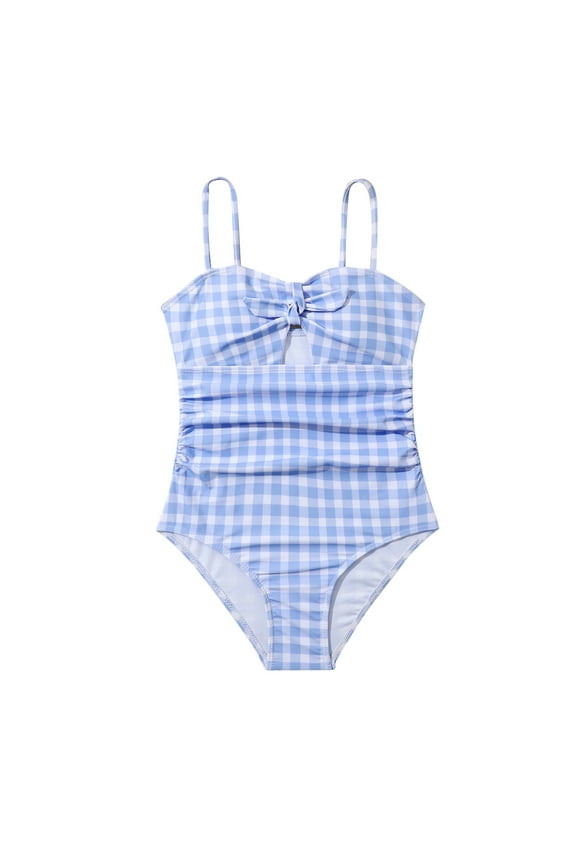
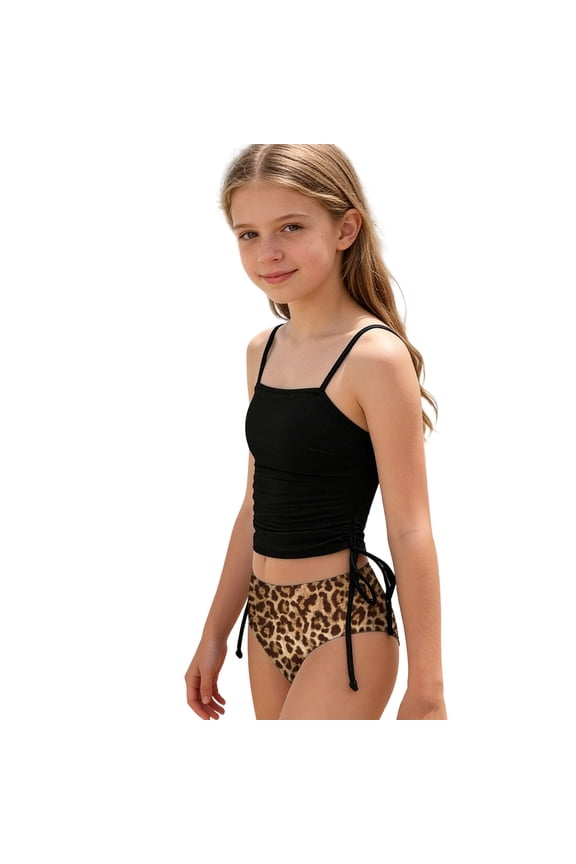
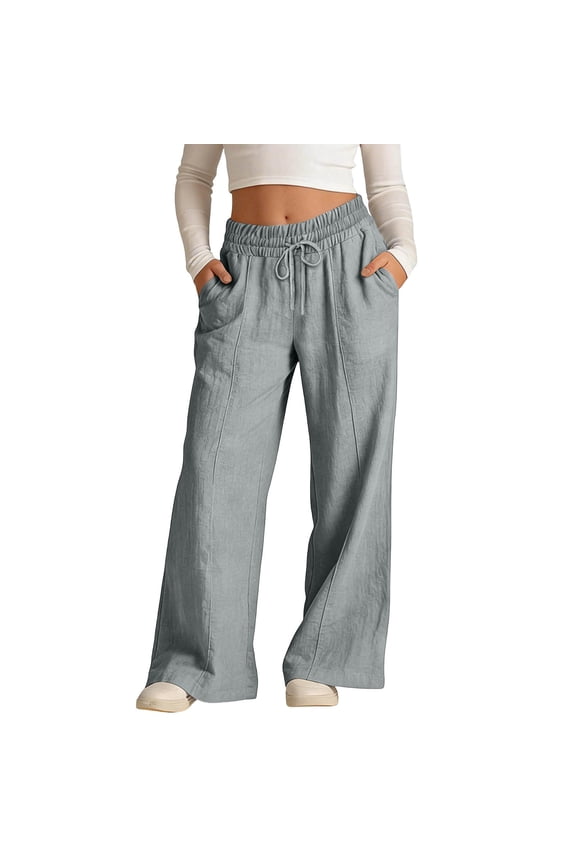
You may shop girls clothing for leggings, dresses, skirts, tops, and layering pieces that mix well. You can create outfits that move from classroom time to family outings without needing a full change.
If you need toddler clothes, you’ll likely focus on soft fabrics, flexible fits, and simple closures. You can choose sets, bodysuits, pants, and pajamas that support quick changes and active movement.
Unisex styles can help you simplify hand-me-down planning and shared wardrobes across siblings. You can also use solid colors and easy basics to create more combinations with fewer pieces.
Questions you may have about kids clothing
You might wonder whether standard sizing or age-based sizing makes more sense for your child. You can use measurements for a closer fit, while age-based labels help when you need a quick starting point.
You may also ask which fabrics work for frequent wear and washing. You can look for cotton, fleece, and stretch blends when you want softness, movement, and straightforward care.
If your child notices scratchy finishes, you can check for tagless labels and smooth seams. Those details can make long school days, travel, and downtime feel more comfortable.
You can choose kids clothing with clear size guidance, practical fabrics, and outfit flexibility for real family routines. That means you’ll spend less time second-guessing and more time getting everyone dressed smoothly.