

Kids Clothing

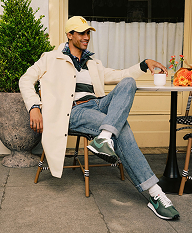
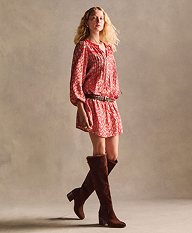

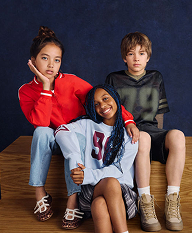

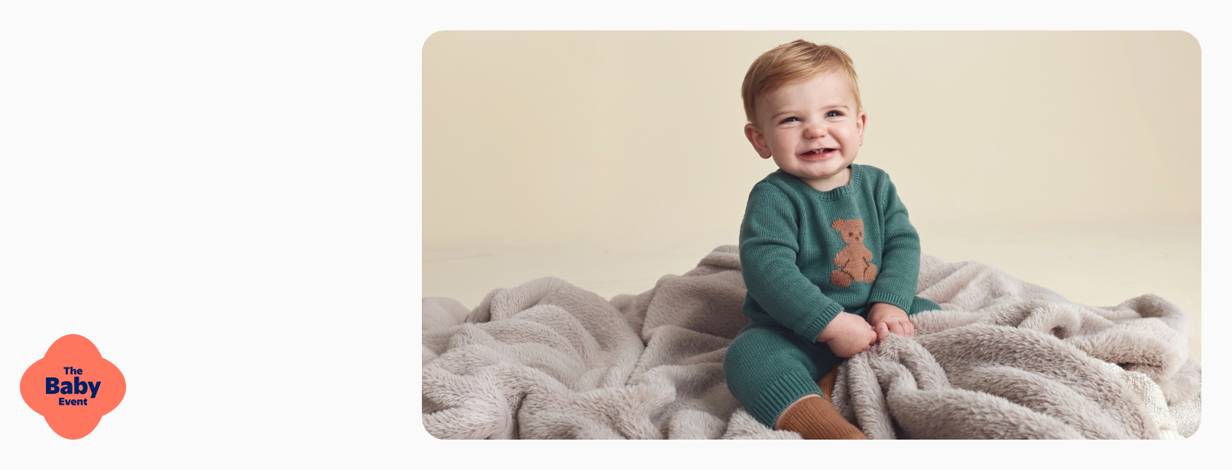
Cute clothes from $4
Save on Carter's Child of Mine & more brands you love.Shop all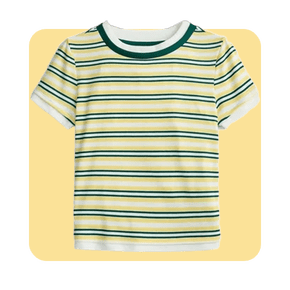
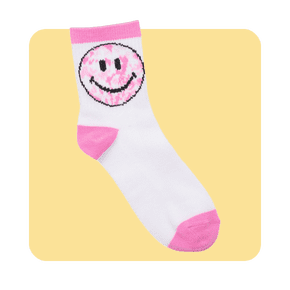
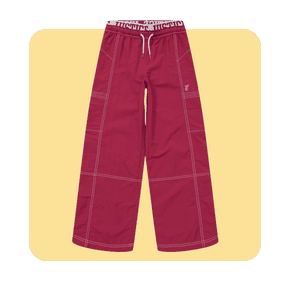
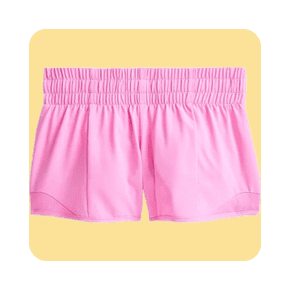
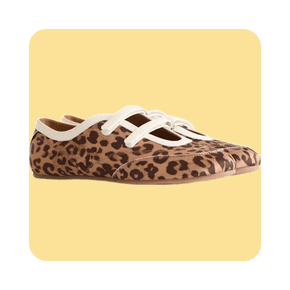
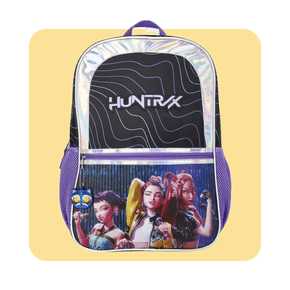
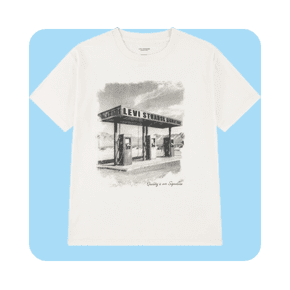

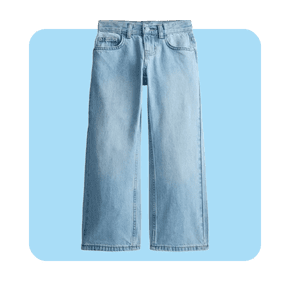
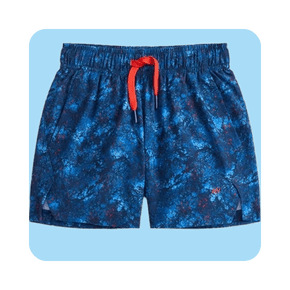
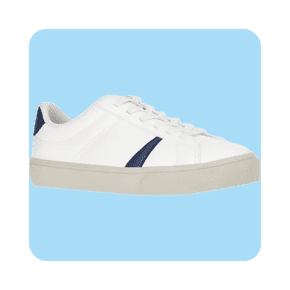
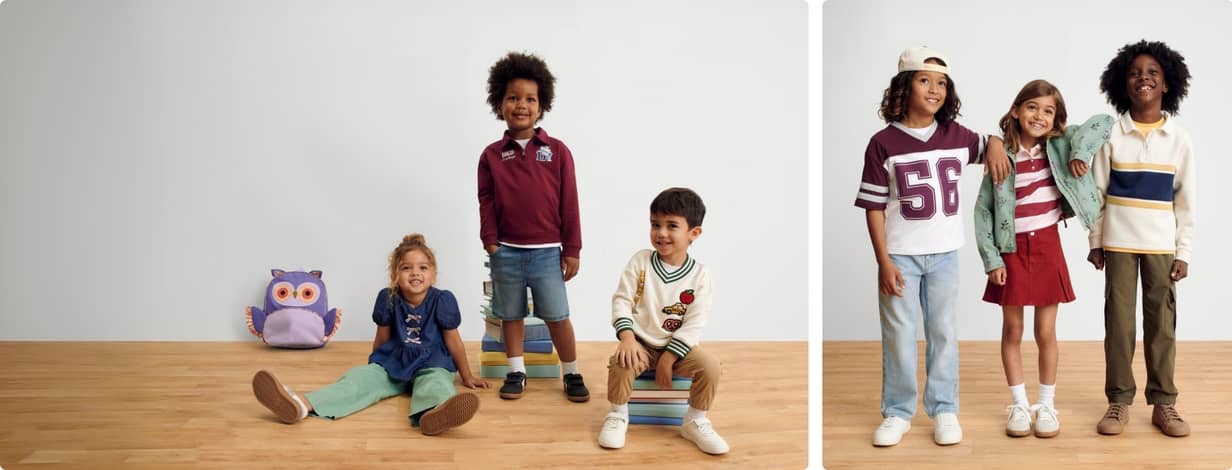

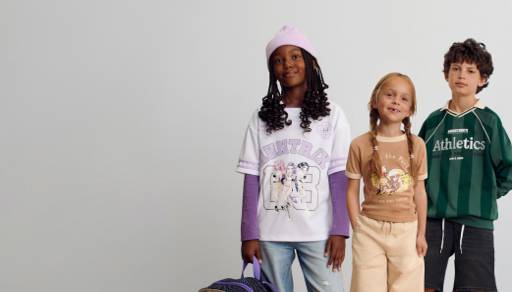


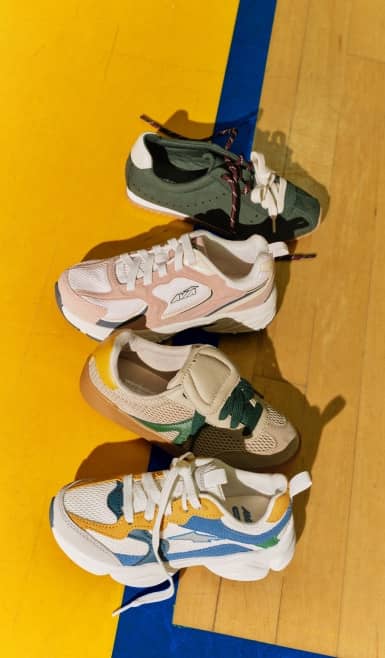
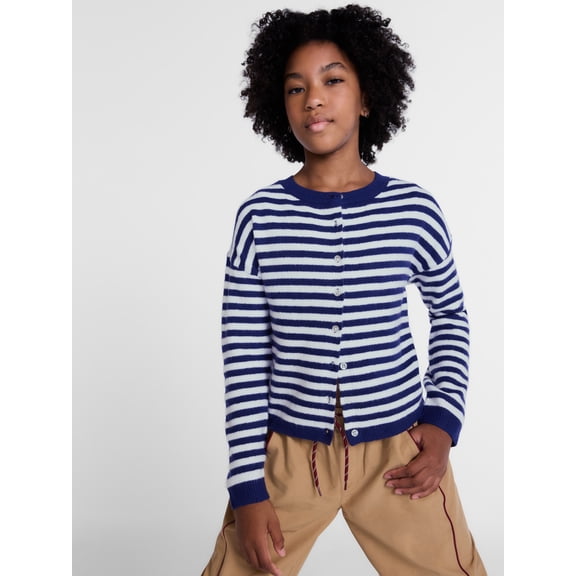

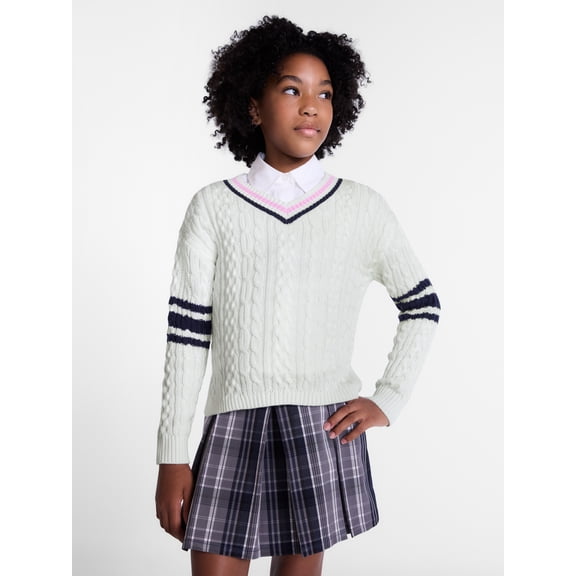


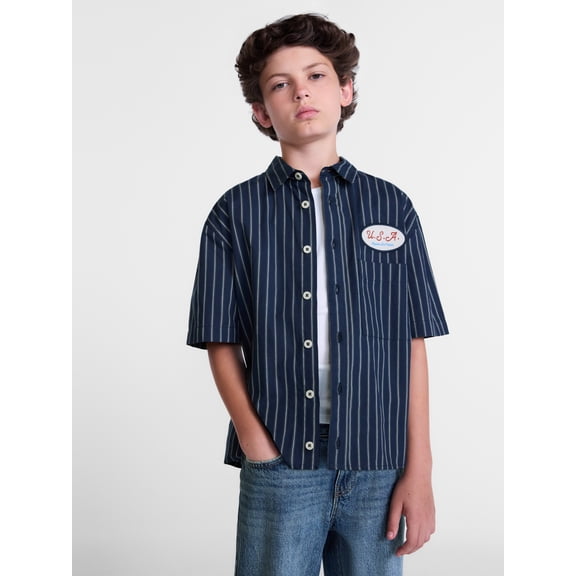
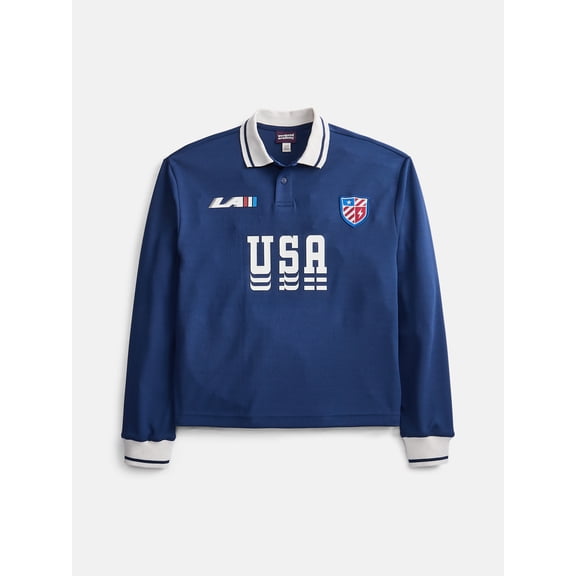
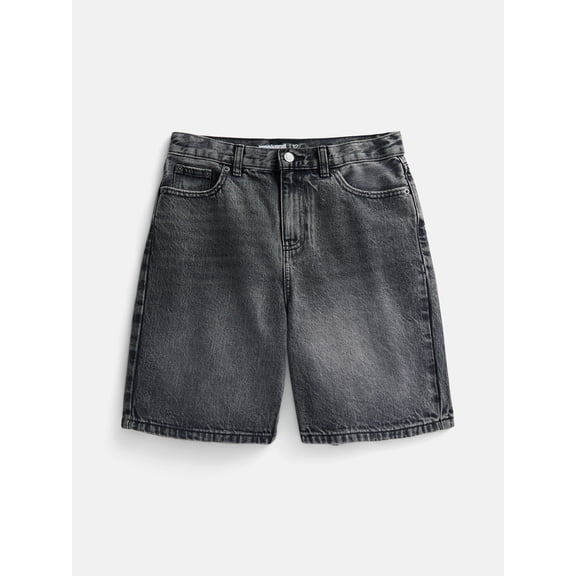
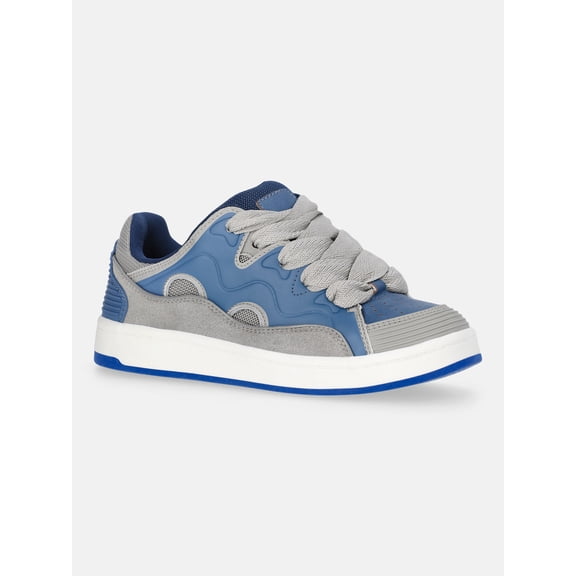
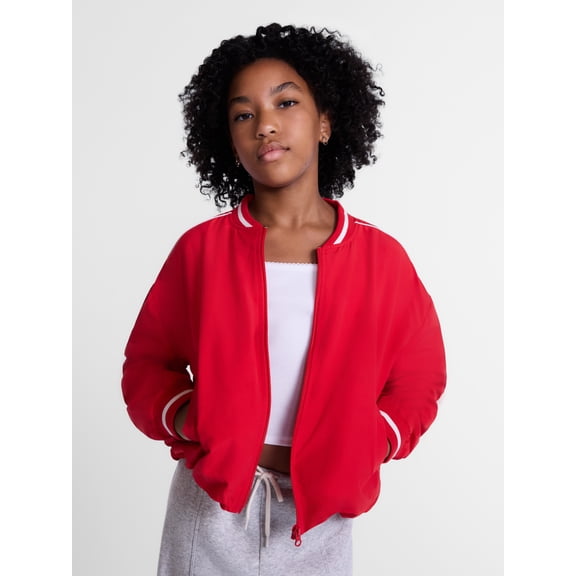
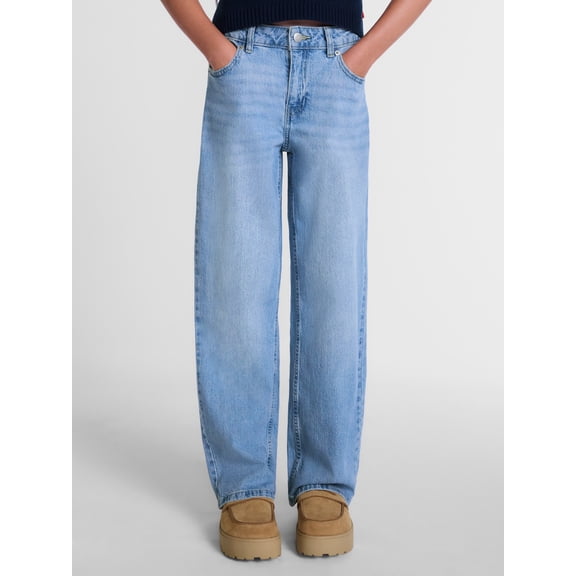

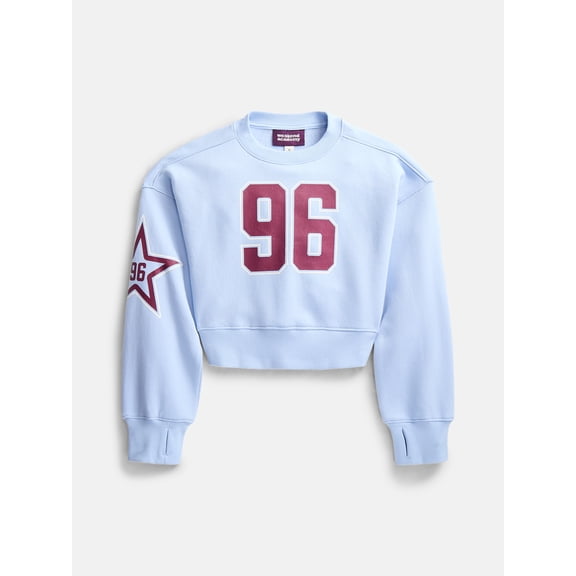
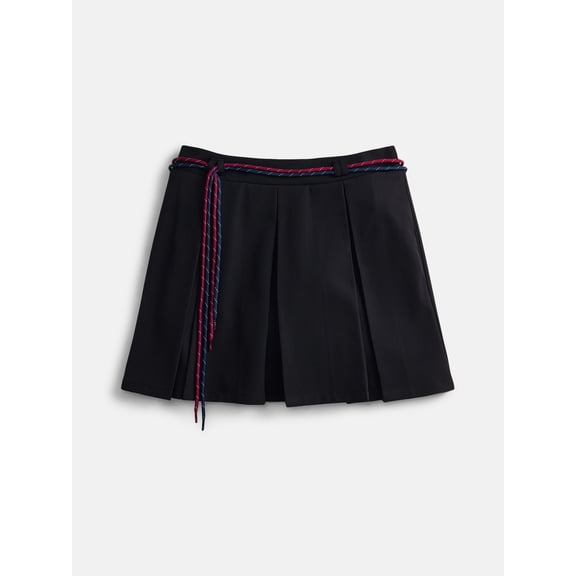
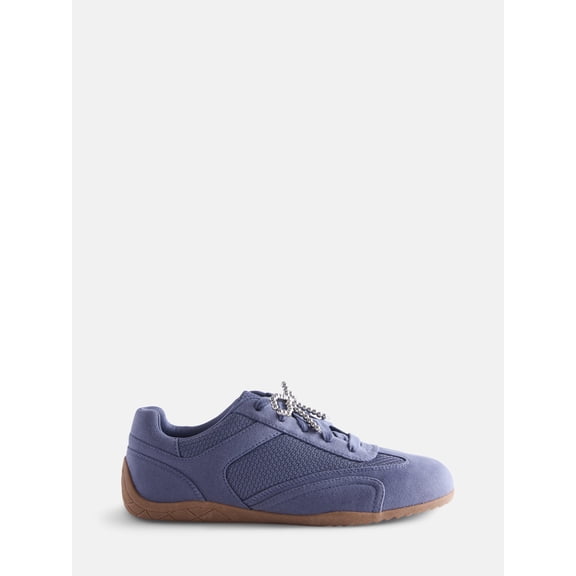


Top character fashion & more


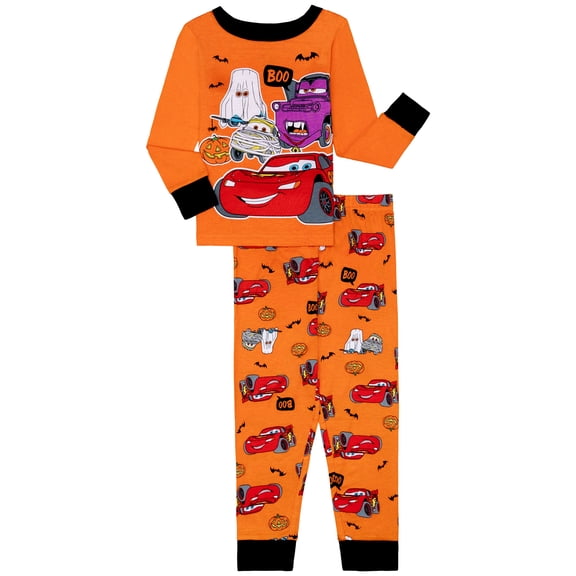
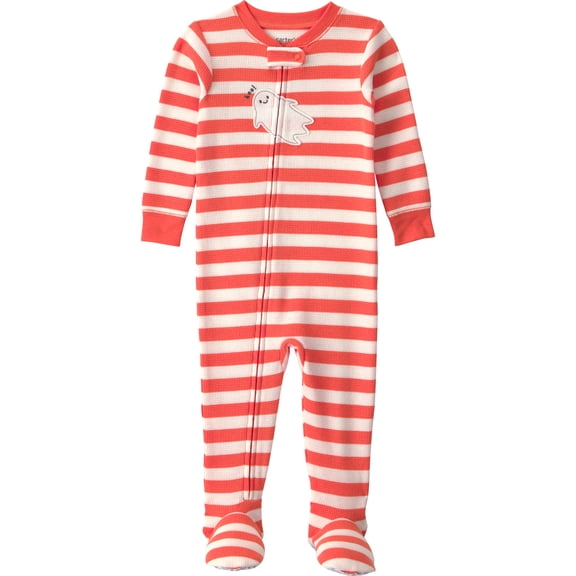
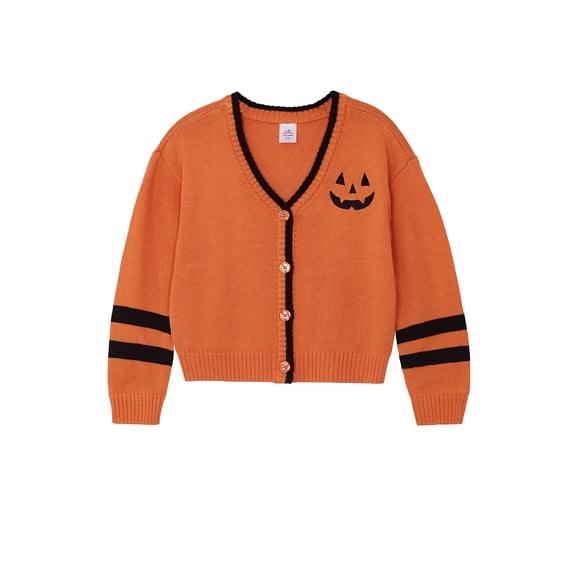
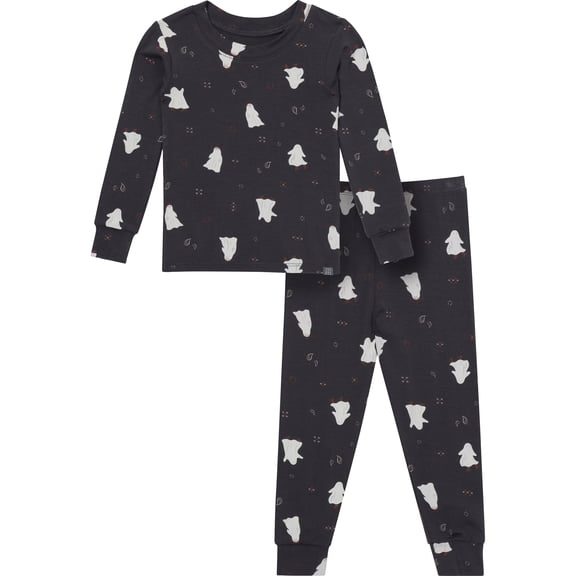
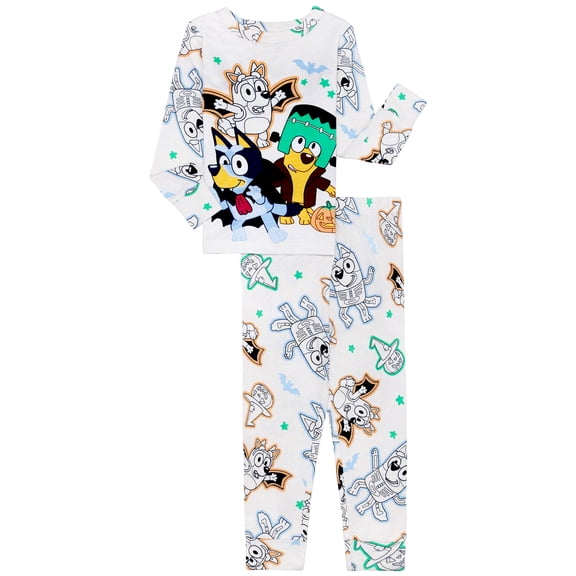
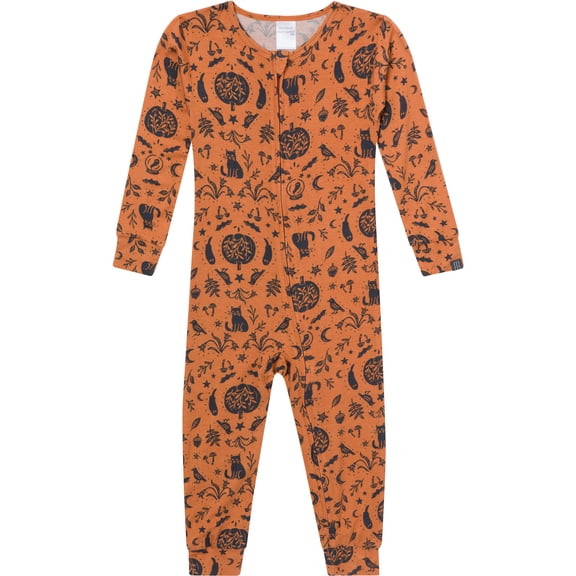
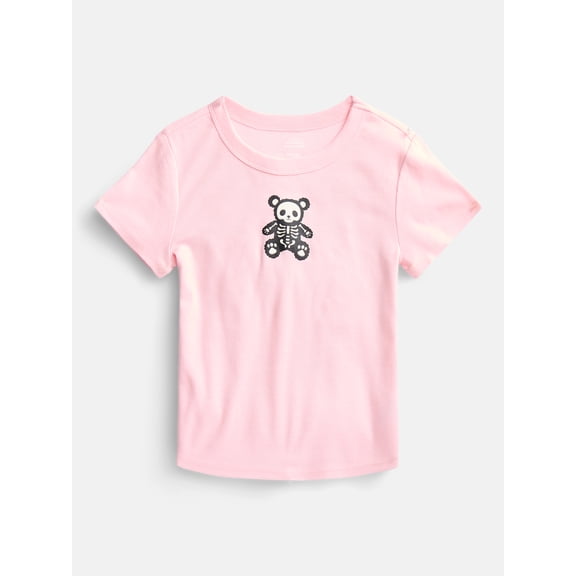
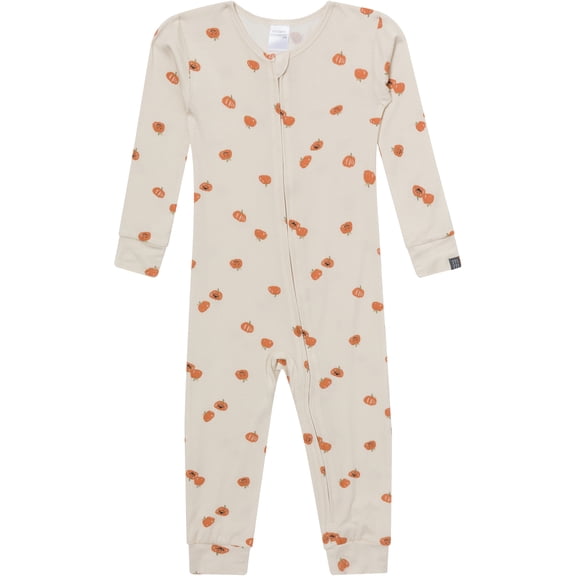
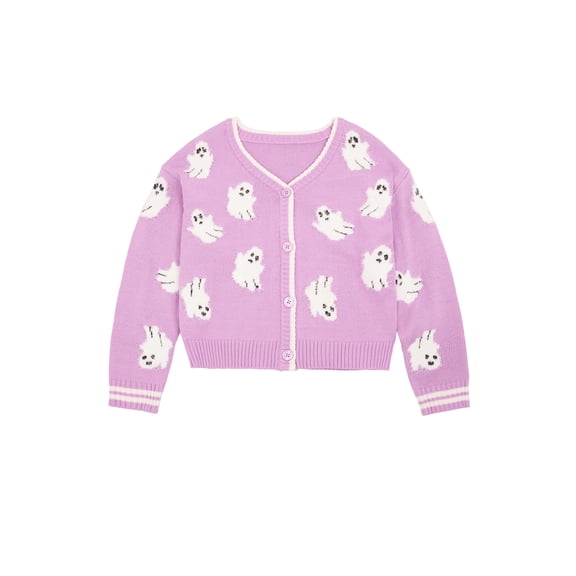
Shop spooky-cute styles for Halloween











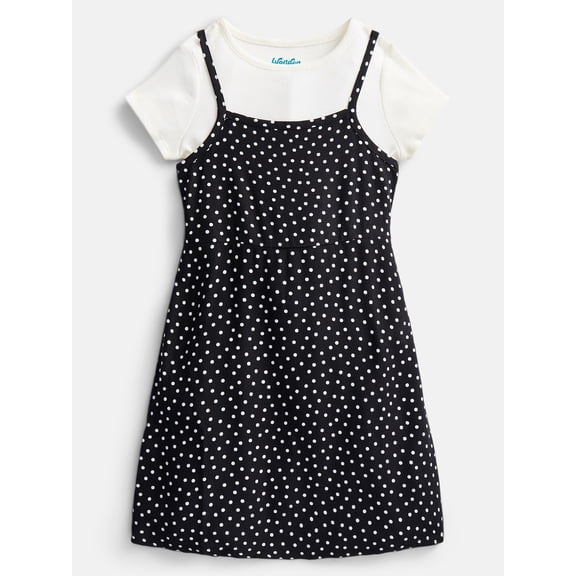

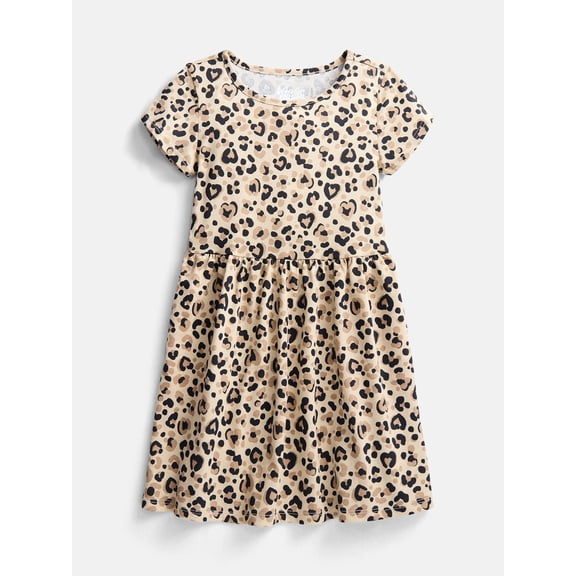
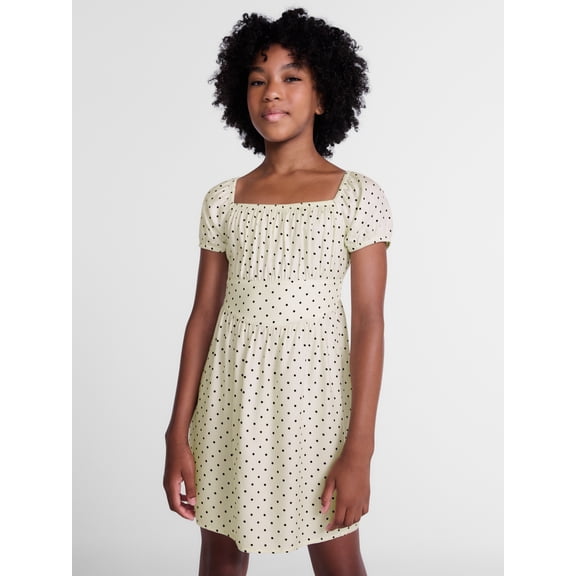


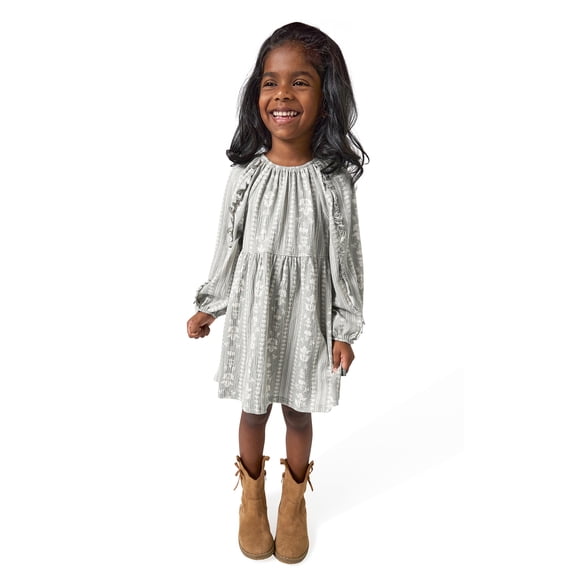


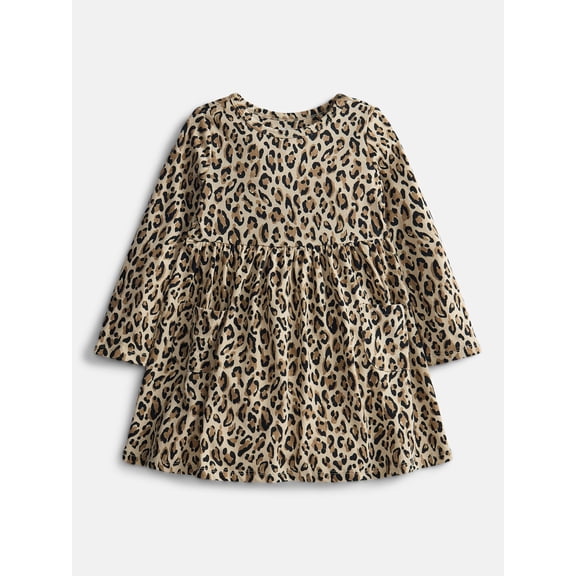
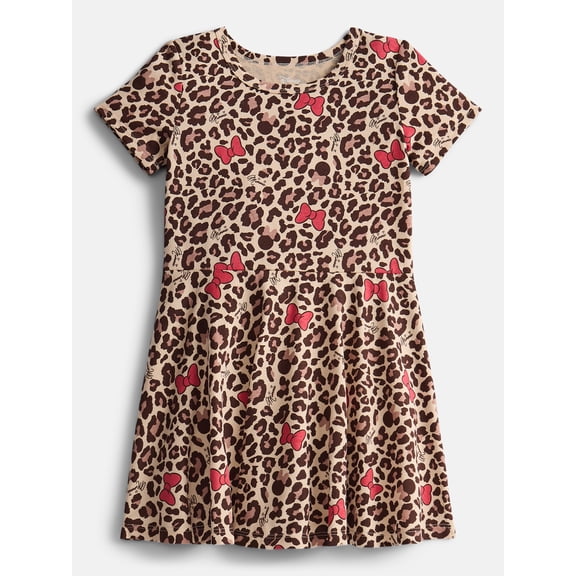
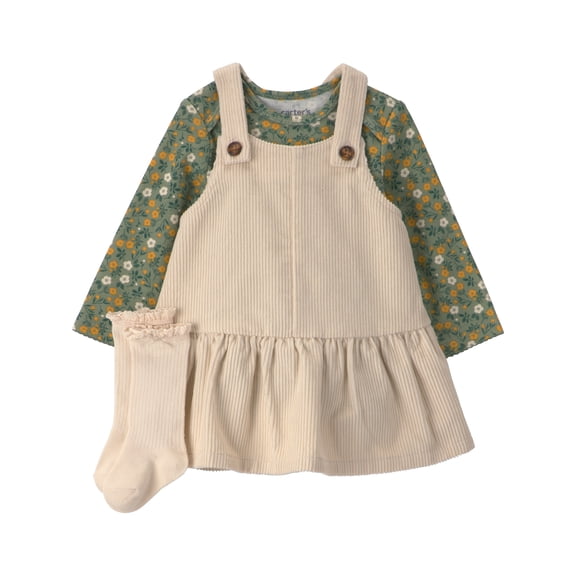

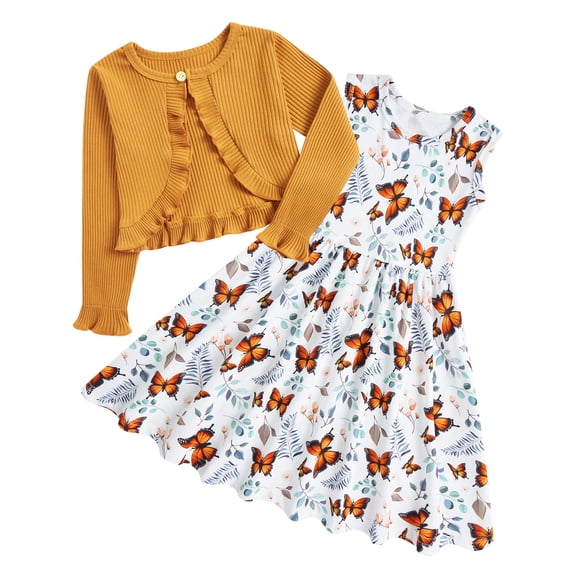
Kids-approved brands












FAQ
About Kids Clothing - Walmart.com
Kids clothing helps you dress growing kids for school, play, sleep, and changing weather. You can compare sizes, fabrics, and clothing types for boys, girls, toddlers, and unisex styles.
When your routine moves fast, you need outfits that handle classroom days, playground time, and quick changes. You’ll also want pieces that mix easily, wash well, and feel comfortable through busy weeks.
How to choose kids clothing by size and age
You can get a more accurate fit by starting with size range and age group. You can shop toddler clothing in 2T to 5T, little kids in 4 to 7, and big kids in 8 to 18.
Because brand fit can vary, you should check sizing charts across tops, bottoms, and pajamas. You may also want some growth room in cuffs, waistbands, and inseams for longer wear.
Your daily routine can shape the size you choose. You might prefer roomier playwear for movement, while you may want a neater fit for school uniforms.
Key differences between boys clothing, girls clothing, and unisex kids clothes
You can narrow choices faster by comparing boys clothing, girls clothing, and unisex kids clothes. You may prefer graphic tees, leggings, joggers, polos, or denim based on school needs and personal style.
For a more flexible closet, you can choose colors and shapes that work across several outfits. You can build outfits with simple layers, matching sets, and separates that pair with sneakers, boots, or sandals.
- You can choose polos, chinos, and skorts when your child needs school uniforms.
- You can pick joggers, shorts, and tees when your child needs easy playwear.
- You can select hoodies, leggings, and shorts when your child needs kids activewear.
- You can add sleepwear and cotton kids pajamas when your child needs bedtime basics.
What to look for in fabric and comfort
You should compare fabric first if you care about softness, warmth, and cleanup. You’ll often see 100% cotton, organic cotton, fleece, and denim across everyday kids clothes.
You may like cotton for breathable tees, pajamas, and lightweight layers. You can choose fleece when you want cozy pullovers, and you can choose denim when you want sturdy everyday bottoms.
Your laundry routine matters when you compare fabric details. You should look for materials that keep their shape, limit shrinking, and release common playground messes more easily.
If comfort is your priority, you can focus on details that support all-day wear. You’ll appreciate tagless labels, soft seams, stretch waistbands, and easy closures during fast changes.
Choosing clothing types for school, play, and sleep
You can shop by clothing type when you already know how your child will wear the outfit. You may want activewear, playwear, school uniforms, or sleepwear depending on the day.
For recess and practice, you may need flexible shorts, moisture-wicking tops, or joggers. You may want playwear that moves easily, layers well, and stands up to repeat washing.
On school mornings, you can simplify dressing with polos, uniform pants, skirts, and cardigans. You’ll also find it easier to coordinate outfits when colors stay consistent across tops and bottoms.
At night, you can choose sleepwear that feels soft and easy to change. You may prefer pajama sets, nightgowns, or separates based on sleep habits and room temperature.
How seasonality shapes your kids clothing choices
You can plan ahead by matching kids clothing to the season and school calendar. You may need summer wear, spring outfits, back to school clothes, or kids winter coats during different months.
In warmer weather, you may reach for tanks, shorts, dresses, and lighter cotton layers. When colder days arrive, you can switch to fleece tops, lined pants, and outerwear.
You may also build a smaller wardrobe that works across seasons with layers. You can add hoodies over tees, leggings under dresses, and jackets over uniforms for changing temperatures.
Using a practical mix-and-match approach
You can simplify dressing by choosing basics and colors that work together across the week. You may want solid tees, denim, leggings, and joggers that rotate between school and weekend plans.
With a mix-and-match setup, you can make packing easier for trips, sleepovers, and activity days. You’ll get more use from layers that pair with uniforms, activewear, and casual separates.
You can also organize by routine instead of by single outfit. You may keep everyday tops, special event pieces, and toddler clothes separated for faster mornings.
Your final choice should balance fit, fabric, and daily use. You’ll feel more confident when your kids clothing supports growth spurts, repeat washes, and easy outfit planning.