

Wood Coffee Tables in Coffee Tables
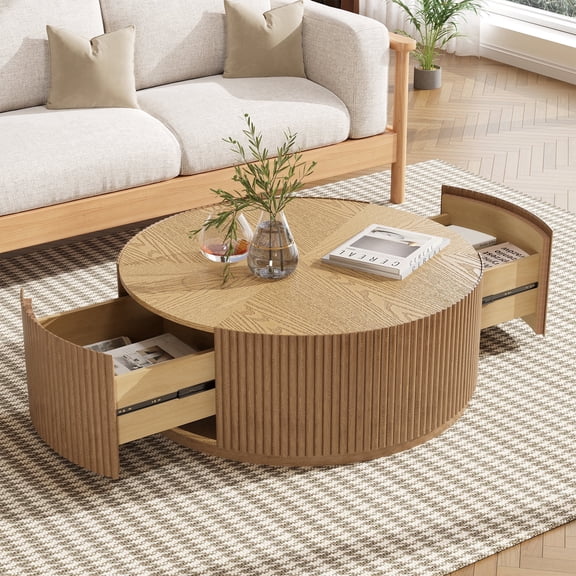

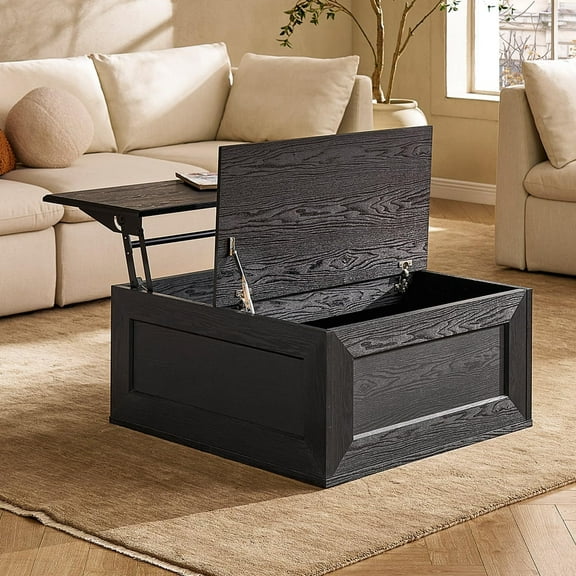
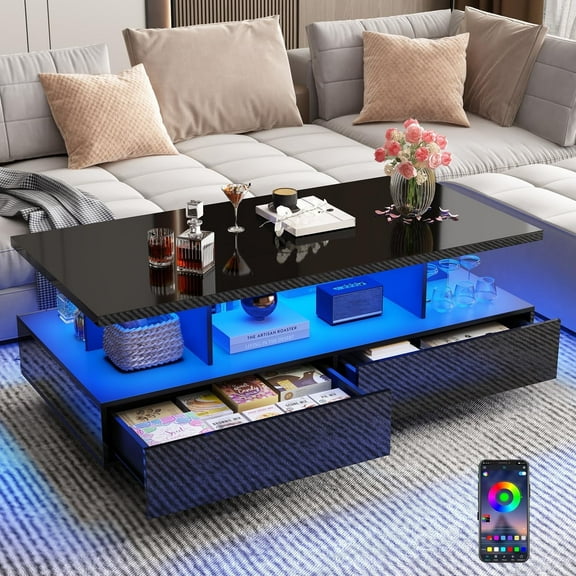


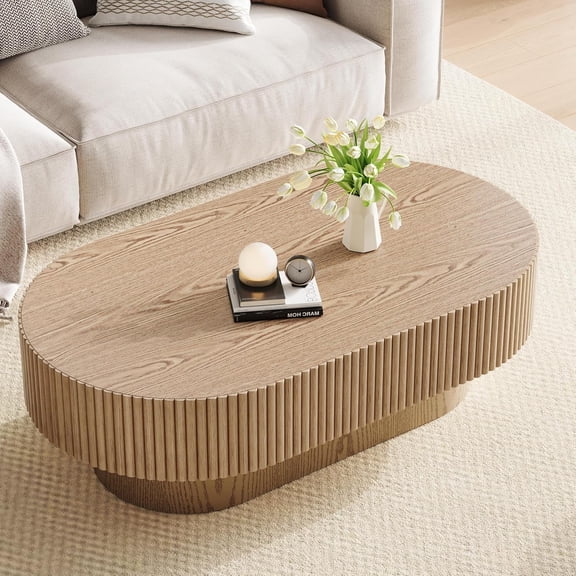










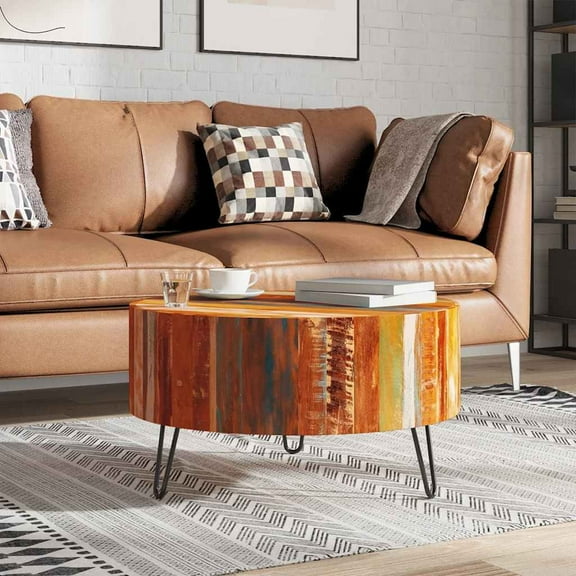


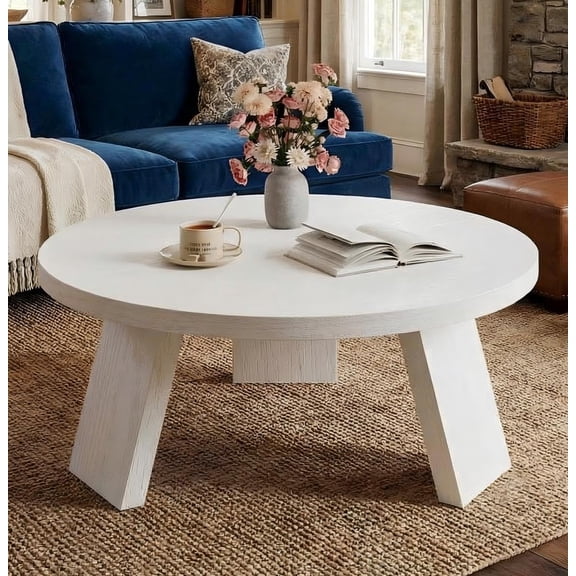
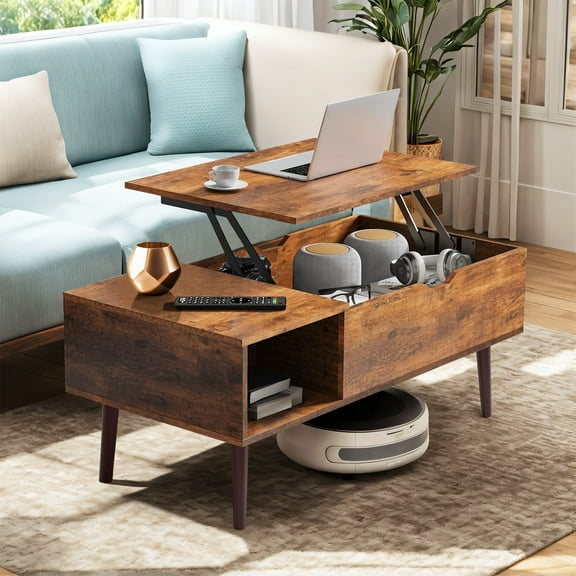


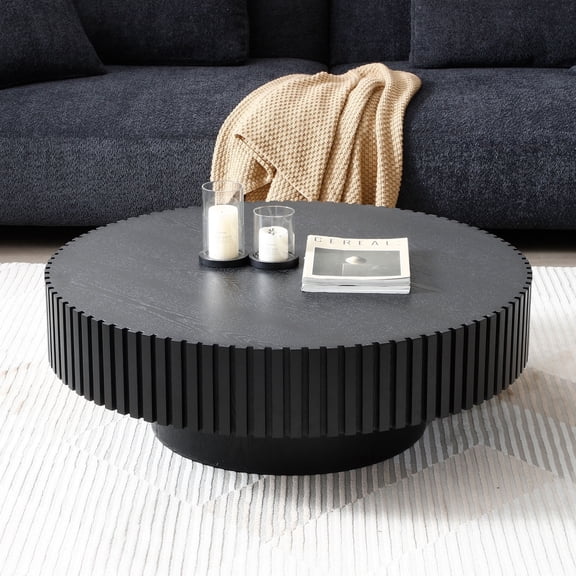




















About Wood Coffee Tables in Coffee Tables - Walmart.com
Wood coffee tables help you anchor your living room with warmth, texture, and everyday function. You can compare solid wood, round shapes, farmhouse looks, and storage features to match your space.
If you want a table that feels grounded and versatile, you’ll find wood works across many seating layouts. You can pair it with soft upholstery, metal accents, or a clean media console without forcing the room.
Choosing wood coffee tables for your living room
When you compare wood coffee tables, you should start with material type, room size, and daily use. You’ll want a table that fits your seating area and supports how you relax, host, and organize.
For a solid wood coffee table, you can expect natural grain variation and a weighty feel. If you prefer engineered wood, you’ll often get a consistent finish and easier upkeep for busy homes.
You should also measure clearance before you choose a shape or size. You’ll usually want 12 to 18 inches between your sofa and table for comfortable reach.
- You can use solid wood for a substantial look and long-term durability.
- You can choose engineered wood when you want a polished surface and simpler maintenance.
- You can pick round, rectangular, square, or oval shapes based on traffic flow.
- You can select storage options when you want remotes, coasters, and books within reach.
How to compare materials, finishes, and durability
You should compare wood types by appearance, maintenance, and how much natural texture you want. Mango wood can bring visible character, while oak often gives you a classic grain pattern.
If you like a lighter and casual look, you may lean toward pine or a natural wood coffee table finish. If you want stronger contrast, you can choose espresso, black, white, or gray tones.
You’ll also want to check the listed load capacity in pounds before you decide. That number helps you judge stability for trays, decor, books, and everyday living room use.
When you review stability, you should look at leg placement and base design. Wider support points can help you feel steadier placement on rugs and hard floors.
Choosing the right shape and size
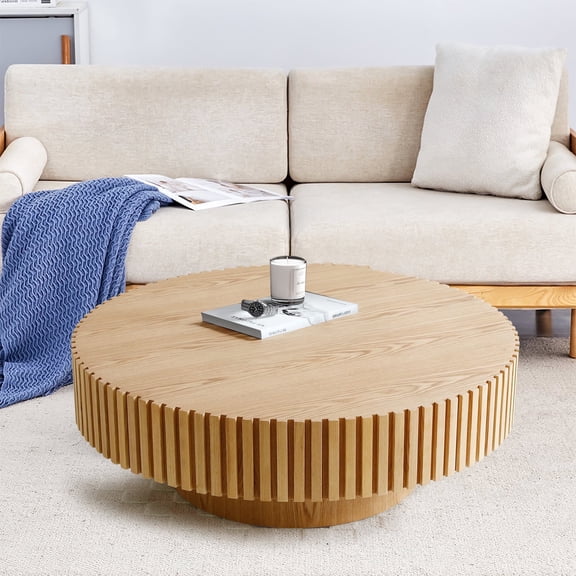
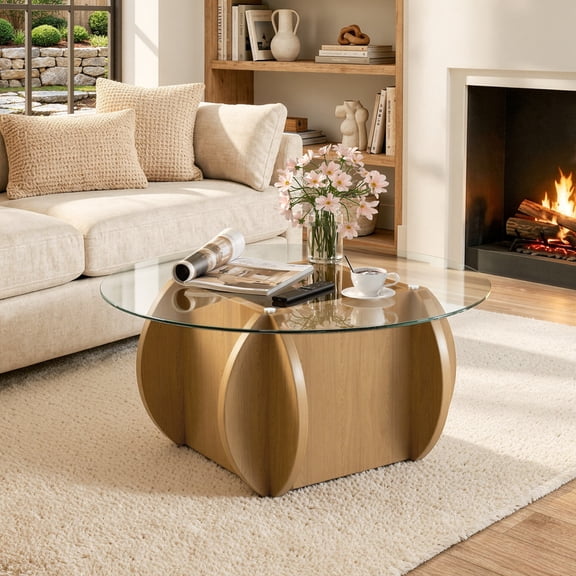
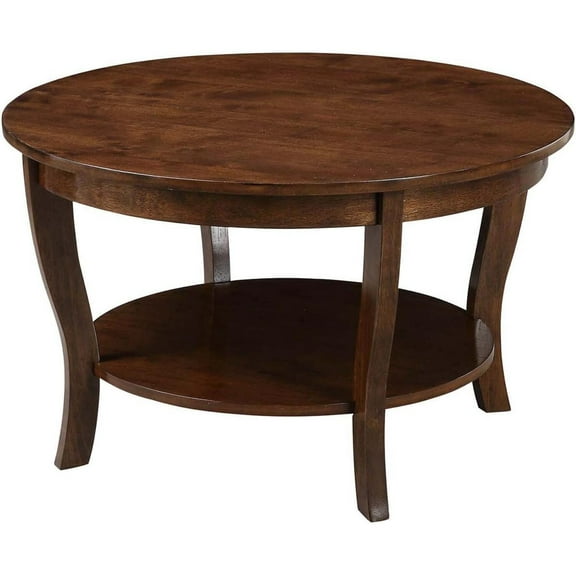
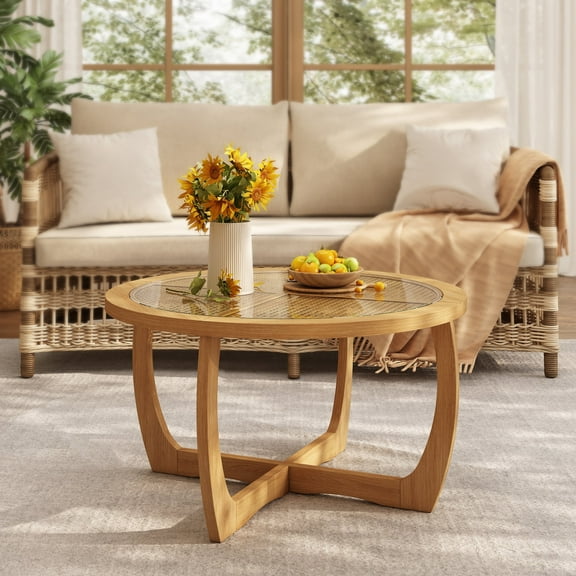
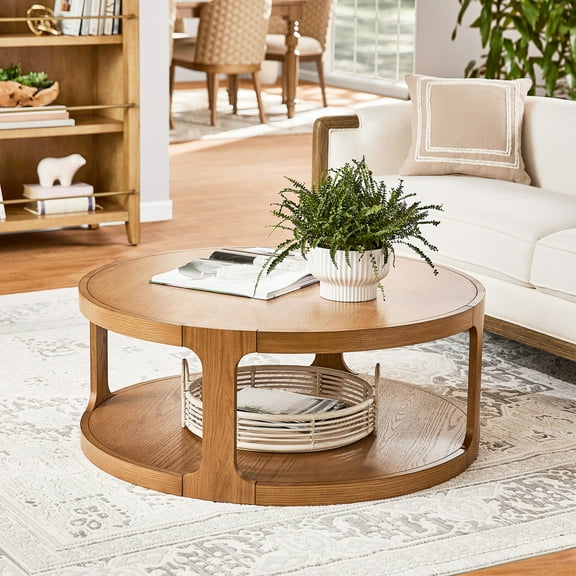
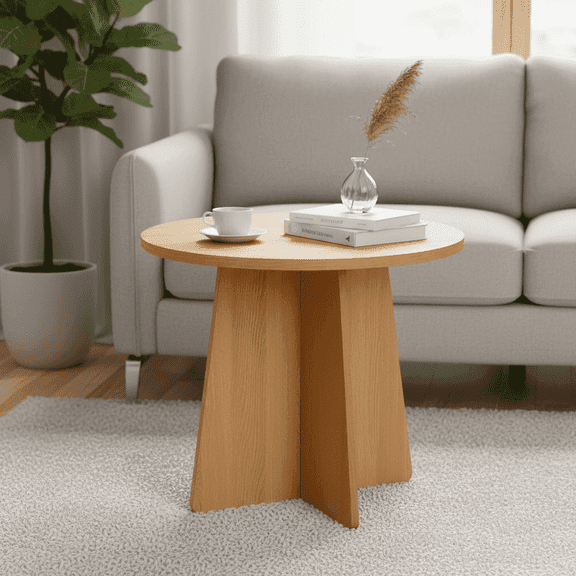
You should match the table shape to your seating arrangement and walkway space. A round wood coffee table can soften sharp corners and improve movement in tighter rooms.
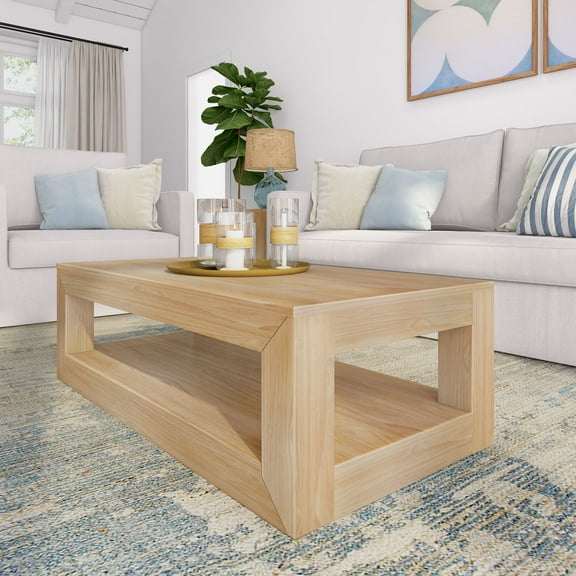
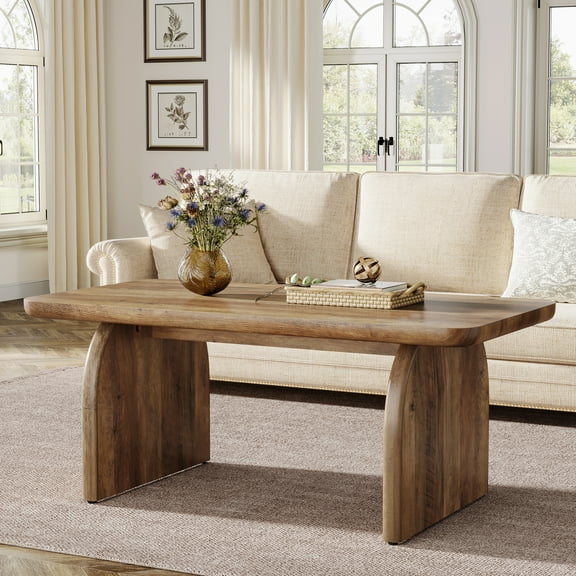
If your sofa is long, you may prefer a rectangular wood coffee table for balanced coverage. Square and oval options can work well when you want a centered look without an overly long profile.
You’ll also want to compare height with your sofa seat. A coffee table that sits close to seat height can make drinks, books, and decor easier to reach.
Before you choose, you should measure the room and note nearby furniture. You can keep your layout feeling open when the table length stays around two-thirds of your sofa length.
Picking a style that fits your room
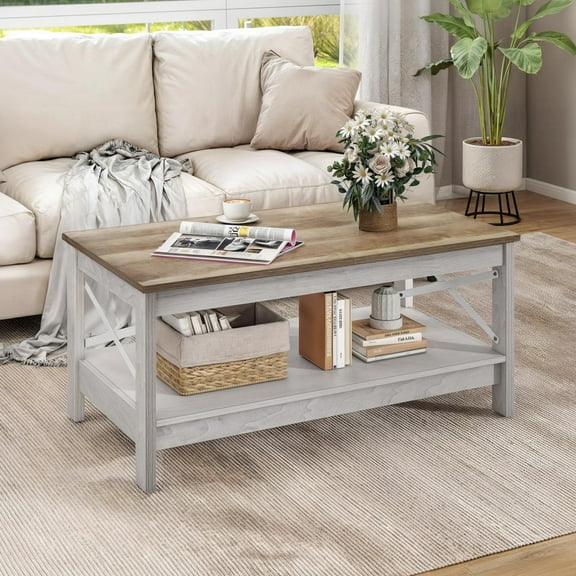
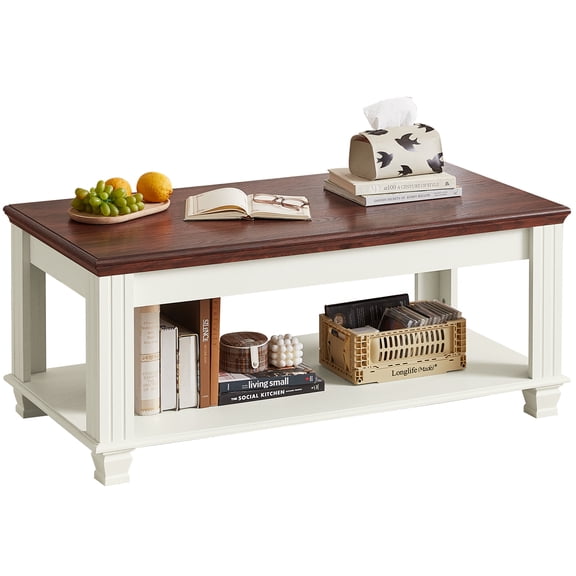
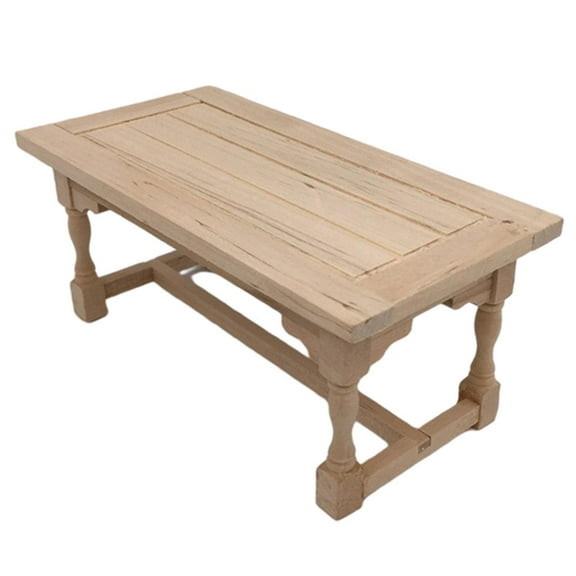
You can use style to tie your coffee table into the rest of your living room furniture. A farmhouse wood coffee table often brings turned legs, plank-style tops, or a cozy mixed-finish look.
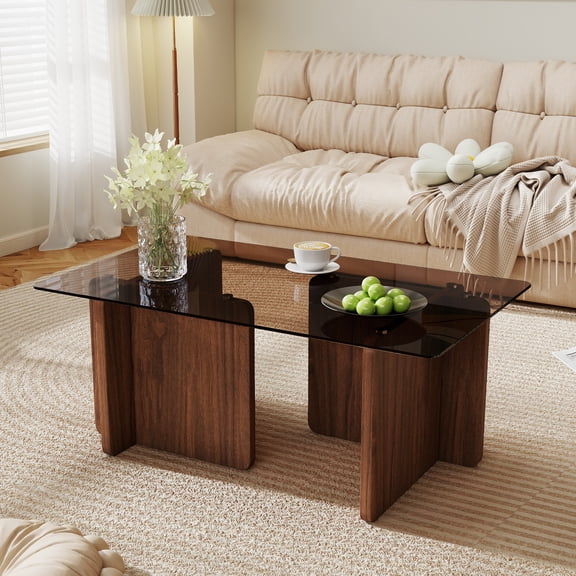
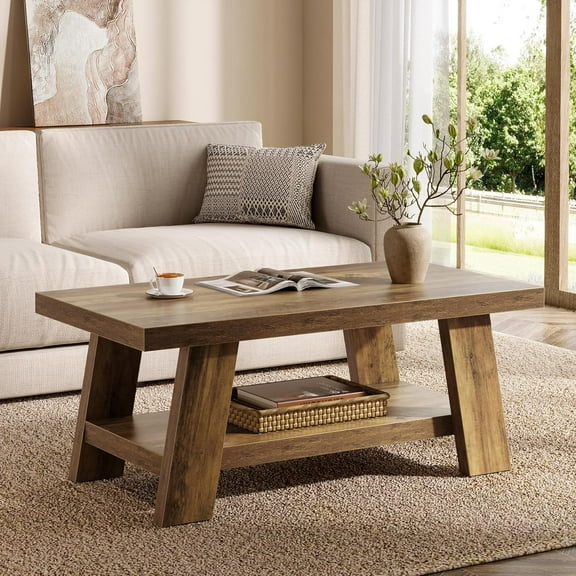
If you like clean lines, you may prefer a mid century modern wood coffee table with tapered legs. For more texture, you can choose a rustic wood coffee table with visible grain and a worn-in feel.
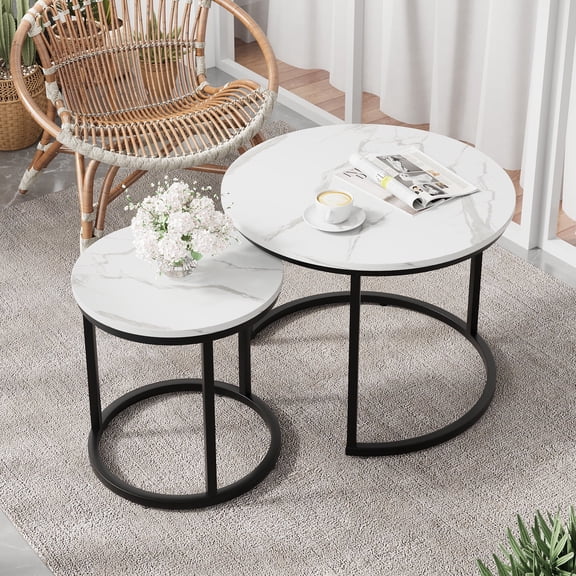
You might also compare industrial and traditional details before you decide. Industrial looks can pair wood with metal frames, while traditional designs often use shaped edges and classic silhouettes.
When you want a calm palette, you can start with a natural wood coffee table. That finish can blend with neutral rugs, layered throws, and many wall colors without feeling heavy.
Choosing a wood coffee table with storage
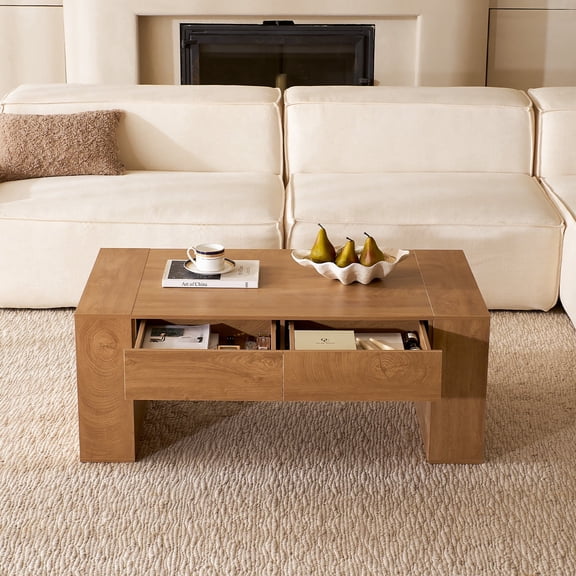
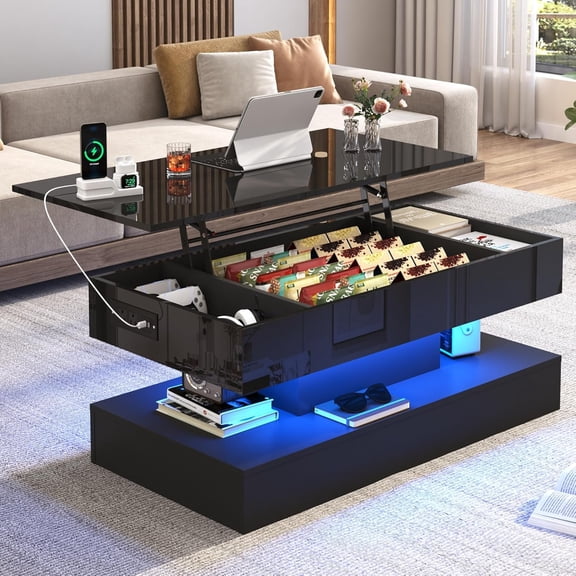
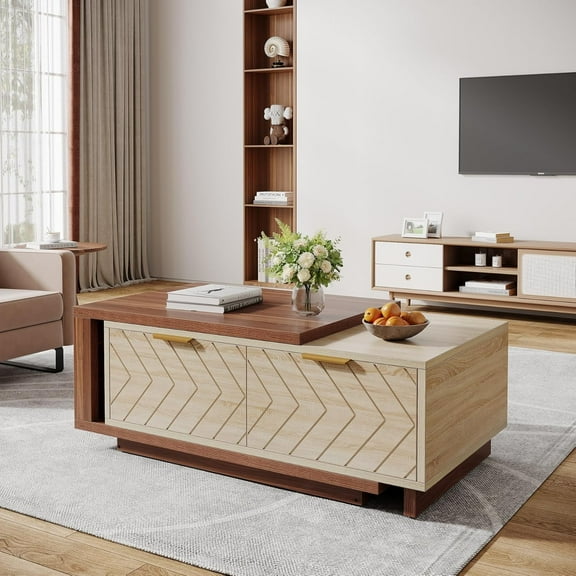
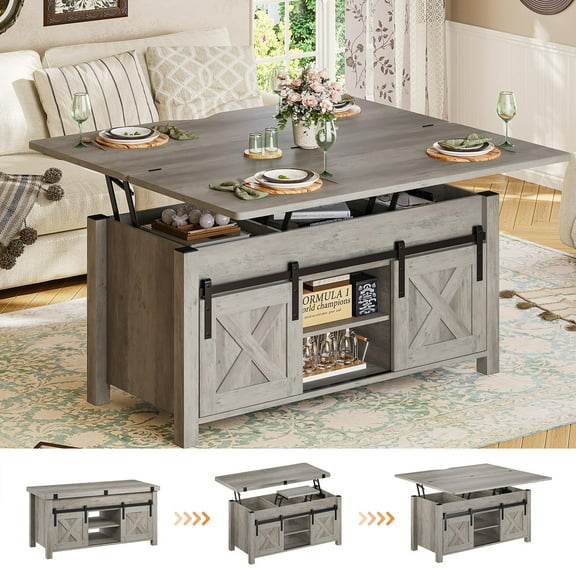
If you need your living room to work harder, you should consider a wood coffee table with storage. You can keep everyday items close without crowding your sofa, media unit, or side tables.
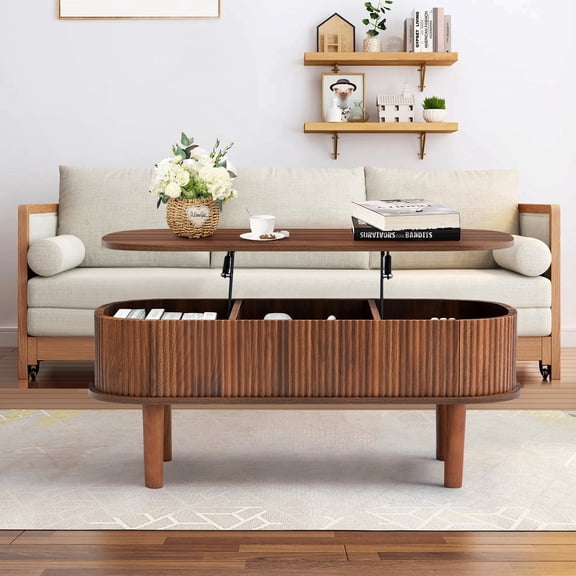
Drawers can help you tuck away remotes, chargers, and small accessories out of sight. Open shelves can give you quick access to baskets, books, and decor you use often.
You may also want a lift top when you eat, work, or write from the sofa. That feature can bring the surface closer to you and add hidden storage underneath.
Before you choose, you should check assembly details and setup time in the listing. You’ll want to know whether you need basic tools, a second set of hands, or extra floor space.
How your space and routine shape the right choice
You can narrow your options faster when you match features to your routine. For smaller seating areas, you may prefer a round profile, lighter finish, and open shelf design.
If you host often, you might want a larger rectangular top with a sturdy base. That combination can give you more serving space and a balanced center point for sectionals.
You may prefer solid wood when you want a substantial feel and visible natural character. You might choose engineered wood when you want a streamlined look and simpler day-to-day care.
When you compare shape, storage, finish, and load capacity together, you can choose with more confidence. You’ll end up with a table that fits your room, supports your routine, and keeps your seating area organized.