






Results for "twin sheets"








































About
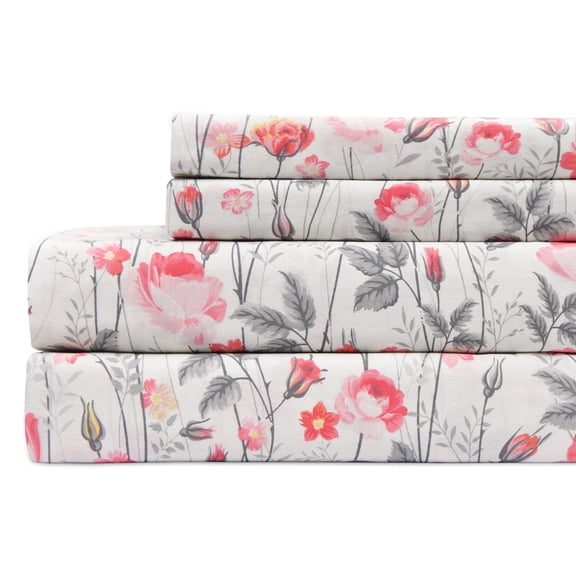
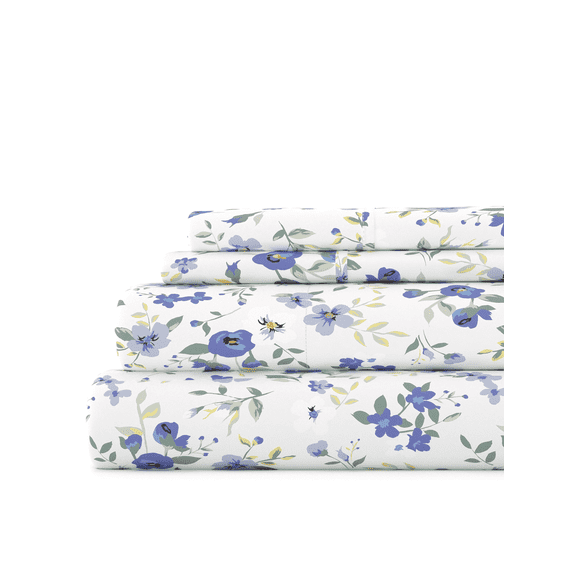
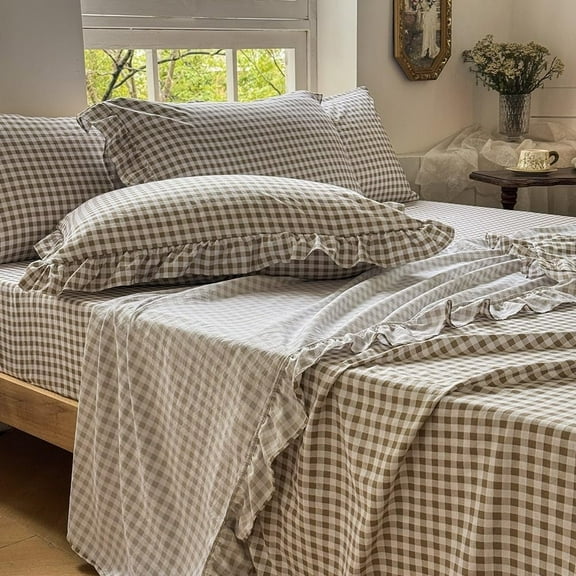
Twin cotton sheets help you create a comfortable bed with breathable fabric, simple care, and a size-specific fit. You can compare weave, thread count, and pocket depth more confidently when you know what each detail means.
You may want a crisp feel for warm nights, a smoother finish for cooler rooms, or corners that stay in place. You can use this guide to choose cotton sheets for twin bed setups with clearer decision points.
Choosing the right twin size cotton sheets
Twin size cotton sheets vary by material type, so you should start with the cotton itself. You can look for 100% cotton when you want a familiar feel and easy everyday washing.
You might compare Egyptian cotton, Pima cotton, and organic twin cotton sheets by feel and material callout. You can use those differences to narrow options for your room, routine, and fabric preference.
Thread count matters, but you shouldn't use it by itself when you compare sheet sets. You may find that 200 or 300 thread count feels cooler when the weave allows more airflow.
A 400 or 600 thread count can feel denser and smoother on your bed. You should compare thread count with weave style instead of assuming a higher number fits every season.
- You can choose 100 cotton sheets twin options for classic cotton feel and straightforward care.
- You can compare 200 TC, 300 TC, 400 TC, and 600 TC by airflow, texture, and season.
- You should check pocket depth in inches so your fitted sheet matches your mattress height.
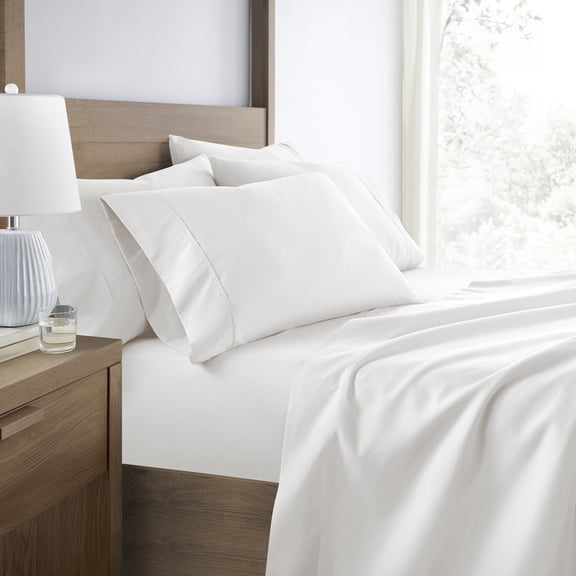
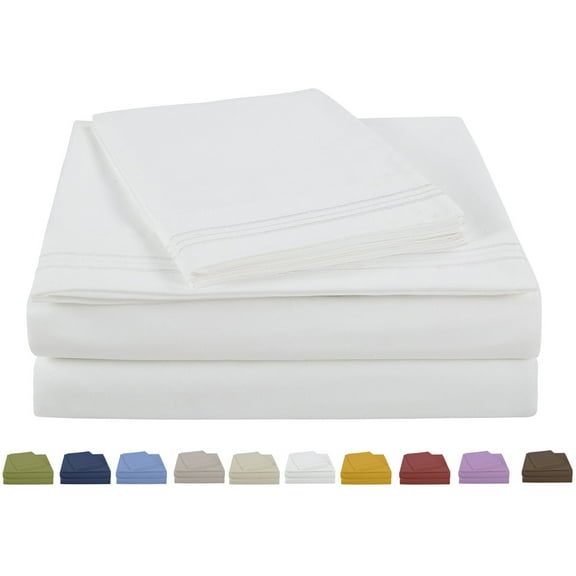
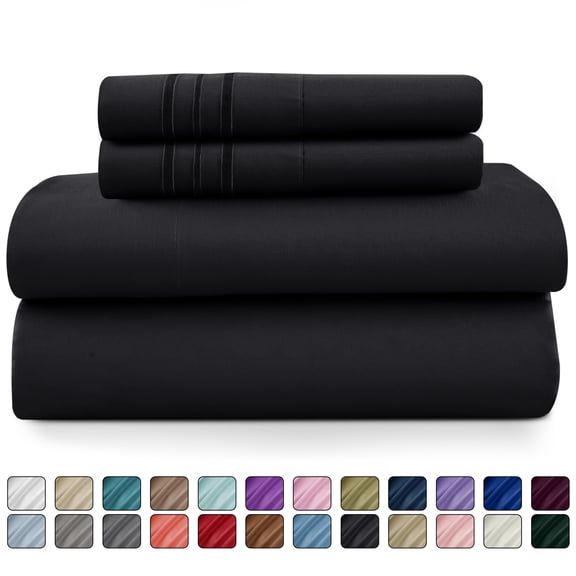
- You may want white twin cotton sheets when you prefer a clean look that works with many room styles.
How to compare 100 cotton sheets twin options
Percale usually feels crisp and cool, so you may prefer it for warm rooms or summer bedding. You can think of percale as light, smooth, and airy rather than slick.
Sateen usually feels smoother and slightly warmer against your skin. You may prefer sateen when you want twin cotton bed sheets with a silkier surface and a softer drape.
Twin flannel sheets fit the same buying process, even though the brushed surface changes the feel. You can choose flannel cotton when you want extra coziness during winter or back-to-school season.
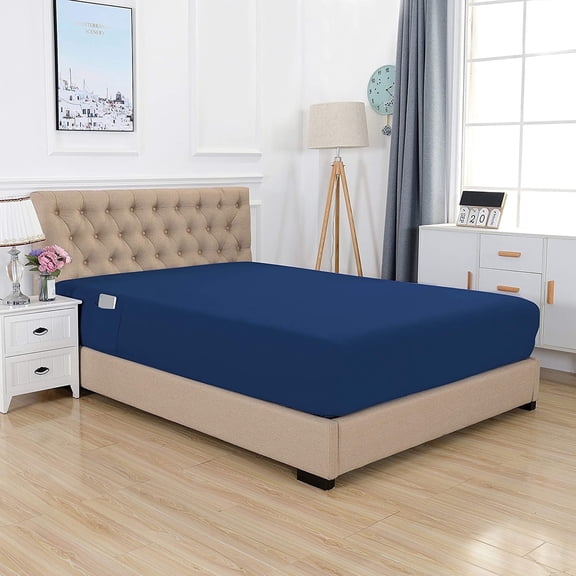
Pocket depth is a critical fit detail for a twin bed, especially with toppers or taller mattresses. You should measure your mattress height in inches before choosing standard, deep, or extra deep pockets.
Standard pocket sets usually fit lower-profile mattresses without much added height. You may need deep pocket twin sheets or extra deep styles when your bed includes more loft.
When you match the pocket depth correctly, you can keep corners in place through the night. You also get a neater bed surface, which helps your room look more put together.
How twin cotton sheets fit everyday use
You can use twin cotton sheets in kids' rooms, guest rooms, bunk beds, and dorm spaces. You may also like cotton when your household needs frequent washing and easy bed changes.
For a child's room, you might choose breathable percale and a 200 or 300 thread count. You can pair that choice with white twin cotton sheets or simple colors that suit changing decor.
In a guest room, you may want sateen and a 300 or 400 thread count for a smoother finish. You can create a polished bed while keeping the familiar feel of cotton.
For dorms or compact bedrooms, you should focus closely on mattress height and fitted-sheet depth. You can avoid bunching and corner slip when your pocket measurement matches the mattress.
If your room runs warm, you may lean toward percale because it feels crisp and breathable. If your room feels cooler, you might prefer sateen or cotton flannel for a cozier surface.
How to wash and care for twin cotton sheets
You can keep twin cotton sheets looking fresh by following the care label and washing them regularly. You may notice that cotton often feels softer over time with repeated laundering.
You should wash sheets with similar colors and follow the fabric instructions on the label. You can help preserve the fit and finish by using gentle everyday care during laundry.
When you rotate between sets, you can make bed changes easier during busy weeks. You also get more flexibility when you want one set for warm weather and another for colder nights.
You can choose twin cotton sheets with more confidence when you compare material type, weave, thread count, and pocket depth together. Your bed feels more comfortable when those details match your sleep style and mattress height.