

Washing Machine

















About Washing Machine - Walmart.com
Washing machines help you keep laundry moving with the right load type, capacity, and setup for your space. You can compare front load, top load, stackable, portable, and all-in-one options in one place.
Choosing washing machines by load type
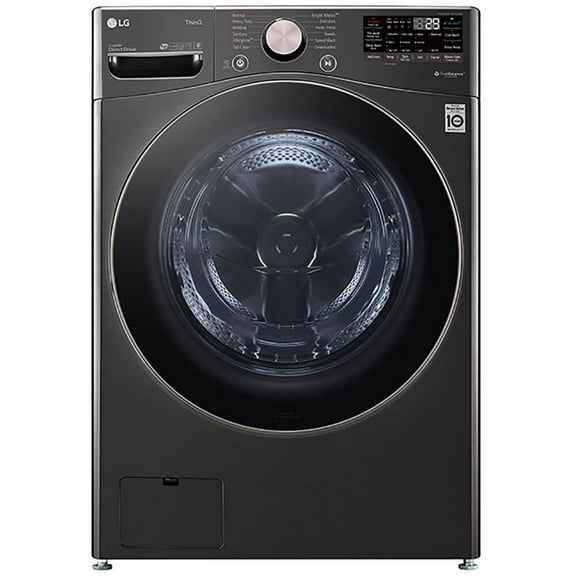
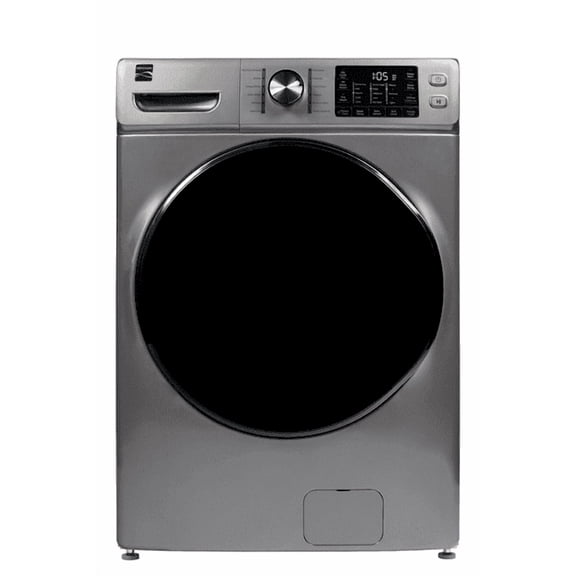
Load type shapes how you load clothes, how much floor space you need, and how your laundry room functions. You should compare a front load washing machine, a top load washing machine, and dual load designs by daily routine.
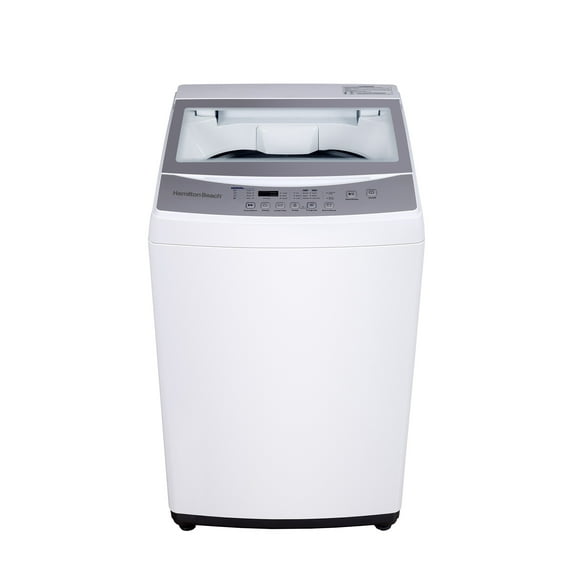
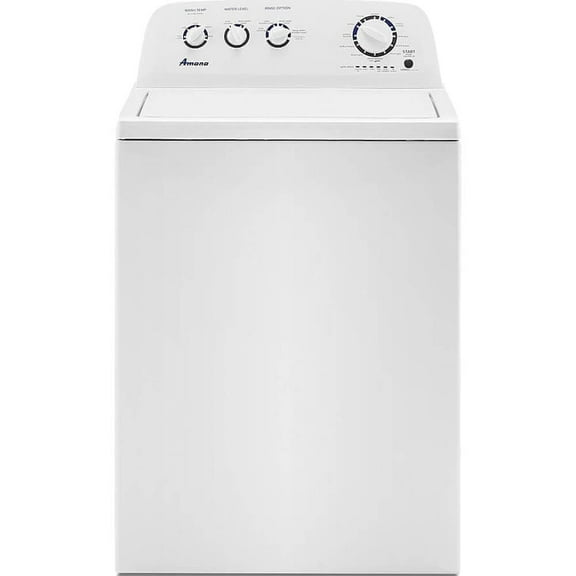
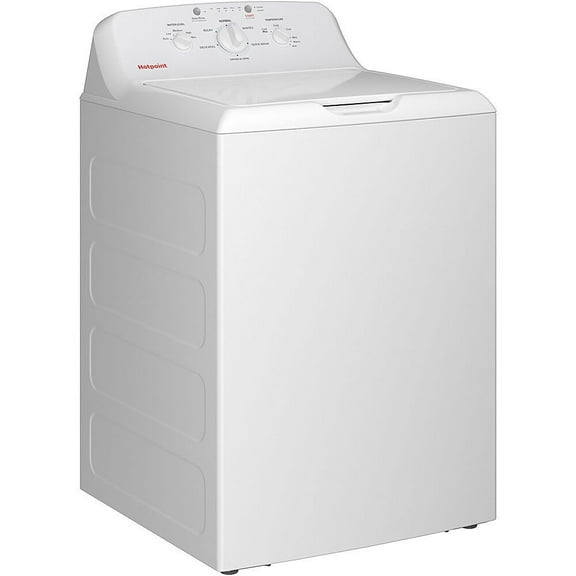
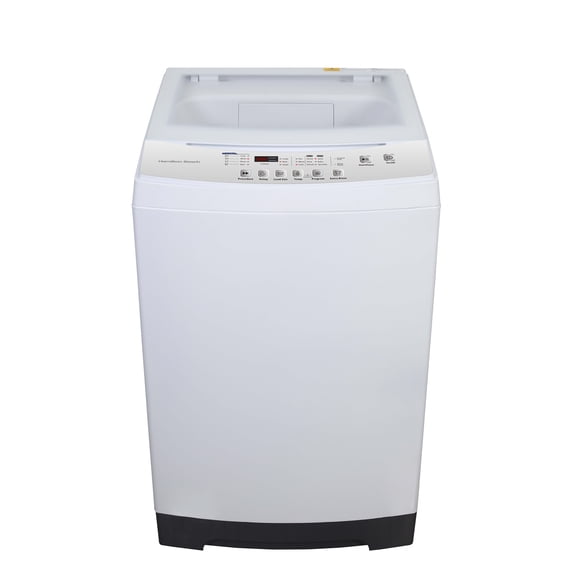
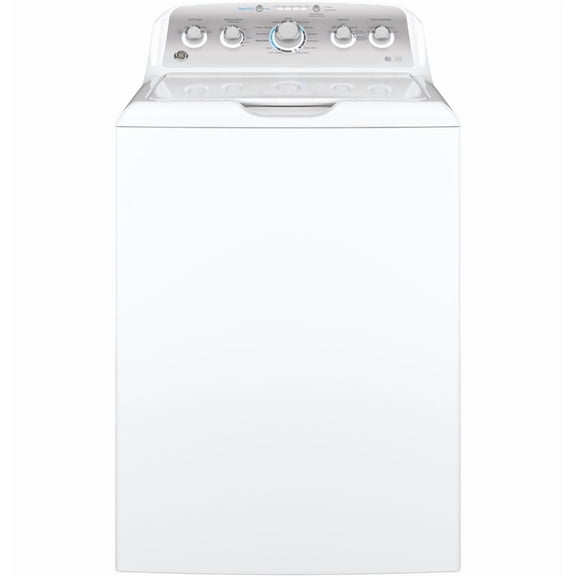
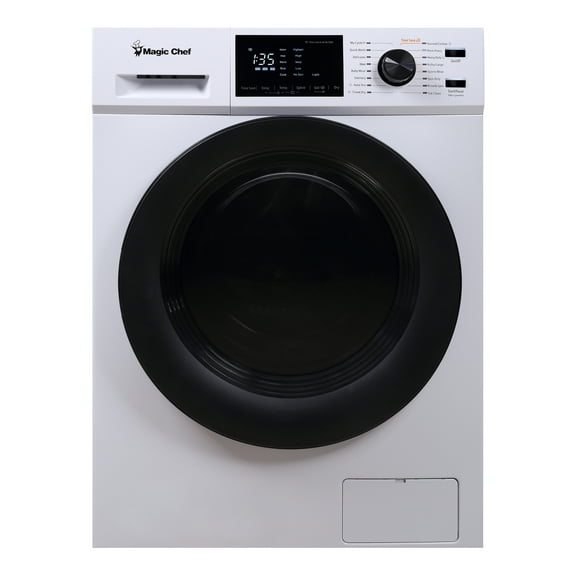
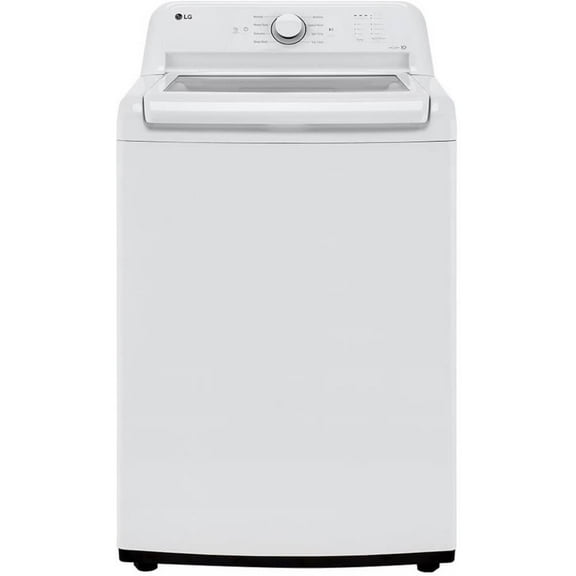
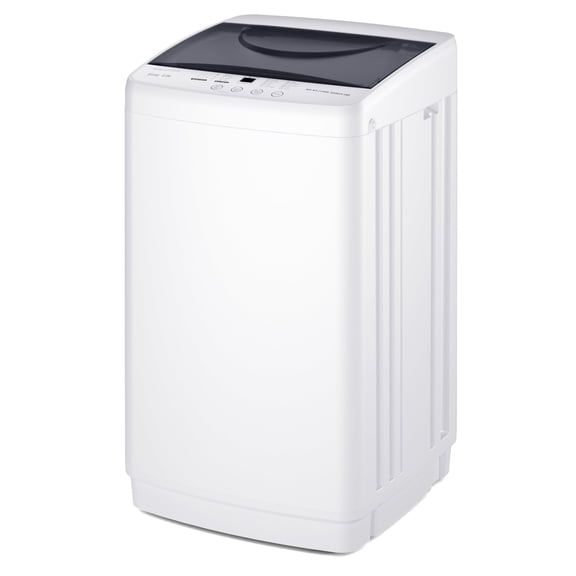
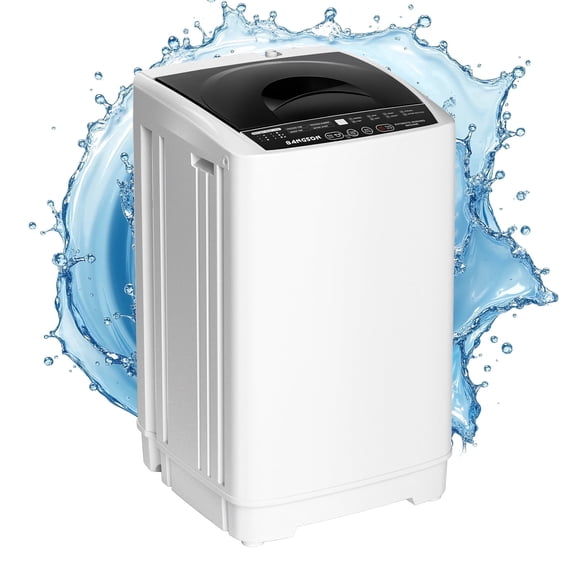
If you prefer easy reach from above, you may like a top load washing machine for quick drop-in loading. If you want under-counter placement or stacking potential, you may prefer a front-opening design.
You can also compare wash action within many top-load models. An agitator washing machine uses a central post, while an impeller washer uses a low-profile plate.
- You can choose front load models when you want stacking flexibility and a wide door opening.
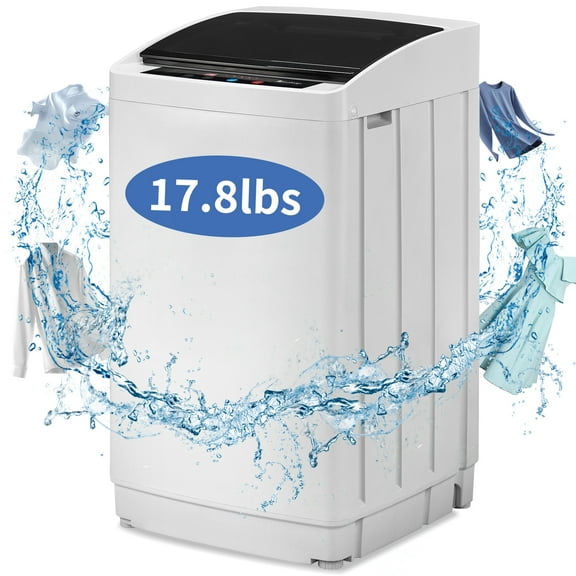
- You can choose top load models when you want simpler loading without bending as much.
- You can choose agitator styles when you prefer a familiar wash motion for everyday loads.
- You can choose impeller styles when you want more open tub space for bulkier items.
- You can choose dual load or combo formats when you want one footprint to handle more tasks.
How to compare capacity and tub size
Capacity affects how often you wash, how much you fit per cycle, and whether bulky items go in easily. You should match tub size to your household, your bedding, and your weekly laundry volume.
If you live in a smaller home, you may prefer compact models under 3.5 cubic feet. If you wash family loads often, you may want standard or large capacity washer options above 3.5 cubic feet.
You can use large tubs for comforters, towels, and mixed family loads with fewer rounds. You should still measure your space, because a bigger drum often means deeper cabinet dimensions.
Choosing the right configuration for your space
Configuration matters when you need the washer to fit a closet, laundry room, apartment nook, or utility area. You should check width, depth clearance, and door swing radius before you choose.
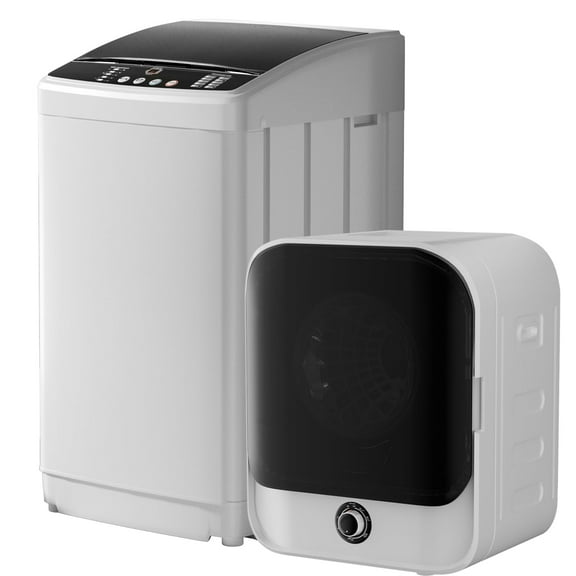
A stackable washer dryer setup can help you use vertical space in tighter rooms. You should confirm stacking kit compatibility, because not every washer pairs with every dryer.
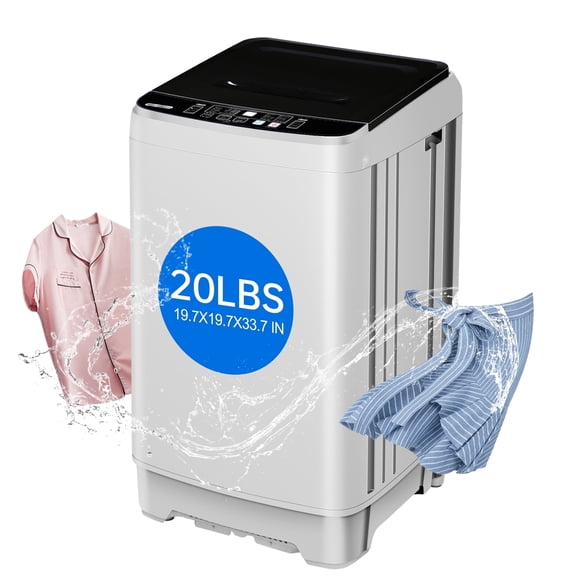
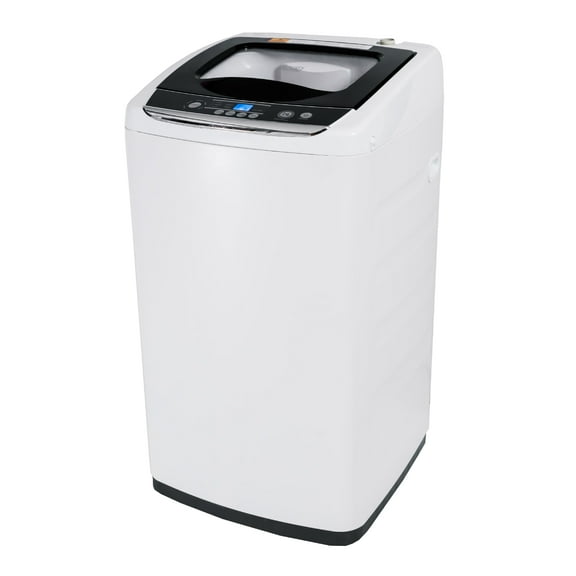
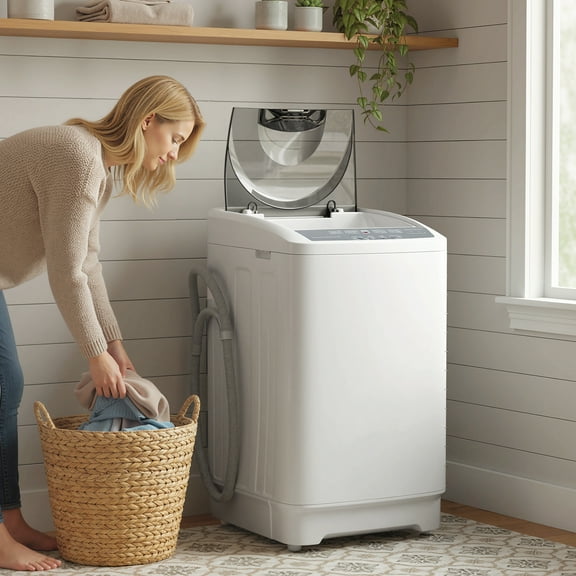
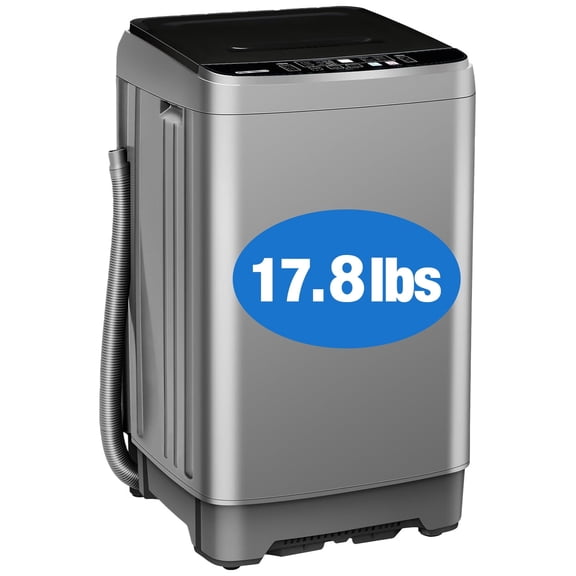
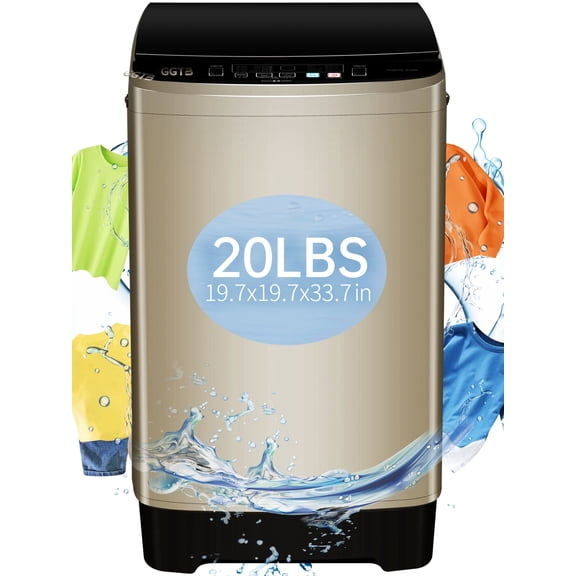
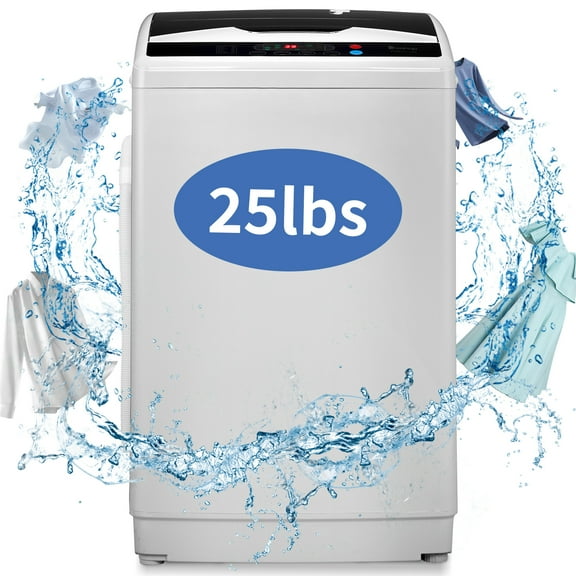
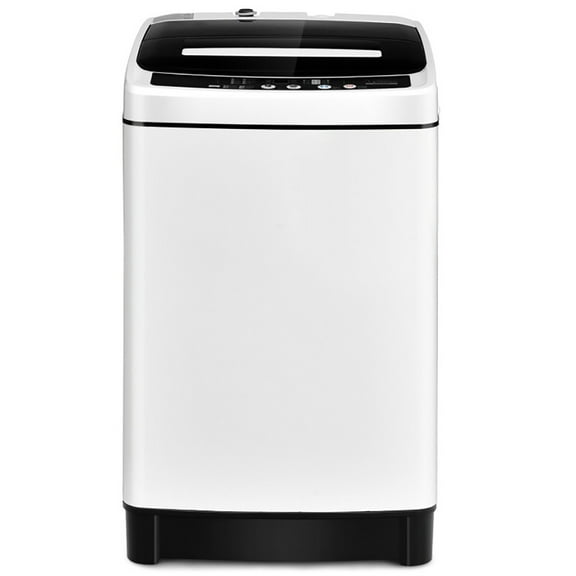
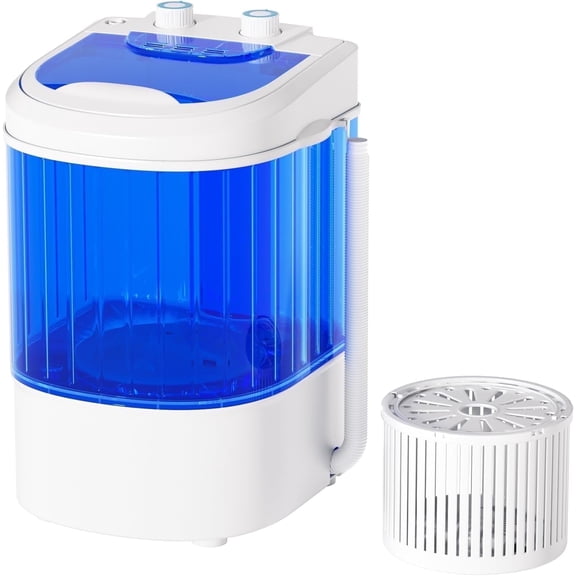
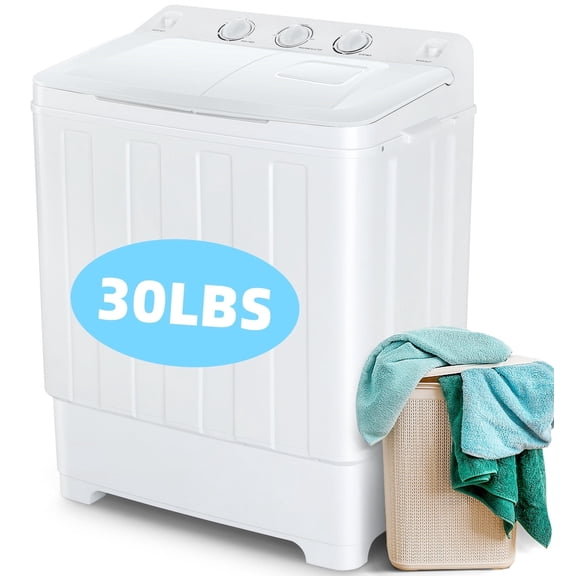
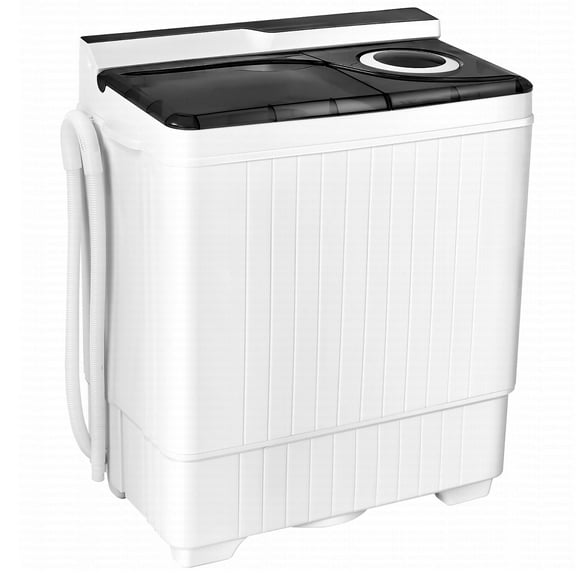
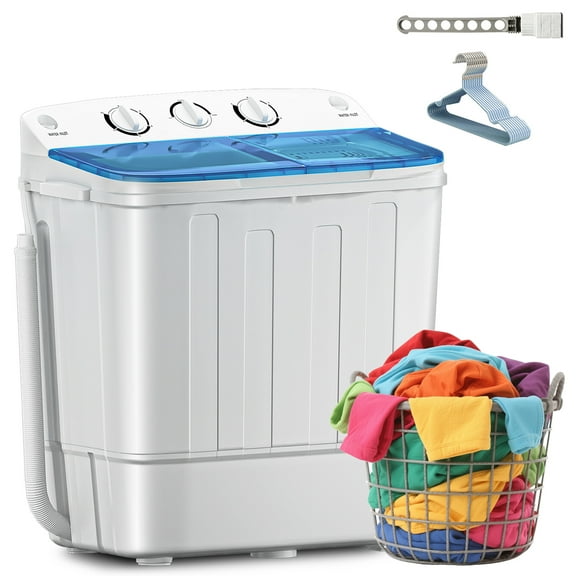
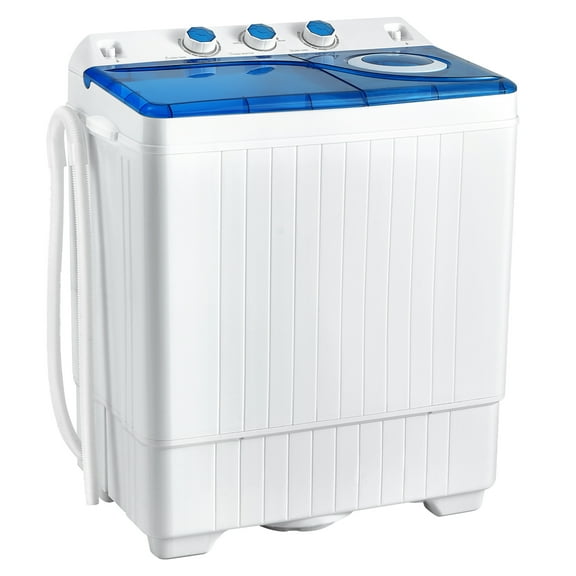
If you want a compact setup, a portable washing machine can suit smaller spaces or flexible laundry areas. If you want both functions in one footprint, you may consider an all-in-one combo.
You can also compare side-by-side layouts when you have wider floor space and want easier access on both appliances. You should measure walkways and hookups so installation fits your room smoothly.
Agitator versus impeller and cycle features
You should compare agitator and impeller systems based on fabric mix, load size, and preferred wash motion. That choice can affect tub space, loading style, and how you sort daily laundry.
A top load washer with agitator gives you a central post that creates a traditional back-and-forth motion. An impeller washer gives you a flatter base that can leave more room for bulky items.
You may also look for cycle options that fit your routine. Steam cycle settings, quick wash options, and auto-dispense features can help you handle different fabrics with less guesswork.
If you want connected convenience, a smart washing machine with Wi-Fi enabled controls can simplify cycle monitoring. You can check whether app features, alerts, and remote start fit your routine.
What to look for in efficiency and technical specs
You should review efficiency details because they can shape long-term utility use and cycle performance. Look for Energy Star information and CEE tier details when those specs matter to your planning.
You can treat those ratings as decision tools, not just labels. They help you compare water and energy use across similar sizes and configurations.
You should also check spin speed, cycle count, and dispenser design with your laundry habits in mind. Higher spin performance can leave items less damp, which may support faster dryer transfer.
Washing machines for real household needs
If you wash sports gear, school clothes, and towels every few days, you may want standard or large top-load models. You can pair that choice with an agitator or impeller based on your preferred wash style.
If you live in a condo or apartment, you may need compact dimensions and careful door clearance. You can focus on stackable washer dryer options or a portable washing machine for tighter footprints.
If you wash bedding often, you should compare large capacity drums and wider openings. You may also want a front load washing machine when you need stacking flexibility in a narrow room.
If you want fewer routine steps, you can look at smart controls, auto-dispense, and cycle presets. You should match those features to how often you wash and how much control you want.
You can choose washing machines with more confidence when you compare space, capacity, configuration, and wash action together. That approach helps you narrow the field to a washer that fits your room, routine, and laundry volume.