

PeerlessGinkmanKNK BoutiqueLafatiX-BULLVEVORISSEZoneTechGoodyearArcticwindKFFKFFSecurity Chain CompanyJeremywellBanzchInstatractionGrizzlarFankiwayAutoSockPeerless MantlesUnbrandedYIYITOOLSmowerpartsgroupOakTenJohn DeerePiedmont ChainThe ROP ShopKCGYNPEbaokuupGenericLKLMSWOCTEEGCQuality ChainSuper ZCub CadetSedonaLIAAAXSlsyNOBRANDCPOMSwznxdoFohilDNA MotoringMbvtdtShuliwenPLPPYFSBIERELAOZIFnochyRaismanABORONFIRZEROKozakTireChain.comFicisogRELIABLE AFTERMARKET PARTS OUR NAME SAYS IT ALLFOMIYESHACUSLOLIPPYYCloyesMytee ProductsKarParts360BESTYASHNishiyuenyiOunonaMilistenAuroraxLanjingMENGBANNOFFIGAMTABLZONEyotijayCeveminELAYARDJoyMagicSecurtychainDACHUANEtereautyHONMEETTotal ToolsFENGGUIQUMellingWeloilleHearth & HavenTechToyHubCTIRCHIUMOKKHNBTianyuxxxTTTANXIONGWEUVEBDicklyGenuineRotarySIELUNOUPOUARTALBHFAllStatesAgPartsAmosfunIWISMIXDROVENovazelynOregonPhenoficeTalenvixBaluueCATIEBYEFLEXIRANFUTUREORYYGETAJGHSDHEANUJJLuxshinyOuliiSeravilonUPGRATORYardweZGTOYSFGDTREEHealiftyKAKOWELYKONTONTYLinyiiiiiiNICERIOPbpboxREOFLYUPTITINICECOMPUKAScpengpjDEEPCRAFFDuravixonfuntasicaGAXIREGecauGUIHYLRNHEATSHAKINGINA USJienlioqKarymiKravidianNEOBLINXNicehomfitoefntacPGPartsPOPETPOPRareelectricalRoaattaROVTECTRuiJiaoSOPOTUTUTANGANNIEToyandonaWESIEVYAYUNLIGHTSaaayadameinvBTLIGECOOPHYAExhodenFebi BilsteinGo-for-GoldGuangLvvHomemaxsHOOWIFFYLITINKIMILumkixnicexmasOntiwespathsideQuadBossRAFGALDEXRENACLIPYRIONIMARNLUGMRXMEKWSUPVOXUuiauoioWRITWAAXYRSRUWYIMWNYIYOSADIERYUSUIYIDZENTRIVAZHaobinAcaigelArghmBIBABLYKEBQBQERTCadornCENLBJCRILSTYLEODV8 OffroadEWXYFogcrollFONDOTINHueycsaaHxlamzooIDEANATEGRATEIPEWLEXKraodenLIFKOMEMTDMyrvandaPorfeetPRETYZOOM
Tire Chains and Traction Accessories for Vehicles
Uses item details. Price when purchased online










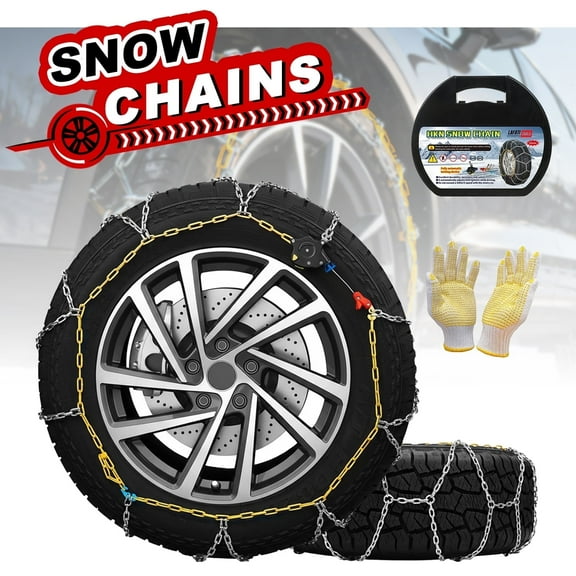
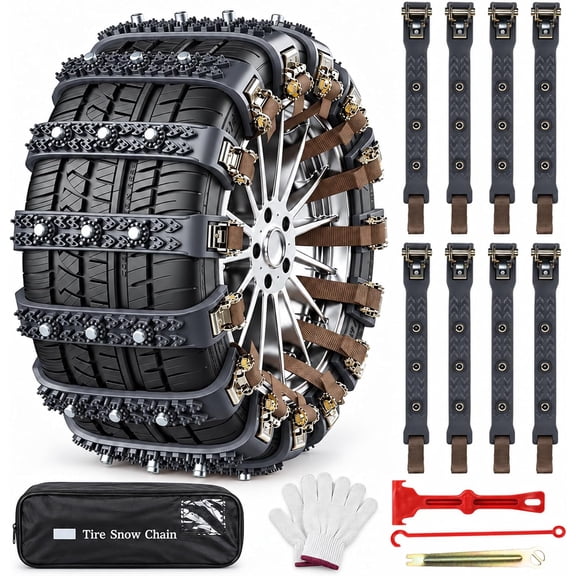
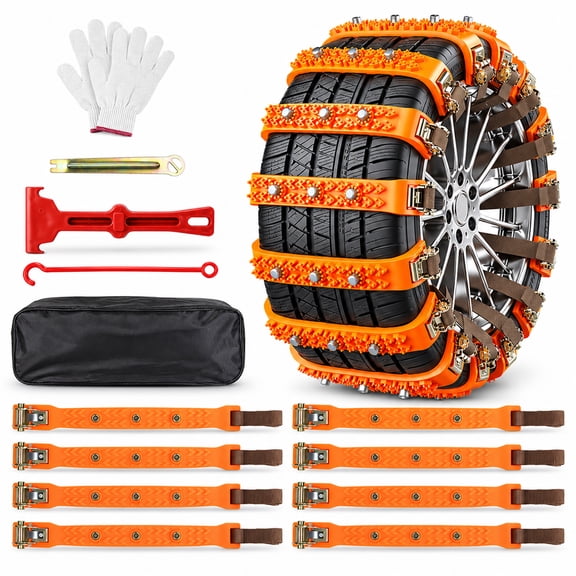
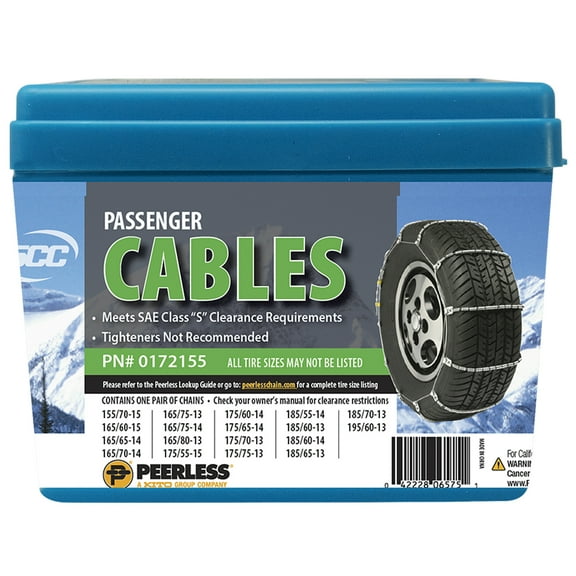





About Tire Chains and Traction Accessories for Vehicles - Walmart.com
Outdoor Entertaining Essentials: Safer Wheels for Any Road
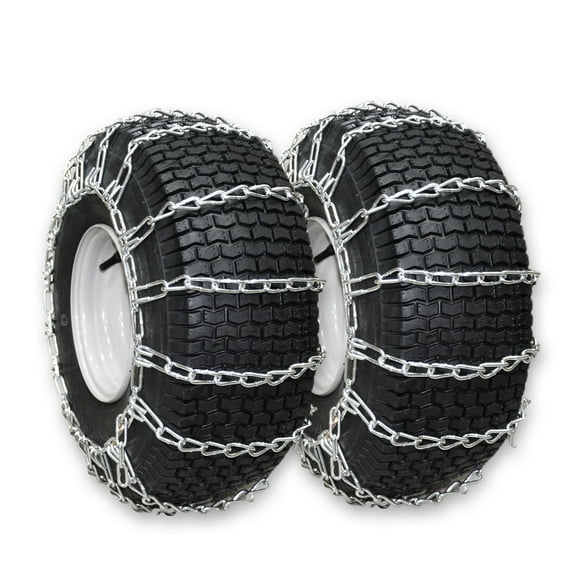
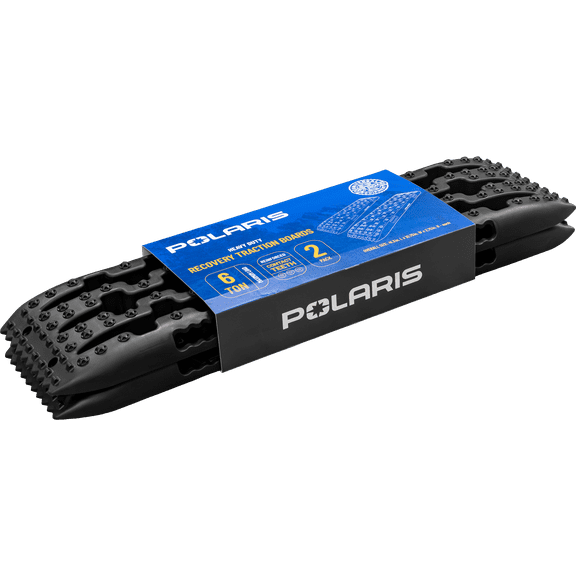
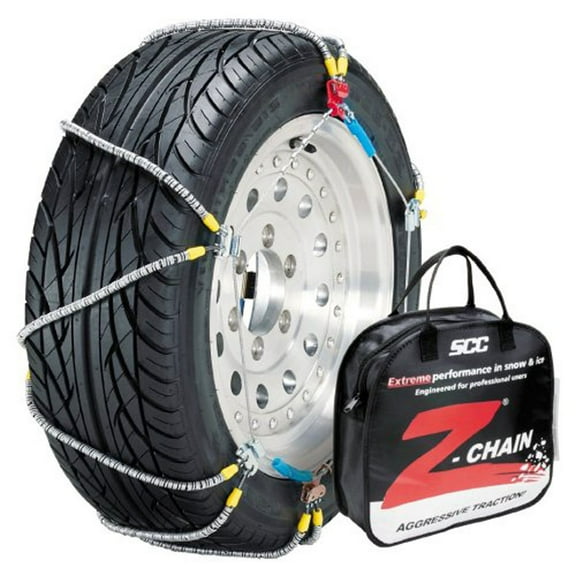
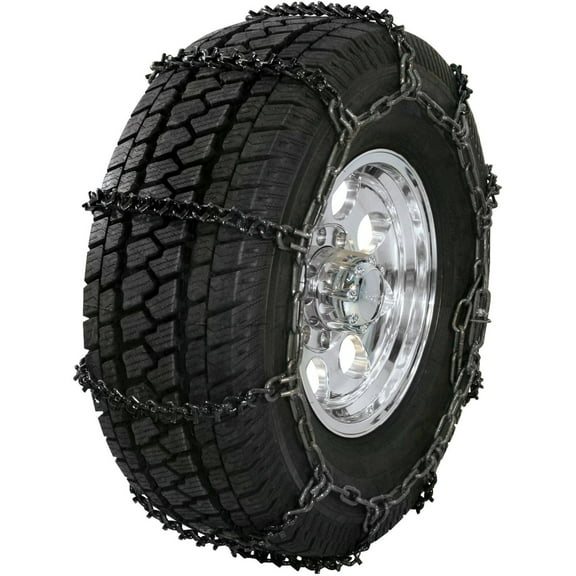
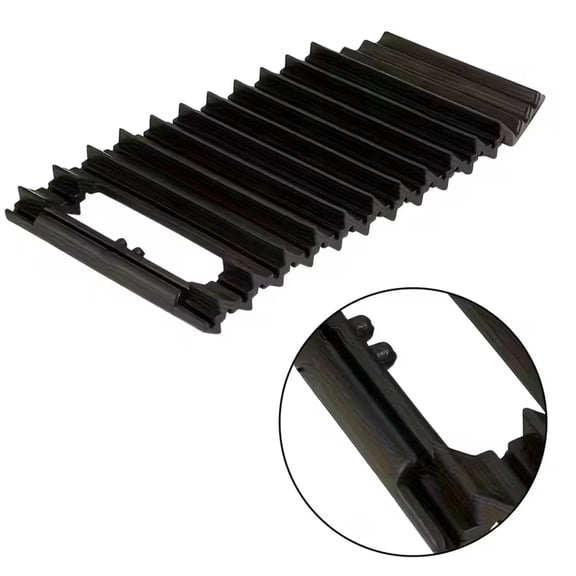
Preparing for memorable outdoor gatherings means ensuring everyone arrives safely, no matter the weather. Walmart's selection of tire chains and traction boards equips vehicles to handle snow, mud, and sand so you can focus on enjoying your event. Choose from diverse traction solutions designed for cars, trucks, and SUVs—making seasonal and spontaneous entertaining easier.
Key Benefits for Outdoor Hosts
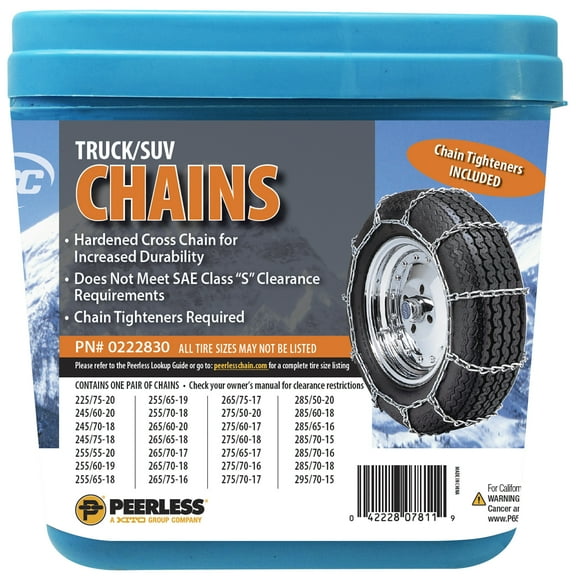
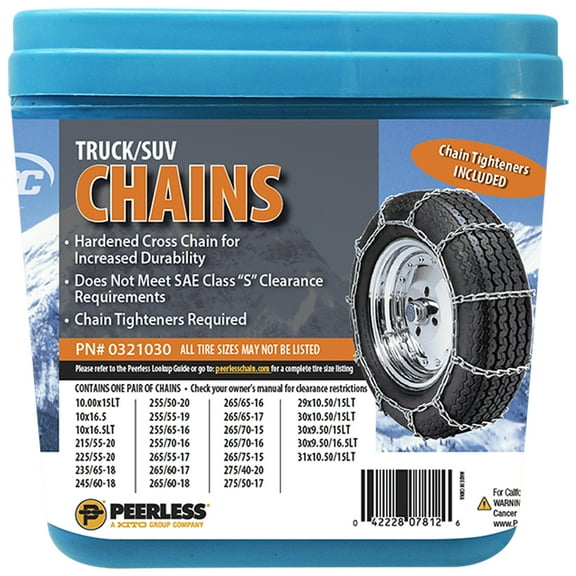
- Customized Compatibility: Locate tire chains and mats by vehicle type and tire size to secure reliable performance, whether you're hosting guests driving passenger cars or larger pickups.
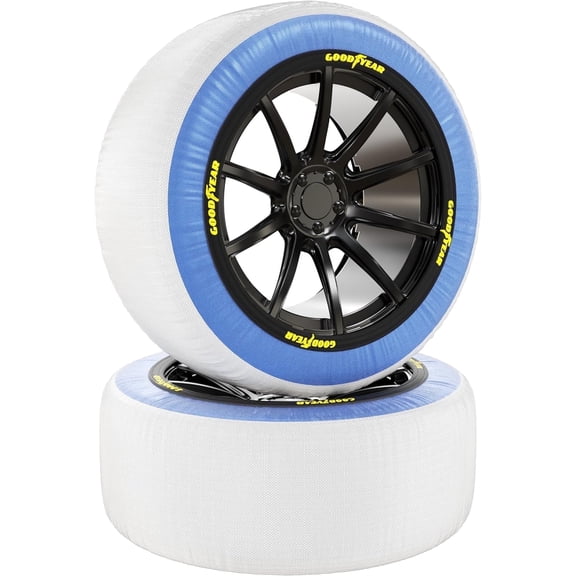
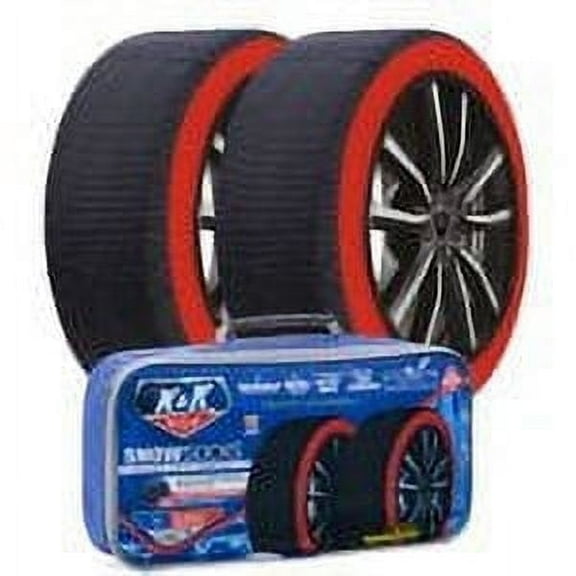
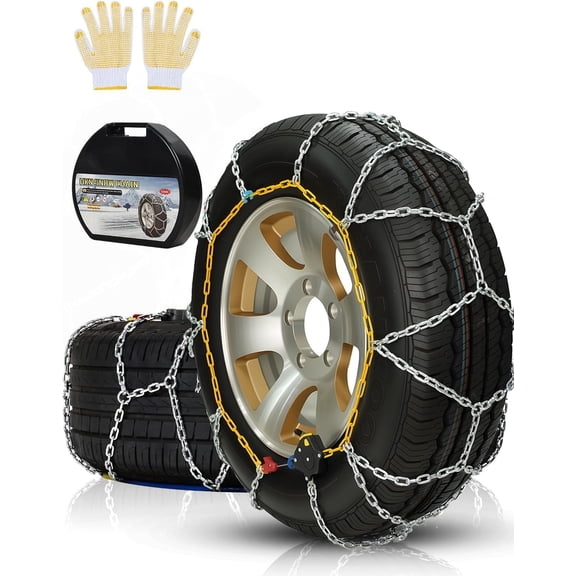
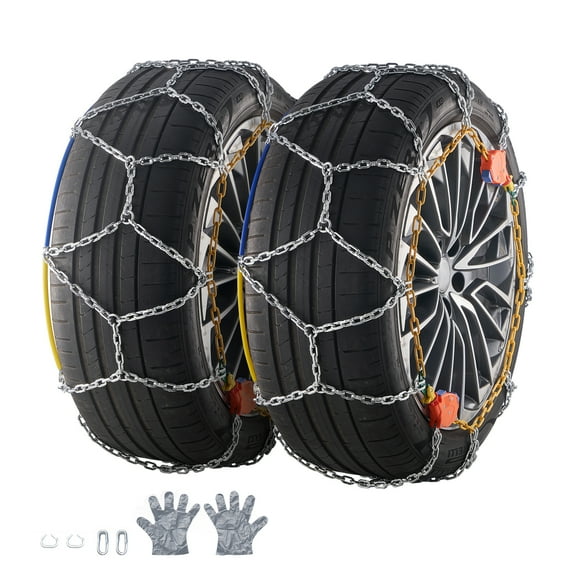
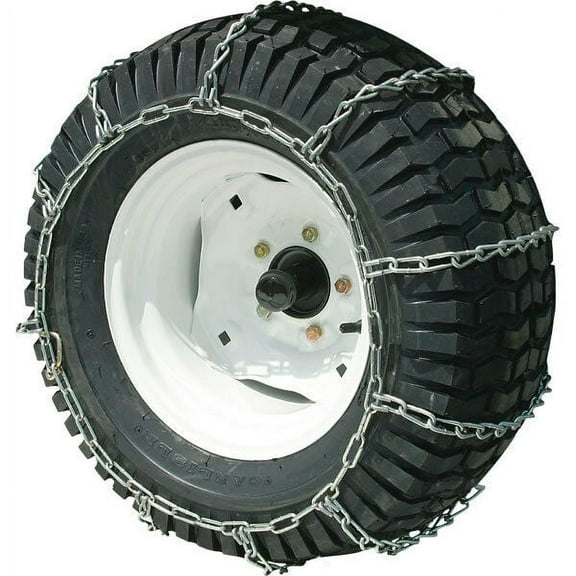
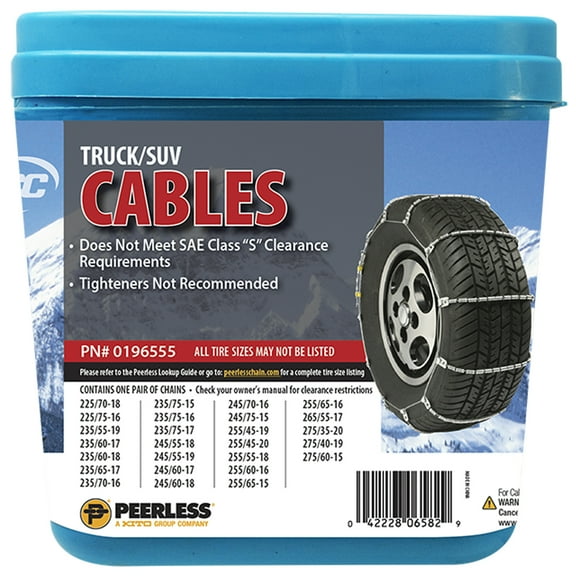
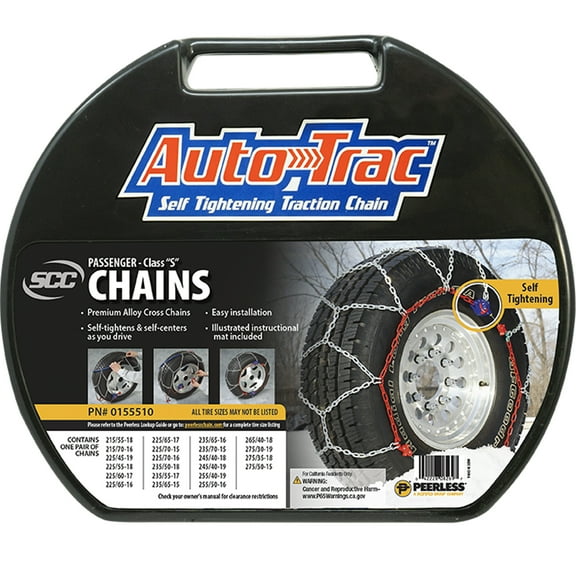
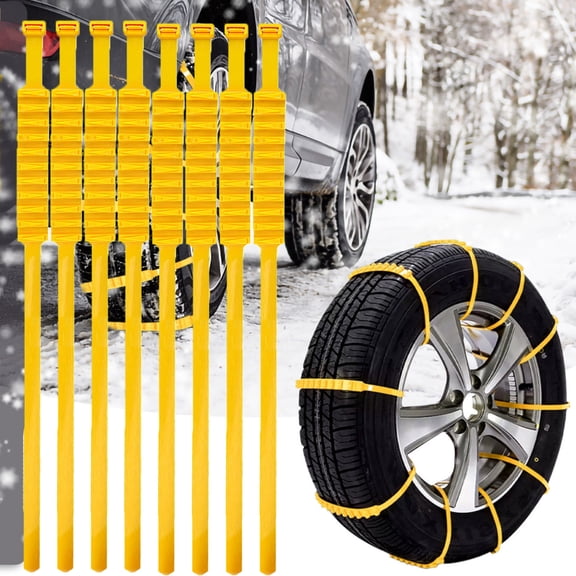
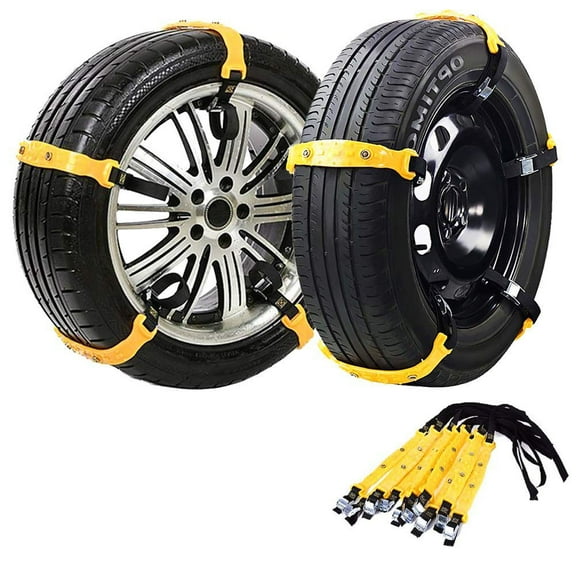
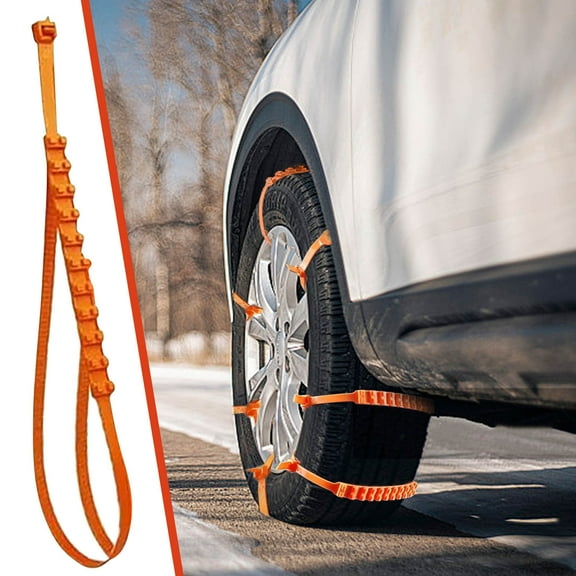
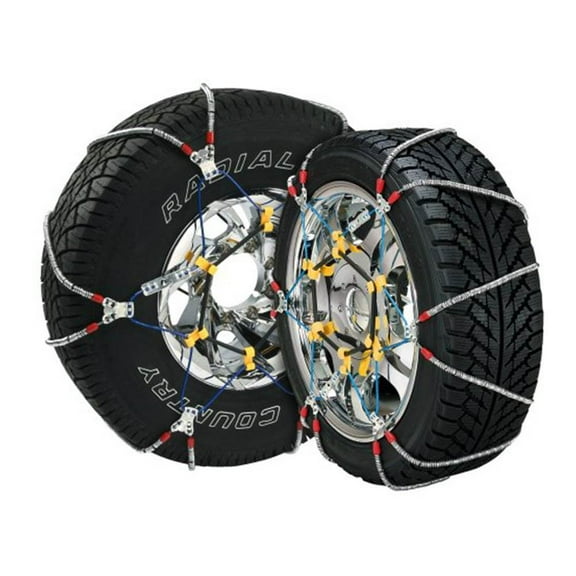
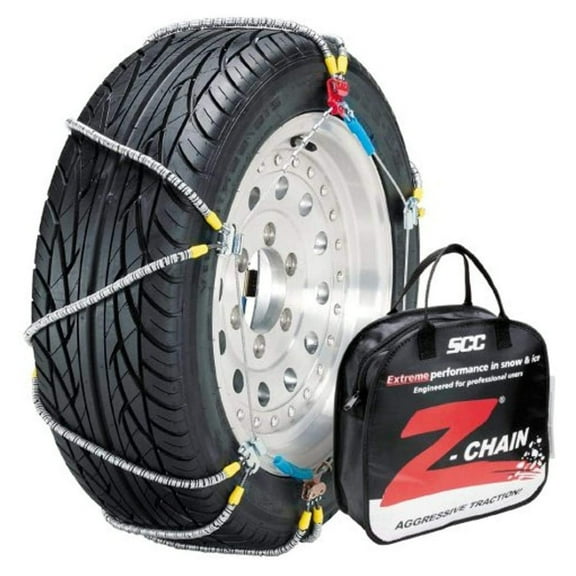
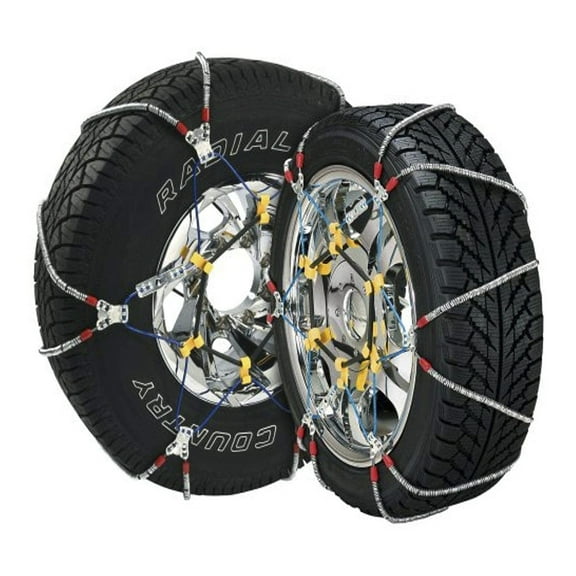
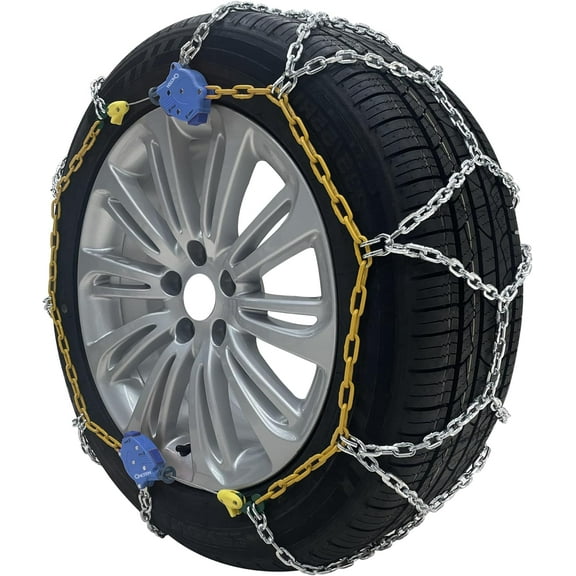
- Flexible Traction Solutions: Explore options including snow chains, cable snow chains, and tire snow socks to match clearance needs and installation preferences for outdoor gatherings.
- Versatile for All Adventures: Find products designed for routine commutes, emergency use, or cross-country drives—supporting planned events and last-minute entertaining.
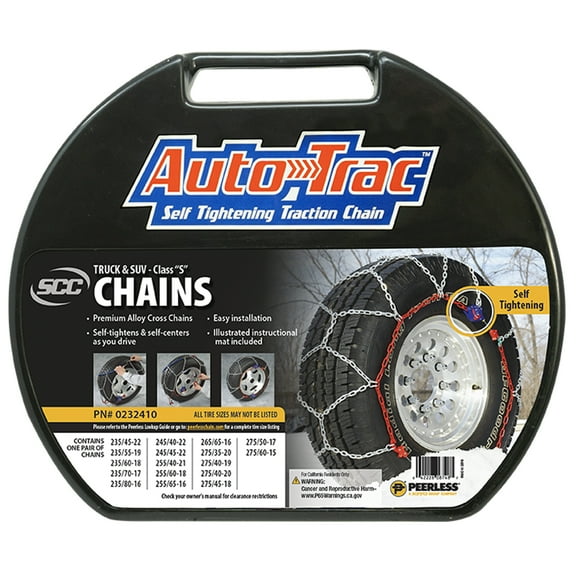
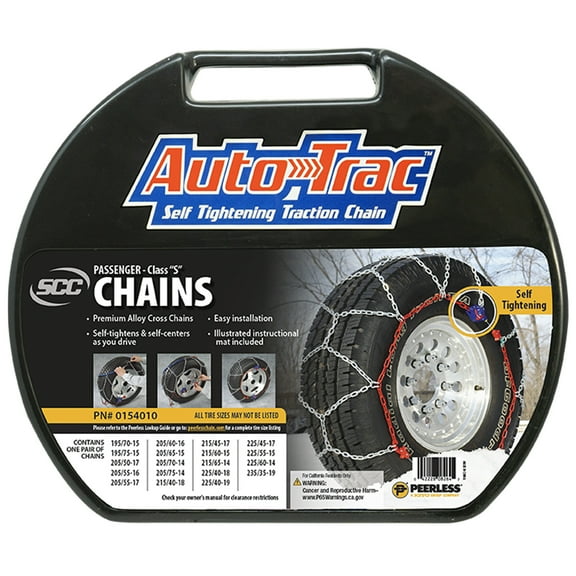
- Effortless Installation: Self-tensioning, manual-tensioning, and quick-install designs help reduce hassle, letting you quickly equip vehicles for changing conditions.
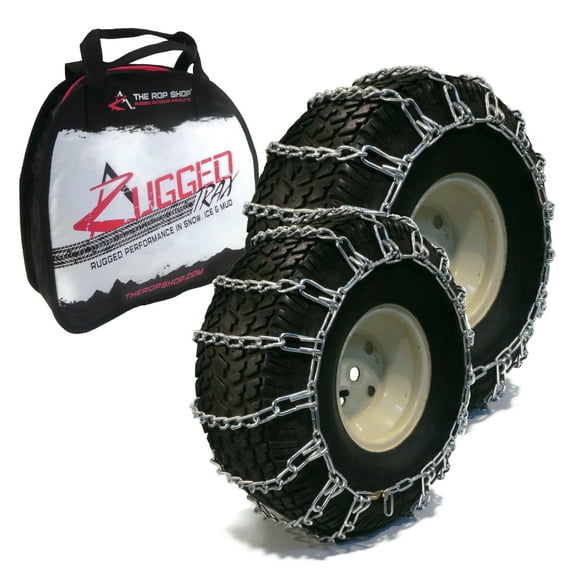
- Durable Materials for Safety: Compare steel, polymer, and alloy construction to choose solutions that withstand unpredictable weather—keeping your outdoor entertaining plans on track.
- Easy Preparation & Compliance: Access accessory kits and fit guides to ensure readiness, and verify chain law compliance for every region where your guests may travel.
Confident Hosting Starts Here
Shop at Walmart for a wide choice of tire chains and traction boards, and simplify travel to your next outdoor event. Our helpful guides and diverse solutions give you confidence to entertain, knowing you’re prepared for every forecast.