

Womens Base Layers & Thermals in Womens Outdoor Clothing















About Womens Base Layers & Thermals in Womens Outdoor Clothing - Walmart.com
You can upgrade cold-weather comfort with a womens thermal base layer that helps you stay dry, move easily, and layer without bulky extra pieces. You’ll find this category focuses on close-to-body warmth, flexible fabric choices, and weight options that match daily wear, hiking, skiing, and commuting.
When you compare warm layers for women, you’ll want guidance that matches how you dress and how active you stay. You can use this guide to compare fabric, warmth level, sleeve style, and fit before you choose your next cold-weather staple.
Choosing a womens thermal base layer
You should start with the job your layer needs to do, because base layers work differently than sweatshirts or fleece pullovers. You’ll wear them next to your skin, so the right choice helps manage moisture and keeps your outfit easier to stack.
If you’re building a winter system, you can think in three parts: base, mid, and outer layers. Your base layer handles comfort and moisture, while your mid layer adds insulation and your shell blocks wind or wet weather.
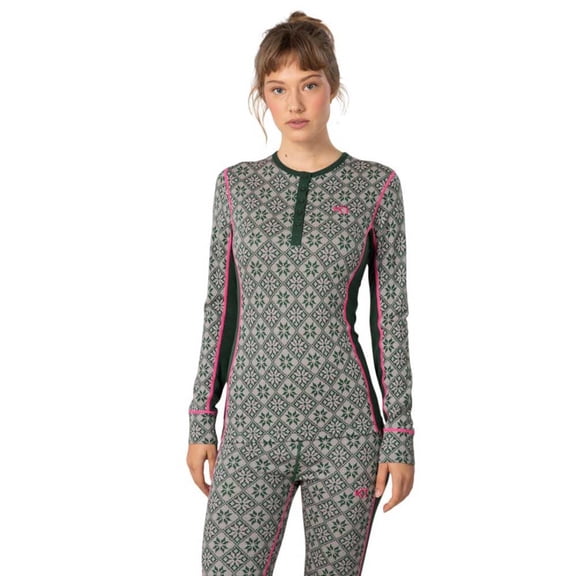
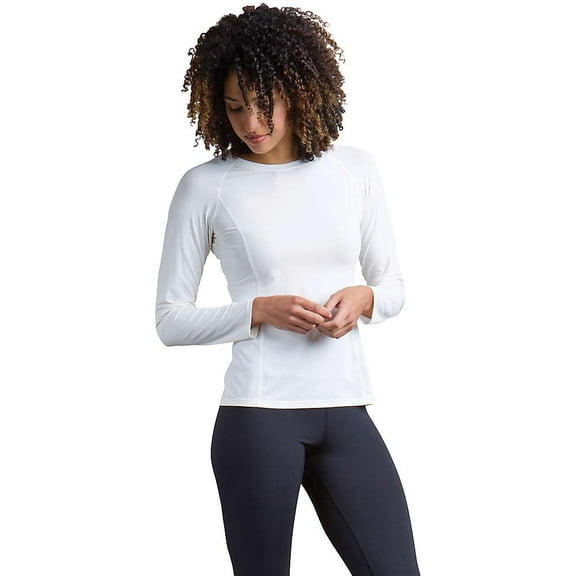
You may notice that thermal base layer women styles come in tops, bottoms, and coordinated sets. You can choose a women’s base layer shirt for flexible daily layering, or pick leggings and sets for more complete coverage.
How to compare materials and warmth
You can often narrow your options by fabric first, because material changes feel, warmth, and care needs. You’ll usually see merino wool, synthetic polyester, silk, and cotton blend options across this category.
If you choose merino wool, you’ll get a soft feel with natural temperature regulation and odor resistance. You can wear it for long outdoor days when you want steady warmth without a heavy feel.
When you pick synthetic polyester, you’ll usually get quick moisture-wicking performance and easier care. You may prefer it for skiing, running, or training, because you’ll stay more comfortable during higher-output movement.
If you consider silk, you’ll get a lighter, smoother layer that fits easily under fitted clothing. You can use it when you want discreet warmth under workwear or dressier winter outfits.
When you look at cotton blends, you’ll often find a familiar hand feel and casual comfort. You may like them for everyday wear when you want light insulation for errands, lounging, or short outdoor stretches.
- You can choose lightweight fabric for brisk walks, cool offices, and high-activity days.
- You can use midweight options for balanced warmth during regular winter weather.
- You can rely on heavyweight styles when you want fuller coverage in deeper cold.
- You should compare material and warmth together, because fabric feel changes how each weight performs.
You’ll want lightweight pieces if you move a lot and generate heat fast during runs, hikes, or long travel days. You can choose midweight when you need a versatile layer that works indoors and outdoors.
If you face harsher conditions, you’ll want heavyweight options that add more insulation under snow pants or outerwear. You can use them for lower-output activities, early mornings, or extended time outside.
What to look for in thermal layer womens fit and design
You should check fit next, because a base layer works differently depending on how close it sits. You can choose compression, athletic fit, or relaxed fit based on how you layer and move.
If you prefer compression, you’ll get a close feel that stays smooth under ski pants, bibs, or slim outerwear. You may choose it when you want your layer to stay put during active sports.
When you pick an athletic fit, you’ll get a shaped silhouette without an extra-tight feel. You can use it for hiking, commuting, or everyday winter wear when you want easy mobility.
If you choose a relaxed fit, you’ll have more room for casual layering and less cling. You may prefer it when you want a looser feel for home, travel, or laid-back outdoor time.
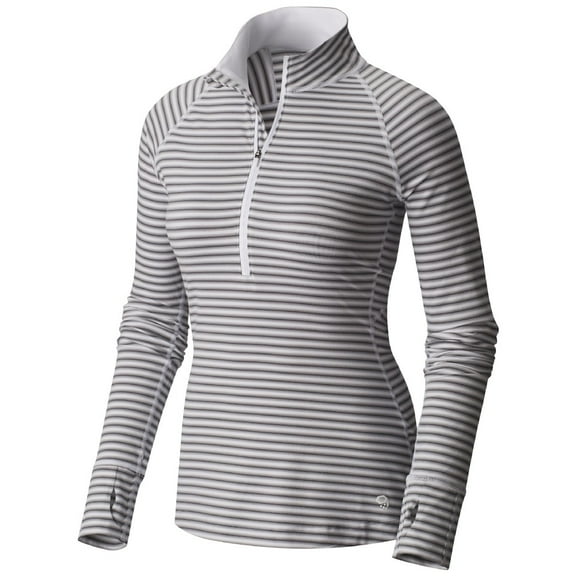
You should also compare sleeve length and style before you commit to a layer system. You can choose a womens base layer long sleeve for core winter use or short sleeves for lighter layering.
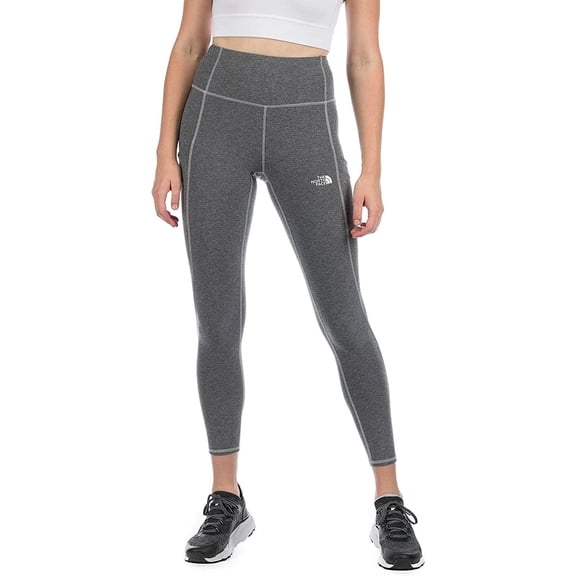
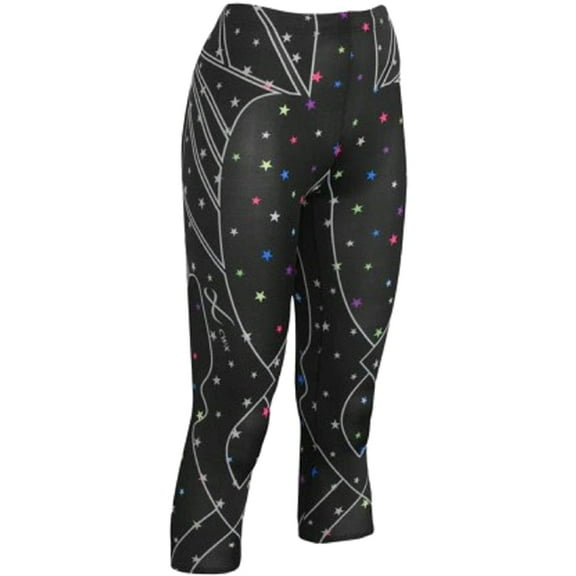
You can also choose leggings for lower-body warmth or a set for head-to-toe coordination. You’ll find these options helpful when you want consistent coverage across changing winter plans.
For higher-intensity activity, you’ll want details that support movement and comfort over time. You can look for flatlock seams to reduce bulk and four-way stretch to help your layer flex during turns, climbs, and quick strides.
You may also want to check neckline, waistband, and cuff design, because those details affect how your layer stacks. You’ll notice smooth cuffs and low-profile waistbands fit more cleanly under gloves, jackets, and snow pants.
Matching thermal layers for women to real use
You can match lightweight synthetic pieces to skiing, snowboarding, and fast-paced winter hikes when you expect steady movement. You’ll appreciate breathable fabric and stretch when you’re layering under insulated jackets and technical pants.
If you want everyday comfort, you can pair a midweight women’s base layer shirt with jeans, joggers, or work pants. You’ll get dependable warmth for commuting, school drop-offs, outdoor events, and chilly offices.
You may choose merino styles for travel, cabin weekends, or long days outside when outfit changes are limited. You’ll like how easy they feel to rewear during packed schedules and changing temperatures.
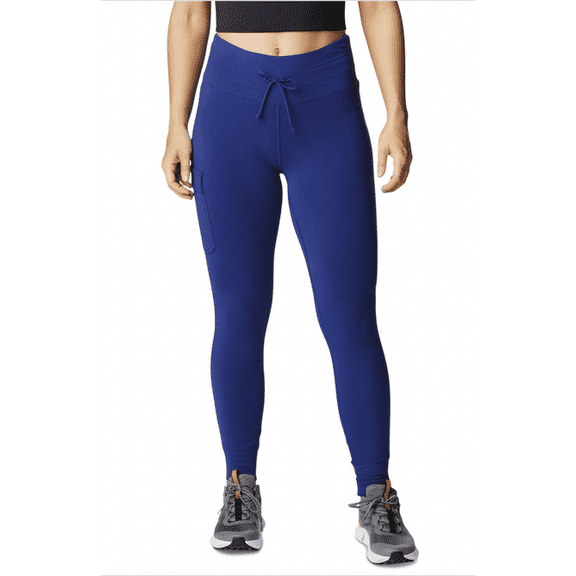
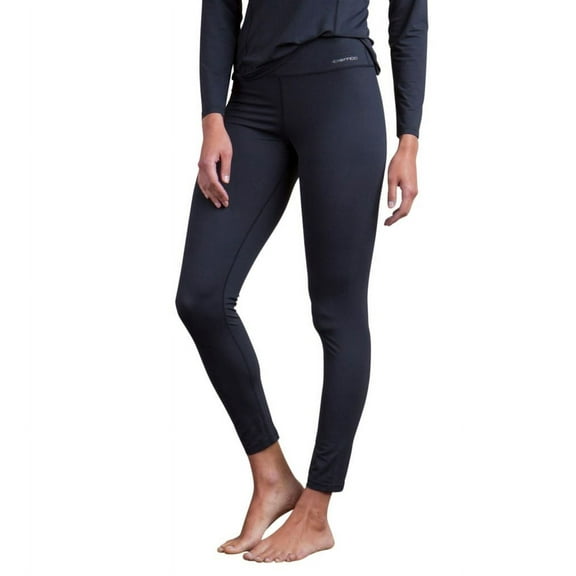
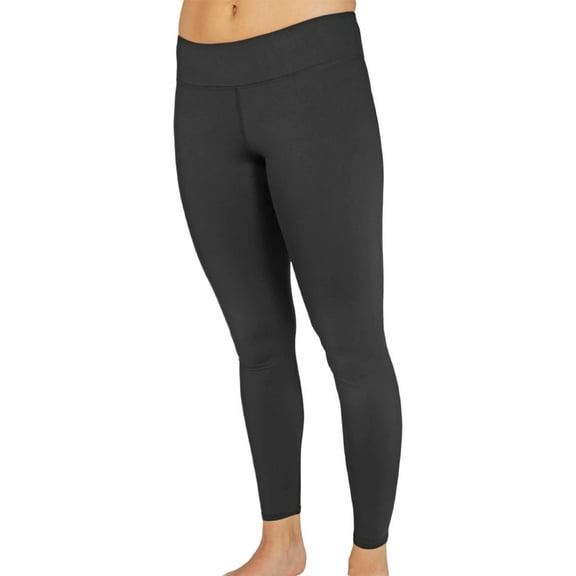
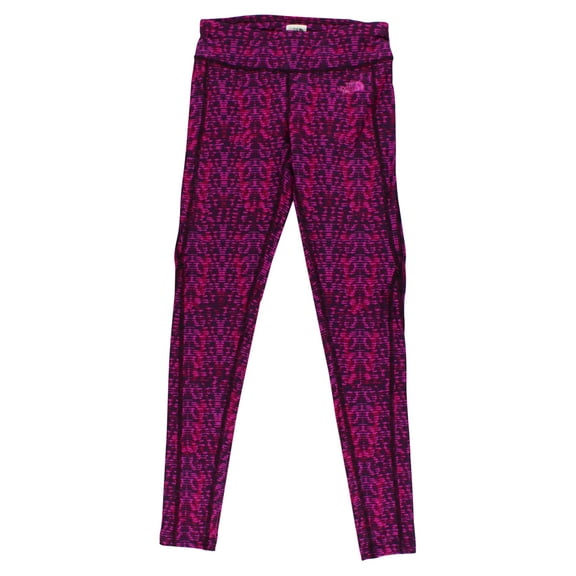
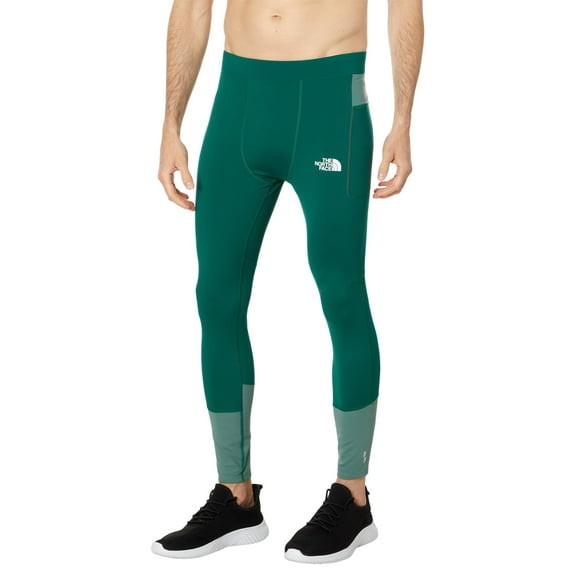
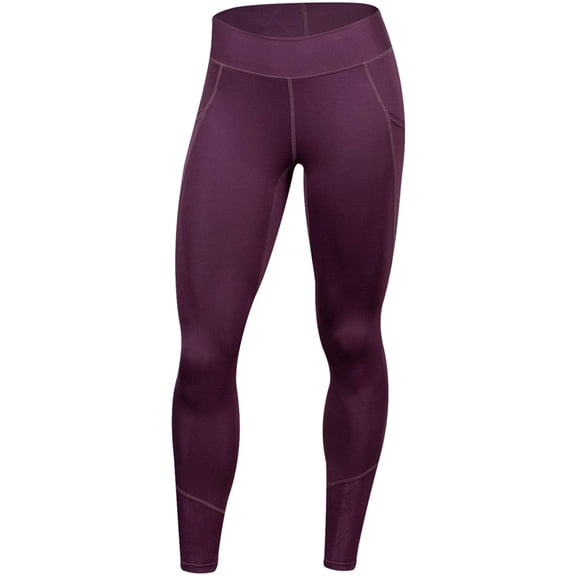
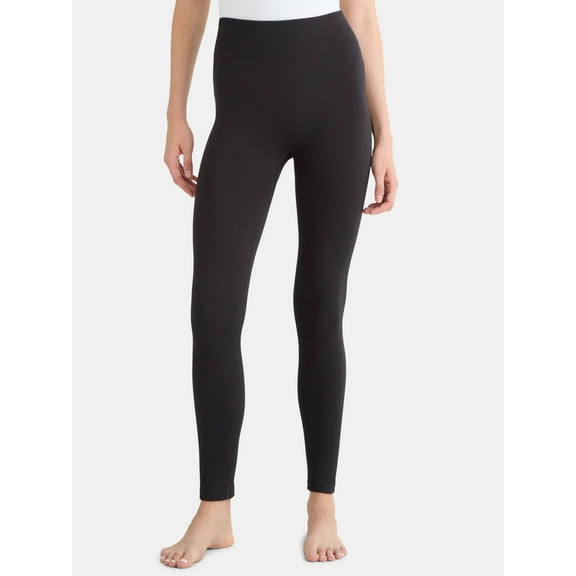
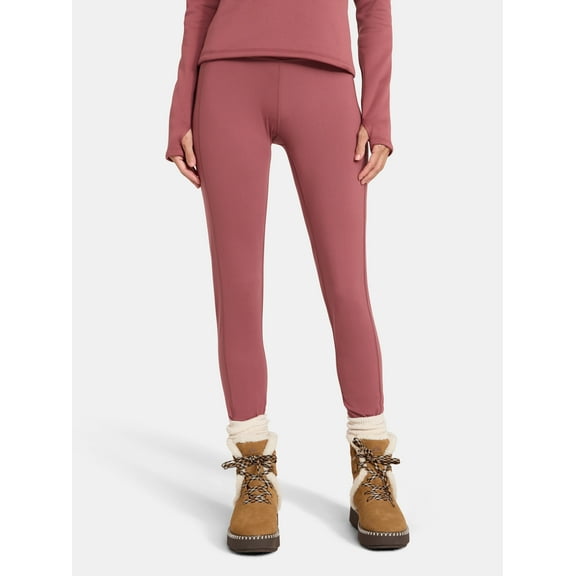
When you need lower-body coverage, you can use thermal leggings under snow pants, rain pants, or everyday bottoms. You’ll get a smoother fit than bulky layers, so your outfit stays easier to move in.
If you want a coordinated setup, you can choose a set that keeps top and bottom weights aligned. You’ll simplify winter dressing when you want the same fabric feel and warmth from shoulder to ankle.
You should think about your outerwear too, because base layers work as part of a system. You can pair lighter thermals with insulated coats for city wear, or combine heavier layers with shells for mountain conditions.
You can feel more confident choosing from this category when you compare fabric, weight, style, and fit in practical terms. Your womens thermal base layer can deliver smoother layering, steadier warmth, and comfort that matches how you move through winter.