

Skateboards & Skate Boards | Complete Skateboards

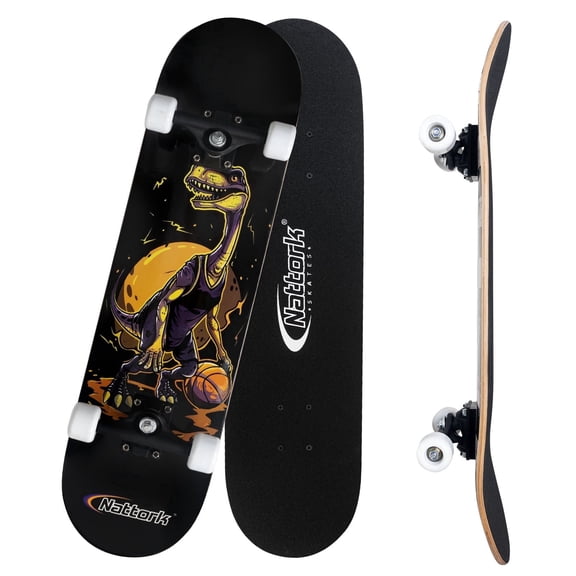


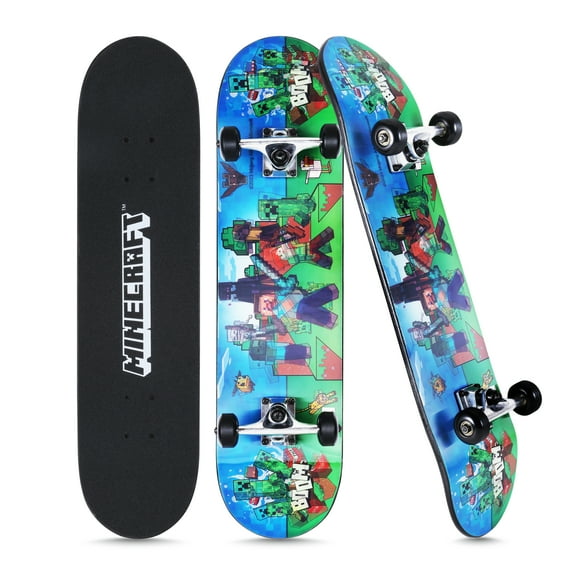

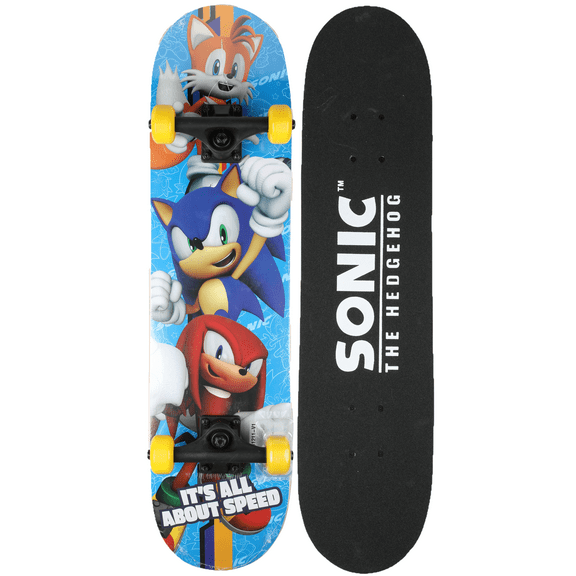


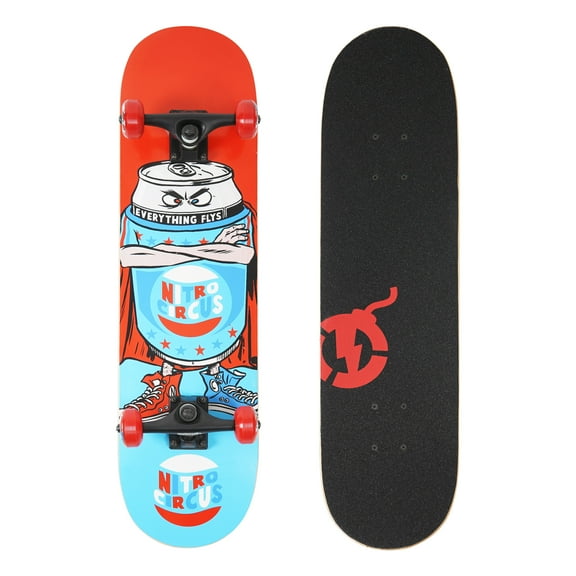


























About Skateboards & Skate Boards | Complete Skateboards - Walmart.com
Skateboarding gives you a clear place to compare boards, parts, and protective gear before you pick your setup. You can sort through complete skateboards, deck widths, and wheel options with practical guidance that fits real riding styles.
If you're buying your first board, you likely want easy setup and straightforward sizing. If you're upgrading parts, you may want more control over deck width, trucks, wheels, and grip tape.
How to choose skateboarding essentials
You can narrow your options faster when you start with how and where you ride. You may want a complete setup for quick starts, or separate components for a more customized feel.
For day-to-day use, you should compare board type, deck width, and skill level together. That approach helps your board feel more stable under your feet and more suited to your routine.
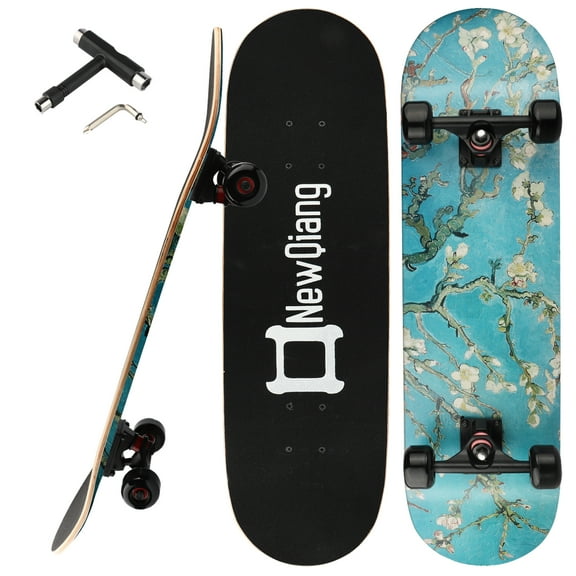
- You can start faster with complete skateboards that arrive ready for rolling.
- You can fine-tune ride feel when you choose skateboard decks, trucks, wheels, and bearings separately.
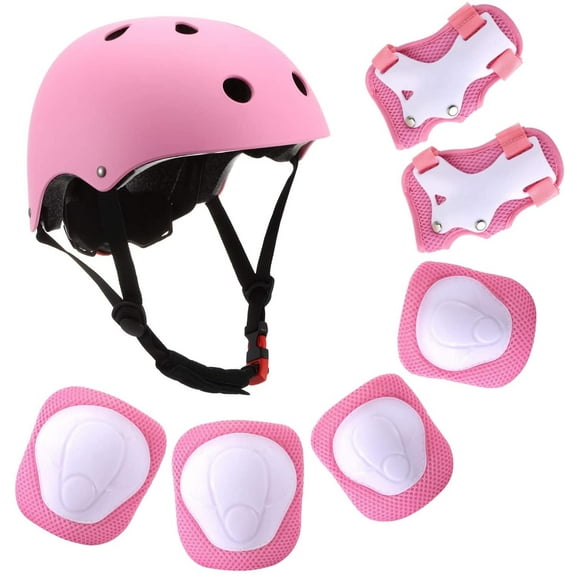
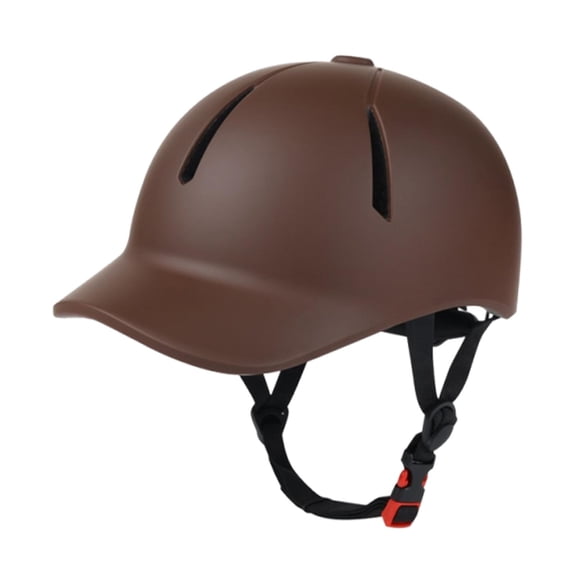
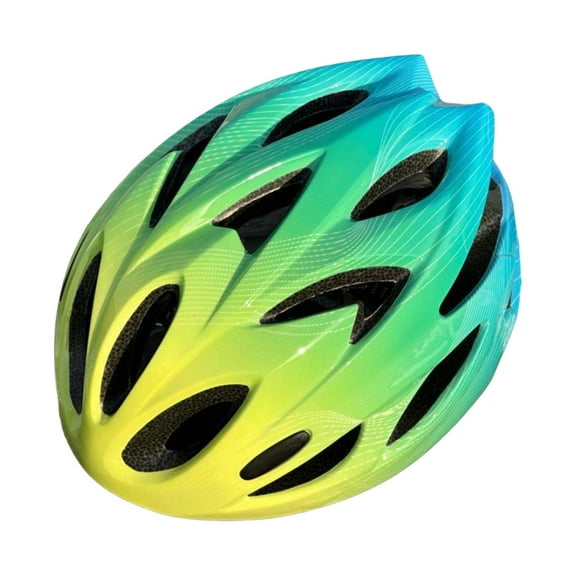
- You can support learning with protective gear like helmets, pads, and skate tools.
- You can match board shape and width to your shoe size, balance, and riding surface.
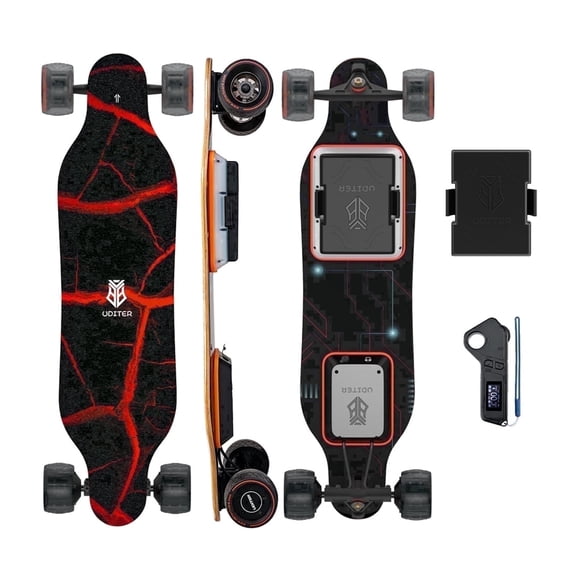
You may notice that the right setup changes how easily you push, turn, and balance. You can also reduce guesswork when you compare cruiser boards, longboards, and penny boards by intended use.
Choosing between complete skateboards and custom setups
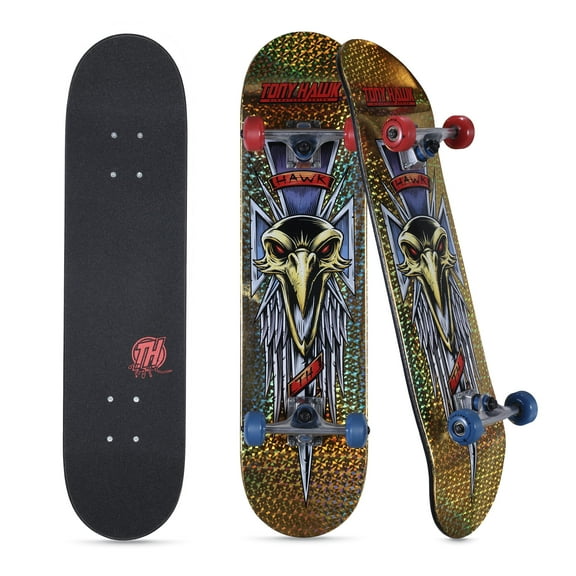
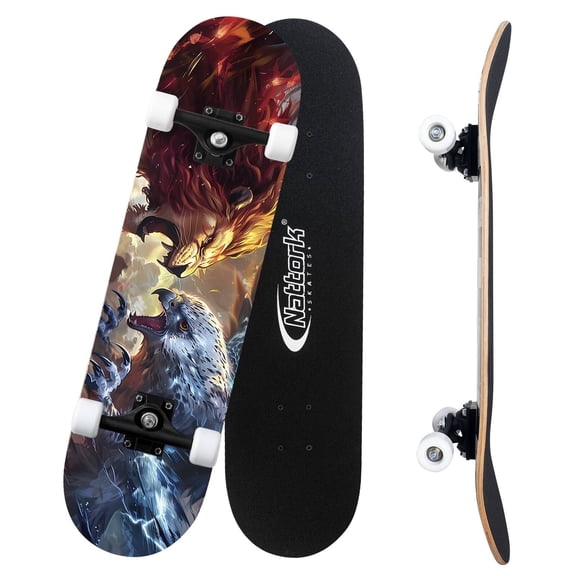
You should consider complete skateboards if you want convenience and fewer moving parts in your decision. You can start with one assembled option and focus on stance, balance, and basic technique.
If you want to build your own setup, you can choose each component based on your riding goals. You may prefer separate skateboard decks, trucks, bearings, wheels, and grip tape for more control.
Complete skateboards often suit beginners because you can skip compatibility questions during checkout. Custom builds can suit intermediate and pro riders when you already know your preferred width and wheel feel.
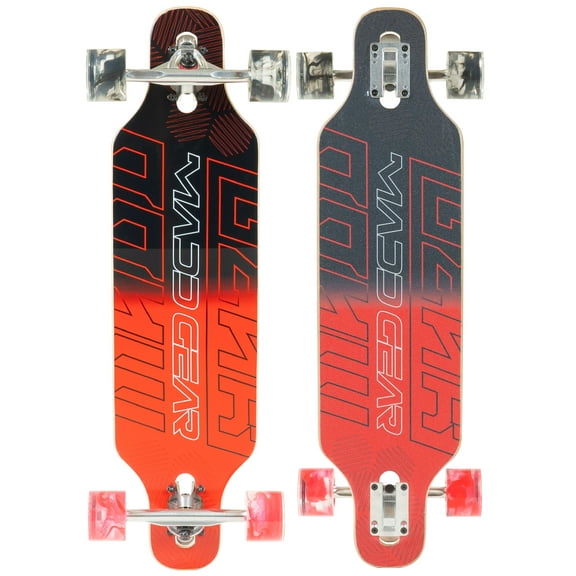
You should also compare board types before you decide. Cruiser boards help you roll through neighborhoods, longboards support longer rides, and penny boards stay compact for easy carrying.
Choosing the right skateboard decks and deck width
You can use deck width as one of your most important sizing guides. You should check your shoe size, riding style, and balance preference before you choose a narrower or wider platform.
Decks from 7.5 to 7.75 inches can feel quicker underfoot for technical street tricks. Decks from 8.0 to 8.25 inches can give you a balanced feel for mixed street and park riding.
If you want more surface area, you may look at 8.5 inches and up. Wider skateboard decks can feel steadier for ramps, bowls, and riders who want extra foot room.
You should compare width with skill level, not just height alone. If you're shopping for skateboards for beginners, a slightly wider deck can help you feel more planted while learning.
What to look for in skateboarding gear and components
You can shape your ride with trucks, wheels, bearings, and grip tape. You should think about turning response, rolling speed, and board feel before you change any single part.
Skateboard trucks affect how your board turns and how stable it feels during landings. You may prefer a setup that matches your deck width so your board feels balanced edge to edge.
Wheel hardness, often called durometer, matters when you ride different surfaces. You can look for harder wheels for smoother park surfaces, while softer wheels can feel more forgiving on rough pavement.
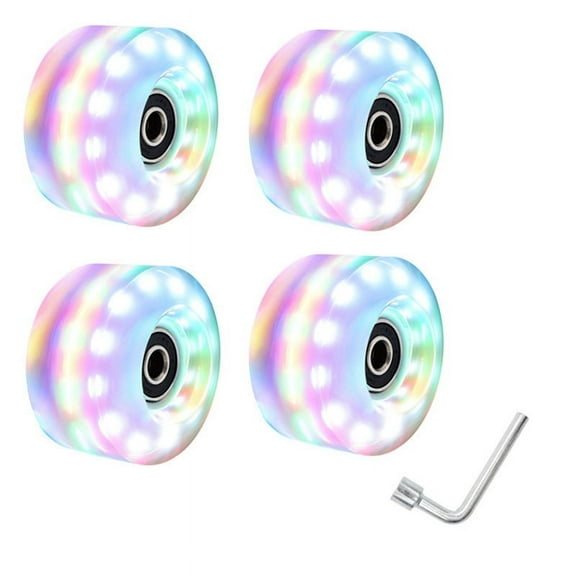
You should also pay attention to wheel size and bearing quality when you compare skateboard wheels. Those details can affect how quickly you roll, how easily you maintain speed, and how your board handles cracks.
Grip tape gives your shoes traction on the deck, and skate tools help with adjustments. You can keep your setup dialed in when you can tighten trucks or swap wheels without extra hassle.
How to match board type and skill level to real use
If you're choosing skateboards for beginners, you should start with simple goals and familiar riding spaces. You may want a complete board, a medium deck width, and protective gear for early practice sessions.
For neighborhood cruising, you can compare cruiser boards and longboards based on route length and turning needs. You may like a cruiser for shorter trips, while a longboard can suit longer, smoother rides.
If you're practicing street tricks, you should focus on deck width, truck fit, and harder wheels. You can build a setup that feels responsive for ollies, flip tricks, and curb sessions.
For park riding, you may prefer a stable deck and wheels that roll smoothly on finished concrete. You should also check whether your protective gear fits securely so you can stay focused on movement.
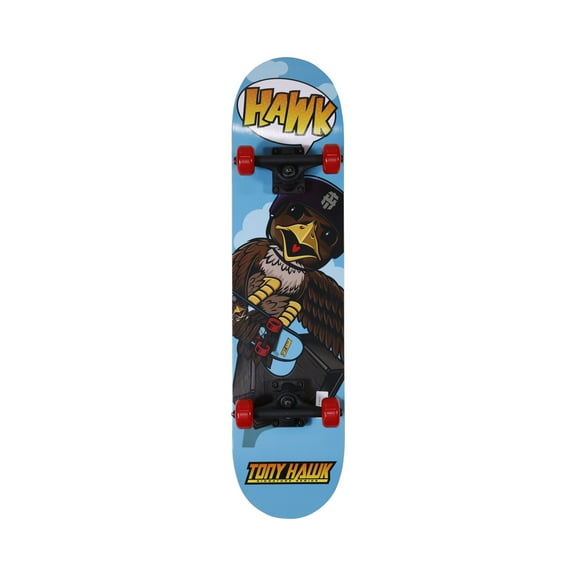
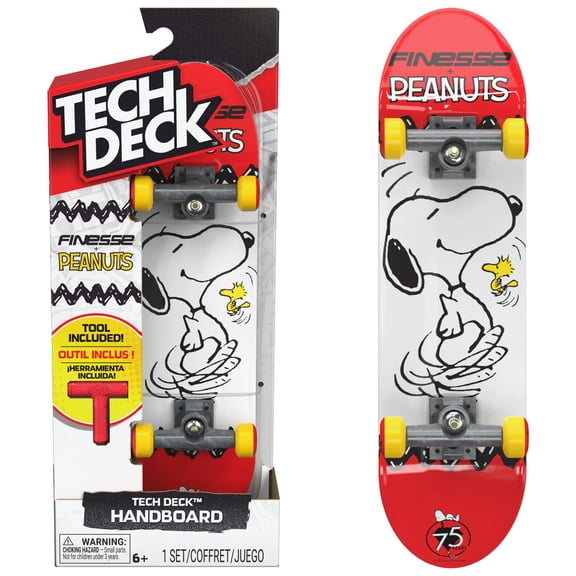
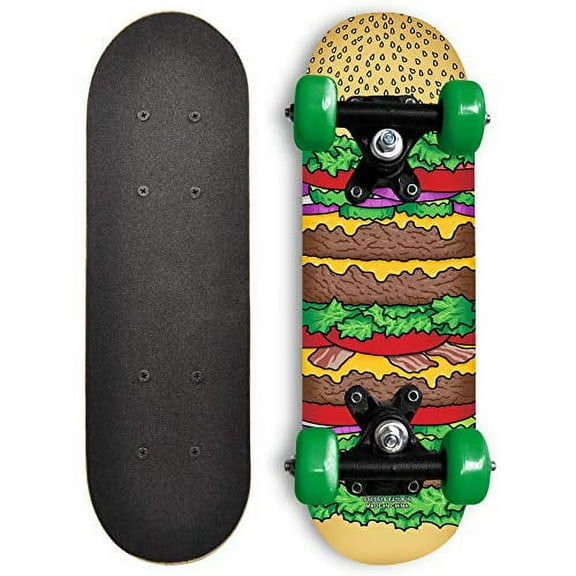
If you're buying for a younger rider, you can compare kids skateboards with board size and carrying ease in mind. You may find compact boards helpful when storage space and portability matter.
Choosing protective gear for everyday skating
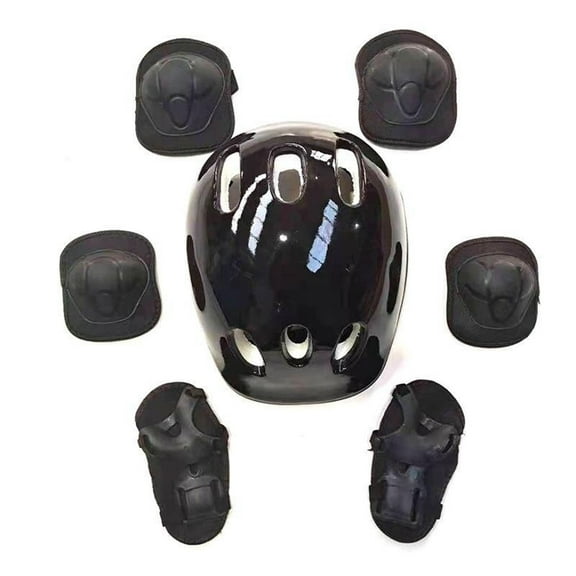
You should treat protective gear as part of your core skateboarding setup, especially while you learn. You can look for helmets, knee pads, elbow pads, and wrist guards that fit your routine.
A secure helmet and well-fitting pads can help you feel more confident during first pushes and early turns. You should check sizing details carefully so your gear feels comfortable through longer sessions.
You can keep useful extras nearby, too. A skate tool, spare bearings, and replacement grip tape can make routine adjustments easier and keep your setup ready for the next ride.
When you compare skateboarding options with sizing, components, and gear in mind, you can choose with less guesswork. You end up with a setup that fits your riding style, your skill level, and your daily plans.