



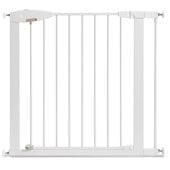
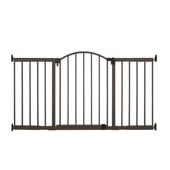




Baby Gates for Top of Stairs








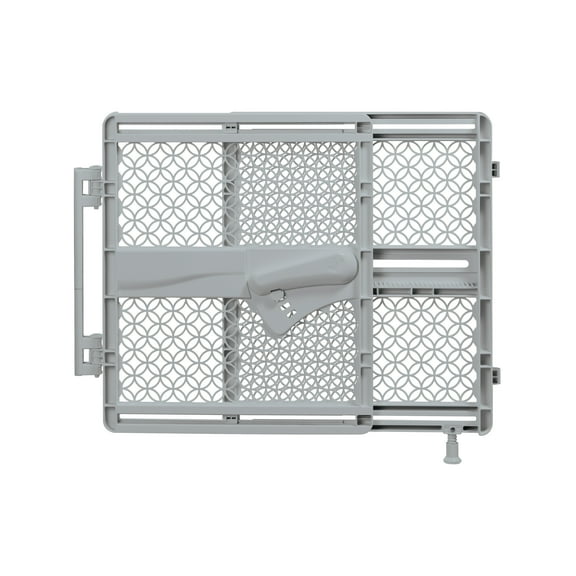

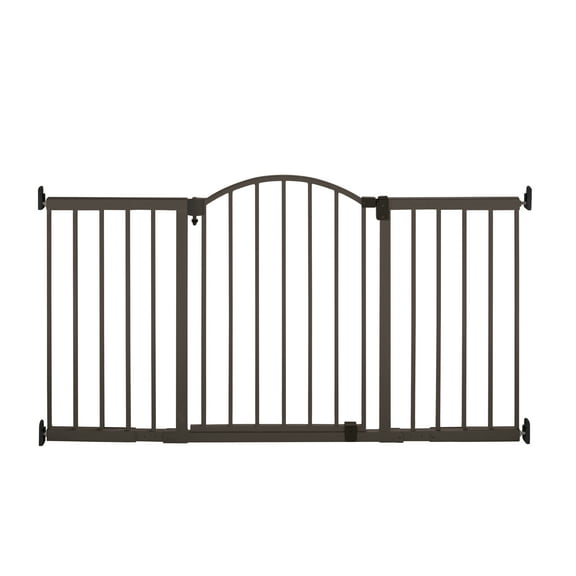

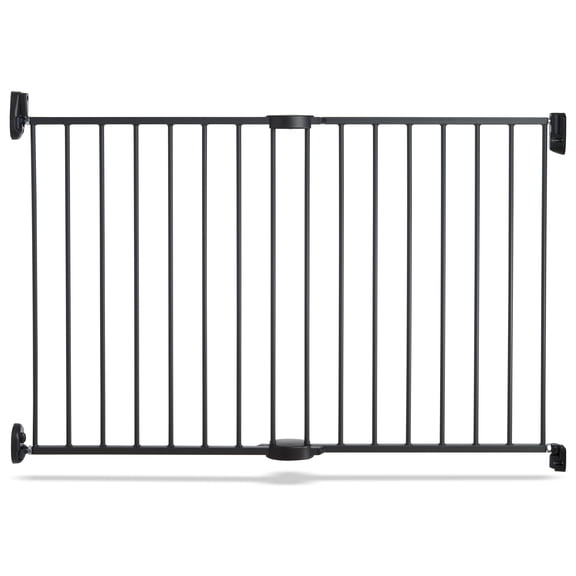
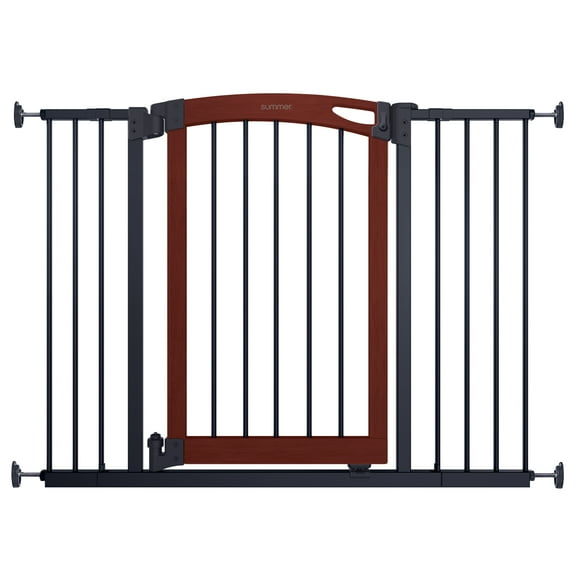
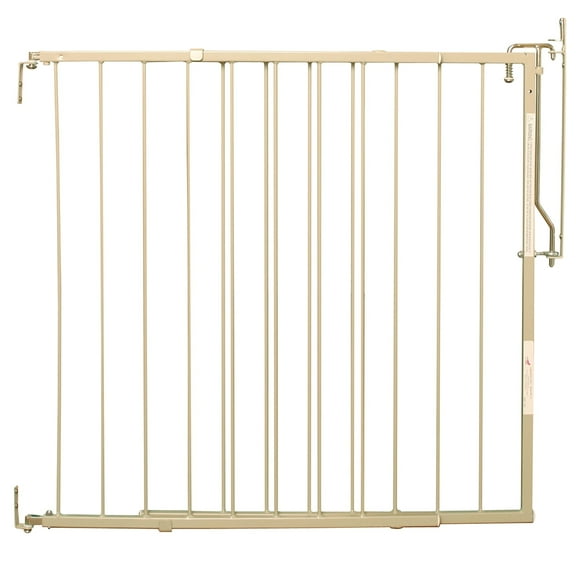
About Baby Gates for Top of Stairs - Walmart.com
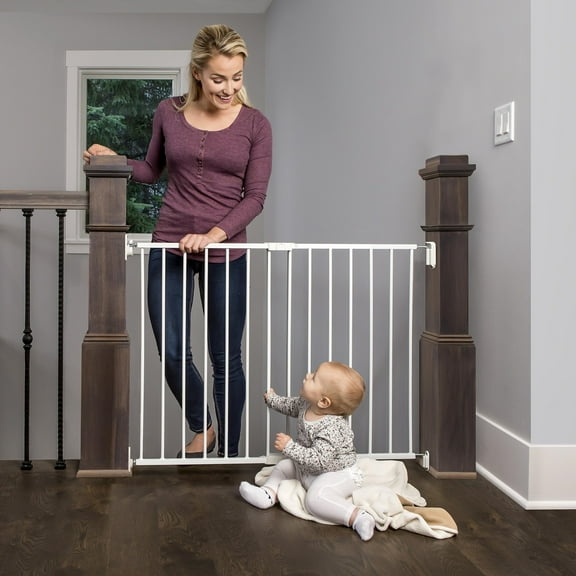
Baby gates for top of stairs help you create a secure stair landing with the right fit, mounting method, and adult-friendly access. You should focus on hardware mounting first, because this category serves a stair-specific setup rather than a basic doorway opening.
At the top landing, you need a gate designed for stair placement and steady attachment. You can compare width range, latch style, swing control, and threshold design with clearer decision support.
How to choose baby gates for top of stairs
You should start with mounting type because that choice affects installation, placement, and daily use. For this location, you’ll usually compare hardware mounted baby gates before pressure-mounted styles.
Pressure-mounted options may suit flat doorways, but you should focus on wall-secured designs for stair landings. This helps you get a more fixed setup that fits top-step placement needs.
- You can look for hardware mounting when your gate sits at the top landing.
- You should measure the opening width before you compare standard, narrow, or extra wide baby gate options.
- You may prefer one-handed walk-through access when your hands are full.
- You can compare auto-close and retractable formats based on how often you pass through.
- You should check whether the gate design avoids a bottom bar in your walking path.
- You may look for JPMA-certified options when you want another shopping filter.
You can narrow your options faster when you compare the four main buying decisions in this category. You should consider mounting security, width range, latch operation, and the walk-through path before you choose.
Choosing hardware mounted baby gates
You should treat mounting security as the first decision point for stair placement. Hardware mounted baby gates attach more permanently, which suits openings above the top step.
If your stair area includes banisters, you may need adapters or mounting kits for a stable fit. You should check whether your walls, posts, or railings match the installation method.
Some models open in one direction, which can support stairway placement. You should compare swing control, stop mechanisms, and latch placement before installation.
JPMA information can also help you narrow your options while you compare designs. You can use that detail as another checkpoint during your review.
You should also compare how the gate fastens to drywall, wood trim, or stair posts. You can check whether the mounting points align with your landing layout before you install.
Choosing the right width for safety gates for stairs
You should measure the stair opening carefully, including trim, baseboards, and banister spacing. A close fit matters because stair openings often vary more than standard doorways.
Standard sizes may fit many landings, but you may need an extra wide baby gate for broader spaces. You should check the listed width range before you rely on extensions.
Narrow spaces need attention too, especially when your walls or posts limit swing clearance. You can compare gate depth and opening path so your setup feels easier to use.
If your opening changes shape near the railing, you should review adapter compatibility before you choose. This helps you avoid guesswork when you match the gate to your exact landing layout.
You should measure at the mounted height, not only across the floor line. You can compare the opening at several points when your banister or trim changes the width.
Comparing operation types and latch details
You should think about how often you pass through the gate each day. One-handed walk-through styles can help when you’re carrying your child, toys, or laundry.
Auto-close designs can suit busy hallways and stair access points where you want the panel to return into place. You should check the closing path and lock style for daily convenience.
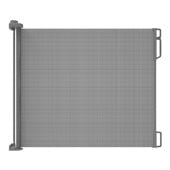
A retractable baby gate for stairs can work when you want a lower-profile look between uses. You should confirm that designers built the model for stair placement and hardware installation.
You may also want to compare dual-action latches and release placement. You may appreciate controls that feel manageable for adults during frequent use.
Base bar design matters at stair landings because you want a clear walk-through path. You should check whether the gate includes a bottom threshold where you step.
Comparing material choices for your stair setup
You can compare metal, wood, and mesh based on your space and layout. Metal styles can give you a structured look for busy stair zones.
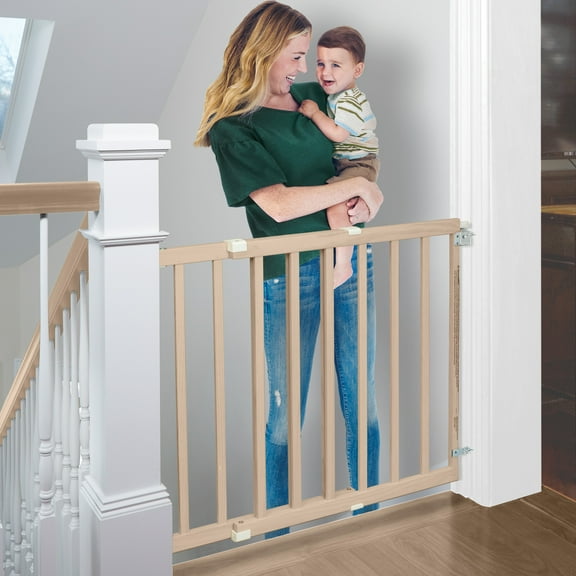
Wood baby gates for stairs may blend with banisters and trim when you want a coordinated appearance. You should still focus on mounting style and fit before appearance alone.
Mesh styles may appeal to you when you want a lighter visual footprint. You can compare frame support, latch design, and stair compatibility across each material type.
For active households, you may prefer surfaces that wipe clean with less effort. You should also consider visibility through the gate when you check the stairs quickly.
Matching use cases to your stair layout
If you have a wide landing between walls, you may choose safety gates for stairs with extension support. You should verify the final installed width, not only the base frame size.
If your staircase ends at a post and wall, you may need a model that works with adapters. You can look for hardware options designed for banister mounting situations.
For tighter upper hallways, you may prefer a gate that swings efficiently without crowding the path. You should measure nearby doors and walking space before installation.
If you want a less visible barrier between uses, a retractable baby gate for stairs may fit your routine. You should compare the housing size and latch access first.
When your opening is broader than average, an extra wide baby gate can give you broader coverage. You can check whether the package includes extensions or if you must select them separately.
Baby gates for top of stairs work well when you match the gate to your landing shape and daily routine. You can feel more confident when your measurements, mounting plan, and latch style line up from the start.