

Plastic Crates in Storage Containers































About Plastic Crates in Storage Containers - Walmart.com
Plastic crates help you organize, carry, and stack supplies with durable structure that fits garages, offices, classrooms, and workspaces. You can compare size, wall design, and load rating more easily when you shop this category with clear decision points in mind.
How to choose plastic crates for your space
You should start with where your crate will sit, because shelf depth and floor space affect daily use. You can measure height, width, and length first, so your crate fits racks, closets, trunks, or utility shelves.
If you need plastic storage crates for repeated lifting, you should compare handle shape and overall capacity. You can also check whether stackable plastic crates lock in place or nest when empty.
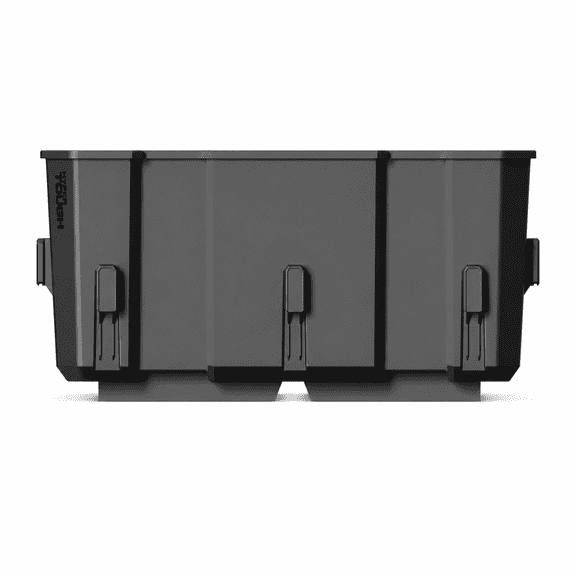
For heavier loads, you should look at wall thickness and load rating together. You’ll usually find heavy duty plastic crates use thicker plastic and stronger corners for steadier stacking.
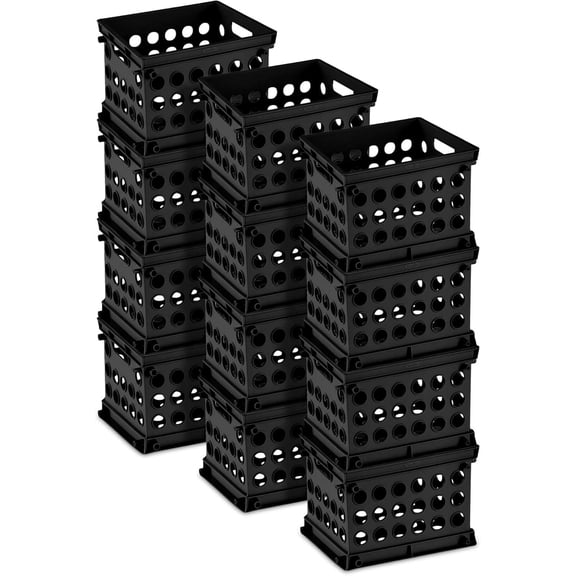
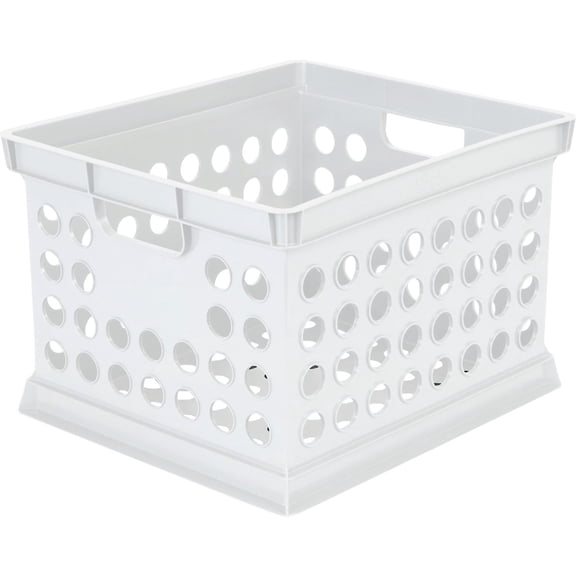
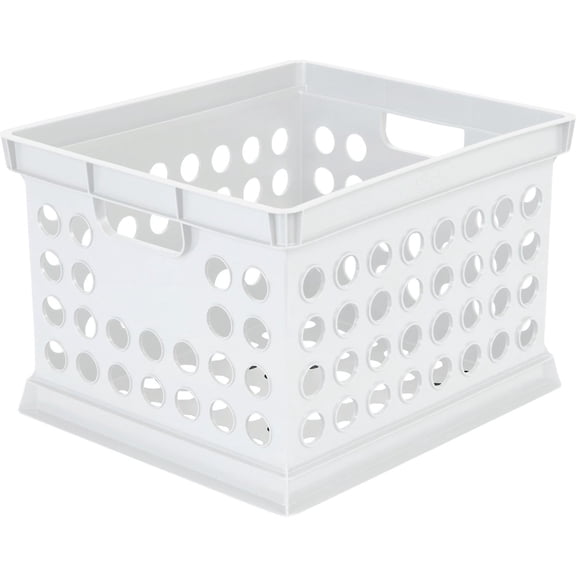
- You can use mesh sides when your items need airflow and quick visibility.
- You can choose solid walls when your contents are small, loose, or need fuller coverage.
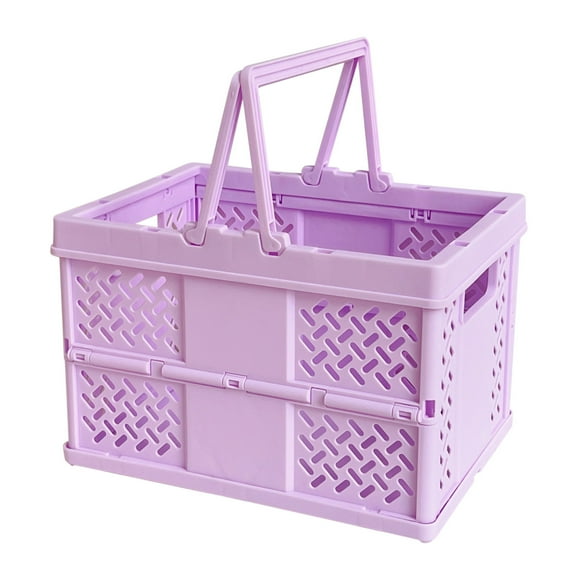
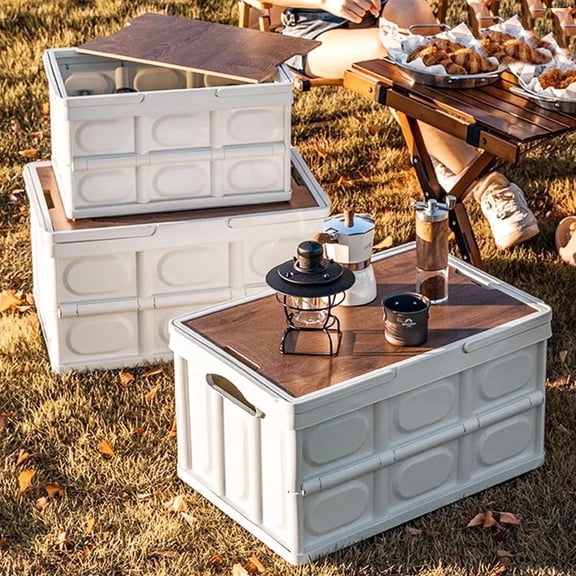
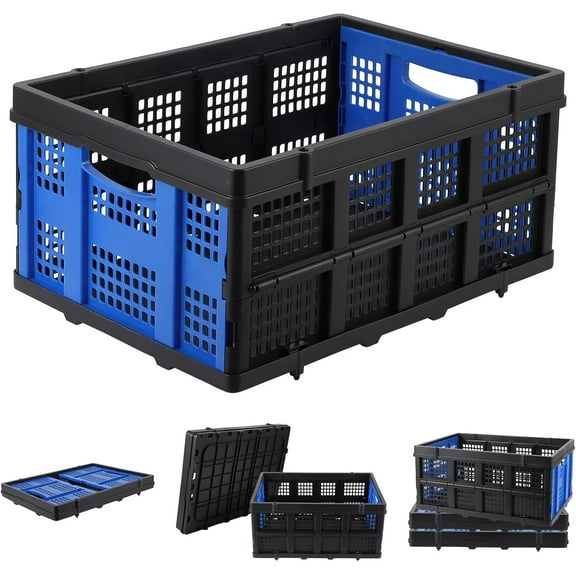
- You can pick collapsible styles when your storage area changes often.
- You can select taller or wider sizes based on shelf spacing and carrying comfort.
Comparing heavy duty plastic crates by capacity and material
You should compare five gallon, 10 gallon, and heavy duty standard sizes by what you plan to store. You can use smaller capacities for tools, pantry goods, or office supplies that you move often.
If you handle bulk items, you may prefer larger crates with higher load ratings and thicker side panels. You’ll want to check HDPE density, because denser plastic often feels sturdier during repeated loading.
You can also compare industrial grade and recycled plastic options by workload and environment. If your crate sees frequent transport, you may prefer reinforced rims and rigid bases for steadier support.
When you shop industrial plastic crates, you should look for corners that resist flex during stacking. You can often tell a crate’s intended use by its ribbing, base design, and sidewall thickness.
Choosing wall design and stackability
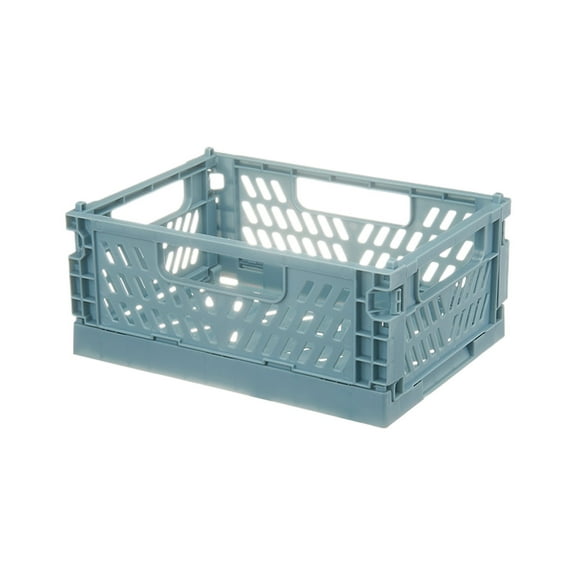
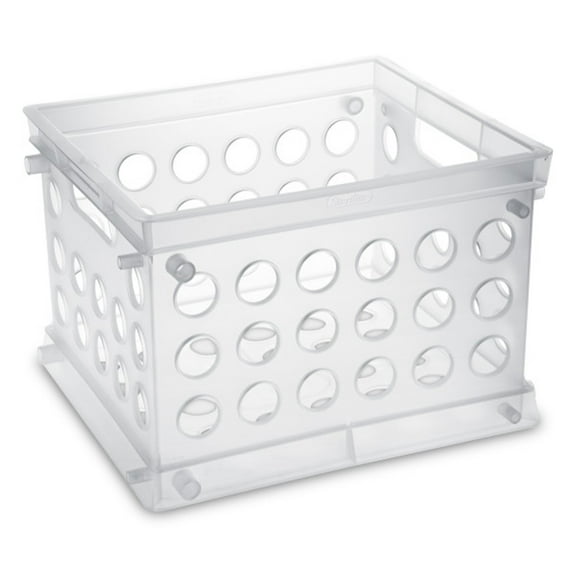
You should choose mesh or ventilated sides when airflow matters for laundry, sports gear, or milk storage. You’ll also spot contents faster, which helps when your crate moves between rooms or work areas.
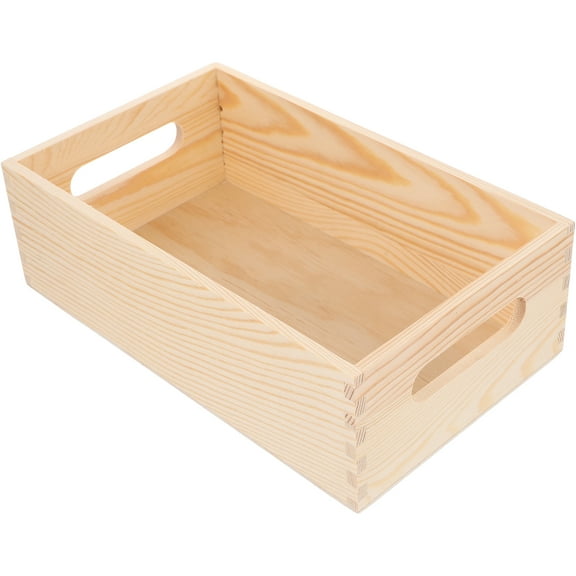
If you store papers, craft parts, or small packaged goods, you may want solid wall construction. You can keep smaller items more contained, and your crate can present a cleaner look on open shelving.
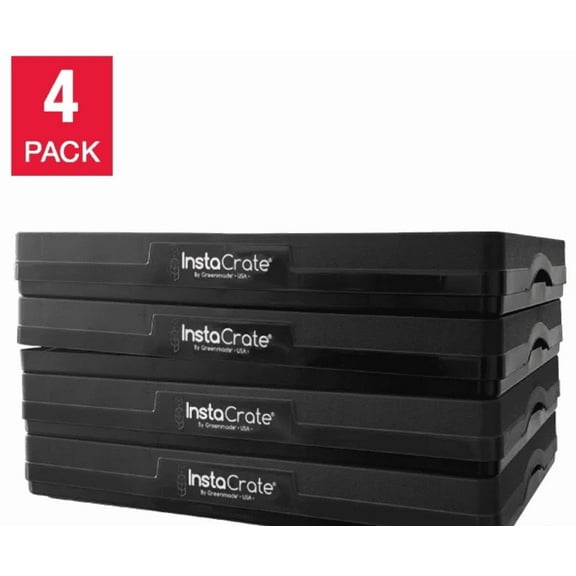
For stackable plastic crates, you should check how the rim meets the base above it. You’ll get steadier vertical storage when interlocking edges help each crate sit securely without sliding.
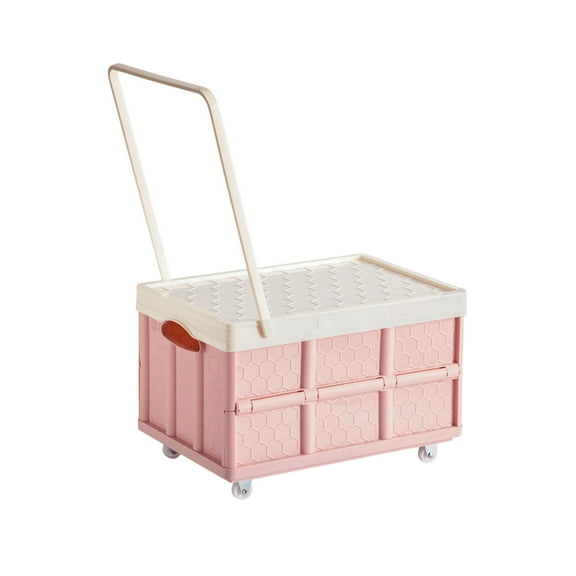
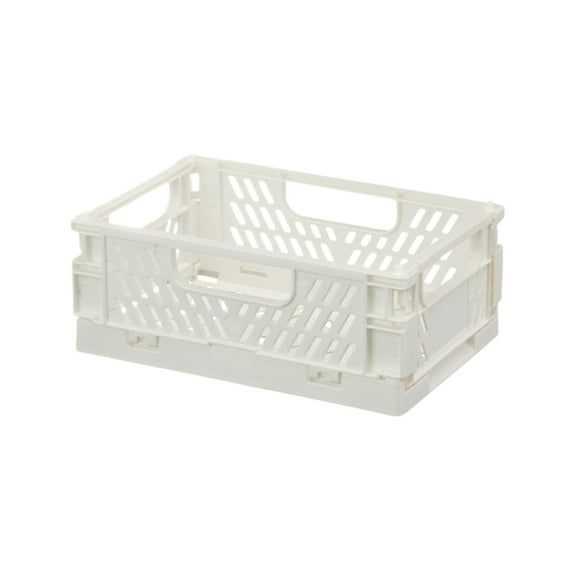
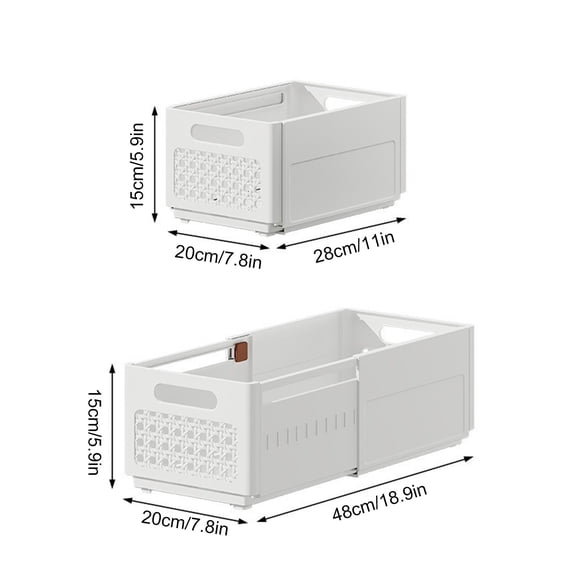
If you need flexible storage, you can compare collapsible options with fixed-wall designs. You may prefer folding styles when your trunk, dorm, or utility room needs compact storage between uses.
Matching plastic milk crates and storage crates to real use cases
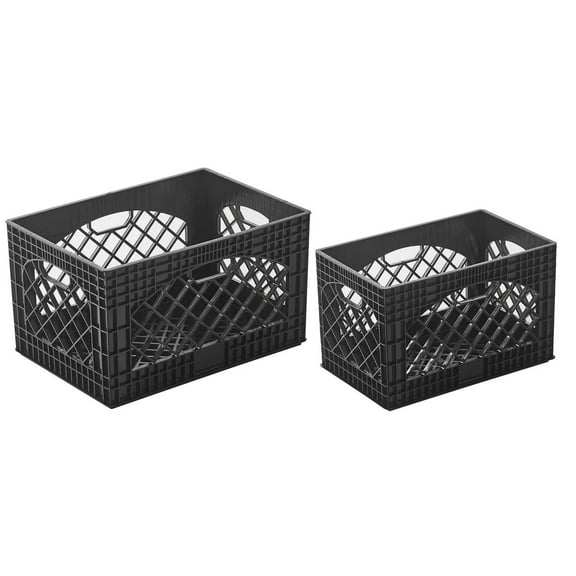
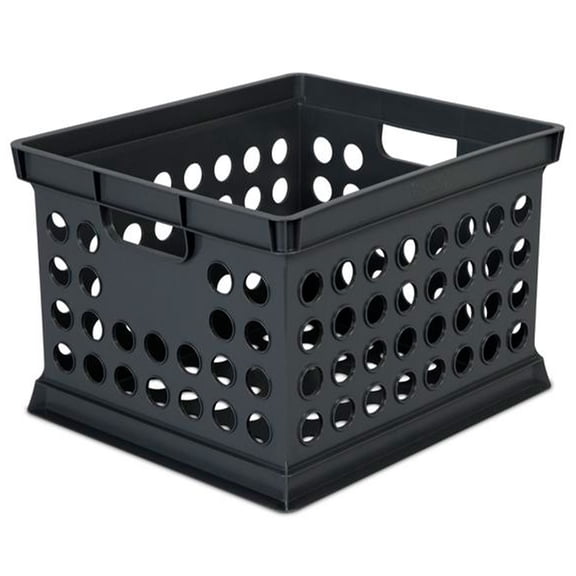
You can use plastic milk crates for records, textbooks, bottled drinks, and garage supplies when you want open access. You’ll often like their square shape, because it fits corners and shelves with less wasted space.
For home storage, you may combine solid wall crates with closet shelves or entryway benches. You can keep shoes, cleaning tools, or seasonal items grouped without needing oversized containers.
If your workspace handles shipping or backroom sorting, you should compare heavy duty plastic crates with industrial grade construction. You’ll want higher load ratings and rigid bottoms when your crates move across carts or stock shelves.
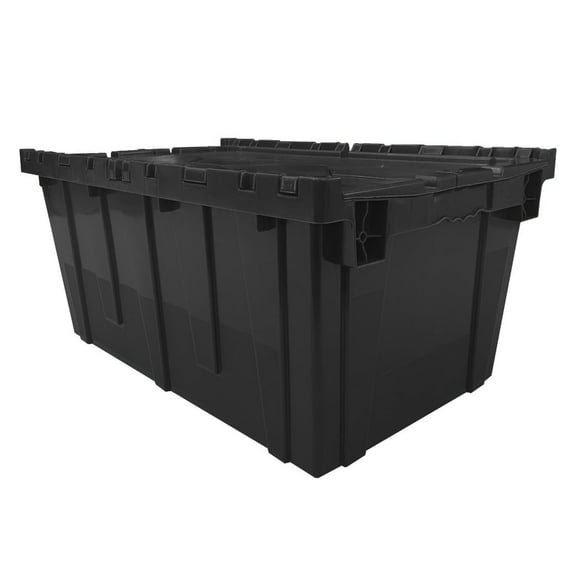
In garages, you can use ventilated designs for extension cords, car wash supplies, and garden gloves. You may prefer plastic crates with lids for dusty shelves or for items you stack in taller columns.
When you furnish a dorm or apartment, you can choose collapsible crates for move-in and compact storage later. You’ll appreciate handles, nesting options, and dimensions that fit under beds or inside narrow closets.
What to check before you decide
You should confirm outside dimensions, inside capacity, and shelf compatibility before you choose a crate size. You can avoid awkward gaps or overhang when your measurements match your room and storage plan.
If you compare plastic crates by load rating, wall style, and stack design, you’ll narrow your options with less guesswork. You can create organized, durable storage that fits how you carry, sort, and stack every day.