








Dog Grooming in Dogs












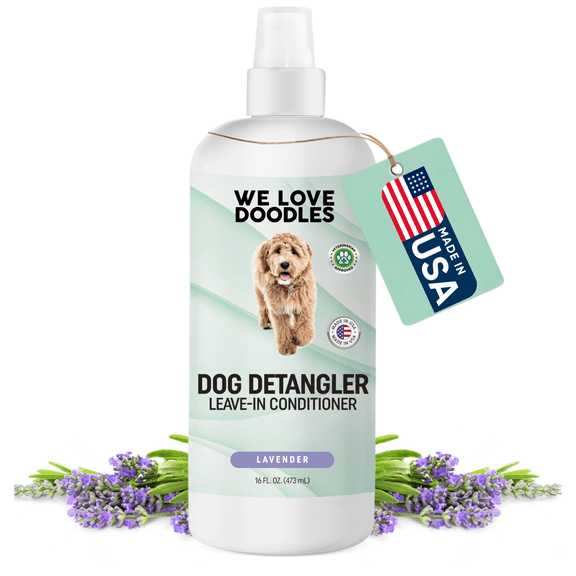
![Dog Conditioner & Detangler, 2-in-1 Conditioner for Allergies & Itching, Made in USA, Lotion Treatment for Dogs, Perfect for Poodles, Doodles, & Goldendoodles, 16oz [We Love Doodles]](https://i5.walmartimages.com/seo/USDA-Organic-Dog-Conditioner-Detangler-2-in-1-Conditioner-Allergies-Itching-Made-USA-Lotion-Treatment-Dogs-Perfect-Poodles-Doodles-Goldendoodles-16oz_eeebf16e-9ebf-4de4-83ff-760a70131f63.2d86f3954851b61c05f5ec5586d9107a.png?odnHeight=576&odnWidth=576&odnBg=FFFFFF)

















About Dog Grooming in Dogs - Walmart.com
Dog grooming supplies help you manage bathing, brushing, trimming, and finishing at home with tools matched to your dog’s coat and routine. You can compare grooming stages, tool types, and power options, so your setup fits short hair, double coats, or long curly coats.
You may start with the grooming task you handle most often, then build a kit around that routine. You’ll get more control when your brushes, clippers, shampoos, and grinders match the coat texture you handle.
How to choose dog grooming supplies
When you compare dog grooming supplies, you should start with coat type compatibility and grooming frequency. You can narrow your options faster by checking undercoat reach, comb spacing, and bath needs first.
If your dog has a double coat, you should look for dog brushes and dog shedding tools made for dense undercoat removal. If your dog has short hair, you may prefer simpler brush patterns and rinse-ready dog shampoo formats.
For long curly coats, you should consider combs and dematting support that help you work through thicker sections. For sensitive skin routines, you should check dog shampoo formats made for frequent washing and quick rinsing.
You can also build your kit by grooming stage instead of buying every tool at once. You may begin with bathing or brushing, then add trimming and finishing tools as your routine expands.
Choosing tool types in dog grooming tools
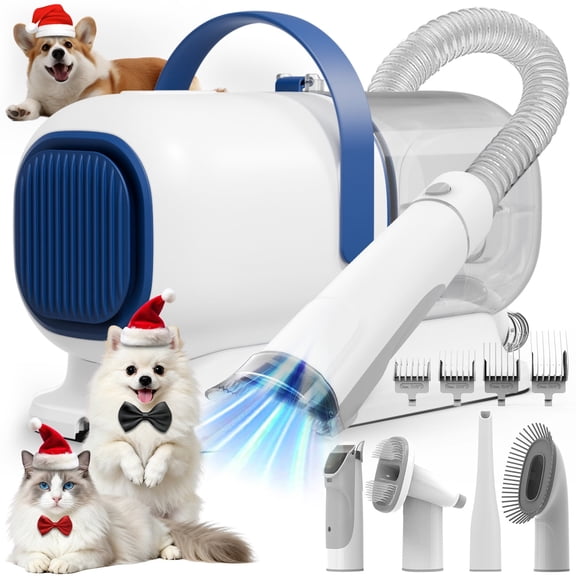
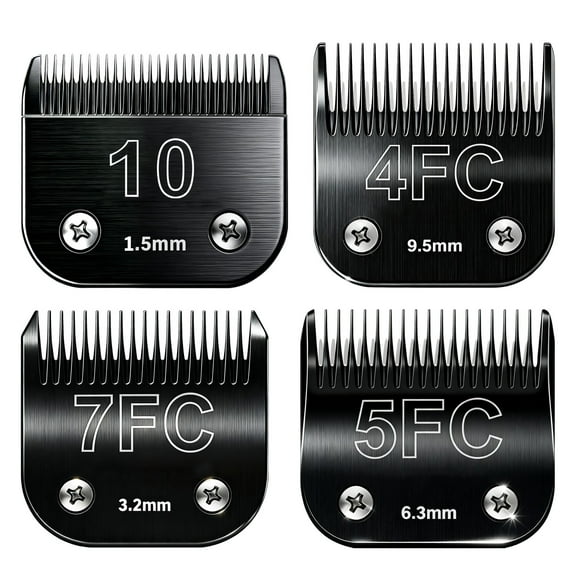
You should compare dog grooming tools by the job each one handles during your routine. You’ll use brushes and combs for coat prep, while shears and dog clippers handle shaping and trim maintenance.
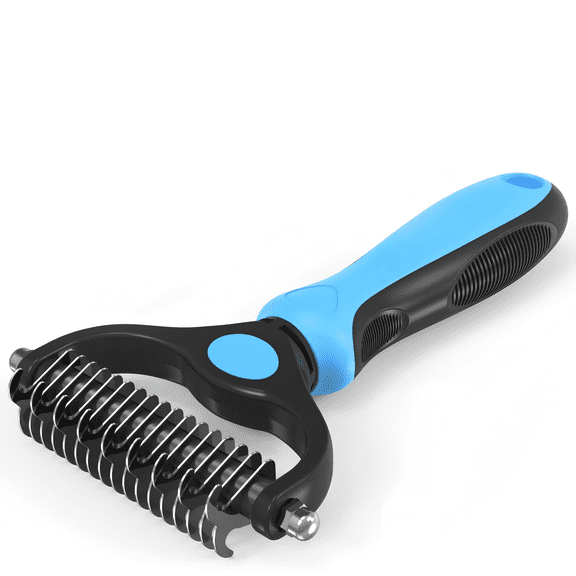
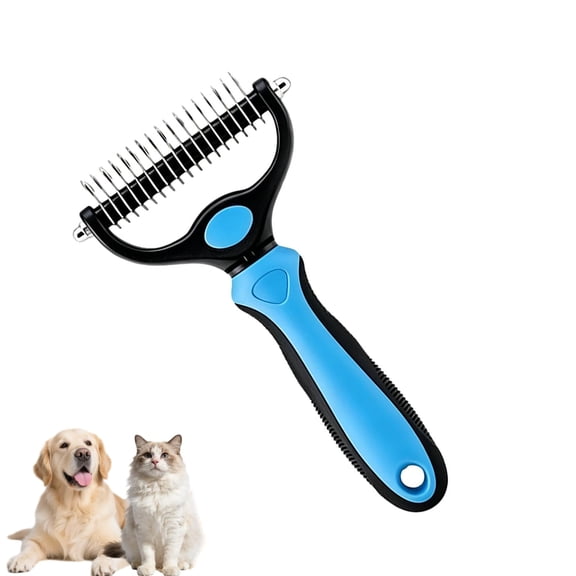
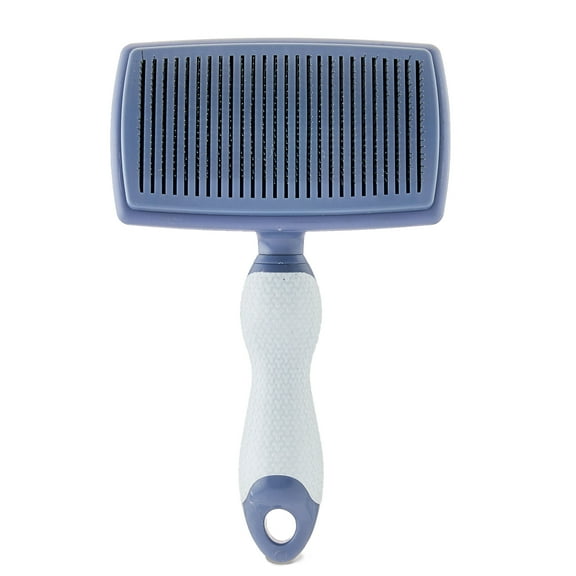
- You can use brushes and combs to lift loose fur, separate tangles, and check coat density.
- You can use dog clippers for body trimming when you want even length across larger areas.
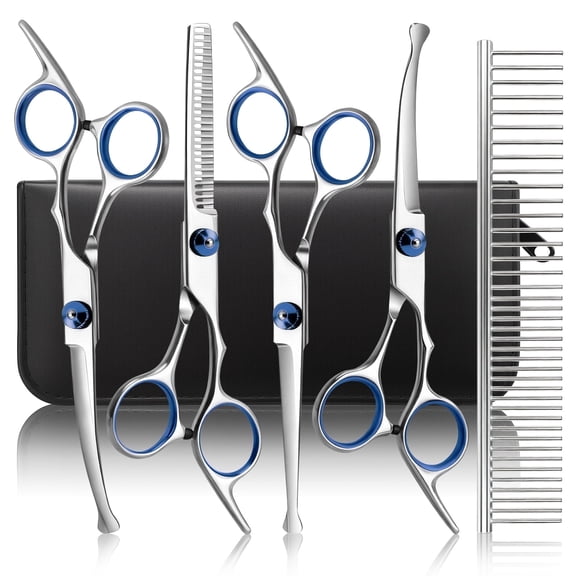
- You can use shears when you need detail work around the face, feet, and tail.
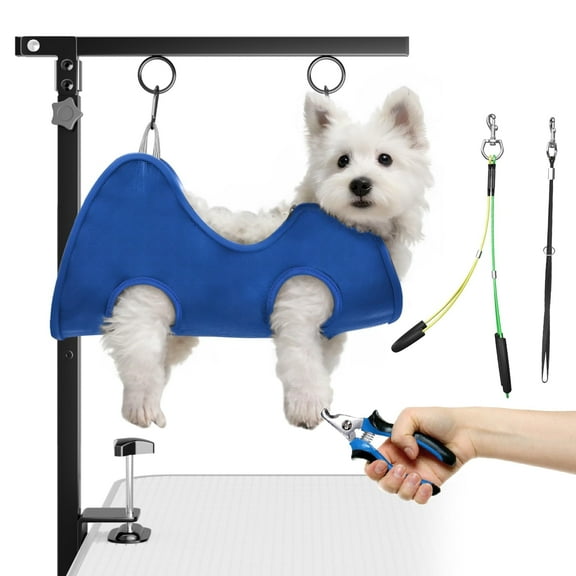
- You can use dog nail grinders when you want gradual shaping and a smooth finish.
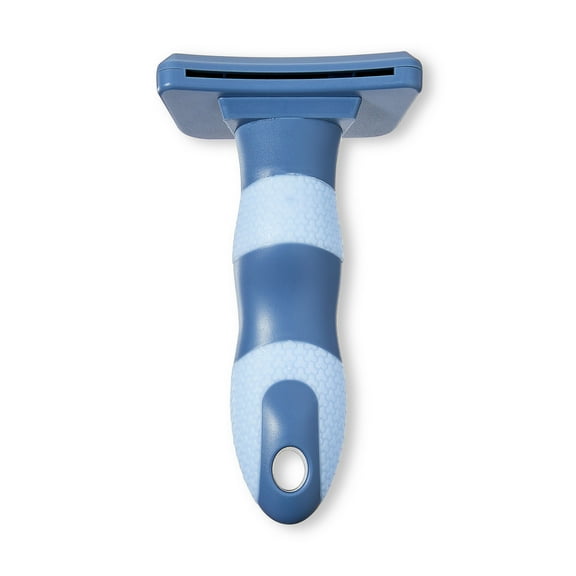
- You can use dog shedding tools to reach undercoat during seasonal coat drop.
If you groom a double coat, you should consider tools designed for undercoat reach without heavy dragging. If you maintain curly hair, you should check comb width and tooth spacing before choosing.
You’ll also want handles that feel steady during wet sessions or longer trim sessions. You can keep a steadier grip when your tool shape fits your hand and movement pattern.
Checking power source and safety in dog clippers
You should compare corded, cordless, rechargeable, and manual options by where you groom and how long sessions last. You can move freely with cordless tools, while corded tools may suit full-body trims at home.
When you review dog clippers, you should check whether cool-running blades are available for longer trimming sessions. You’ll appreciate that detail when you work through thick coats or take a slower approach.
You should also compare noise and low vibration on clippers and grinders before choosing powered tools. You can create a steadier routine when the sound and feel stay less intense during close grooming work.
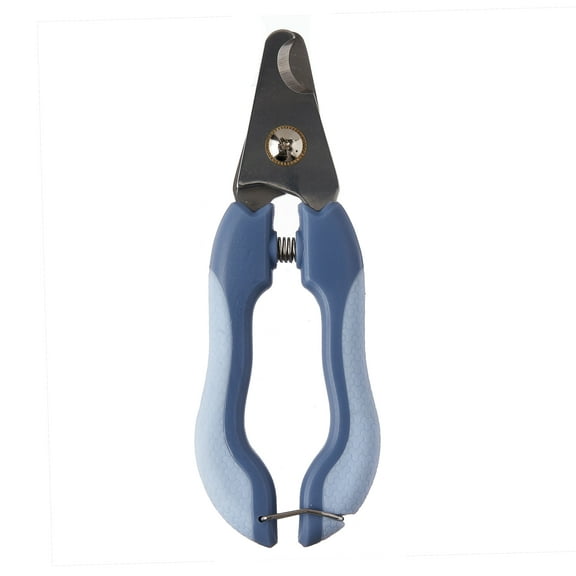
For nail care, you should look for a quick-guard on clippers or controlled shaping on grinders. You’ll get more handling confidence when the tool supports short passes and predictable movement.
Before choosing powered tools, you should compare weight, button placement, and grip shape in your hand. You can notice ergonomics quickly when you trim around paws, legs, and curved body areas.
Matching coat type and dog shampoo to your routine
You should choose coat care items by coat behavior before you choose scent or bottle size. You’ll get a more practical setup when your dog shampoo, brush pattern, and comb style match your dog’s coat.
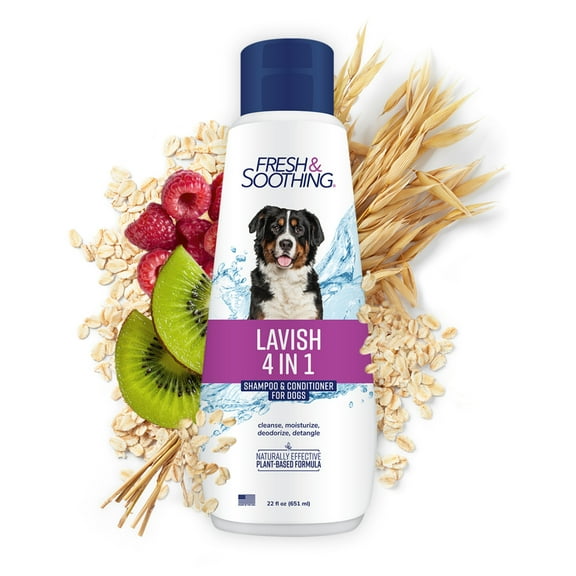
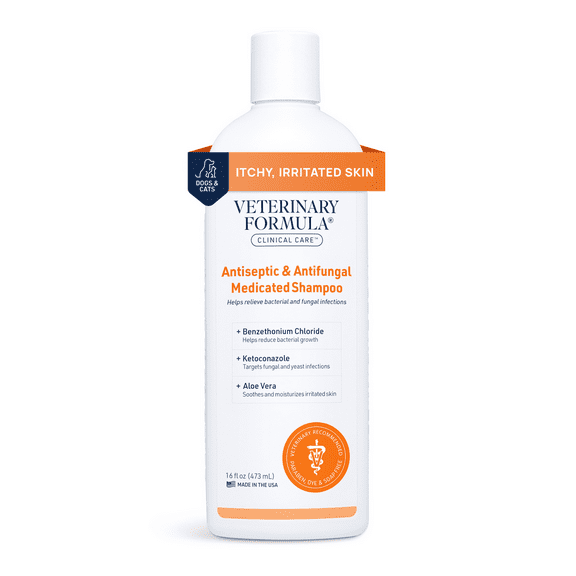
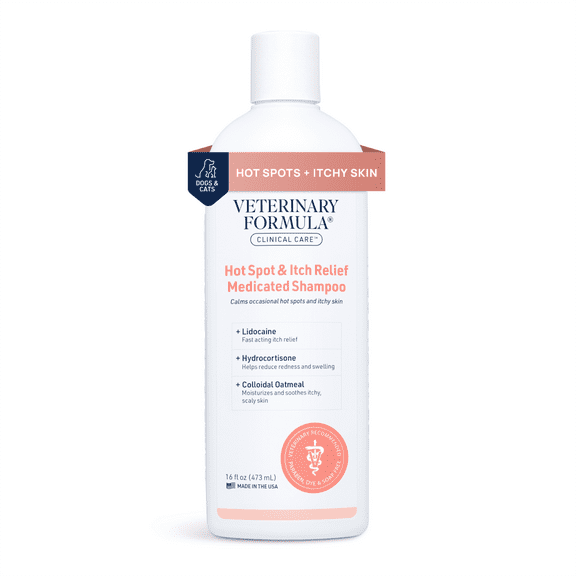
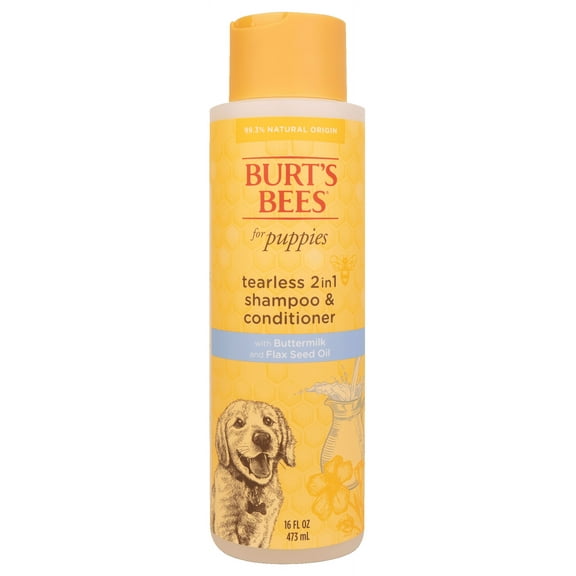
For short hair, you can look for dog brushes that collect loose fur during quick upkeep sessions. You may also want dog shampoo that rinses cleanly when you handle muddy paws or light cleanup.
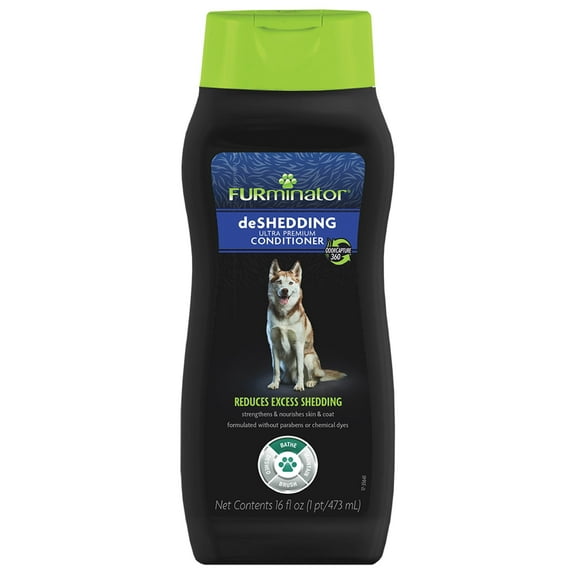
For double coats, you should compare undercoat tools and dog shedding tools for spring and summer grooming cycles. You can manage seasonal coat drop with tools shaped for dense layers and loose fur release.
If your dog has long curly hair, you should consider detangling support and combs that move through thicker sections. If your dog needs frequent baths, you should check dog shampoo formats that fit regular washing routines.
Using pet grooming supplies for real at-home routines
You can simplify your setup by matching pet grooming supplies to bathing, de-shedding, trimming, and finishing. You’ll cover regular upkeep more easily when each stage has a clear tool and purpose.
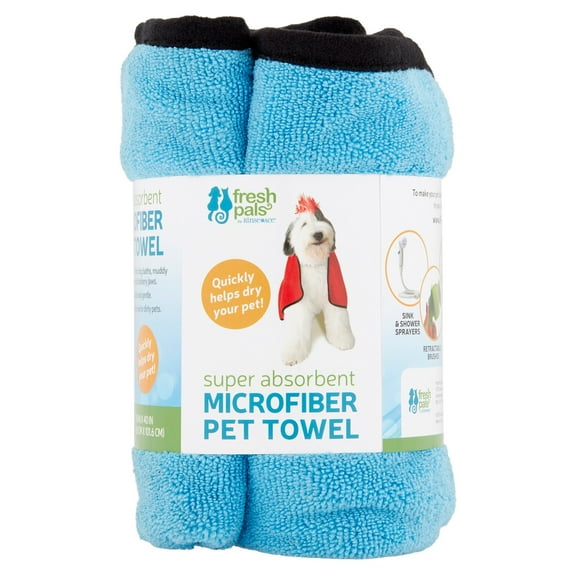
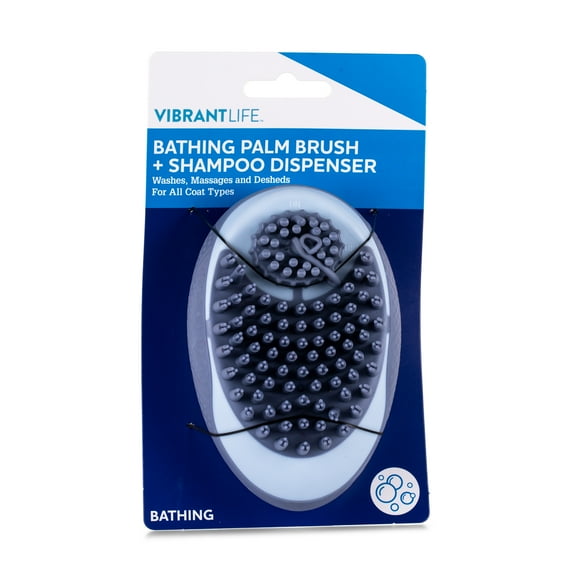
For bathing, you may want dog shampoo, a wet-work brush, and towels within reach. You can handle post-walk cleanup or full-coat washing without pulling out your entire kit.
During de-shedding sessions, you should focus on undercoat tools, combs, and dog brushes made for coat release. You’ll find this step useful when loose fur builds up during seasonal shedding periods.
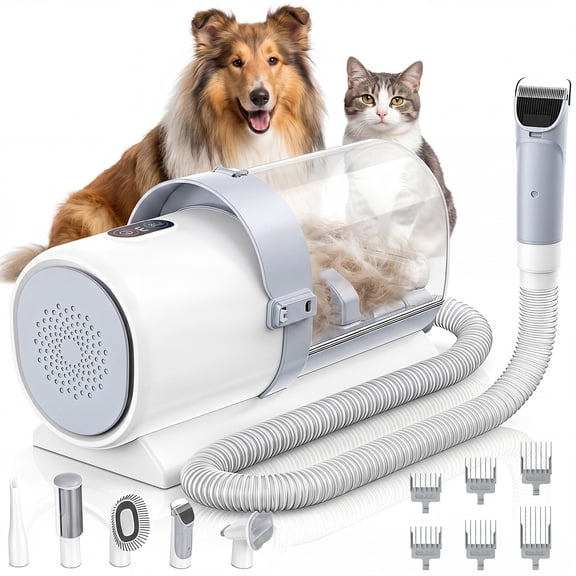
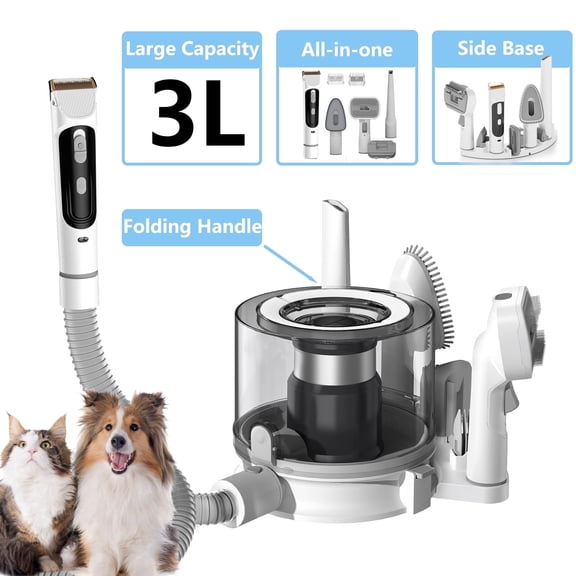
For trimming, you can compare dog clippers by power source, blade style, and handling comfort. You may prefer rechargeable tools for touch-ups, while manual tools can suit smaller detail areas.
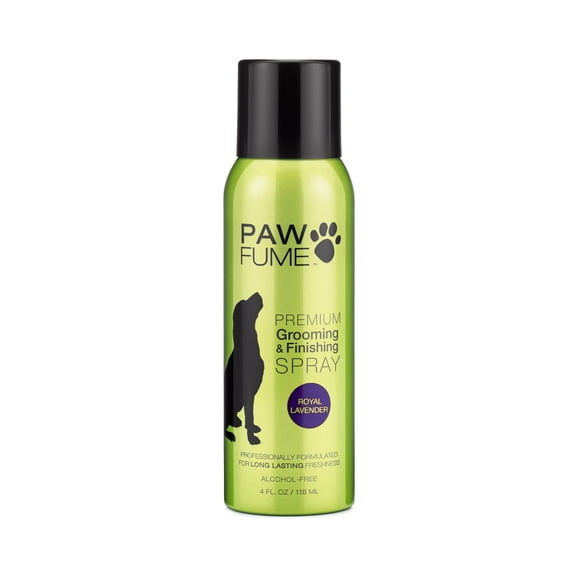
For finishing, you should consider shears, combs, and dog nail grinders for neat edges and final checks. You can use this stage to tidy paws, smooth coat lines, and refine your dog’s overall look.
If you groom more than one dog, you should compare tools by coat variety and session length. You’ll benefit from flexible attachments, easy-clean designs, and tools that move across short hair and thicker undercoat.
You can feel prepared when your dog grooming supplies match your coat type, grooming stage, and handling preferences. You’ll support a steady at-home routine with tools that fit brushing, trimming, bathing, and finishing tasks.