

Paint Brush Cost & Wall Painting Brushes | Walmart




















About Paint Brush Cost & Wall Painting Brushes | Walmart - Walmart.com
Cost of paint brushes matters when you’re planning walls, trim, and touch-ups. This guide explains brush types, widths, sets, and fulfillment options for home improvement projects.
A paint brush category needs practical guidance, not vague advice. Flat, angled, trim, and wall styles behave differently on broad surfaces, corners, and edging lines.
Cost of paint brushes and what affects selection
The cost of paint brushes often reflects brush type, width, and pack format. A single trim brush serves detail work, while a multi-piece set covers several painting steps.
Compare the project area before choosing. A wide wall brush covers open drywall faster, while a small detail brush helps with frames, corners, and narrow molding.
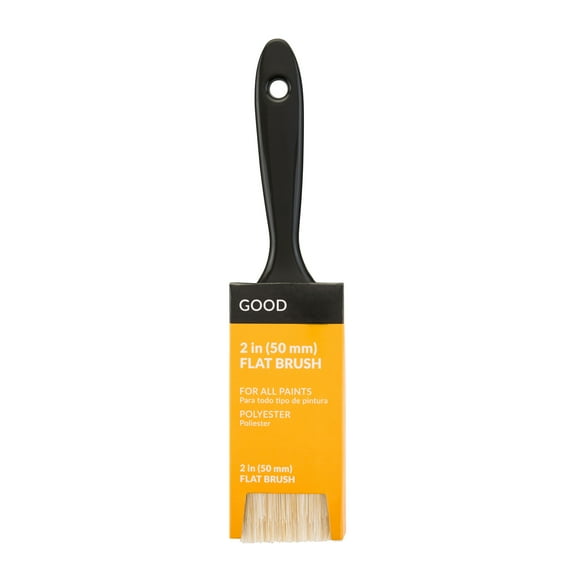
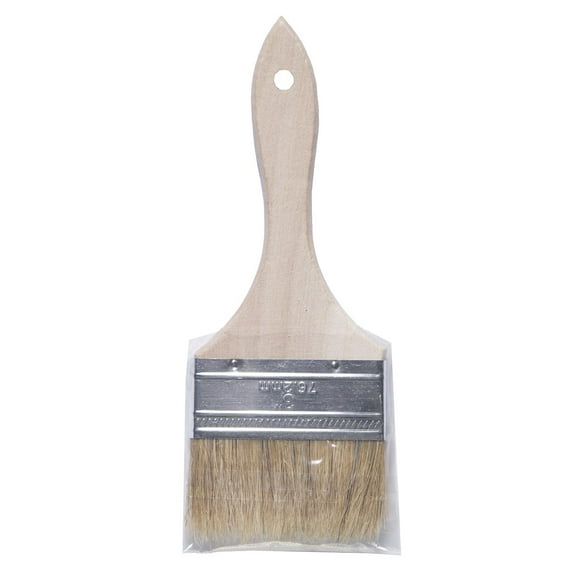
- Flat brushes suit broad strokes on doors, cabinets, and larger trim sections.
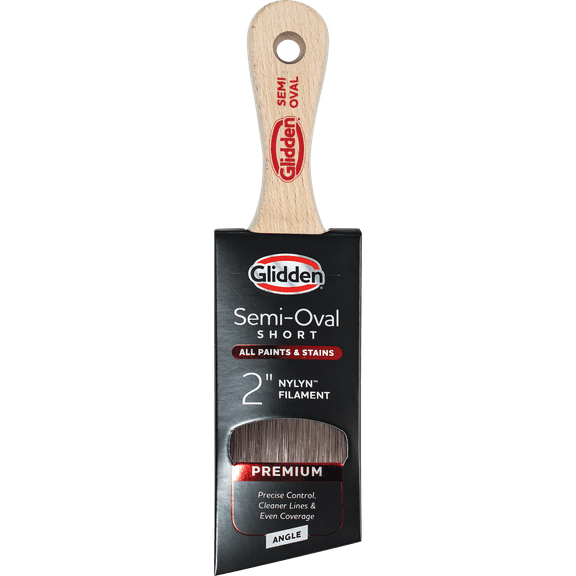
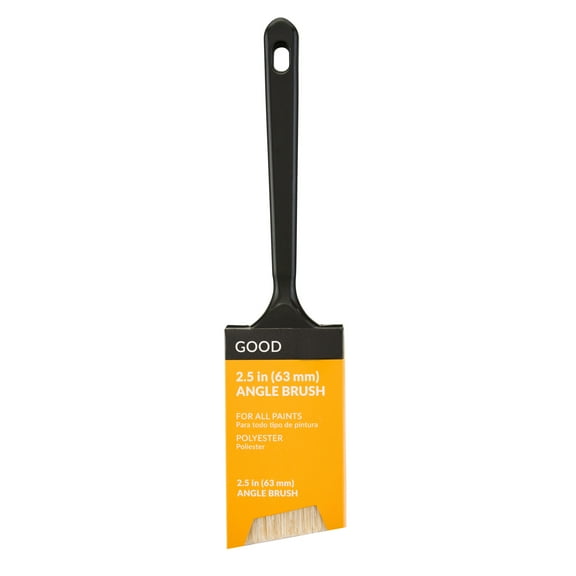
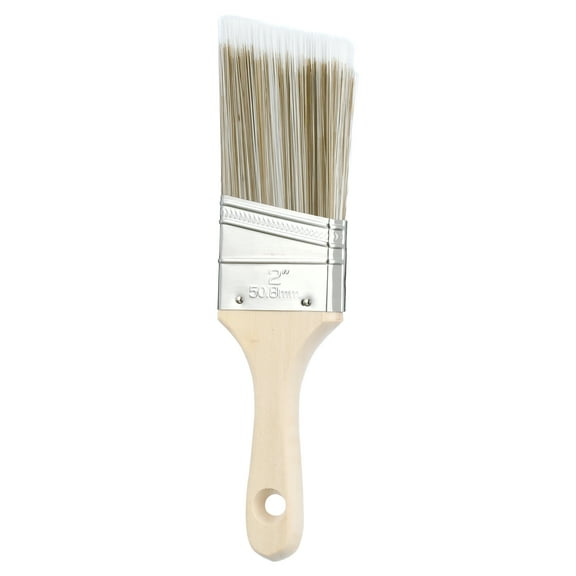
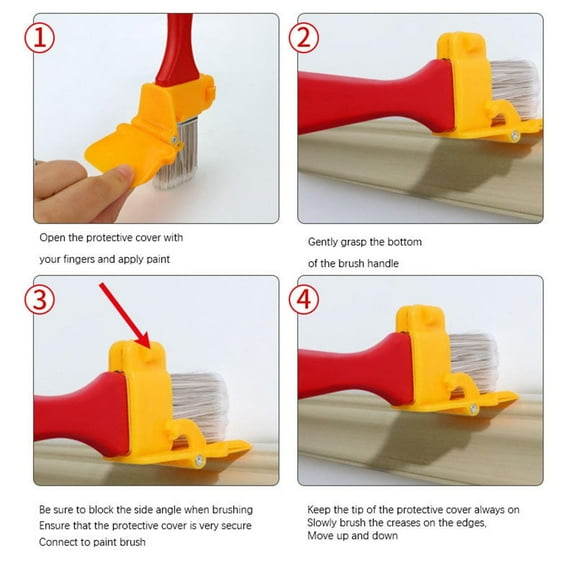
- Angled brushes help with cutting in along ceilings, baseboards, and window edges.
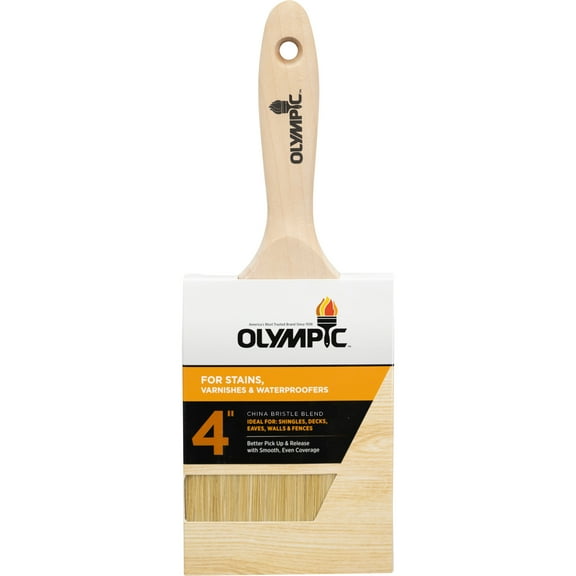
- Wall brushes are designed for larger painted sections and room refresh projects.
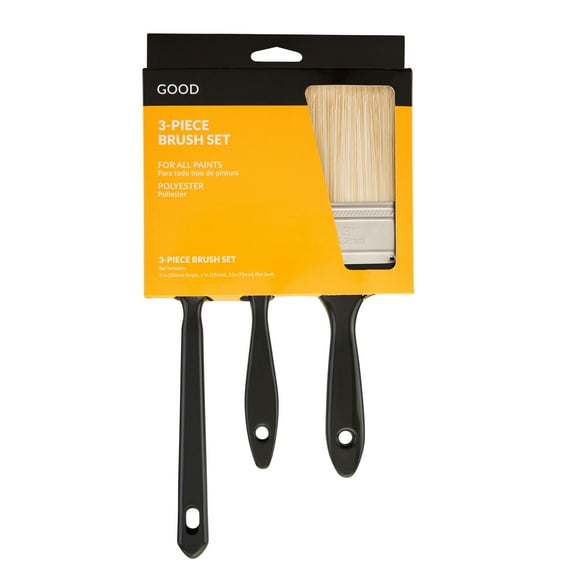
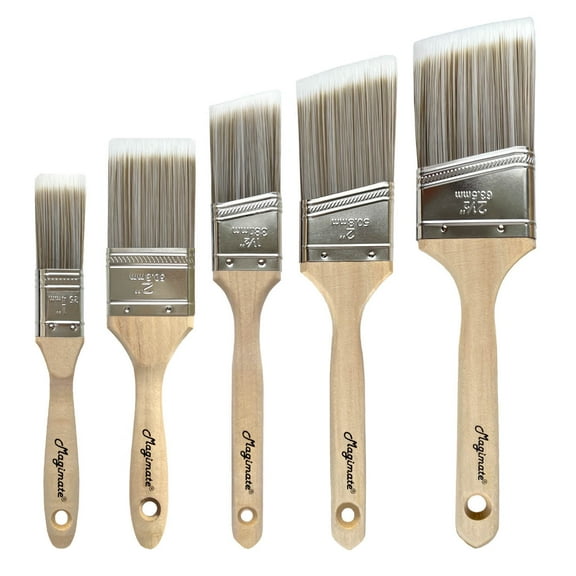
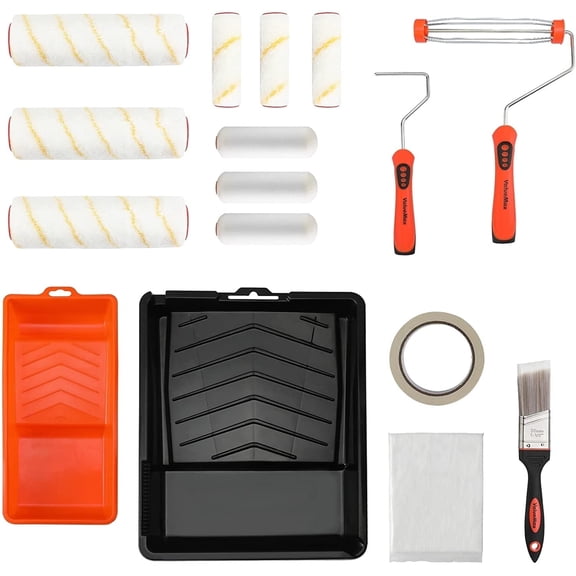
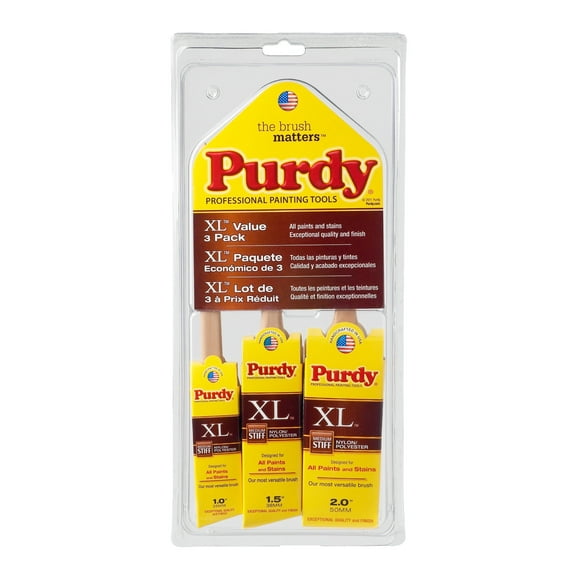
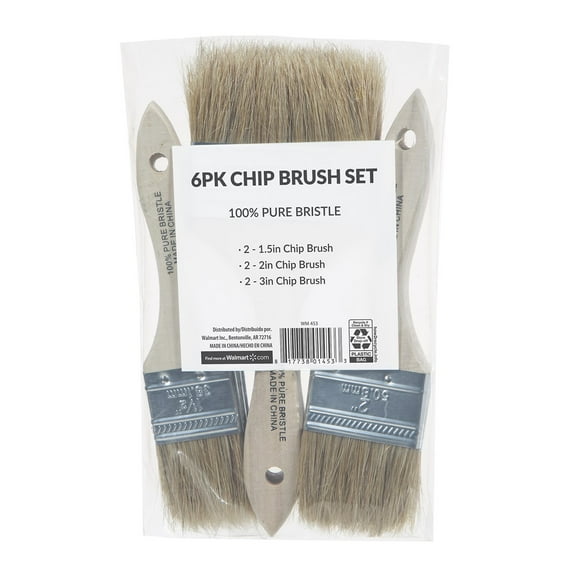
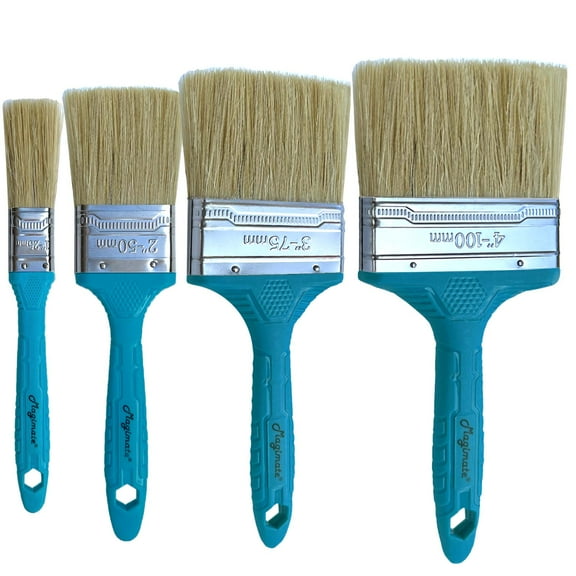
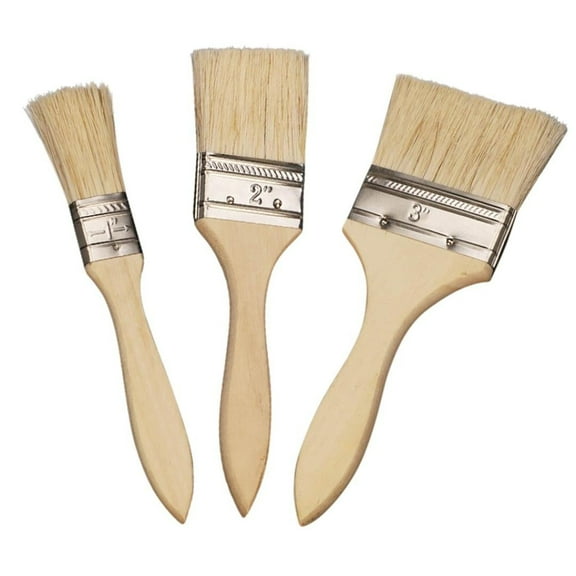
- Brush sets give you multiple widths for walls, edging, and touch-ups in one purchase.
That means your decision should match the surface, not just the label. It’s a straightforward way to compare how much does paint brushes cost across common project needs.
Choosing a wall painting brush by type and width
Look for brush type first. Flat shapes spread paint evenly on broader boards, while angled tips help guide a cleaner line around outlets and corners.
Next, consider width. Small detail sizes work for touch-ups, medium all-purpose brushes handle mixed jobs, and wide wall brush options cover larger areas efficiently.
These size differences matter on real projects. A painting brush for wall coverage needs a broader face than a brush used around trim profiles.
Check whether your project includes multiple surfaces. If you’re painting walls and door frames together, a brush set for walls can simplify the switch between widths.
Pack format also changes convenience. A single brush works for one focused task, while a multi-piece set supports room painting, edging, and later touch-ups.
How to compare project areas and pack formats
Consider the room layout before selecting tools. Open walls, narrow trim, sharp edges, and quick touch-ups each call for a different brush shape.
For walls, compare wide brush heads that move paint across larger sections. For trim, check narrower options that fit baseboards, casings, and stair rail details.
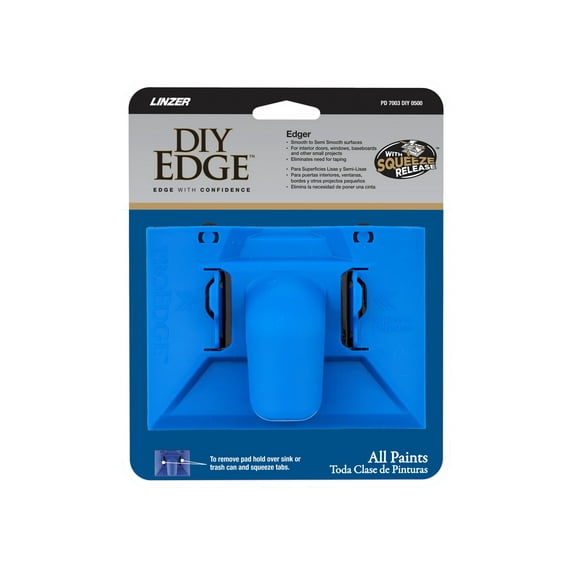
Edges need control, so angled or trim styles make more sense there. Touch-up work usually benefits from a smaller brush that fits tight spots cleanly.
A paint brush set for walls is useful when one room includes several surfaces. You can move from broad wall coverage to cutting in without changing categories.
Measure the task before you choose. One hallway accent wall needs different tools than a full-room repaint with doors, window trim, and detailed corners.
Paint brushes near me, pickup, and delivery choices
Shoppers often want paint brushes near me because projects start fast. Pickup and delivery options help you compare availability without slowing down the job plan.
When you’re asking where can i buy paint brushes, convenience matters as much as brush style. Local pickup can support same-day needs for a forgotten trim brush or extra set.
Delivery also fits planned projects. It’s helpful when you’re gathering wall paint, painter’s tape, trays, drop cloths, and cleanup supplies in one order.
Paintbrush nearby searches usually signal urgency and project timing. It helps to compare single brushes and sets together, then choose the fulfillment option that matches your schedule.
Use this category as a buying guide. Compare brush type, project area, width, and pack format first, then narrow by pickup or delivery preferences.
Matching brush choices to real painting projects
Room painting usually combines broad coverage and edge work. A wall brush or medium flat brush can cover larger sections, while an angled brush handles cut-in lines.
For trim refresh jobs, narrow widths make more sense. They fit around door casings, baseboards, crown molding, and other detailed profiles.
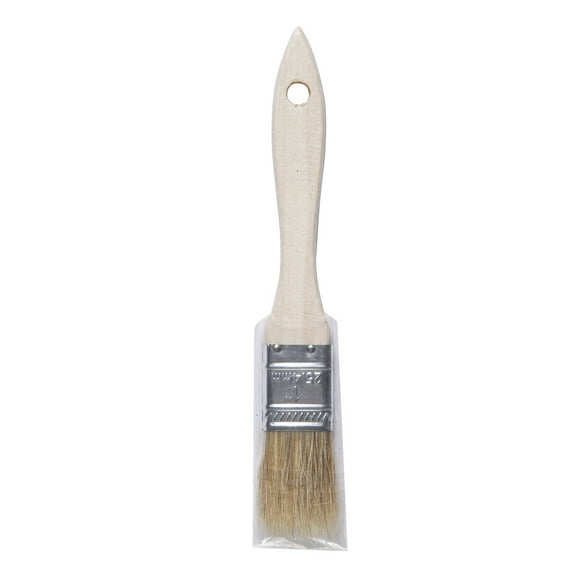
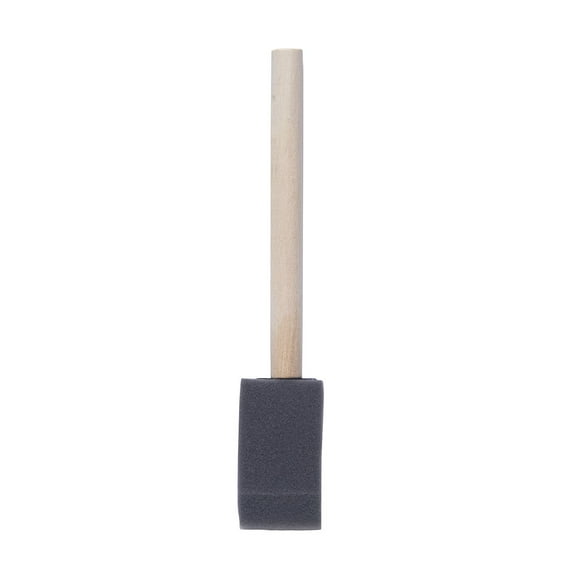
Small touch-ups need precision instead of coverage. A detail brush helps with patch areas, corners, and spots where a full-size wall tool feels oversized.
Multi-surface projects often call for a set. A paint brush set for walls can support the main wall area, then shift to trim and edge cleanup.
Home improvement projects also vary by pace. A planned weekend room update may favor a multi-piece set, while one quick repair may only need a single brush.
Compare the project sequence before buying. If walls come first and detail work follows, choose widths that let you move through both steps smoothly.
What to look for before finishing your choice
Start with the surface, then compare brush type, width, and set format. That approach keeps the cost of paint brushes aligned with the work you actually need done.
With the right wall, trim, or detail brush, your project stays organized from the first stroke to the final touch-up. Clear selection criteria help you finish with cleaner coverage.