















Orange Juice Drinks and 100% Juice Options


















About Orange Juice Drinks and 100% Juice Options - Walmart.com
Orange juice gives you a simple way to stock your fridge for breakfast, packed lunches, and quick pours throughout the week. You can compare pulp level, concentrate type, fortification, and package size to match how your household drinks it.
How to choose orange juice for your routine
When you shop orange juice, you’ll want to start with texture because it changes every sip. You can pick a smooth pour for easy drinking or a textured pour with more orange pieces.
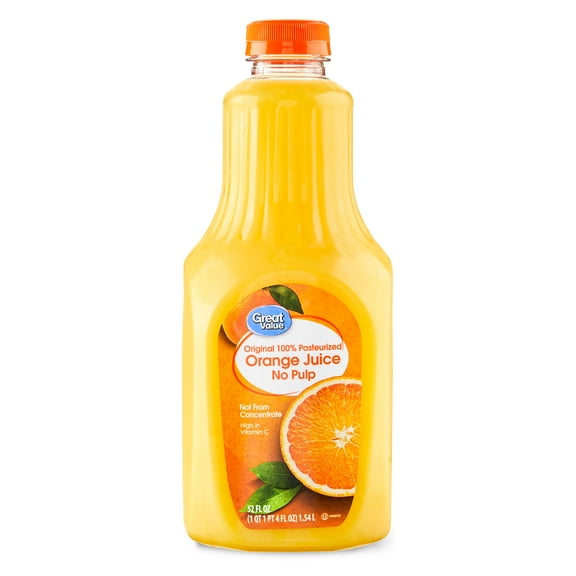
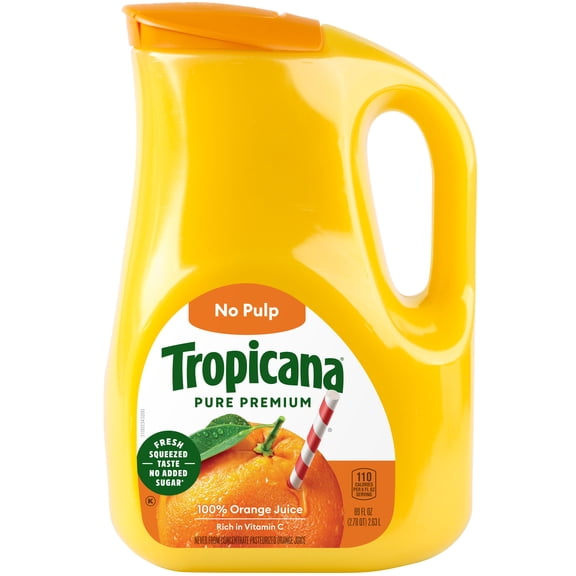
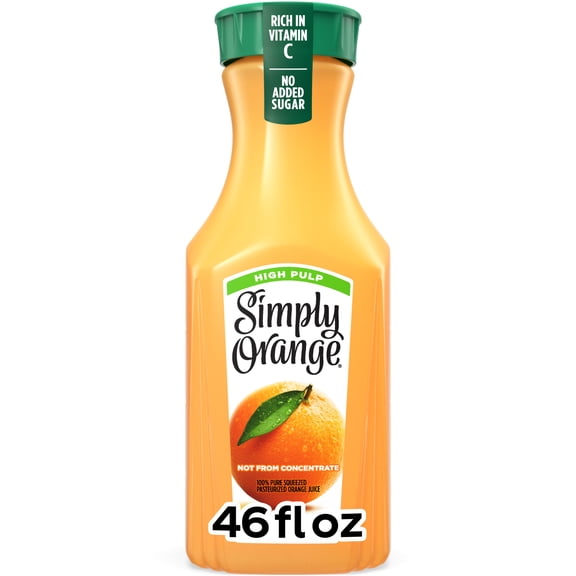
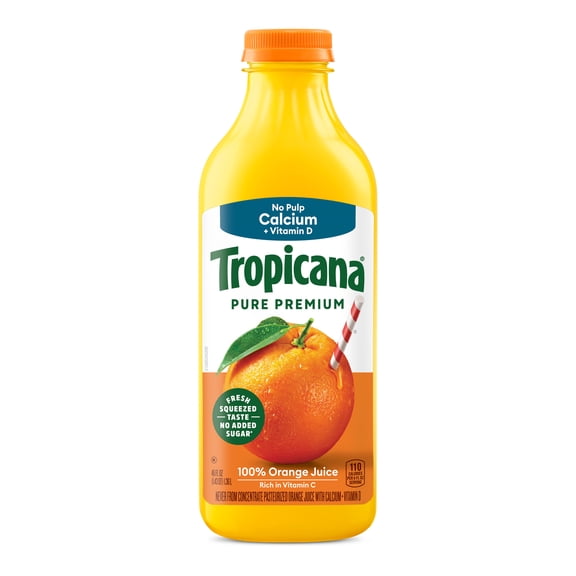
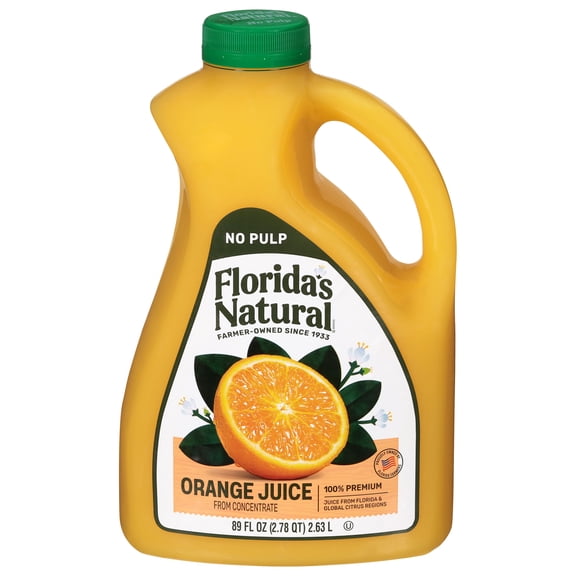
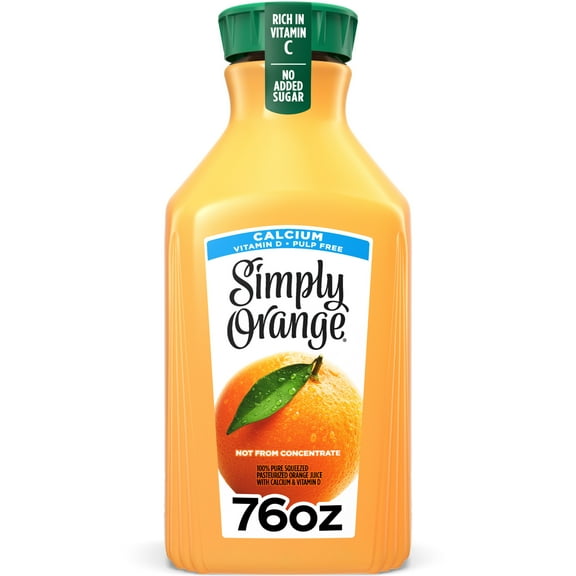
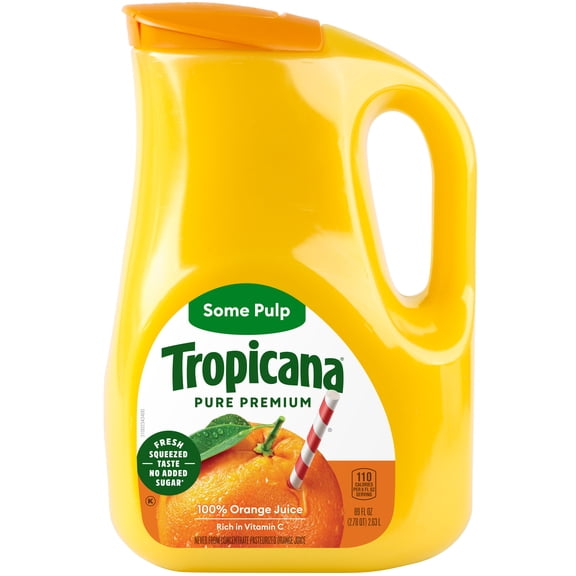
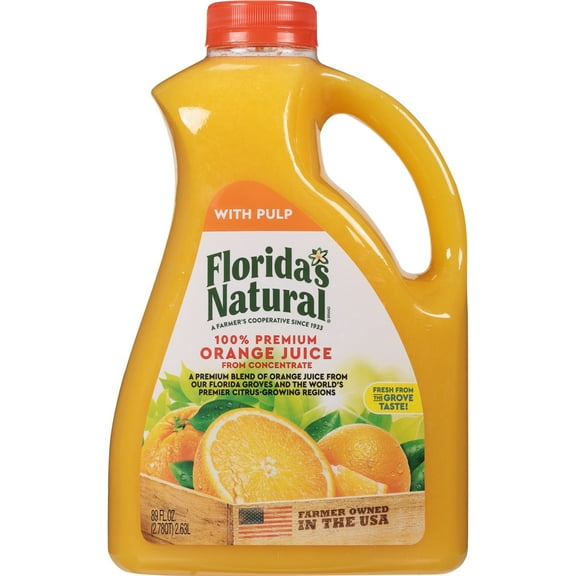
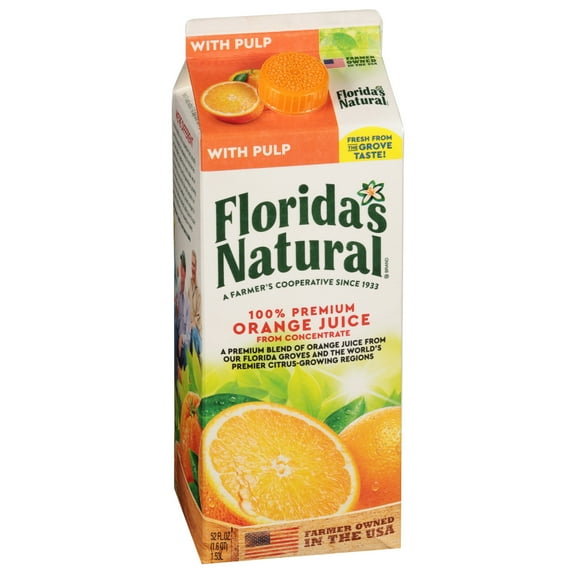
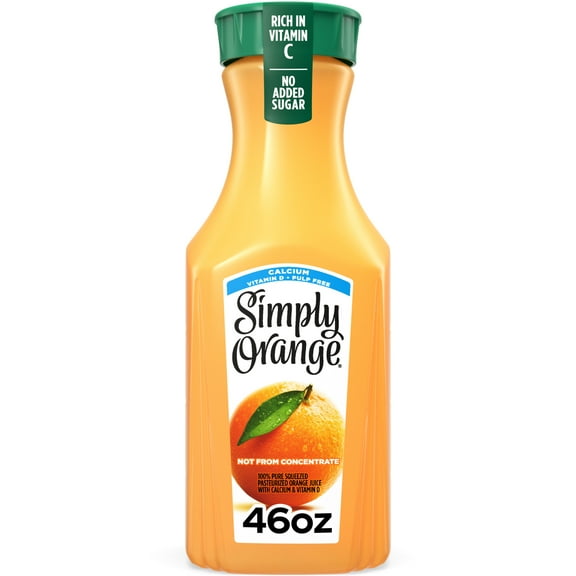
If you prefer a clean, smooth glass, you may choose pulp free orange juice for a lighter feel. If you like more texture, you can compare some pulp, high pulp, and lots of pulp options.
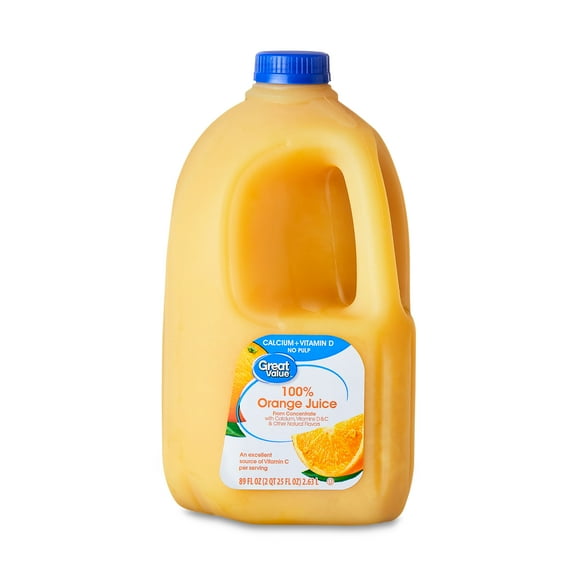
Your next choice may be the juice style and what goes into each carton, bottle, or can. You can look for 100% orange juice, organic orange juice, or calcium fortified orange juice based on your needs.
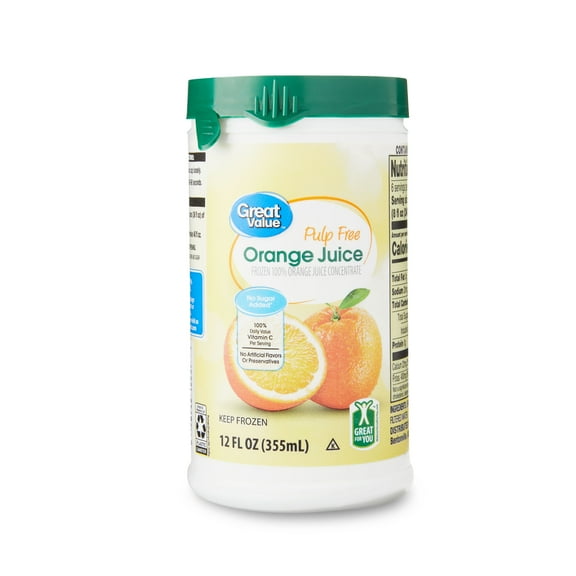
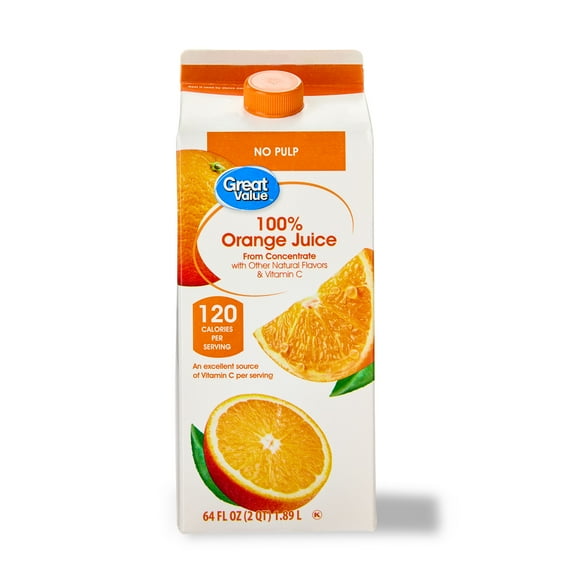
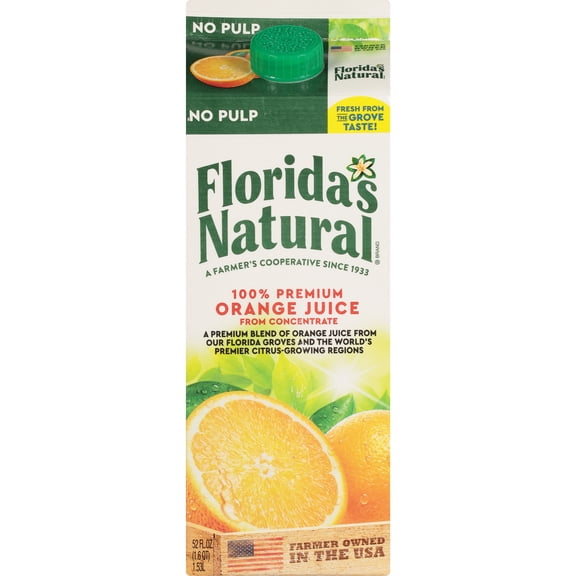
- You can choose pulp free orange juice when you want a smooth texture for breakfast or recipes.
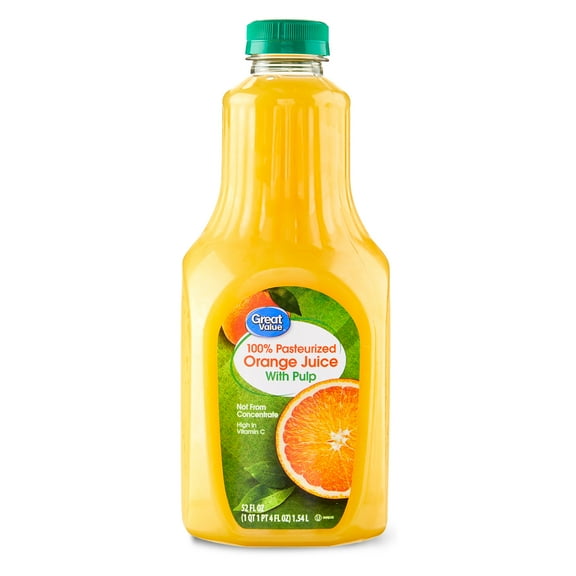
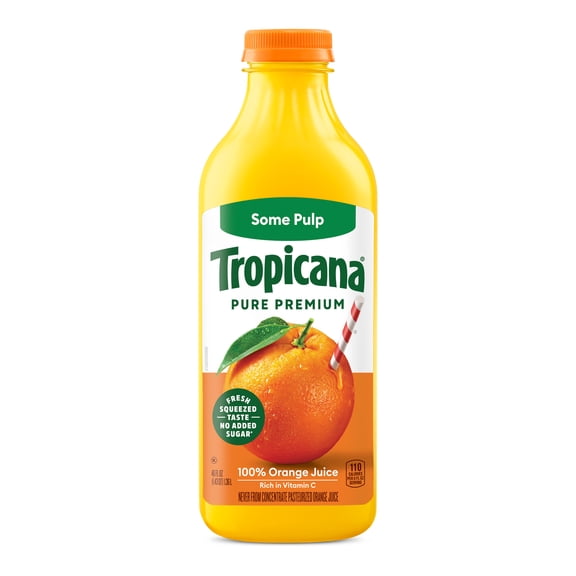
- You can pick orange juice with pulp when you want a heartier sip and more orange texture.
- You can compare regular, calcium and vitamin D, low acid, and reduced sugar options for your household preferences.
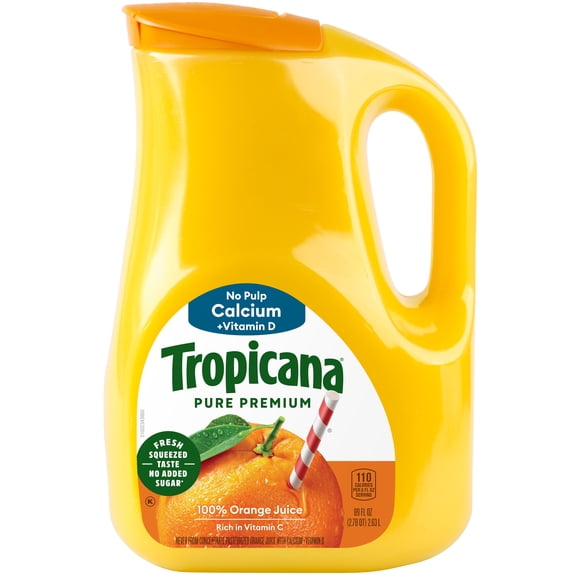
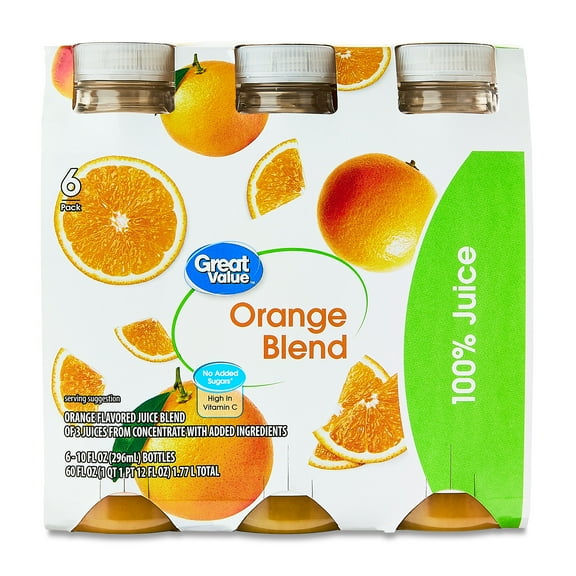
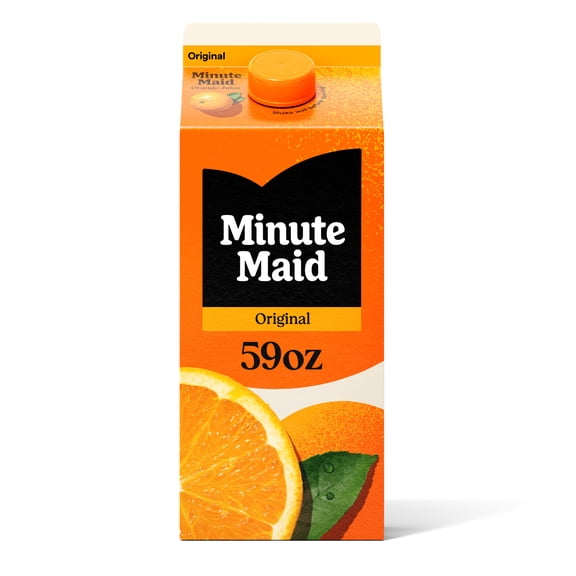
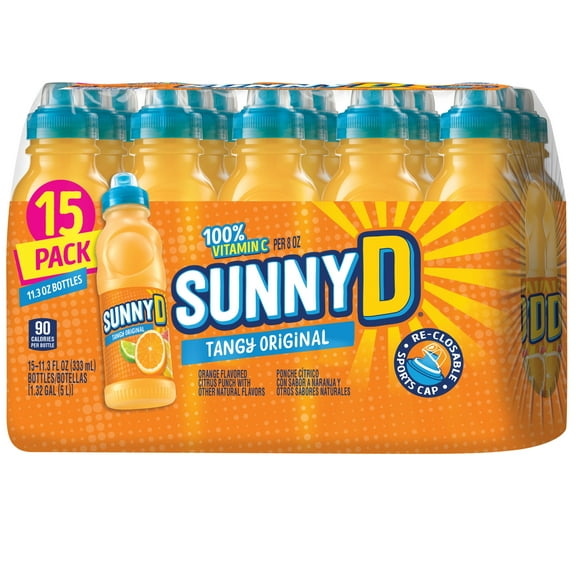
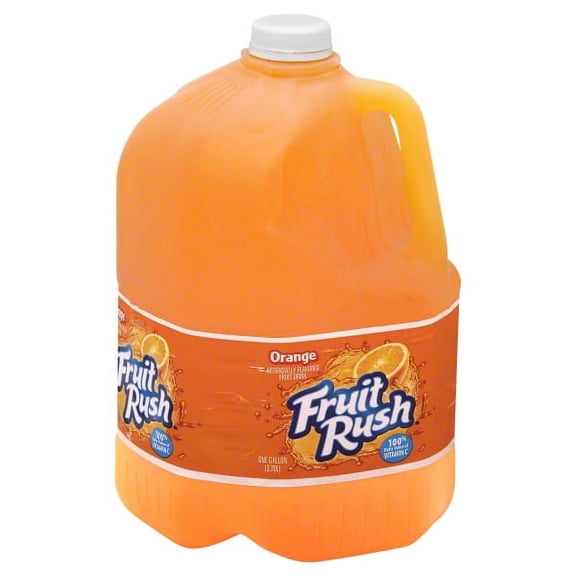
- You can select individual bottles, cartons, gallons, or cans based on how quickly you finish each container.
- You can decide between orange juice not from concentrate, from concentrate, and frozen orange juice concentrate for flavor and storage needs.
Choosing pulp free orange juice, with pulp, and texture levels
Your pulp preference affects how orange juice feels in your glass and how it pairs with meals. You may prefer pulp free for a smooth finish or more pulp for a thicker texture.
For weekday breakfasts, you might reach for pulp free orange juice because it pours easily and suits quick morning routines. For weekend brunch, you may enjoy some pulp or high pulp with eggs, toast, and fruit.
If your household has different preferences, you can keep more than one style on hand. You can use filters to compare smooth options and orange juice with pulp without guessing from the label.
Comparing 100% orange juice, organic, and fortified choices
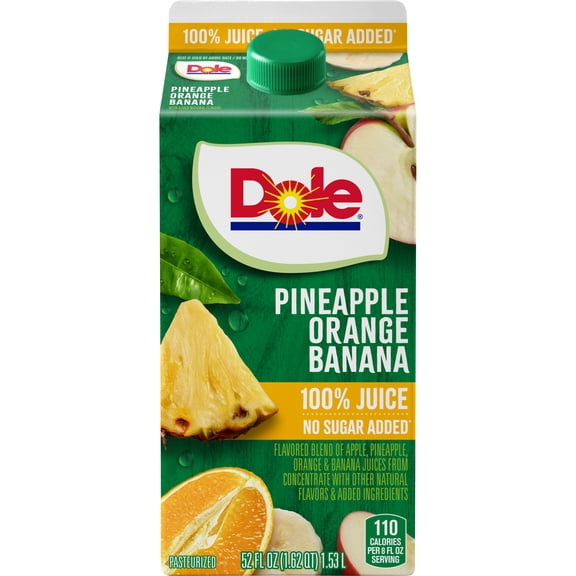
You can use label details to narrow your options fast and choose the format that fits your table. You may look for 100% orange juice when you want juice with no extra flavor blends.
If ingredient sourcing matters in your home, you can compare organic orange juice and conventional choices side by side. You can also check whether your preferred option comes in a bottle, carton, or larger family size.
Fortification matters when you want specific nutrients included in your everyday pour. You can compare calcium and vitamin D options, low acid styles, and reduced sugar varieties with clear label cues.
When you choose calcium fortified orange juice, you’re selecting an option that includes added calcium, and sometimes vitamin D. When you choose low acid, you’re choosing a style some shoppers prefer for a gentler taste.
Deciding on bottles, cartons, gallons, and cans
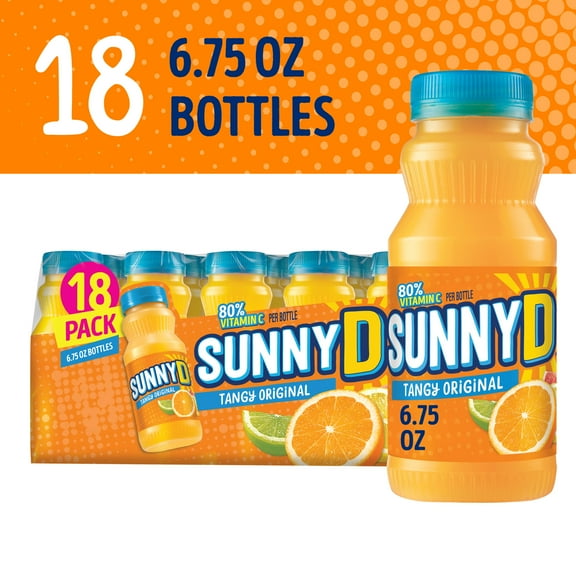
Your package choice should match how often you pour and where you plan to drink it. You can choose orange juice bottles for grab-and-go mornings, lunch bags, or office fridges.
For shared breakfasts, you may prefer a carton or gallon that stays ready in the refrigerator. If you pour juice for several people each morning, a larger container may fit your routine better.
Cans can work well when you want compact storage or smaller portions on hand. You can compare package sizes carefully so your juice stays fresh for the pace of your household.
Understanding orange juice not from concentrate and frozen concentrate
You can also sort orange juice by concentrate type, because that affects taste, storage, and prep. Orange juice not from concentrate is often the choice you’ll compare when you want a fresh-squeezed style profile.
If you want a dependable fridge staple, you may choose from concentrate in ready-to-drink cartons or bottles. If you want a freezer-friendly option, frozen orange juice concentrate gives you a format you mix at home.
Your routine can guide this decision more than anything else. You may keep orange juice not from concentrate for everyday drinking and frozen orange juice concentrate for backup storage.
Matching orange juice types to everyday use
For school mornings, you may want single-serve bottles, a smooth texture, and an easy-pour container. For family breakfasts, you may choose a gallon with some pulp or a large carton of 100% orange juice.
If you meal prep or host brunch, you can compare larger sizes that work well for repeated pours and mixer recipes. If you stock a small fridge, you may prefer compact bottles or cans that fit tighter spaces.
You can also match your choice to related pantry and breakfast needs in one trip. You may pair your juice pick with breakfast foods, apple juice, or grapefruit juice to cover different tastes at home.
With orange juice, you’re not choosing one generic drink type. You’re choosing the right pulp level, fortification, package size, and concentrate style, so your next glass fits your routine with less guesswork.