





Baby Cribs






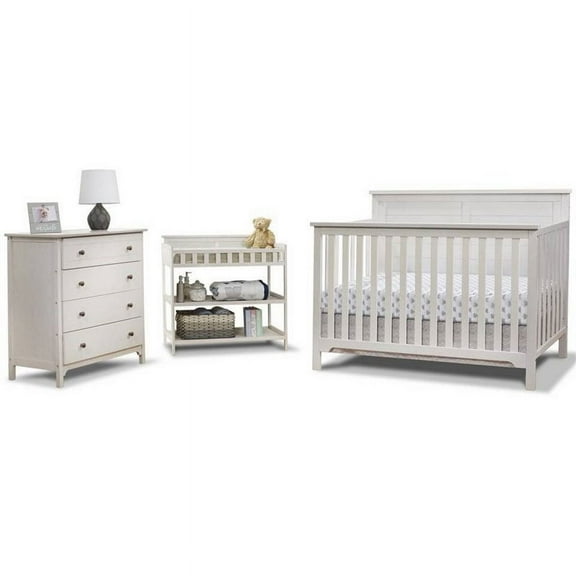
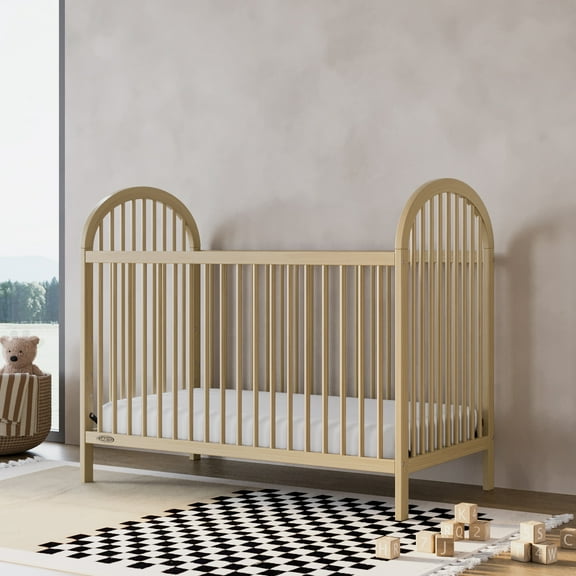

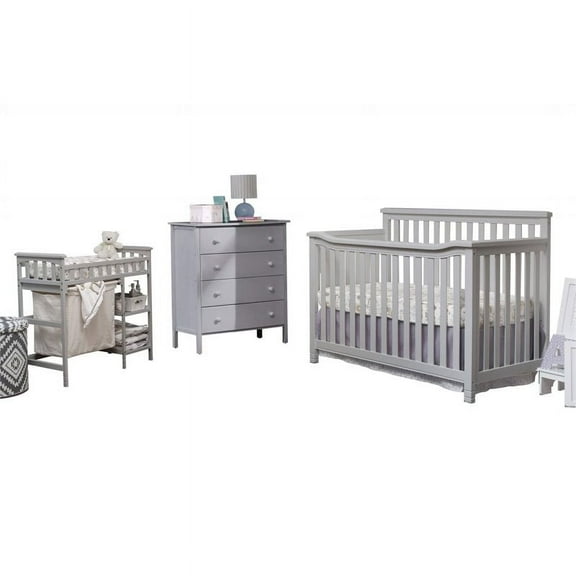


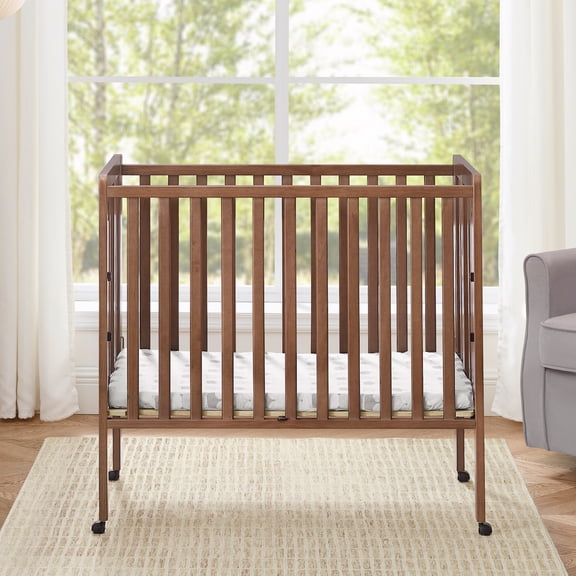

















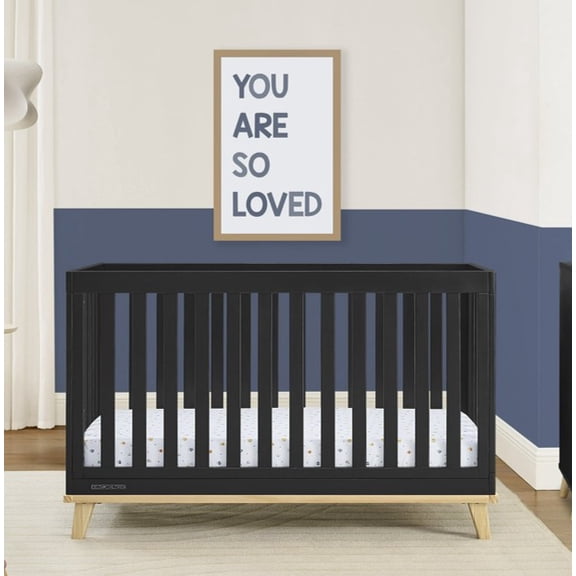


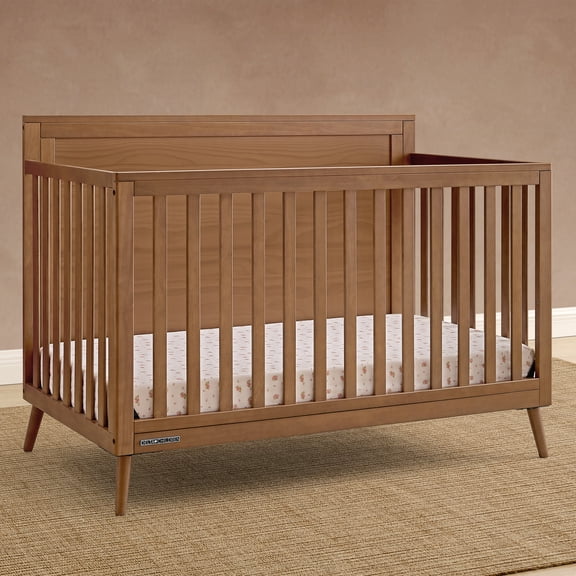


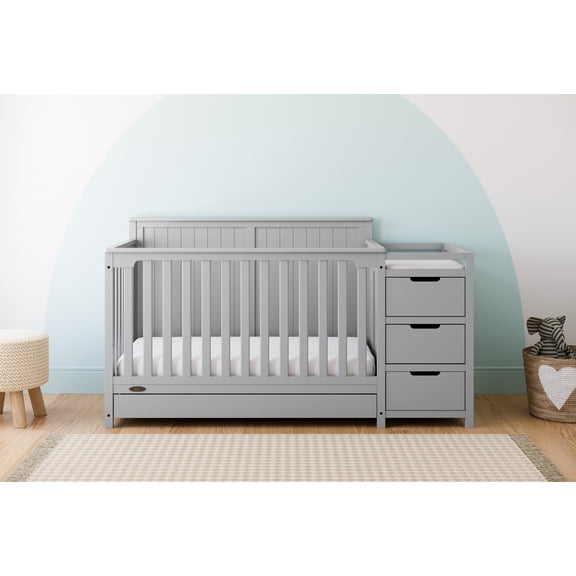


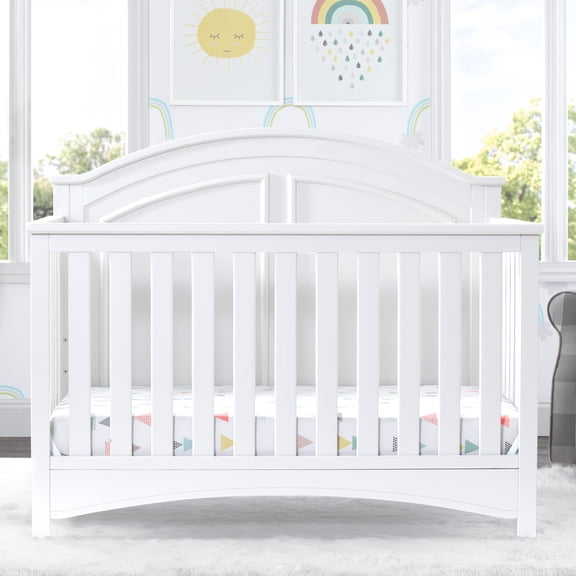




















About Baby Cribs - Walmart.com
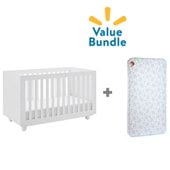
Baby cribs help you create a nursery that fits your space, your style, and your long-term plan. You can compare crib types, certifications, and conversion options to choose with more clarity.
How to choose baby cribs for your nursery
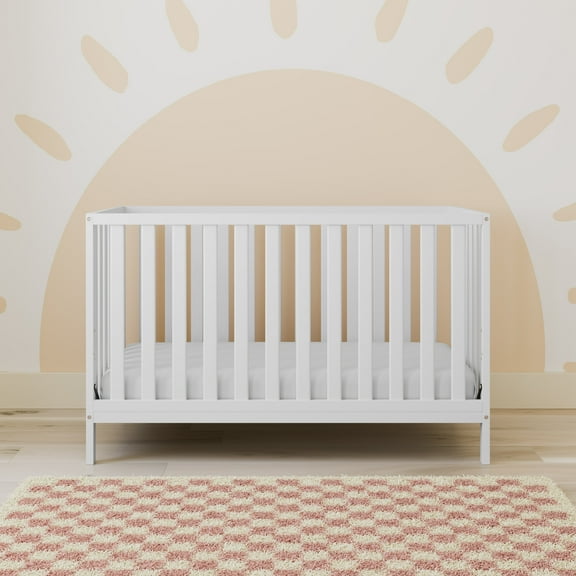
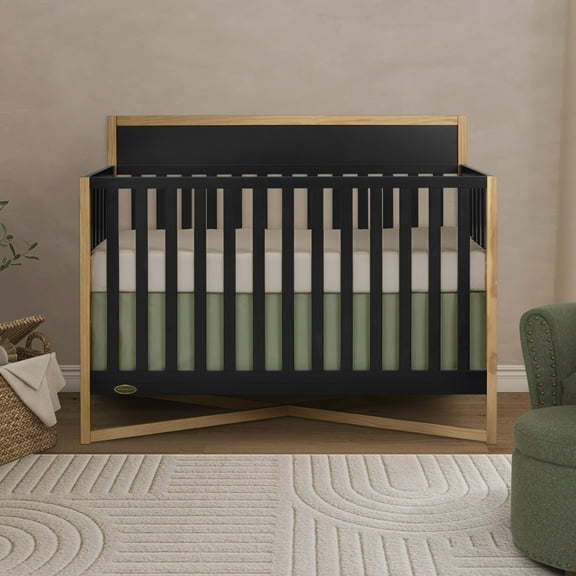
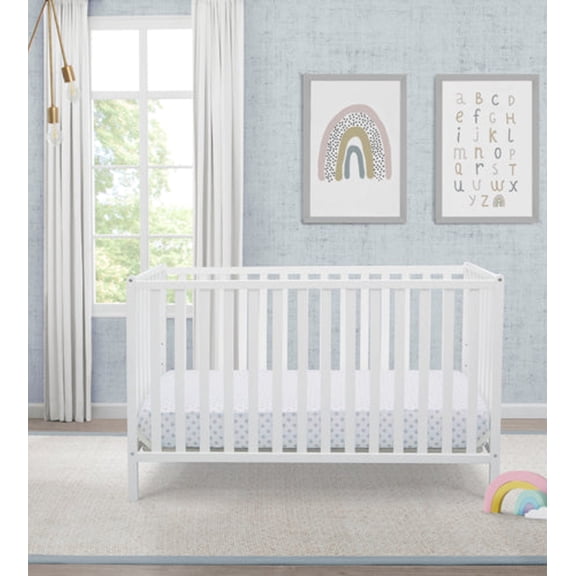
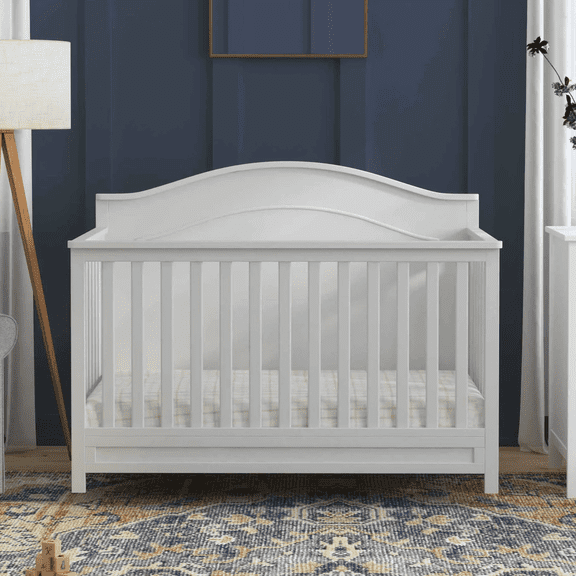
When you compare baby cribs, you should start with crib type and room layout. You can choose standard, convertible, mini, or portable designs based on daily use.
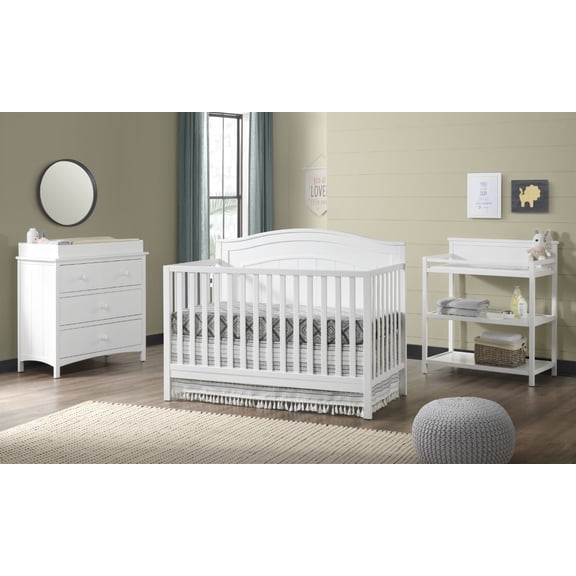
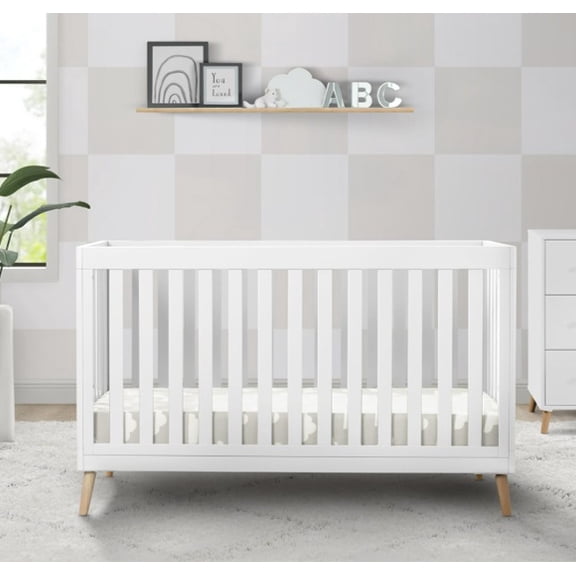
If you have a dedicated nursery, you may prefer a standard crib with a full-size footprint. If you need flexibility, you may prefer mini cribs or portable cribs for tighter spaces.
You should also think about how long you want the crib to work for your family. If your goal is extended use, convertible baby cribs can support several stages.
You can narrow options quickly when you compare the dimensions that shape everyday use. You should measure wall space, doorway clearance, and nearby furniture before you choose.
Choosing convertible baby cribs and 4 in 1 options
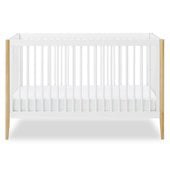
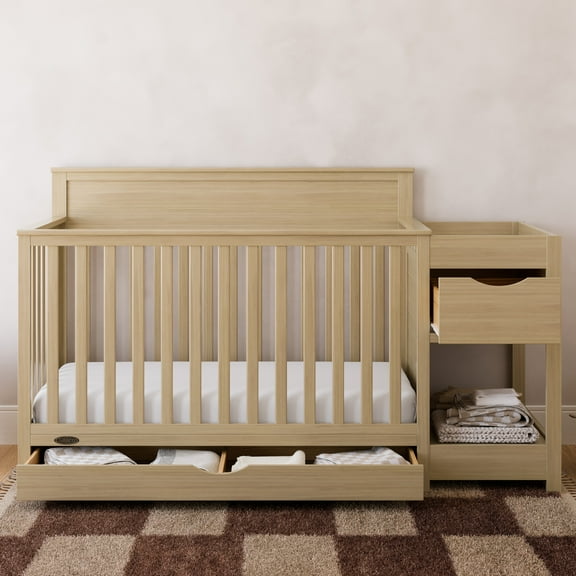
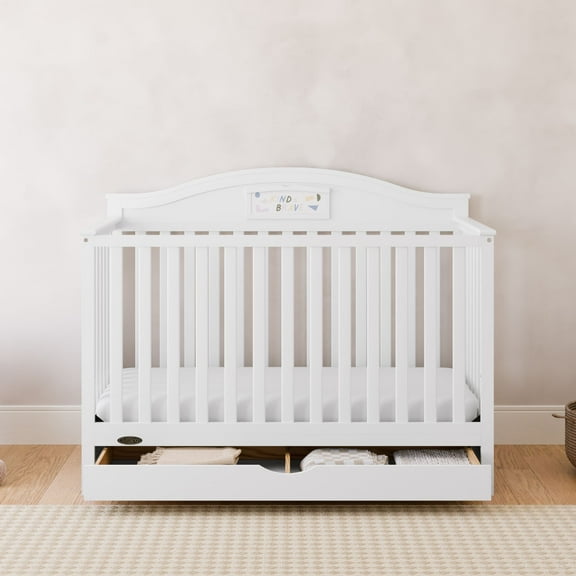
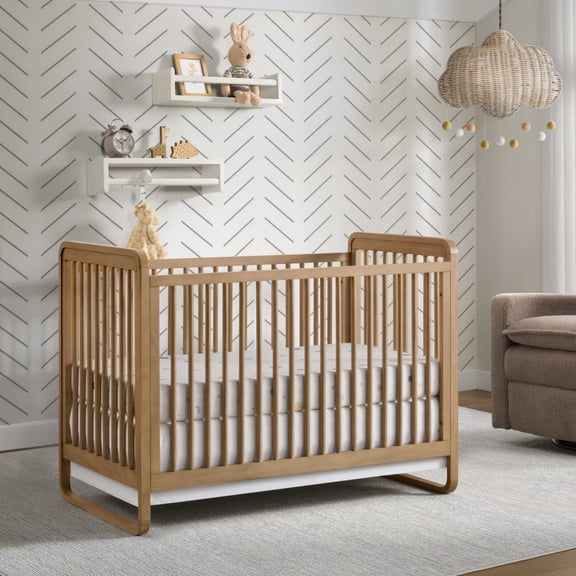
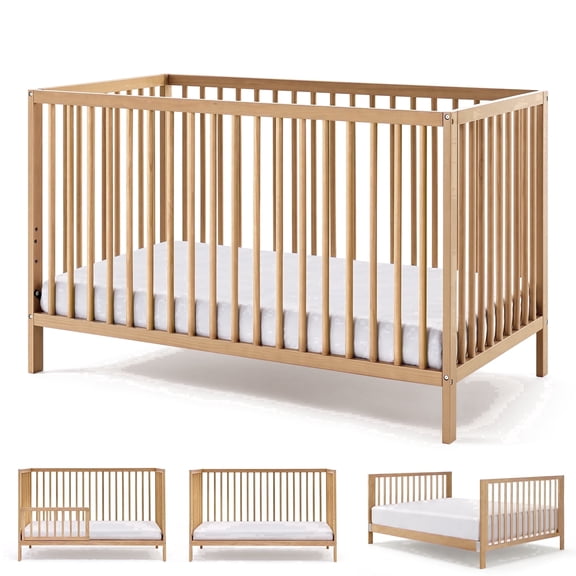
Convertible baby cribs can give you a longer-use setup as your child grows. You can compare two-in-one, three-in-one, and 4 in 1 convertible crib designs by supported stages.
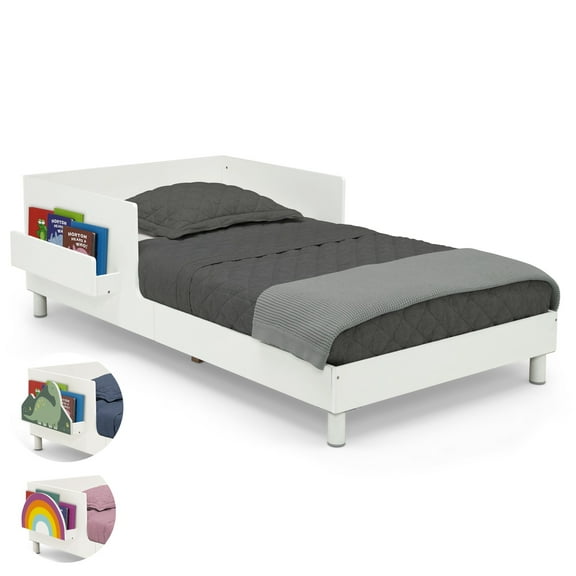
With a two-in-one model, you may get a crib that changes into a toddler bed. With a three-in-one or four-in-one design, you may also get daybed or full-size compatibility.
You should check which conversion pieces come in the box and which pieces you need to buy separately. You can also compare rail shapes and bed ends for a consistent furniture look.
- You can plan for later stages when your crib frame supports more than one setup.
- You can compare three-in-one and four-in-one designs by the transitions you expect to use.
- You can keep your nursery style consistent when the same frame works across later stages.
- You can sort choices quickly when you review included conversion parts before you decide.
Comparing mini cribs and portable cribs for smaller rooms
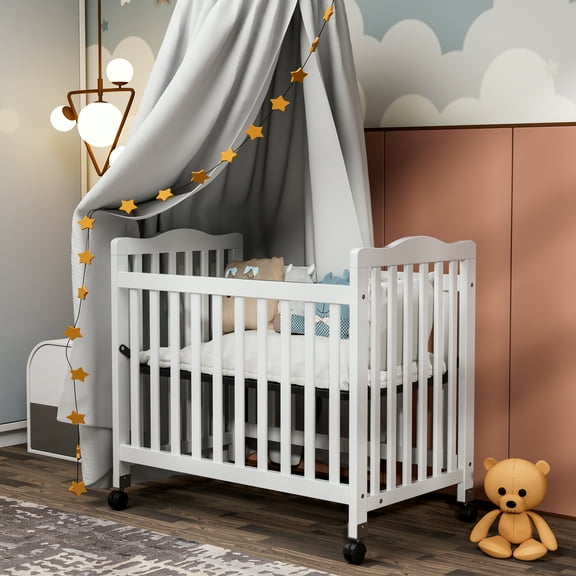
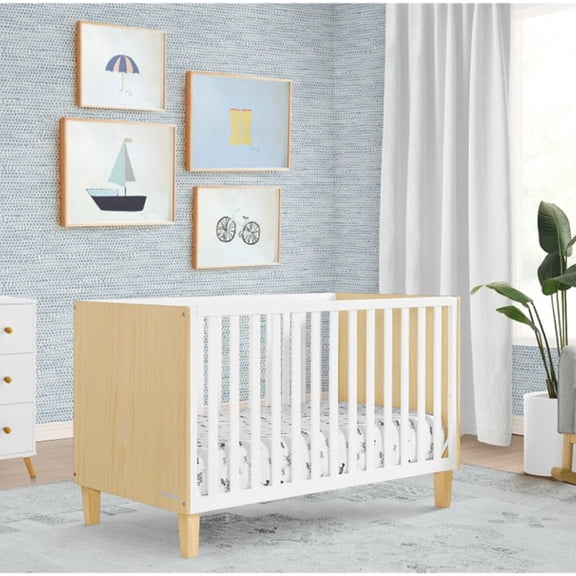
Mini cribs work well when you need a smaller footprint without leaving the crib category. You can use them in apartments, shared bedrooms, or compact nursery layouts.
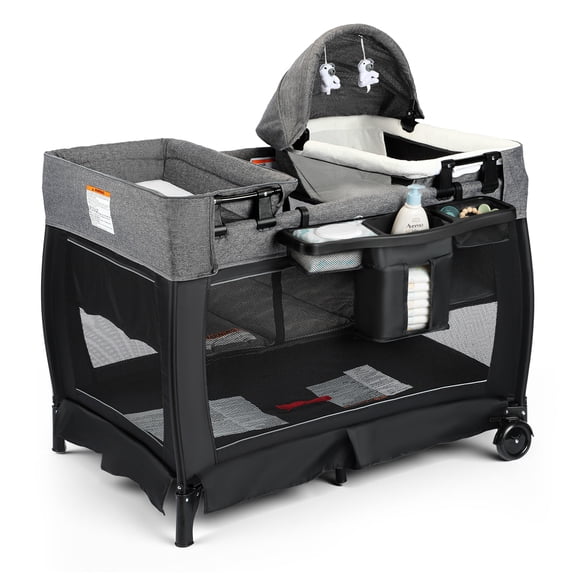
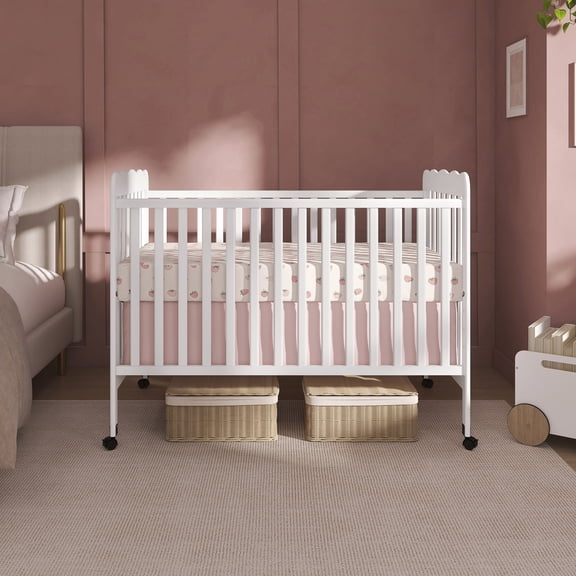
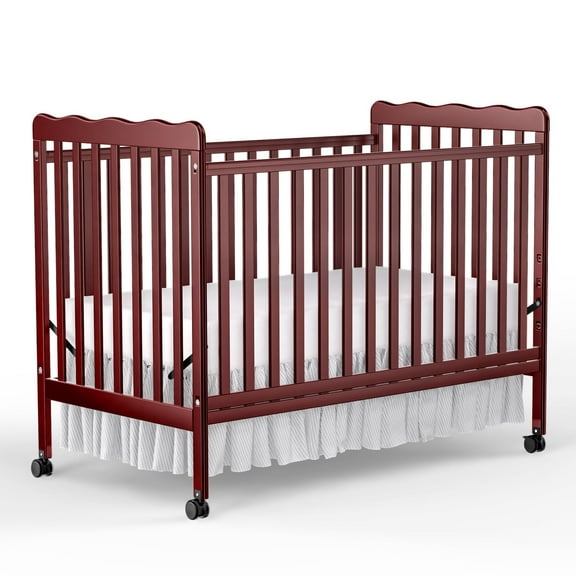
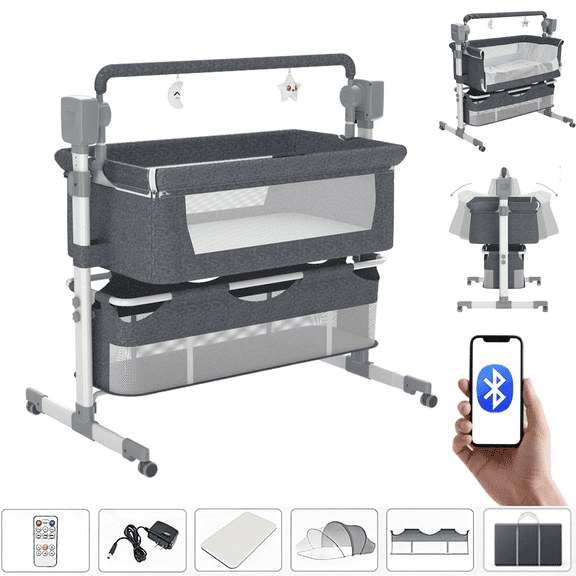
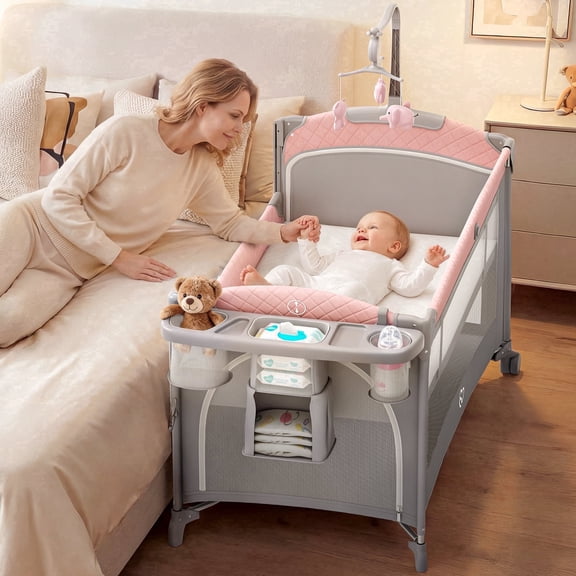
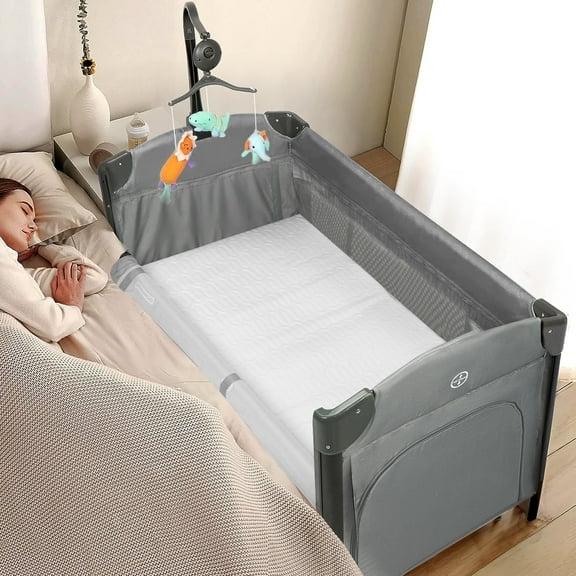
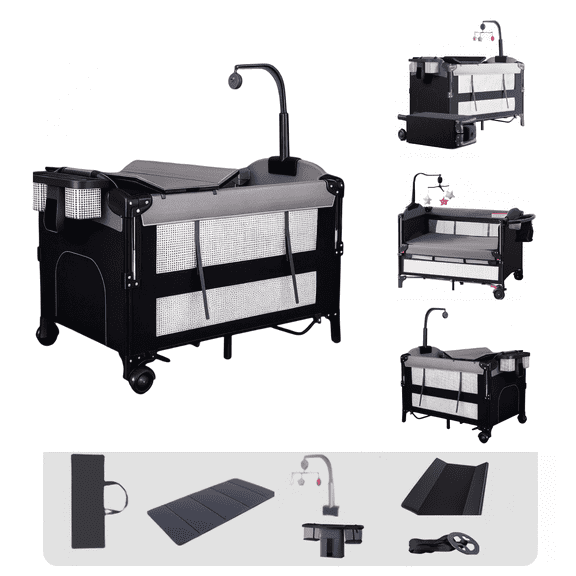
Portable cribs add flexibility when you want convenient movement from room to room. You can compare folding frames, locking wheels, and compact shapes for your layout.
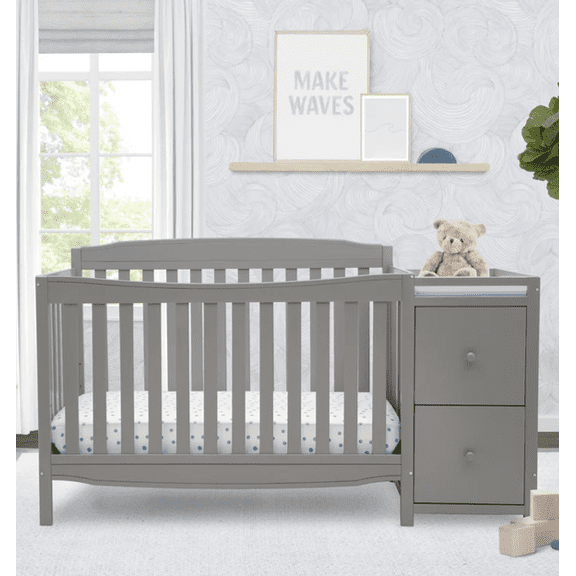
You should measure open floor space, door clearance, and dresser placement before you choose. You can also compare crib dimensions with your changing table, glider, or storage plan.
If you’re deciding between mini and full-size styles, mattress size matters right away. You should confirm whether you need a standard crib mattress or a mini crib mattress.
What to compare in wooden baby cribs and other materials
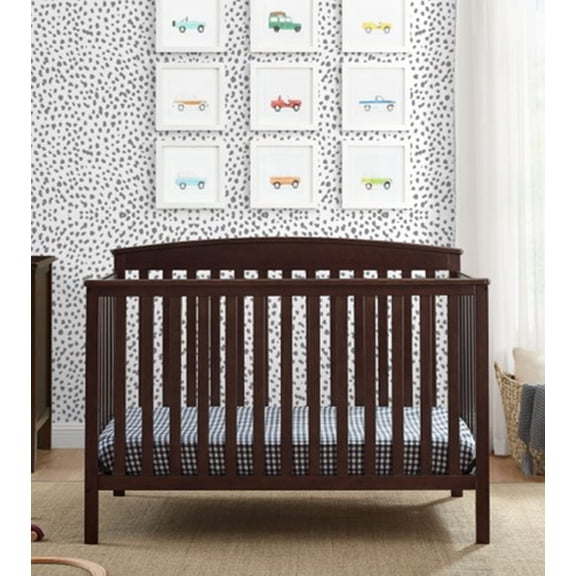
Wooden baby cribs are a common choice when you want a classic nursery look. You can compare light, medium, or dark finishes with dressers, shelves, and room accents.
Metal frames can suit modern rooms with a simpler profile and cleaner lines. You may prefer that look if your nursery furniture has a streamlined style.
You may also see material notes that mention non-toxic finishes or related details. You should read finish and construction descriptions carefully so you can compare with confidence.
When you compare materials, you should also look at slat spacing, corner shape, and hardware placement. You can use those details to judge fit with your nursery layout.
Checking safe baby cribs and certification details
Safe baby cribs often stand out through clear certification details and build standards. You should look for JPMA certified, Greenguard Gold, and ASTM compliant options while comparing models.
JPMA certification helps you identify cribs that meet recognized category standards. Greenguard Gold helps you compare options with certified low-emission materials for your nursery plan.
ASTM compliant labeling gives you another useful checkpoint as you review crib construction. You should also compare fixed-side designs, sturdy hardware, and clear assembly guidance.
You can narrow your shortlist quickly when certification details appear clearly on the product page. You should also confirm mattress fit guidance and support settings before your final choice.
Understanding mattress fit and adjustable support levels
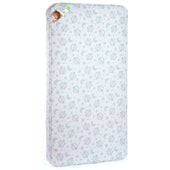
Mattress fit is a key detail you should check before choosing a crib. You should confirm whether the frame uses a standard full-size mattress or a mini crib mattress.
Many baby cribs include adjustable mattress support levels for different growth stages. You can compare those height positions if you want convenient reach during early months.
You should measure your nursery before choosing a full-size or compact frame. You can also compare assembled dimensions with windows, doorways, and nearby furniture placement.
If you want fewer setup surprises, you should review assembly style and hardware notes first. You can feel more prepared when you can easily find dimensions, mattress guidance, and support levels.
Matching your crib choice to your everyday setup
If you’re furnishing a long-term nursery, you may focus on convertible baby cribs with a flexible silhouette. You can pair that choice with matching furniture and a standard mattress plan.
If you’re furnishing a smaller room, you may focus on mini cribs with a tighter footprint. You can keep more floor space open for a glider, dresser, or storage pieces.
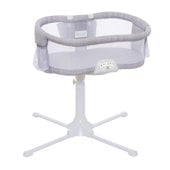
If you need occasional movement between rooms, you may focus on portable cribs with convenient positioning. You can compare wheel designs, folded dimensions, and compact storage details.
When you balance room size, future use, and certification details, you can choose with more confidence. You can create a nursery setup that fits your space and supports your routine.