


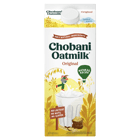
Milk in Dairy & Eggs


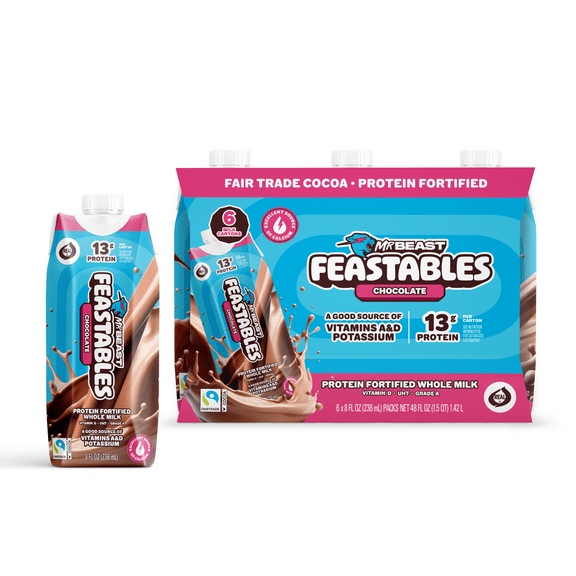
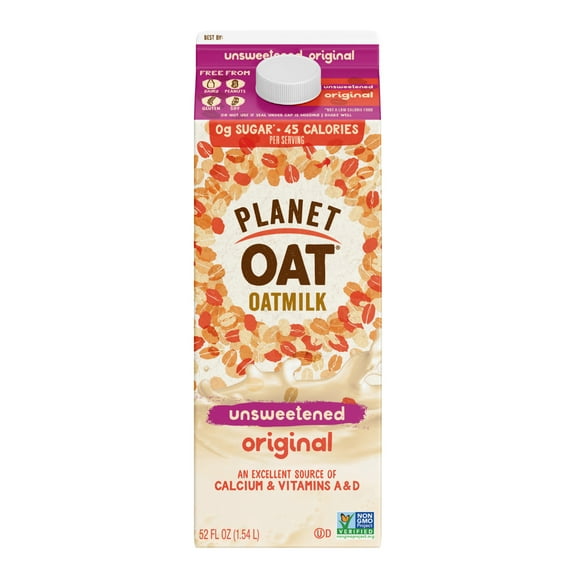
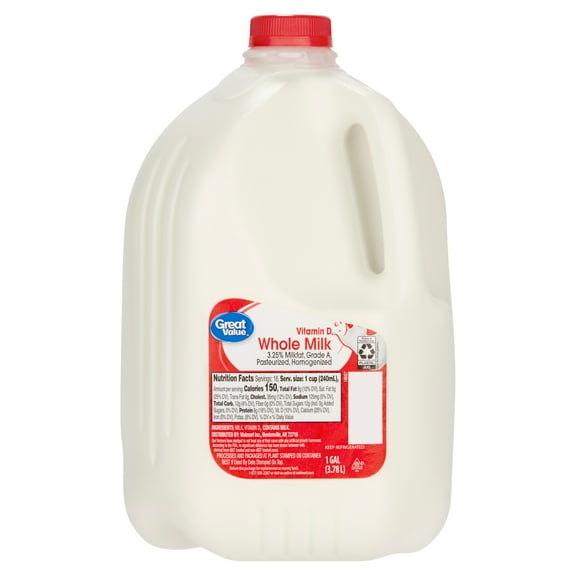





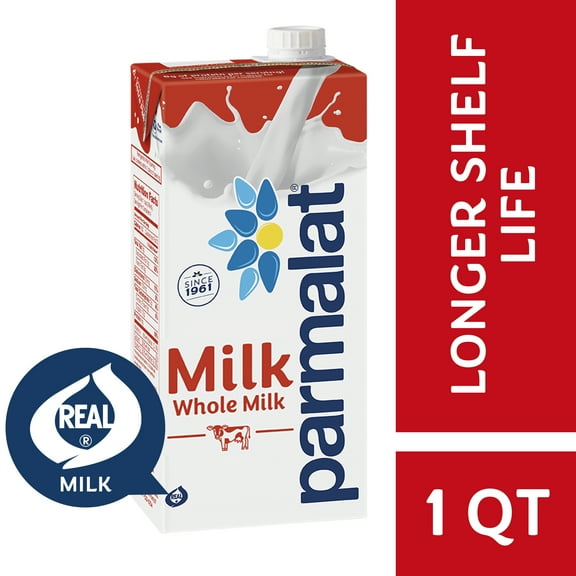

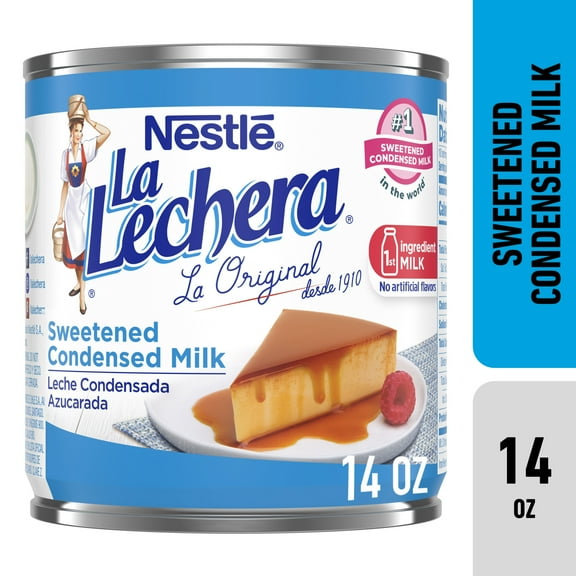
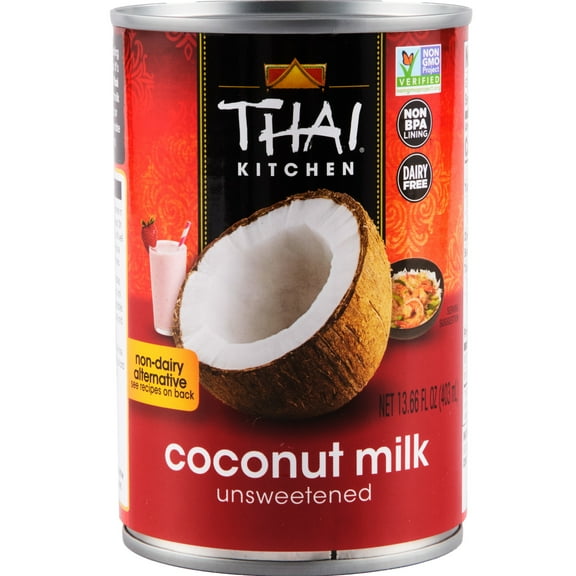










About Milk in Dairy & Eggs - Walmart.com
Milk gives you a flexible fridge staple for cereal, coffee, cooking, and quick drinks. You can compare dairy and plant-based choices at Walmart by fat content, source, specialty needs, and package size.
How to choose milk for your routine
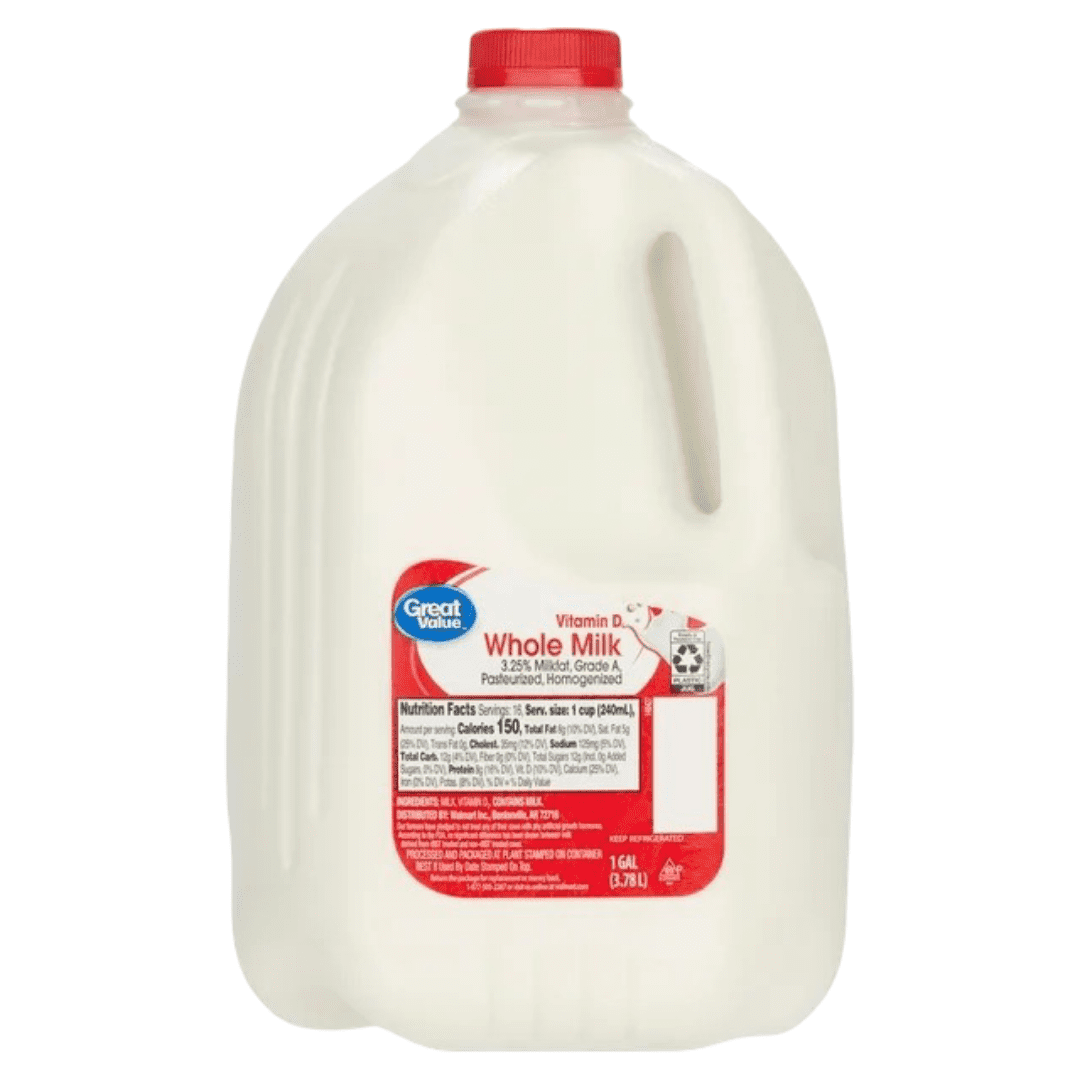
You’ll get the clearest starting point by matching milk type to how you use it each day. You can choose whole milk for a richer taste, or skim milk for a lighter pour.
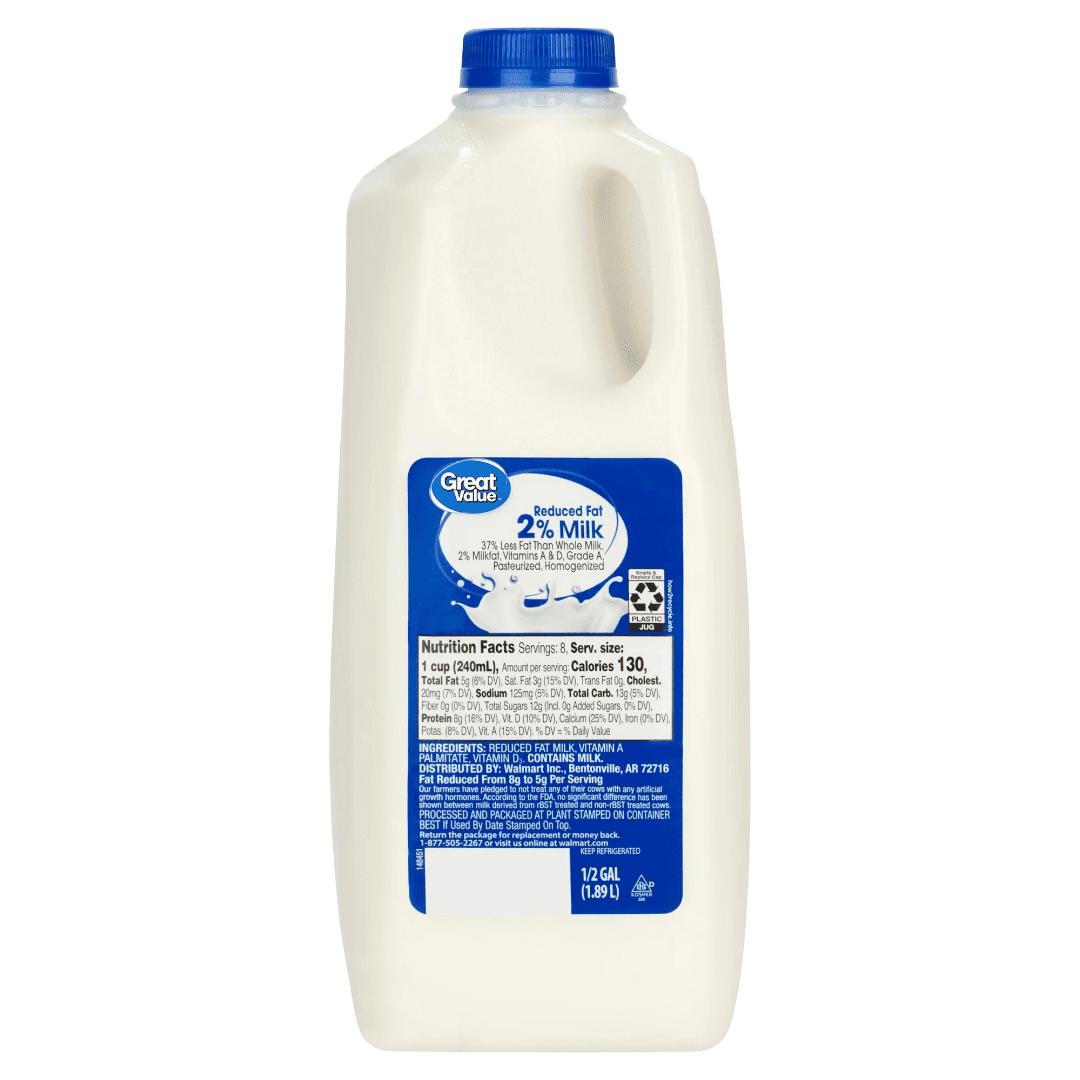
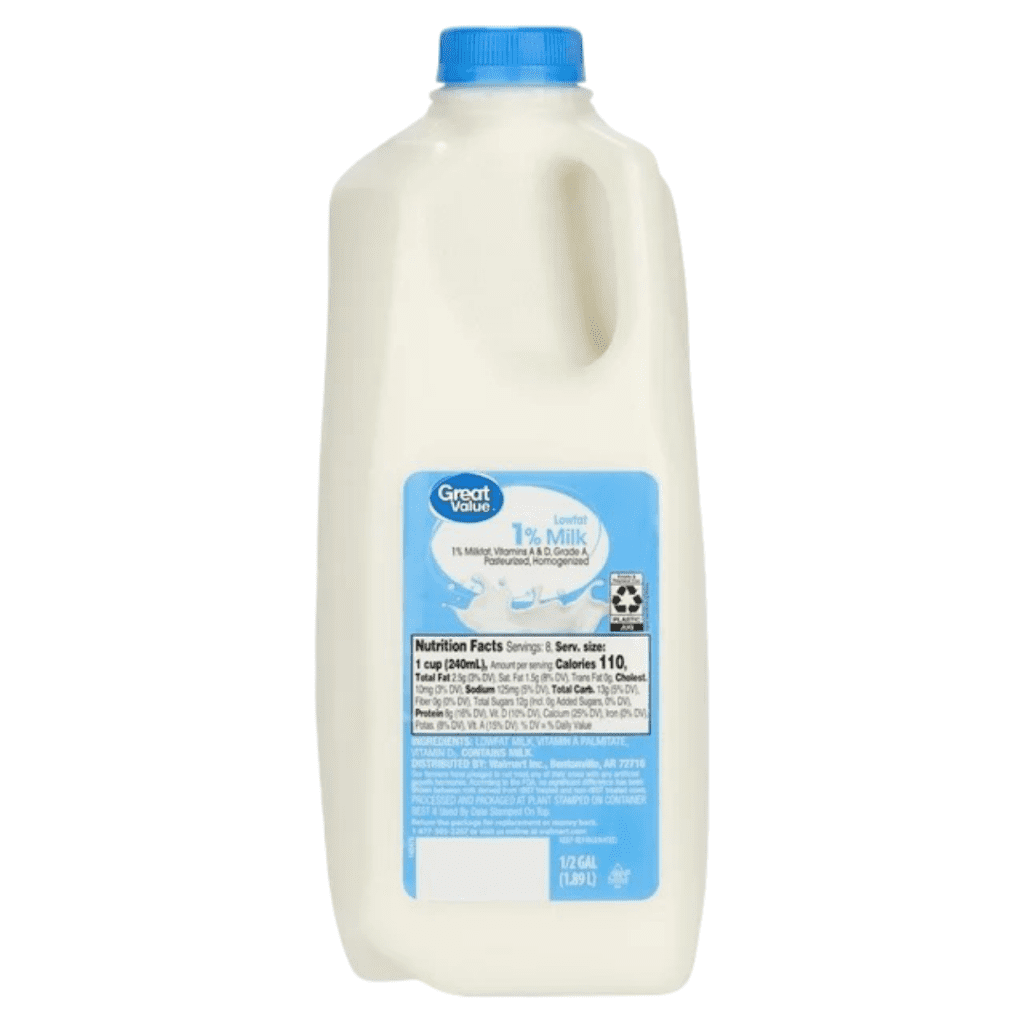
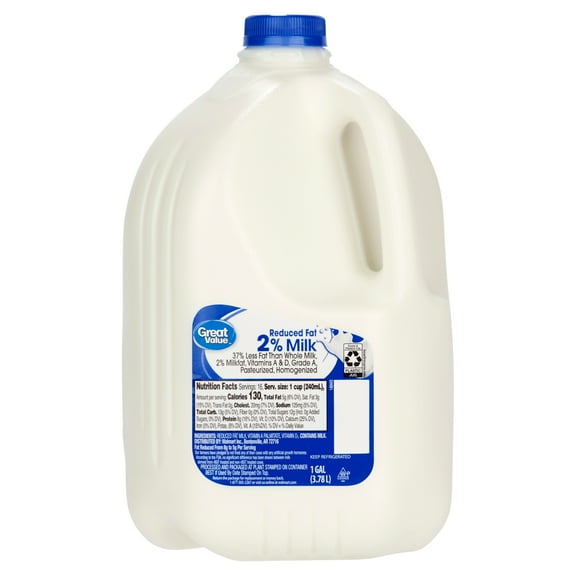
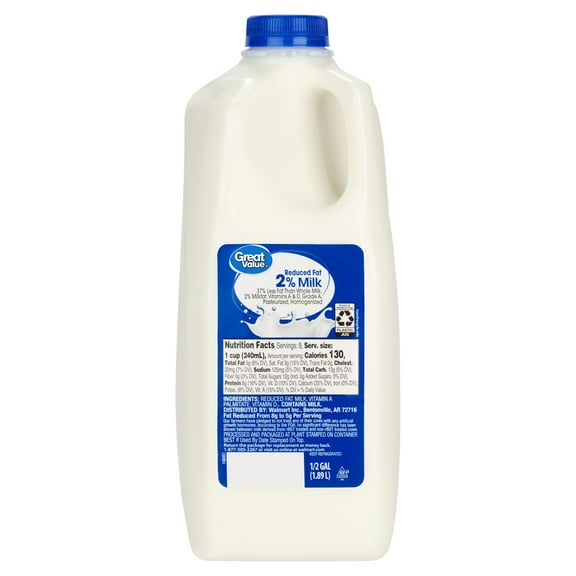
If you use milk in cereal and baking, you may prefer 2% reduced fat for balance. If you pack lunches or pour smaller servings, you may like 1% low fat.
You can narrow your options faster when you compare the main decisions first. You may want to focus on these common milk shopping points before you pick a carton.
- You can choose whole milk when you want a creamier texture in coffee, sauces, or cereal.
- You can pick 2% reduced fat when you want a middle-ground option for everyday family use.
- You can select 1% low fat or skim milk when you want a lighter texture in smoothies or glasses.
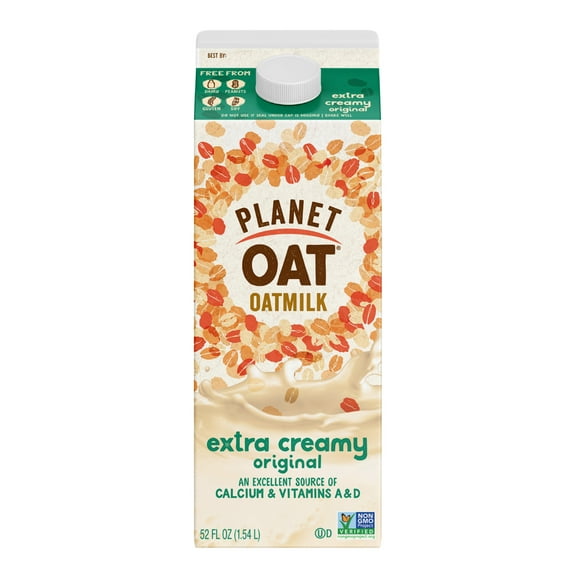
- You can compare dairy, almond milk, oat milk, soy, and coconut choices by taste and recipe fit.
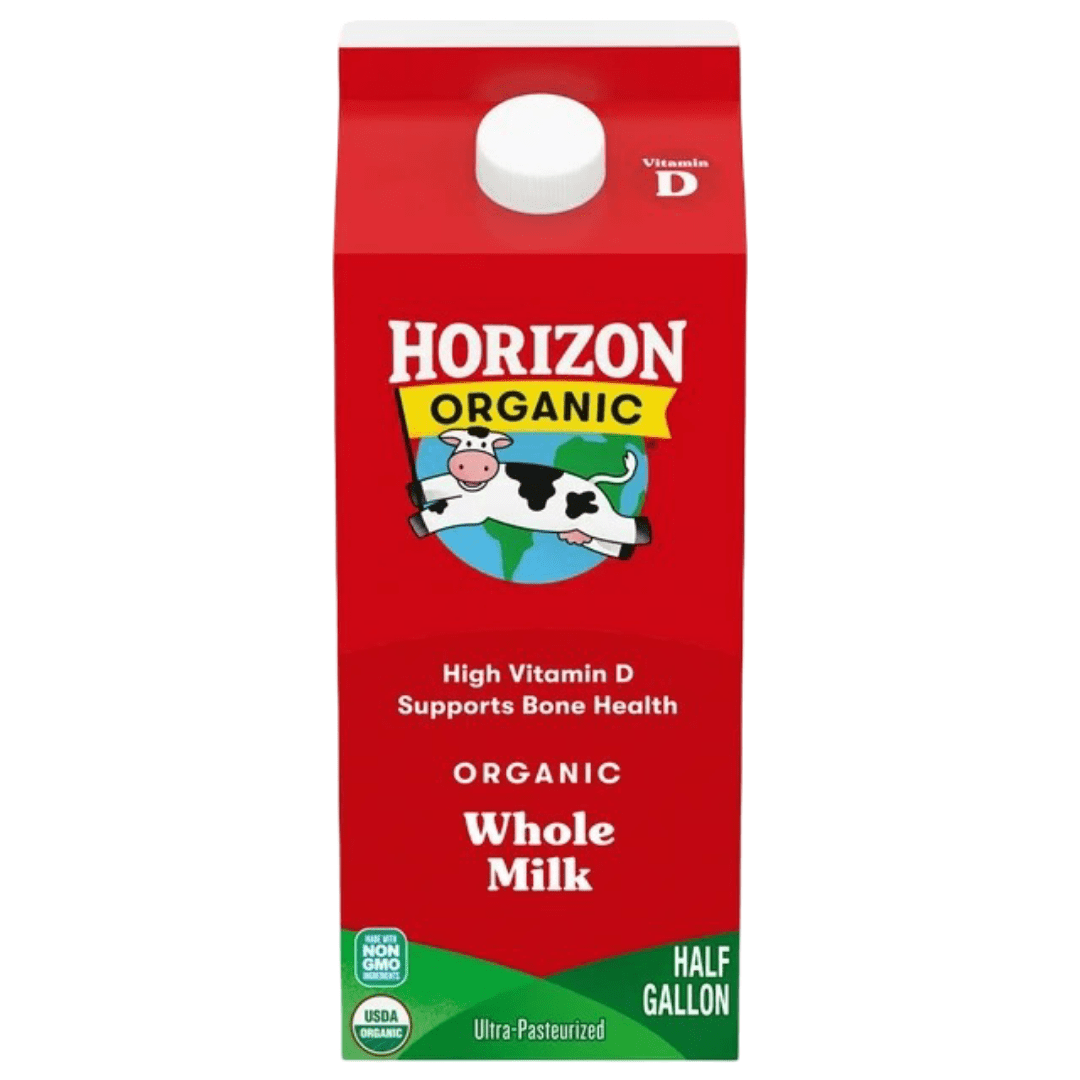
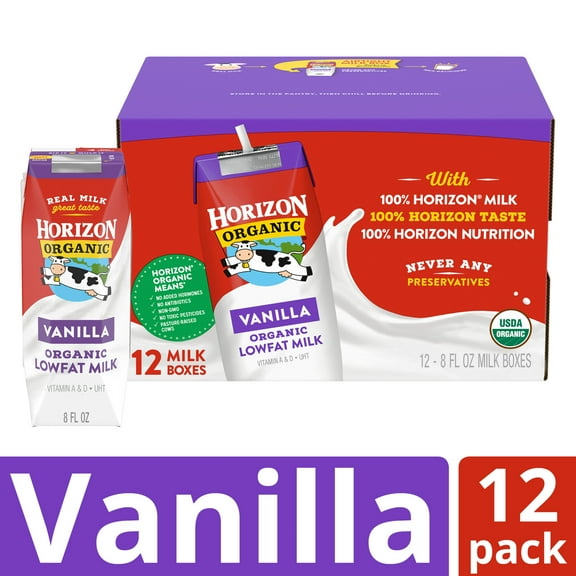
- You can look for organic milk or lactose free milk when your household has specific shopping preferences.
- You can match a gallon of milk, half gallon, quart, or single-serve size to your weekly routine.
Choosing by milk type and fat content
You should compare fat percentages first because they affect taste, texture, and how milk works in recipes. You’ll usually notice whole milk feels fuller, while skim milk tastes lighter.
If you make creamy soups, puddings, or sauces, you may want a richer dairy option. If you blend shakes or drink milk by the glass, you may prefer 2% or 1%.
You can also think about who drinks it most often in your home. If your household uses several bowls of cereal daily, you may want a familiar texture everyone enjoys.
For baking, you may want to check whether your recipe needs a fuller body or a lighter result. You’ll often find fat content changes browning, richness, and mouthfeel.
Choosing between dairy and plant-based options
You can compare source next by deciding whether dairy or plant-based options fit your preferences. You may choose dairy for classic taste, or almond milk and oat milk for different textures.
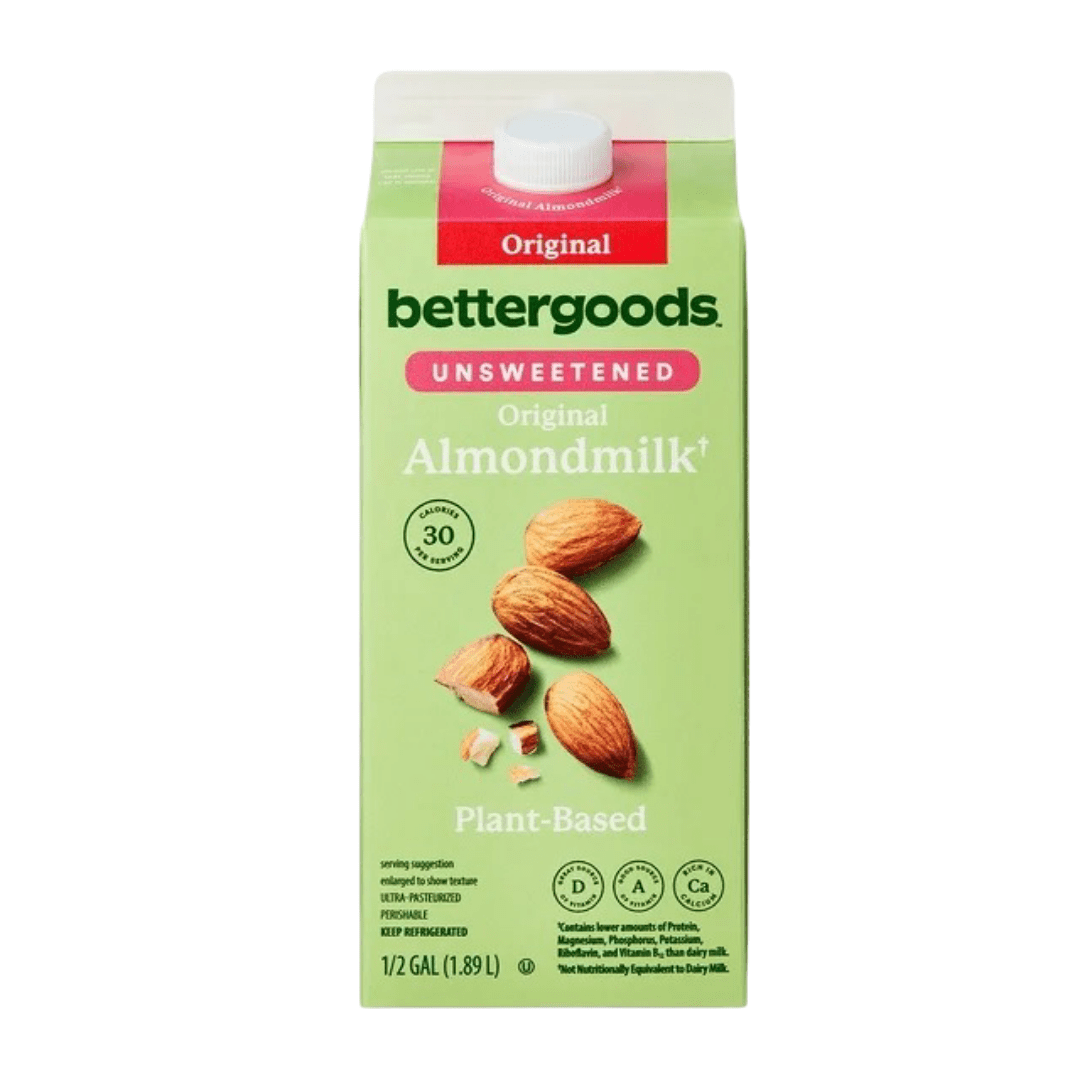
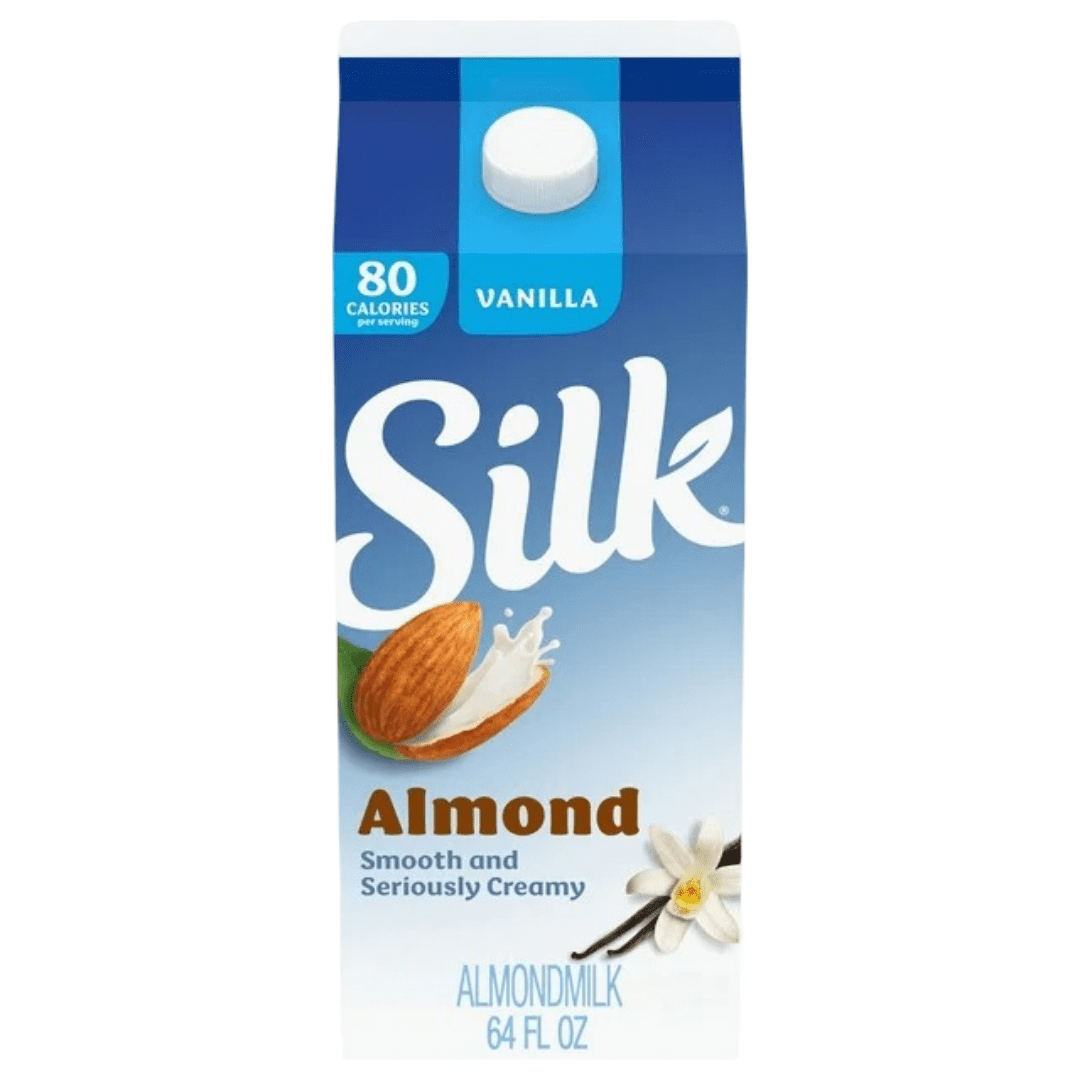
If you pour milk into coffee, you may notice oat options taste smooth and mix easily. If you want a lighter nutty note, you may prefer almond milk.
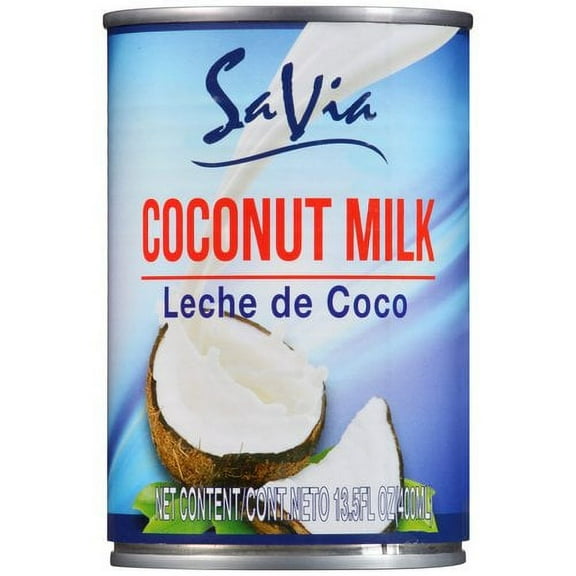
You can also compare soy and coconut choices by flavor and how you plan to use them. If you cook, bake, or blend often, you should check the label and serving style.
For breakfast routines, you may want a carton that works with cereal, overnight oats, and smoothies. For sipping, you may focus more on taste and texture than recipe performance.
Choosing organic milk and lactose free milk
You can refine your search by looking at specialty labels that match your household preferences. You may want organic milk, lactose free milk, grass-fed options, or ultra-filtered choices.
If you prefer organic milk, you’ll want to compare package details and label standards carefully. You can use those labels to shop according to your usual grocery priorities.
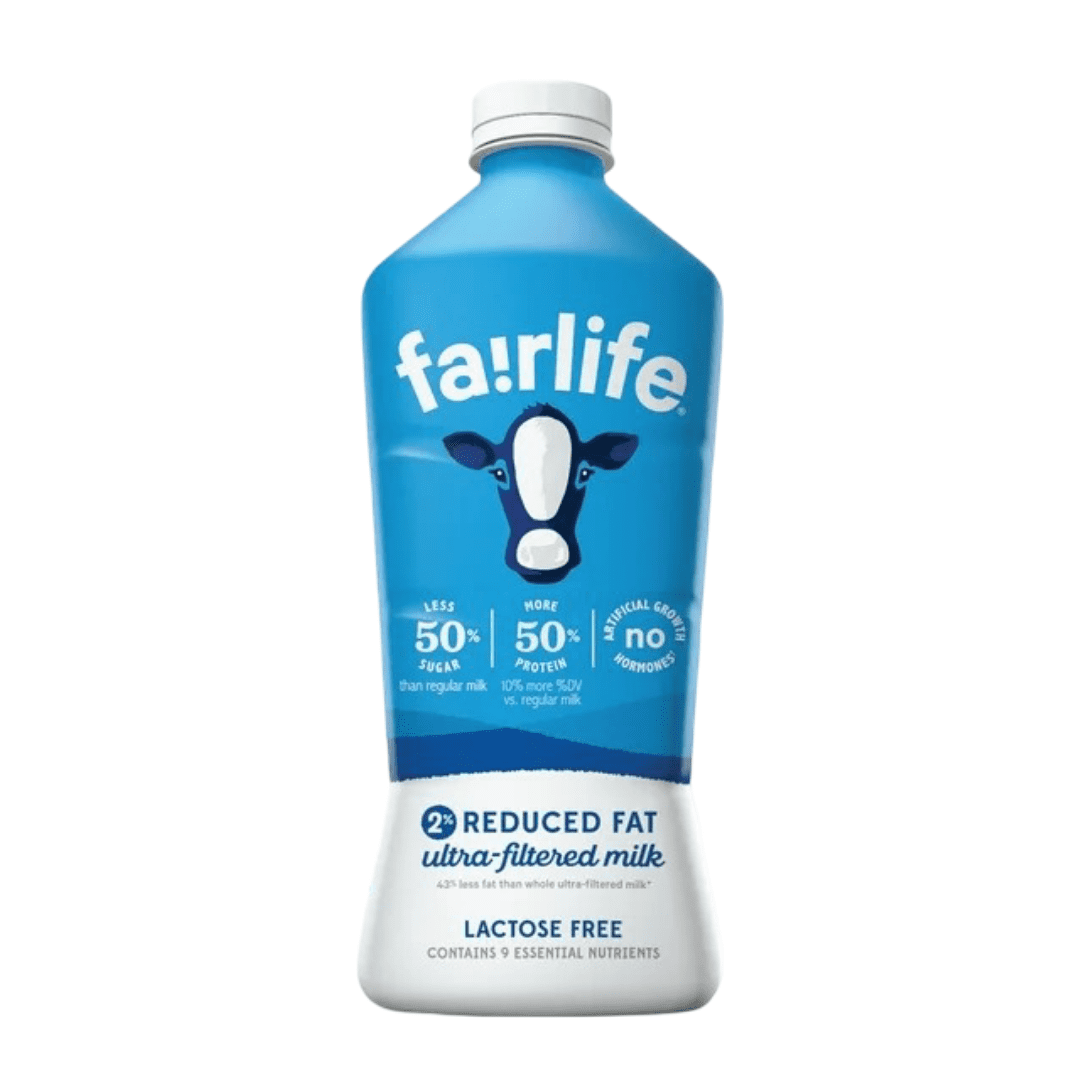
If your household prefers lactose free milk, you can keep familiar dairy flavor in your fridge. You may find it especially useful for cereal, coffee, and cooking staples.
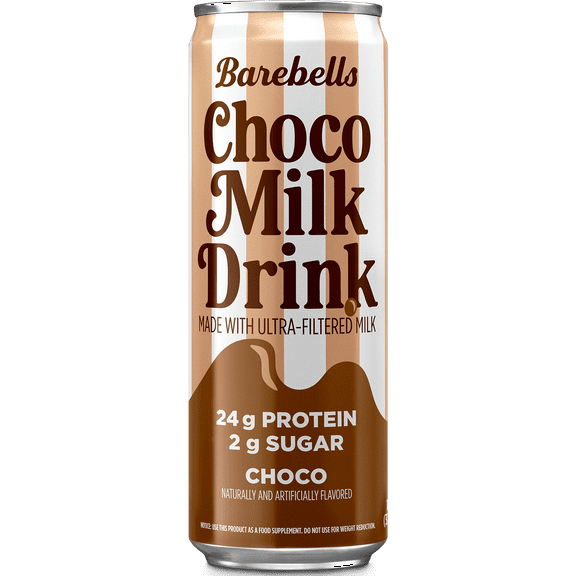
You can also compare ultra-filtered options when you want a different taste or texture profile. If labels matter to you, you should check each carton before choosing.
Choosing the right package size
You can make milk work harder for your week when you match size to household use. You may want a gallon of milk for busy kitchens, or a quart for lighter use.
If several people pour milk every morning, you’ll likely move through a gallon quickly. If you live alone or rotate several varieties, you may prefer half gallon cartons.
You can choose single-serve containers when you want easy lunch packing or portioned drinks. You may like smaller sizes when you keep dairy milk and plant-based options on hand.
For recipes, you should consider how often you bake, cook, or blend smoothies each week. You’ll reduce leftover cartons when your package size matches your actual routine.
How milk fits real shopping situations
You may shop for one carton that covers breakfast, baking, and coffee without extra planning. In that case, you can start with 2% reduced fat or whole milk.
If your home uses more than one type, you can keep a dairy carton for cooking and cereal. You can add almond milk or oat milk for coffee, smoothies, or personal preference.
You may also want options that fit quick family routines during busy mornings. A gallon supports repeat pours, while single-serve packs help with grab-and-go breakfasts.
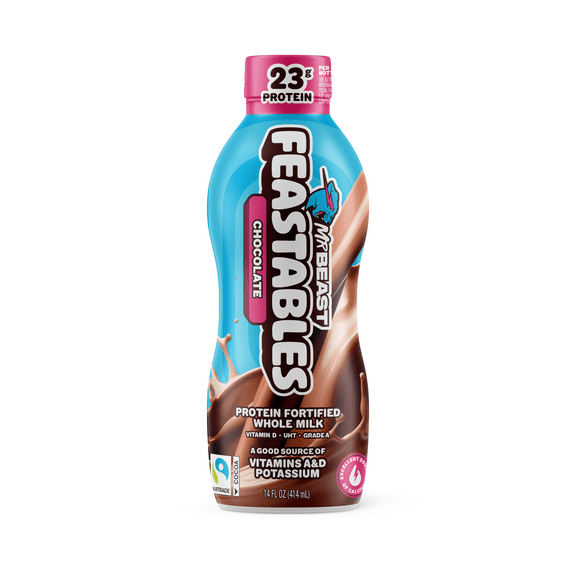
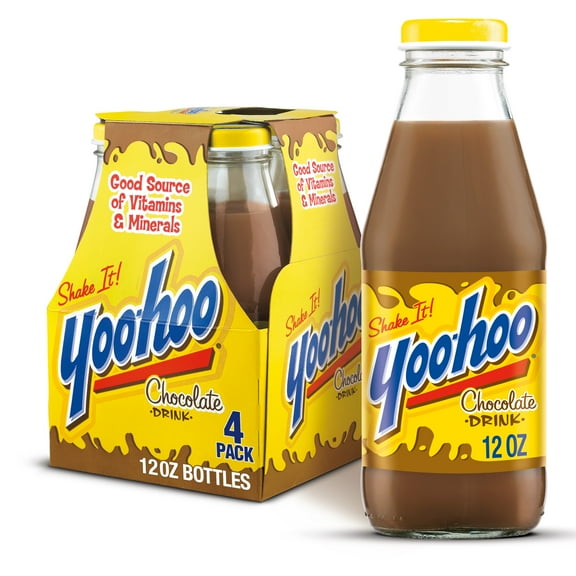
For households with varied preferences, you can compare organic milk, lactose free milk, skim milk, and chocolate milk together. You’ll build a fridge setup that matches how your household actually drinks milk.
You can feel confident choosing milk when you compare fat content, source, specialty labels, and size together. You’ll end up with cartons that fit your recipes, your mornings, and your weekly grocery rhythm.