







Grass Seed & Sod in Lawn Care






















About Grass Seed & Sod in Lawn Care - Walmart.com
Grass seed helps you build a thicker, greener lawn when you match seed type to your yard, sun levels, and growing season. You can compare cool-season and warm-season options, then choose mixes that fit bare spots, new lawns, or overseeding plans.
How to choose grass seed for your yard
You’ll get stronger results when you start with your climate zone and your yard’s sun exposure. You should also consider whether you’re repairing thin areas or starting fresh across a larger space.
If you live in a cool-season area, you may look for seed that establishes well in milder temperatures. If you live in a warm-season area, you may prefer varieties that handle stronger summer heat.
For many transition zone yards, you’ll want to compare how each option performs through changing temperatures. You can narrow your choice faster when you match grass type, sunlight, and planting goal together.
Choosing by grass type
You’ll often compare fescue, bermuda, bluegrass, and ryegrass because each one supports a different lawn plan. You can use those differences to pick a lawn texture, growth habit, and seasonal pattern that suits your routine.
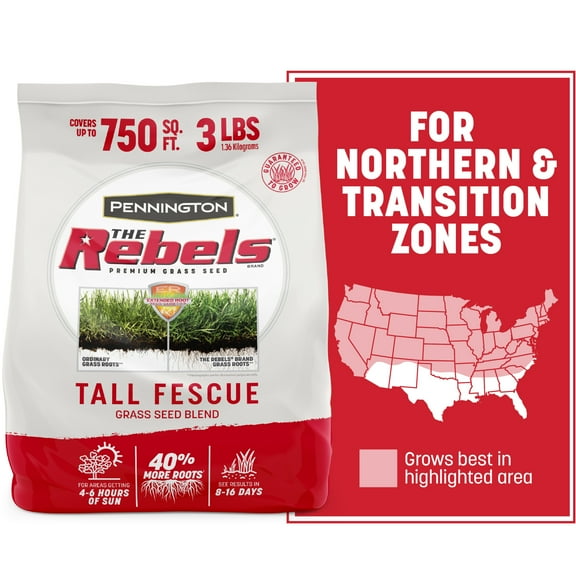
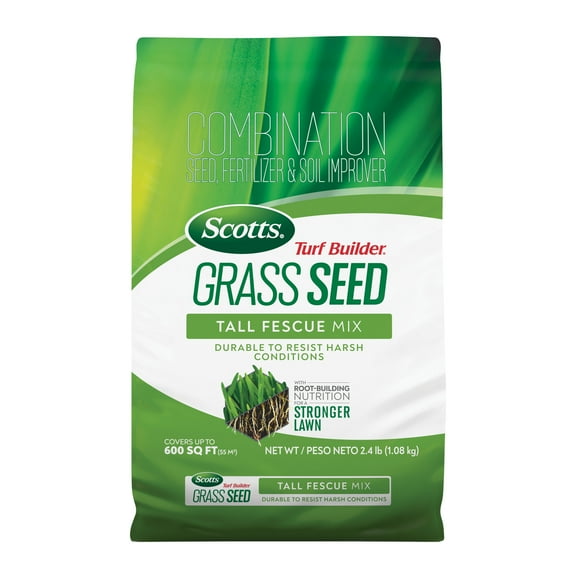
- You may choose tall fescue grass seed when you want dependable coverage in many cool-season and transition zone lawns.
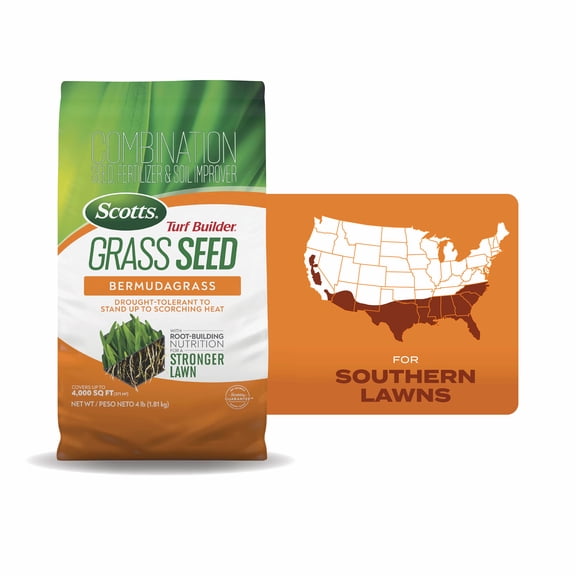
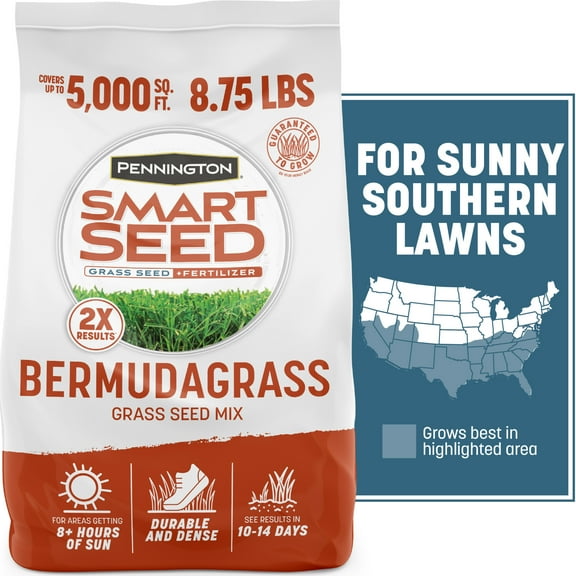
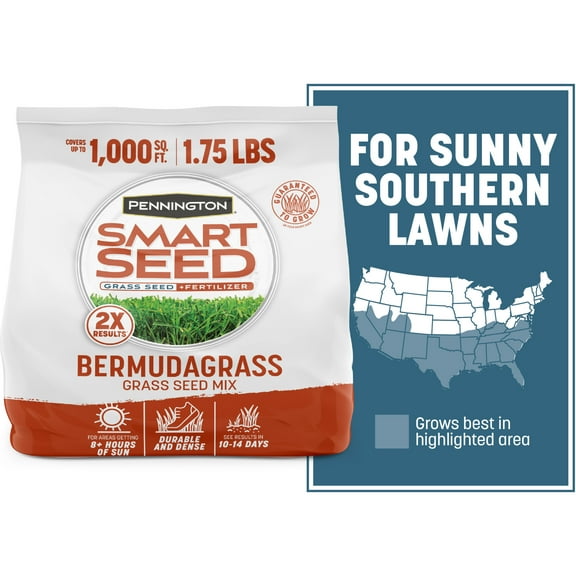
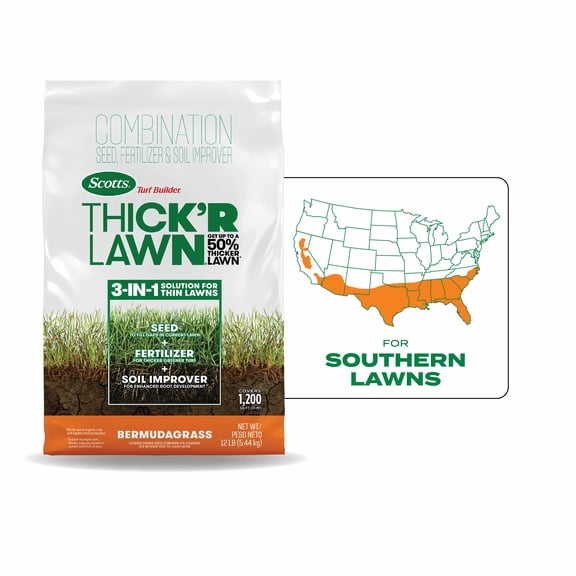
- You may choose bermuda grass seed when your yard gets strong sun and you want active warm-weather growth.
- You may choose kentucky bluegrass seed when you want a classic cool-season lawn look and a finer blade texture.
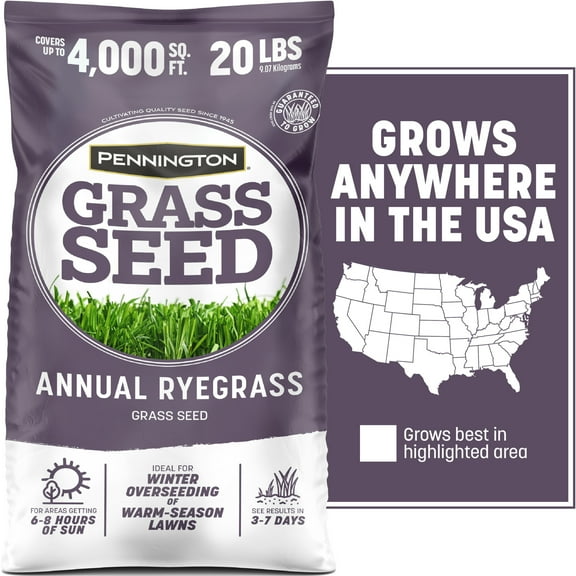
- You may choose ryegrass when you want quick color and fast fill for overseeding or seasonal refresh projects.
When you compare these types, you should also think about how often you want to water and mow. You can often simplify upkeep by selecting a seed type that fits your local growing pattern.
Choosing by sun exposure
You’ll want to check how many hours of direct light your yard receives before you pick a mix. You can avoid mismatches when you measure sunny areas, shaded borders, and spots under trees separately.
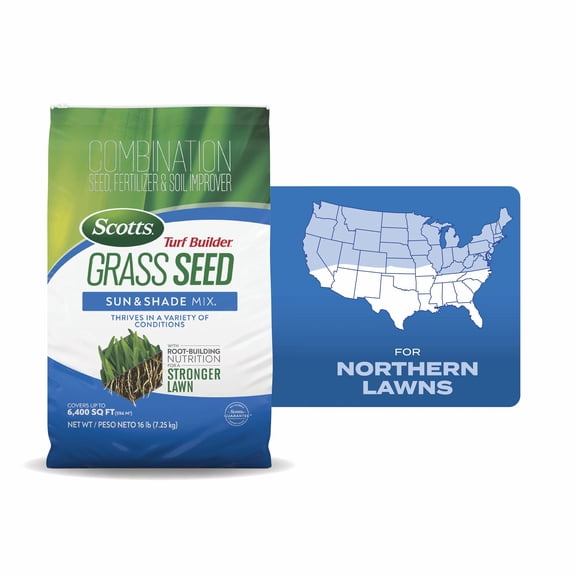
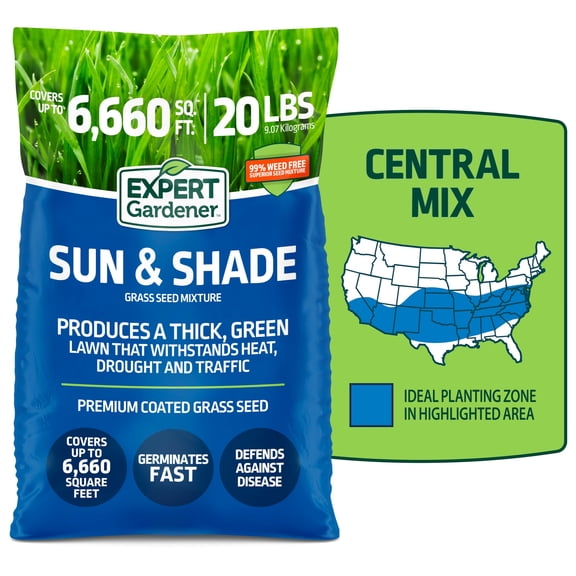
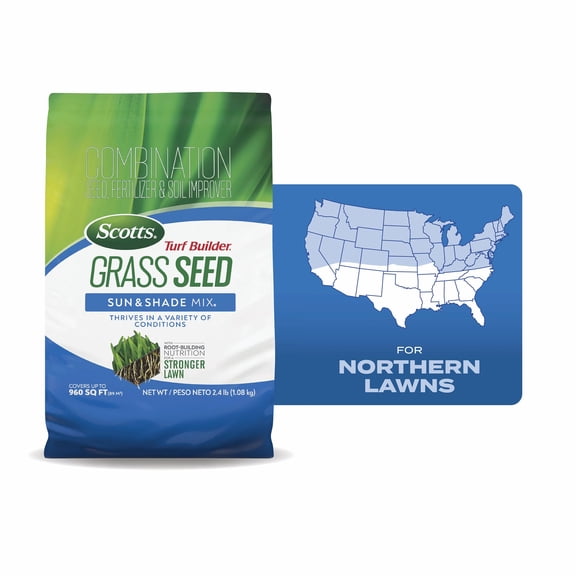
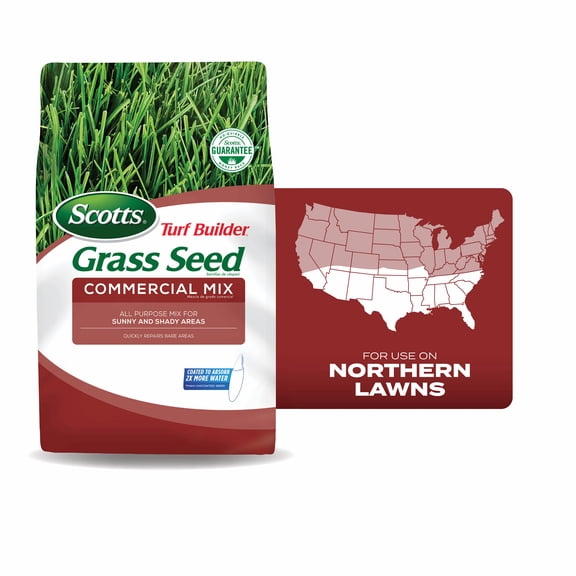
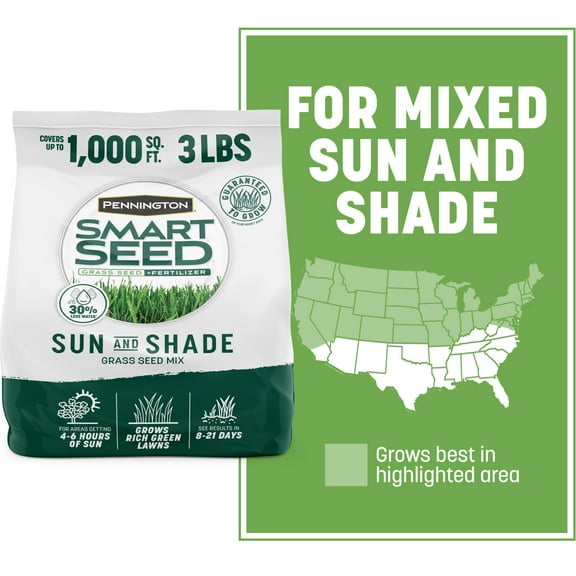
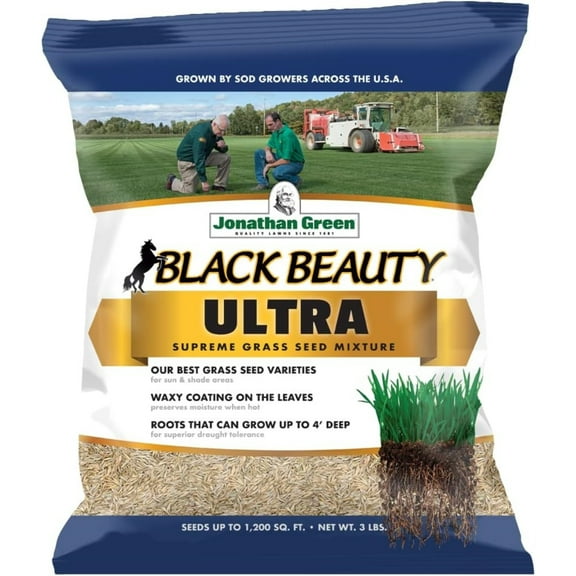
If your lawn gets long hours of direct light, you may focus on full sun options. If your yard has mixed conditions, sun and shade grass seed can help you cover brighter and dimmer sections together.
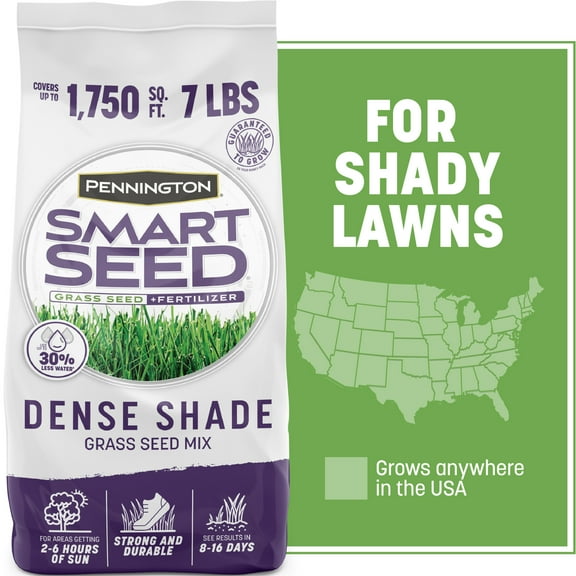
For dense shade areas, you should look closely at label guidance and intended placement. You can get a more even appearance when you use one seed strategy for open areas and another for low-light zones.
Choosing by climate zone and season
You should treat climate compatibility as one of your main decision points because seed timing affects establishment. You can use cool-season and warm-season labels to align planting with your local weather pattern.
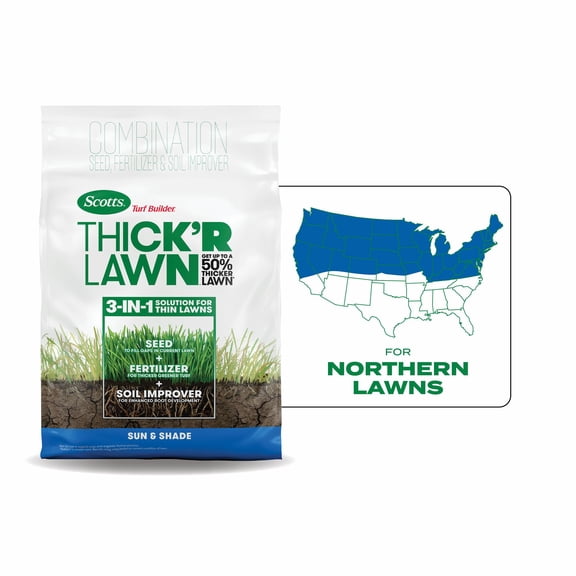
Cool-season lawns often fit northern regions and many transition zone yards. Warm-season lawns often fit southern regions where summer heat stays consistent for longer stretches.
If you’re planning seasonal seeding, fall grass seed timing matters for many cool-season projects. You can often use fall conditions for overseeding, filling thin areas, and helping new seedlings establish evenly.
Choosing by solution type
You’ll usually shop with a specific lawn goal in mind, and that goal helps narrow your options quickly. You can compare blends for lawn repair, new lawn starter use, or overseeding without guessing.
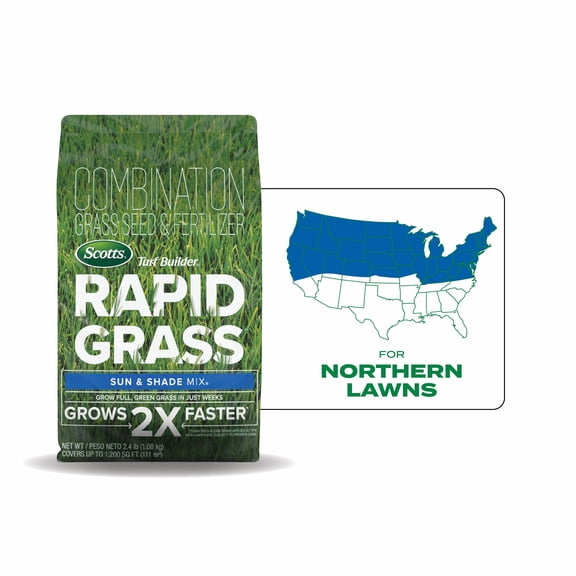
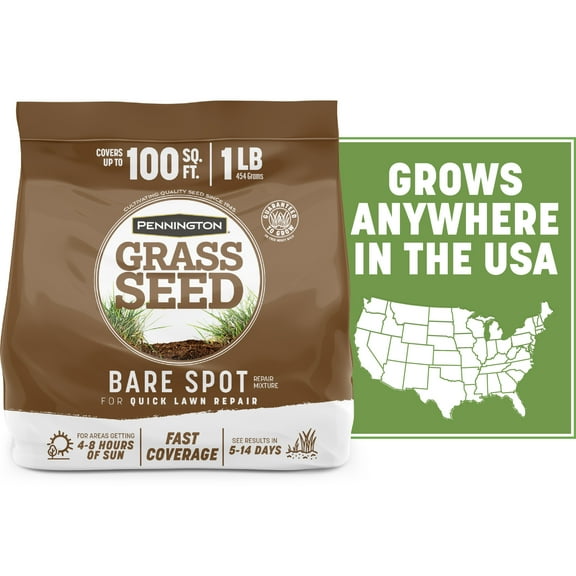
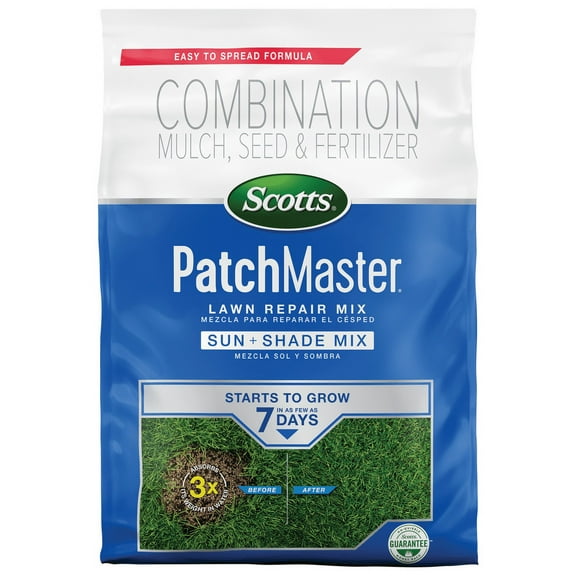
For patching bare spots, you may want rapid growing grass seed that fills visible gaps sooner. For a full yard project, you may prefer a starter-focused option designed for broad, even coverage.
If your existing lawn looks thin, overseeding options can help you refresh color and density across the surface. You can also compare coated and uncoated seed formats based on your spreading preference.
What features to compare before you plant
You should read coverage guidance first because bag size affects how much area you can seed. You can compare square-foot estimates for new lawns and overseeding since those rates often differ.
Look for seed blends that match your climate and intended use instead of focusing on one label detail. You’ll make a clearer choice when you compare grass type, sun tolerance, and seeding purpose together.
You may also check whether a mix includes starter material or is seed only. You can pair seed with lawn fertilizer, topsoil, and spreaders when you want a more complete setup.
How grass seed fits real lawn projects
You might use tall fescue grass seed for a transition zone yard with mixed light and everyday foot traffic. You can use bermuda grass seed for sunny spaces where warm-weather growth fits your local climate.
For a lawn with both open sun and tree cover, sun and shade grass seed can simplify planning. You can apply one mix across varied sections when your yard doesn’t receive uniform light.
If your lawn needs a seasonal refresh, you may overseed during a favorable planting window. You can also use rapid growing grass seed when you want quicker fill in scattered thin patches.
When you’re starting from scratch, you should measure your yard and compare coverage for new lawn rates. You can then pair your seed with the right spreader and topsoil support for steadier establishment.
You’ll make a more confident choice when your grass seed matches your climate zone, sun exposure, and lawn goal. You can create a more even, usable lawn with fewer guesswork steps from the start.