


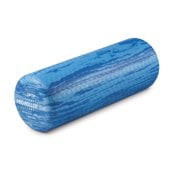
Foam Rollers in Sports Recovery, Injury Prevention


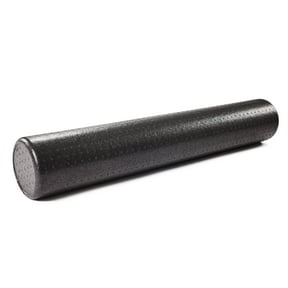


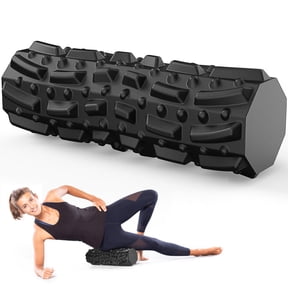

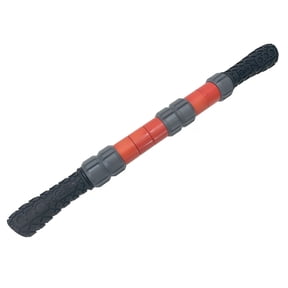



















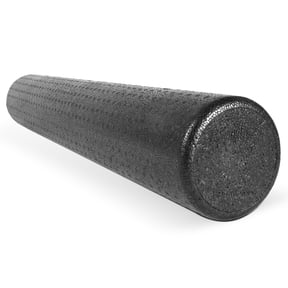


About Foam Rollers in Sports Recovery, Injury Prevention - Walmart.com
Foam rollers help you build a smarter recovery routine with the right density, texture, and length for your back, legs, and full body. You can compare materials and surface patterns clearly, so you choose a roller that fits your workouts, travel needs, and everyday stretching.
How to choose foam rollers for your routine
When you compare foam rollers, you’ll want to start with density level because it changes how firm each pass feels. You can often choose soft, medium, or high density options based on how much pressure you want.
If you’re new to rolling, you may prefer softer foam that feels gentler during warmups and cool downs. If you want firmer contact, a high density foam roller gives you a more solid feel under larger muscle groups.
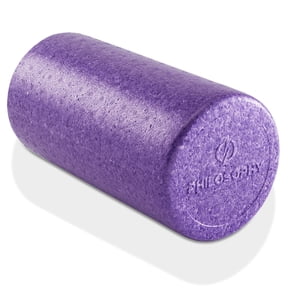
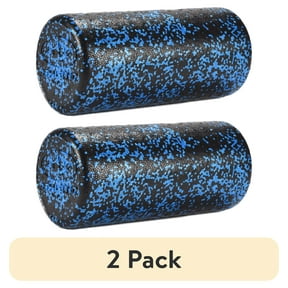
You should also compare material because EVA foam and EPP foam can feel different during repeated use. You’ll often notice EPP foam feels lighter, while EVA foam can feel more cushioned and controlled.
- You can use soft density for lighter pressure and easy daily stretching.
- You can choose medium density when you want a balanced feel across several muscle groups.
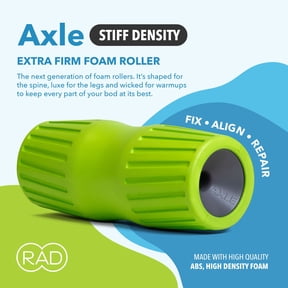
- You can pick a high density foam roller when you want firmer support and less compression.
- You can compare EVA foam and EPP foam to match feel, weight, and durability preferences.
Choosing density, material, and durability
You should look closely at firmness ratings because they affect how the roller responds under your body weight. You’ll usually get steadier support from denser cores that keep their shape through frequent sessions.
When you compare a muscle roller for regular training, you may want foam that rebounds well after repeated use. You can check whether the roller stays consistent during back work, leg work, and full body movements.
You’ll also want to consider durability if you use your roller several times each week. You can often expect denser construction to feel more stable during longer rolling sessions on the floor.
For decision support, you should match firmness with your target area instead of picking by color or style alone. You may prefer softer contact for shoulders, while your legs and back may feel steadier on firmer foam.
Comparing surface texture and grip
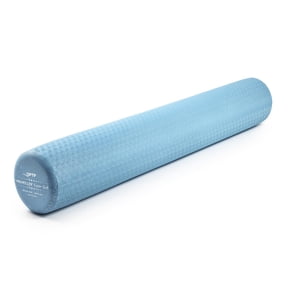
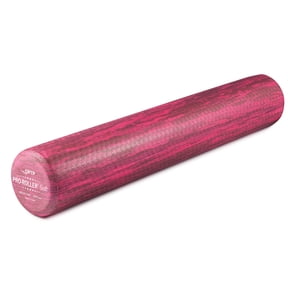
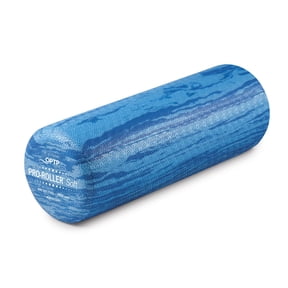
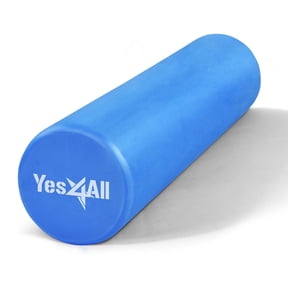
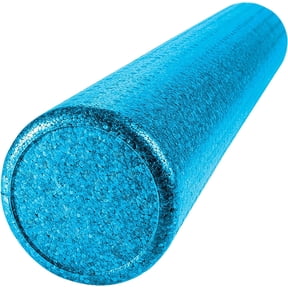
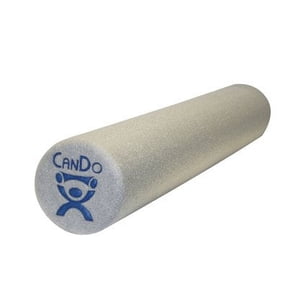
You should compare smooth and textured designs because surface texture changes how each stroke feels on your muscles. You can keep things simple with smooth rollers or choose more defined contact with patterned surfaces.
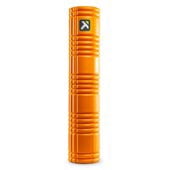
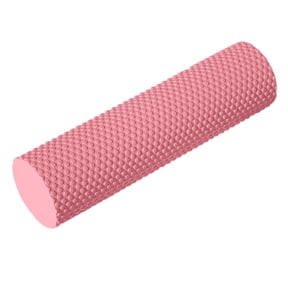
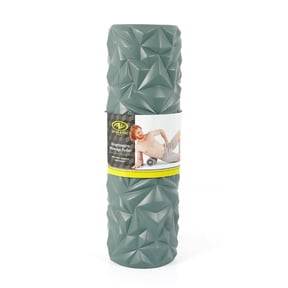
If you want more targeted pressure, a grid foam roller can create a more varied rolling feel across larger muscle groups. You may also notice ridged or bumpy surfaces give you more point-by-point contact.
For slower sessions, you might prefer smooth foam because it glides more evenly during controlled movements. For more focused work, you can choose a deep tissue foam roller with texture that feels more direct.
You should also think about grip and floor contact when you compare surface designs. You’ll want a roller that feels stable as you shift your weight across your back, legs, or shoulders.
Picking the right length and target area
You can simplify your search by matching roller length to the way you plan to use it most. You’ll usually find 36-inch rollers useful for broader contact, while shorter sizes feel easier to store and carry.
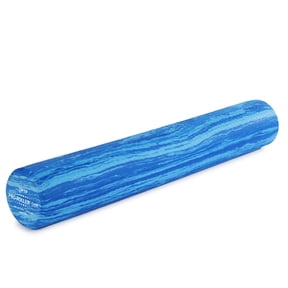
If you want a foam roller for back sessions, a 36-inch length can give you more side-to-side support. You may find that longer rollers feel steadier when you roll your upper and lower back.
An 18-inch size can give you a versatile middle ground for home workouts and shared spaces. You can use it for legs, hips, and shoulders without taking up as much room.
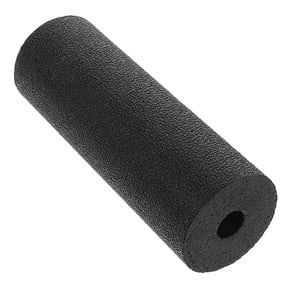
If you travel often or want focused rolling, a 12-inch option can fit smaller spaces more easily. You may like that shorter rollers feel easier to pack in a gym bag or closet.
Matching foam rollers to workouts and recovery habits
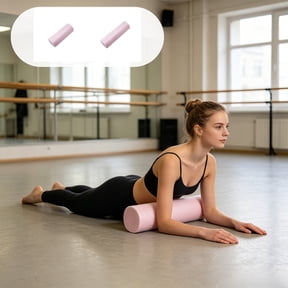
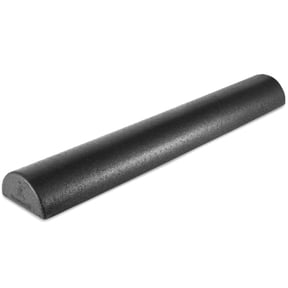
You can use yoga foam roller styles before class, after strength training, or during mobility work at home. You’ll often want gentler density and a smooth surface when your routine includes slower stretching sequences.
After running or leg day, you may focus on calves, hamstrings, glutes, and quads with a firmer muscle roller. You can compare medium and high density options if you want more support during repeated lower-body sessions.
For upper-body work, you might choose a foam roller for back and shoulder mobility between lifting days. You can also use shorter rollers when you want more controlled placement under specific areas.
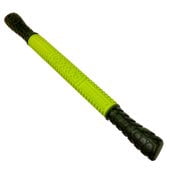
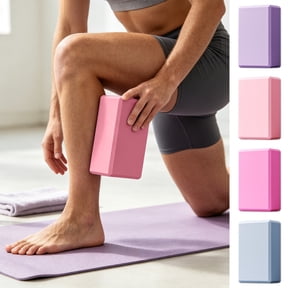
If you’re building a home setup, you may also compare related tools like massage sticks, yoga mats, and resistance bands. You can create a more complete routine when your roller matches your stretching and strength accessories.
What to look for before you decide
You should compare density, texture, size, and material together because each choice changes how your sessions feel. You’ll make a clearer decision when you match the roller to your target area and your usual workout style.
With the right foam rollers, you can get steadier support for back work, leg sessions, mobility drills, and travel-friendly recovery. You’ll feel more confident choosing a design that fits your space, pressure preference, and routine.