

Fireproof File Cabinets with Locks - Secure Filing | Walmart




















About Fireproof File Cabinets with Locks - Secure Filing | Walmart - Walmart.com
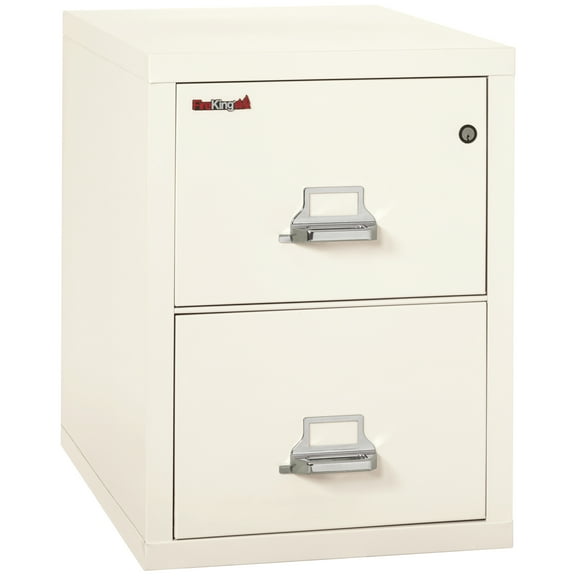
Your fireproof file cabinet with lock should protect records, organize drawers, and fit your workspace without guesswork. You can compare fire ratings, lock types, cabinet layouts, and weight needs before choosing the right setup.
Why a fireproof file cabinet with lock matters
A protected cabinet helps you keep paper records together and access them when you need them. You also get a dedicated place for contracts, tax forms, titles, and office files.
Unlike a basic metal drawer unit, you can choose insulated walls and tested fire endurance for document storage. You can also select a locking design that matches how often your team opens it.
- You can store paper documents in a cabinet built around specific fire-duration ratings.
- You can choose lock styles that match shared offices, home offices, or limited-access rooms.
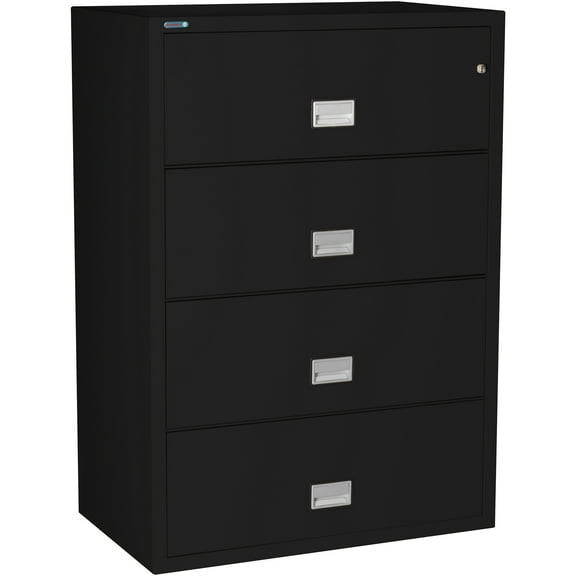
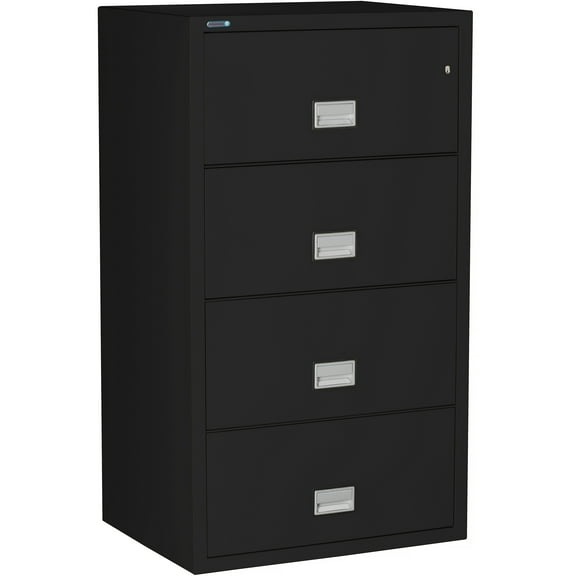
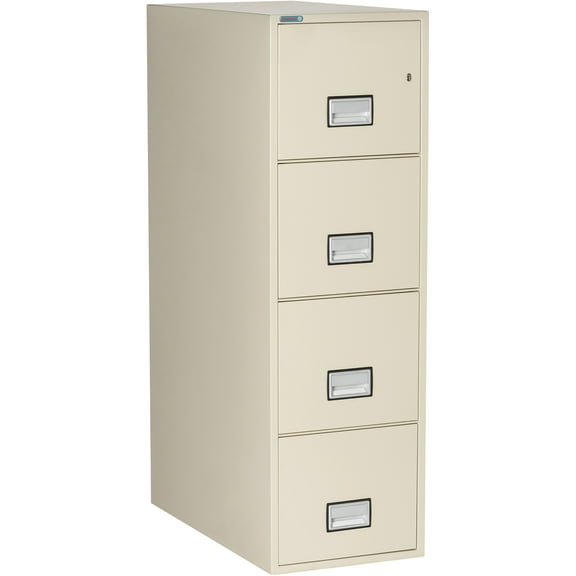
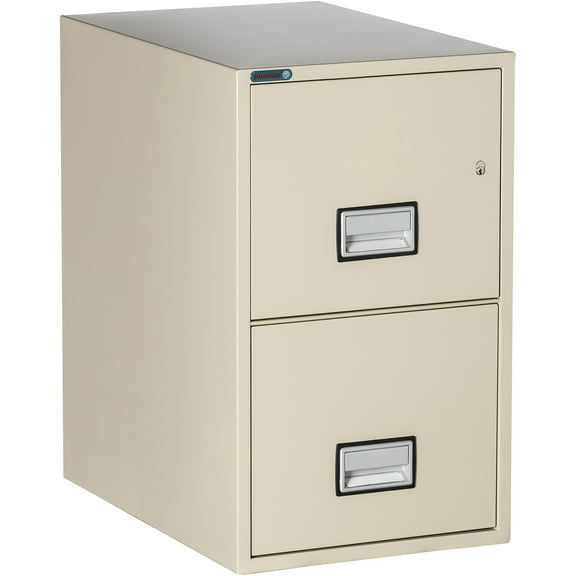
- You can compare vertical and lateral layouts based on drawer depth and floor footprint.
- You can check cabinet weight before placement, so your room plan stays practical.
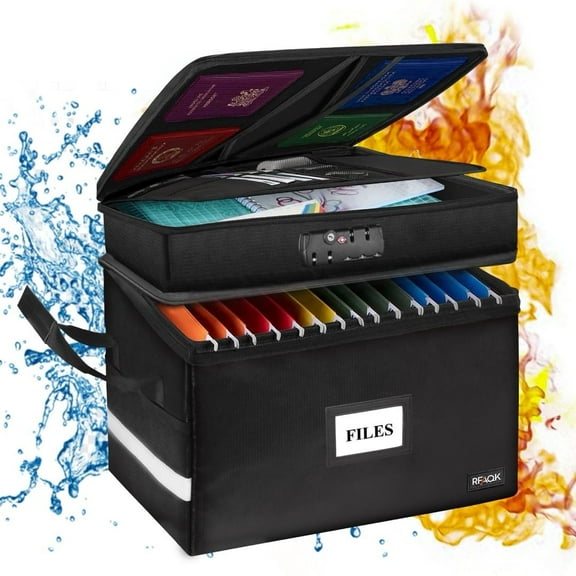
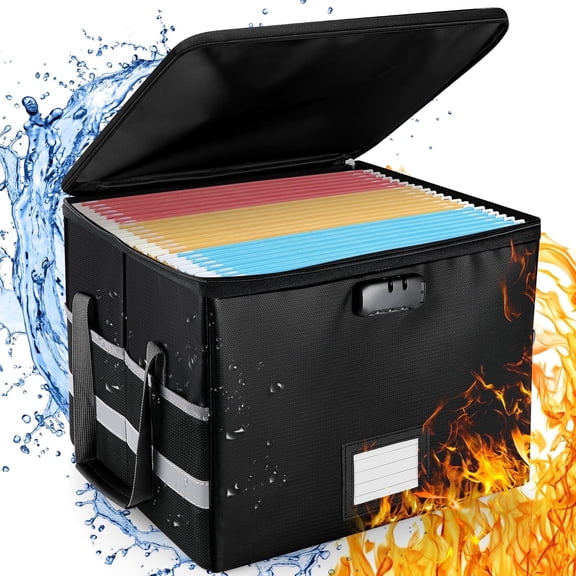
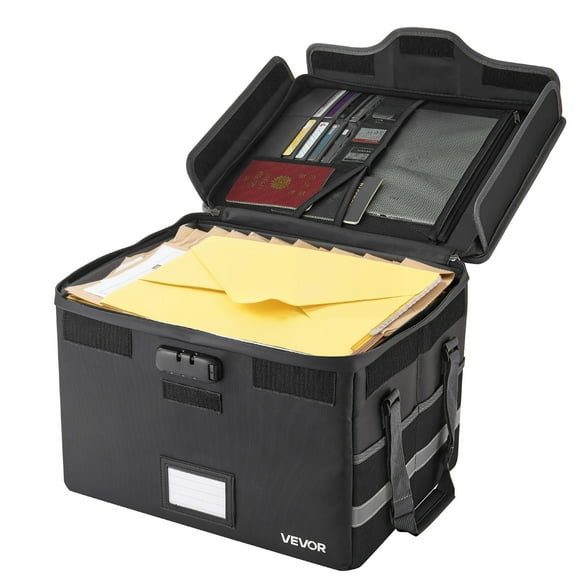
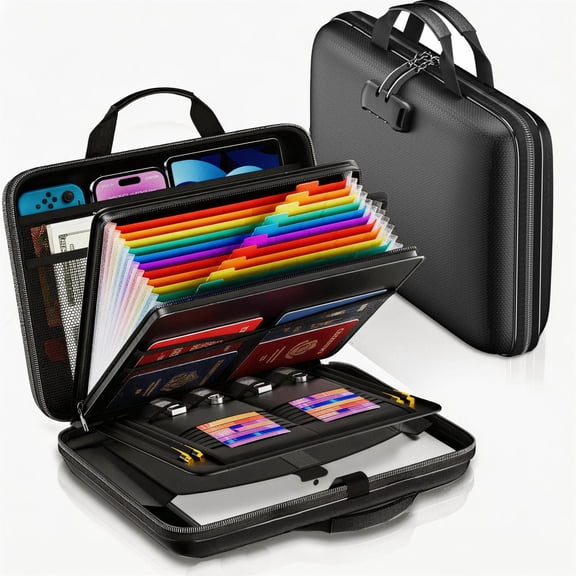
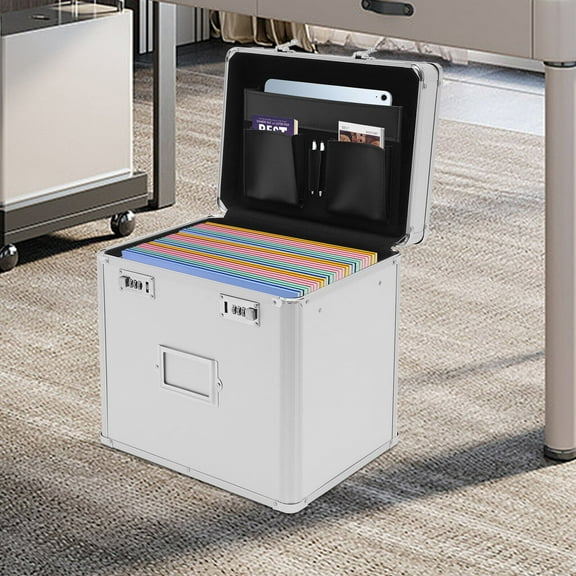
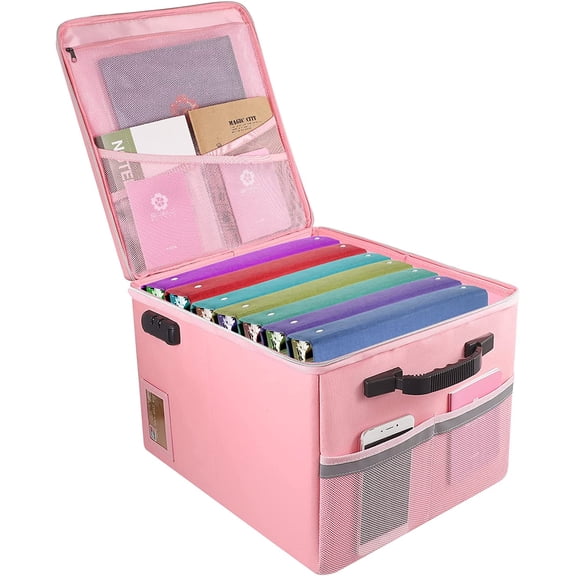
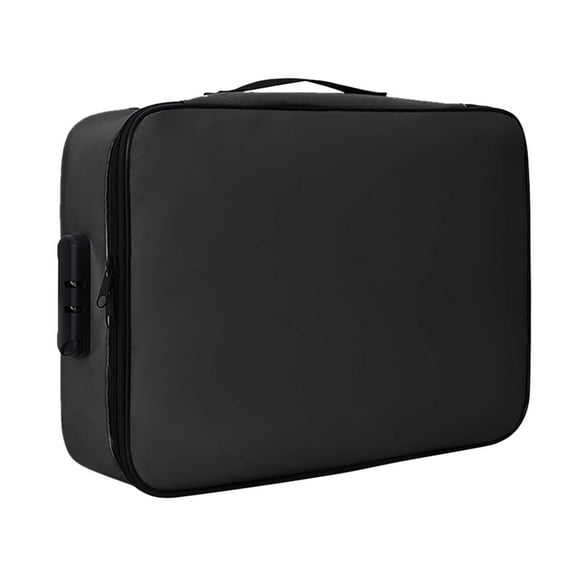
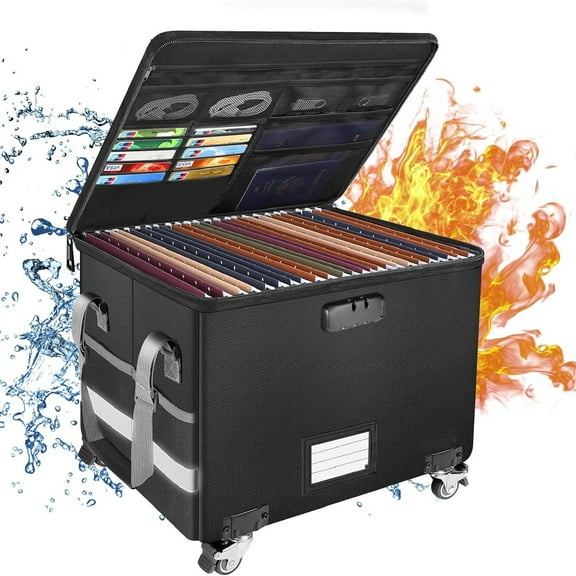
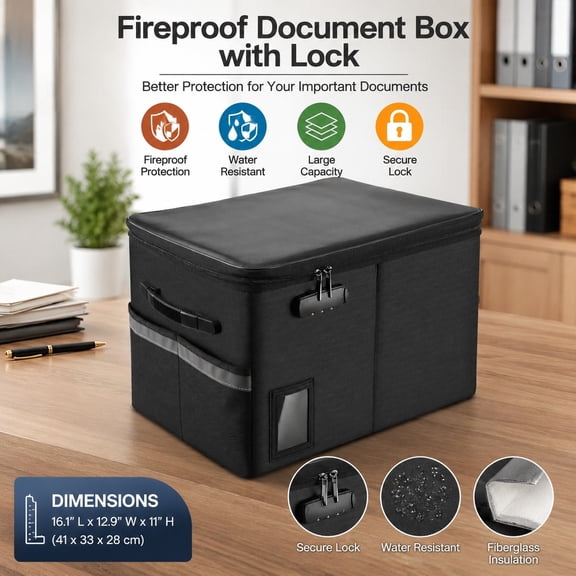
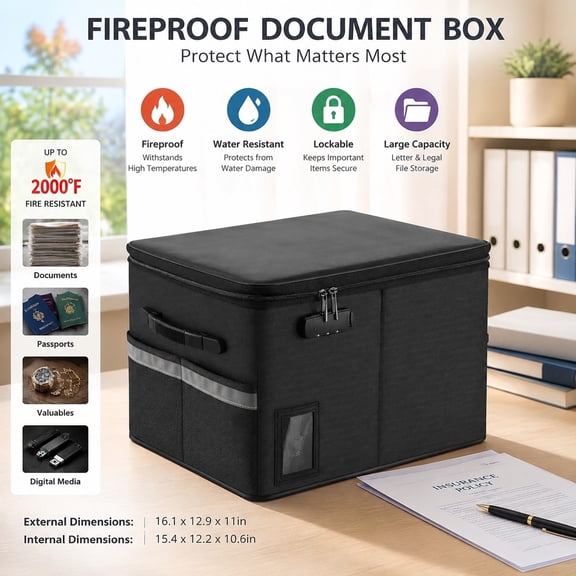
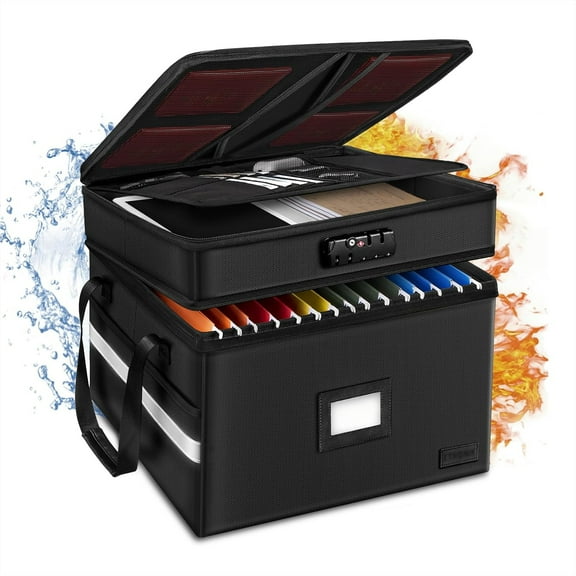
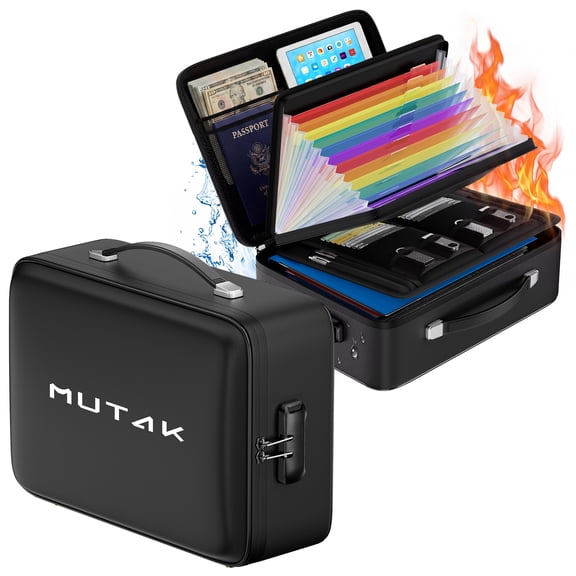
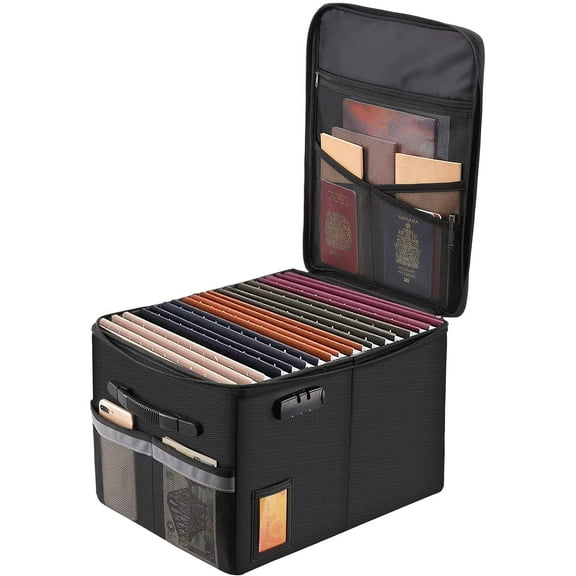
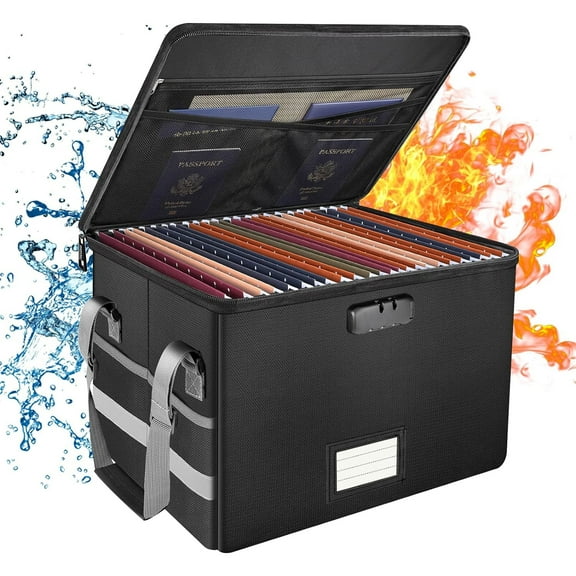
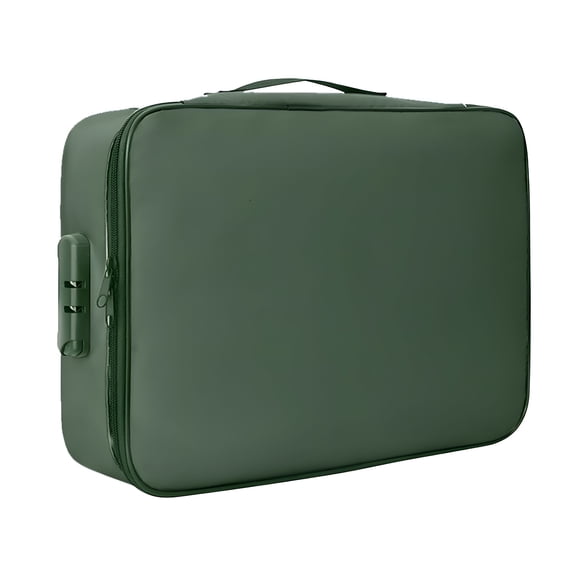
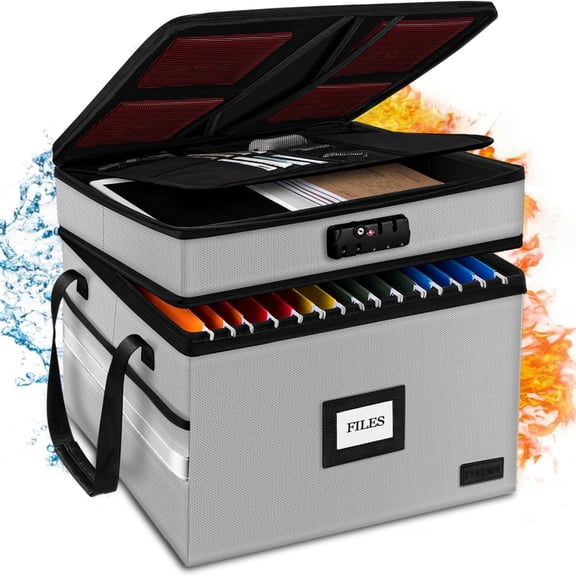
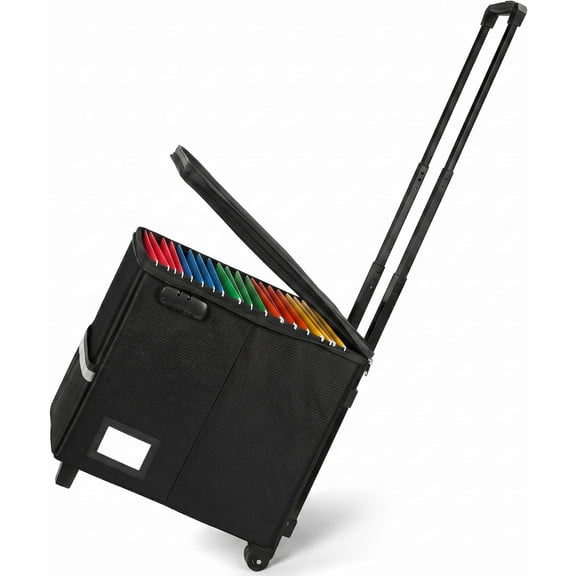
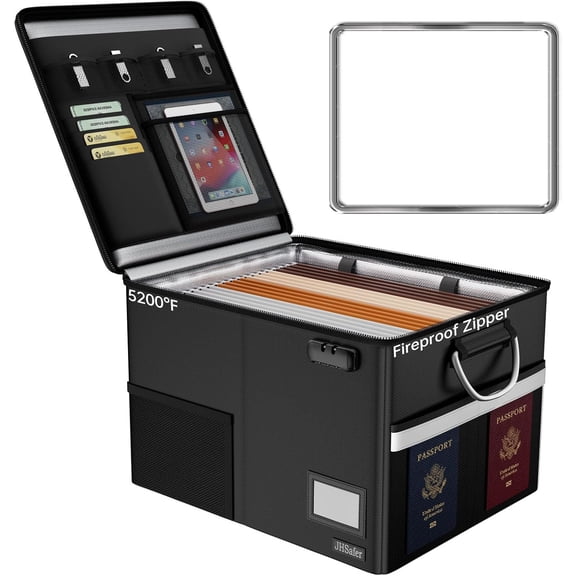
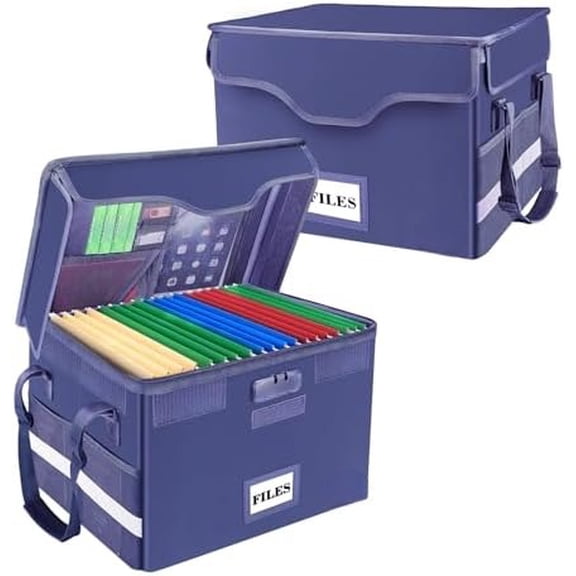
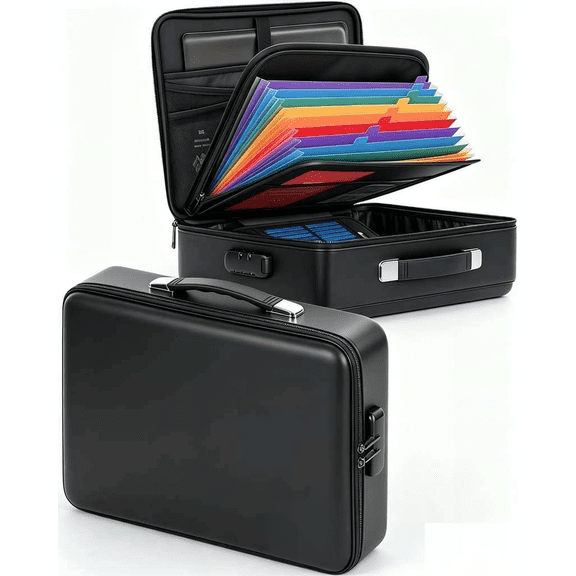
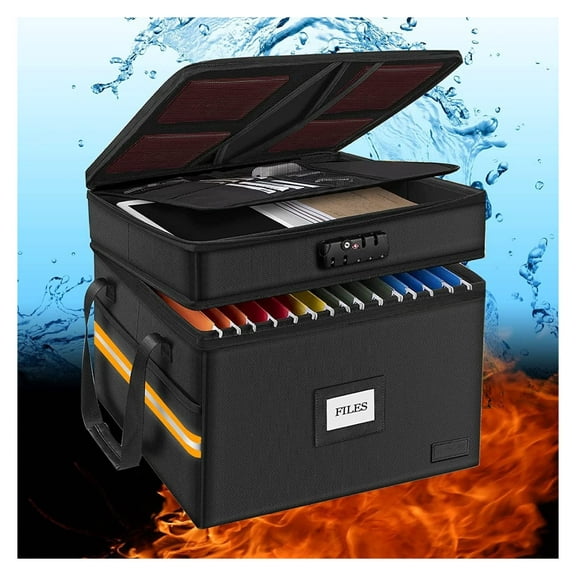
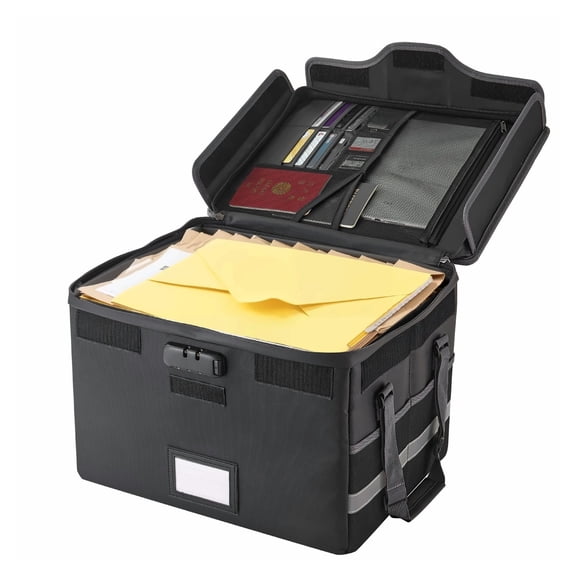
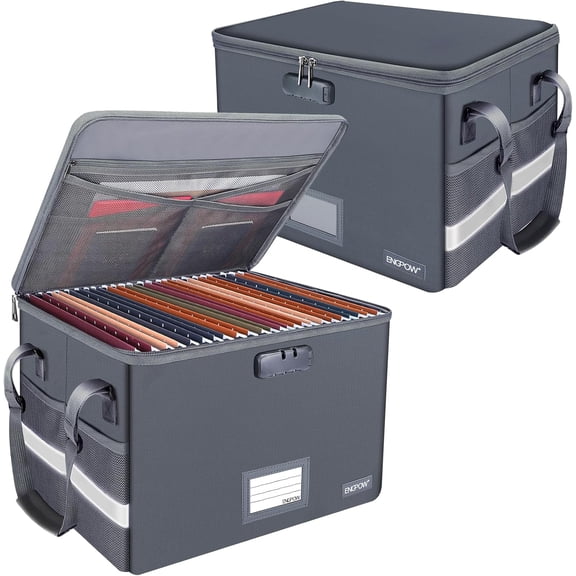
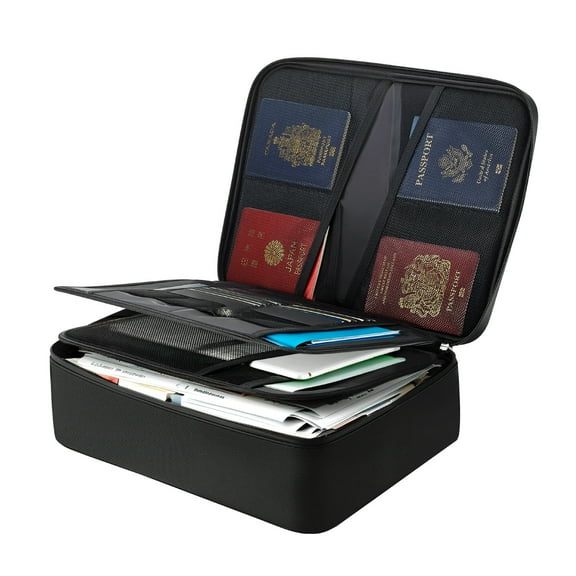
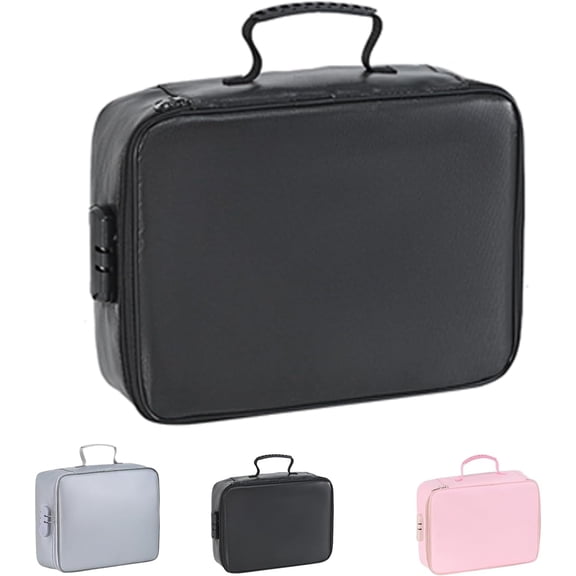
If you need smaller document storage, you may also compare a fireproof filing box or fireproof file box with lock. If you manage larger record sets, you may prefer filing cabinets fireproof by design.
Choosing the right locking fireproof file cabinet
You should start with lock type, because access style changes your daily routine. You can choose a key lock for simple control, a combination lock for shared access, or a digital keypad for quick entry.
If you want layered access control, you can look for a dual-lock design. You may prefer that setup when your records need two steps before the drawers open.
You should also compare fire ratings based on what you store inside. You can use 30-minute, 1-hour, or 2-hour ratings as a quick way to compare endurance levels.
When you store paper records, you may look for UL Class 350 language. You can use that rating to identify interiors intended to keep paper below critical heat levels.
If you store digital media, you should check whether the cabinet references UL Class 125. You can use that detail because digital media needs tighter heat control than paper files.
Comparing filing cabinets fireproof by layout and capacity
You should measure your room before choosing 2-drawer, 4-drawer, lateral, or vertical storage. You can use those formats to balance aisle space, drawer volume, and access habits.
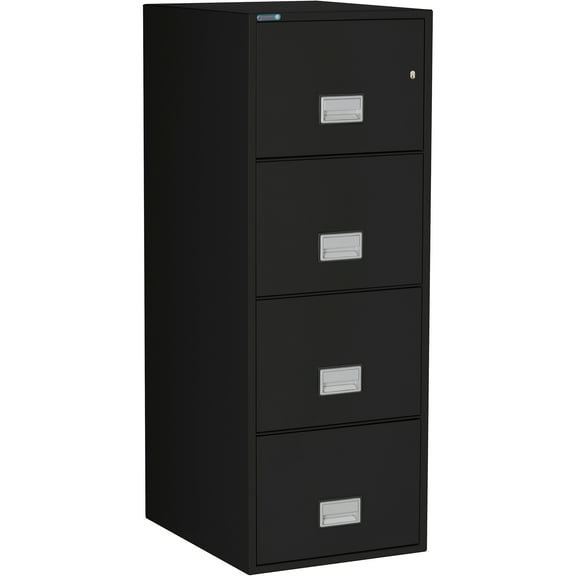
A vertical cabinet works well when you want a smaller footprint from front to back. You can place one along a wall and still keep nearby walkways clearer.
A lateral cabinet gives you wider drawers for broad folders and side-to-side filing. You may prefer that design when multiple people need access during the day.
If you keep a moderate number of records, you may choose a 2-drawer format. If you archive longer file runs, you may need a 4-drawer cabinet instead.
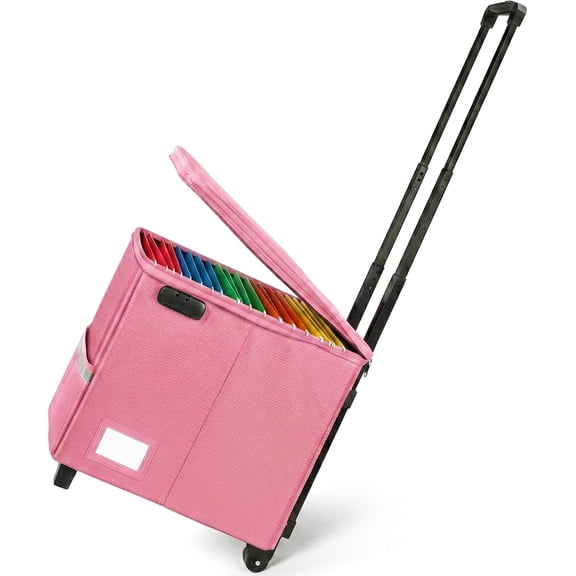
You can also compare a firesafe filing cabinet with a portable document box. You may choose a box when you need lighter capacity and a cabinet when you need full-time office storage.
Understanding fire rating and cabinet weight
You should expect a heavy-duty cabinet to weigh much more than a standard file unit. You can check listed weight before delivery, placement, or upstairs installation planning.
Because insulation adds mass, you may need to consider floor support and room location. You can place heavier units more confidently when you verify structural limits in advance.
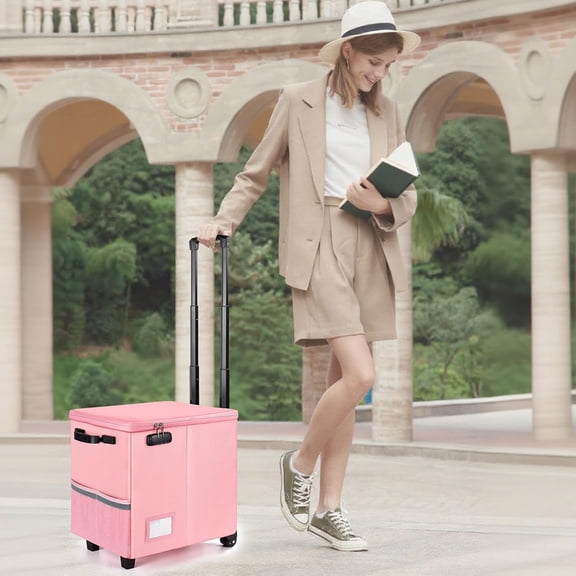
If you want easier repositioning, you can look for mobile or portable formats. You should note that added mobility often comes with lower capacity than a full cabinet.
You can compare a 1-hour cabinet with a 2-hour cabinet based on record importance and storage volume. You may also match that choice to where the cabinet sits in your office.
Matching use cases to the right firesafe filing cabinet
If you run a home office, you may want a 2-drawer vertical cabinet with a key lock. You can keep personal records contained without giving up much floor space.
If you manage shared records at work, you may choose a lateral cabinet with a combination lock. You can support repeat access without handing out physical keys.
When you store legal files, property records, or long-term paper archives, you may want a 1-hour or 2-hour unit. You can pair that rating with larger drawers for denser filing.
If you need compact backup storage, you may compare a fireproof filing box with a fireproof file cabinet with lock. You can use the box for smaller sets and the cabinet for active filing.
For mixed media storage, you should read rating details carefully before deciding. You can use UL Class 350 for paper-focused storage and UL Class 125 when storing digital media.
Your choice becomes easier when you compare lock type, fire rating, cabinet shape, and installed weight together. You can end up with organized records, controlled access, and storage that fits your space.