

Moisturizers in Skincare
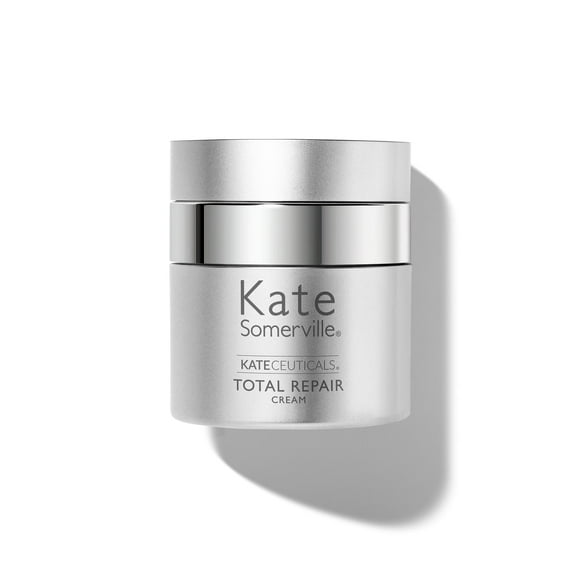

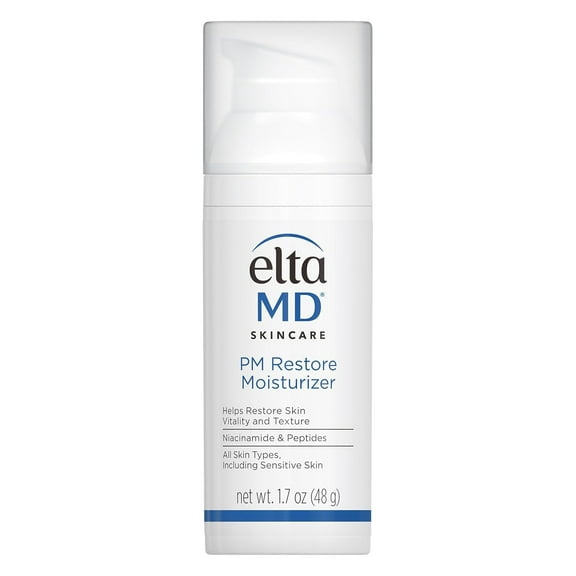
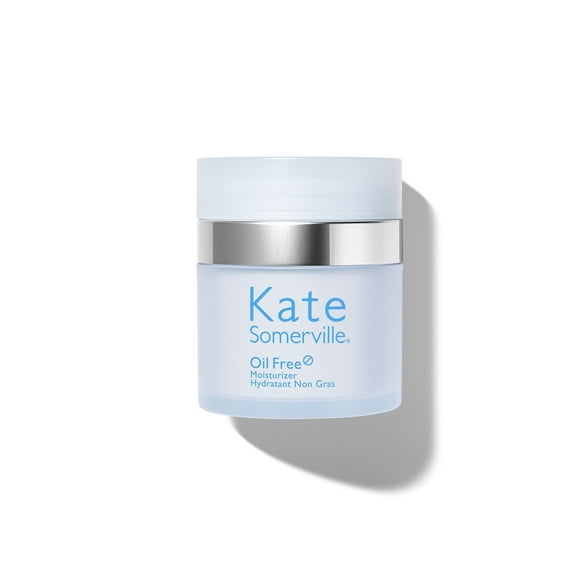
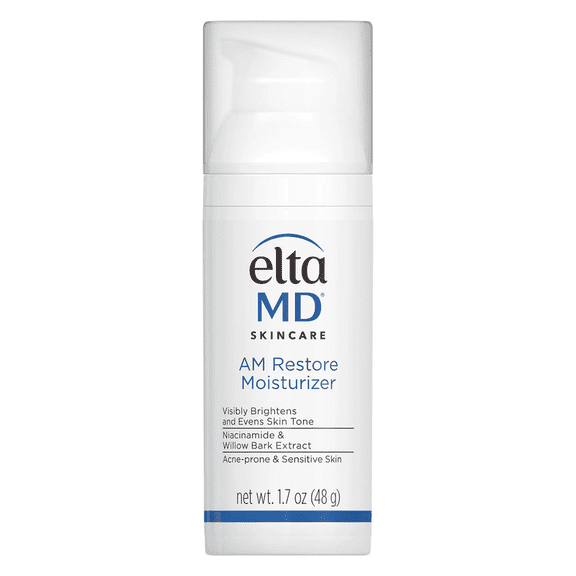

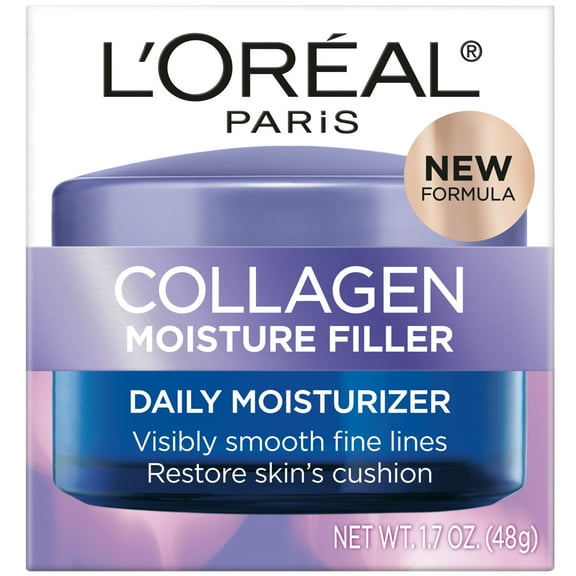


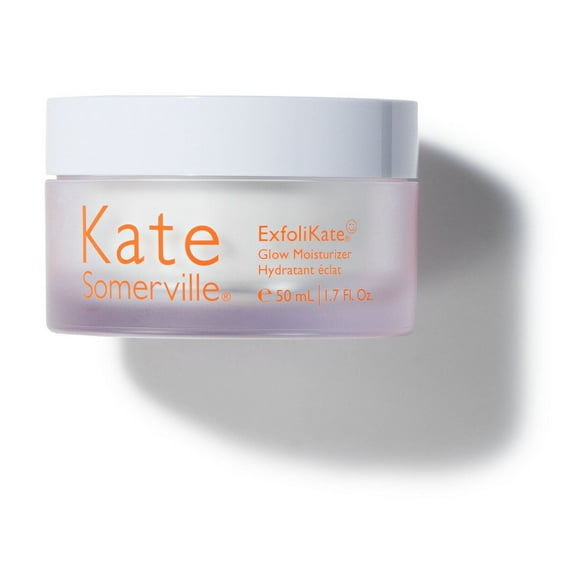

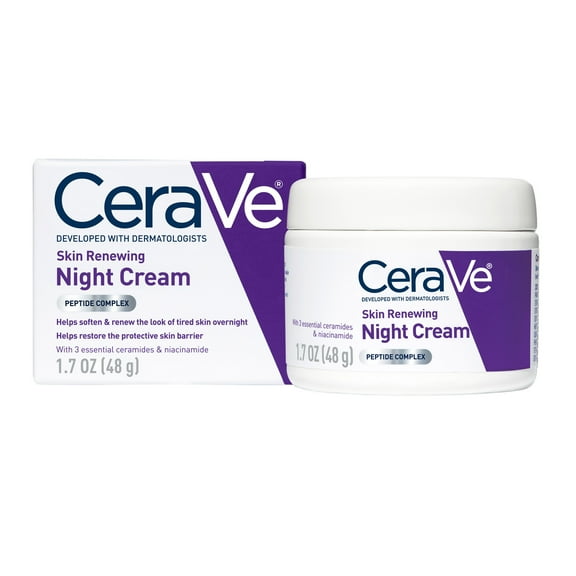

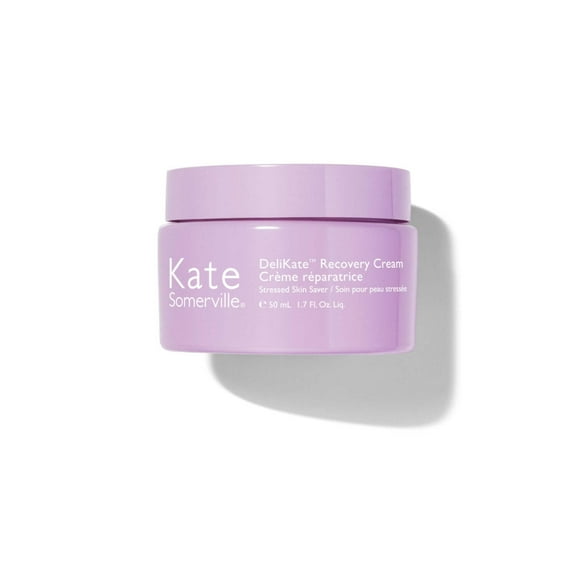











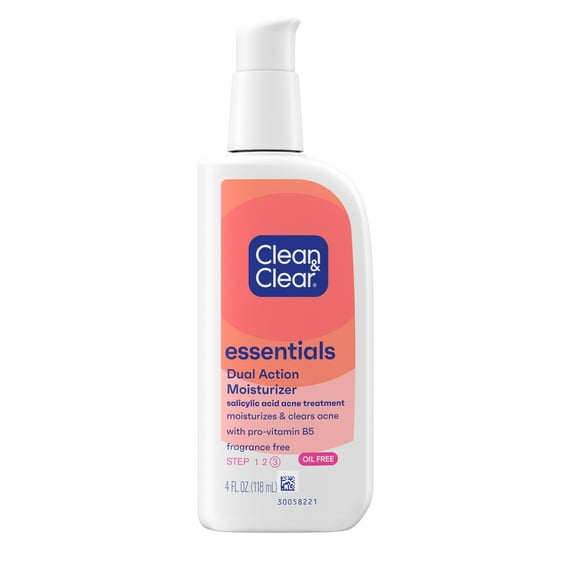
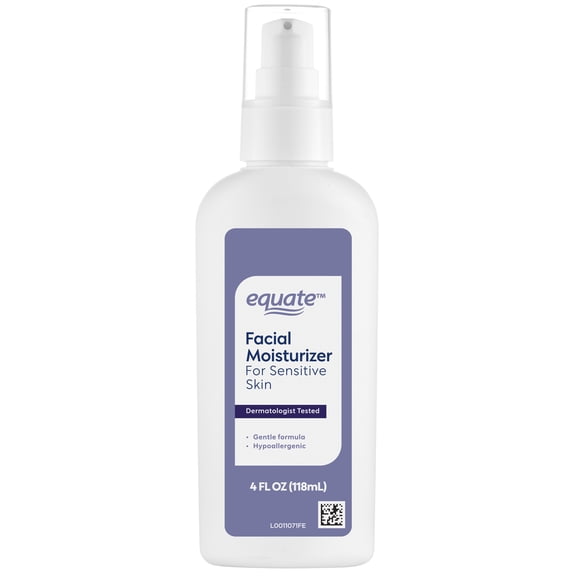
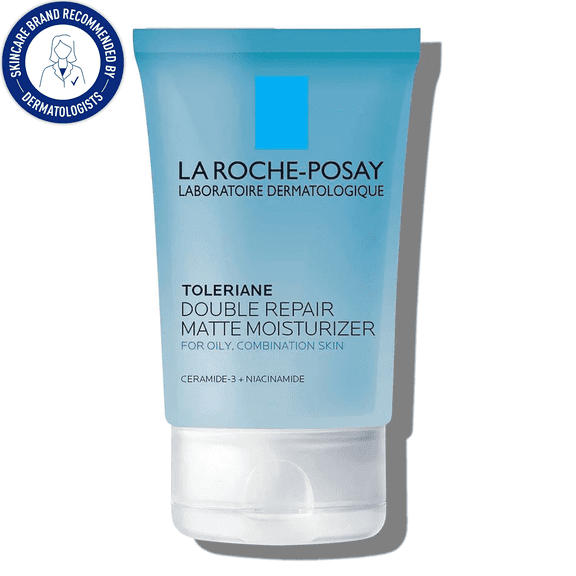

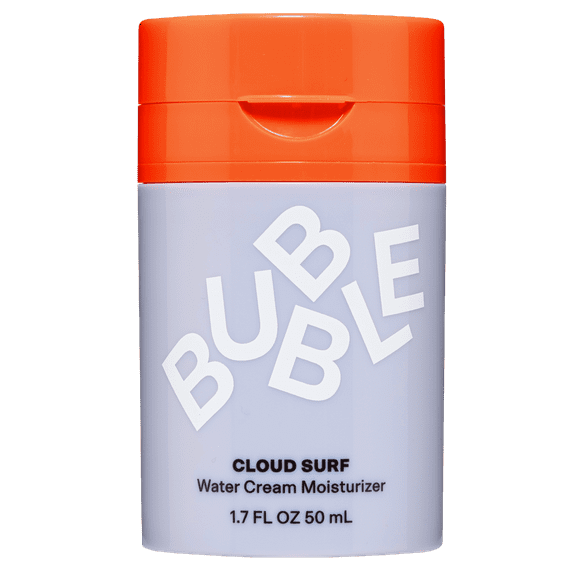
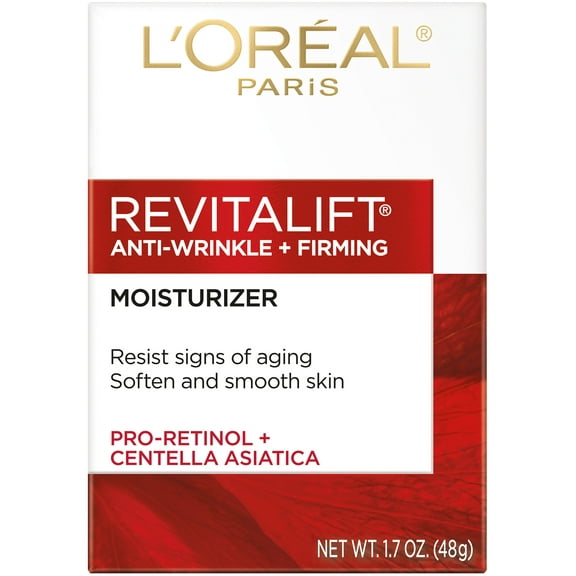


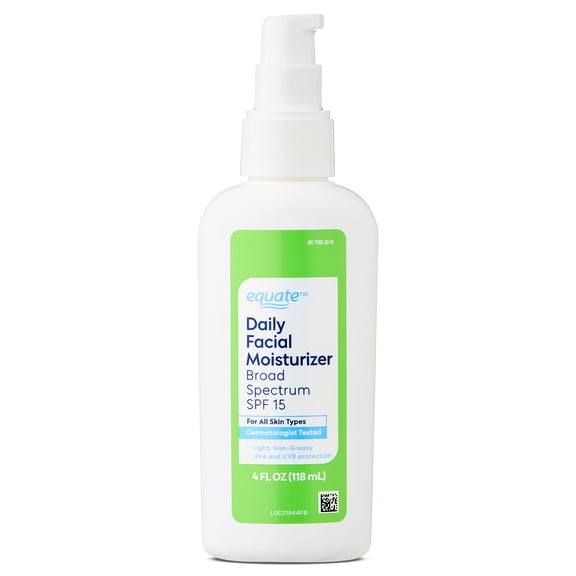
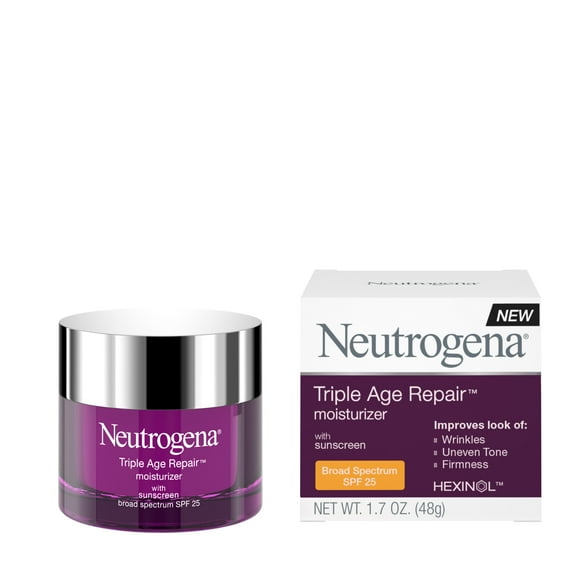
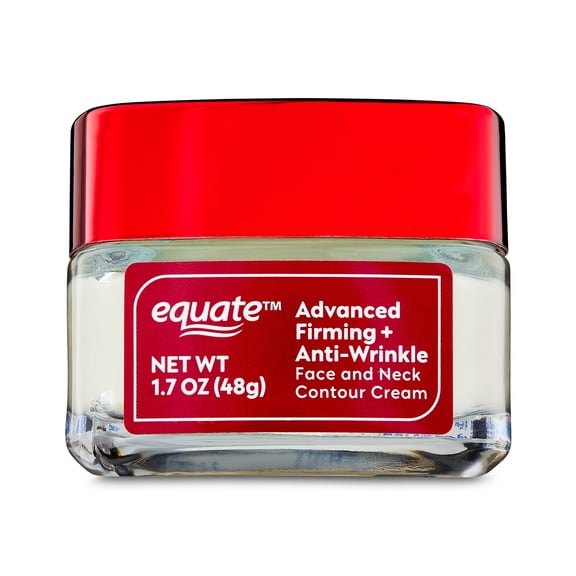


About Moisturizers in Skincare - Walmart.com
Moisturizers help you build a simple skincare routine that matches your skin type, texture preference, and daily schedule. You can compare creams, gels, lotions, and SPF options more easily when you know what each format does.
If you want a face moisturizer for daily wear, you can focus on feel, finish, and ingredient mix first. You’ll also want choices that fit dry, oily, sensitive, or combination skin without adding guesswork.
How to choose moisturizers by skin type
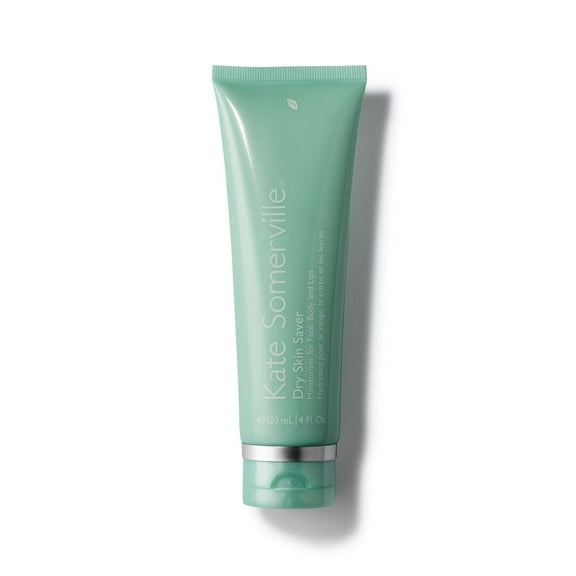
Your skin type shapes how a formula feels and how often you’ll want to use it. If you need a moisturizer for dry skin, you may prefer richer textures that feel more cushiony.
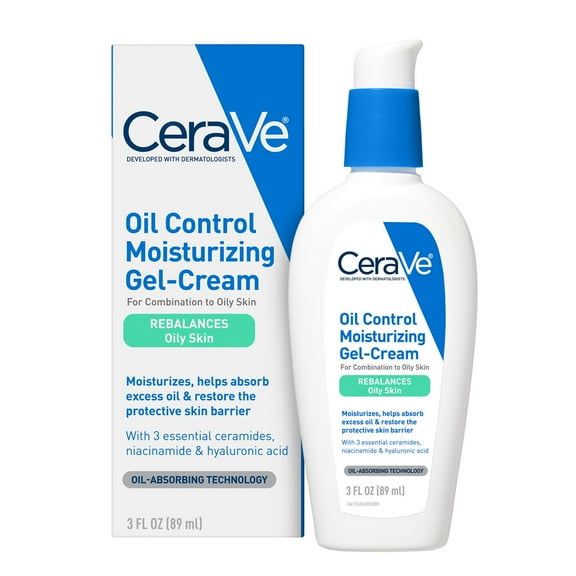
For oily or combination skin, you may look for a lighter finish that layers well under sunscreen or makeup. If your skin feels reactive, you may compare fragrance preferences, non-comedogenic labels, and hypoallergenic options.
You can also check whether a formula supports your skin barrier with ingredients like ceramides and humectants. When your routine feels balanced, you’ll notice your face moisturizer fits morning and evening use more smoothly.
- You can match richer creams to dry areas that need a more enveloping feel.
- You can choose lighter textures for oily zones that prefer a quick-absorbing finish.
- You can compare sensitive-skin options by label details and simplified ingredient lists.
- You can select daily formulas that layer neatly with serums, sunscreen, and makeup.
Choosing a face moisturizer texture
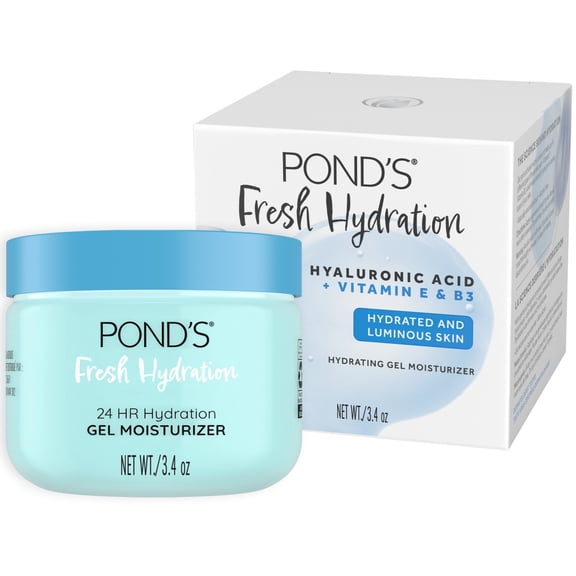
Your texture choice affects how your moisturizer sits on your skin and under other products. If you want a fresh, weightless feel, a gel moisturizer can absorb quickly and feel lighter.
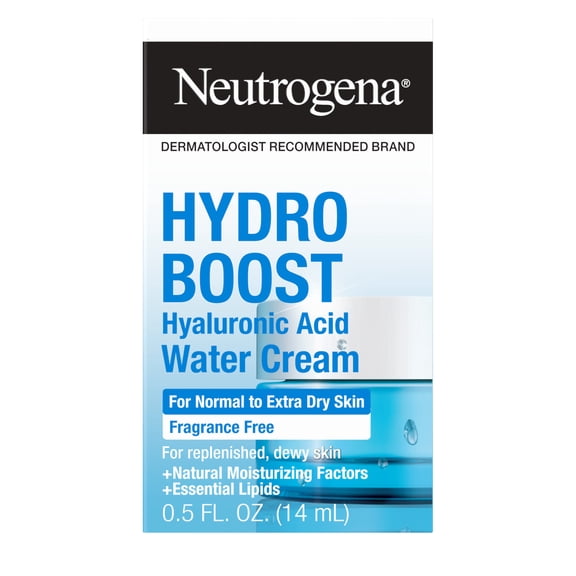
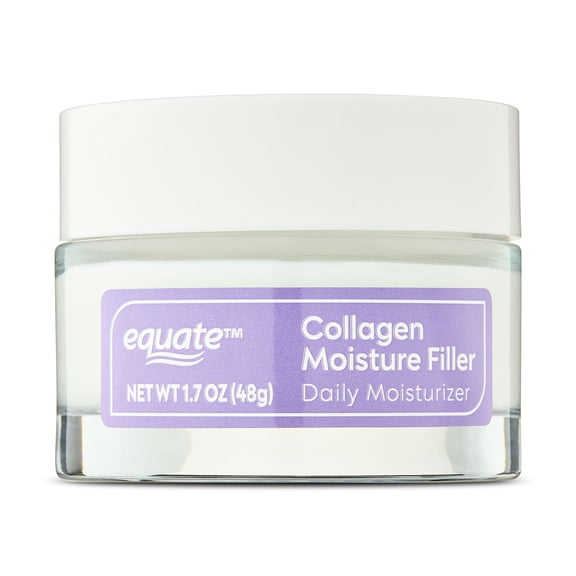
If you want more cushion, you may prefer a cream that feels richer during cooler weather. Lotion textures often give you a balanced middle ground, while water cream formulas can feel bouncy and light.
You should compare how each texture fits your routine, not just your skin type. If you apply products in layers, you may want a face moisturizer that spreads evenly and dries comfortably.
What to look for in ingredients
Your ingredient choices can help you narrow options faster when the shelf has many formulas. Hyaluronic acid usually appeals when you want a lightweight feel, while ceramides often suit routines focused on barrier support.
If you’re comparing retinol formulas, you should check strength details and intended application time. You may use retinol blends more often in a night cream routine, while niacinamide can fit day or evening use.
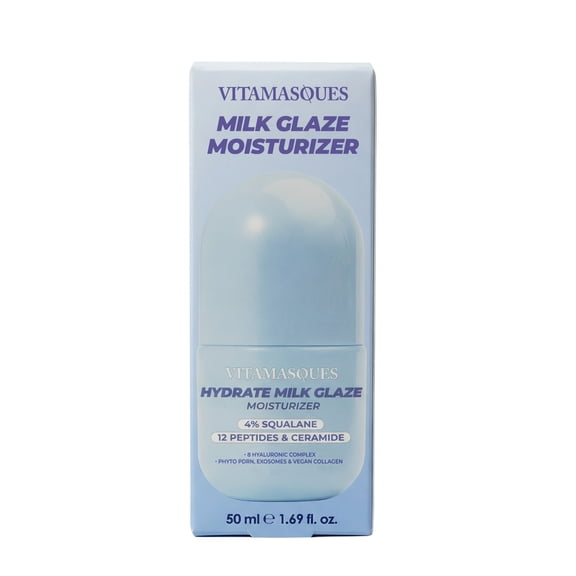
You can also compare ingredient combinations instead of focusing on one name alone. For example, you may want ceramides with hyaluronic acid when you want comfort and a smoother layered feel.
Technical details can help you choose with more confidence when you understand the payoff. If you compare ceramide types, retinol strength, or hyaluronic acid percentages, you can better match the formula to your routine pace.
Deciding on SPF and application time
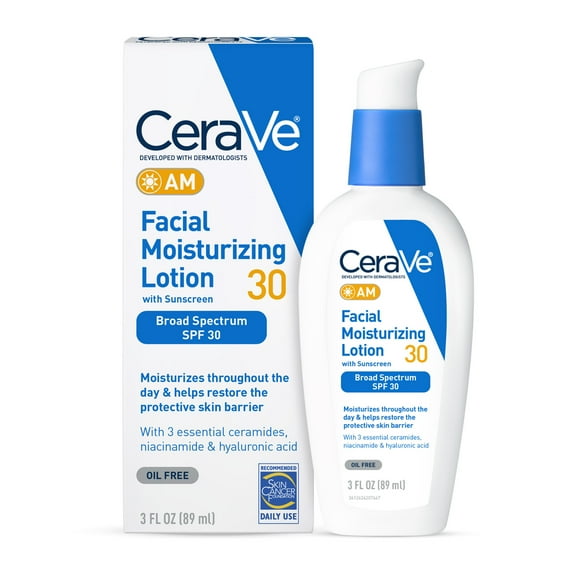
Your daytime routine may call for a face moisturizer with SPF when you want fewer steps. You can compare SPF 15, SPF 30, and SPF 50 based on how much daily coverage you prefer.
If you already use separate sunscreen, you may choose a non-SPF option for layering flexibility. At night, you may want a night cream texture that feels richer and works well as your last skincare step.
You should also think about where the product fits in your schedule. If you need a daily option for busy mornings, you may prefer a quick-absorbing lotion or gel moisturizer.
Using moisturizers in real routines
If your skin feels dry after cleansing, you may reach for creams with ceramides and a softer, richer finish. That choice can make your routine feel more comfortable during colder months or overnight wear.
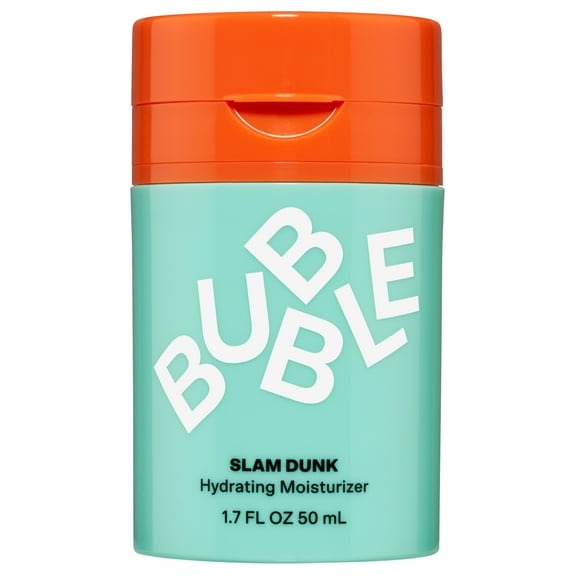
If your skin gets shiny by midday, you may prefer a gel moisturizer or water cream texture. Those formats can feel lighter under makeup and may suit warm weather or humid days.
For combination skin, you can compare lotions and balanced creams that don’t feel too heavy or too bare. If your routine includes serums, you’ll want a moisturizer that layers without pilling.
If you’re building a day-to-night system, you can use texture and SPF as your guide. You may choose a daily face moisturizer with SPF for mornings and a night cream for evening comfort.
Sensitive-skin shoppers often look closely at labels before choosing moisturizers for regular use. You can compare non-comedogenic and hypoallergenic wording, then check whether the finish still matches your texture preference.
When you sort by skin type, texture, ingredients, and SPF, you can narrow the category with less trial and error. That approach helps you find moisturizers that fit your routine, layer cleanly, and feel right every day.