








Elevated Dog Bowls and Feeding Stands





























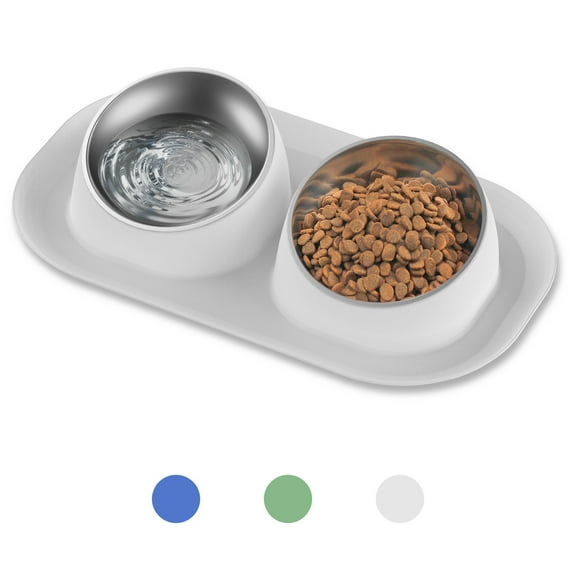


About Elevated Dog Bowls and Feeding Stands - Walmart.com
Elevated dog bowls help you create a cleaner, more comfortable feeding setup for your dog. You can compare height, material, and bowl layout to match your dog’s size and your space.
You may prefer this category when floor-level bowls feel messy or awkward during daily meals. You’ll also find options with removable inserts, sturdier frames, and designs that fit neatly beside crates or kitchen walls.
How to choose elevated dog bowls
You’ll want to start with height, because the right fit changes how your dog reaches food and water. You can measure floor-to-chest height to compare a feeder with your dog’s natural standing position.
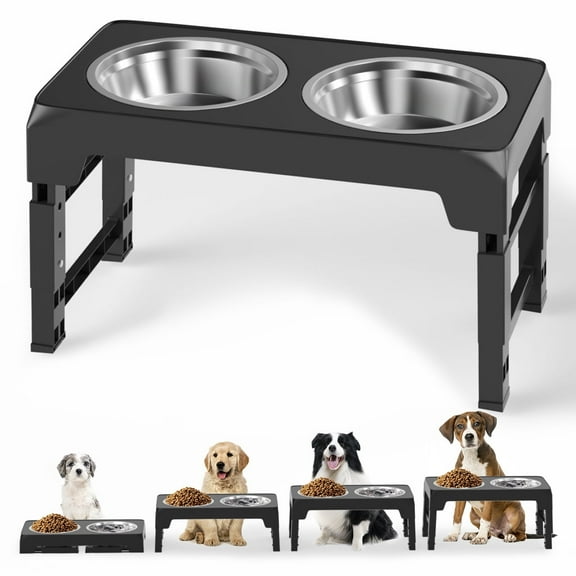
If your dog is still growing, you may want adjustable elevated dog bowls for a more flexible fit. If your dog’s size stays consistent, you might prefer a fixed-height stand with a simple footprint.
You can also compare multi-level designs when you want more than one feeding position in one setup. You’ll notice that height choices matter differently for small dogs, medium breeds, and taller dogs.
What to look for in raised dog bowls
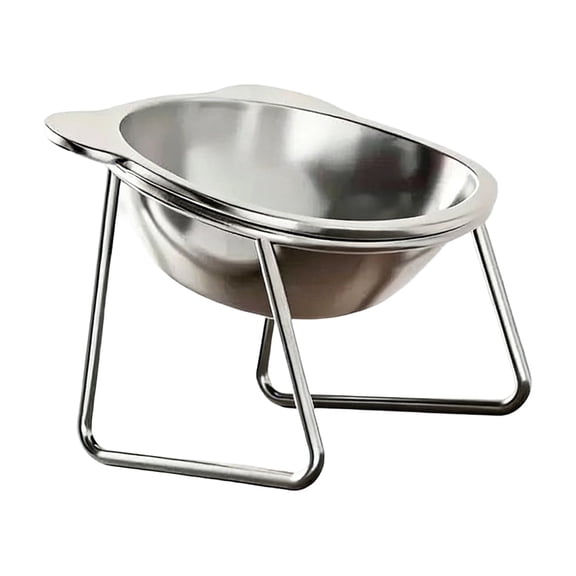
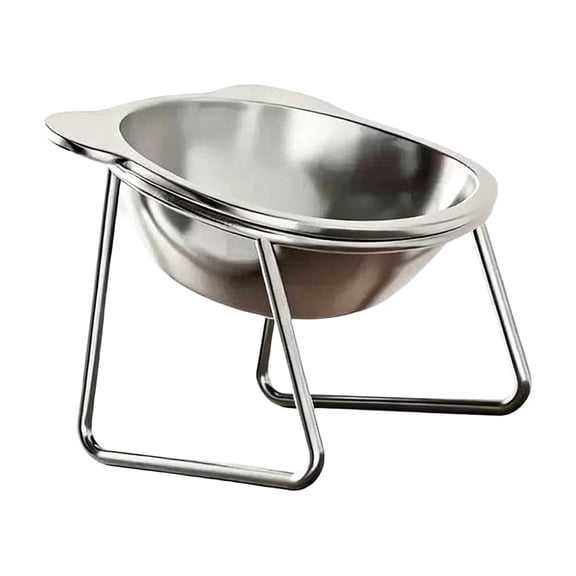
You’ll usually choose raised dog bowls for easier daily feeding and a tidier floor around the bowls. You can look for stable legs, balanced bases, and removable bowls that simplify cleanup after meals.
- You can reduce splashes with a steadier stand and a non-slip base.
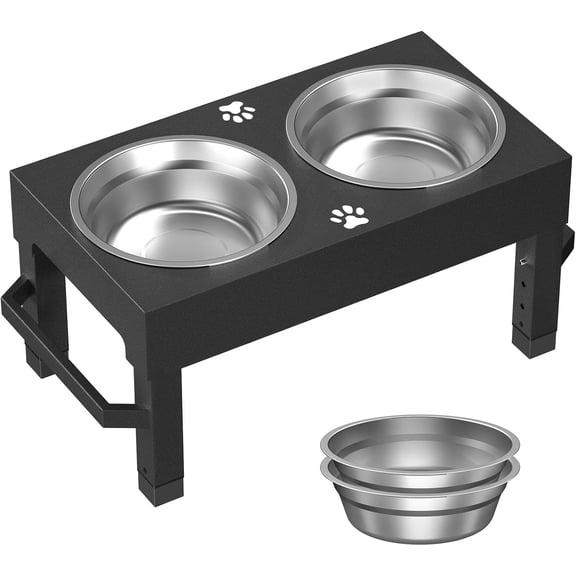
- You’ll make cleanup easier with removable stainless steel inserts.
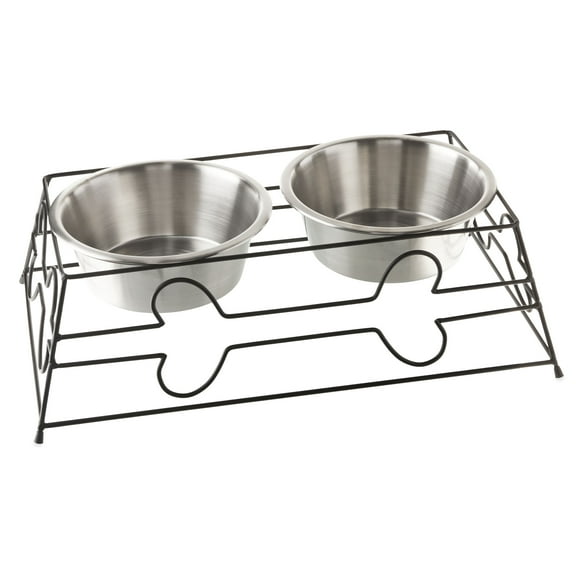
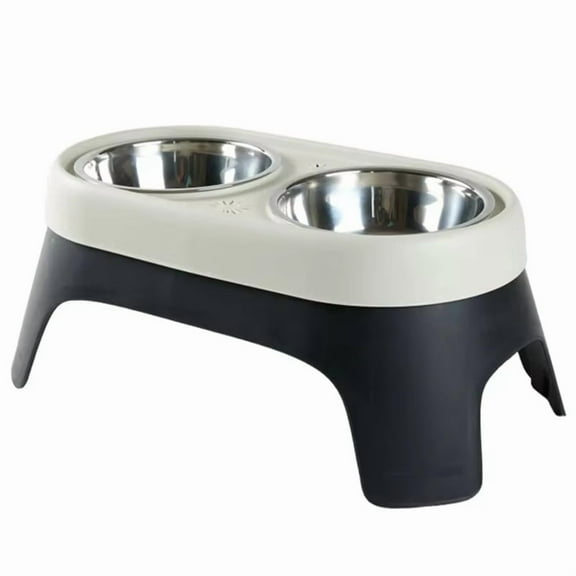
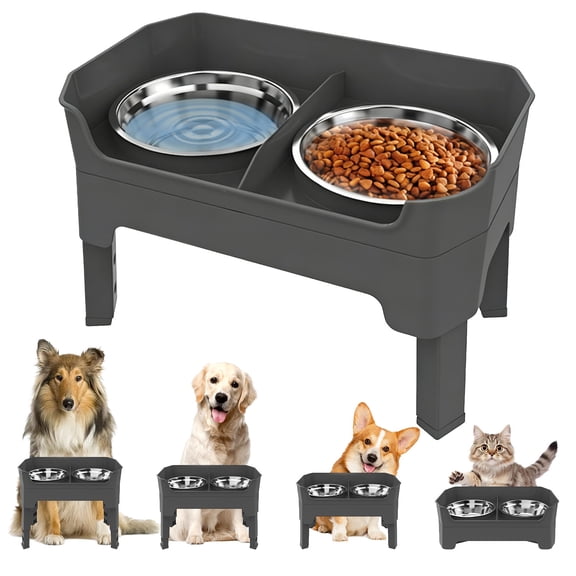
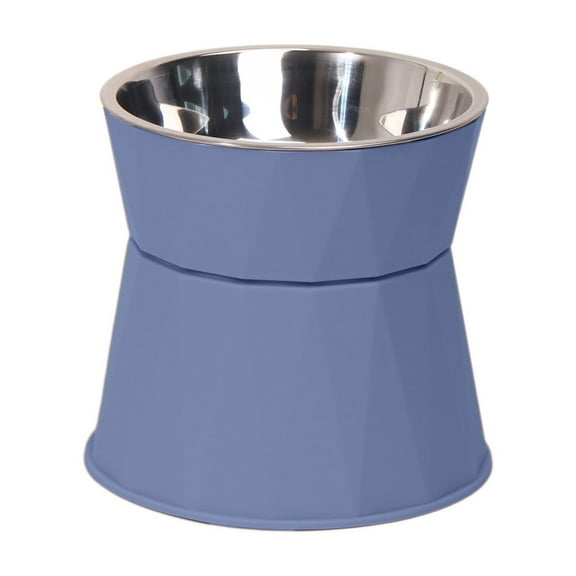
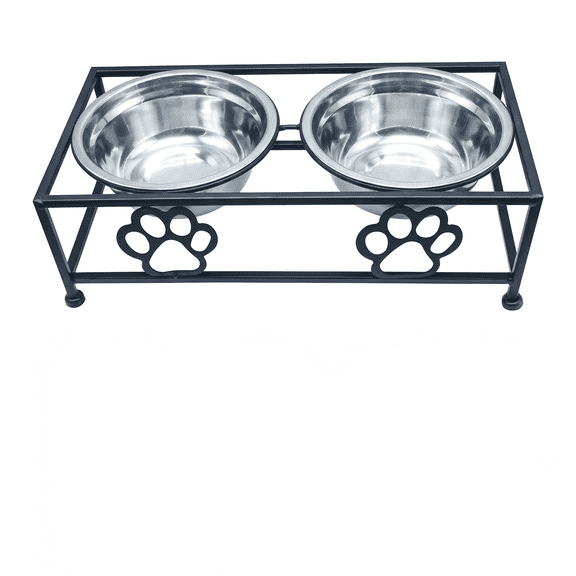
- You can match feeding space with single, double, or triple bowl layouts.
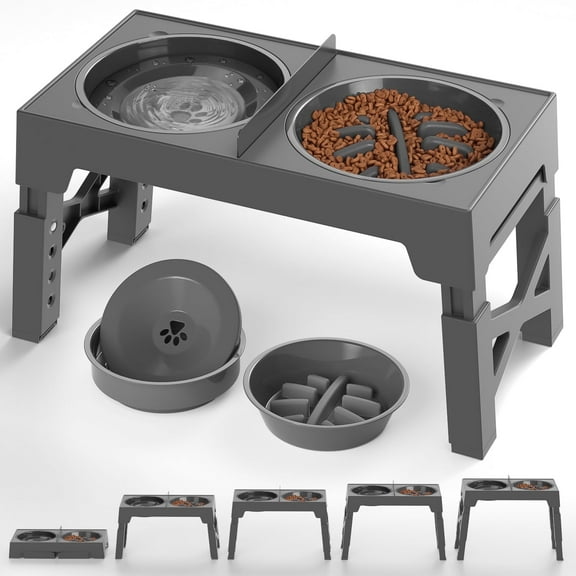
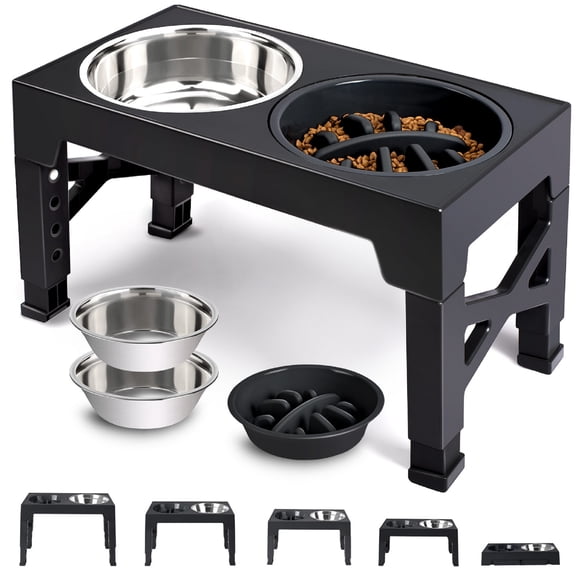
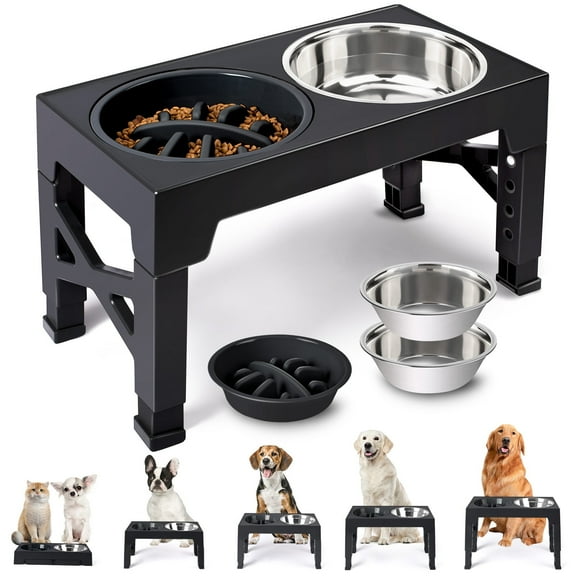
- You’ll get more flexibility from adjustable height or multi-level frames.
You may also want a feeder that keeps bowls in one place during energetic mealtimes. You’ll appreciate that detail when your dog nudges bowls or moves quickly from food to water.
For homes with more than one feeding need, you can compare double and triple setups. You’ll keep kibble, water, and extra portions organized without scattering separate dishes across the floor.
Choosing materials and bowl configuration
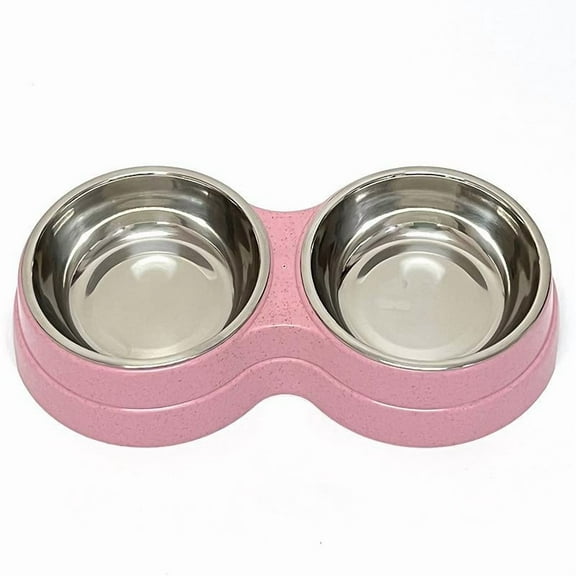
You can compare stainless steel, bamboo, wooden, and plastic designs based on care and style. You’ll often prefer stainless steel inserts when you want a smooth surface that rinses clean quickly.
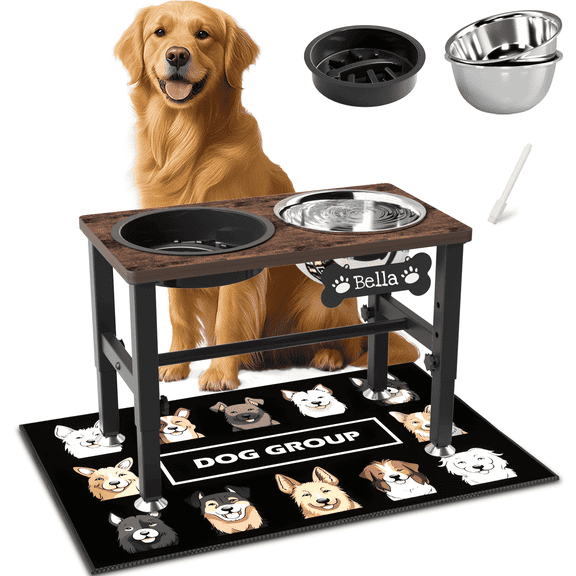
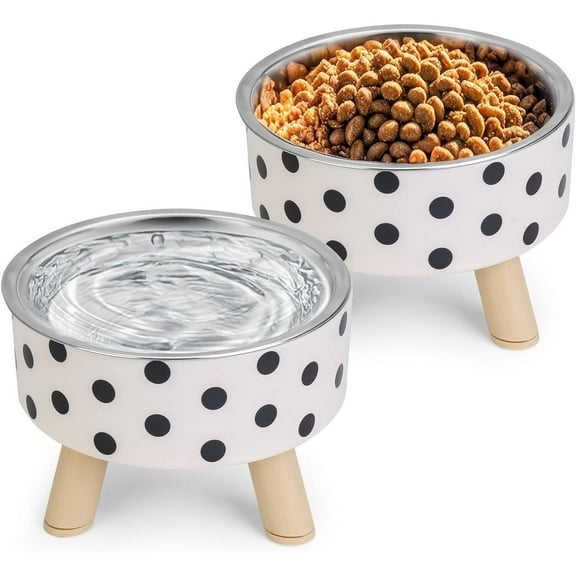
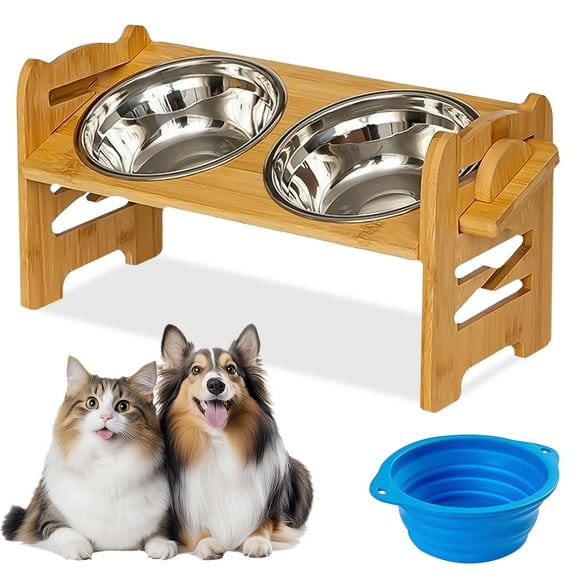
If your home leans warm or natural, you may like wooden elevated dog bowls or bamboo stands. You can pair that look with modern kitchens, mudrooms, or feeding corners that need a furniture-like finish.
You might choose plastic frames when you want a lighter setup that moves easily between rooms. You can check whether the bowls lift out easily before you clean, refill, or store them.
Bowl configuration also shapes your routine, especially when you portion food and water separately. You may prefer a single bowl for compact spaces, or double elevated dog bowls for everyday meals.
If you manage multiple feeding items, you can compare triple bowl designs for added organization. You’ll have room for water, dry food, and a separate portion without adding extra dishes.
Comparing elevated dog bowls for large dogs
You’ll want to pay close attention to frame height and bowl capacity when shopping elevated dog bowls for large dogs. You can measure your dog first, then compare feeder height with that floor-to-chest measurement.
If your dog is tall or broad, you may want wider spacing between bowls and a heavier base. You’ll notice that larger frames often help keep the setup balanced during enthusiastic eating.
For smaller dogs, you can choose lower profiles that keep bowls accessible without adding extra bulk. You may also like compact stands that fit apartments, laundry rooms, or tighter feeding stations.
Medium breeds often fit a wider range of feeders, so you can focus on layout and material first. You’ll still want to check dimensions carefully so the bowls sit at a comfortable reach.
Using adjustable elevated dog bowls in daily routines
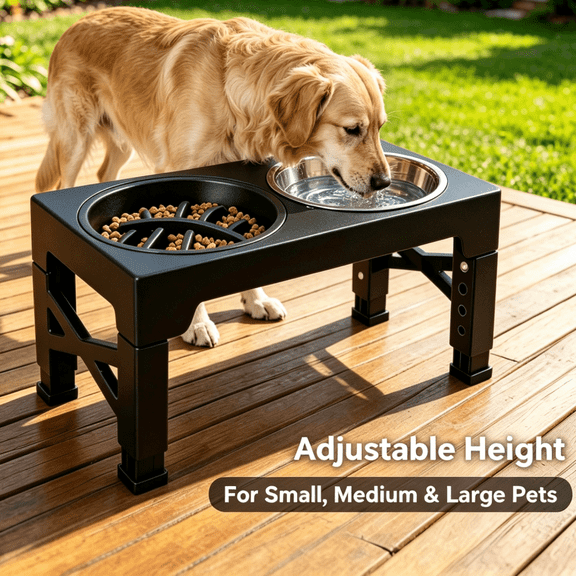
You can use adjustable elevated dog bowls when your dog is growing, sharing spaces, or switching rooms often. You’ll have more control over setup when you need a feeder that adapts over time.
If you feed in a crate area, you may want a compact frame with easy assembly. You can also look for parts that store simply when you need extra floor space between meals.
You might keep one setup in the kitchen and another near a covered patio or utility room. You’ll benefit from frames that wipe clean quickly and bowls that lift out without extra steps.
Some shoppers also compare an elevated slow feeder dog bowl for more controlled portions and slower eating patterns. You can pair that style with a raised frame when you want feeding tools in one organized station.
You’ll get the most from this category when you measure carefully and compare each decision point before choosing. You can create a feeding setup that fits your dog, contains messes, and keeps daily meals easier to manage.