

File Storage Boxes in Filing Products





















About File Storage Boxes in Filing Products - Walmart.com
File storage boxes help you organize records, tax papers, and project files without turning your desk or closet into a paper pile. You can compare materials, sizes, closures, and portability features to match how you file, store, and carry documents.
How to choose file storage boxes for your space
Start by checking whether you need letter size, legal size, or universal capacity for mixed documents. You’ll avoid bent corners when your box matches the paper dimensions you already use.
Next, consider where you’ll keep your records and how often you’ll open the box. You may prefer archive-friendly cardboard for stored paperwork or sturdier plastic for frequent access.
Think about how your storage area works day to day before you choose a format. You can keep shelves tidier when your boxes stack evenly and open without shifting everything around.
- You can sort letter size papers neatly when choosing a box built for standard office documents.
- You can store legal size files flat when you need extra length for contracts and forms.
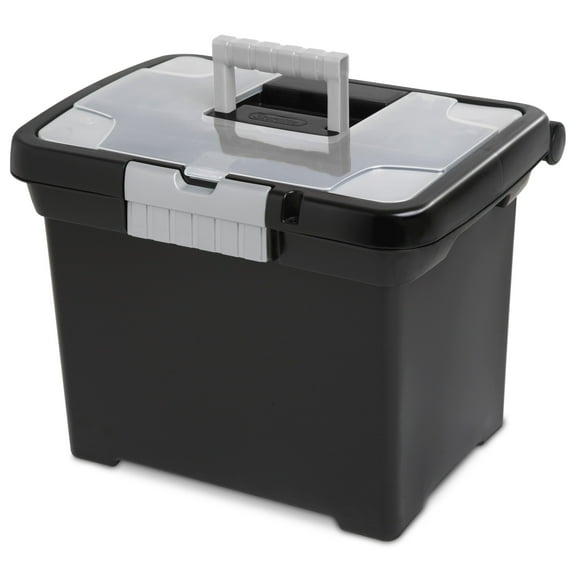
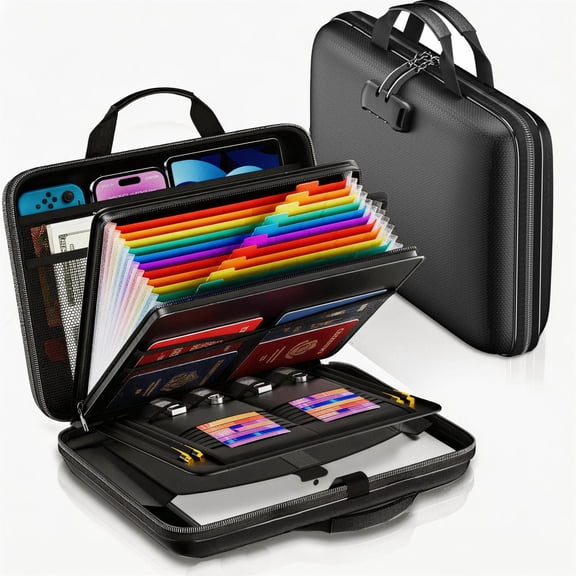
- You can move paperwork more easily when your box includes handles or a portable design.
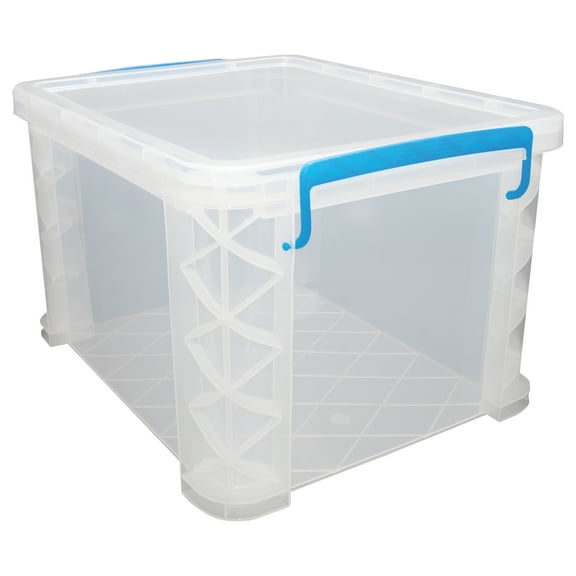
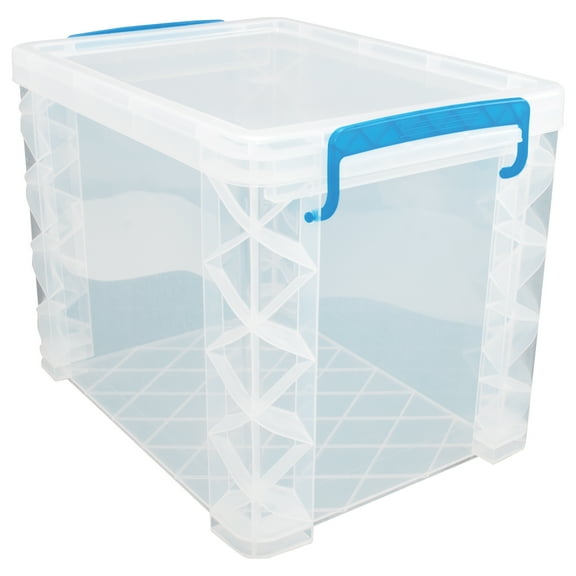
- You can keep contents covered when you choose file boxes with lids or latch closures.
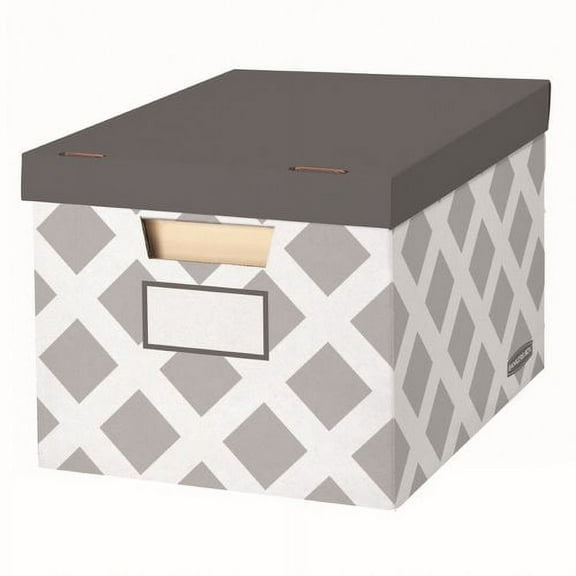
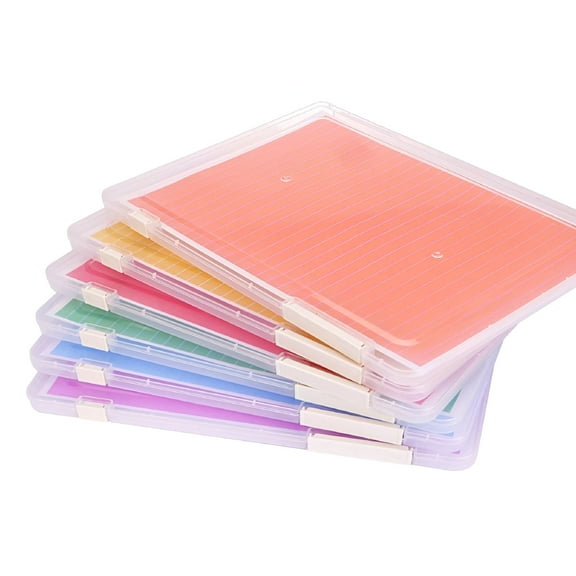
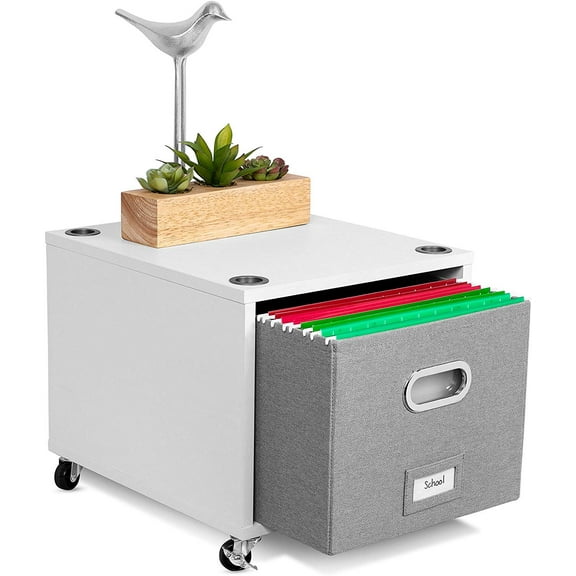
- You can match your room style when you choose decorative file storage boxes or clear plastic options.
Choosing material, size, and stackability
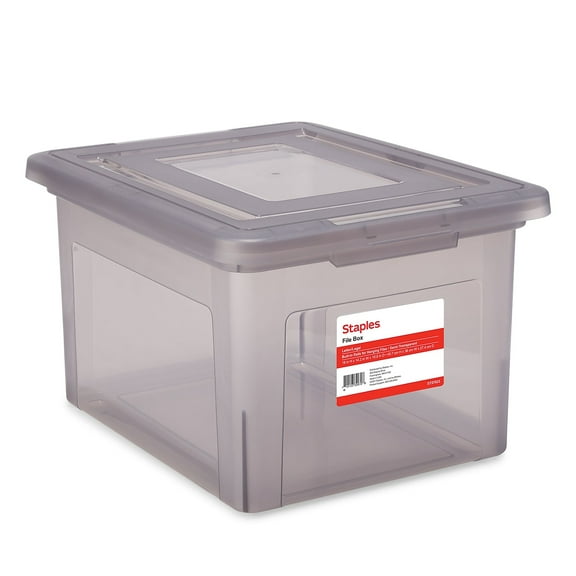
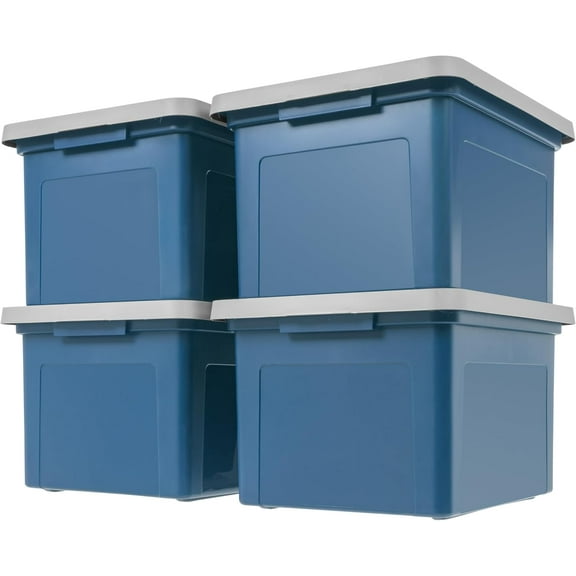
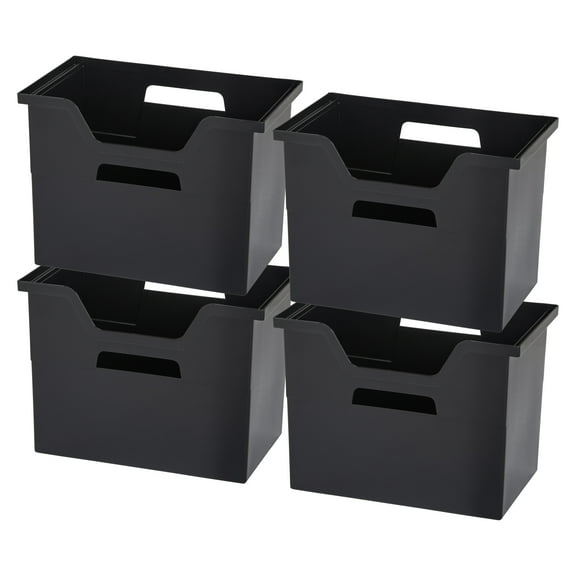
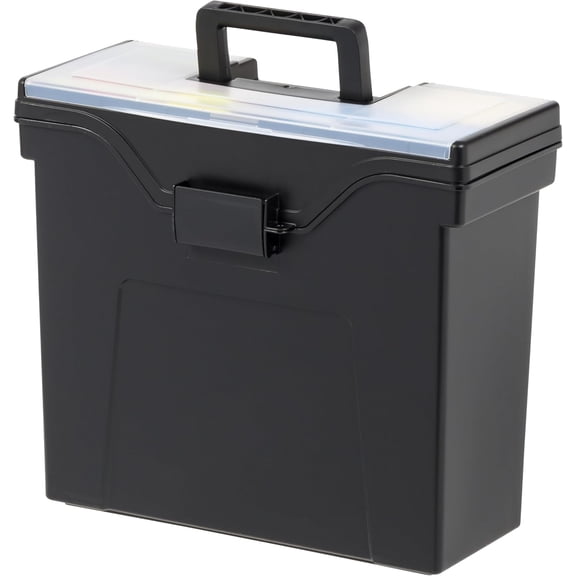
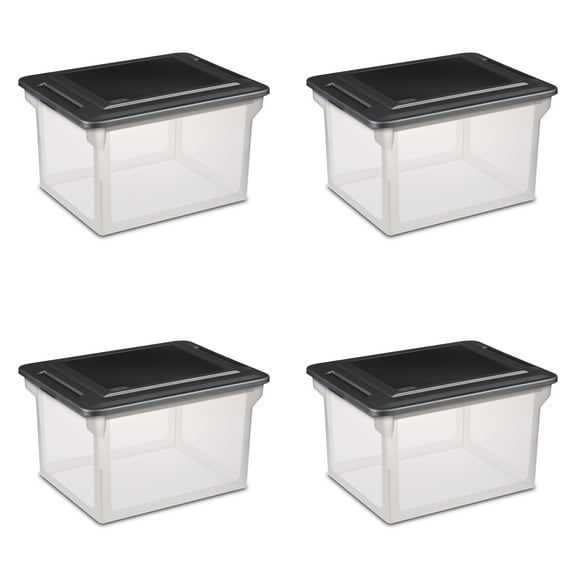
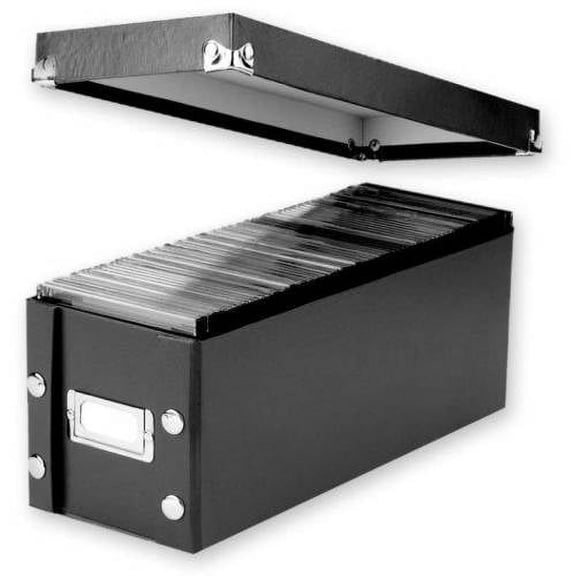
Plastic file storage boxes make sense when you want a sturdy container for repeated opening, lifting, and restocking. You’ll often find rigid sides useful when your hanging file organizers need a stable frame.
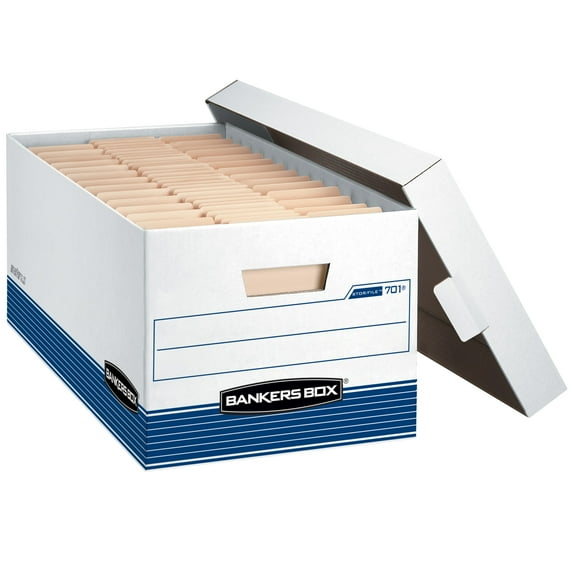
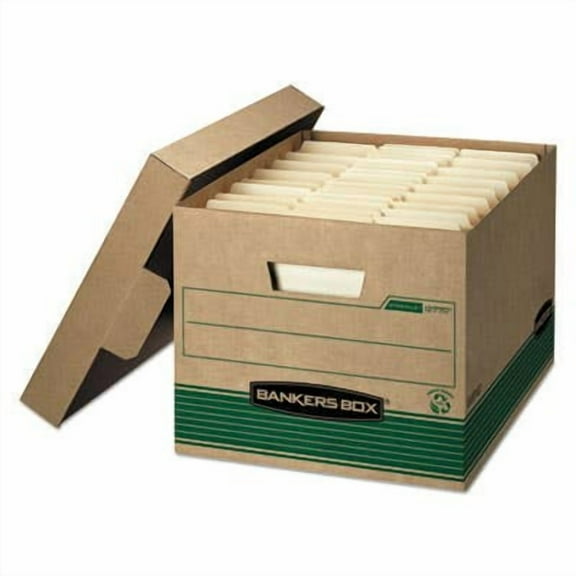
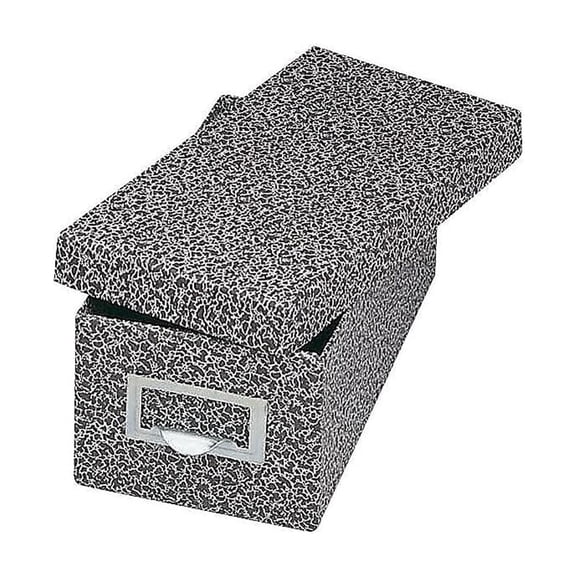
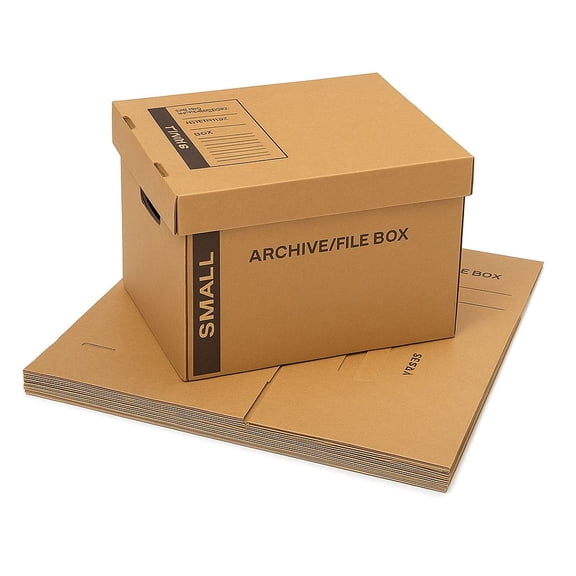
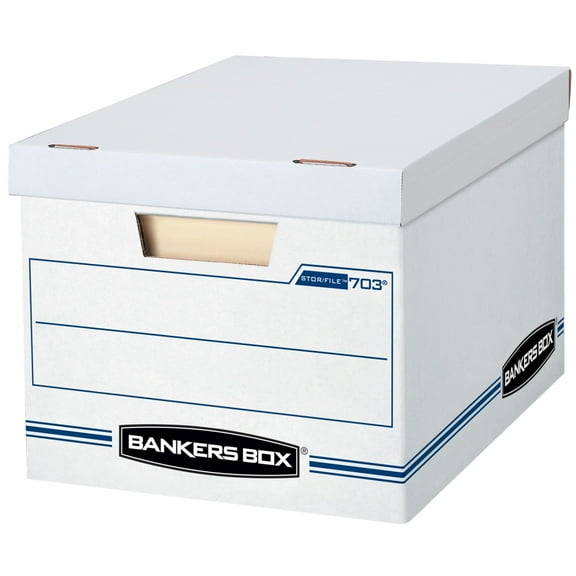
Cardboard styles work well when you want lighter document storage boxes for archived records and seasonal paperwork. You can label them clearly and place them on shelves for organized long-term storage.
Fabric and metal options fit different spaces and habits. You may like fabric for softer home office storage, while metal can suit a more structured workspace.
Size compatibility matters because letter and legal papers don’t fit the same way. You should measure your documents first, since legal files need extra length and universal designs allow mixed storage.
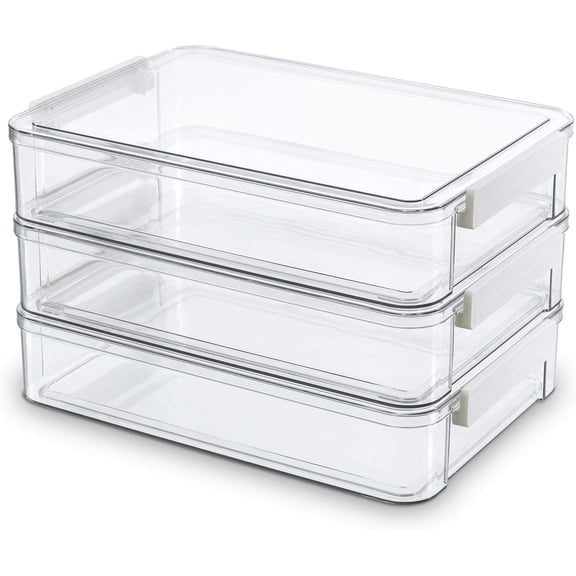
Stackability also deserves attention when your floor or shelf space is limited. You can compare reinforced corners, flatter lids, and sturdier walls when you plan to place several boxes vertically.
Check whether your box fits light household papers or heavier office files. You’ll get a more practical setup when your stack stays stable and your lower box supports the load.
Comparing plastic file storage boxes and file boxes with lids
Closure type changes how quickly you can reach your paperwork and how tidy your storage looks. You may prefer open-top styles for daily filing, especially when you add folders throughout the week.
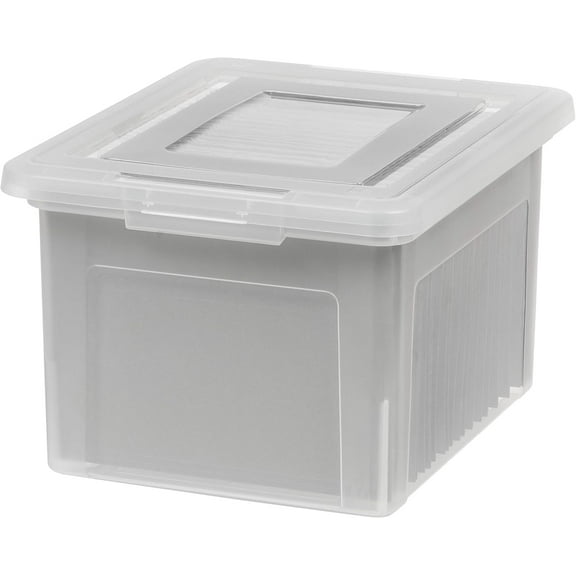
File boxes with lids help you keep papers contained when you store records in closets, offices, or shared rooms. You can also reduce visible clutter when your files stay covered between uses.
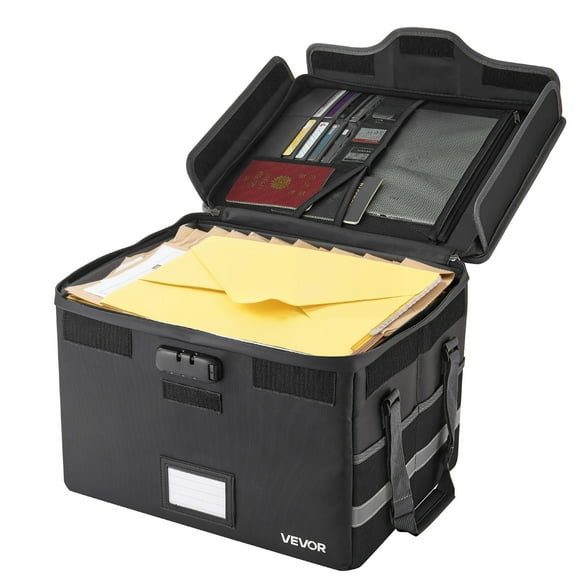
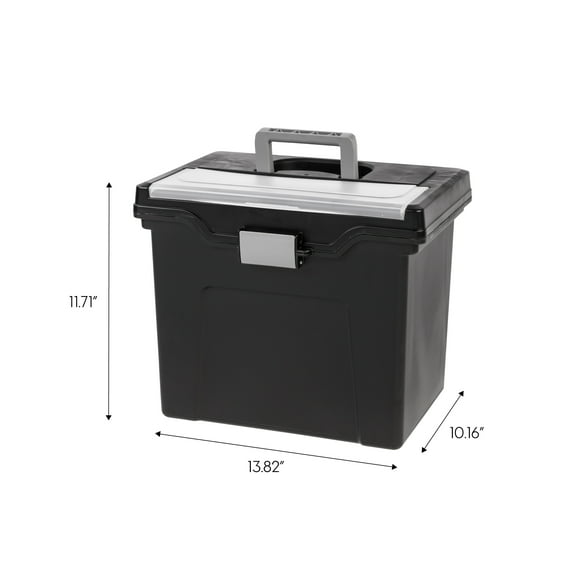
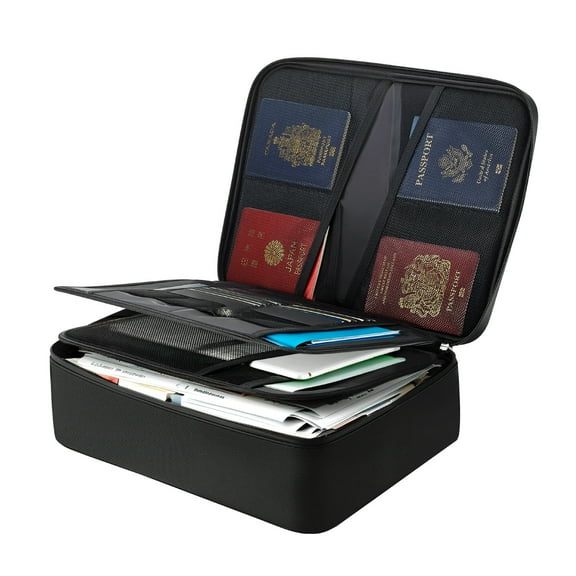
Latch lids offer a more secure close for portable file boxes that travel between rooms or workspaces. You’ll appreciate that extra hold when you carry documents to meetings, classrooms, or temporary desks.
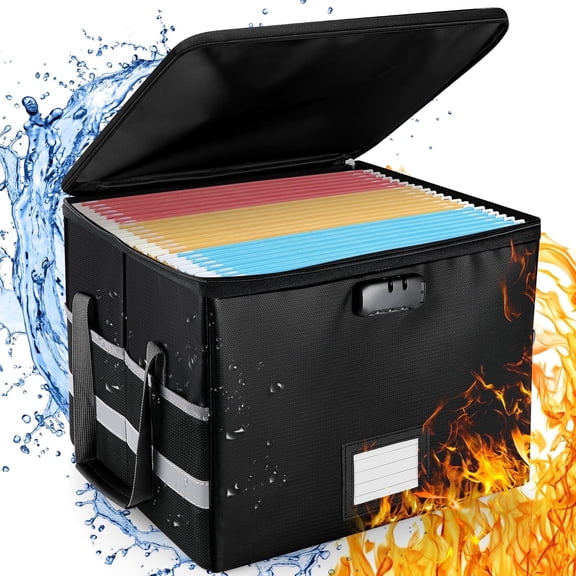
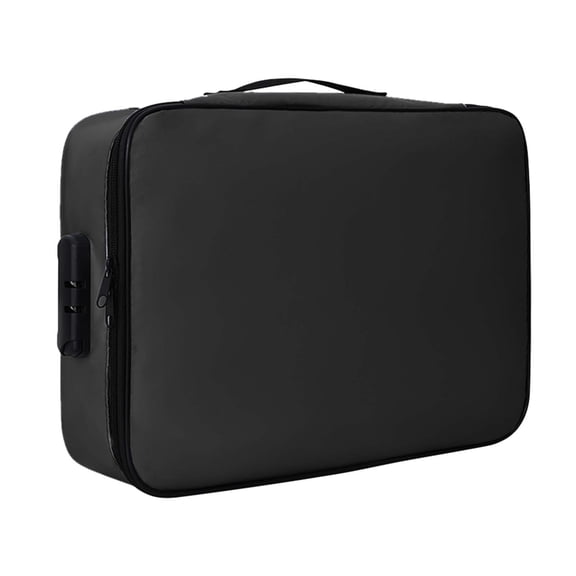
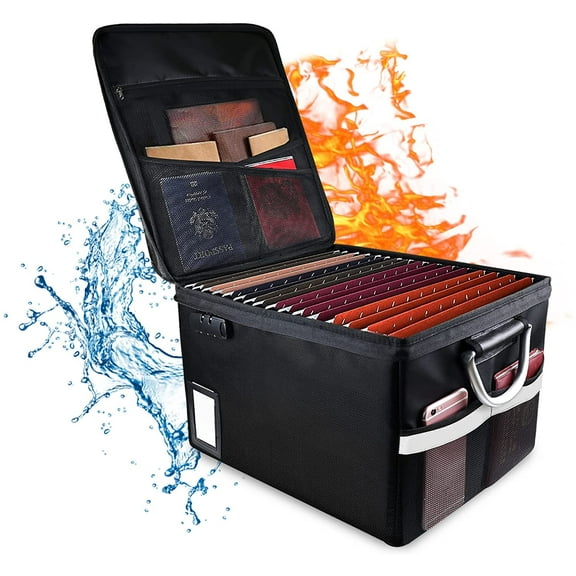
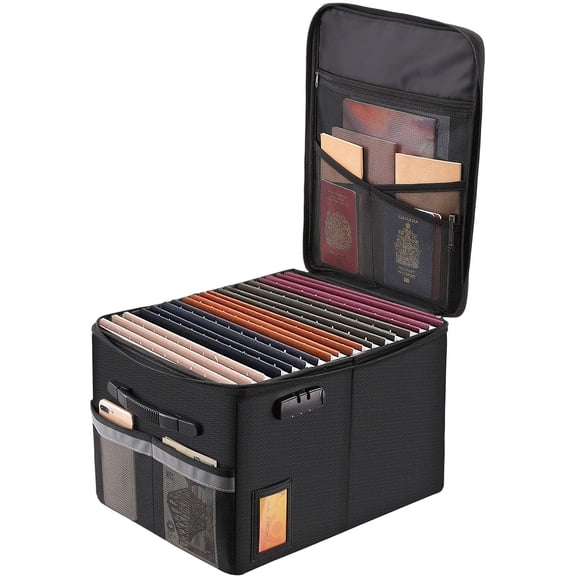
Zippered styles can work well when you want a softer container with enclosed access. You can keep receipts, manuals, or personal files together without using a rigid archive box.
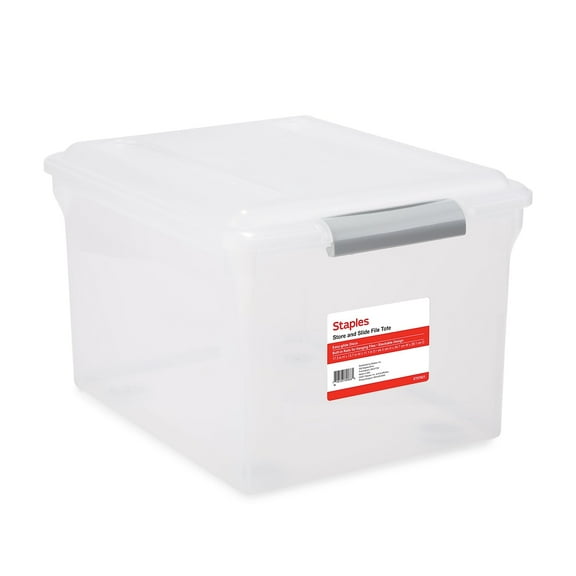
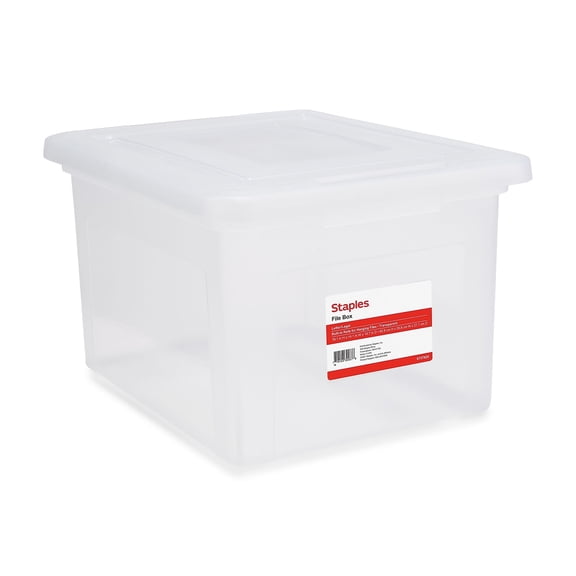
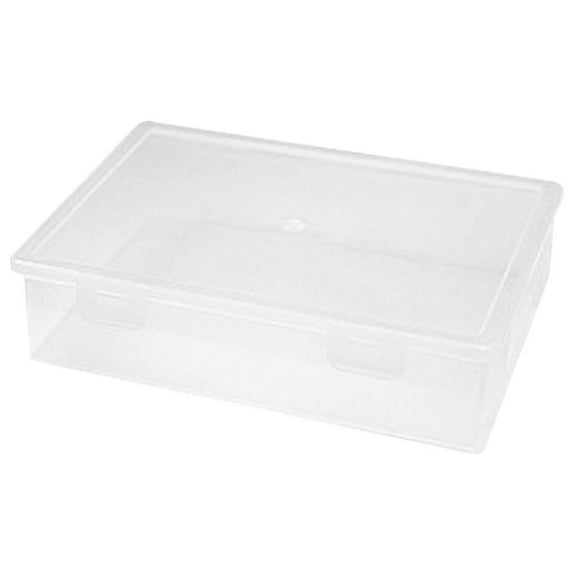
Clear plastic makes contents easier to identify at a glance. You can find what you need faster when your label placement and box visibility work together.
Decorative file storage boxes blend filing needs with home décor in bedrooms, dens, or open shelving. You can keep paperwork accessible without making your storage area look strictly utilitarian.
Matching portability and use cases to your routine
If you carry documents often, look for handles that feel comfortable and balanced when lifted. You can move school records, client papers, or household files without juggling loose folders.
Portable file boxes suit mobile work setups, shared offices, and small apartments where storage needs change often. You can tuck them under desks, move them to tables, or store them in closets.
When your paperwork collection grows, wheeled options can help you move heavier loads across larger spaces. You may find that useful for supply rooms, event paperwork, or records that shift between departments.
For home use, you might separate taxes, warranties, medical forms, and school papers into labeled document storage boxes. You can create a simple system that keeps important papers grouped by purpose.
In office settings, you may organize active projects in hanging file organizers and archive completed work in stackable boxes. You can keep current tasks close while moving older files into longer-term storage.
If your shelves stay visible, decorative file storage boxes can support organization without drawing attention away from the room. You’ll get practical storage that still looks intentional in shared spaces.
When you compare file storage boxes by size, material, closure, and portability, you can build a filing system that fits your paperwork habits. You’ll stay organized more easily when each box matches how you store, stack, and access documents.
Popular in File Storage Boxes in Filing Products - Walmart.com
- Plastic Envelopes
- Plastic File Folder Bin Storage Organizer
- Storex All Binders
- Plastic File Boxes For Hanging Files
- File Box Dividers
- Storex Binders
- Plastic Colored File Boxes
- Check File Box
- Best Sellers In Filing Folders Plastic Container
- Portable File Tote
- Storage File Boxes A4 Office Supplies
- File Tote Handles