








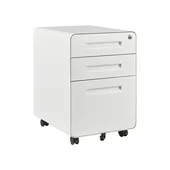
Desk Organizer Sets in Desk Organization
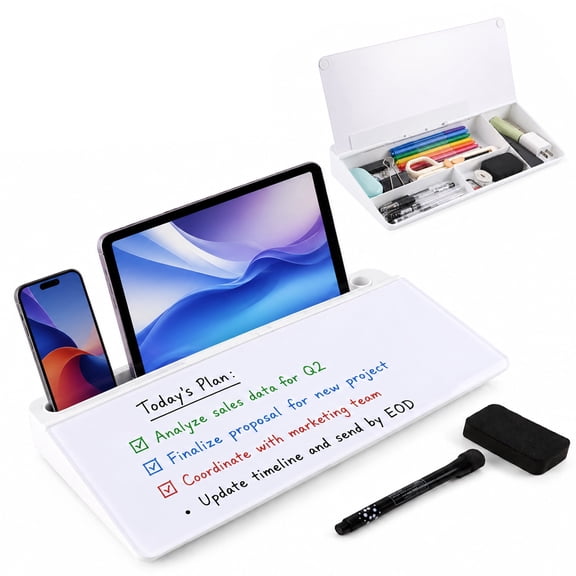

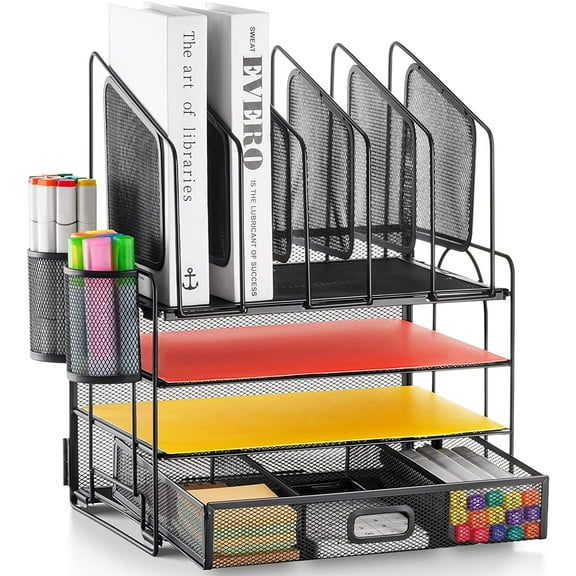
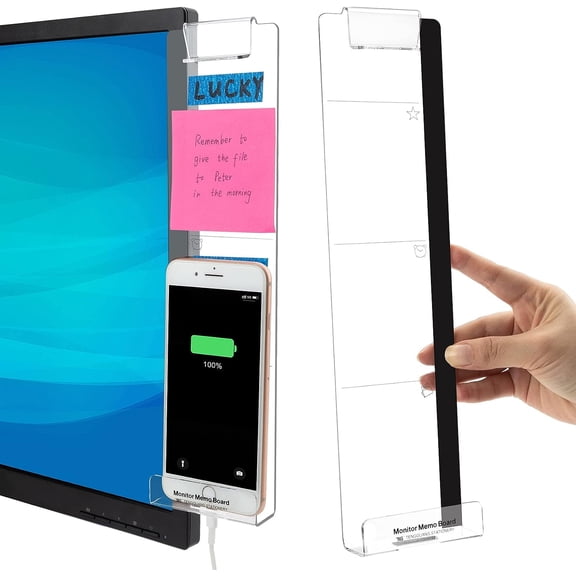






























About Desk Organizer Sets in Desk Organization - Walmart.com
Desk organizers help you keep pens, papers, and devices in order without crowding your workspace. If your desk handles work, school, or household tasks, you'll notice clearer zones support smoother routines.
How to choose desk organizers for your workflow
Your daily tasks should guide the compartments you compare first. If your routine includes notes, mail, and chargers, you'll want sections sized for each item.
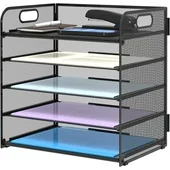
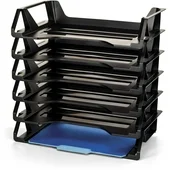
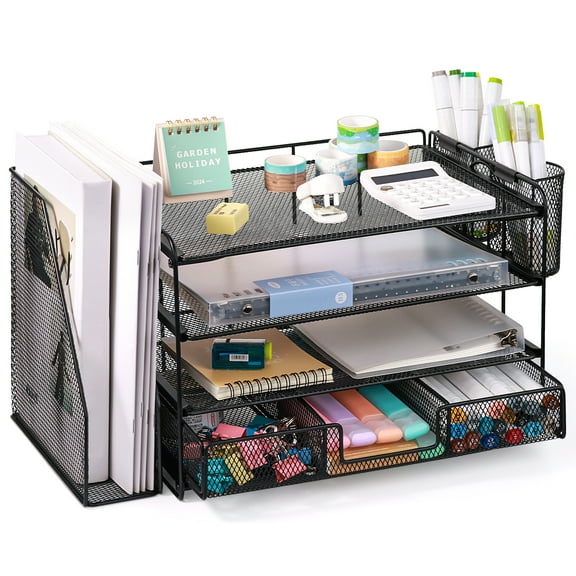
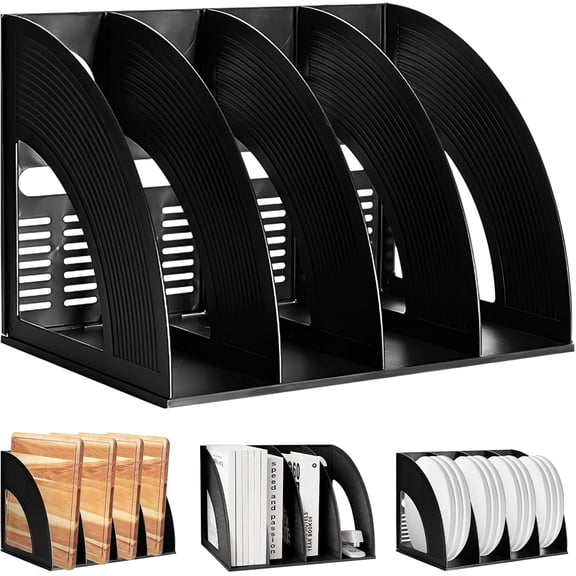
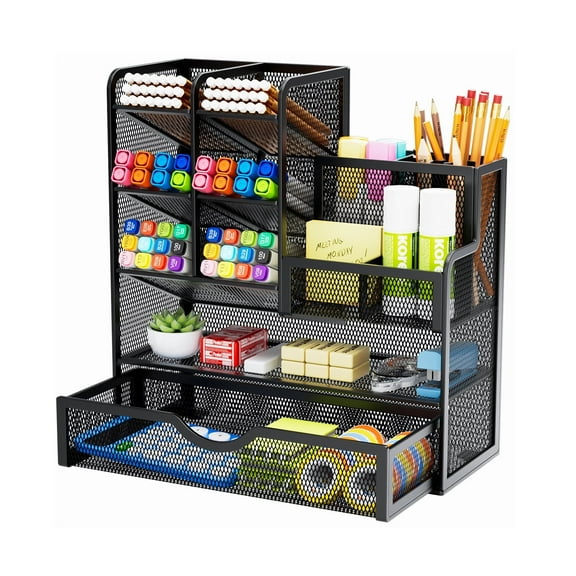
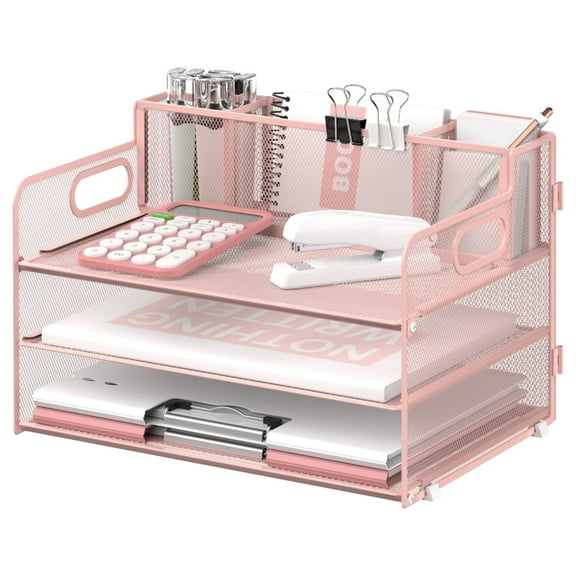
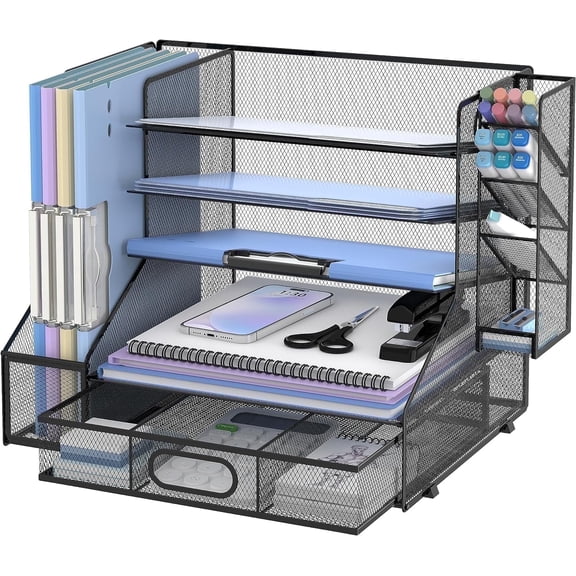
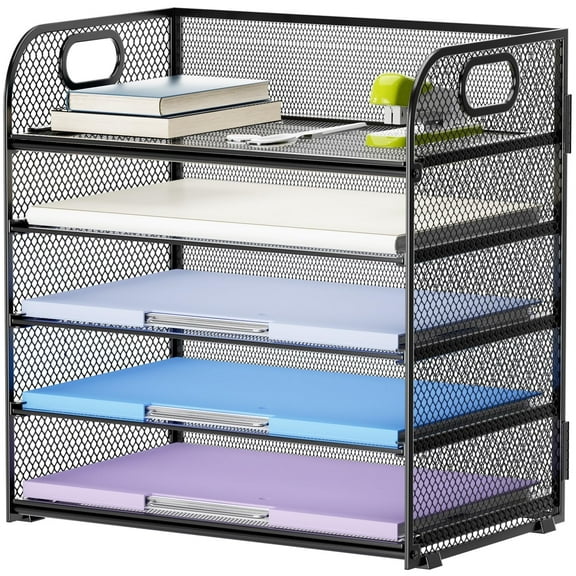
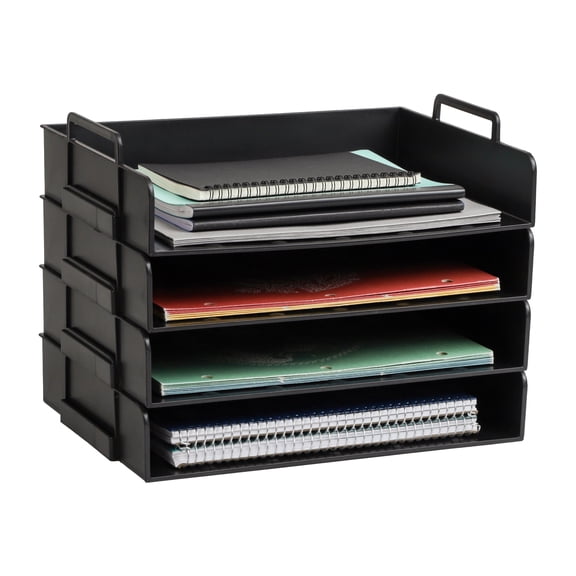
For paper-heavy setups, tiered layouts help you separate incoming sheets from finished documents. When your tools change often, adjustable sections let your desktop organizer adapt with less reshuffling.
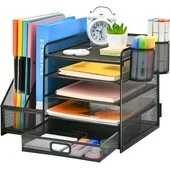
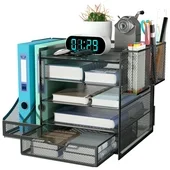
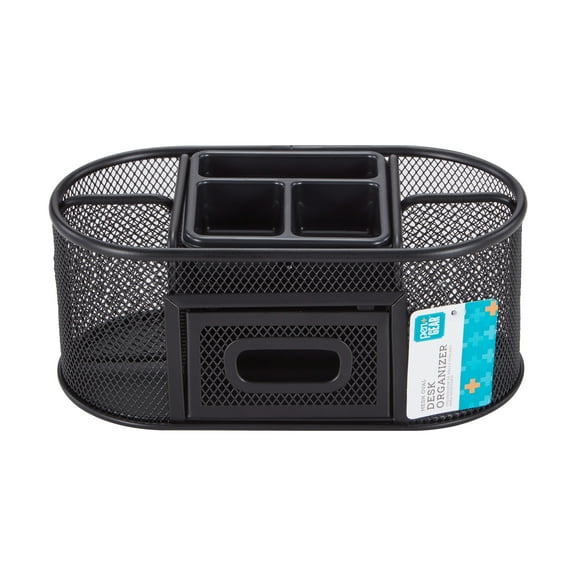
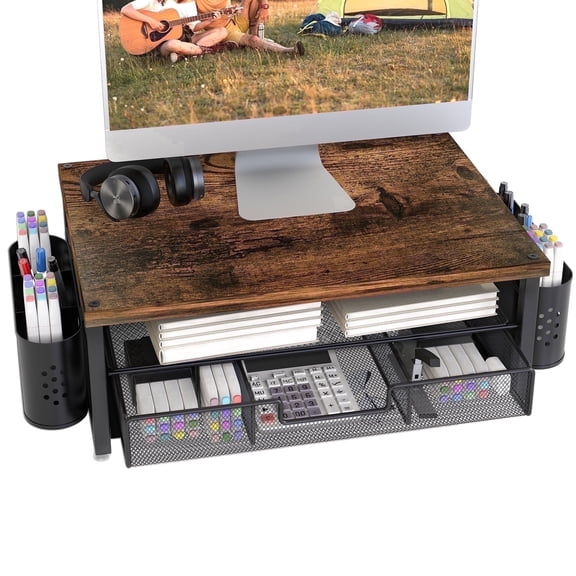
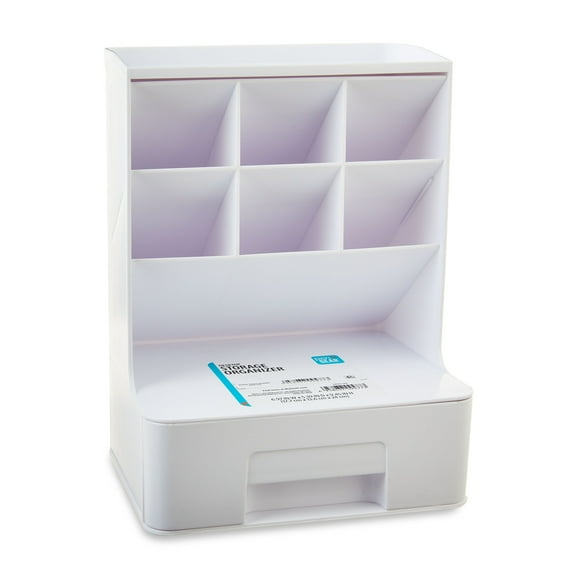
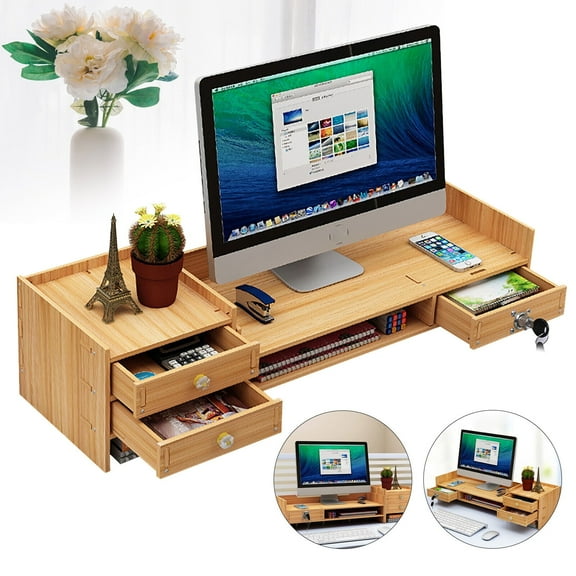
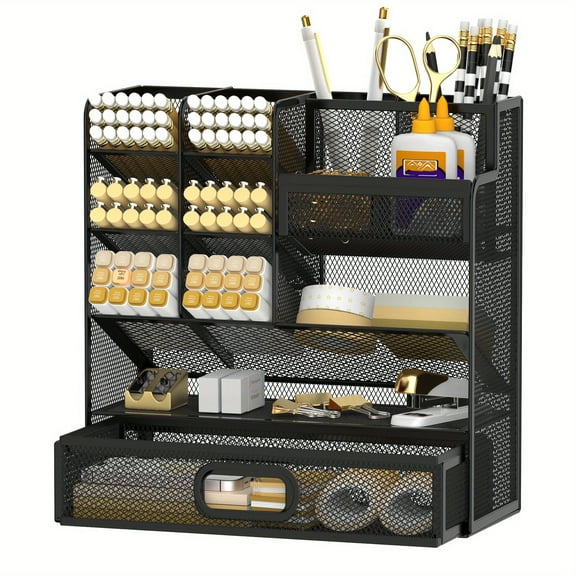
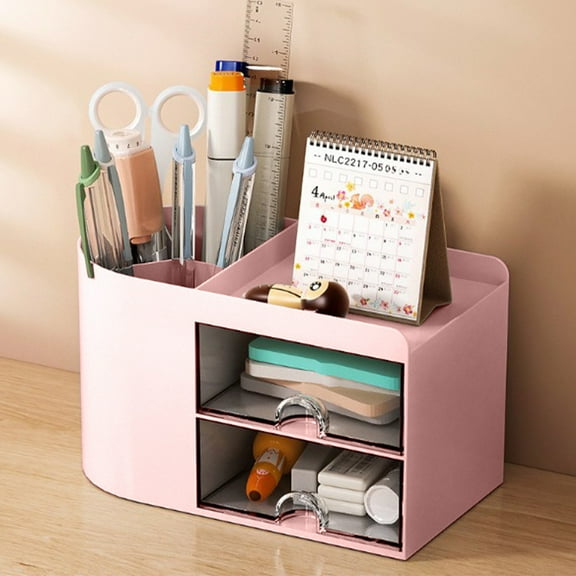
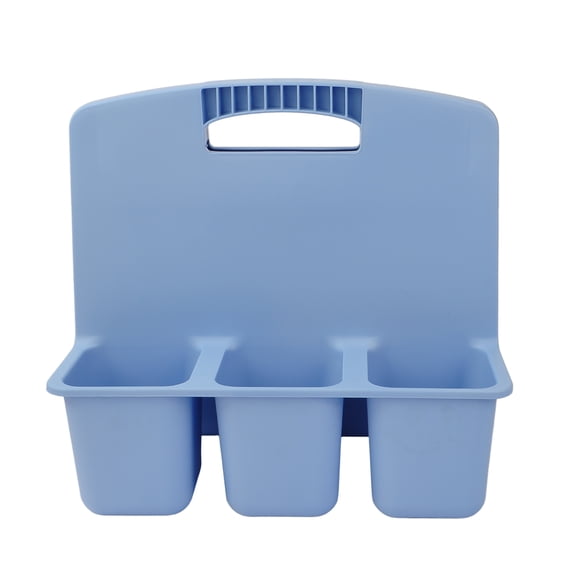
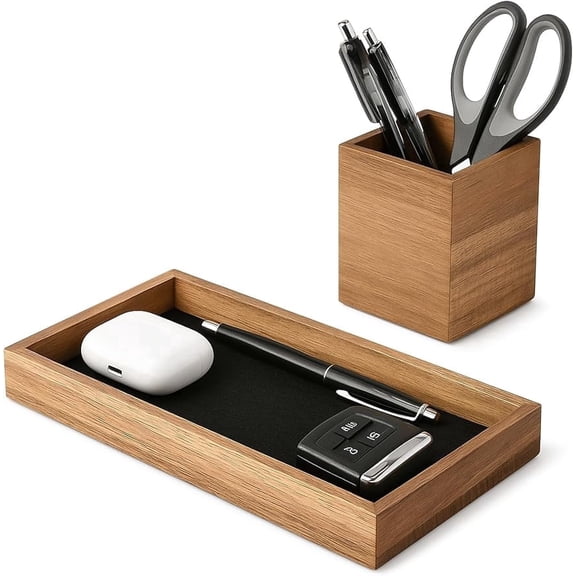
Smaller accessories often fit nicely in desk organizers with drawers, while open cups keep pens and scissors within reach. A setup with pen holders works well when you write, mark pages, or sign forms often.
- You can sort writing tools, mail, and accessories by size and daily use.
- Your surface looks cleaner when drawers, trays, and dividers give each item a clear place.
- You can create separate zones for schoolwork, remote work, and shared household tasks.
- Your routine feels easier when frequently used supplies stay visible and close by.
Choosing materials for office desk organizers
Material affects both the look of your setup and the upkeep you prefer. As you compare office desk organizers, you'll want a finish that fits your space and daily habits.
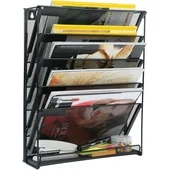
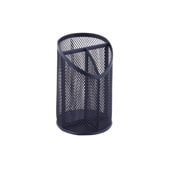
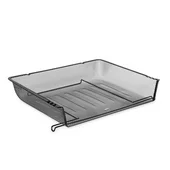
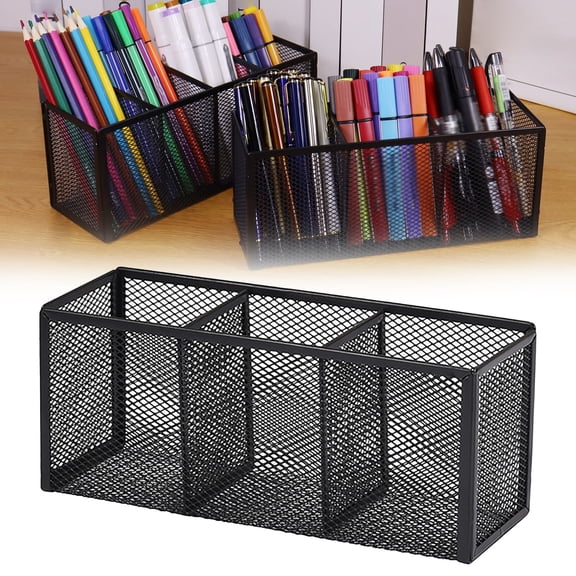
Mesh desk organizer styles suit modern desks because you can see contents quickly and maintain an open look. If your workspace already has metal accents, you'll often find mesh blends in neatly.
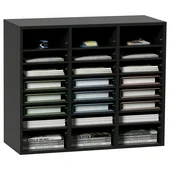
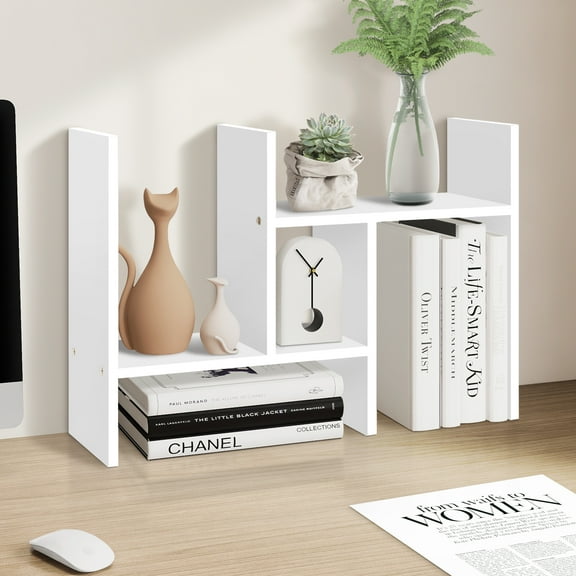
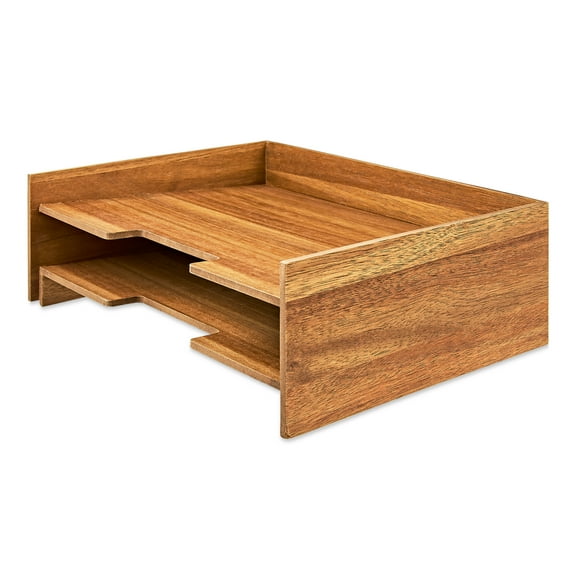
Wood gives your desk organization a warmer, more traditional feel. When your desk sits in a study or front office, you'll appreciate how wood pairs with bookshelves and darker furniture.
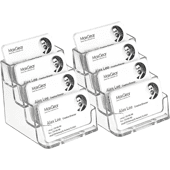
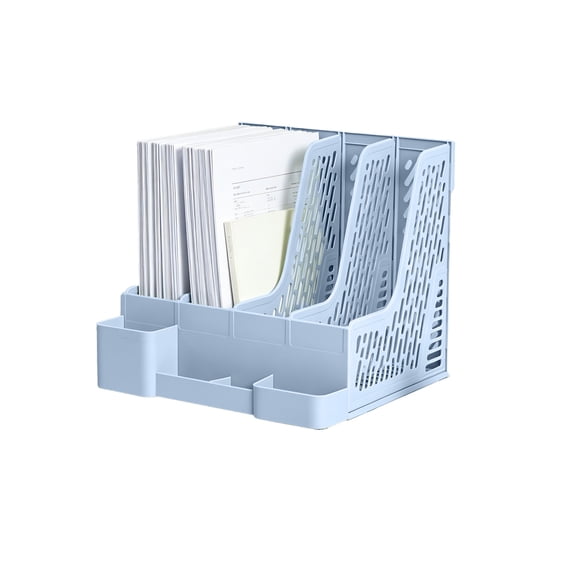
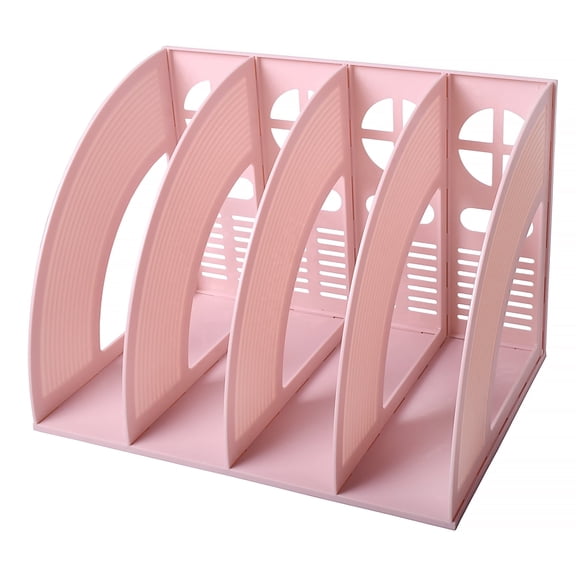
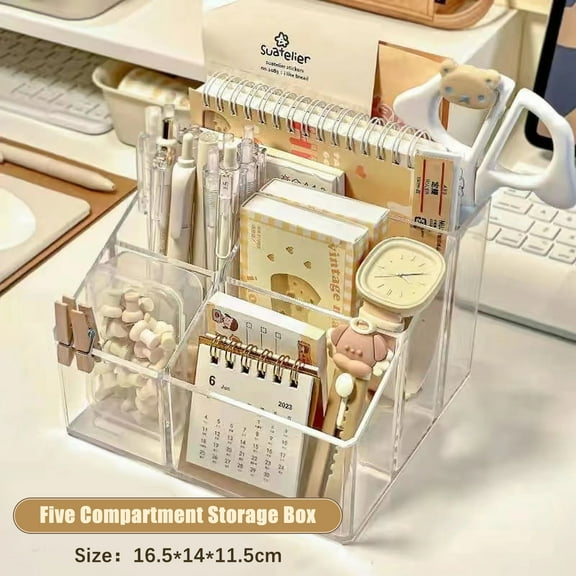
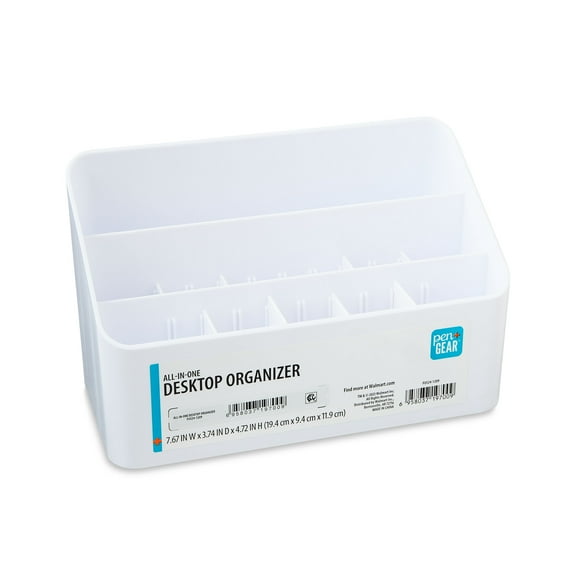
Acrylic keeps contents visible, which helps when you reach for sticky notes or paper clips often. Plastic works well when you want a lighter option that you can move between rooms easily.
Industrial, minimalist, rustic, and modern styles each shape how your desk storage looks in the room. You'll want the finish and color to coordinate with lamps, shelving, and nearby office furniture.
Checking size, dimensions, and desk storage capacity
Your available surface area should shape the size you choose before style does. If you measure width, depth, and height first, you'll avoid crowding your keyboard or monitor stand.
Compact and slim designs fit smaller desks, dorm setups, and shared workstations where every inch matters. Large and multi-tier layouts suit you when folders, notebooks, and mail need dedicated levels.
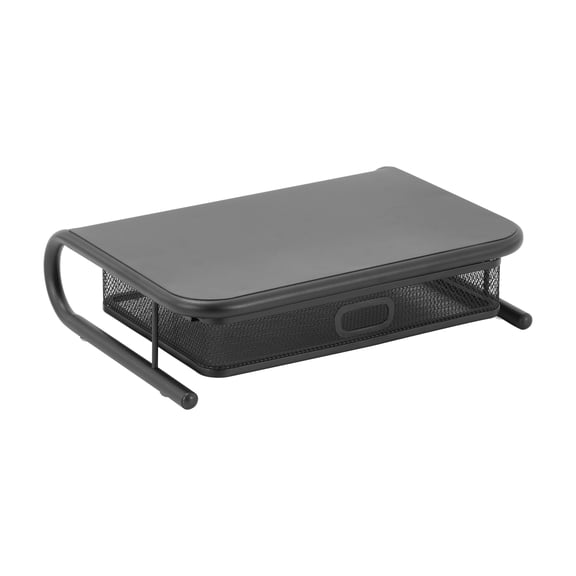
Clearance matters when shelves, hutches, or monitors sit above your work surface. Before you choose desk storage, check whether the organizer's height leaves enough room to access trays comfortably.
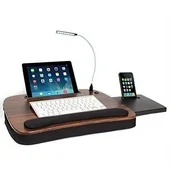
You may also want to compare interior space, not just outer dimensions. If your supplies include tablets, envelopes, or wider notepads, you'll need compartments that match those shapes.
Comparing configurations and assembly needs
Configuration changes how your workspace functions throughout the day. When you compare desk organizers, consider whether open access or hidden storage matches your routine.
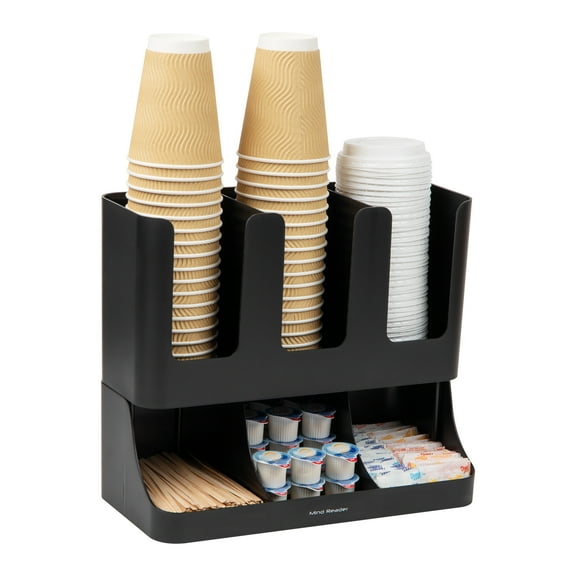
Open-top styles help you grab pens, markers, and scissors quickly during fast-paced tasks. If you prefer a tidier look for video calls, drawers and stacked trays keep smaller items out of sight.
Pre-assembled options let you place your organizer and start sorting right away. Flat-pack designs may suit you when storage needs to ship compactly or fit a narrow setup area.
Weight and portability also matter if your workspace moves between rooms. You'll likely prefer lighter materials for flexible setups, while steadier builds stay put on a permanent desk.
Using desk organization at home, school, and work
Your workspace needs change based on where you use it and what you keep nearby. A desktop organizer for remote work may hold mail and cables, while a student setup may focus on highlighters and calculators.
At home, desk organizers can keep bills, planners, and charging cords from spreading across the table. If your desk appears on camera, you'll also appreciate a cleaner background during meetings.
In school spaces, back to school desk organizers with compact footprints help you manage supplies without taking over the desk. You'll have easier access to index cards, pencils, and sticky notes between assignments.
Corporate offices often call for office organization that separates personal tools from shared supplies. If several people use the same surface, labeled trays and drawer sections make handoffs more orderly.
Creative stations benefit from wider trays and multi-tier storage for scissors, notepads, tablets, and envelopes. When your desk doubles as a planning or craft area, you'll want room for tools with different shapes.
With the right material, size, and layout, your desk organization supports faster access and cleaner surfaces. You'll feel more prepared when your essentials stay sorted in spaces designed for daily use.