

Cottage Cheese 2% and 4% Milkfat Varieties
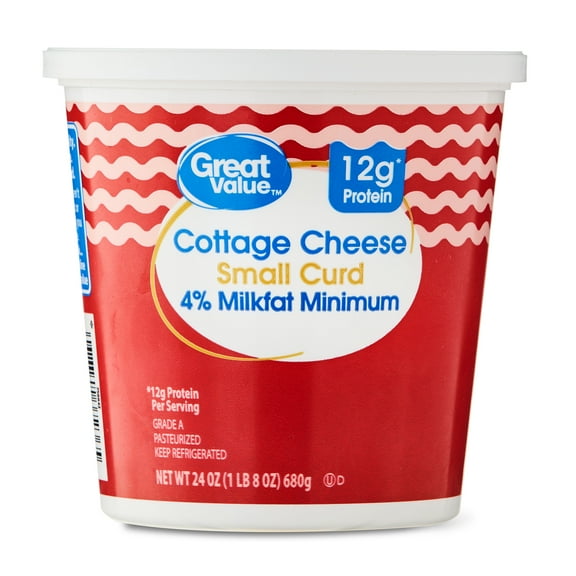


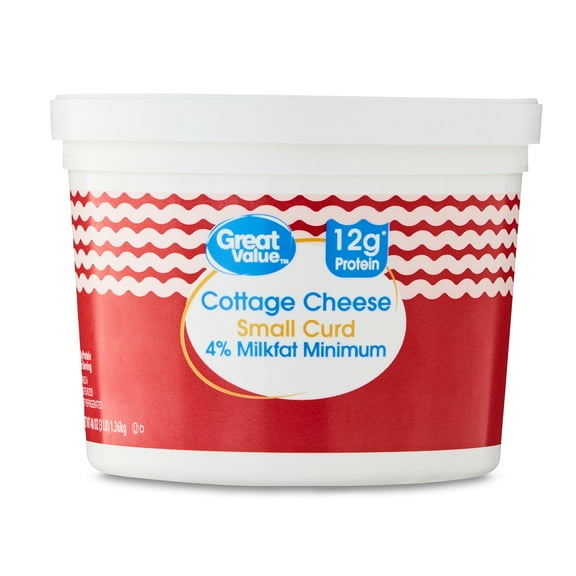
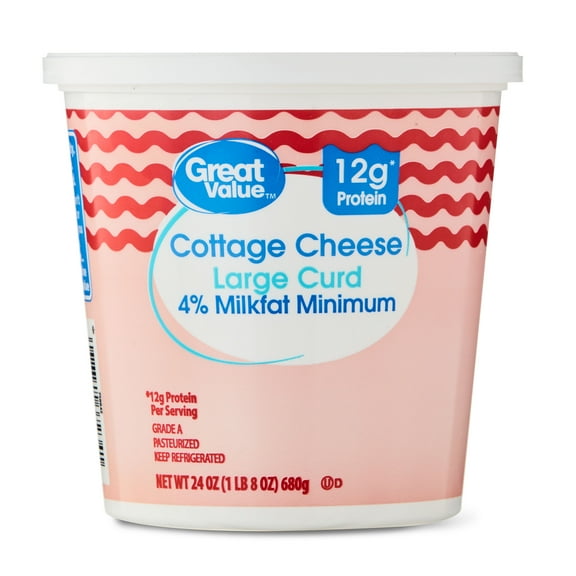
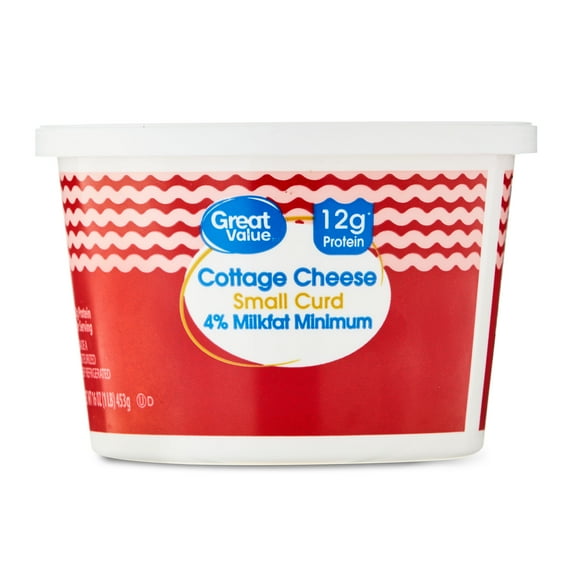

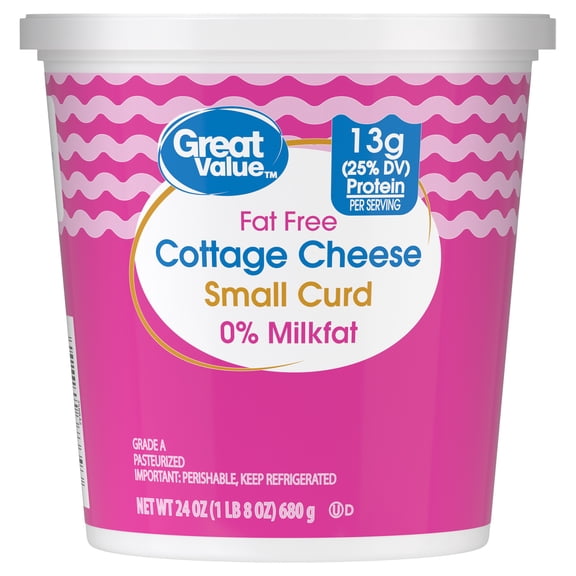


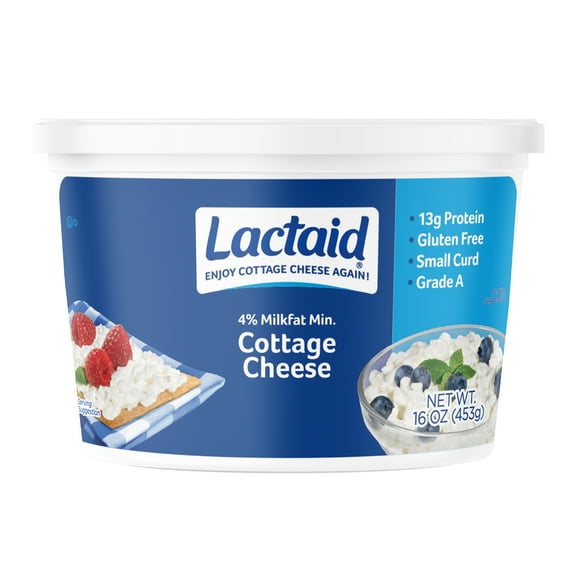
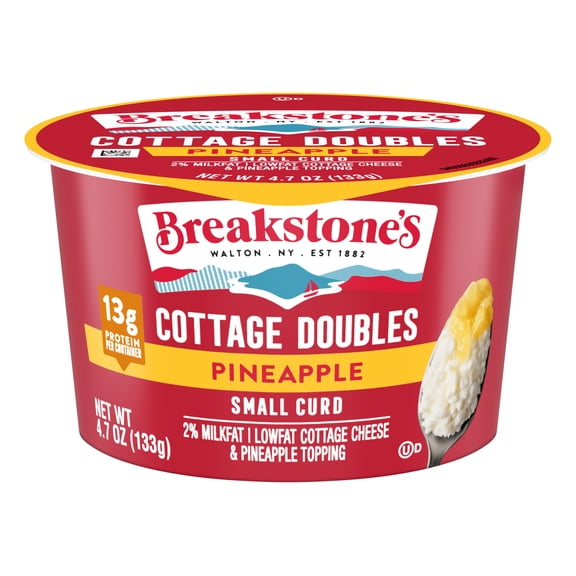


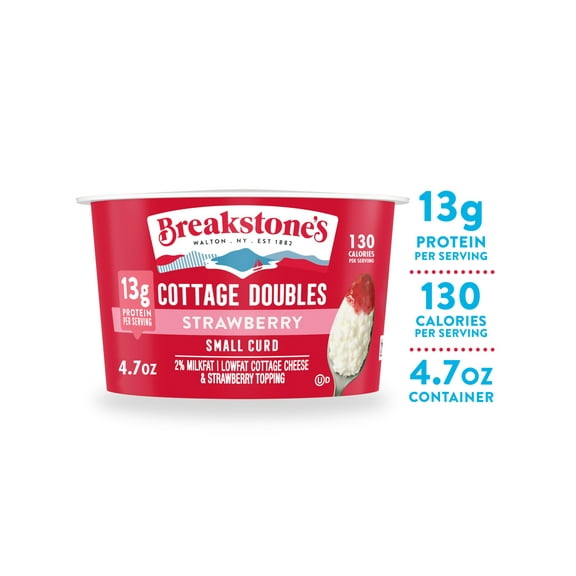

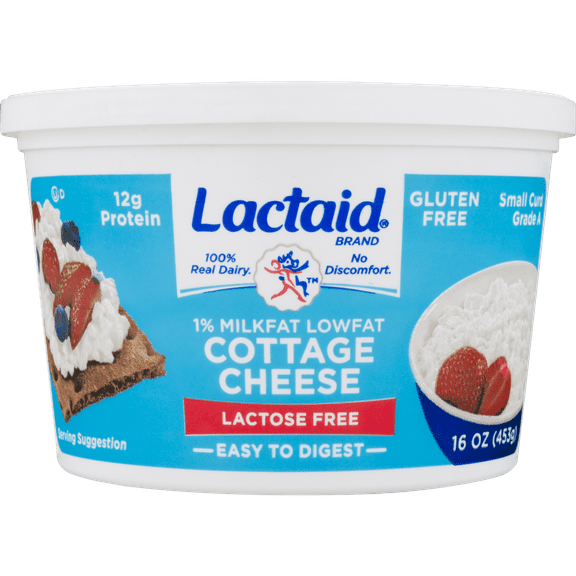
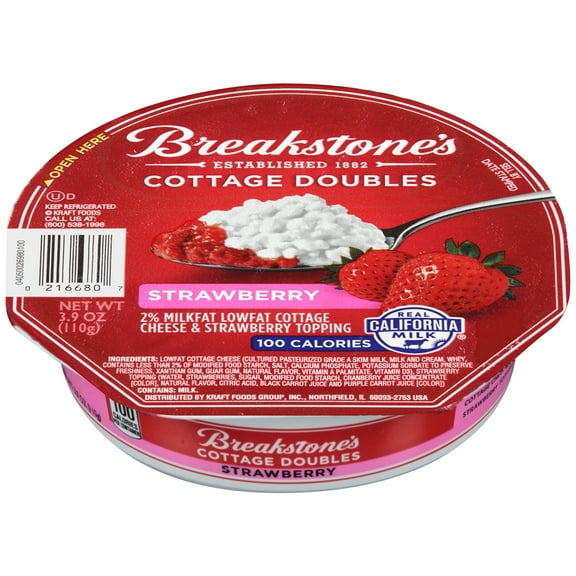
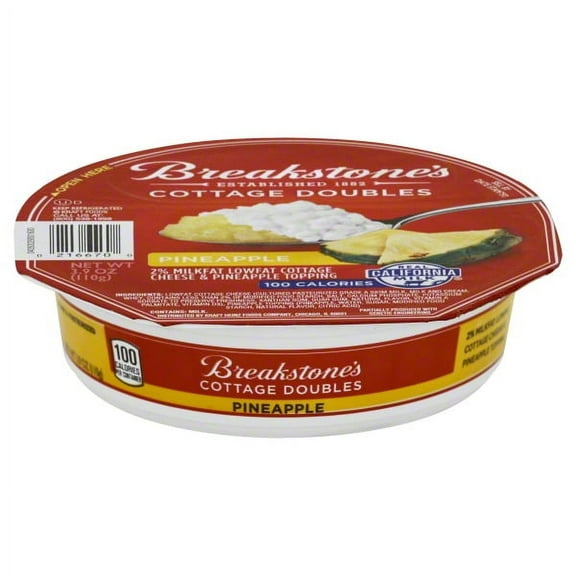

About Cottage Cheese 2% and 4% Milkfat Varieties - Walmart.com
You can compare cottage ricotta cheese options by texture, fat content, and package size, so your recipes match the consistency you want. You’ll find practical choices for spoonable snacks, layered pasta dishes, and baked recipes that need a smooth or curdy cheese.
If you’re choosing for everyday cooking, you’ll want to know how cottage cheese and ricotta cheese differ before you decide. You can use this guide to compare curd size, creaminess, and common package sizes with less guesswork.
How to choose cottage ricotta cheese
When you compare cheese type first, you can narrow your options quickly and match the texture to your recipe. You’ll usually notice cottage cheese has distinct curds, while ricotta cheese gives you a finer, softer texture.
For mixing, layering, or spreading, you should consider how each style behaves in your dish. You may prefer ricotta for a smoother filling, while you may choose cottage cheese when you want visible curds and a lighter spoonable texture.
If you’re planning meals across the week, you can also compare these common decision points before choosing. You’ll often get the right fit by checking:
- You can choose cottage cheese for curds that stay distinct in bowls, dips, and simple meals.
- You can choose ricotta cheese for smoother filling, baking, and layered pasta recipes.
- You can compare whole milk, part skim, low fat, and fat free options for your preferred richness.
- You can look for small curd or large curd styles when texture matters in every bite.
- You can check 15 oz, 16 oz, and 32 oz sizes for single recipes or repeat use.
Choosing the right cottage cheese
If you’re shopping for cottage cheese, you should start with curd size because it changes how each spoonful feels. You’ll usually find small curd cottage cheese feels finer, while large curd feels more defined.
For bowls, fruit pairings, and quick lunches, you may like small curd when you want a more even texture. If you’re topping toast or serving it plain, you may prefer larger curds that feel more distinct.
Fat content also shapes how creamy your cottage cheese tastes and how rich it feels in recipes. You can compare low fat cottage cheese, fat free styles, part skim choices, and richer whole milk options.
If you want a lighter texture, you may lean toward low fat cottage cheese for everyday use. If you want a fuller, creamier spoonful, you may choose whole milk styles for a richer finish.
Choosing ricotta cheese for baking and lasagna
If you’re shopping for ricotta cheese, you should focus on smoothness, moisture retention, and richness before anything else. You’ll often use ricotta in fillings where you want a soft texture that spreads easily.
For lasagna cheese needs, you can compare whole milk ricotta and part skim options based on the result you want. You’ll usually get a creamier layer from whole milk ricotta, while part skim can feel lighter in the pan.
When you’re baking, moisture retention matters because it affects how your filling sets between layers or inside pastries. You can use ricotta cheese when you want a soft, cohesive filling that stays spreadable during prep.
If you’re considering recipe substitution, you should know cottage cheese and ricotta won’t feel exactly the same in every bake. You may swap one for the other in some dishes, but your texture can shift from smooth to curdy.
For melting point and oven texture, you should think less about stretch and more about how the cheese blends. You’ll usually choose ricotta for a smoother baked layer and cottage cheese for more visible texture.
Comparing fat content and package sizes
When you compare fat content, you’re really comparing richness, softness, and how full the cheese feels in your recipe. You can use that simple check to narrow choices without reading every label in detail.
Whole milk options often feel creamier, which can help when you want a richer filling or softer bite. Low fat and fat free choices can feel lighter, which may suit everyday bowls and quick meals.
Package size matters when you’re cooking once, meal prepping, or making a family pan of pasta. You can check 15 oz and 16 oz tubs for single recipes, or choose 32 oz for repeat use.
If you’re making lasagna, stuffed shells, or baked desserts, you should measure your recipe before picking a size. You’ll avoid extra containers and get closer to the amount your dish actually needs.
Using cottage cheese and ricotta cheese in everyday meals
You can use cottage cheese in breakfast bowls, simple lunches, dips, and snack plates where curd texture adds interest. You may pair it with fruit, tomatoes, herbs, or toast for quick meal ideas.
Ricotta cheese works well when you want a spreadable texture for toast, pasta fillings, and baked dishes. You can also fold it into desserts or use it in stuffed pasta where smoothness matters.
If you cook for different tastes, you can keep both cheese types on hand for different jobs. You’ll have one option for curdy, spoonable meals and another for smooth filling and lasagna cheese recipes.
By comparing cheese type, curd size, fat content, and package size, you can choose with more confidence and less trial and error. You’ll end up with the texture your recipe needs and a tub size that fits your plan.
Popular in Cottage Cheese 2% and 4% Milkfat Varieties - Walmart.com
- Dairy Cottage Cheese
- Daisy Low Fat Cottage Cheese
- Best Sellers In Small Curd Cottage Cheese
- Best Sellers In Cottage Cheese Small Curd Great Value
- Cottage Cheese Low Fat Great Value
- Best Sellers In Grocery Gourmet Food Ricotta Cheese
- Best Sellers In Large Curd Cottage Cheese Great Value
- Non Dairy Parmesan Cheese
- Cottage Cheese Small Curd Low Fat
- Best Sellers In Cottage Cheese Low Fat Small Curd
- Best Sellers In Daisy Cottage Cheese Low Fat
- Cottage Cheese Full Fat