


Cleaning Gloves for Household Essentials













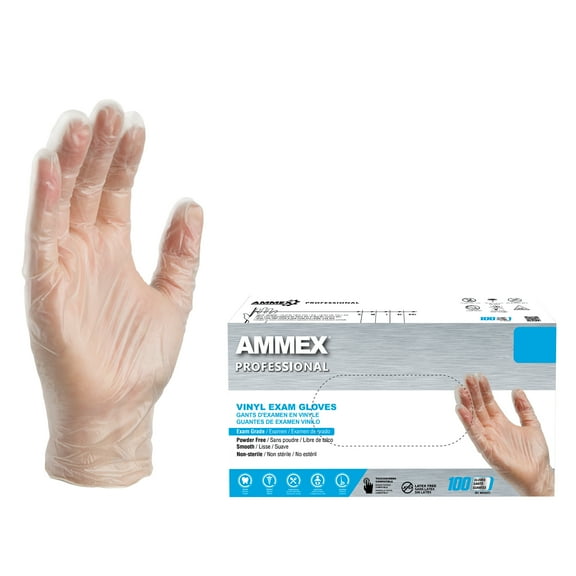
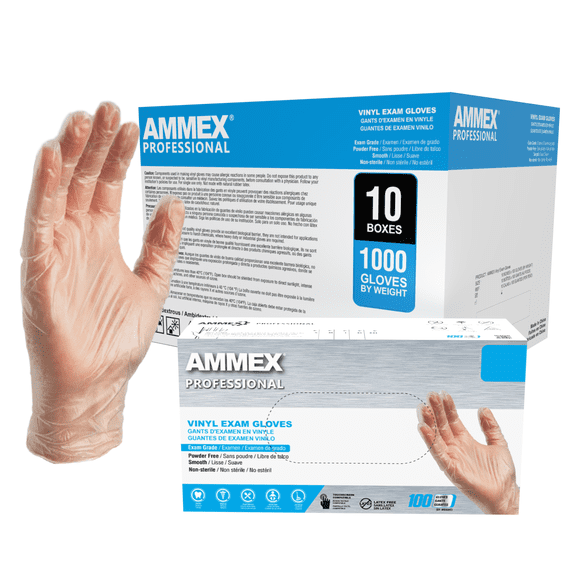

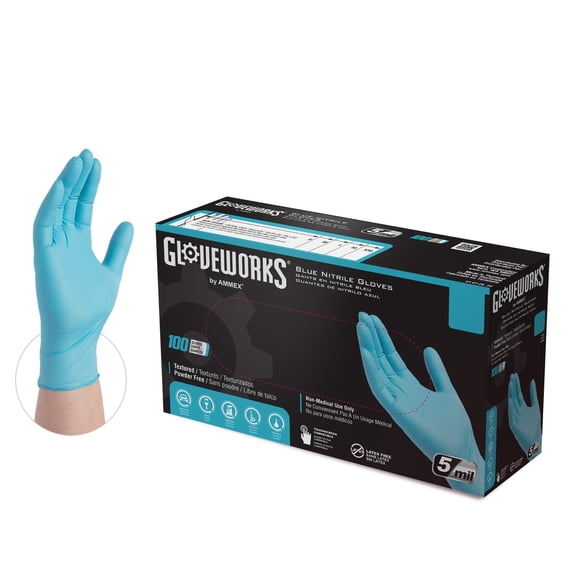

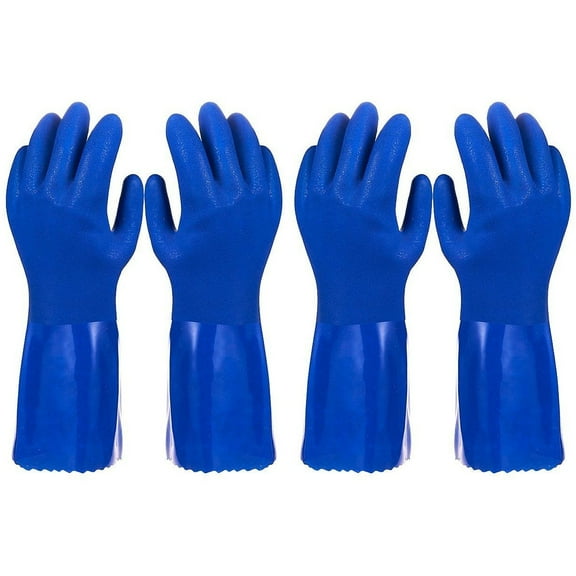
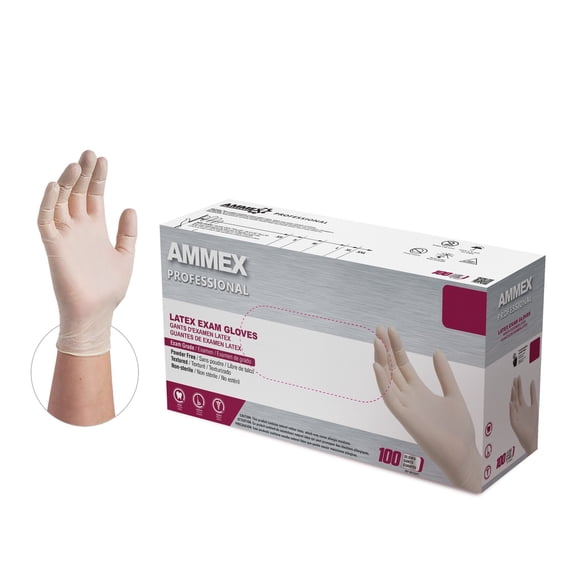
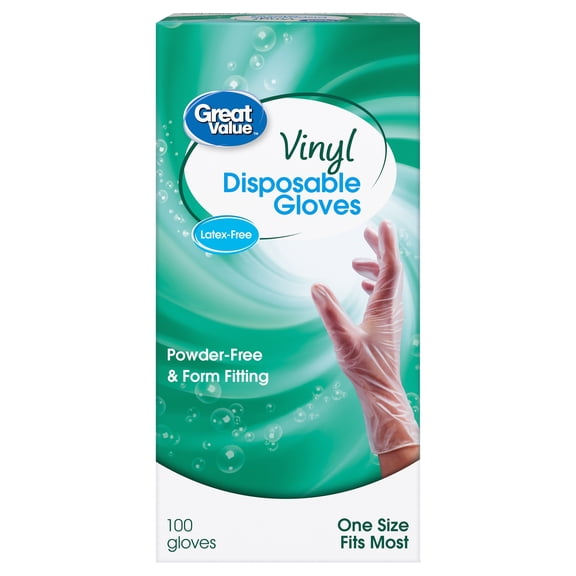
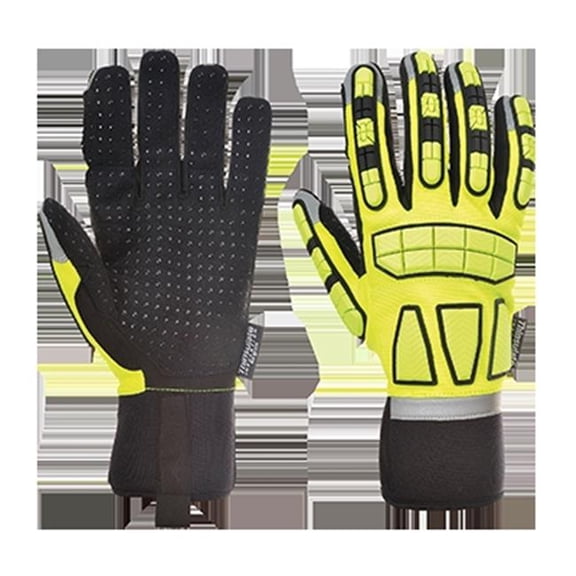
About Cleaning Gloves for Household Essentials - Walmart.com
Cleaning gloves help you handle wet, messy chores with more comfort and control around your home. You can compare materials, lining, cuff length, and grip details to match your routine.
If you wash dishes daily or scrub tubs on weekends, you need gloves built for repeated household tasks. You can also narrow options by skin sensitivity, water coverage, and how much flexibility you prefer.
How to choose cleaning gloves by material
When you compare materials, you should start with how the gloves feel against your skin. You can often choose rubber, latex, nitrile, or silicone based on comfort and task type.
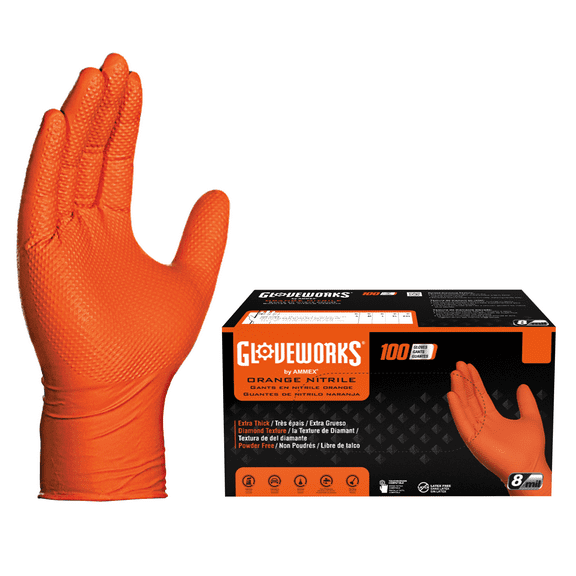
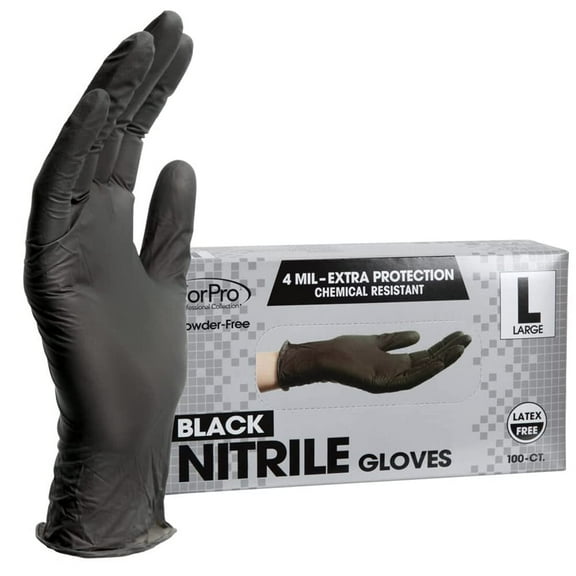
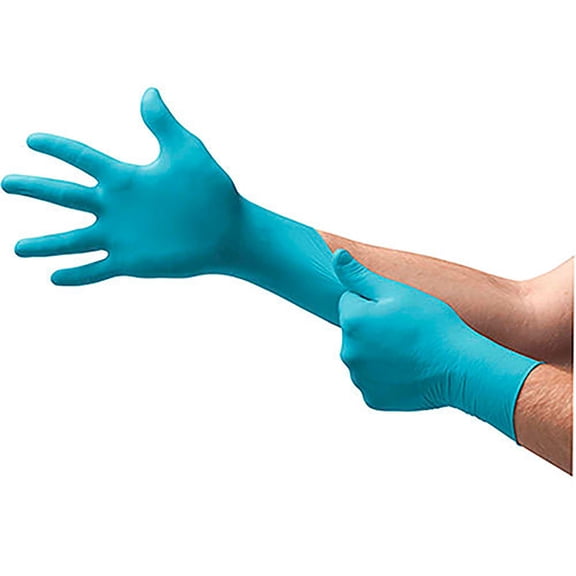
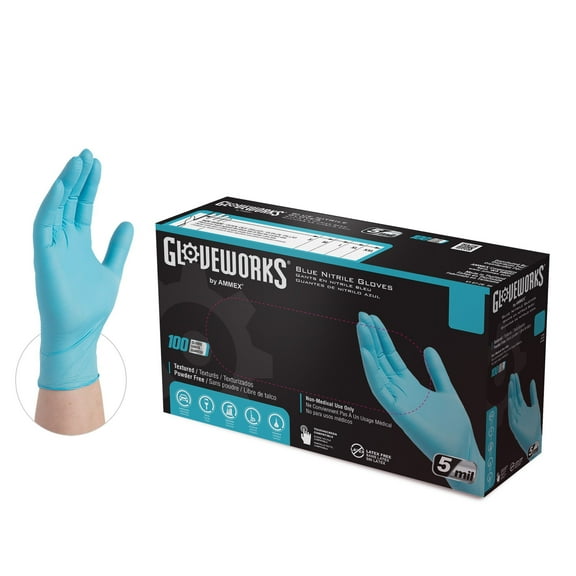
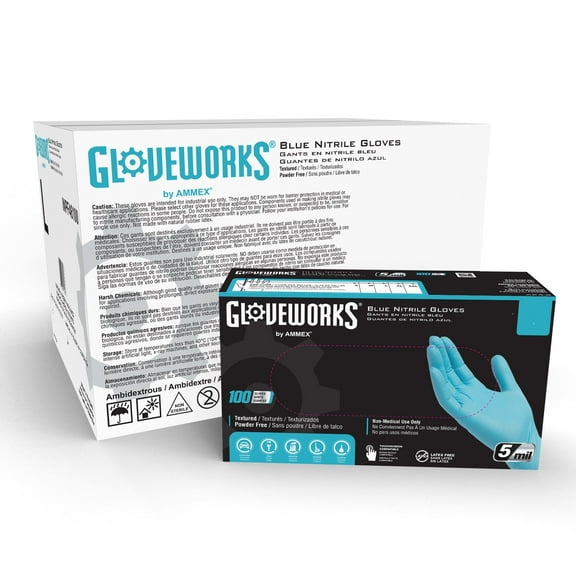
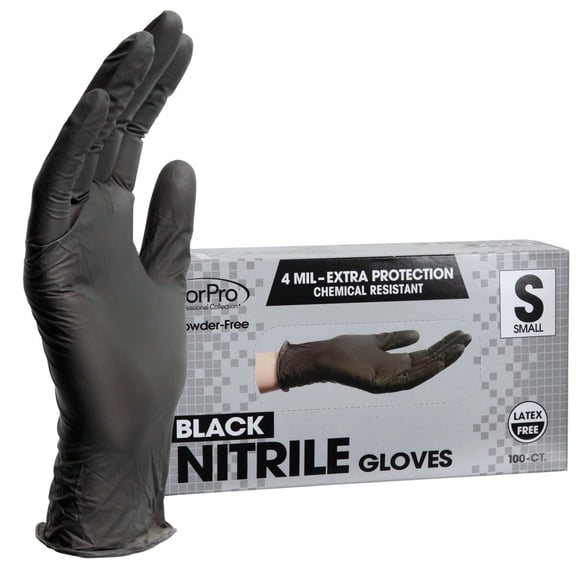
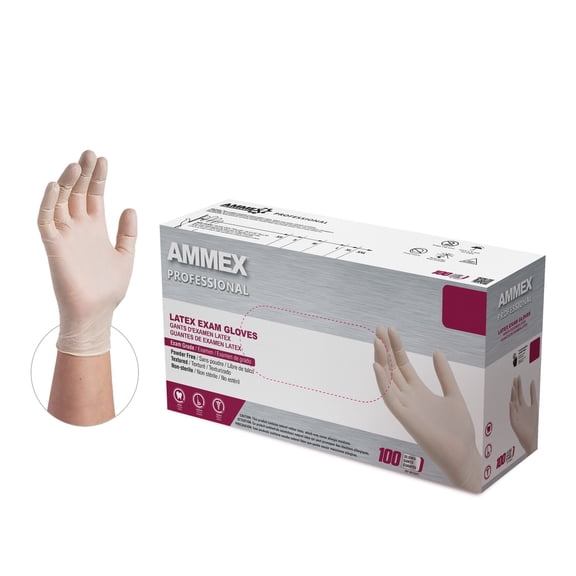
If your hands are sensitive, you may prefer latex-free cleaning gloves for regular chores. You can look at nitrile or silicone options when you want a non-latex material.
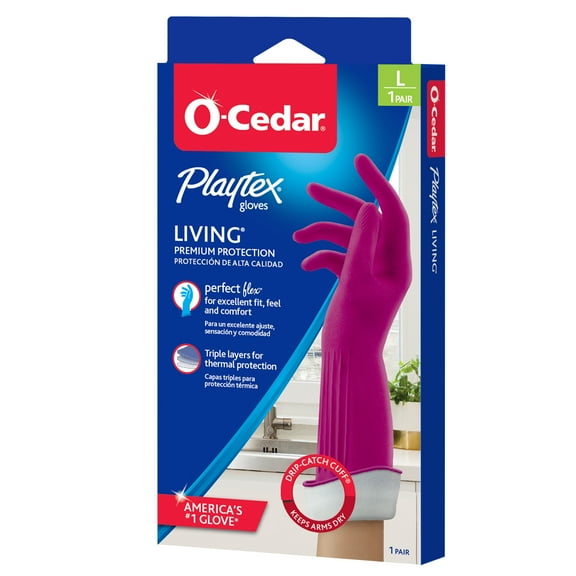
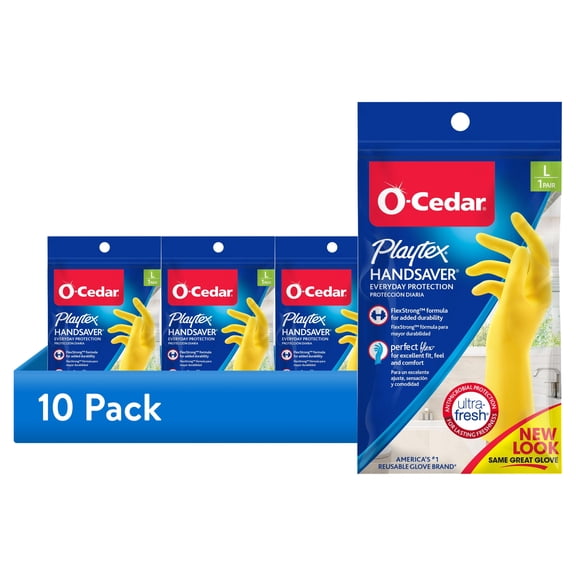
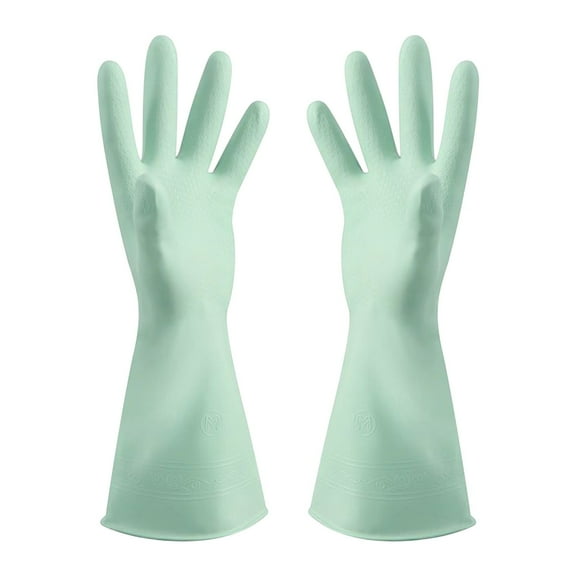
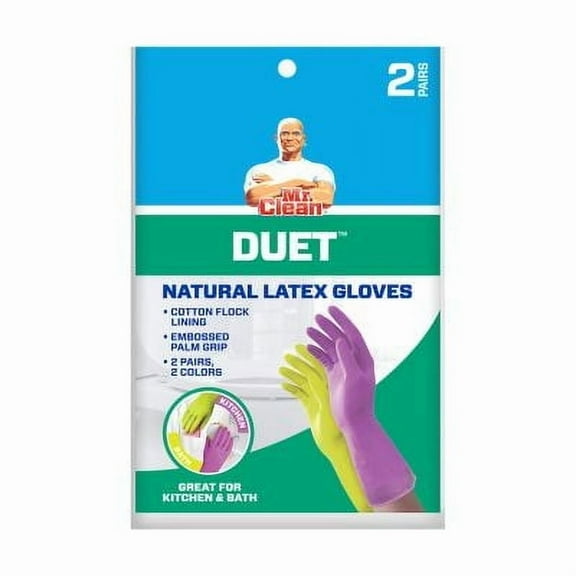
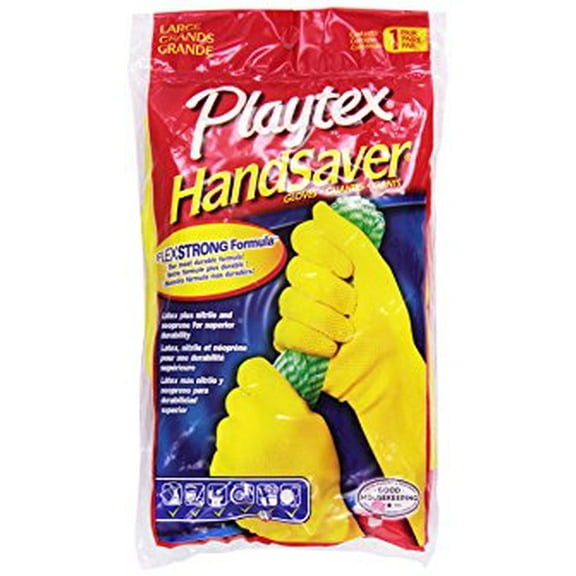
Rubber cleaning gloves can give you a familiar fit for dishwashing and sink cleaning. You may notice they flex easily while helping you keep hold of slick plates.
Silicone cleaning gloves can suit jobs where you want a textured surface and quick rinsing. You can compare them with classic household gloves if you like a different hand feel.
Choosing reusable cleaning gloves and everyday comfort
As you compare reusable cleaning gloves, you should check how often you clean and how long each task lasts. You can reuse many household pairs for dishes, counters, bathrooms, and utility sinks.
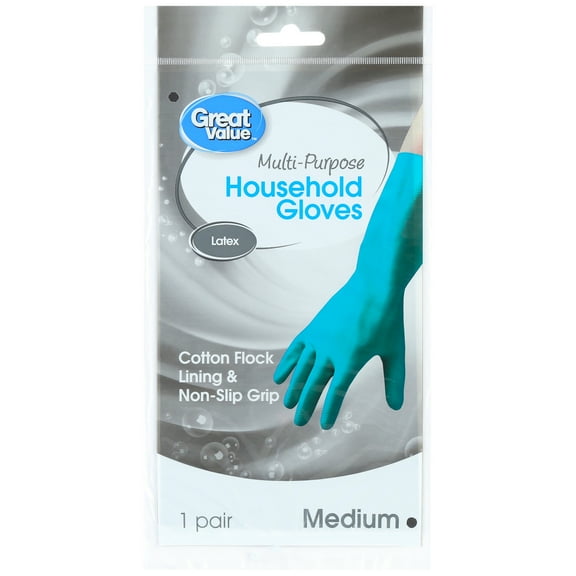
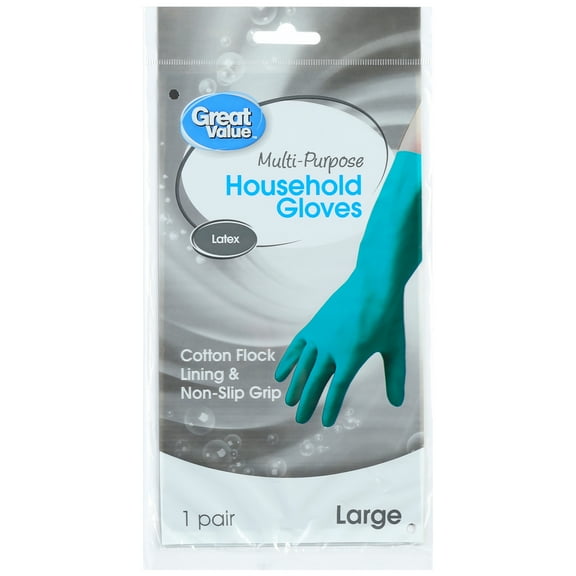
If you want a glove for repeat chores, you should look at lining details next. You can choose flock-lined, cotton-lined, or unlined interiors depending on the comfort you want.
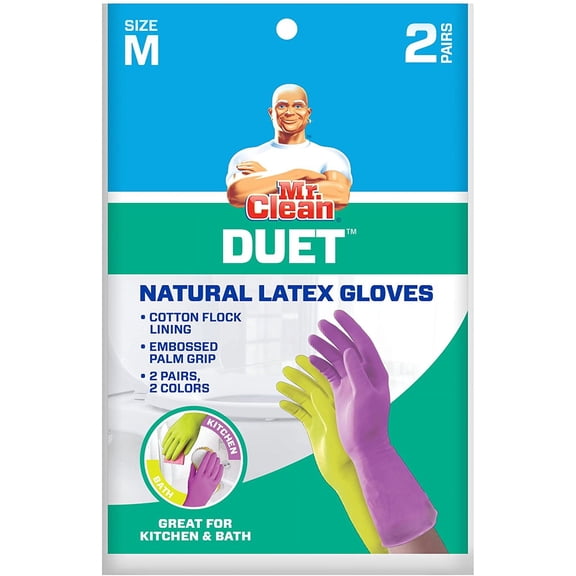
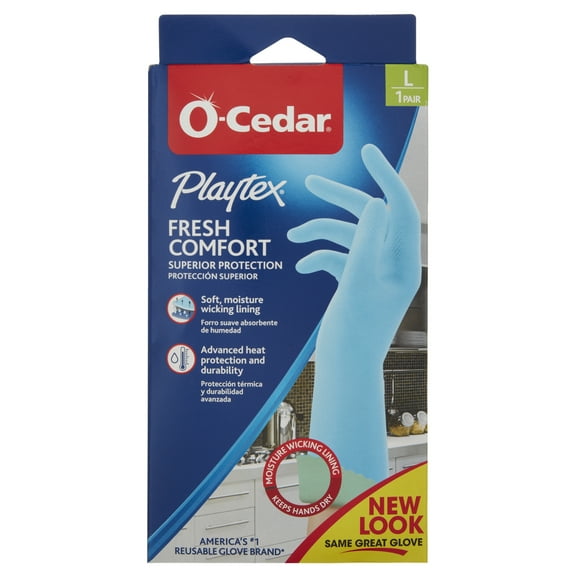
Flock-lined gloves usually give you a soft inner layer that can feel easier during longer sessions. You may like that extra comfort when you scrub pans or wipe down larger rooms.
Unlined pairs can feel lighter and simpler when you want a close fit. You can rinse them quickly and use them for short tasks around the kitchen or bathroom.
- You can choose flock-lined gloves when you want a softer feel for longer chores.
- You can pick unlined gloves when you want a closer fit and quick rinse-off.
- You can compare reusable pairs when you need one glove for dishes, tubs, and floors.
- You can look for latex-free materials when your routine calls for non-latex options.
What to look for in dishwashing gloves and water coverage
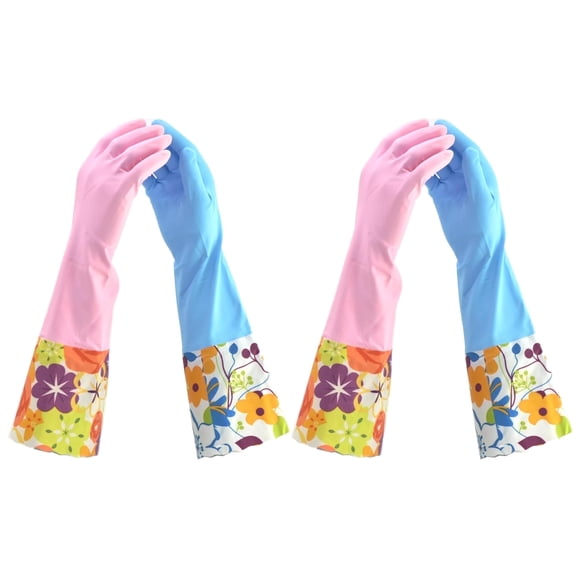
For dishwashing gloves, you should check cuff length before you choose a pair. You can use wrist-length styles for quick sink jobs or longer cuffs for extra splash coverage.
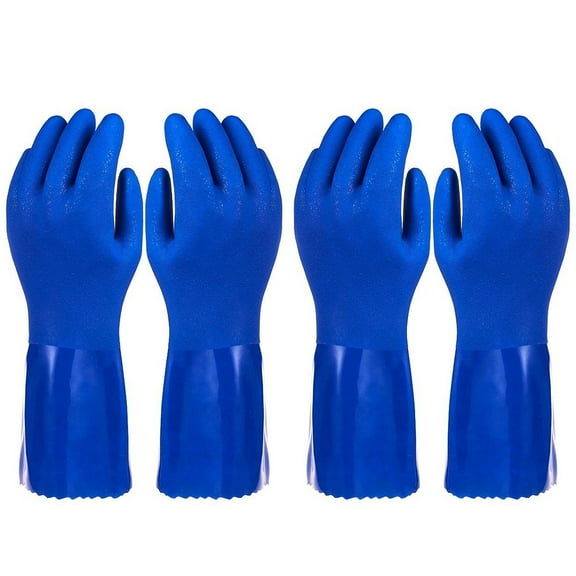
If you clean deep sinks or larger pots, you may want longer cuffs that reach farther up your arm. You can keep more water away from sleeves during soaking and rinsing.
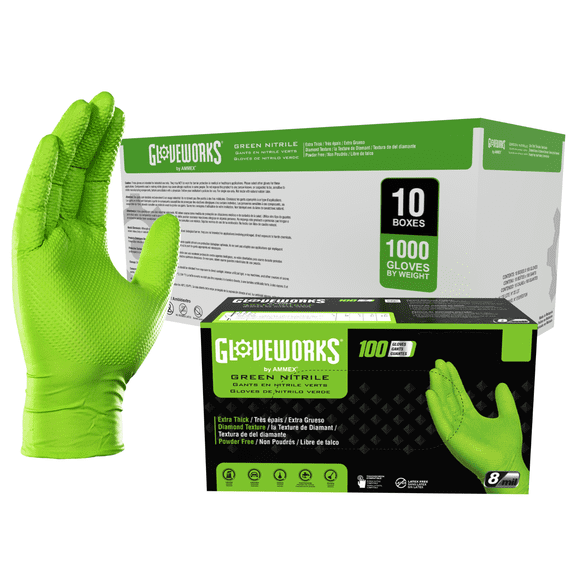
Grip texture matters when you handle wet glasses, smooth bowls, and slippery utensils. You should compare palm and fingertip texture if you want steadier handling in soapy water.
Bathroom and floor-cleaning tasks often call for a different feel than dish duty. You can look for heavy duty cleaning gloves when you need stronger coverage for scrub brushes and buckets.
Key differences between disposable and reusable options
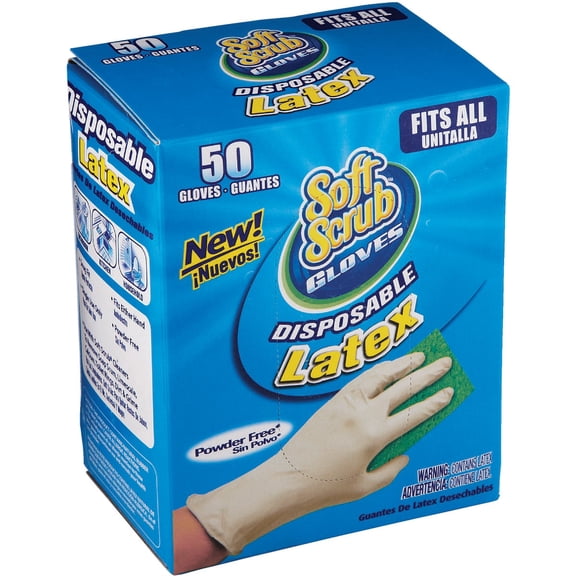
As you review reusability, you should match the glove to the job length and cleanup style. You can keep reusable pairs for repeated chores and separate disposable gloves for brief tasks.
This category focuses on household gloves made for repeat cleaning use around your home. You should use that difference to choose durable options for sinks, showers, and dish stations.
If you want one pair for steady weekly routines, reusable styles often make your setup simpler. You can rinse, dry, and store them near your dish soap or cleaning caddy.
When you compare thickness and flexibility, you should think about how much movement each task needs. You can prefer thinner gloves for small items or sturdier pairs for heavier scrubbing.
Matching cleaning gloves to your household tasks
You can match cleaning gloves to dishwashing, bathroom cleaning, or heavier utility work by combining the right features. You should consider material, lining, cuff length, and texture together.
For everyday dishes, you may want rubber cleaning gloves with a flexible feel and a textured grip. You can pair that choice with a soft lining for longer sink sessions.
For bathroom cleaning, you might prefer longer cuffs that give your forearms more coverage from splashes. You can also choose latex-free cleaning gloves if non-latex materials fit your needs.
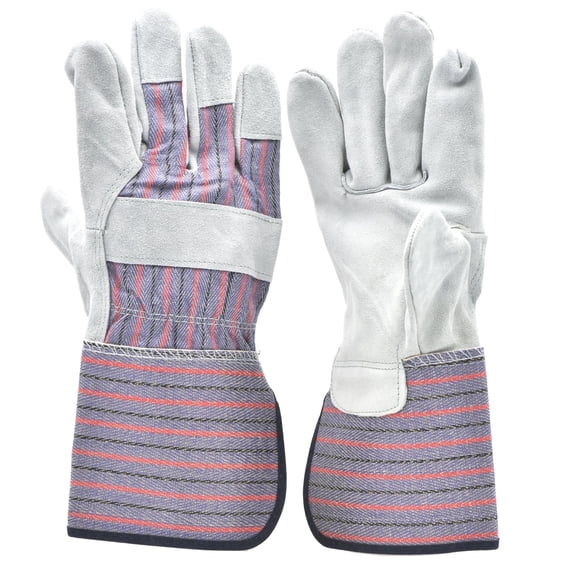
For utility sinks, buckets, and heavier messes, you may want heavy duty cleaning gloves with a sturdier build. You can look for textured palms and longer cuffs to support wet, active chores.
If you switch between quick wipe-downs and bigger weekend cleaning, you should keep more than one style on hand. You can use one pair for dishes and another for tubs, tile, or mop buckets.
With the right cleaning gloves, you can keep your chores more comfortable, controlled, and organized from sink to utility room. You can choose the material and coverage that fit your routine and handle wet tasks with confidence.