






Boxing Gloves in Boxing















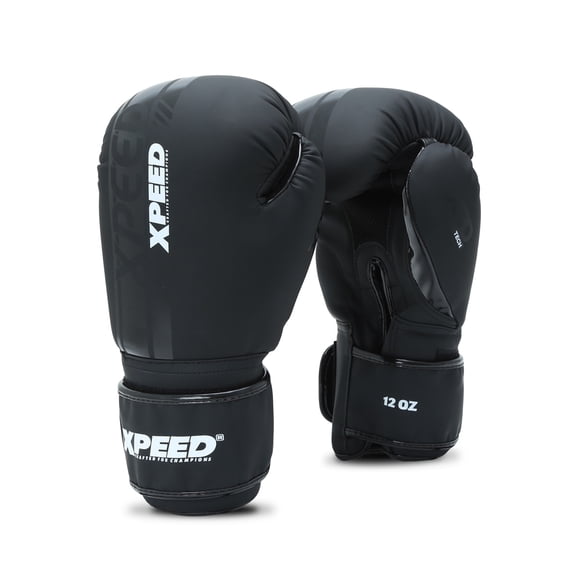

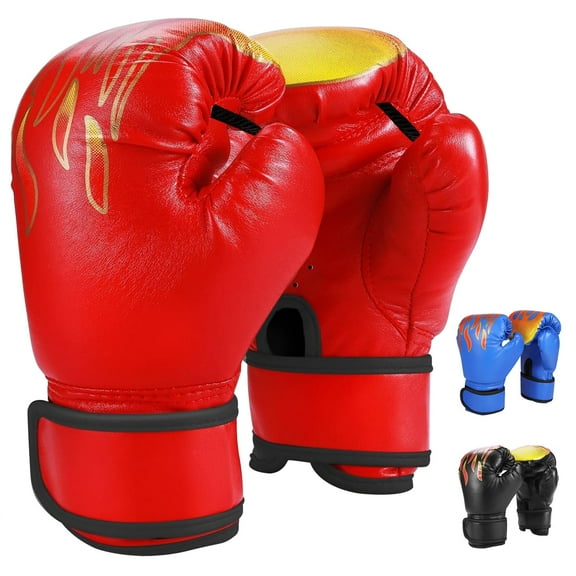


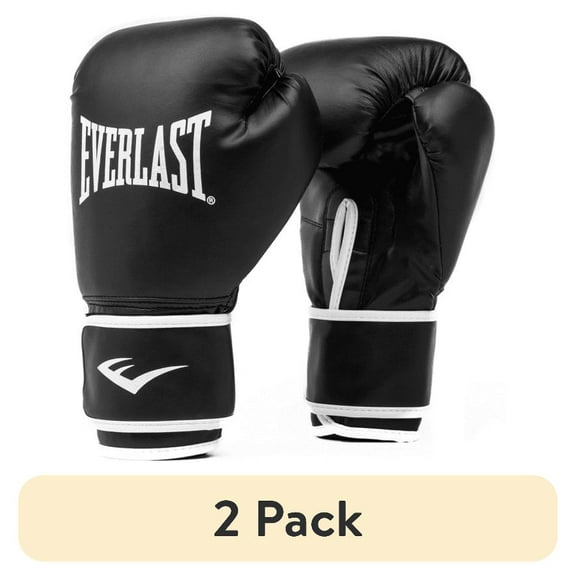


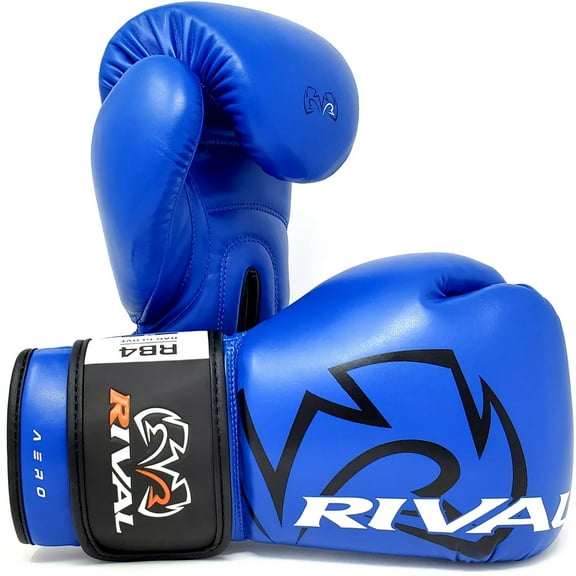


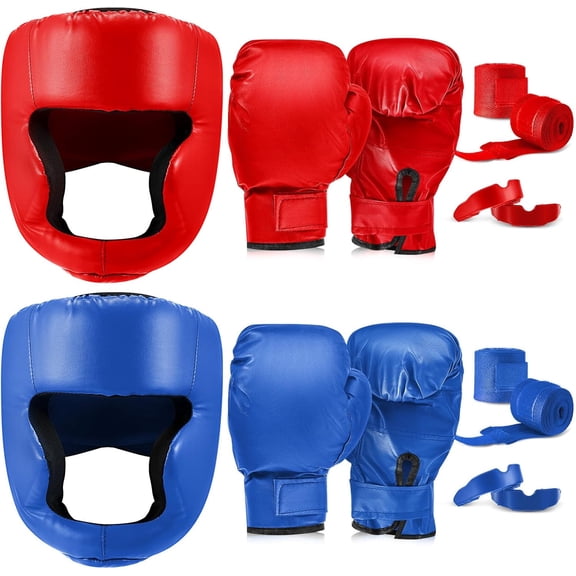


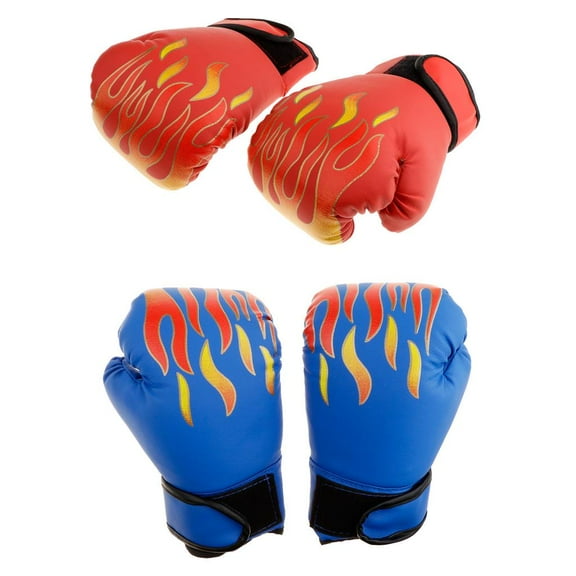


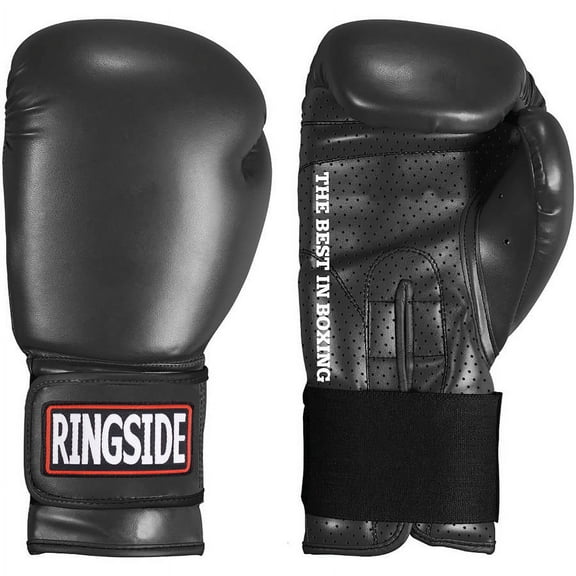


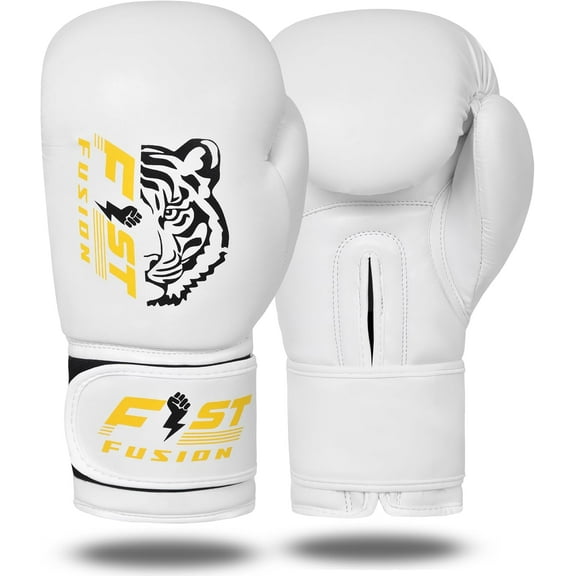








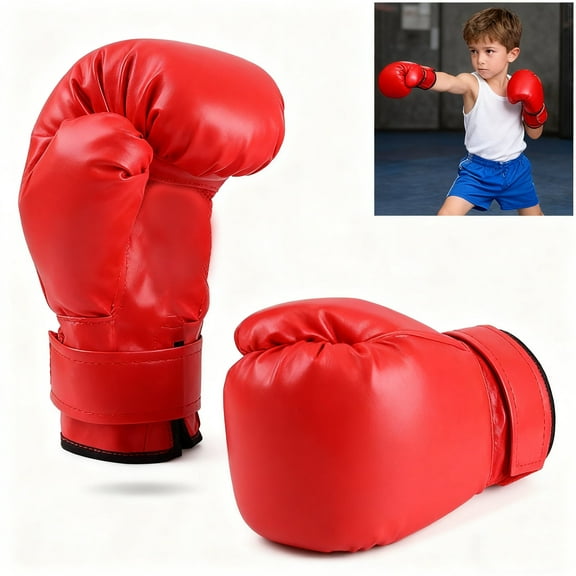
About Boxing Gloves in Boxing - Walmart.com
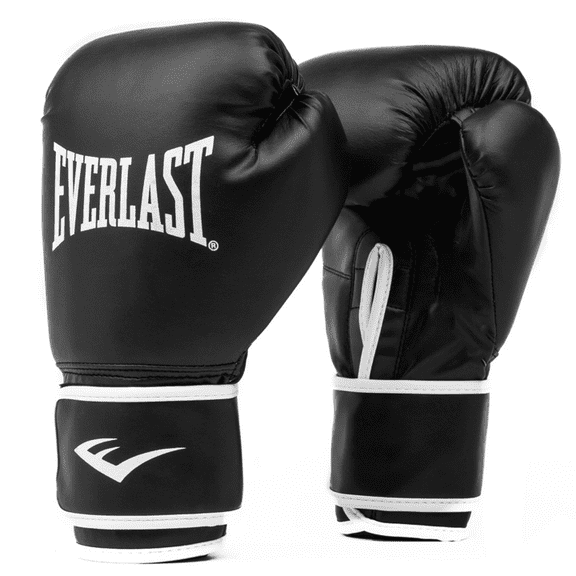
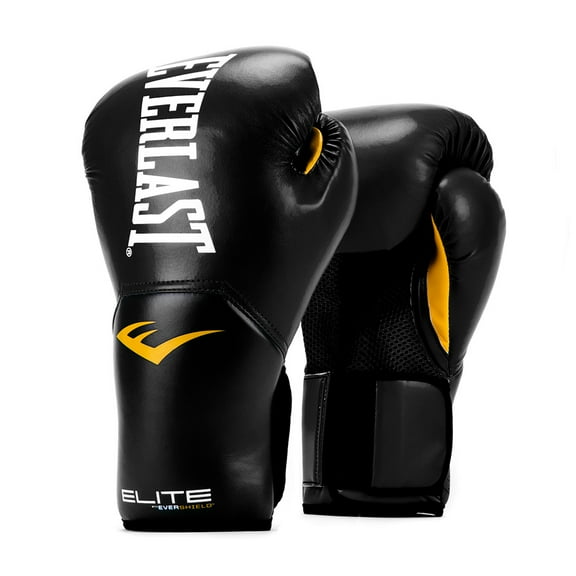
Boxing gloves help you train with the right fit, feel, and support for bag work, sparring, and gym sessions. You can compare weight, closure, material, and use type easily when you shop this category with a clear buying guide.
If you're replacing worn gear or building your first setup, you need choices that match how you train. You can narrow your options efficiently by ounces, wrist closure, shell material, and workout type before you pick a pair.
How to choose boxing gloves
You should start with glove weight because ounces change how your hands feel during drills and rounds. You can use lighter gloves for speed-focused practice, while heavier pairs add padding and a different training feel.
When you compare 12 oz boxing gloves and 16 oz boxing gloves, you should think about your body size and session type. You may prefer 12 oz for mitts or bag drills, while 16 oz often suits sparring-focused routines.
You can also compare 8 oz, 10 oz, and 14 oz options when your training goals shift. You should check gym rules and coaching preferences, because some classes require specific ounce ranges.
Choosing the right use case
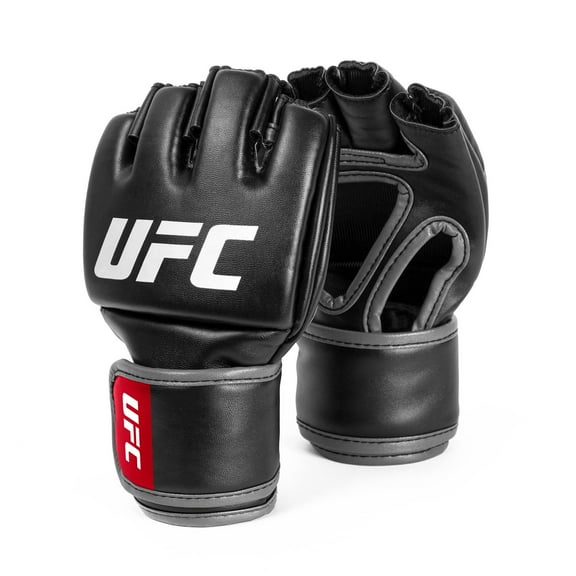
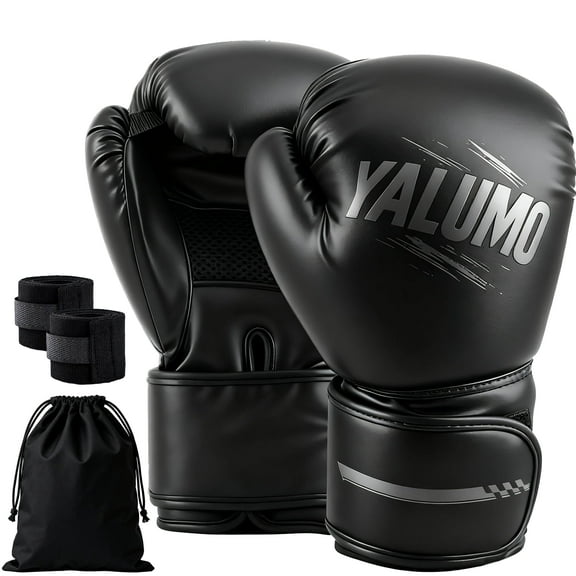
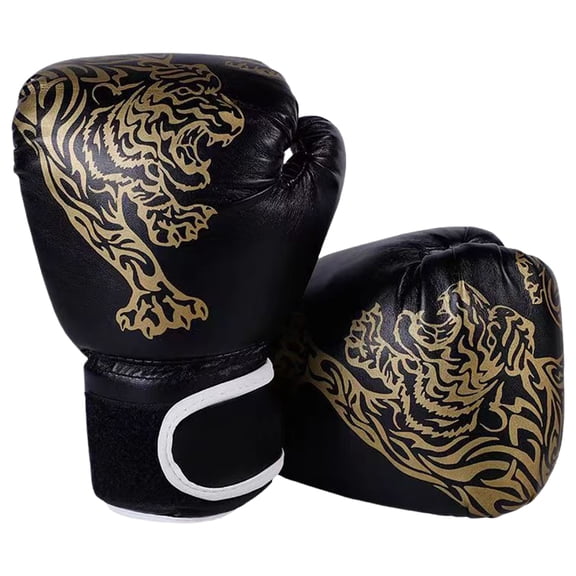
You should match your gloves to the training you do frequently in the gym. You can find training boxing gloves, sparring gloves, heavy bag gloves, and competition styles built around different priorities.
- You may want training boxing gloves when you split time between pads, drills, and light bag work.
- You should consider sparring gloves when you need more padding and a shape suited for partner sessions.
- You can look at heavy bag gloves when you focus on repeated strikes during conditioning rounds.
- You may choose competition styles when you want a lighter profile made for regulated boxing events.
If you hit a dense bag often, you should look closely at wrist support and palm design. If you spar regularly, you should focus on padding distribution and the ounce range your gym expects.
You can keep one pair for mixed training, but you may prefer separate pairs for bag days and sparring nights. That approach helps you match feel, padding, and closure style to each session.
Comparing leather boxing gloves and other materials
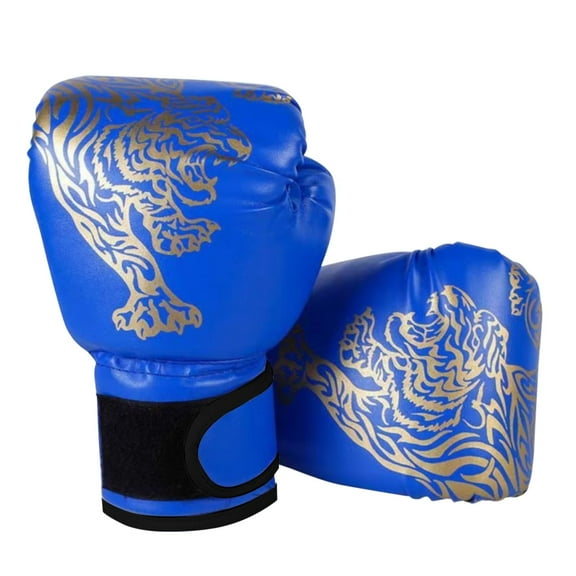
You should compare shell material early because it affects feel, break-in, and long-term wear. You can choose synthetic leather, genuine leather, or vinyl based on how often you train.
If you're starting out, you may like synthetic leather because it gives you a practical entry point for regular classes. If you train several times each week, you may prefer leather boxing gloves for a seasoned feel over time.
You can also consider vinyl options when you want simple coverage for occasional workouts. You should check the liner, stitching, and palm mesh too, because those details shape comfort during longer rounds.
When you compare materials, you should think about cleanup after hard sessions and repeated glove drying. You may also notice different levels of softness, structure, and flexibility as gloves break in.
Choosing hook and loop or lace-up
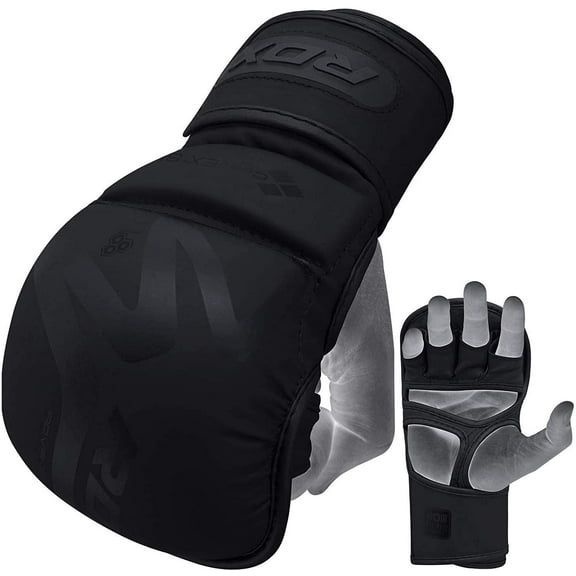
You should decide how you put your gloves on before you choose your closure type. You can use hook and loop boxing gloves when you want quick changes between rounds or solo training.
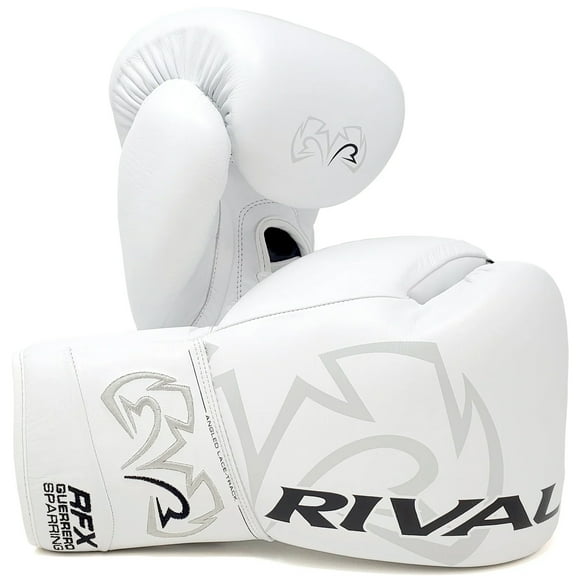
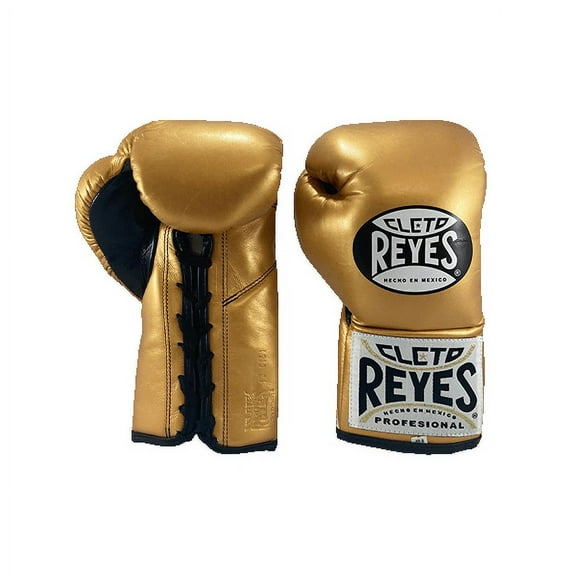
If you train alone, you may appreciate hook and loop because you can fasten it without help. If you work with a coach or corner support, lace up boxing gloves can give your wrists a more locked-in feel.
You should also think about how often you remove your gloves during circuits or class transitions. You can transition quickly with hook and loop closures when your workout includes mitts, bags, and strength stations.
For traditional gym sessions, you may still prefer lace-up styles for a snug, even wrap around your wrist. You should compare cuff length and closure coverage, because those details affect overall support.
Boxing gloves weight and size guide
You should use ounces as a simple guide, not a one-size rule for every boxer. You can start with 10 oz or 12 oz for lighter training needs, then move to 14 oz or 16 oz for more padding.
If you're shopping for general training, you should balance speed, comfort, and the kind of impact you repeat most. If you're shopping for sparring, you should confirm the ounce requirement your gym sets for partner work.
You can compare smaller sizes when you want a lighter feel for focused drills or competition settings. You should compare larger sizes when you want extra cushioning during longer sessions and contact practice.
What to look for before you decide
You should check thumb attachment, palm ventilation, inner lining, and cuff shape before you choose. You can also compare hand compartment fit, because a secure fit helps your wraps sit neatly inside.
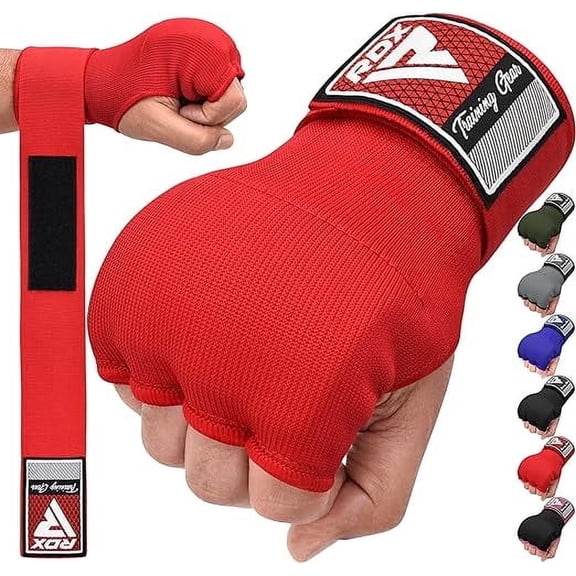
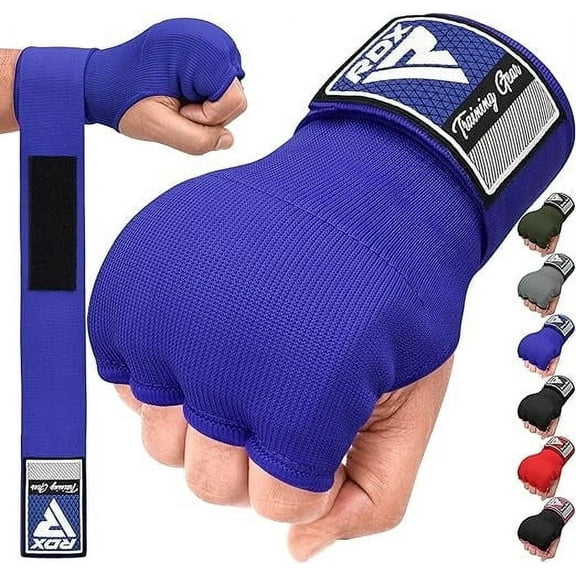
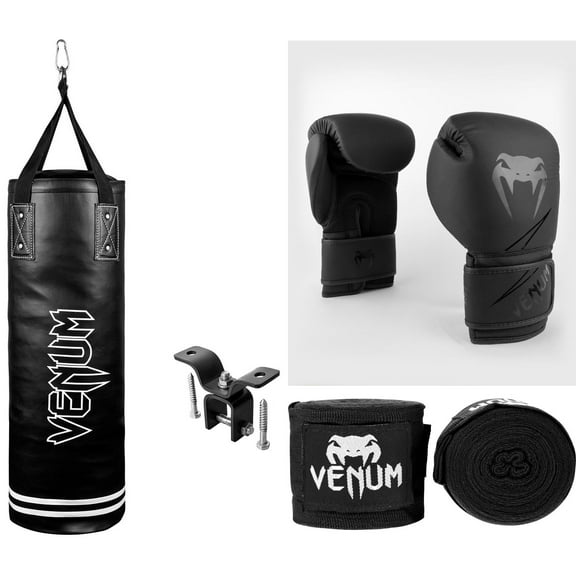
If you already use hand wraps, you should account for that extra volume when you pick your size. You may also want boxing gloves that pair easily with hand wraps, punching bags, and other boxing protective gear.
You can narrow your options efficiently when you compare use type, ounces, shell material, and closure side by side. You should feel more confident choosing gloves that match your routine, your gym rules, and your preferred training rhythm.
Using boxing gloves in common training setups
You might train in a boxing class, a home gym, or a traditional fight gym with strict equipment rules. You should compare glove weight and closure style based on how independently you train.
If you rotate between mitts, bags, and conditioning circuits, you may want training boxing gloves with quick on and off access. You can keep your workout moving when hook and loop cuffs fit your routine.
When your week includes partner rounds, you should look closely at 16 oz boxing gloves and the gym's stated sparring standards. You can align your glove choice with those expectations before class starts.
If your sessions center on repeated bag rounds, you may prefer heavy bag gloves with a feel that matches compact impact work. You should compare palm shape, wrist support, and glove weight together.
You may also build a two-pair setup when your sparring needs differ from your bag routine. You can use one pair for all-around classes and another for partner-focused sessions.
Before you decide, you should compare ounces, material, closure, and training purpose as one system. You can land on boxing gloves that fit your hands, your gym rules, and your regular training schedule.