




Outdoor Water Bottles in Outdoor & Camping Drinkware








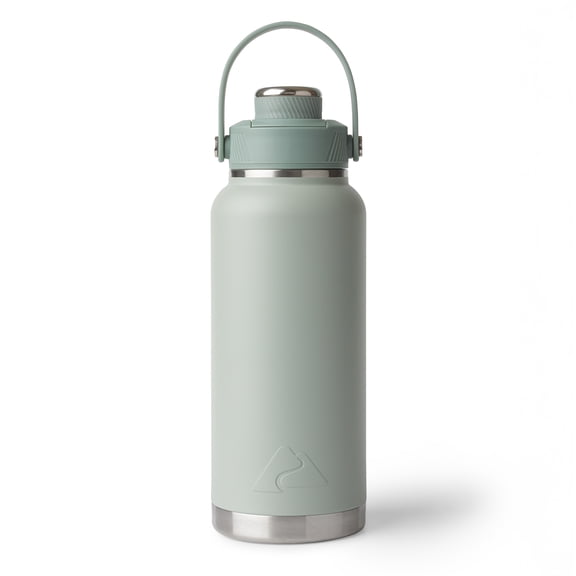


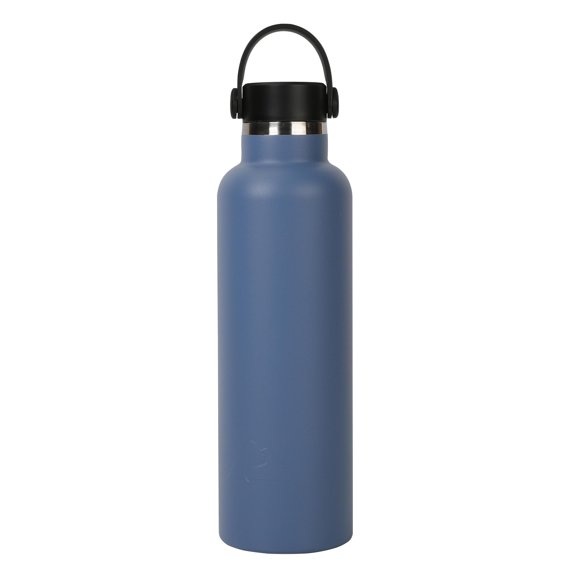


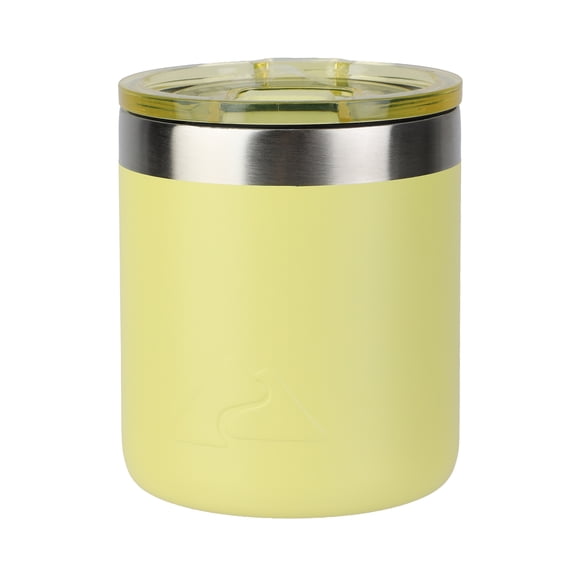


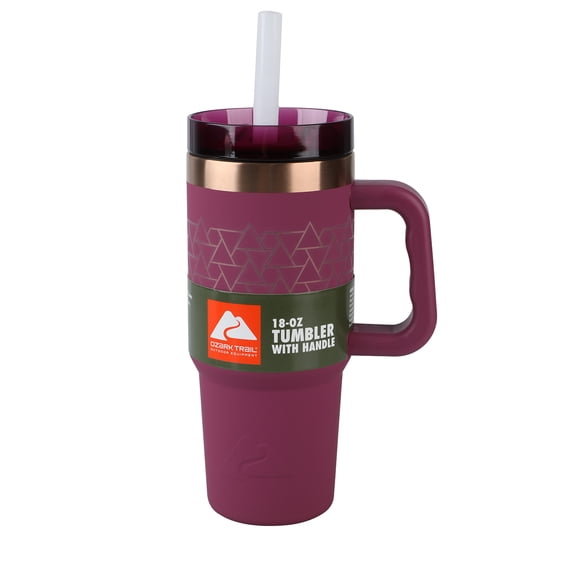




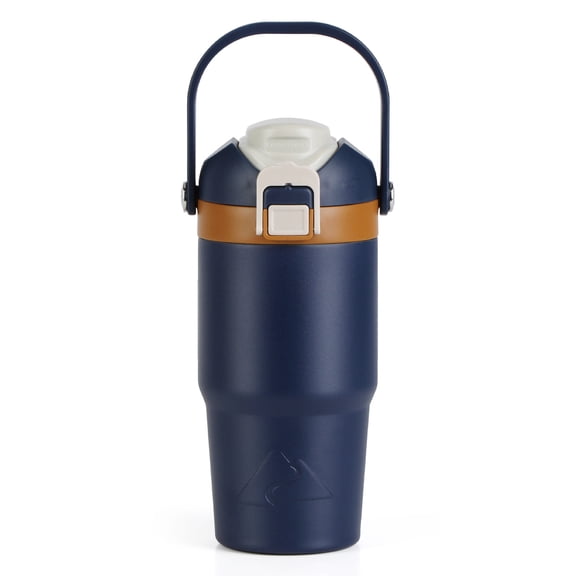


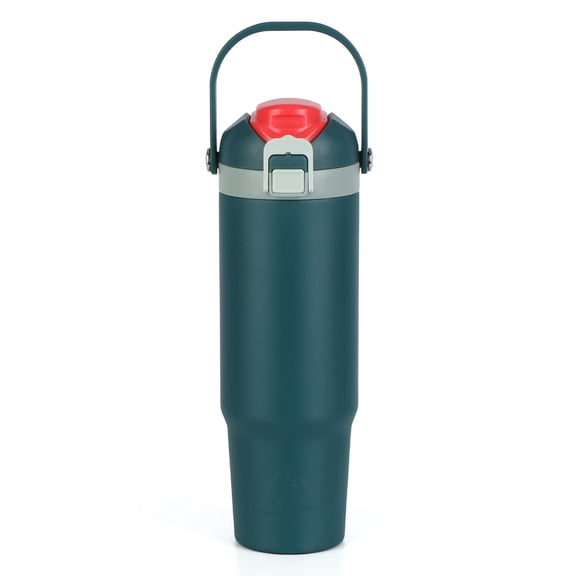


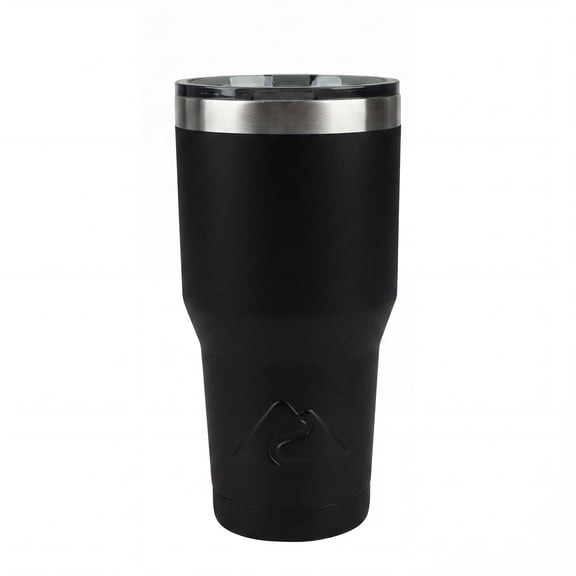


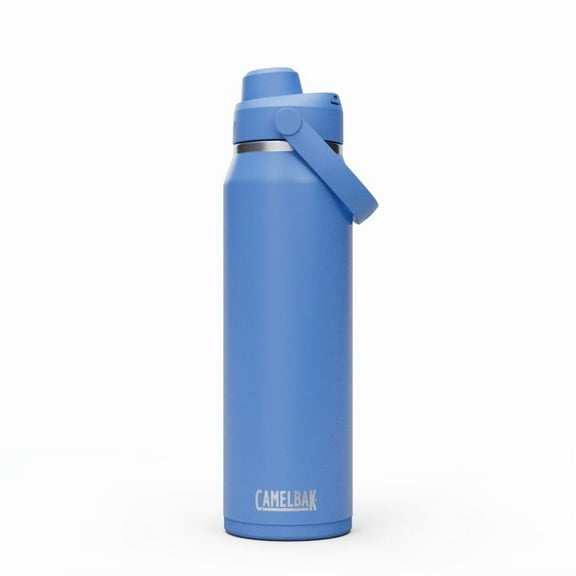












About Outdoor Water Bottles in Outdoor & Camping Drinkware - Walmart.com
Outdoor water bottles help you match hydration to hiking, camping, gym sessions, and travel. Your choice gets easier when you compare capacity, material, insulation, and lid style together.
Long trail days, hot sidelines, and packed commutes call for different bottle setups. A clear buying guide helps you narrow options by carry weight, sip style, and temperature control.
How to choose outdoor water bottles
Start with how long your day runs and where your bottle travels. Your routine often points you toward the right size before any other detail.
Short walks and quick workouts often feel easier with 24 oz bottles. All-day outings usually make 32 oz or 40 oz sizes feel more practical in your bag.
Large sports jugs in 64 oz sizes fit camp setups, team practice, and long stretches between refills. Your refill access matters just as much as your preferred carry weight.
- Your 24 oz bottle keeps weight lighter for quick trips and shorter activities.
- Your 32 oz water bottle balances everyday capacity with easier pack and cup holder fit.
- Your 40 oz size supports longer hikes, road days, and fewer refill stops.
- Your 64 oz jug handles campsite use, sidelines, and extended outdoor sessions.
- Your lid choice shapes flow rate, portability, and how easily you sip on the move.
Choosing material and insulation for outdoor water bottles
Material changes how your bottle feels in hand, pack, and cup holder. Your decision often comes down to durability, weight, and daily care preferences.
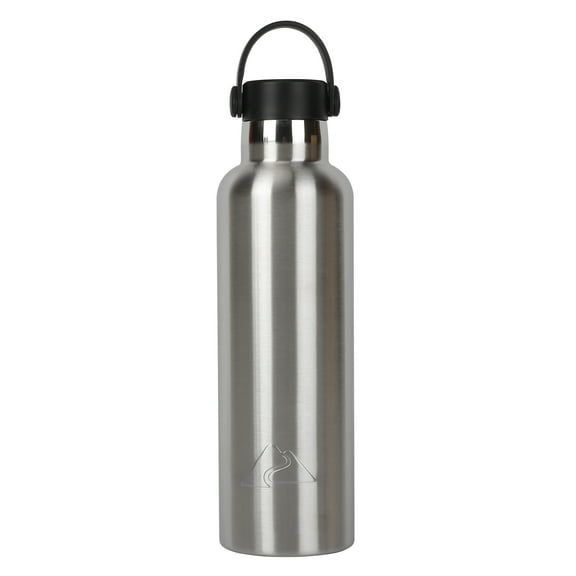
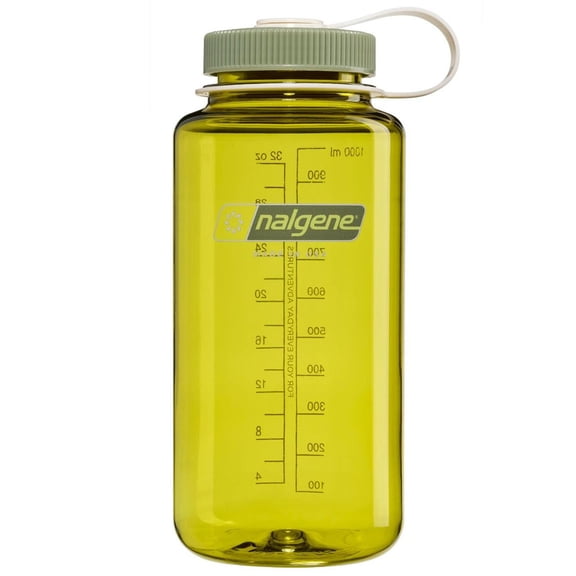
Stainless steel water bottles give you a solid feel and dependable outdoor durability. Plastic options keep your load lighter, which helps during workouts, travel, and casual daily use.
Glass lets you see contents clearly and supports a clean, simple look. Silicone designs add flexibility when your pack space feels tight or your carry setup changes often.
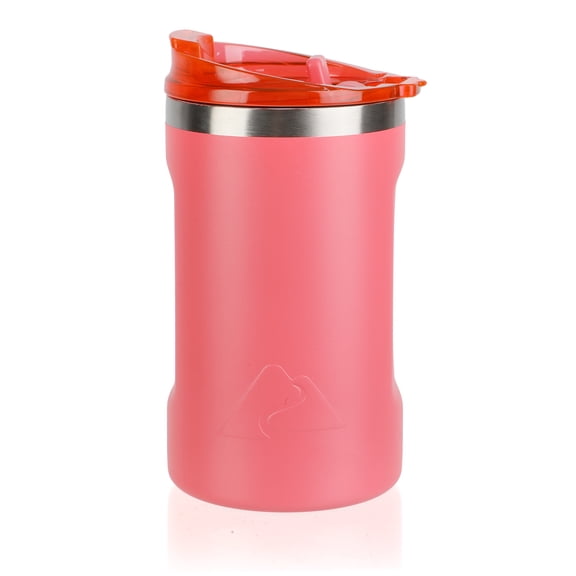
Insulation type matters when you want drinks cold for hours or warm during early starts. Double-wall vacuum insulated construction slows temperature transfer, so your drink stays closer to its starting temperature.
Single-wall and non-insulated designs usually weigh less and feel simpler for quick outings. Your listed cold and hot hour ranges help you compare bottles for commutes, hikes, and camping water bottles.
BPA free water bottles may also matter if your daily routine includes frequent refills and regular washing. Your final pick should balance material feel, impact resistance, and cleaning ease.
Choosing the right capacity and lid style
Capacity affects how often you refill, how heavy your bottle feels, and where it fits. Your ideal size depends on outing length, cup holder needs, and pack space.
A 24 oz bottle suits lighter carry and shorter sessions outside. A 32 oz size gives your day more coverage without moving into a much bulkier shape.
For longer hours outdoors, a 40 oz bottle reduces refill stops during hikes and camp chores. A 64 oz option works well when your group setup keeps water at a base spot.
Lid style changes both sip speed and portability, so it deserves close attention. Your drinking habits usually make this choice easier than you might expect.
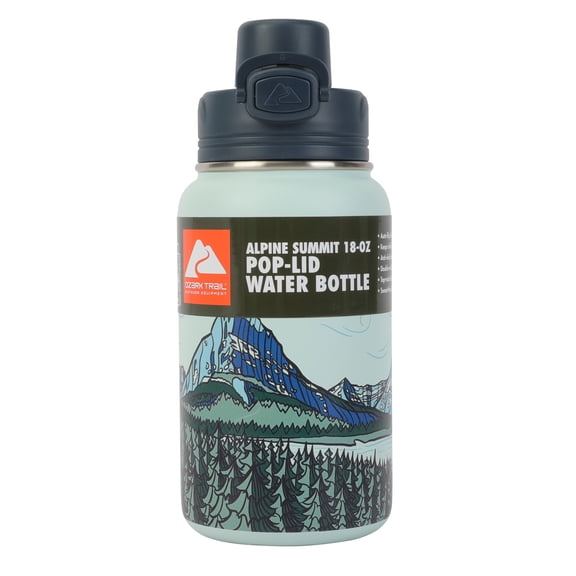
Water bottles with straw lids support steady sipping while you walk, drive, or train. Chug lids and spouts deliver faster flow when your breaks are short and your thirst is higher.
Screw caps keep the design simple and compact with fewer moving parts to manage. Your backpack setup may also benefit from a lower-profile lid and a secure carry handle.
Check whether the bottle fits a standard vehicle console before you decide. Your cup holder compatibility matters if your bottle needs to move from trailhead to commute without hassle.
Matching hiking water bottles to your plans
Different outings call for different combinations of insulation, size, and lid style. Your use case becomes clearer when you match those details to where you actually drink.
Hiking water bottles often work well in 32 oz or 40 oz sizes with easy-carry handles. Your trail setup may also benefit from vacuum insulated water bottles when sun exposure lasts for hours.
Camping water bottles usually lean toward larger capacity and fewer refill trips around camp. Your campsite routine may favor a 40 oz bottle or a 64 oz jug with a simple screw cap.
Gym use often pairs well with lighter bottles, straw lids, and quick one-handed sipping. Your workout bag may also prefer a shape that slides into side pockets without wasted space.
Travel days usually reward a slimmer bottle with cup holder fit and leak-resistant transport. Your commute feels smoother when the bottle moves easily between your tote, backpack, and vehicle console.
Cleaning deserves a spot in your decision, especially when your bottle travels every day. Wide openings, simpler lid parts, and easy-rinse interiors make regular care feel less tedious.
What to look for before you decide on outdoor water bottles
Compare capacity, insulation hours, lid flow rate, and material before making your final choice. Your daily routine helps you decide which tradeoffs matter and which extras you can skip.
When your bottle matches your schedule, you carry the right amount and sip more comfortably. The right outdoor water bottles keep your drink ready from the first mile to the last stop.