

Bike Saddles in Bike Seats


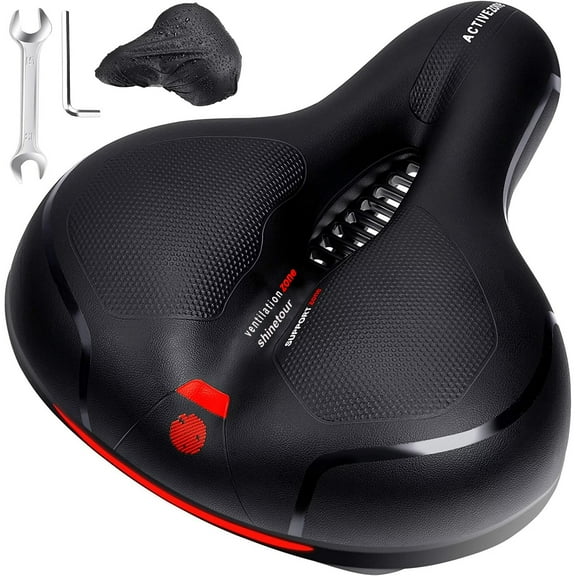
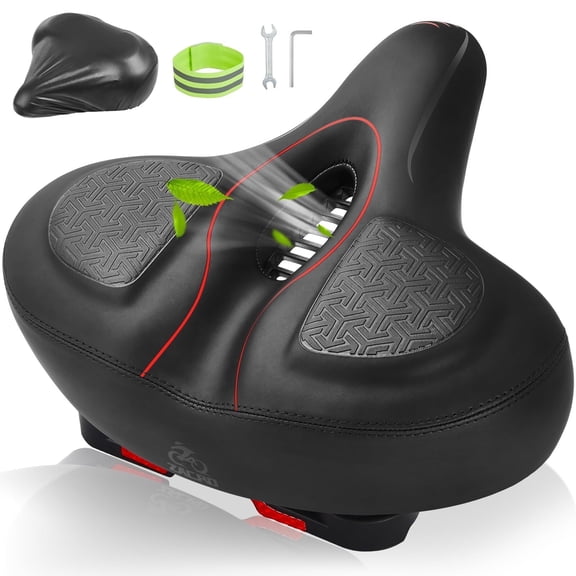
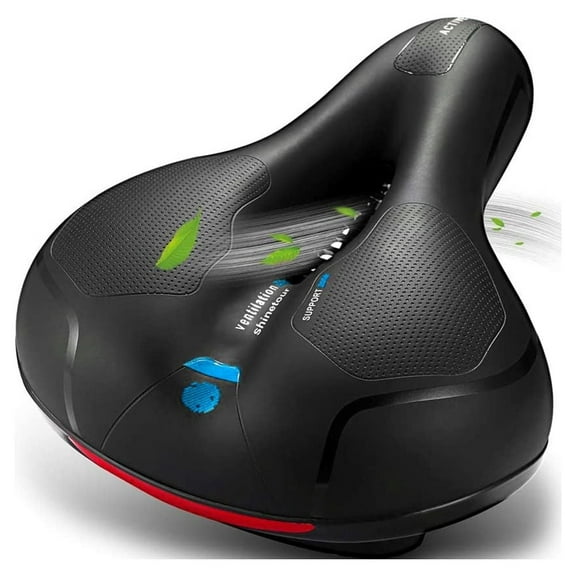
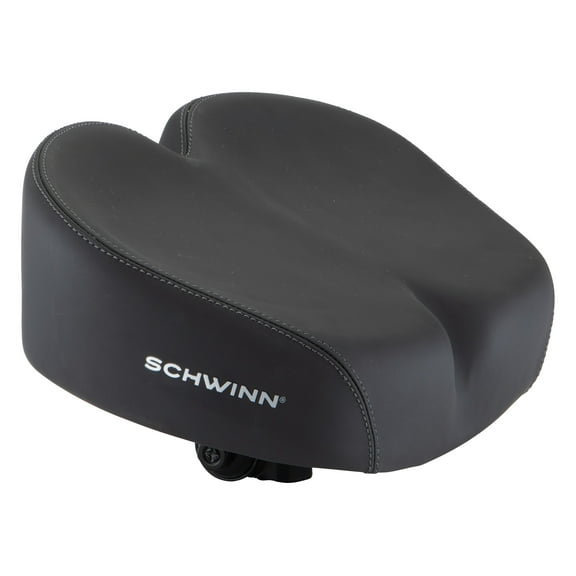





















About Bike Saddles in Bike Seats - Walmart.com
When you're replacing a bike seat, you need fit, comfort, and hardware details that match your bicycle. You can compare bike saddles by riding style, clamp type, rail compatibility, and cushioning before you switch seats.
If you're changing from a worn saddle, you can narrow your choice by focusing on where and how you ride. You can also compare shapes and covers that stay comfortable on errands, training miles, or rough trails.
How to choose options for replacing a bike seat
When you're replacing a bike seat, you should start with the connection under the saddle. You need to check whether your seatpost uses dual rails, a bolted clamp, or a quick release bike seat setup.
If your current bike saddle slides into a seat clamp with two rails, you should compare rail width and clamp compatibility first. You can avoid fit issues when your new saddle matches your existing hardware.
You'll also want to measure saddle width and compare the overall profile. You can choose a narrower shape for road positioning or a wider platform for upright cruising.
Choosing the right riding style
You should match your saddle to the way your body sits on the bike. You may lean farther forward on road bikes, while you stay more upright on cruiser or commuting bikes.
If you ride road routes, you can look for a slimmer bike saddle that reduces rubbing during long pedaling sessions. If you ride casual paths, you may prefer more padding and a broader rear section.
For mountain riding, you should consider a shape that lets you shift quickly on climbs and descents. For commuting, you may want balanced cushioning that feels steady on short and medium rides.
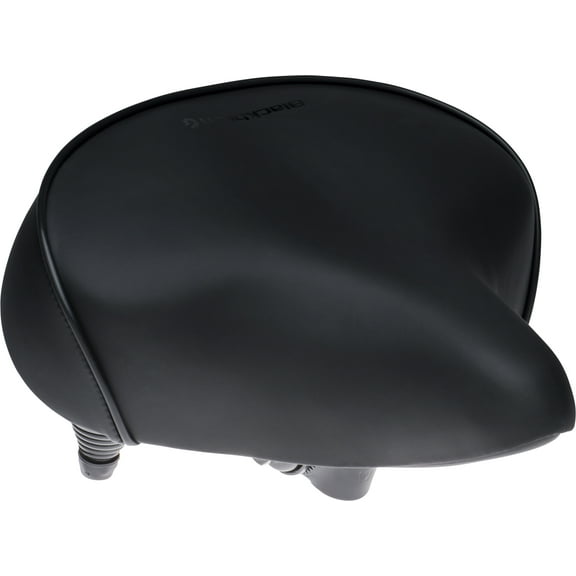
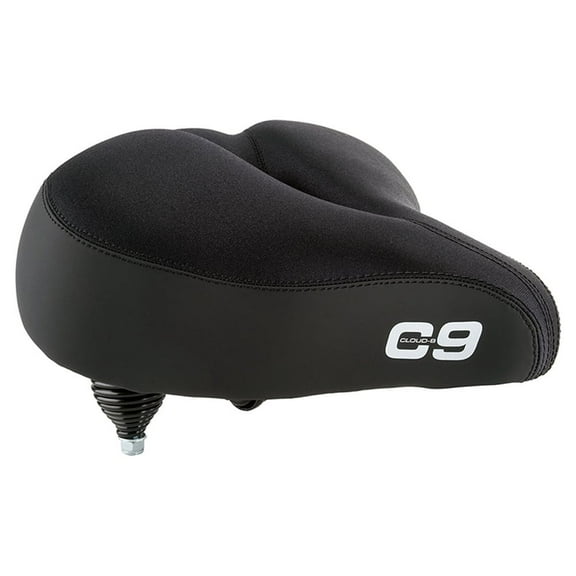
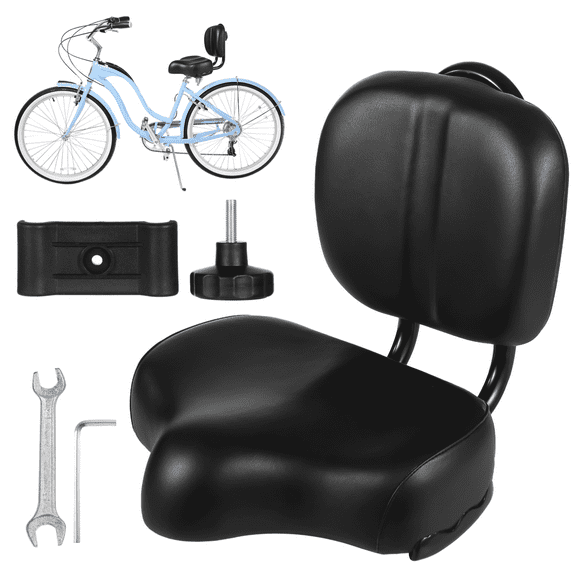
- You can choose cruiser saddles when your posture stays upright and you want a wider sitting area.
- You can choose road saddles when you want a narrower profile that supports a forward riding position.
- You can choose mountain options when you need room to move around the saddle on changing terrain.
- You can choose commuting styles when you want everyday comfort with practical support across mixed routes.
Changing a bike seat with the right attachment type
When you're changing a bike seat, attachment type can shape how quickly you swap or adjust it. You should compare quick release, bolted clamp, and standard dual rail setups before you buy.
A quick release bike seat setup can help you remove or adjust your saddle without reaching for extra tools. A bolted clamp can give you a more fixed position when you want repeatable saddle angle.
You should also check if the package includes new seatpost hardware or if you must reuse your current parts. You can pair replacement saddles with seat clamps, seatposts, and multi-tools when your bike needs a full refresh.
Comparing cushioning materials and cover feel
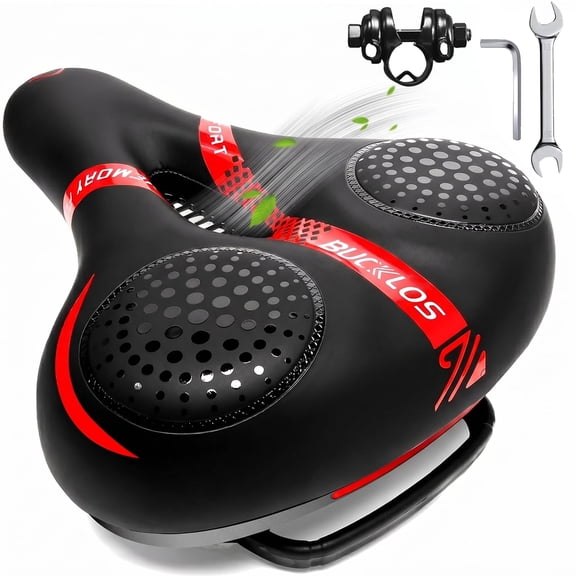
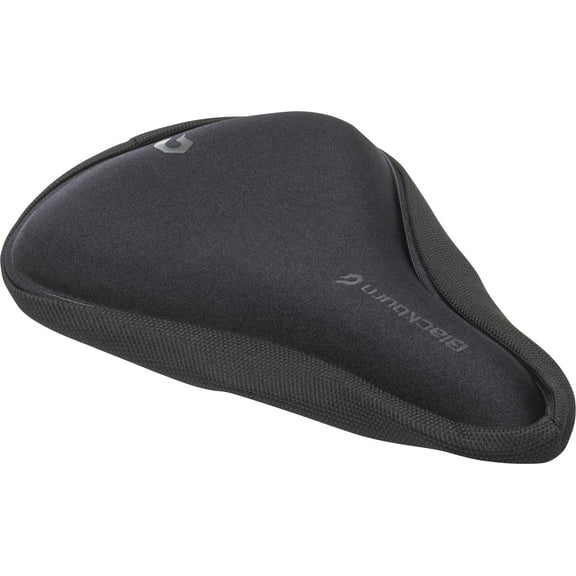
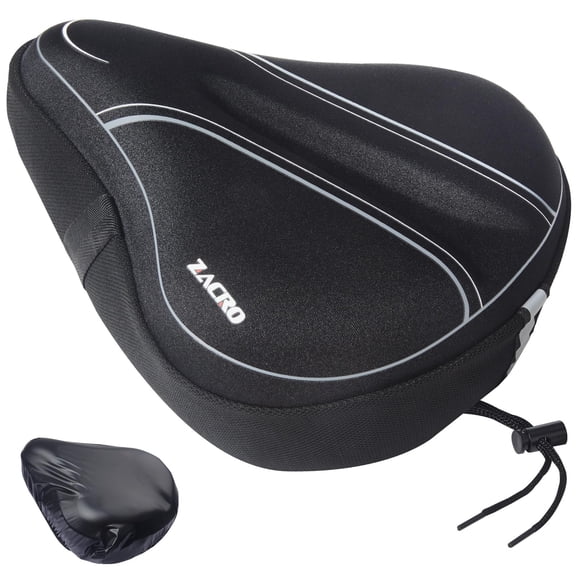
You can use padding type to decide how firm or plush your ride feels. Gel can feel softer at first, while memory foam can shape itself to your seating pressure.
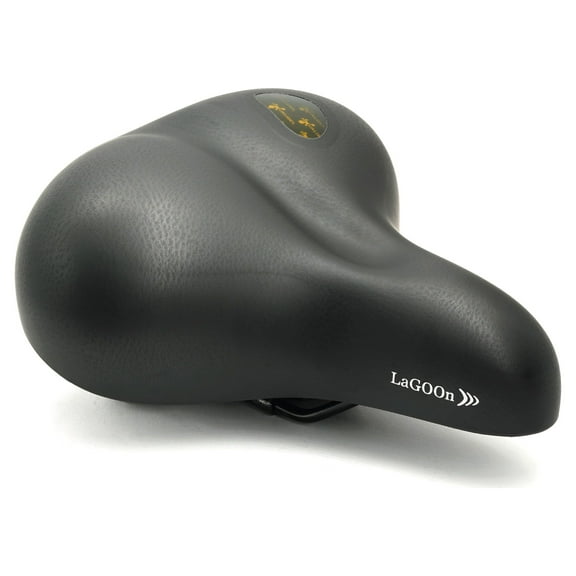
If you want a classic feel, you may consider leather or leather-look styles with a firmer platform. If you ride over uneven pavement, elastomer designs can add a more flexible response under the saddle.
You should also compare cover texture and weather-ready finishes. You can look for surfaces that wipe clean easily after commutes, trail dust, or damp parking conditions.
How to compare ergonomic design details
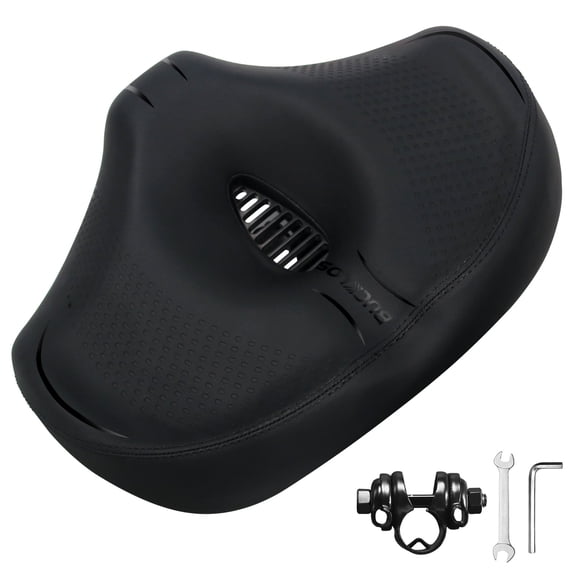
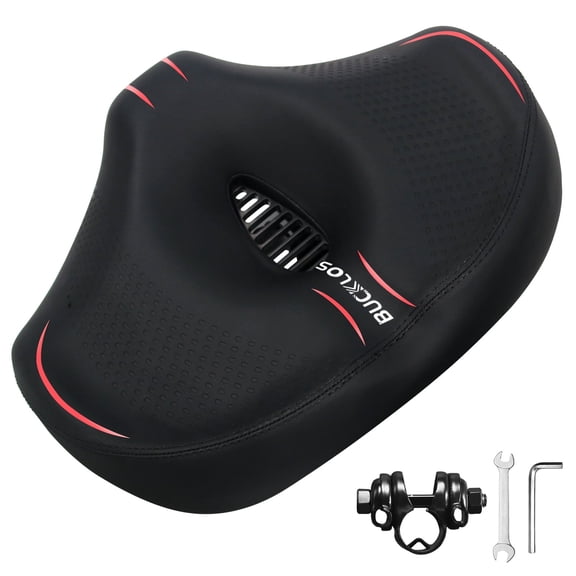
You can narrow bicycle seats by shape features that affect pressure and movement. Center cutout, nose-less, and extra wide designs each support a different riding position.
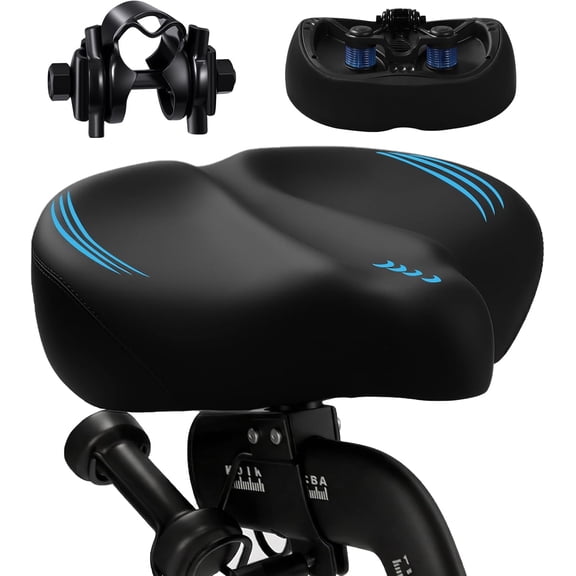
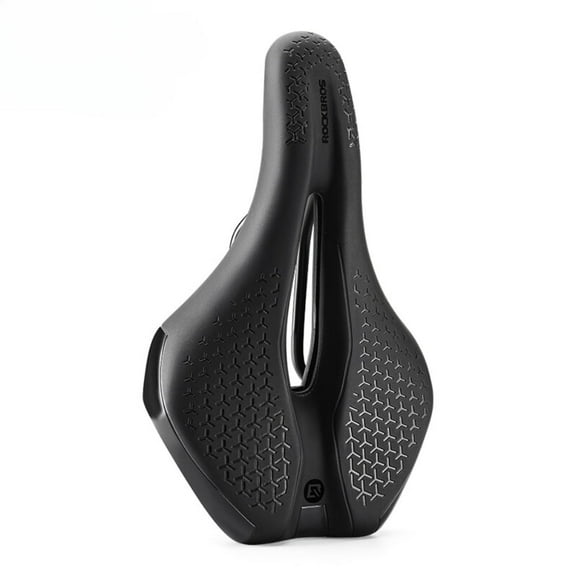
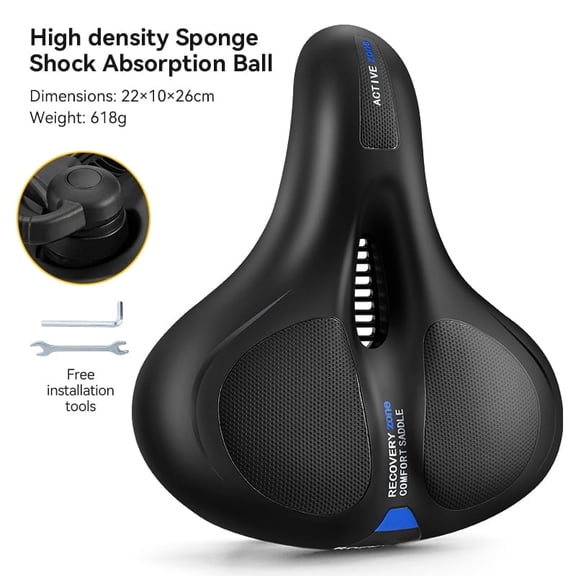
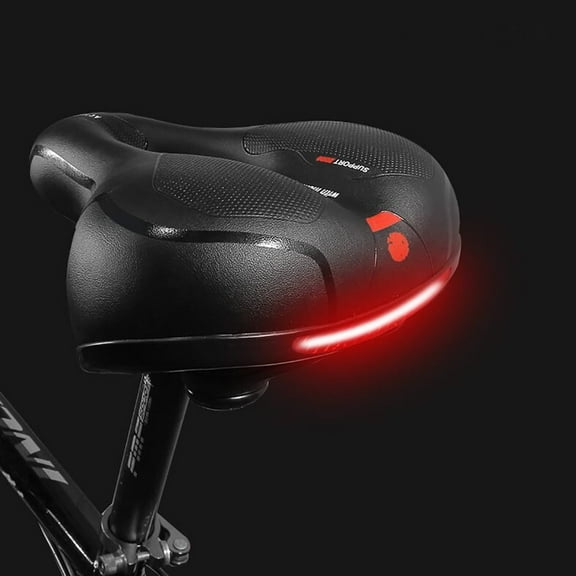
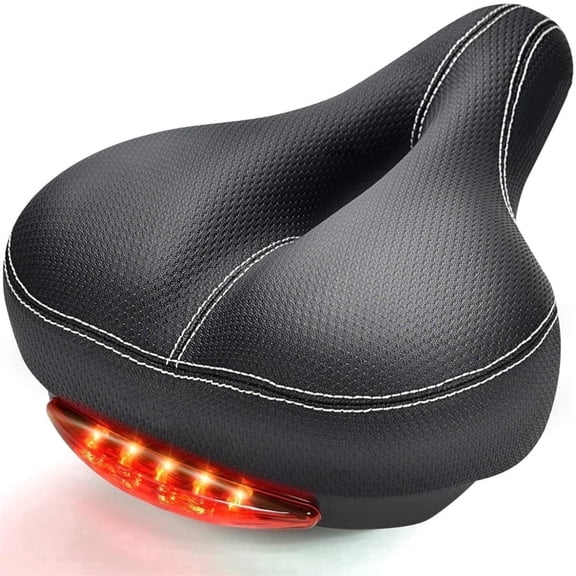
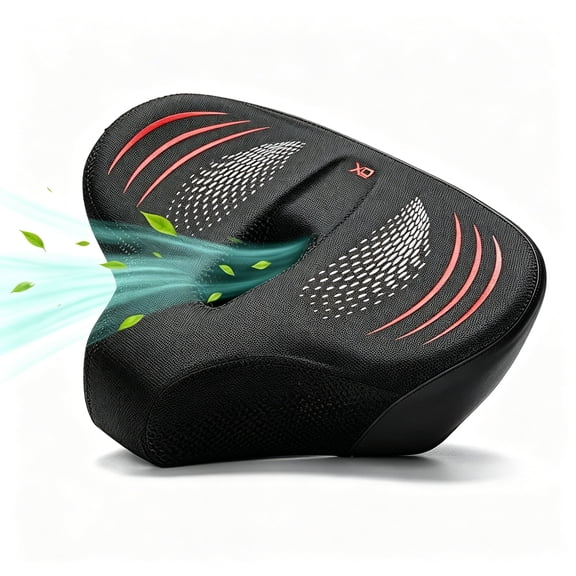
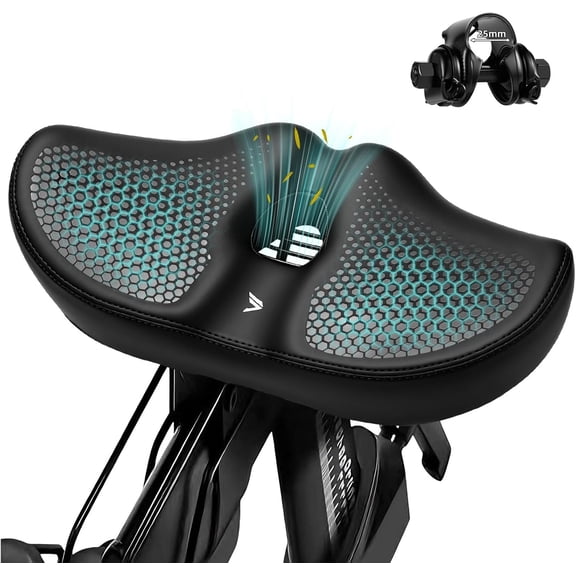
If you spend longer periods seated, you may look for a center cutout that creates open space through the middle. If you want a broader contact area, you may prefer extra wide bike seats for upright rides.
You might choose a nose-less style when you want easier on-and-off movement at slow speeds. You can compare these shapes with your usual posture before making a bike saddle replacement.
Using fit details for real replacement scenarios
If your old seat feels loose, you should confirm the rail width and clamp style before ordering a replacement. You can solve many fit questions by matching the saddle rails to your existing seatpost head.
If your commute includes stops, errands, and mixed pavement, you may want a quick release bike seat with moderate padding. You can remove it quickly or fine-tune the angle between rides.
If your weekend rides run longer, you may look for a road-focused shape with firmer support and less bulk. You can maintain smoother pedaling when the saddle profile matches your forward position.
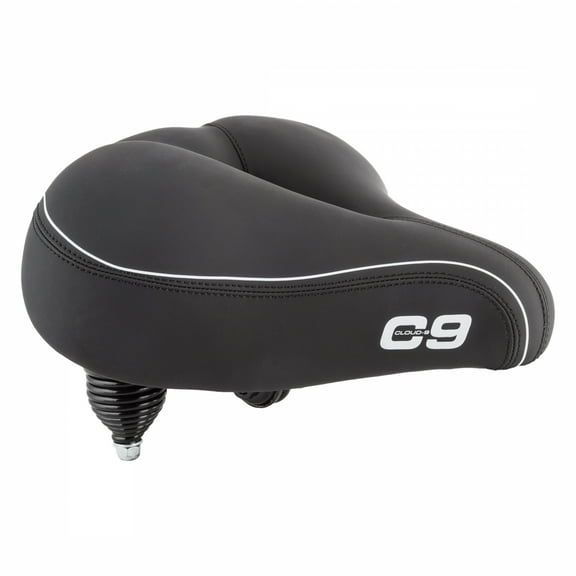
For neighborhood cruising, you may want extra wide bicycle seats with gel or memory foam cushioning. You can sit more upright and keep support spread across a wider base.
If your trail bike needs an update, you should look for a mountain-ready shape that stays easy to shift around. You can pair that saddle with a compatible clamp and tool for a cleaner install.
When you're planning bike saddle replacement, you can make a smarter choice by checking style, rail fit, clamp type, and padding together. You end up with a seat that installs cleanly and feels right on every ride.