


Fresh Bananas and Plantains for Every Taste



About Fresh Bananas and Plantains for Every Taste - Walmart.com
Bananas make everyday fruit shopping simple when you want easy snacks, baking staples, and flexible ripeness options for your week. You can compare organic bananas, fresh bananas, and plantains in one place, so your cart matches your meals.
You may need fruit for lunchboxes today, smoothies tomorrow, or banana bread this weekend. You can choose by variety, ripeness, packaging, and form, which makes this category especially practical for grocery planning.
How to choose bananas for your routine
You can match bananas to the way you actually eat and cook at home. You might want yellow bananas for quick snacking, green bananas for later, or overripe fruit for baking.
Your choice also depends on whether you want a single banana, a bunch of bananas, or a bulk bag. You can also compare fresh bananas with frozen slices or dried chips for different pantry and freezer needs.
- You can pick ripeness based on when you'll eat them.
- You can compare organic, conventional, baby bananas, and plantains.
- You can choose the right pack size for solo meals or family use.
- You can match fresh, frozen, or dried forms to recipes and storage plans.
Choosing between organic bananas and other varieties
You can start with variety, because each option fits a different kind of meal or preference. You may choose organic bananas when you want fruit grown to USDA organic standards.
You can choose conventional bananas when you want a familiar everyday staple for cereal, lunches, and smoothies. You might pick baby bananas when you want a smaller fruit with a different texture and portion size.
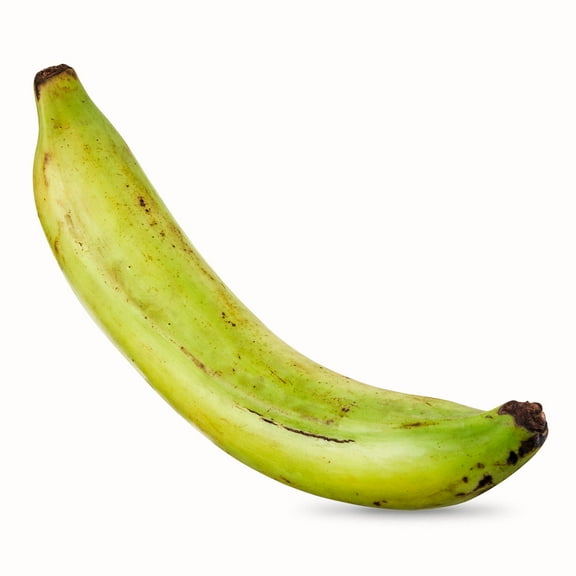
Plantains work differently from dessert bananas, so you can use them for savory cooking and firmer slices. You can grill, fry, or bake plantains when your recipe calls for a starchier fruit.
Choosing the right ripeness for fresh bananas
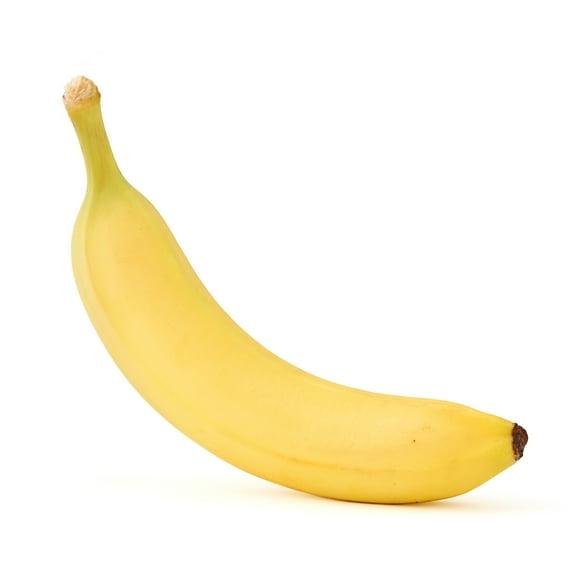
You can use ripeness as your main shopping filter when timing matters. Green bananas usually give you more waiting time, while yellow with green tips can finish ripening at home.
Fully ripe bananas work well when you want soft texture and sweeter flavor right away. Overripe bananas can be especially useful when you plan muffins, pancakes, or banana bread.
You can keep your week organized by mixing ripeness stages in one order. Your household might eat some bananas now and let others ripen on the counter for later days.
Choosing quantity and packaging
You can choose packaging based on how many people will eat the fruit and how quickly you'll use it. A single banana can work for an individual snack, while a bunch of bananas suits regular household use.
A bulk bag can make sense when you prep smoothies, stock office kitchens, or pack several lunches during the week. You can also split larger quantities across snacking, cereal toppings, and baking plans.
Your package choice affects convenience as much as quantity. You may prefer a bunch of bananas when you want flexibility to separate pieces by ripeness as they change.
Choosing fresh bananas, frozen slices, or dried chips
You can compare form based on where and how you'll use the fruit. Fresh bananas fit grab-and-go snacks, frozen slices fit blender recipes, and dried chips fit pantry storage.
Frozen banana slices help you prep smoothies without peeling fruit each time. Dried chips can give you a shelf-stable option when you want fruit for lunch bags or quick toppings.
You can keep fresh bananas on hand for daily snacking and add frozen options for recipe backups. Your mix of forms can make breakfast prep and dessert planning easier during busy weeks.
Using bananas for snacks, baking, and meal prep
You can use bananas in ways that go far beyond a simple fruit bowl. Yellow bananas work for quick breakfasts, sliced toppings, and after-school snacks that don't need much prep.
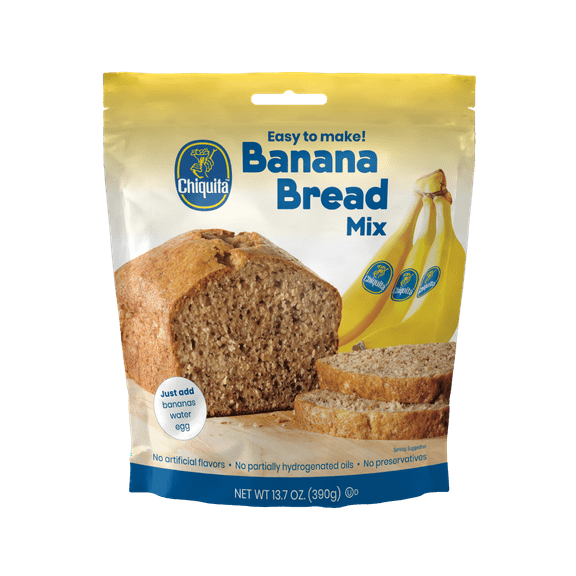
When your fruit becomes softer, you can mash it into oatmeal, pancakes, or homemade banana bread. You can also freeze peeled pieces for smoothies, blended desserts, or future baking batches.
Baby bananas can suit smaller servings, while plantains can fit savory dinners and side dishes. You can choose green bananas when you want fruit that lasts longer before reaching peak ripeness.
Your shopping decision becomes easier when you think about timing, quantity, and recipe plans together. You can build a smarter produce order when your bananas match snacking now, baking later, and easy storage all week.
Bananas give you a flexible fruit option that works across breakfasts, lunchboxes, baking, and cooking. You can feel confident choosing the right variety, ripeness, and pack size for a smoother grocery routine.
Popular in Fresh Bananas and Plantains for Every Taste - Walmart.com
- Fne Produce Fruit
- Best Sellers In Fresh Cut Packaged Fruits
- Nanaue Fresh Produce
- Best Sellers In Fresh Strawberries In Produce 2 Lbs
- Best Sellers In Bag Of Apples Fresh Produce
- Best Sellers In Yellow Apples Bag Golden Delicious
- Ripen Fruit
- Best Sellers In Cuties Oranges 3 Lb Bag
- Tannana Fresh Produce
- Best Sellers In Macintosh Apples In Bag 3 Pound Bag
- Pink Delicious Fresh Produce
- Candied Grapes Without Corn Syrup