


Find auto parts that fit
Let’s search for parts that fit your vehicle.
ATV Wheels and Rims for Powersport Vehicles


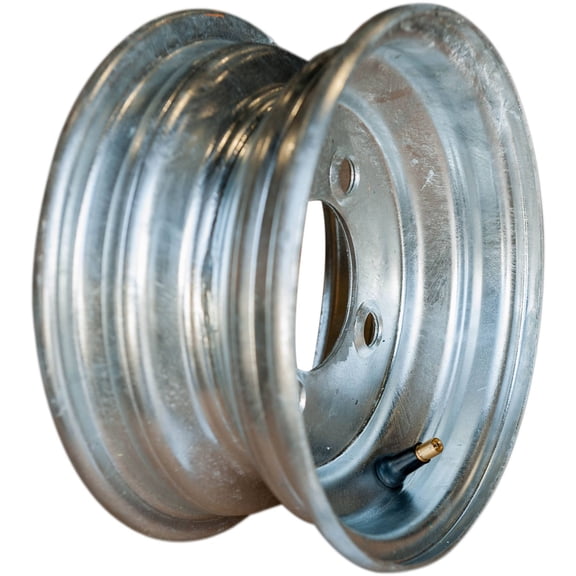


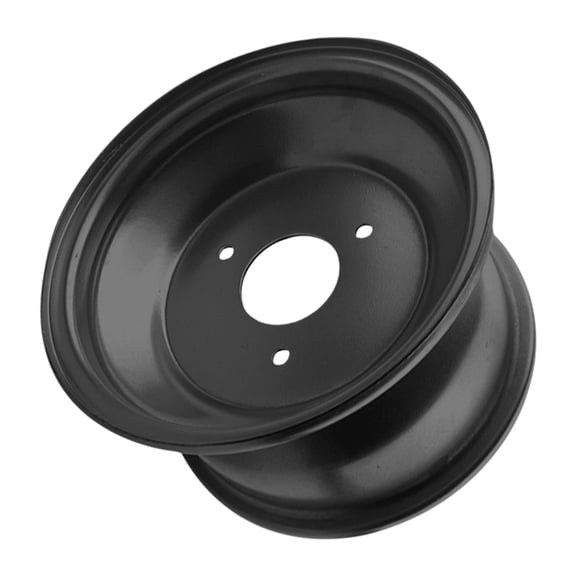
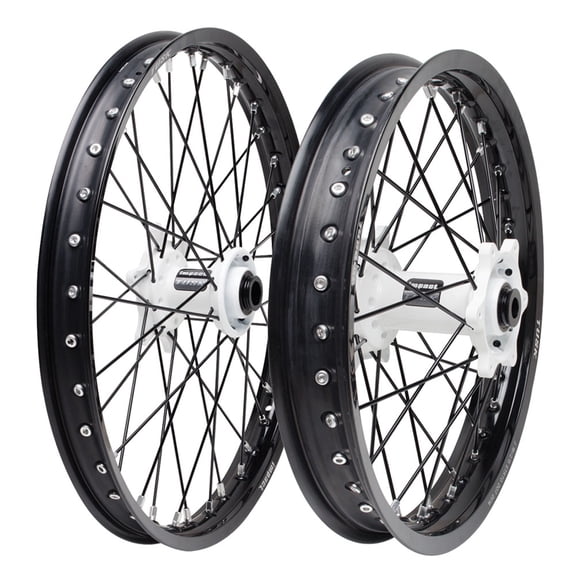
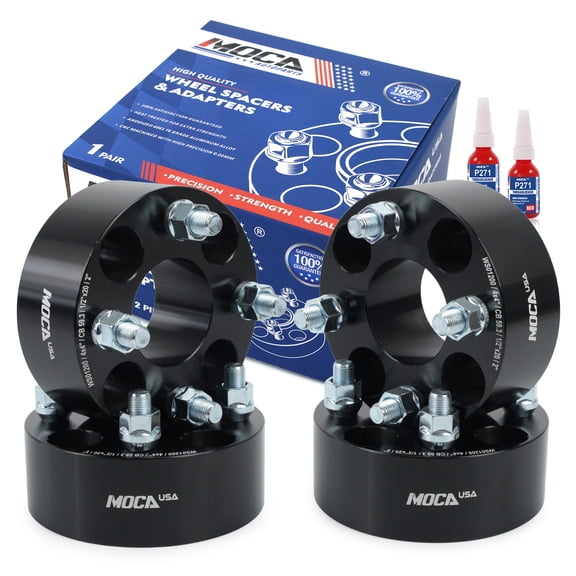
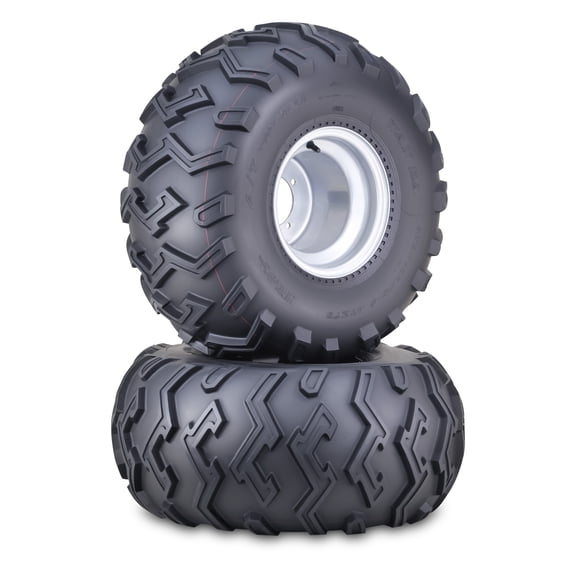
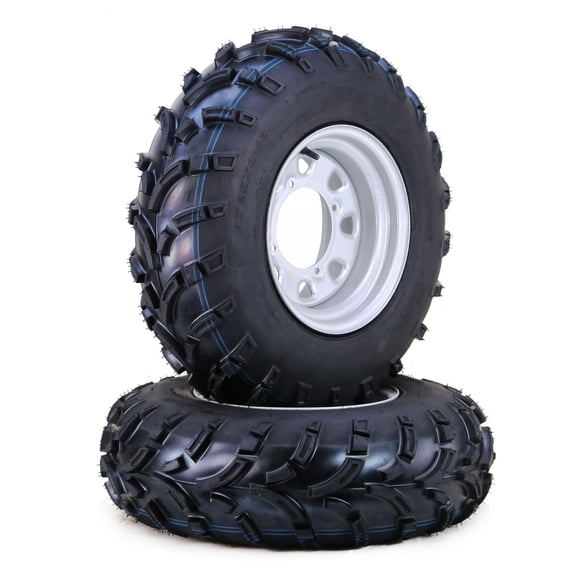

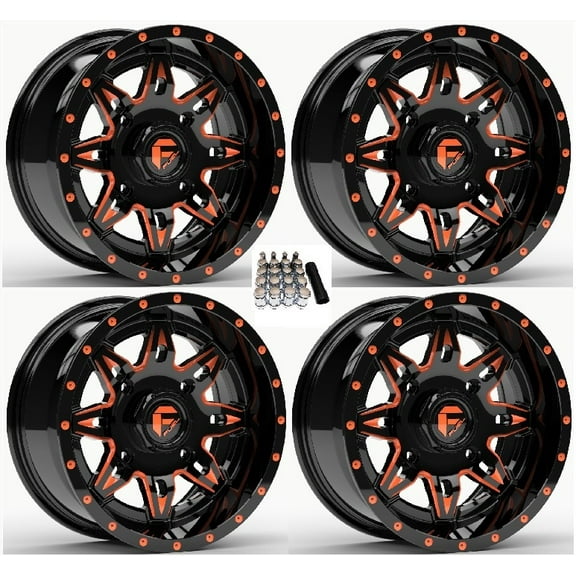

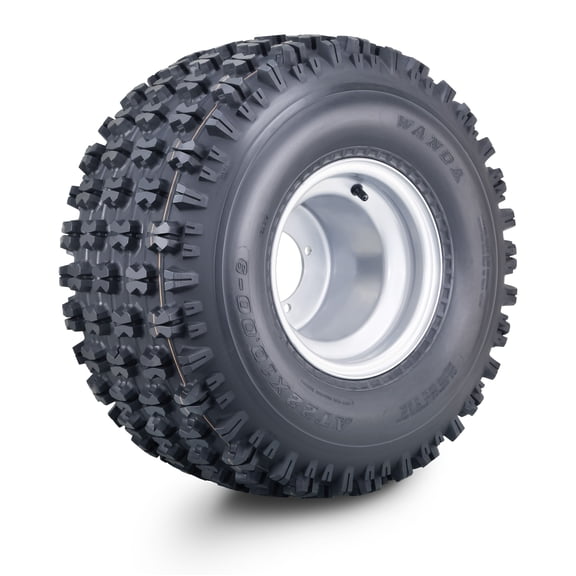
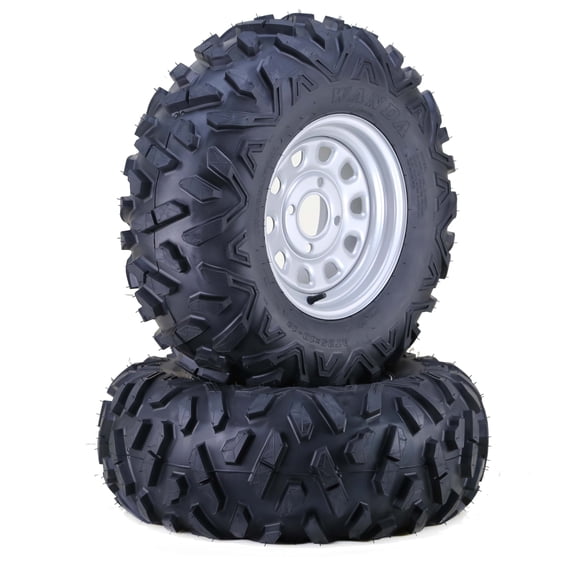
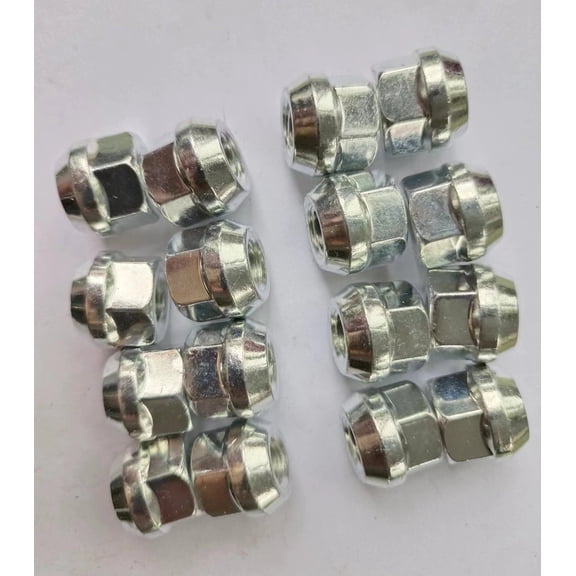


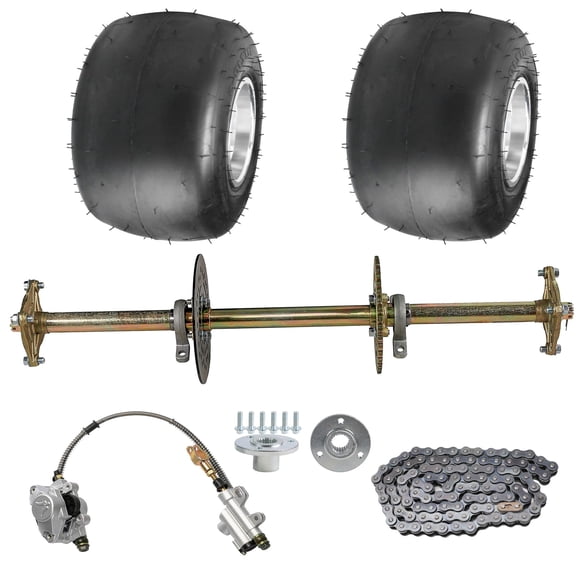
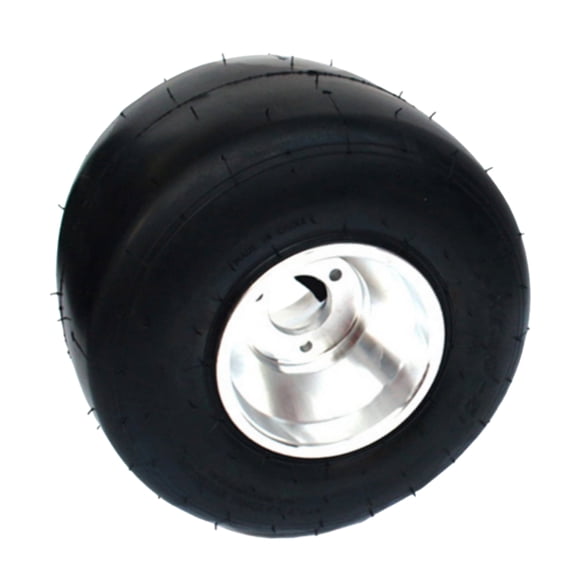
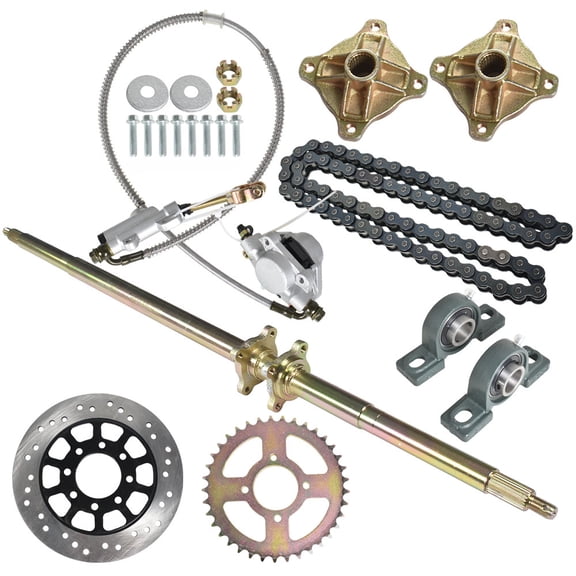
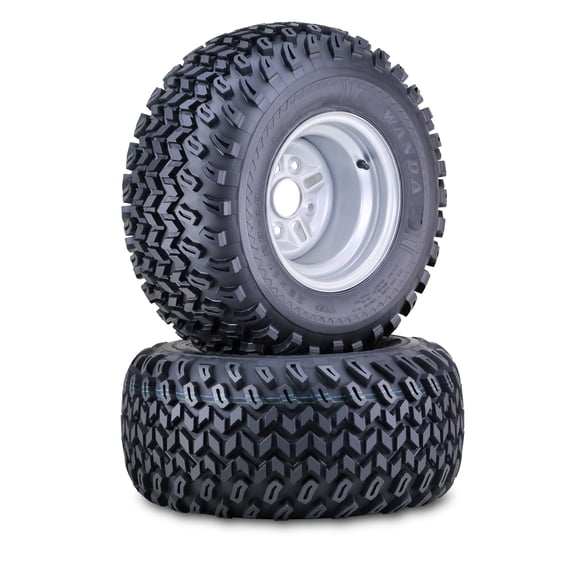
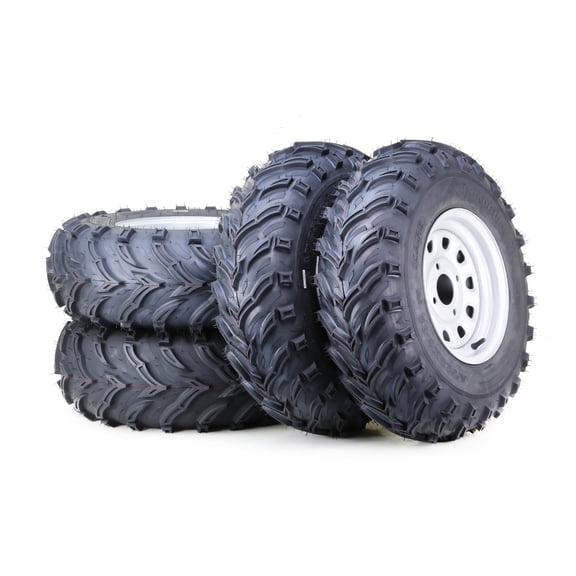


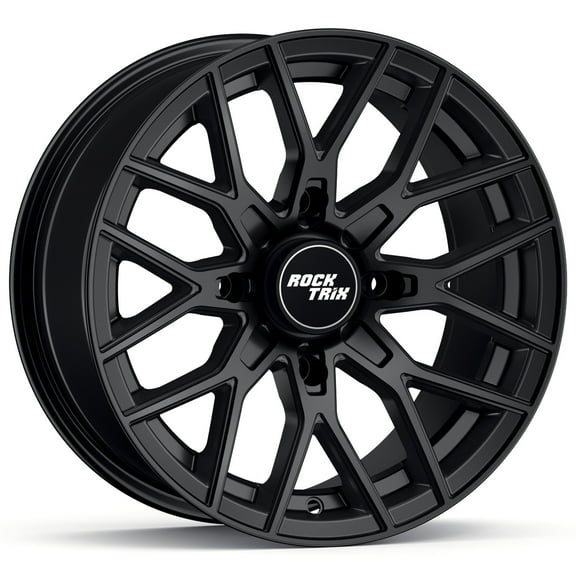



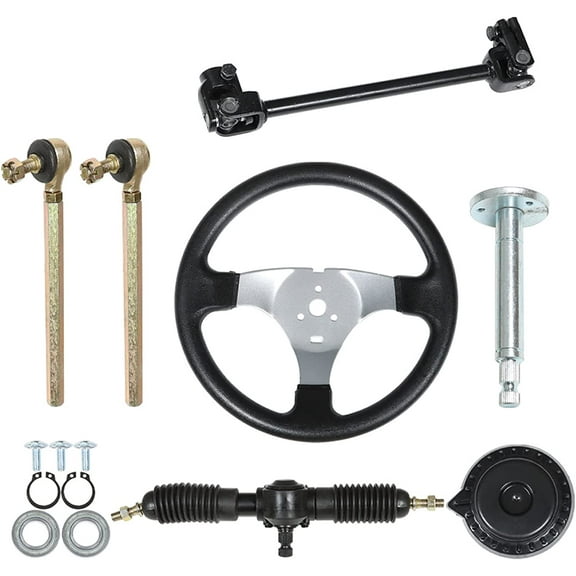
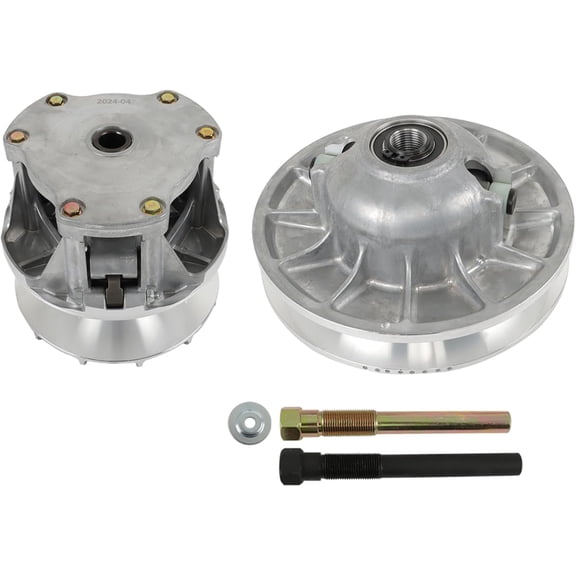
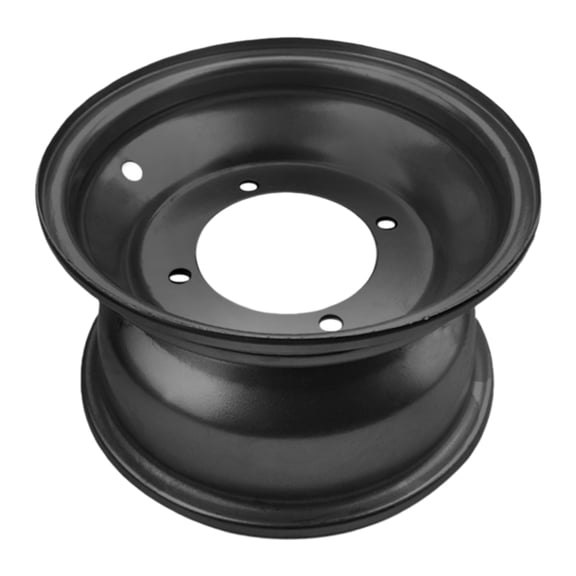
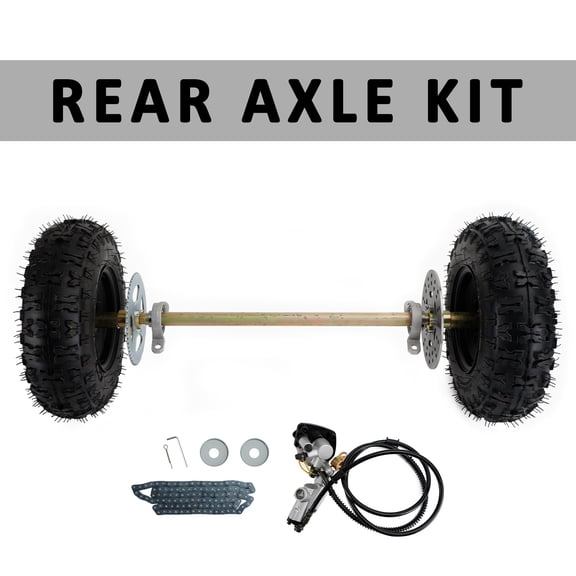
About ATV Wheels and Rims for Powersport Vehicles - Walmart.com
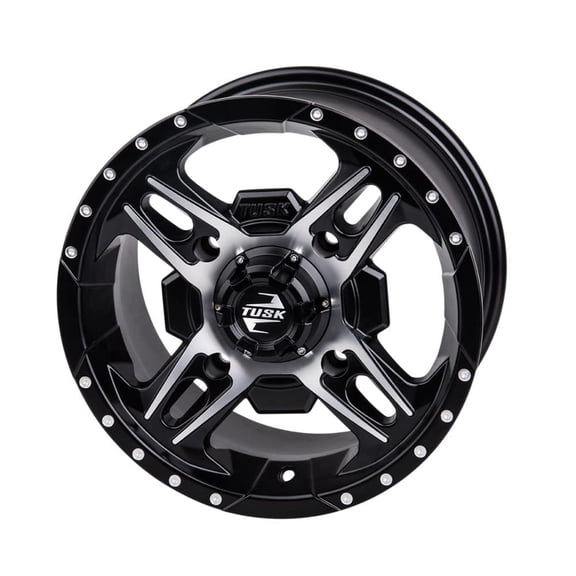
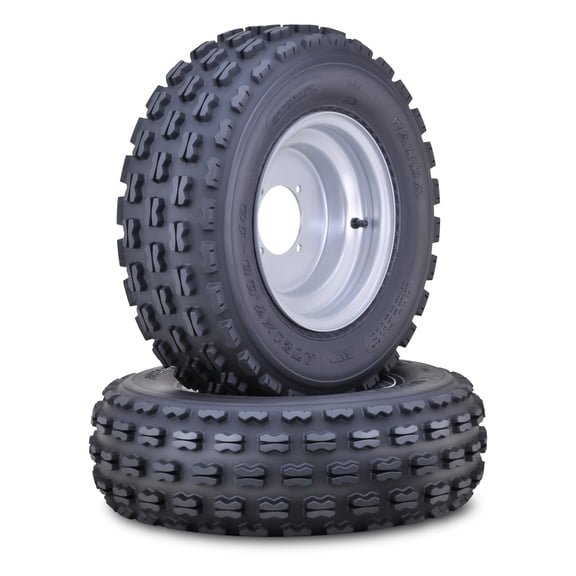
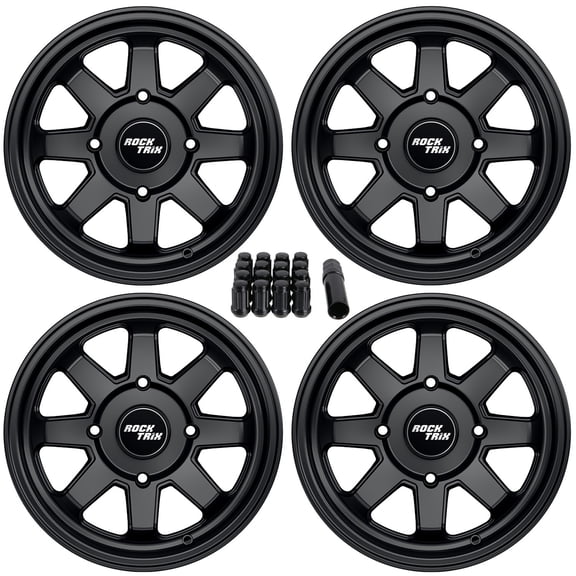
ATV wheels rims help you dial in fitment, handling, and trail-ready durability before you mount new rubber. You can compare bolt pattern, material, diameter, and lock type here, so your upgrade matches your machine and riding style.
If you ride trails, mud, or rocky routes, you need wheel specs that match your hub and tire setup. You’ll also want choices that balance strength, weight, and the low-pressure control many off-road riders prefer.
How to choose ATV wheels rims
Start with fitment, because you need atv wheels that match your machine’s hub exactly. You should check bolt pattern, offset, and center bore before you compare finishes or spoke designs.
Common patterns include 4x110 atv wheels, 4x137, 4x156, and 4x115 for different ATV and side-by-side applications. You can avoid fitment guesswork by matching those numbers to your vehicle’s requirements first.
- You should match your bolt pattern to your hub before anything else.
- You can use wheel diameter to support your tire size and ground clearance goals.
- You may choose steel atv rims for utility use or aluminum atv wheels for lighter handling.
- You can compare standard and beadlock atv wheels based on your riding terrain and tire pressure needs.
When you focus on these decisions first, you narrow your options faster and avoid mismatched parts. You’ll also build a setup that feels more stable when you head onto uneven ground.
Choosing material, diameter, and lock type
Material changes how your quad wheels feel on the trail and how they hold up over time. You may prefer steel for work-focused riding, while aluminum or alloy can feel lighter during steering and acceleration.
Steel atv rims often appeal to riders who want a sturdy wheel for utility tasks, rough paths, and repeated loading. You can count on their straightforward construction when your machine sees farm use or gear hauling.
Cast aluminum and alloy options can reduce weight, which may help your machine feel more responsive in turns. You’ll often notice easier handling when your riding style includes trail runs and quick direction changes.
Wheel diameter also matters because you need the right size for your tire plan and clearance goals. You can compare 12 inch, 14 inch, and 15 inch options based on sidewall height, stance, and terrain needs.
A 12 inch wheel can leave more tire sidewall, which many riders like for trail comfort and flex. A 14 inch or 15 inch wheel can support a different look and tire profile.
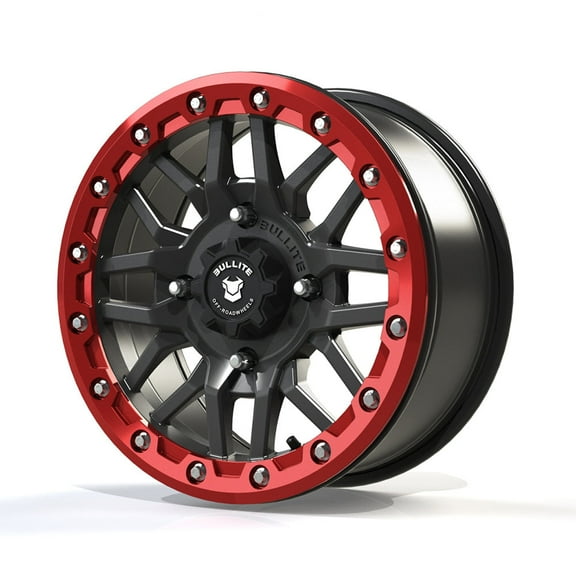
Lock type gives you another key decision point when you ride in demanding terrain. You may choose standard rims for general riding, while beadlock atv wheels can suit low-pressure setups for mud or rock use.
Beadlock designs clamp the tire bead to the wheel, which matters when you run lower air pressure off-road. You can use that added hold when traction matters more than high-speed cruising.
Understanding ATV rims fitment specs
Fitment details decide whether your atv rims mount correctly and clear suspension parts during movement. You should compare bolt pattern, offset, and center bore together instead of checking only one measurement.
Bolt pattern describes the number of lug holes and the spacing between them. You’ll need an exact match, because a 4x110 wheel won’t fit a hub designed for 4x137.
Offset affects where the wheel sits in relation to the hub and suspension. You can use offset to influence stance width, inner clearance, and how your machine tracks through ruts.
Center bore is the opening in the middle of the wheel where it fits over the hub. You should check whether that opening matches your application so installation feels straightforward and secure.
These details matter for four wheeler rims because small spec differences can change fit and feel on the trail. You’ll make a smarter choice when you compare all three measurements before you buy.
Matching quad wheels to your riding style
Your terrain should guide your wheel choice just as much as your machine’s fitment chart. You can build a setup for trail riding, mudding, rock crawling, or utility work by matching features to use.
For trail riding, you may want lighter wheels that help your machine feel nimble through turns and changing surfaces. You can pair that approach with a diameter that supports balanced sidewall height and control.
For mudding, you may look for beadlock atv wheels that support lower-pressure tire setups and stronger bead retention. You’ll appreciate that design when deep ruts and slick surfaces demand added traction.
For rock crawling, you should focus on fitment precision, bead security, and a wheel design that supports slow, technical riding. You can benefit from careful offset choices when obstacles demand clearance and stability.
For utility use, you may prefer durable steel construction that handles chores, towing tasks, and repeated rough-ground travel. You’ll often want a practical setup that supports dependable use across changing conditions.
If you’re also replacing tires, you should compare wheel diameter with your planned tire size before finalizing your order. You can create a more cohesive setup when your tires and wheels are chosen together.
With the right atv wheels rims, you can match your machine to your terrain instead of guessing at fitment. You’ll ride with more confidence when your bolt pattern, material, diameter, and lock type all work together.