



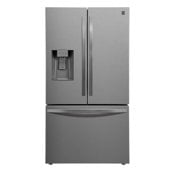

Compact Appliances


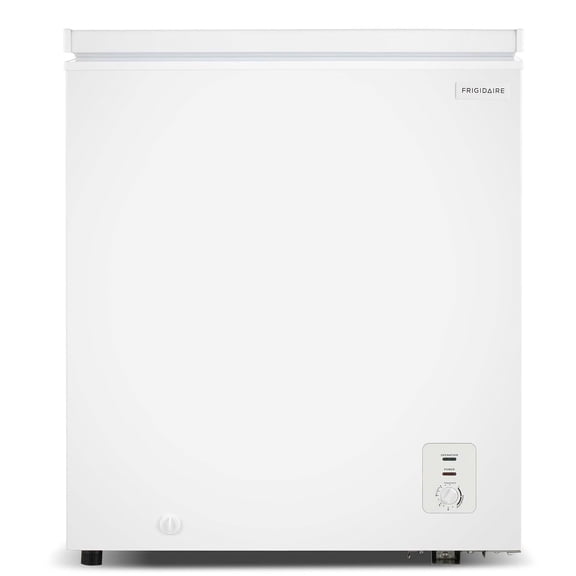
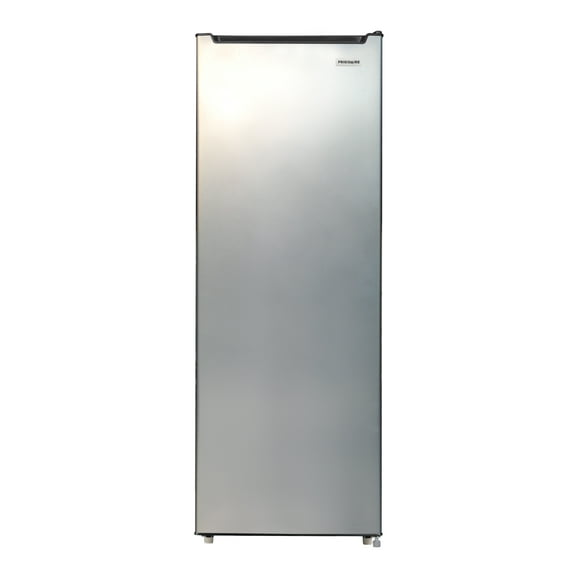
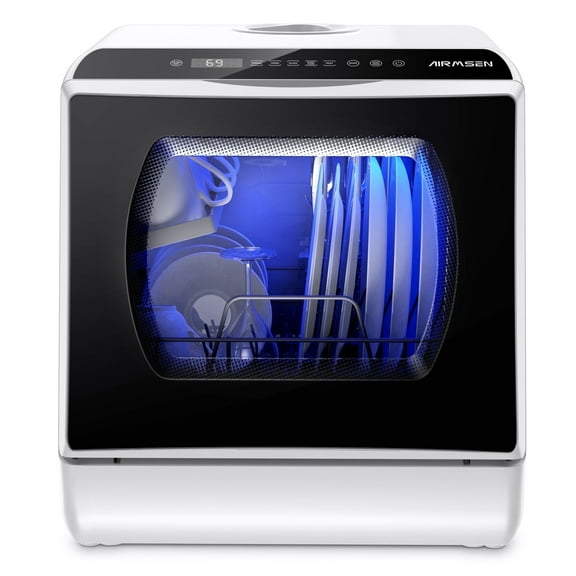













































About
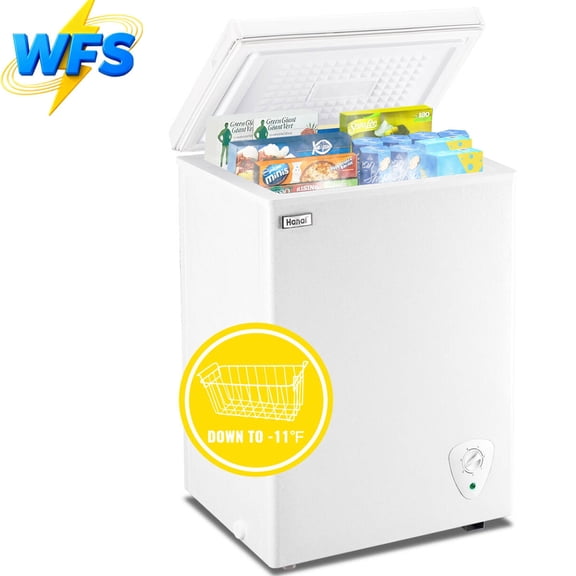
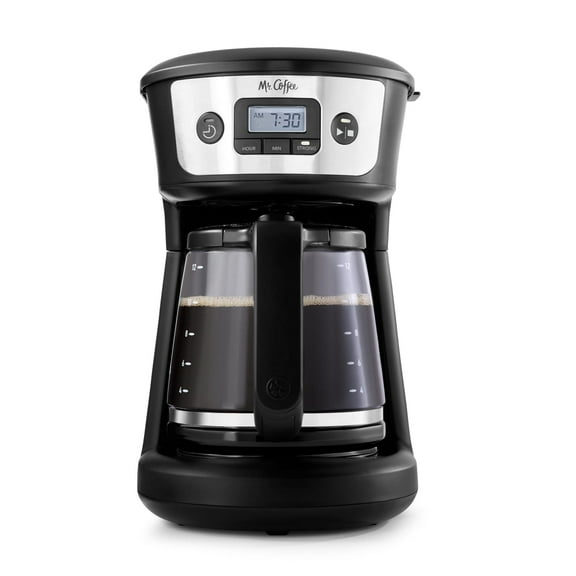
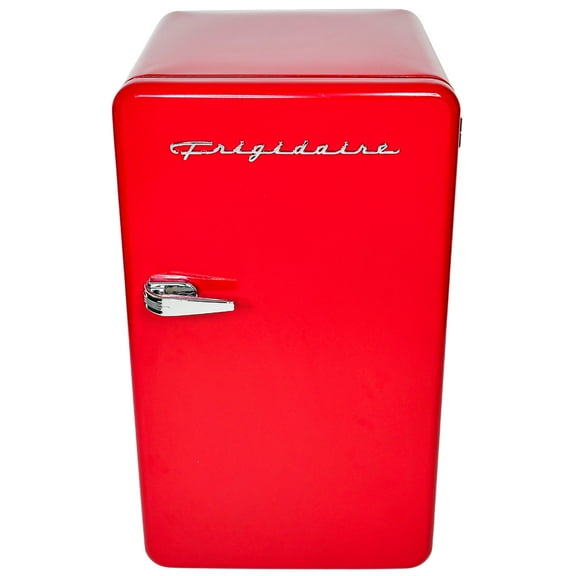
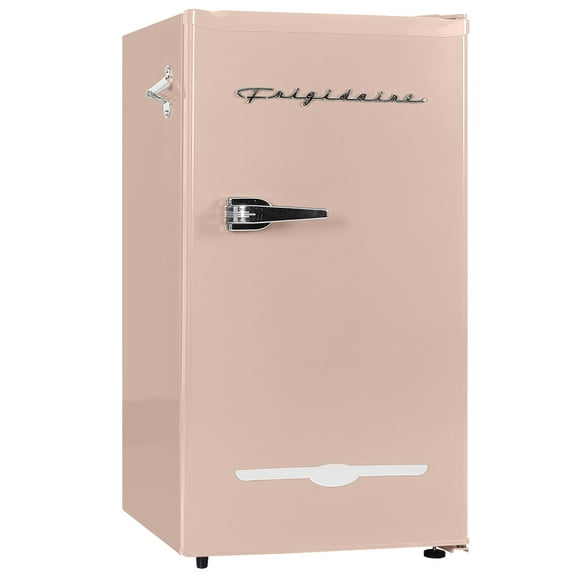
Compact appliances help you equip tight layouts with everyday function. You can compare small footprints, standard power options, and practical capacity for apartments, dorms, RVs, and offices.
How to choose compact appliances for your layout
Start with the space you can actually measure. You should check width, depth, door swing, and ventilation clearance before you compare finishes or extra settings.
Many small space appliances come in 18-inch, 24-inch, slimline, countertop, and under-counter formats. You can match those dimensions to galley kitchens, laundry closets, break rooms, and built-in nooks.
Door direction and access matter in narrow rooms. You should look for shapes that let you open, load, and clean without blocking walkways or cabinet doors.
Choosing appliance type and size
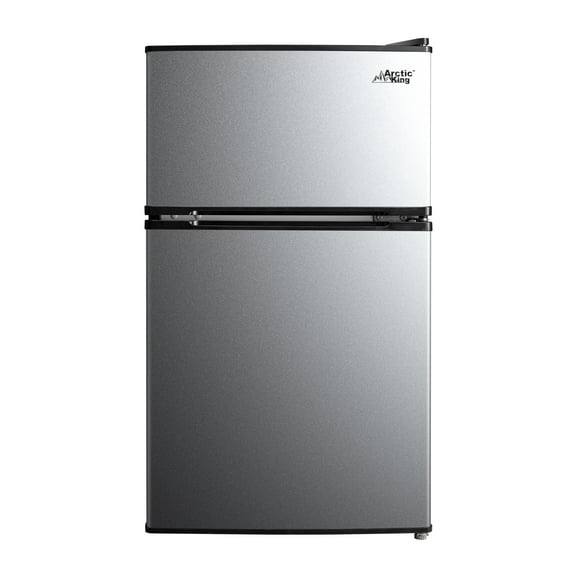
Your daily routine should guide the appliance type you pick first. You may need refrigerators for groceries, microwaves for quick meals, or compact washers and dryers for weekly laundry.
Apartment size appliances often balance a smaller exterior with useful interior organization. You can compare shelves, turntables, racks, and drum layouts to see how each inch works harder.
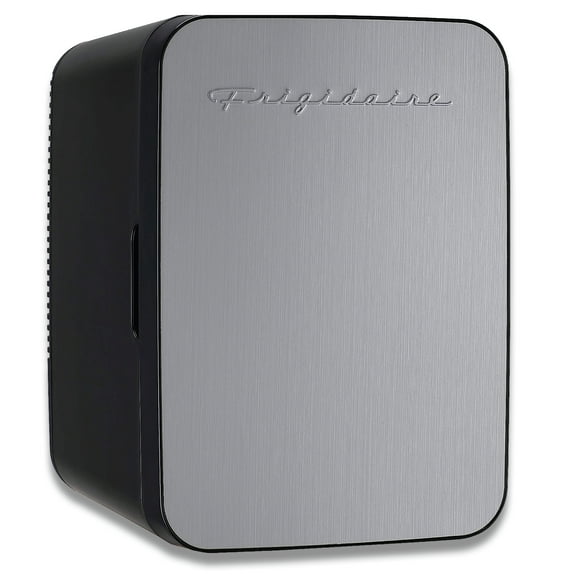
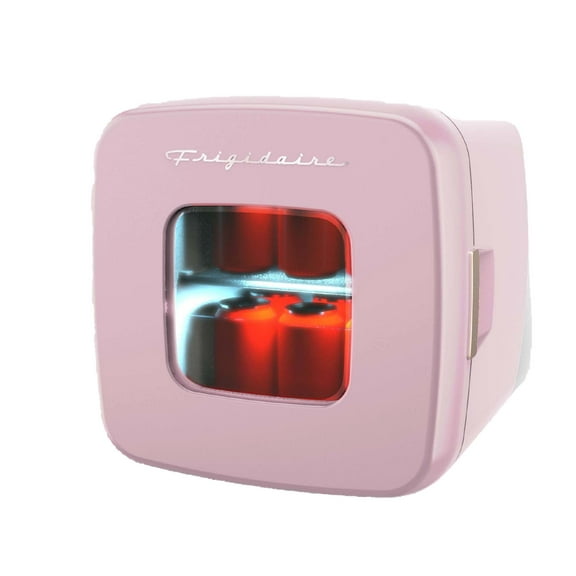
- You can use mini appliances to add cooking or cooling in dorm rooms and office break areas.
- You can choose countertop or under-counter formats when your floor space needs to stay open.
- You can compare compact or mini capacity with full-size equivalent layouts for everyday tasks.
- You can prioritize multi-use designs when one appliance needs to cover several routines.
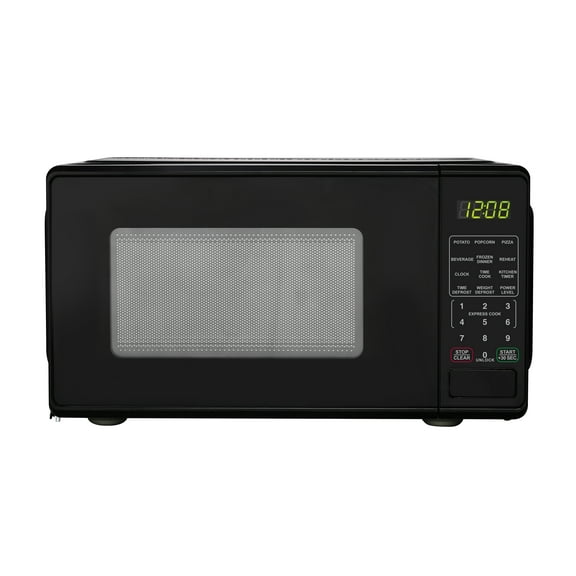
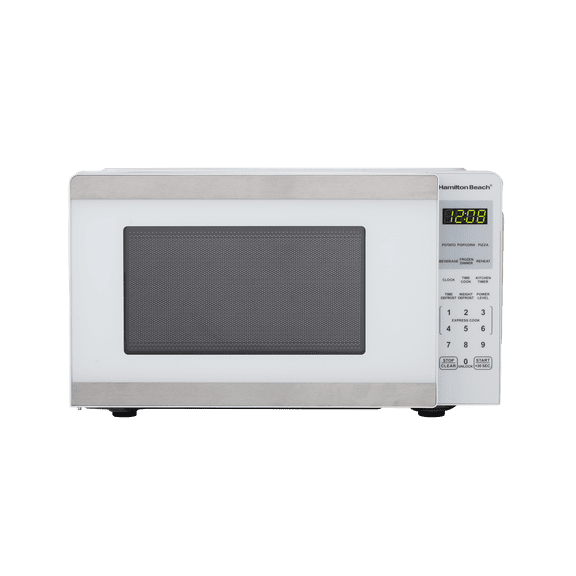
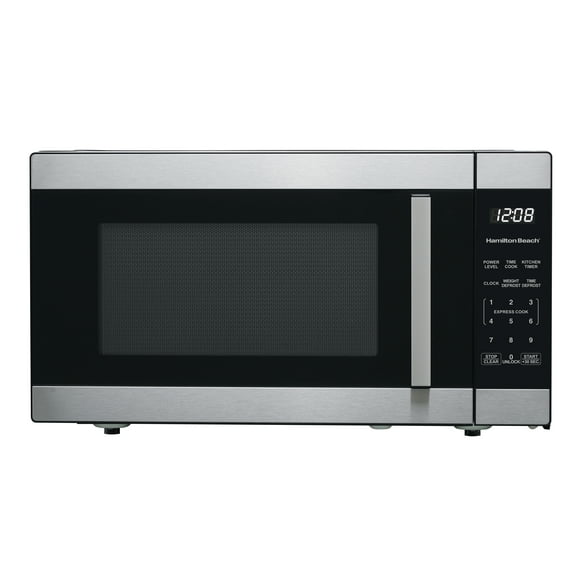
Some shoppers need one focused machine, while others need a multitasking setup. You should compare whether a compact microwave, mini fridge, or combo laundry unit handles your busiest hours.
What capacity means in a small footprint
Capacity tells you how much the appliance can hold without taking over your room. You should compare cubic feet, rack layout, or drum space with the amount you use in a normal week.
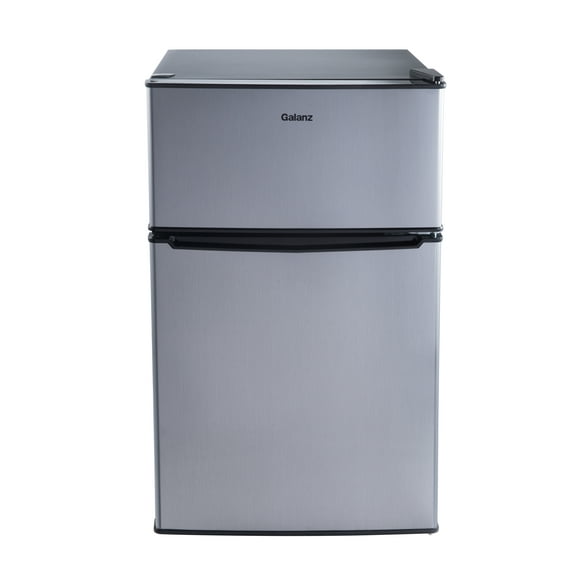
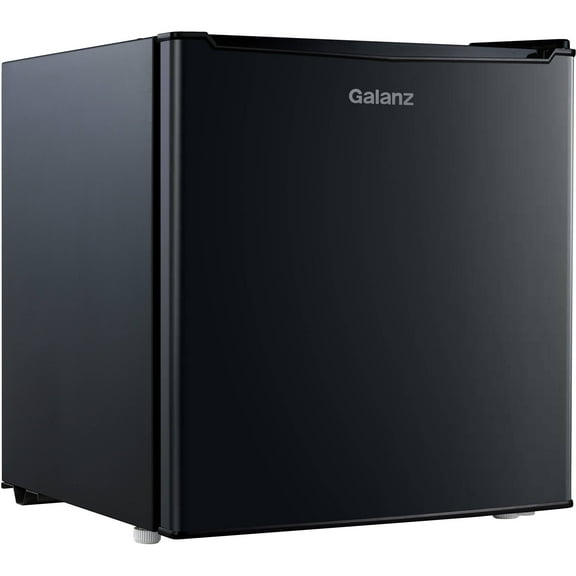
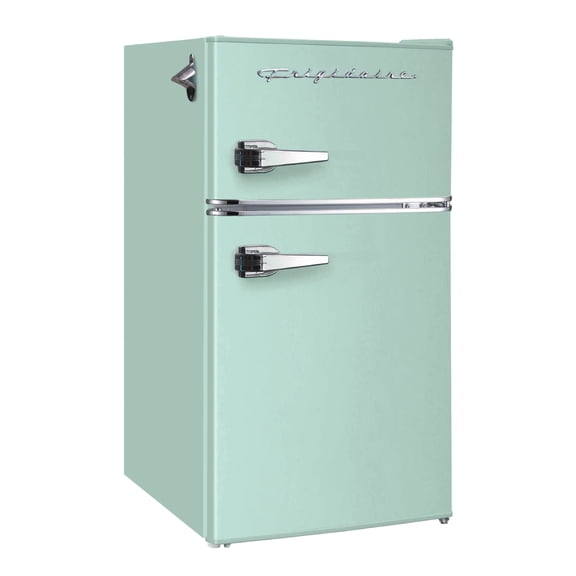
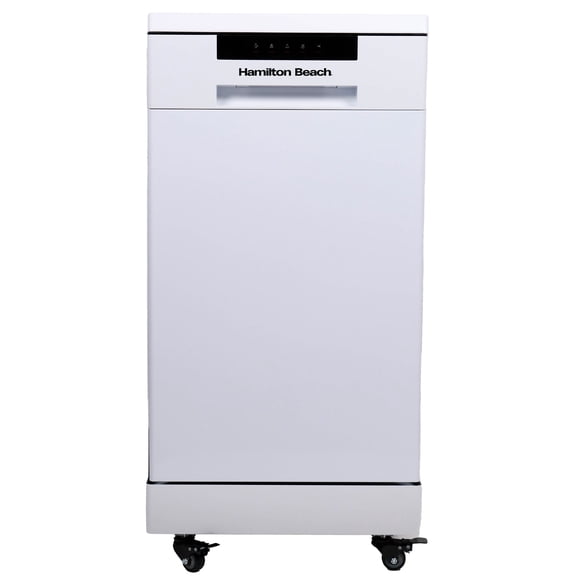
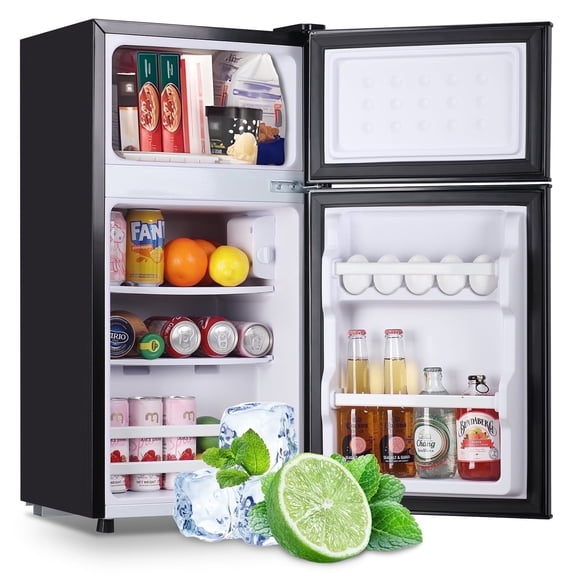
A small refrigerator may fit beverages, produce, and meal prep containers in a studio apartment. A compact dishwasher or washer may suit lighter loads when your space can't support a wider unit.
Internal design changes how roomy an appliance feels. You can look for adjustable shelves, removable bins, fold-down racks, and stacked storage that make compact kitchen appliances easier to use.
Checking power source and household compatibility
Power details can decide whether an appliance works in your space right away. You should check whether your room uses a 110V standard plug or needs a 220V connection.
Many mini appliances and countertop formats work with common household outlets. You may also find battery-operated or USB options for smaller tasks in offices, dorm desks, or travel setups.
Appliance labels often list voltage and amperage together. You should compare those numbers with your outlet type, especially if your RV, tiny home, or laundry area has limited power choices.
Comparing noise and everyday comfort
Noise matters more when your kitchen, bed, desk, and sofa share the same room. You should look for quiet operation notes or silent modes if your appliance will run near sleep or study areas.
Compact washers, dishwashers, and refrigerators can sound very different in close quarters. You can compare sound descriptions and cycle types to keep shared spaces calmer during meals, calls, or late evenings.
Placement also affects what you hear every day. You should consider solid flooring, under-counter placement, and clearance around walls because tight corners can make operation seem louder.
Matching small space appliances to where you live
Your ideal setup depends on where the appliance will live. You can compare apartment size appliances by room type, plug access, and how often you need to move them.
In a studio apartment, you may prefer under-counter refrigerators, slim microwaves, or combo laundry units. In a dorm room, you might focus on countertop formats and compact cooling for snacks and drinks.
For an RV or tiny home, you should measure every opening before delivery and check power compatibility first. In an office, you may want mini appliances that support quick lunches without taking over shared counters.
Small space appliances work well when each choice reflects your layout, power, and routine. You can feel more confident when your appliance fits cleanly, runs on the right connection, and supports daily tasks.