





Outdoor-tech






























About
Outdoor technology helps you stay powered, connected, and prepared when your plans take you beyond easy outlets and steady weather. You can compare power options, weather resistance, connectivity, and durability in one place, so your gear fits hiking, camping, paddling, and tailgating.
If you need devices that work outside, you should look beyond everyday indoor gadgets. You may want outdoor-focused designs with sealed ports, long battery life, GPS tools, and rugged builds that handle movement and changing conditions.
How to choose outdoor technology for your plans
When you compare outdoor technology, you should start with where and how you’ll use it. Your trip length, pack space, and access to charging can shape which device type fits your needs.
For short outings, you may want lightweight gear that slips into a daypack pocket. For longer trips, you should consider larger batteries, solar support, and navigation features that work when your phone signal drops.
- You should choose solar power when your trip keeps you away from outlets for long stretches.
- You may prefer a rechargeable battery when you want simple charging before a weekend outing.
- You should consider dual-power options when you want backup flexibility in changing conditions.
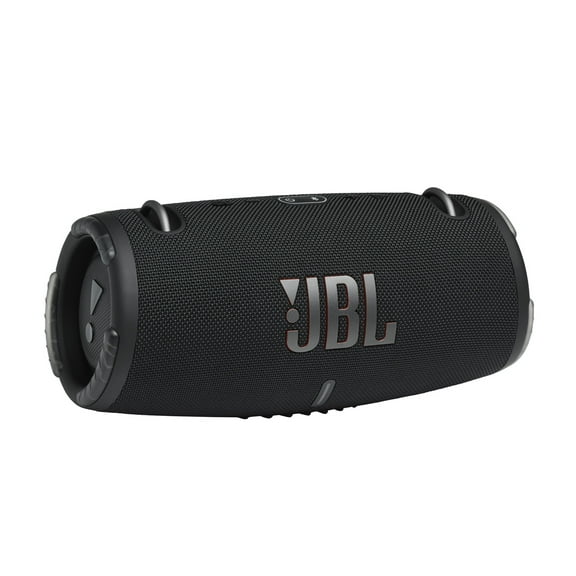
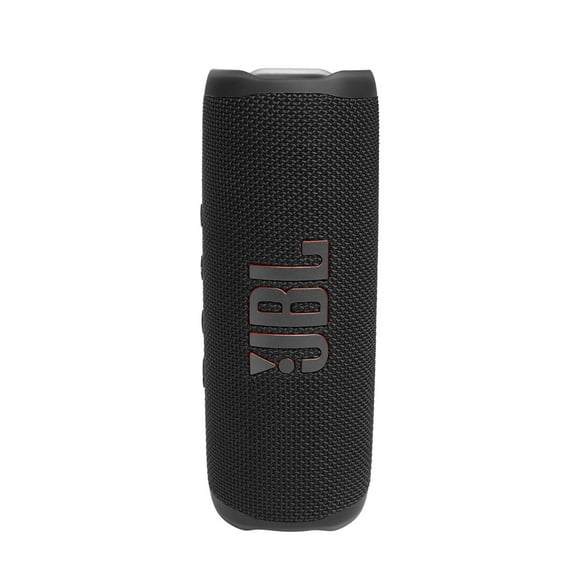
- You may want waterproof or IPX7 rated designs if your gear may face splashes, rain, or brief submersion.
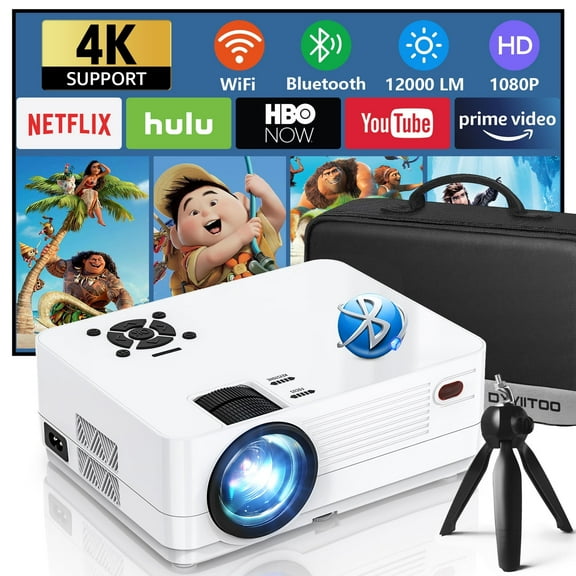
- You should compare Bluetooth, GPS enabled, satellite link, and Wi-Fi options based on how independently your device needs to work.
- You may want shockproof or ruggedized construction when your gear rides in packs, boats, or truck beds.
Choosing the right power source
You should match the power source to your trip length and charging access. Your decision often comes down to solar power, rechargeable battery setups, or dual-power designs.
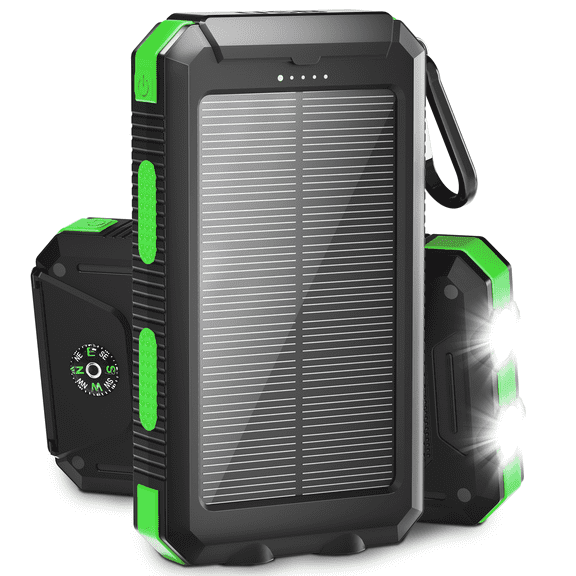
Solar charging helps you top off compatible devices when you’re far from a wall outlet. You should still check panel size and charging speed, because larger panels usually collect more energy in direct sun.
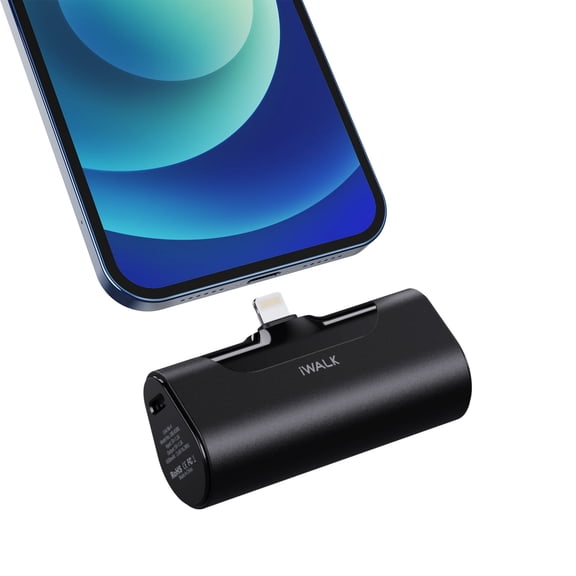
Rechargeable battery models work well when you can fully charge before leaving home. You should compare battery capacity in mAh, because higher numbers usually mean more stored power.
Dual-power options give you added flexibility for longer outings and changing weather. You can keep using your device through one source while another source recharges or stands by.
Understanding weather resistance and IPX ratings
You should think about whether your device will face drizzle, dust, boat spray, or stream crossings. Your weather needs can determine whether weatherproof, dustproof, waterproof, or IPX7 rated gear fits your routine.
IPX ratings tell you how well a device handles water exposure. You can treat higher IPX numbers as stronger water resistance, with IPX7 often indicating protection during brief submersion.
If you camp in mild weather, you may only need basic weatherproof housing and covered ports. If you paddle, fish, or camp through storms, you should look for waterproof seals and tighter construction.
Dustproof designs matter when your routes include trails, beaches, and dry campsites. You can notice sealed buttons and protected charging areas can help outdoor devices stay functional in gritty environments.
Comparing connectivity and navigation options
You should choose connectivity based on whether your device depends on your phone or works on its own. Your options may include Bluetooth, GPS enabled tools, satellite link support, or Wi-Fi features.
Bluetooth works well when you want simple pairing with a nearby phone or tablet. You should check range expectations, because shorter-range connections fit camp use while longer range helps around larger sites.
GPS enabled devices help you track location without relying only on a cellular signal. You may also see GPS and GLONASS support, and you should read that as broader satellite positioning coverage.
Satellite link options matter when your plans take you far beyond standard phone coverage. You should compare whether a device sends location data, supports messaging functions, or mainly extends navigation confidence.
What durability details should you compare
You should consider how often your gear gets dropped, packed tightly, or exposed to rough handling. Your shortlist may include shockproof, ruggedized, or military-grade designs built for active outdoor use.
Shockproof construction can matter when your device rides in a pack beside metal tools or cookware. You should look for reinforced corners, grippy housings, and secure port covers that hold up during travel.
Ruggedized builds often add thicker outer shells and sturdier frames for repeated use outdoors. You should also compare weight in ounces or grams, because stronger protection can add bulk to your load.
If you backpack, you may prefer lighter gear with balanced durability and packability. If you car camp, you can choose larger devices with bigger batteries and heavier housings more comfortably.
Matching outdoor tech gear to real use cases
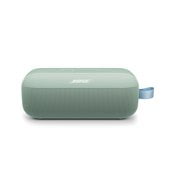
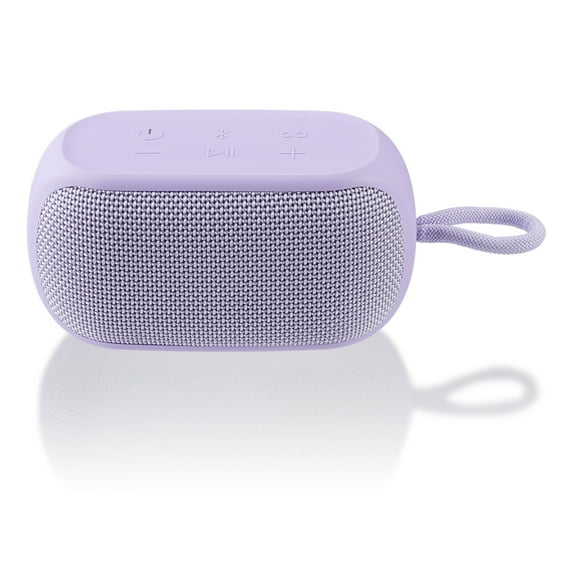
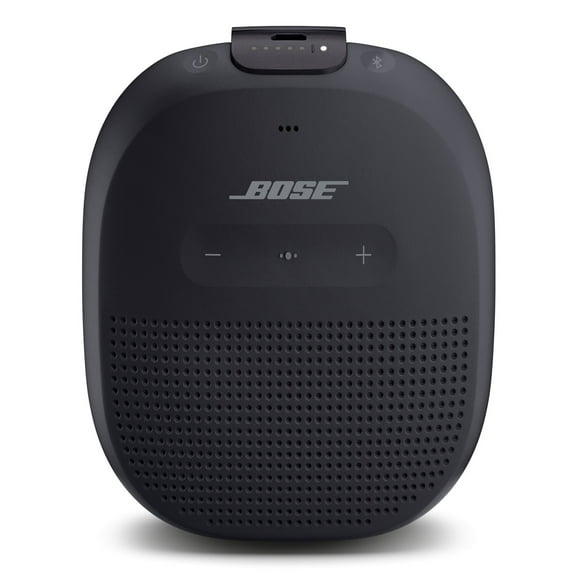
You can pair compact rechargeable devices with Bluetooth for tailgates, picnics, and short campground stays. You can get easy portability when your priority is simple setup and light packing.
For backpacking trips, you should look for low-weight gear with efficient batteries and reliable GPS support. Your pack can feel easier to manage when each ounce and charging choice serves a purpose.
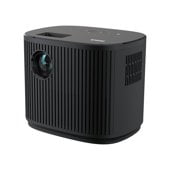
If you camp from your vehicle, you can consider larger battery banks, dual-power units, and broader connectivity options. You can have more room for bigger devices that support longer evenings outside.
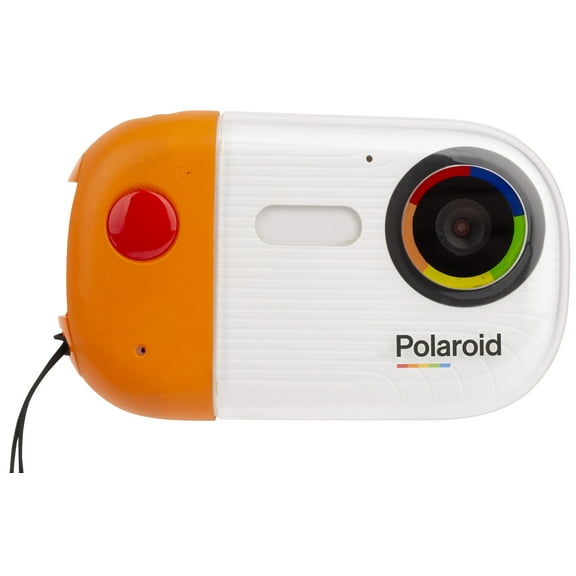
For paddling, beach days, and fishing trips, you should prioritize waterproof or IPX7 rated designs. Your gear can make more sense when it can handle wet surfaces, splashes, and changing skies.
When your route takes you farther from familiar areas, you should compare GPS enabled and satellite link options closely. You can feel more prepared when your navigation tools keep working beyond ordinary phone coverage.
With the right outdoor technology, you can choose gear that matches your power needs, weather exposure, and connection style. You can make a smarter pick when you compare IPX ratings, battery capacity, and rugged design before heading out.