

Home Furniture, Bedding & Home Decor
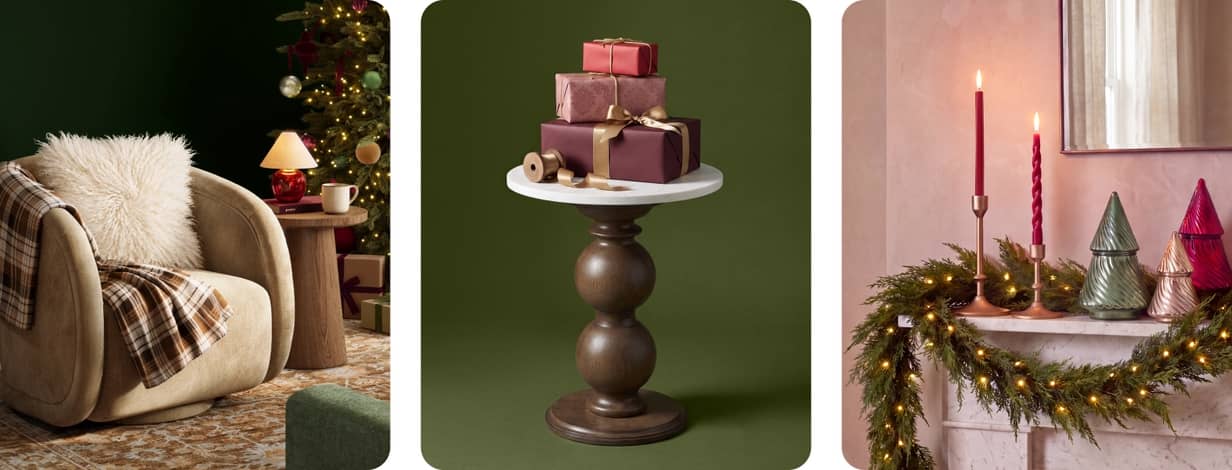
Merry & bright home decor
Bring cheer to every corner.
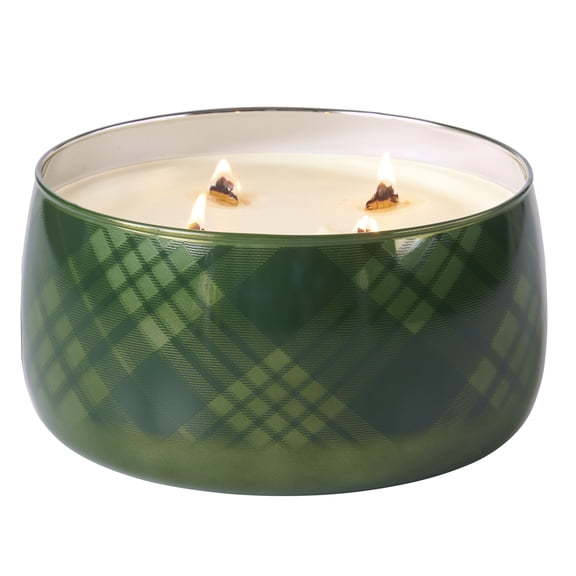

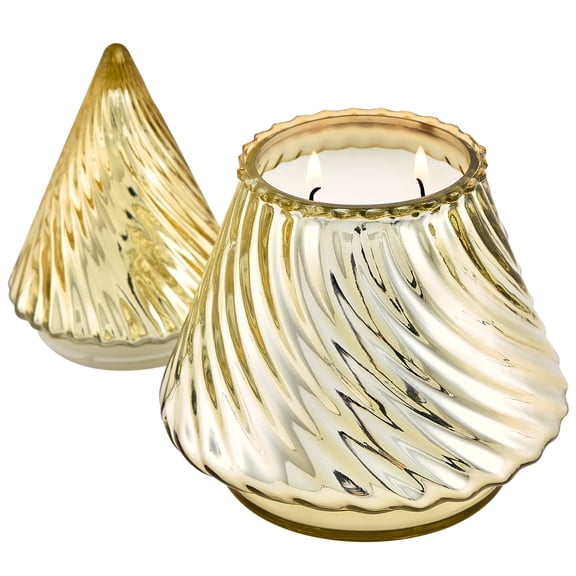
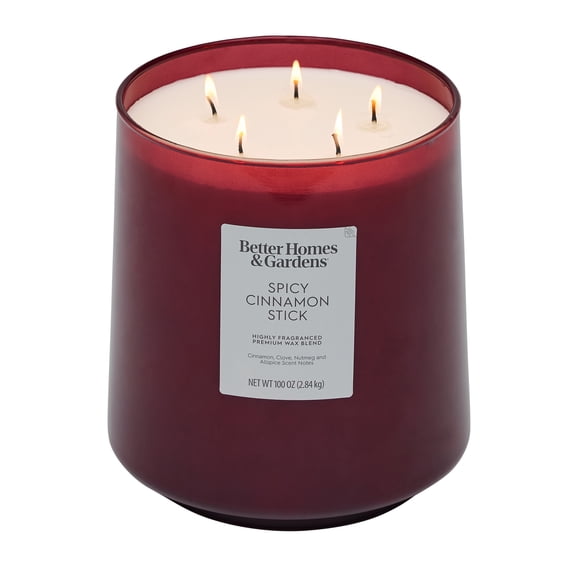
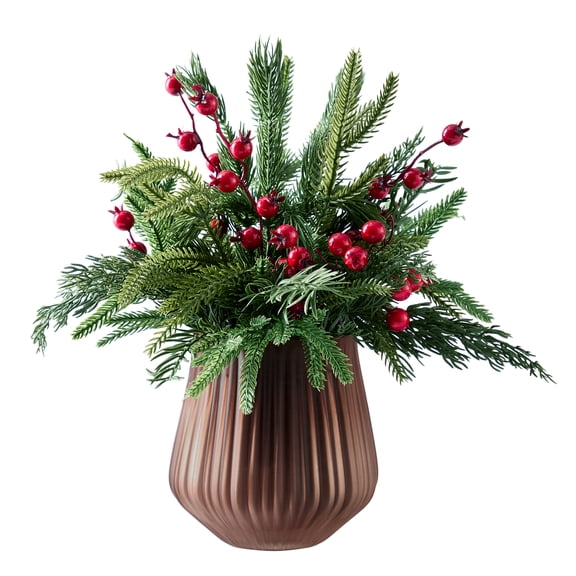
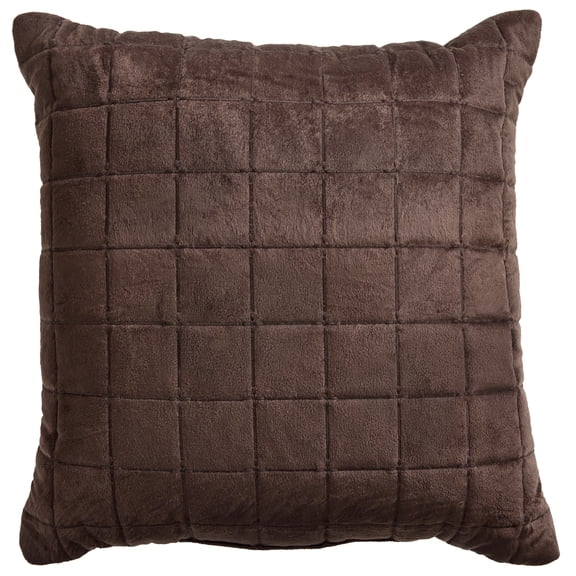
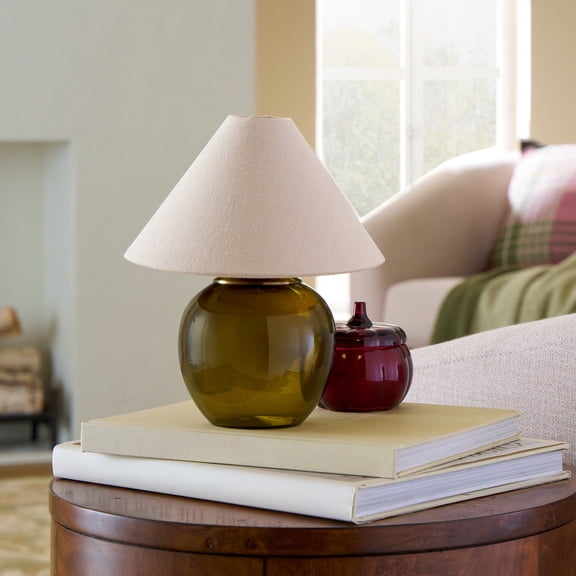
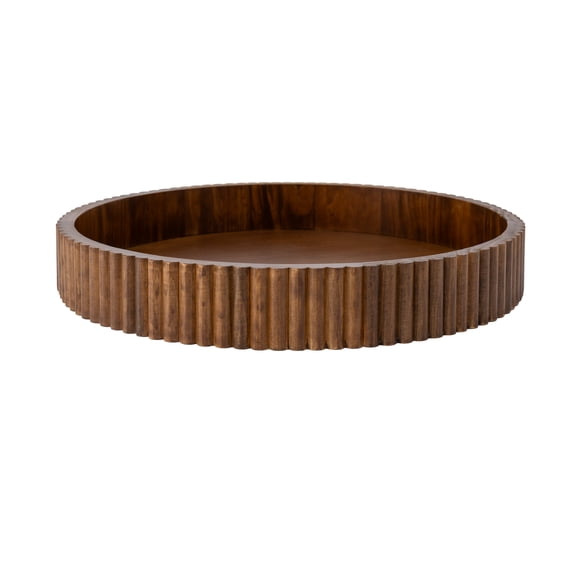

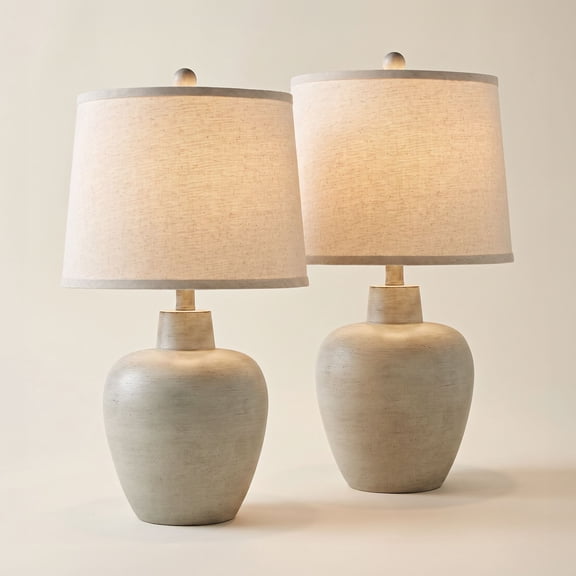
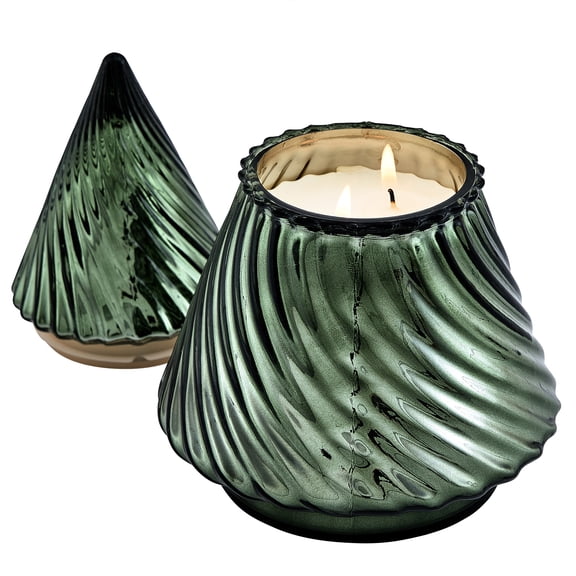
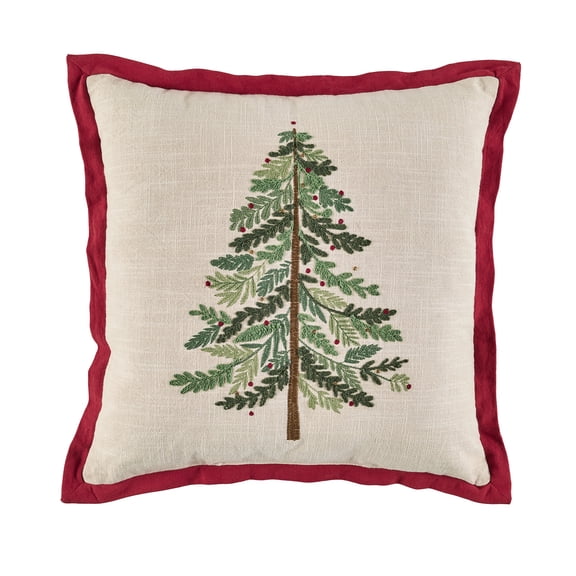
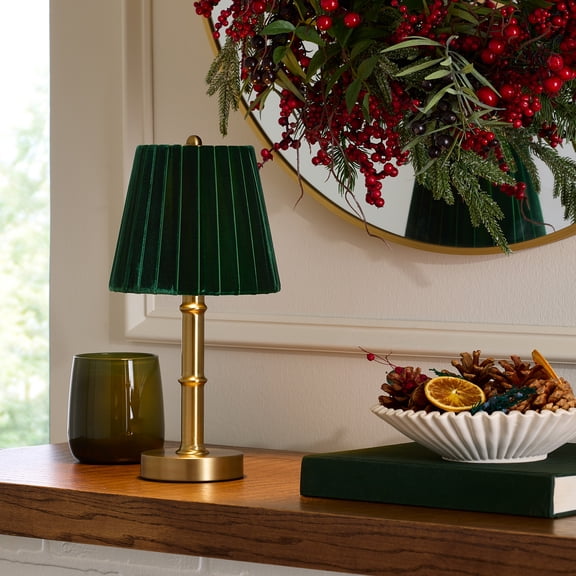
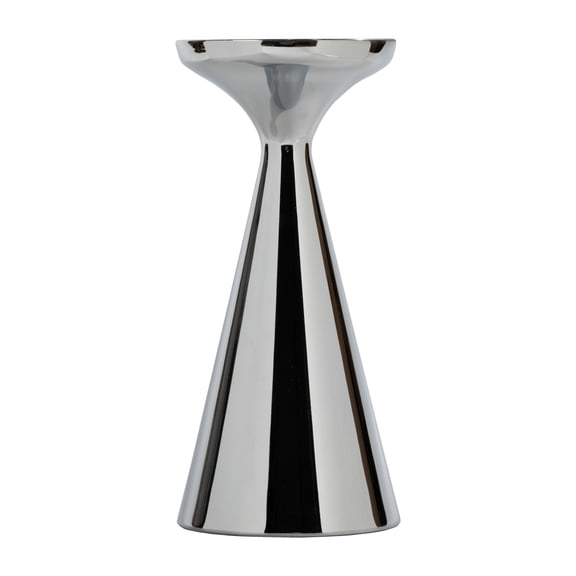

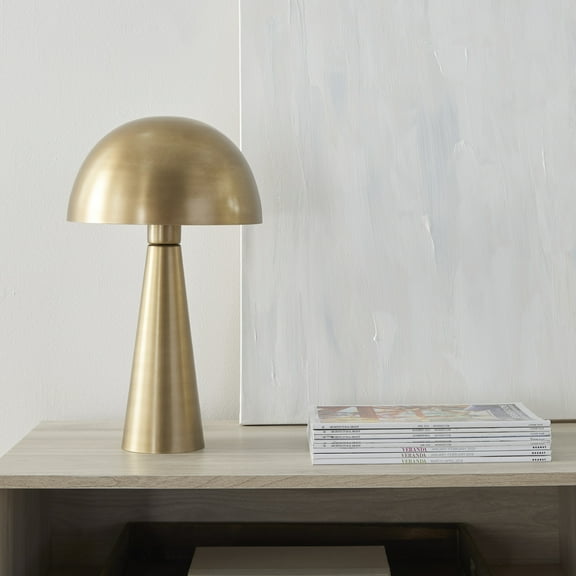
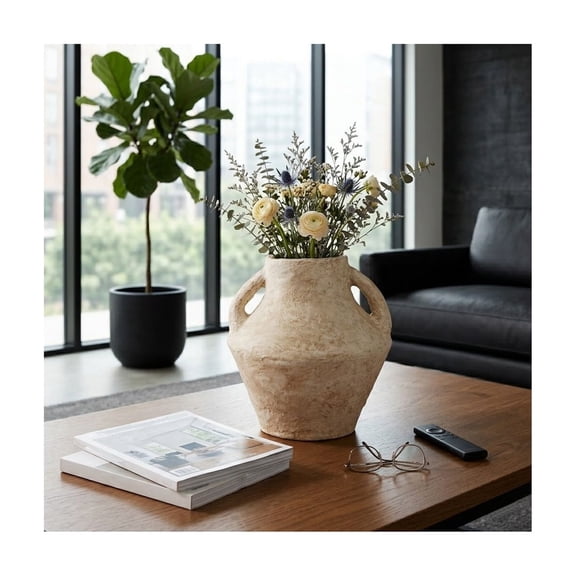

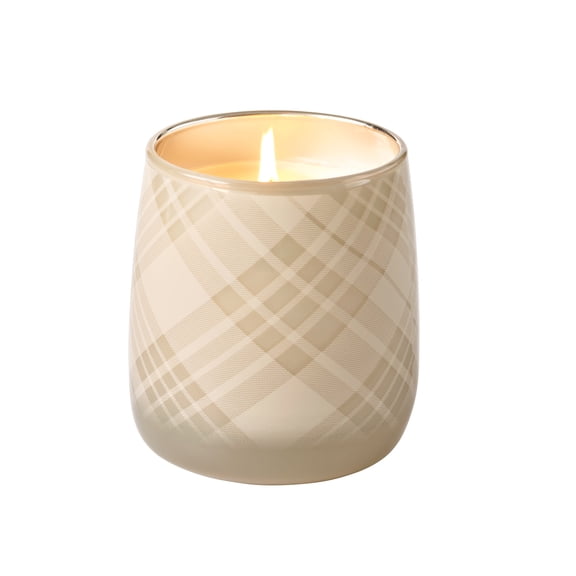
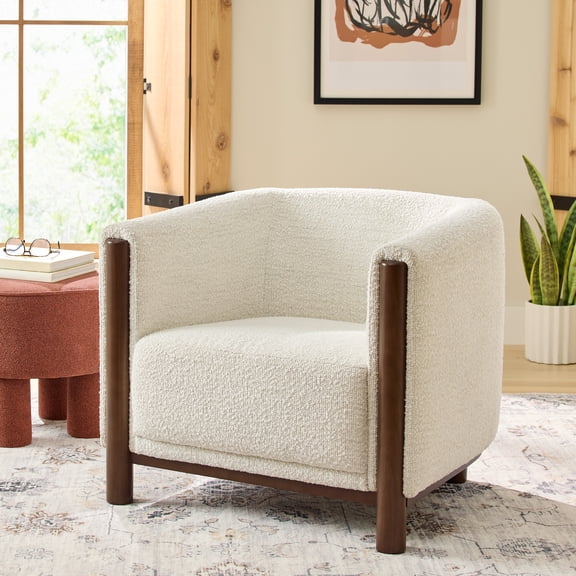
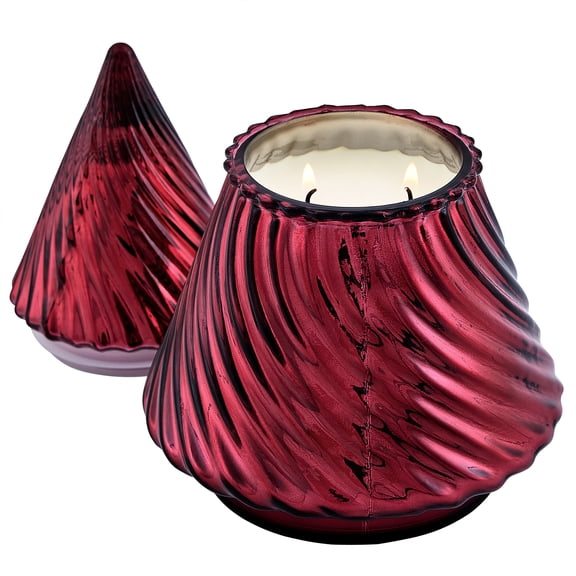

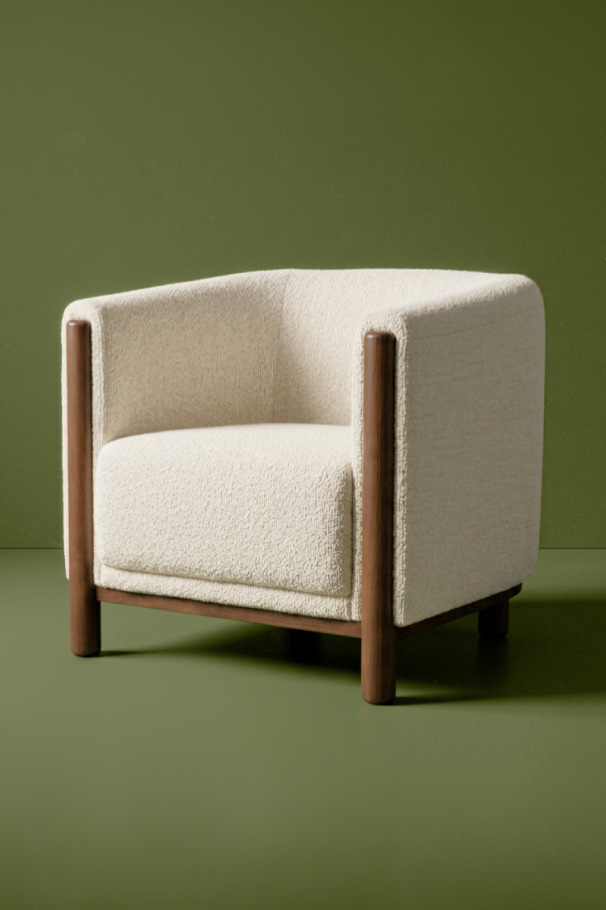
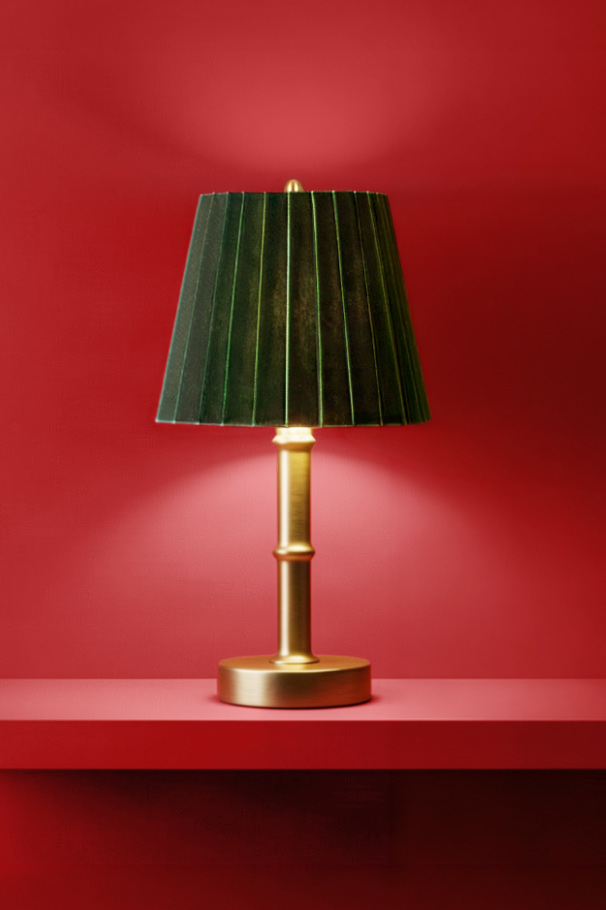
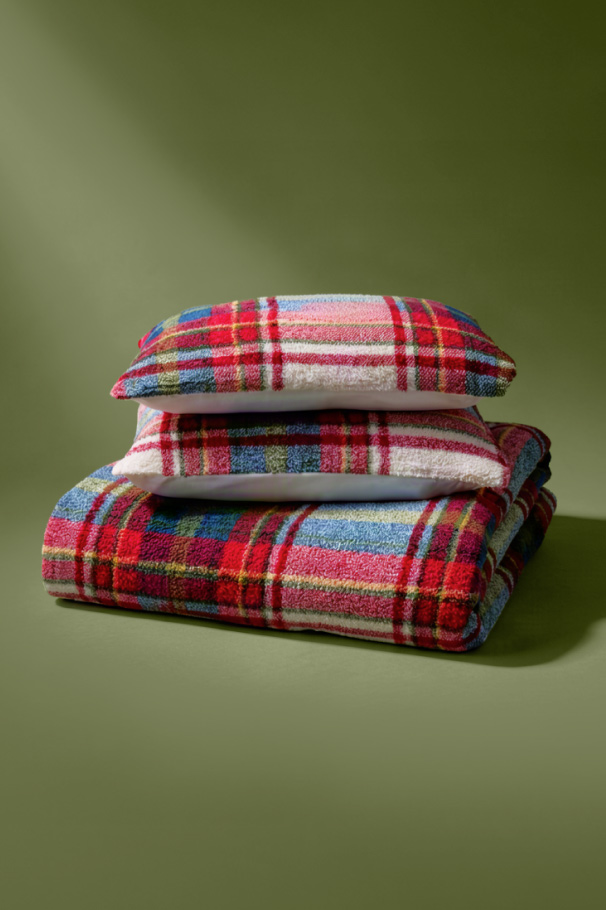
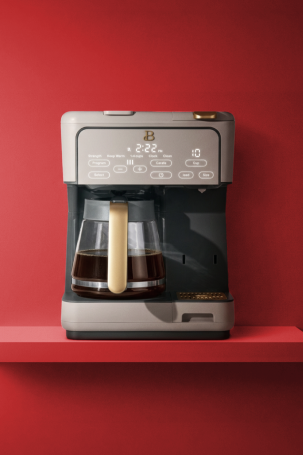

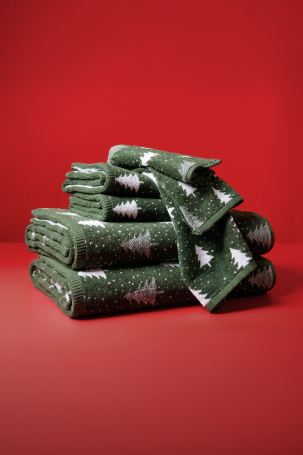
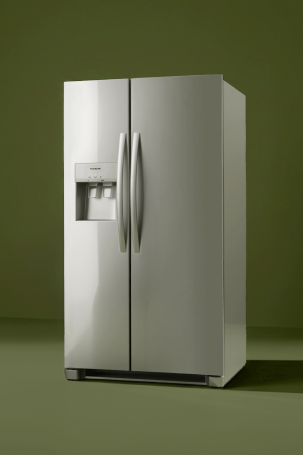
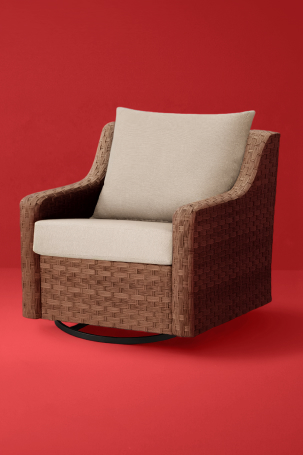
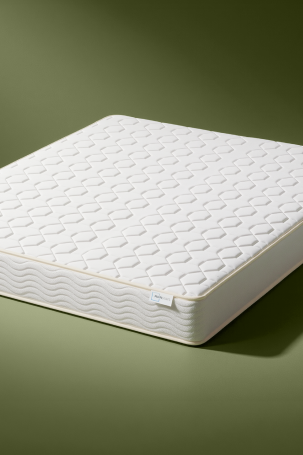


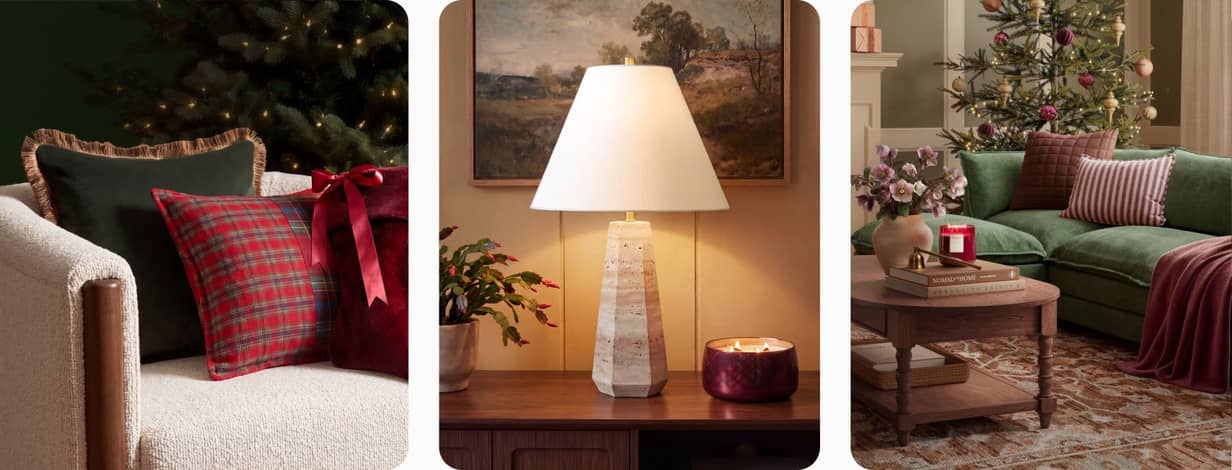
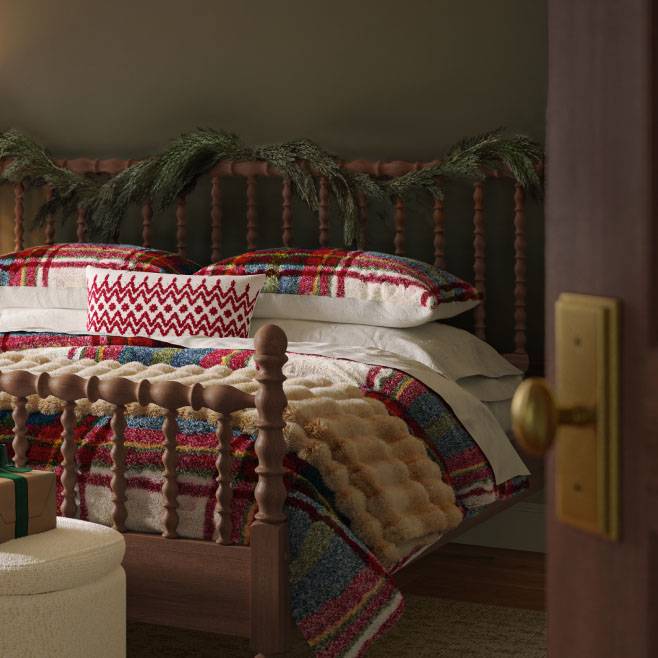
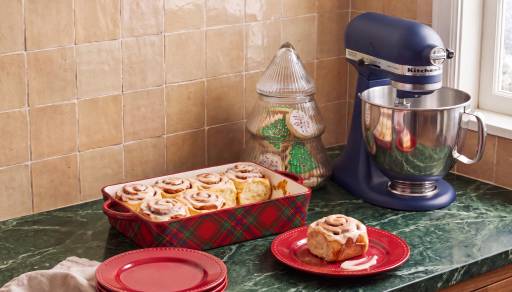
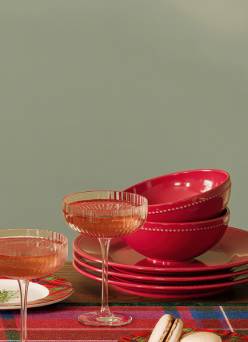
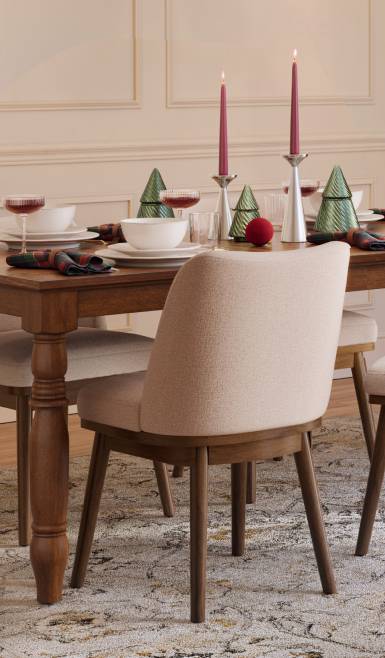

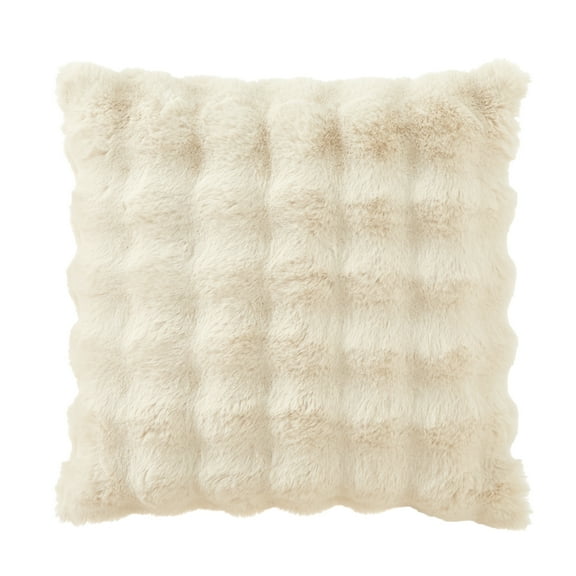
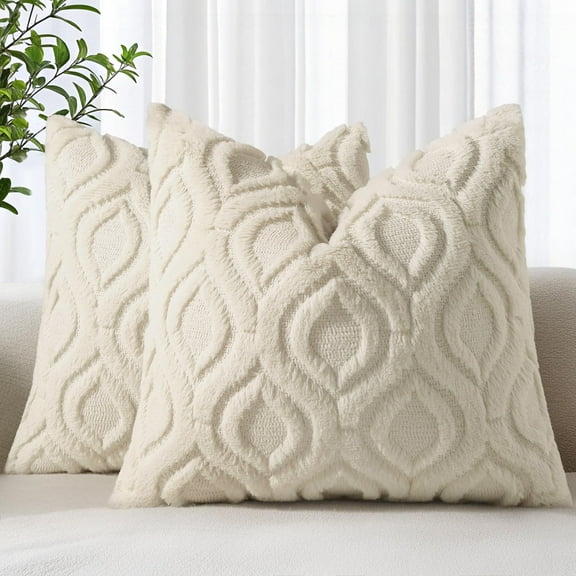
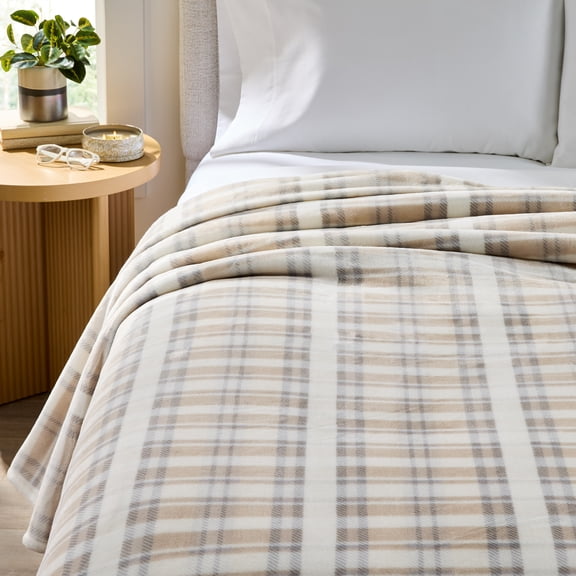
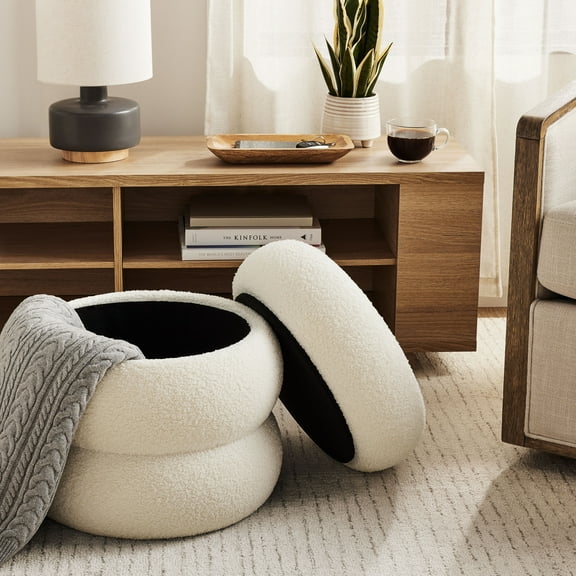
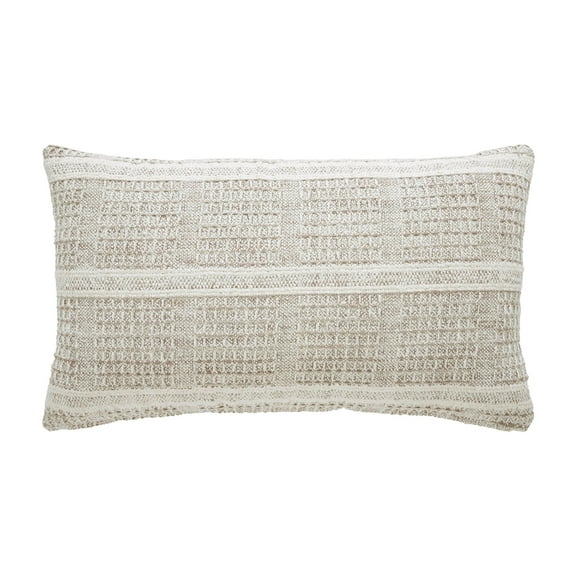
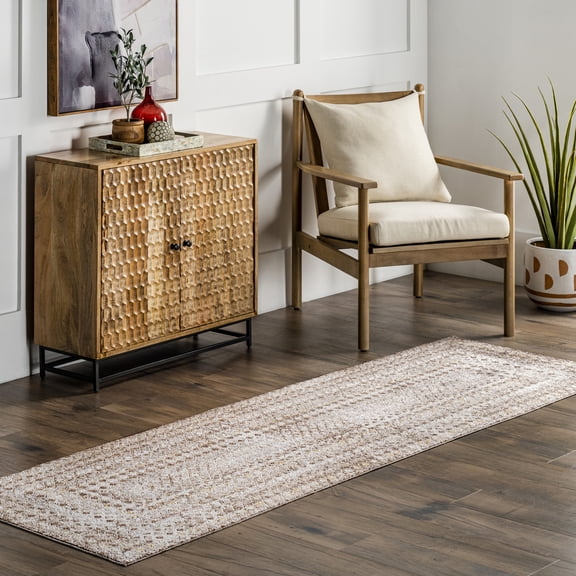

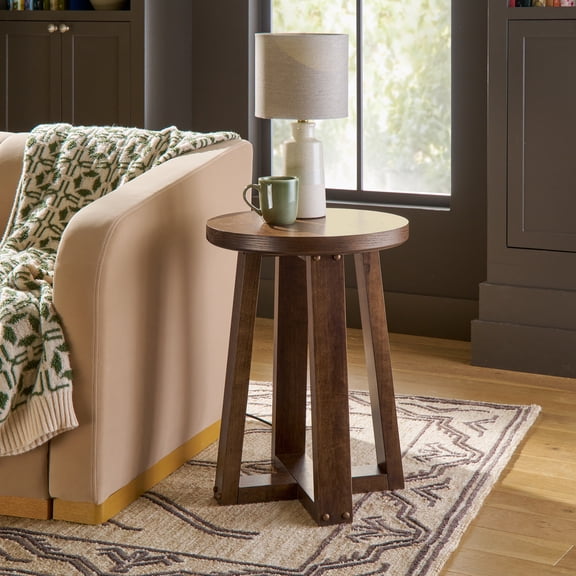
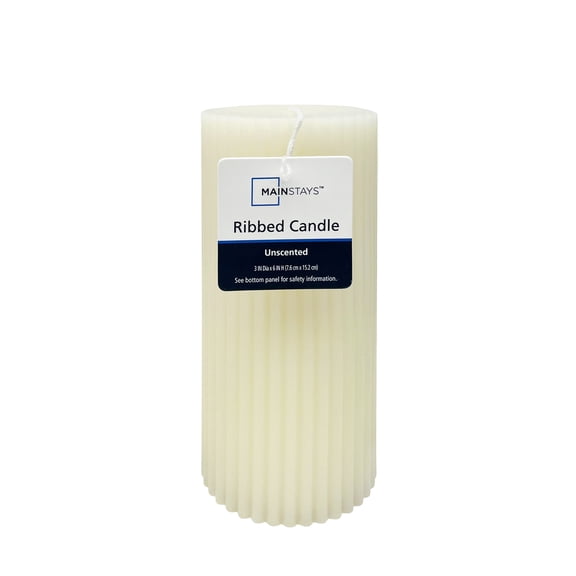
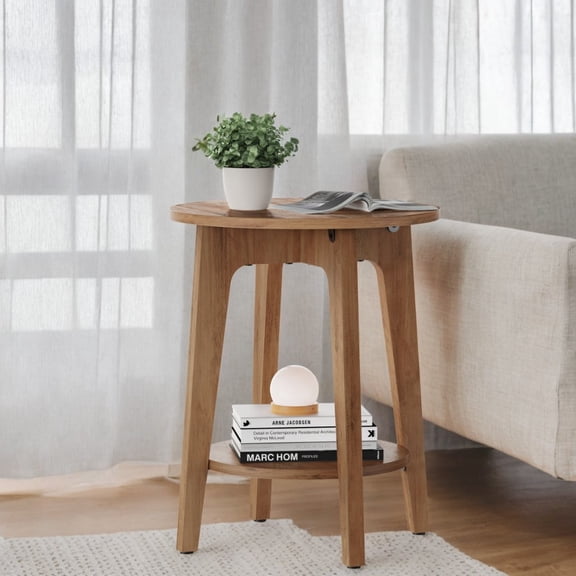
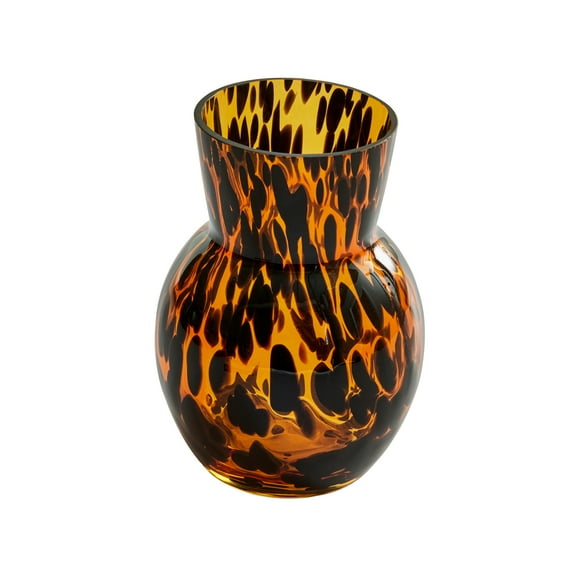

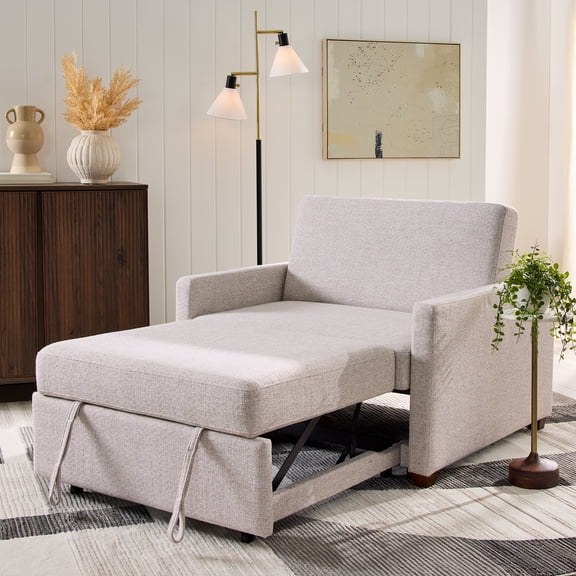
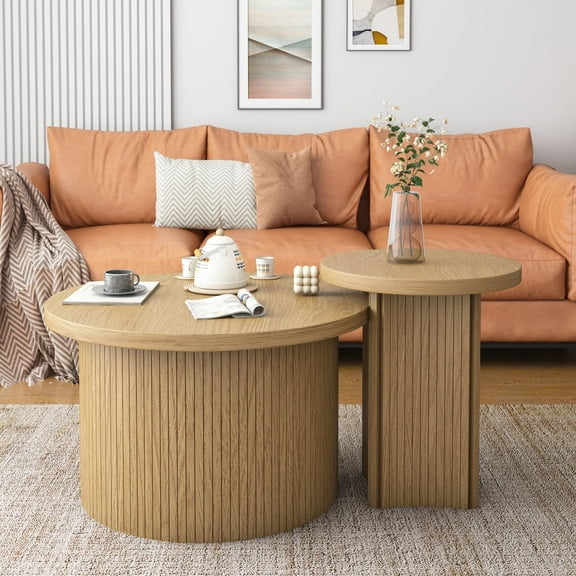
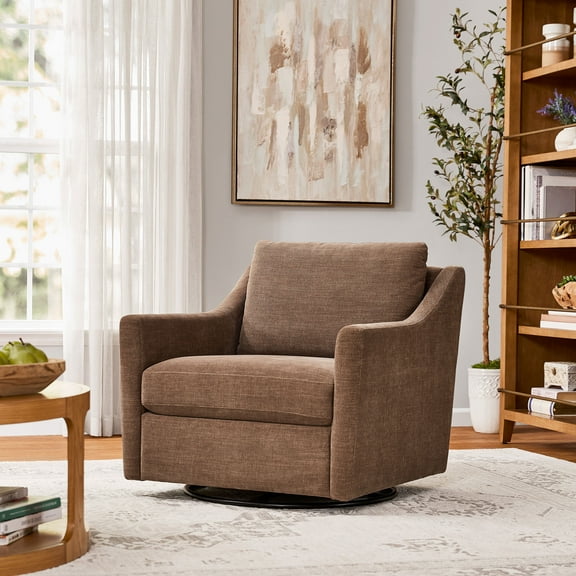
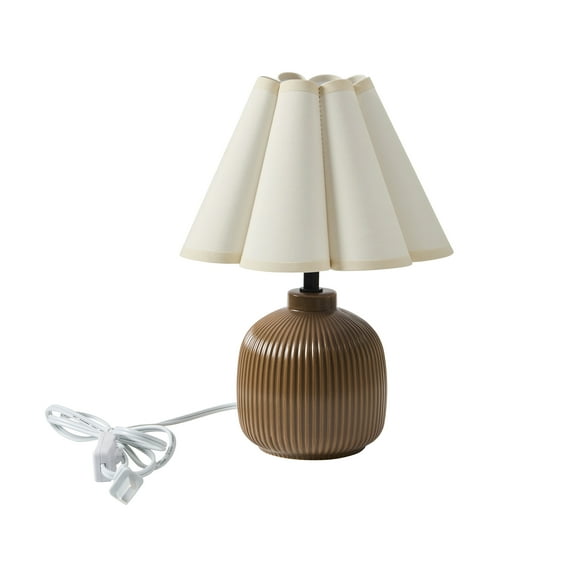
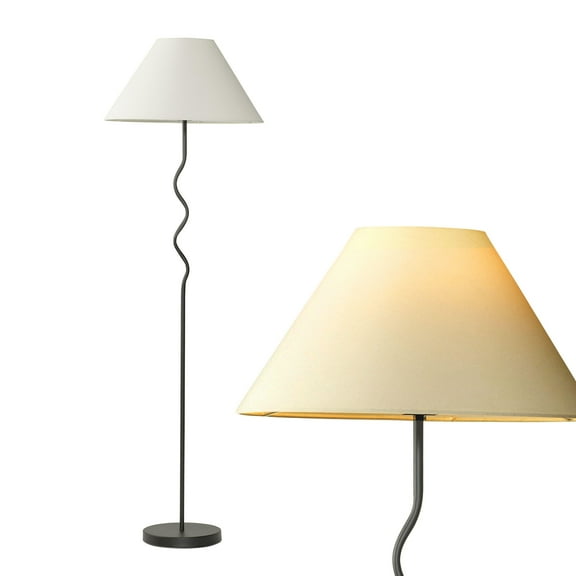

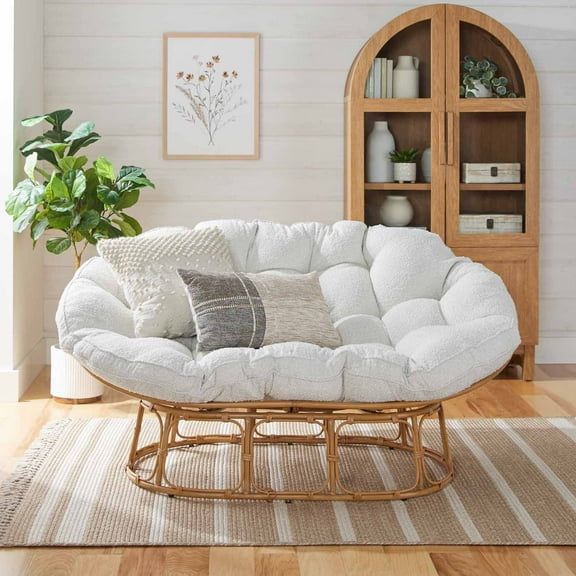
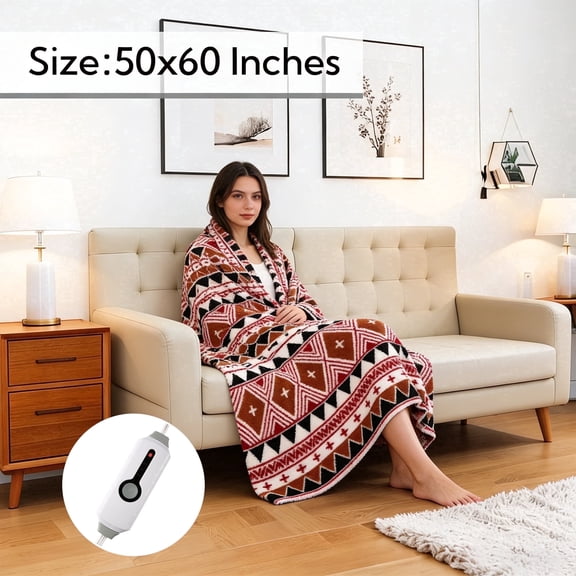
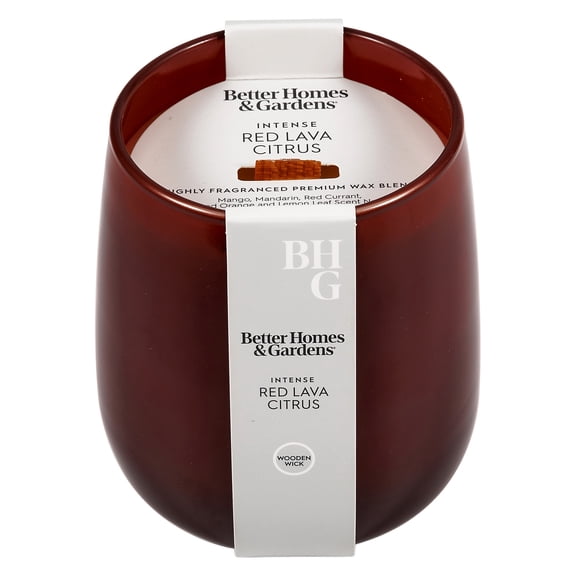
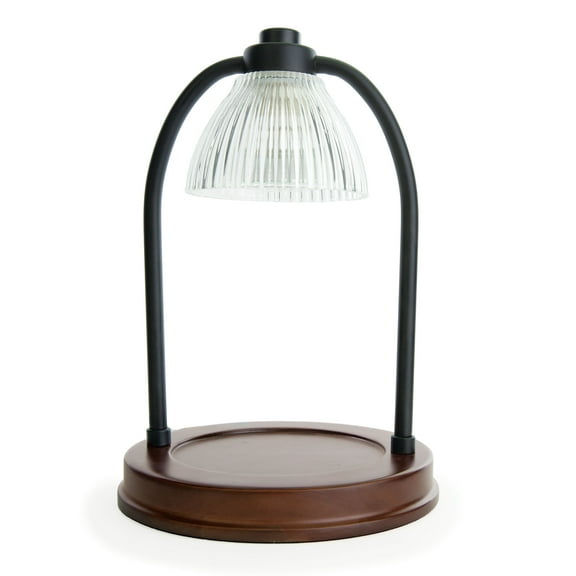
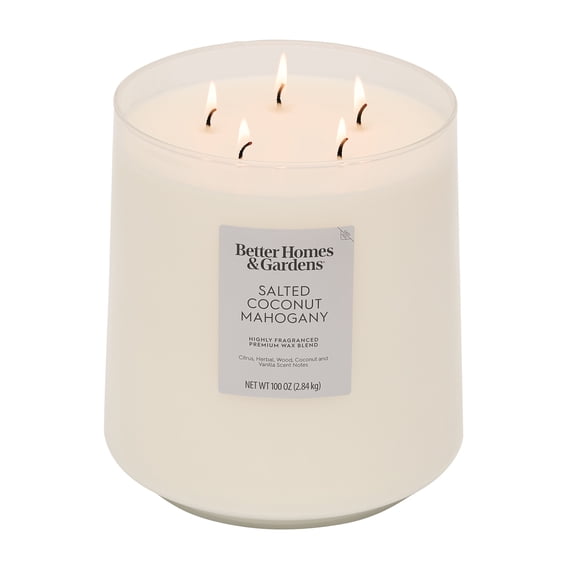
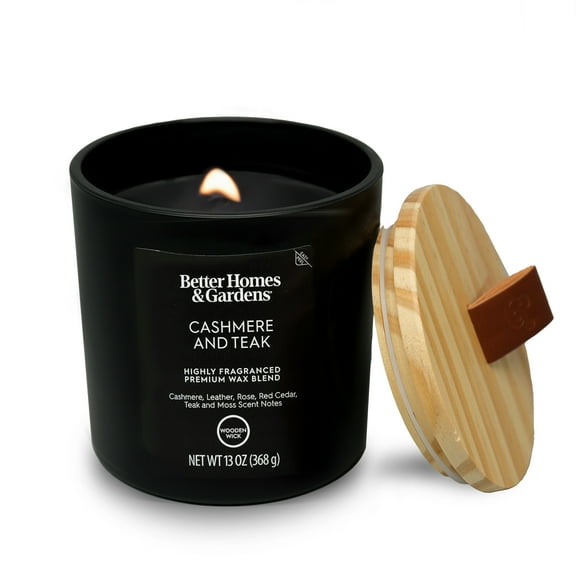
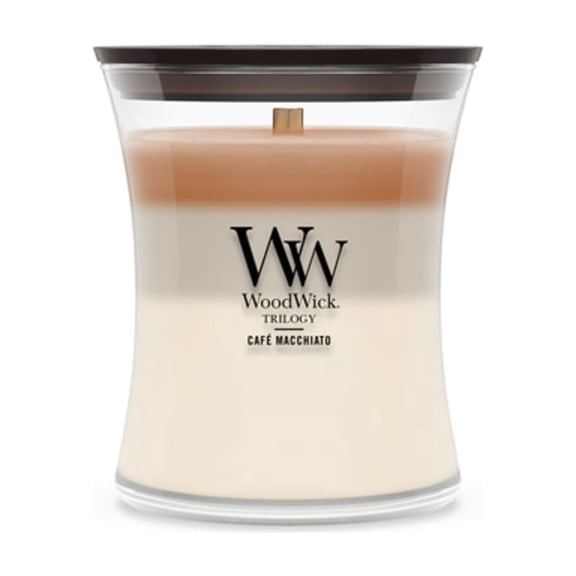
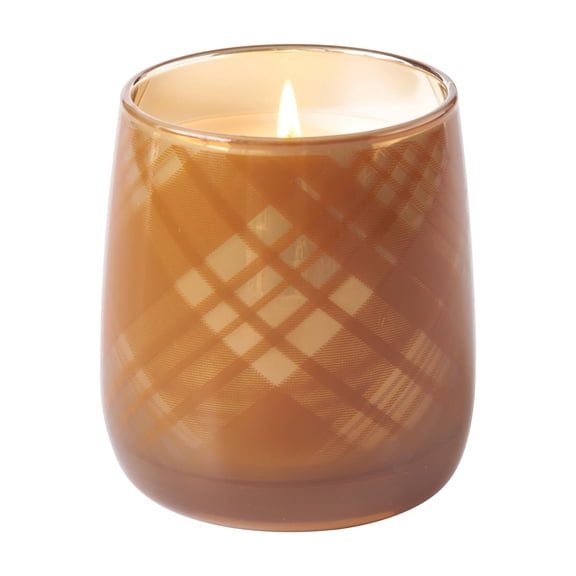
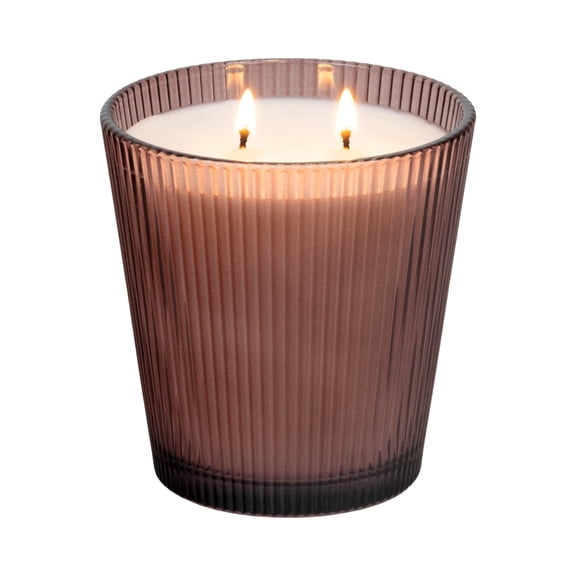
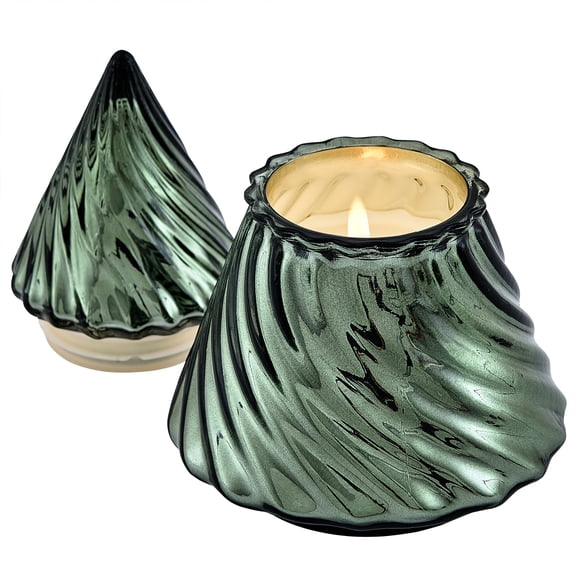
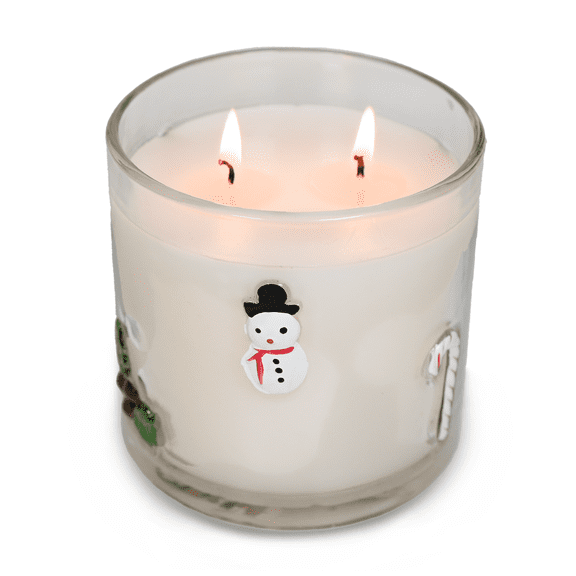
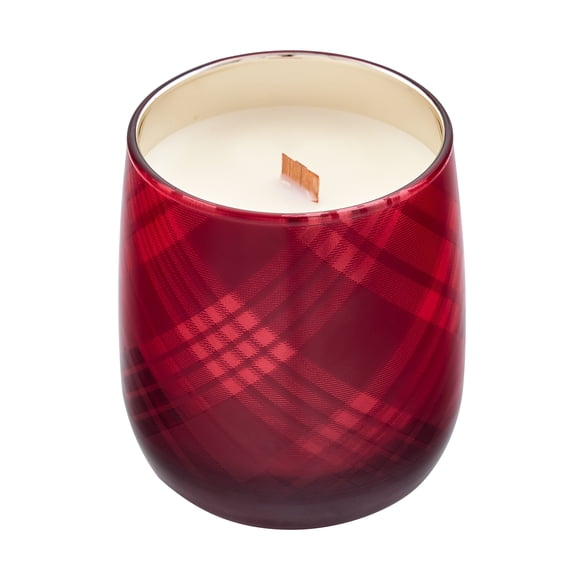
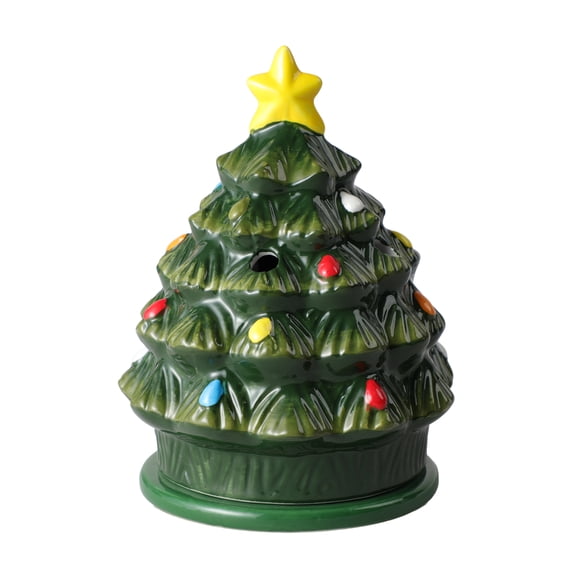
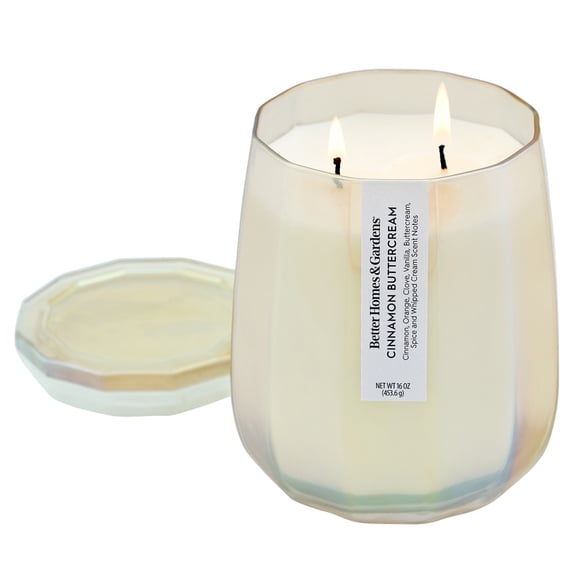
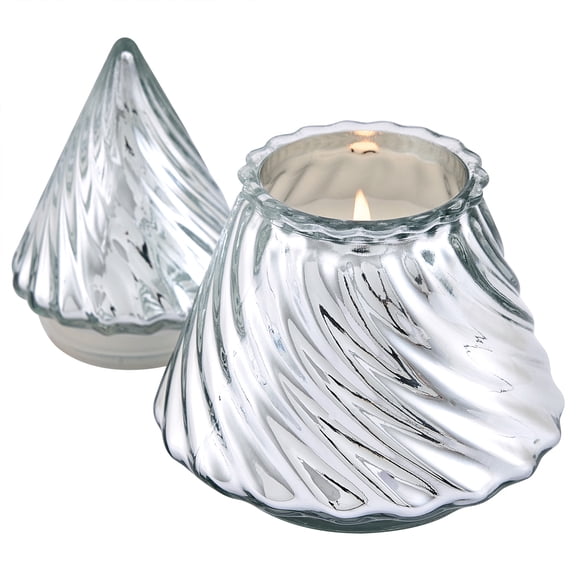
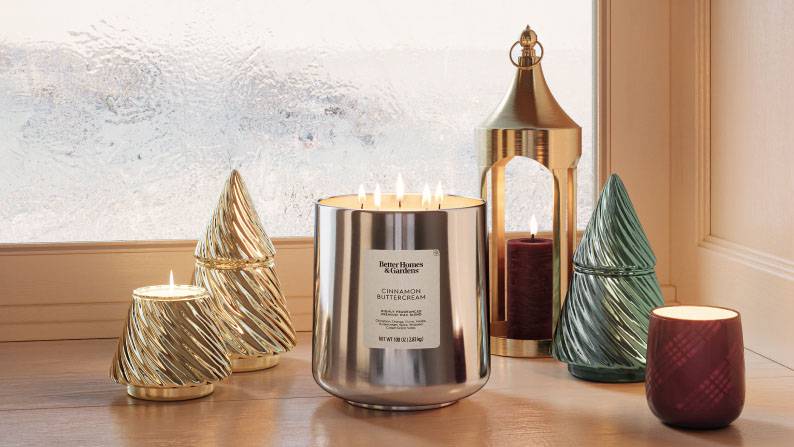
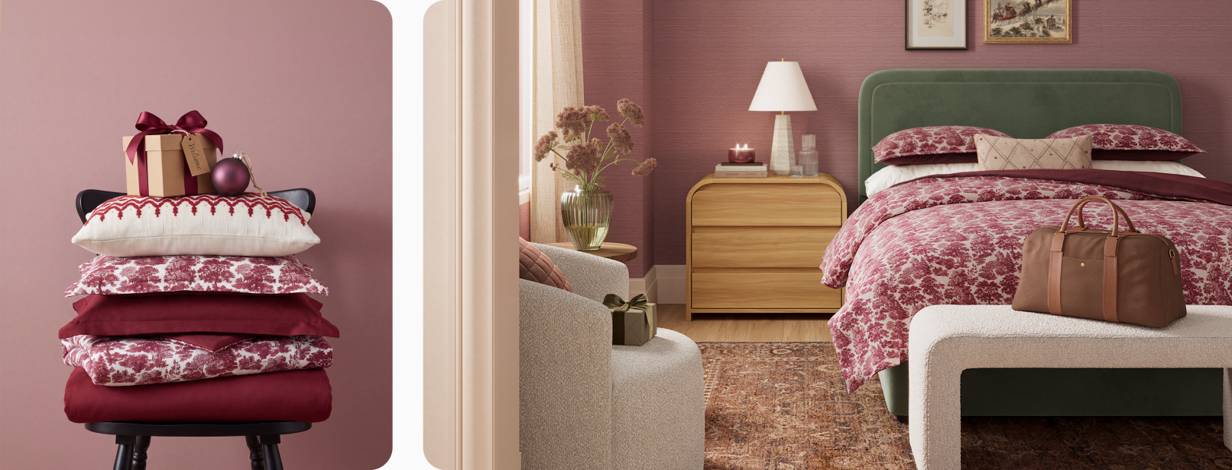


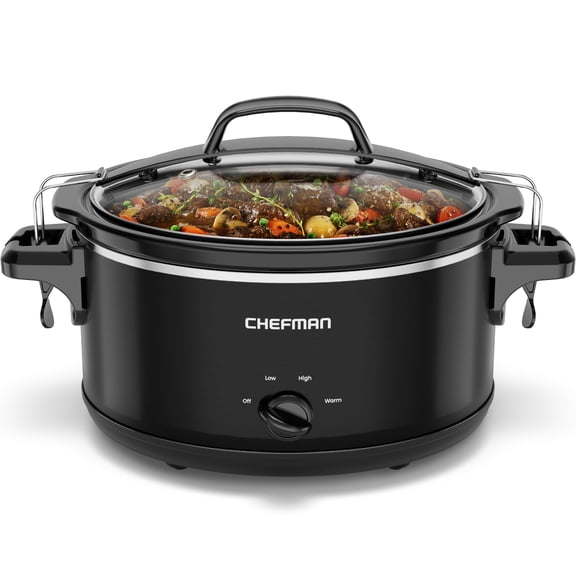
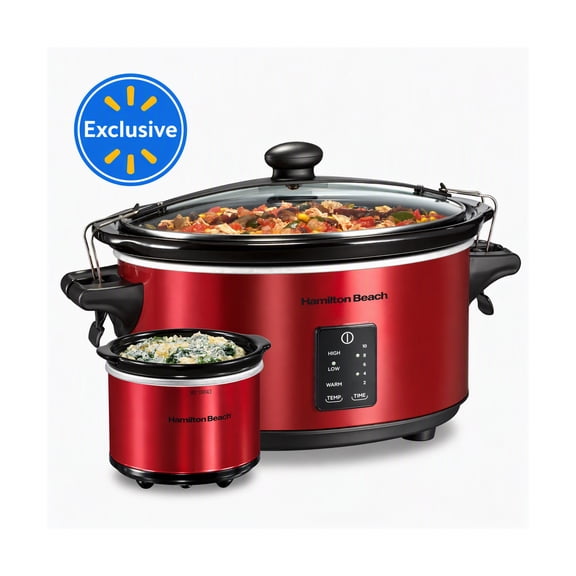
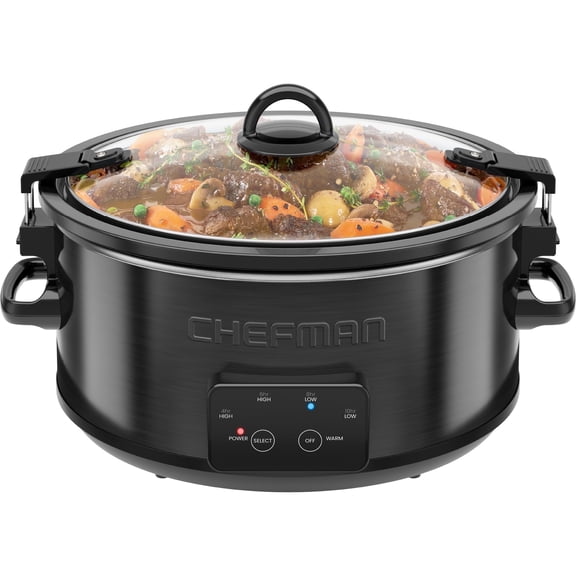
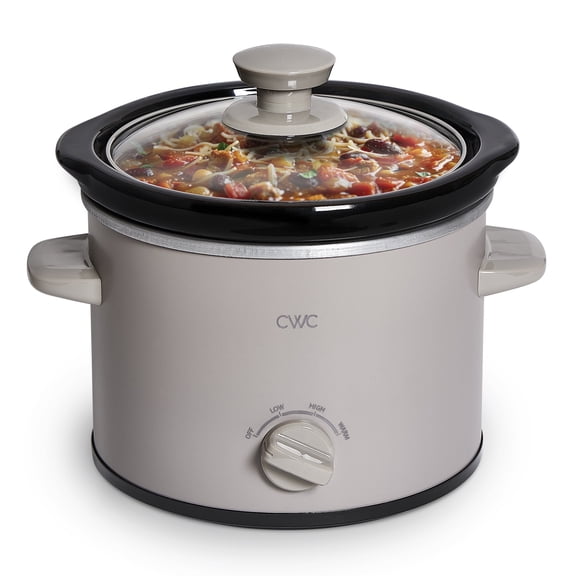
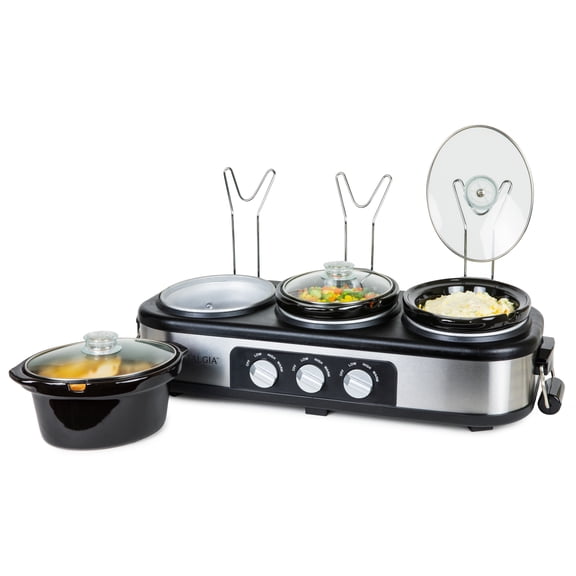

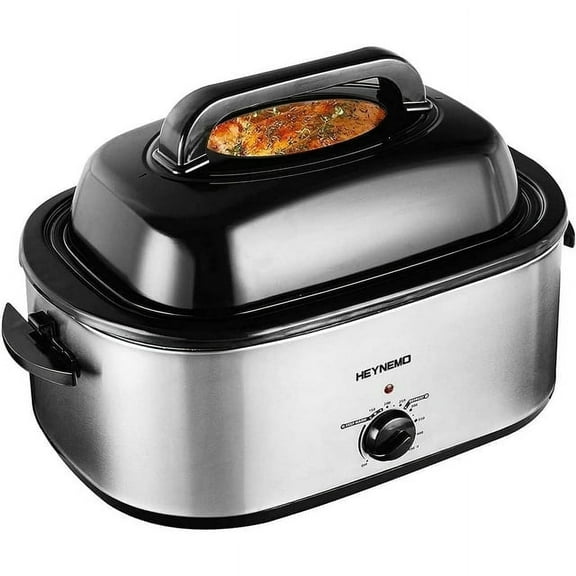
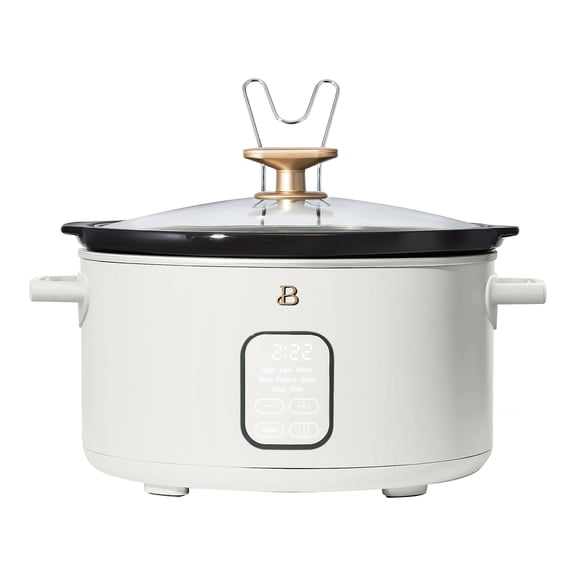
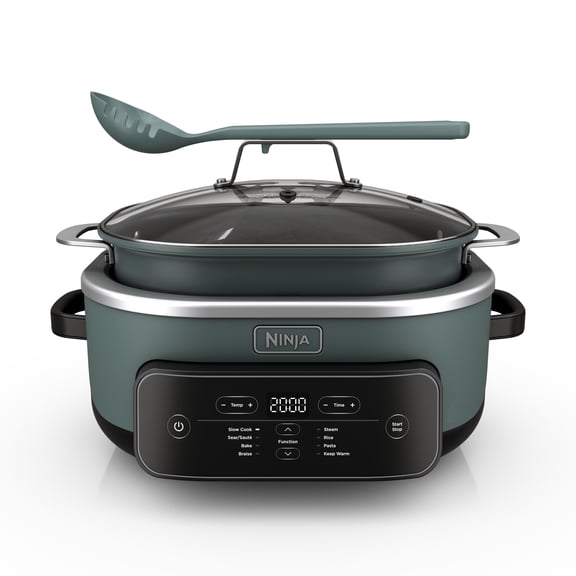
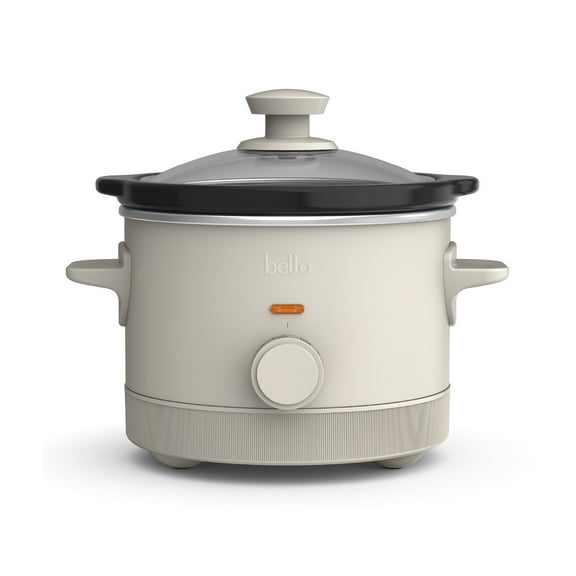
Holiday home edit
























FAQ
About Home Furniture, Bedding & Home Decor - Walmart.com
You can refresh your home one room at a time, choosing pieces that fit your style, your space, and the way you actually live. Whether you are setting up a first apartment, updating a family room, or adding small touches that make a space feel finished, thoughtful home decor helps tie everything together. The goal is not to buy everything at once, but to make choices that work for your layout and your daily routines.
Use this guide to think through each part of your home, from the furniture you sit on to the bedding you sleep in. A little planning makes it easier to pick pieces that work well together.
Start With Your Furniture and Layout
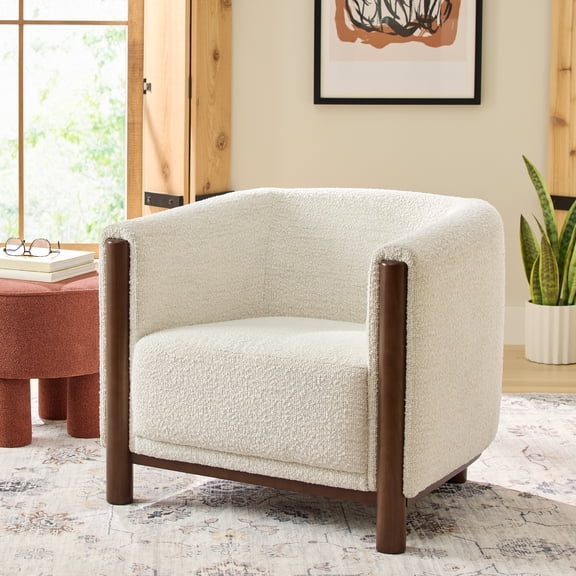
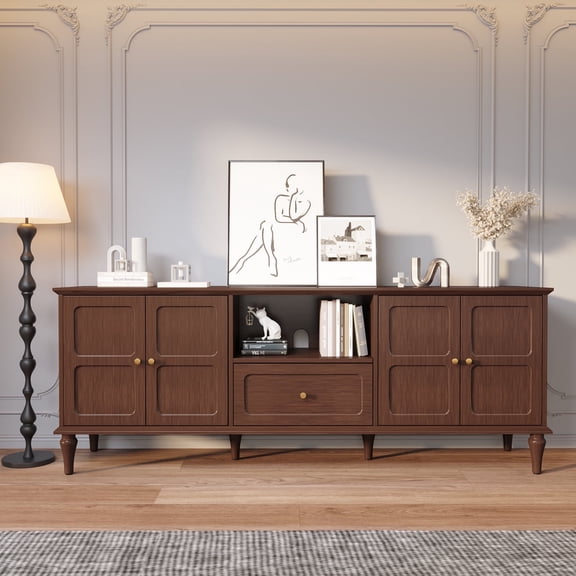
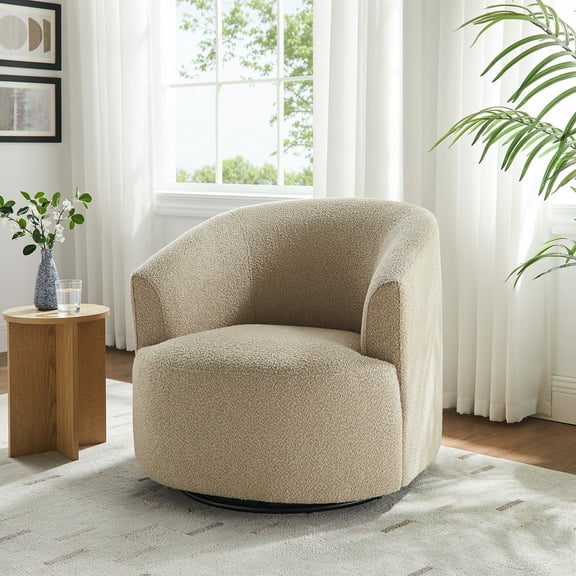
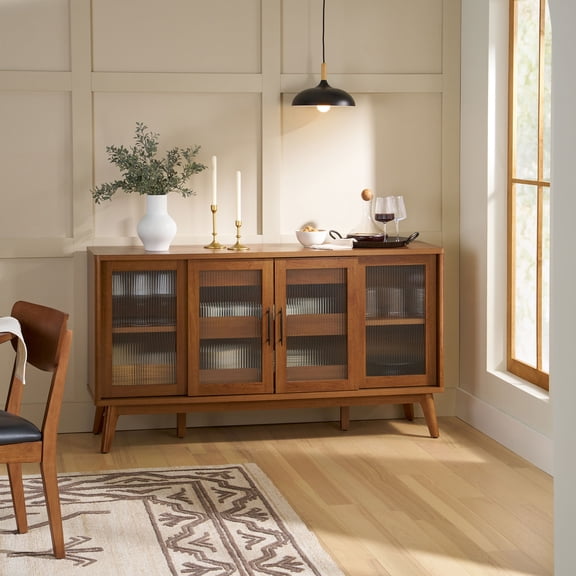
Furniture sets the foundation for every room, so it helps to start there before layering in home decor. Measure your space first, including doorways and hallways, so you know what will fit. Think about how each piece earns its place: a sofa anchors a living room, a table shapes a dining area, and storage furniture keeps clutter out of sight.
As you compare home furniture options, keep these points in mind:
- Match the scale of each piece to the room so nothing feels crowded or lost.
- Consider materials and finishes that suit your household, including pets and young children.
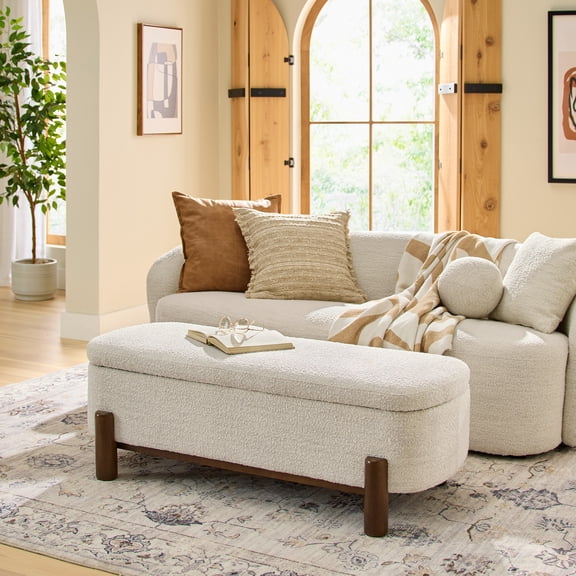
- Look for pieces that do more than one job, such as an ottoman with hidden storage.
- Choose neutral foundations when you want flexibility to change accents later.
Layer In Home Decor That Reflects You
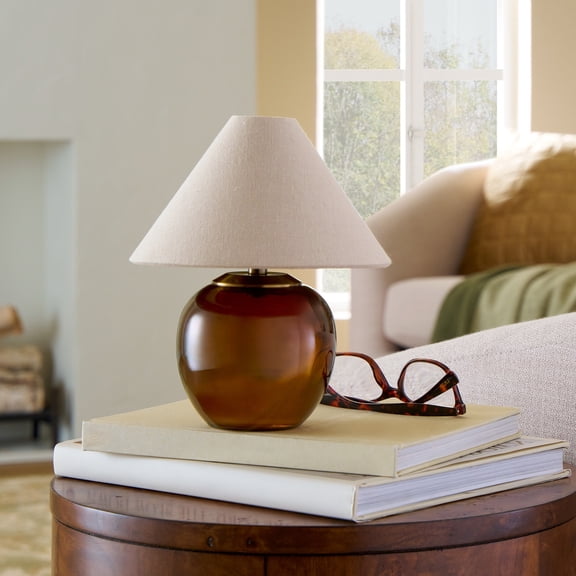
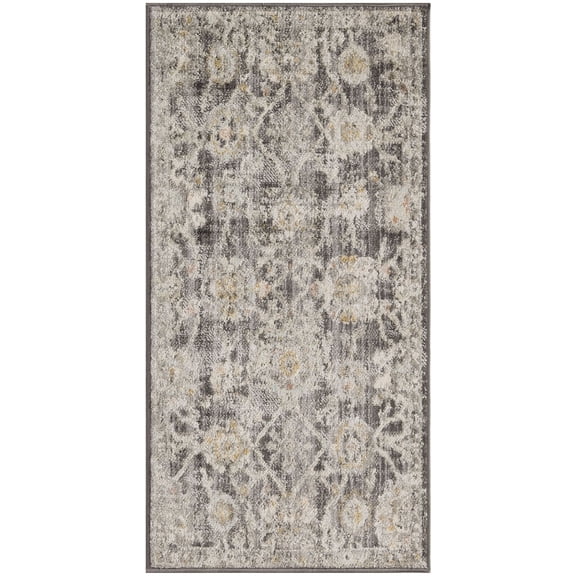
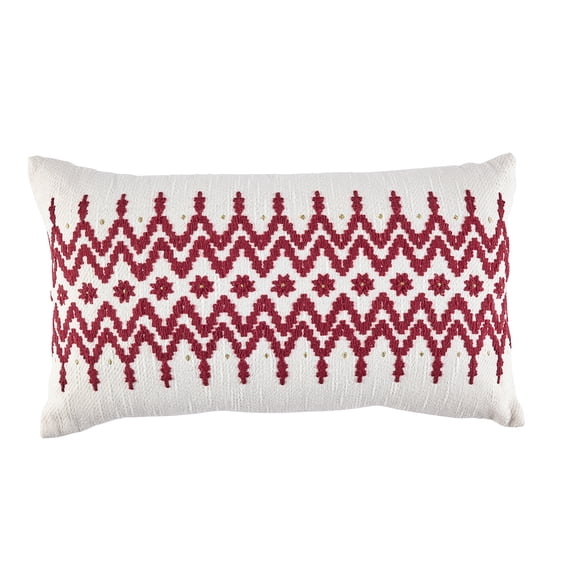
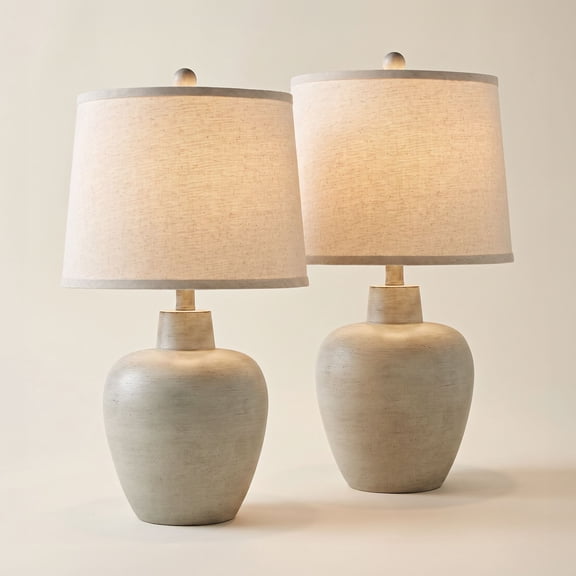
Once the larger pieces are in place, home decor is how you add personality. Accents like wall art, mirrors, rugs, throw pillows, lamps, and plants bring color, texture, and warmth into a room. Start with a simple color palette, then build around it so the pieces feel intentional.
When you are choosing accents, balance is your friend. A few well-placed pieces often do more than a crowded shelf. Mix textures, vary heights, and leave some open space. If you like to change things seasonally, lean on smaller, swappable items so refreshing a room stays easy.
Make Bedrooms Restful With the Right Bedding
Your bedroom should feel calm, and the right bedding goes a long way toward that. Begin with the basics that fit your mattress size, then think about how each layer feels and functions. Comfort, easy care, and the right weight for your climate all matter more than any trend.
- Choose sheets in a fabric and weave that feels good against your skin year round.
- Pick a comforter or duvet weight that matches how warm or cool you sleep.
- Add pillows that support the way you rest, whether you sleep on your back, side, or stomach.
- Use a coordinated palette so your bedding ties into the rest of the room.
Set Up Your Kitchen and Dining Space
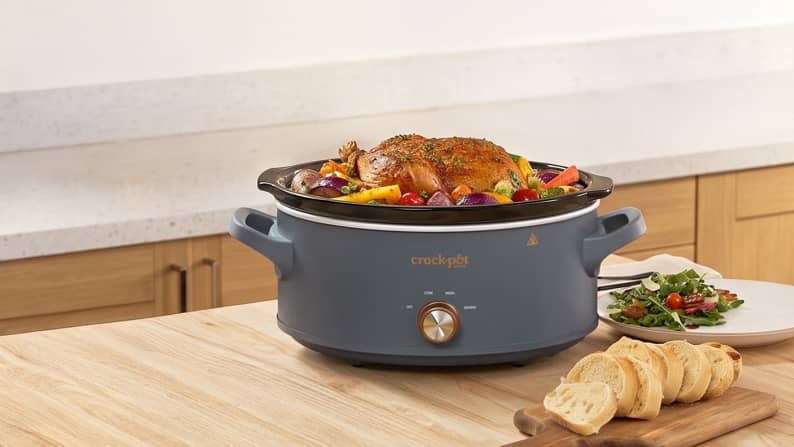
Kitchen and dining choices are where everyday function really shows. Think about how you cook and gather: a busy household may want durable, easy-to-clean surfaces and plenty of seating, while a smaller space benefits from pieces that fold, stack, or store away. Cookware, dinnerware, and a few small appliances cover most daily needs.
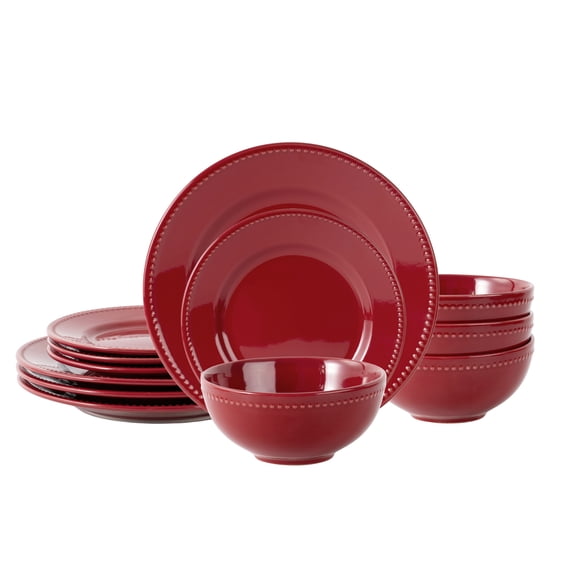
Bring the look together by carrying a few decor cues into the kitchen and dining area, such as a matching table runner, coordinated dishware, or simple open shelving. Practical details, like the right number of place settings and storage for what you use most, keep mealtime smooth.
Keep Everything Tidy With Smart Storage
Good home storage and organization helps the rest of your choices stay looking their best. Before buying bins or shelves, take stock of what you own and where clutter tends to collect. Then match storage to the habit, so the things you use often are easy to reach and the rest stay out of the way.
- Use baskets and bins to corral small items on open shelves.
- Add closet organizers to use vertical space better.
- Choose furniture with built-in storage for rooms that do double duty.
- Label or group items so everyone in the home knows where things belong.
By working through your home this way, from furniture and home decor to bedding, kitchen and dining, and storage, you can build a space that feels personal and easy to maintain. Take it one room at a time, and let your home essentials grow with your needs.
Related Links
- Shop All Appliances
- Air Conditioners
- Dishwashers
- Fans
- Freezers
- Irons, Steamers & Accessories
- Kitchen Appliances
- Ovens & Ranges
- Refrigerators
- Space Heaters & Fireplaces
- Vacuums, Steamers & Floor Care
- Washers & Dryers
- Built-In Dishwashers
- Compact Dishwashers
- Portable Dishwashers
- Chest Freezers
- Mini Freezers
- Portable Freezers
- Upright Freezers
- Ice Makers
- Microwaves
- Stand Mixers
- Toasters & Ovens
- Outdoor Grills
- Convection Ovens
- Cooktops
- Electric Cooktops
- Electric Ranges
- Gas Ranges
- Range Hoods
- Ranges
- Wall Ovens
- Beauty & Skincare Fridges
- Full Size Refrigerators
- Kegerators
- Mini Refrigerators
- Mini Fridges with Freezer
- Cordless Vacuums
- Handheld Vacuums
- Pet Vacuums
- Refurbished Vacuums
- Robotic Vacuums
- Steam Cleaners
- Stick Vacuums
- Upright Vacuums
- Vacuum Accessories & Parts
- Vacuums & Floorcare
- Compact Dryers
- Compact Washing Machines
- All Dryers
- Shop All Bath
- Bathroom Accessories
- Bathroom Furniture
- Bath Towels
- Bathroom Rugs & Bath Mats
- Bathroom Storage
- Beach Towels
- Shower Curtain & Accessories
- Shower Curtain Hooks & Rings
- Shower Curtain Liners
- Shower Curtain Rods
- Towels & Washcloths
- Shower Caddies
- Bathroom Renovation
- Bath Accessories
- Bath Rugs
- Shower Curtains
- Towels
- Baby Bath Essentials
- Shop All
- Artificial Plants & Flowers
- Candles & Home Fragrance
- Clocks
- Curtains & Window Treatments
- Decorative Accents
- Frames
- Lighting & Light Fixtures
- Mirrors
- Rugs
- Throw Pillows
- Wall Art
- Wall Decor
- Blackout Curtains
- Curtain Rods
- Sheer Curtains
- Curtains
- Valances
- Blinds & Shades
- Clocks
- Decorative Trays
- Globes
- Poufs & Floor Pillows
- Backrest Pillows
- Room Dividers
- Couch Covers
- Throw Blankets
- Vases
- Artificial Plants & Flowers
- Lantern & Candle Holders
- Candles
- Incense
- Oil Diffusers
- Wax Melts
- Wax Warmers
- Ceiling Lights
- LED Strip Lights
- Lamps
- Floor Lamps
- Table Lamps
- Lighting & Fixtures
- 5x7 Area Rugs
- 8x10 Area Rugs
- Doormats
- Rug Pads
- Runners
- Washable Rugs
- Area Rugs
- Canvas Wall Art
- Paintings
- Shop All Furniture
- Bathroom Furniture
- Bedroom Furniture
- Entryway Furniture
- Kitchen & Dining Furniture
- Living Room Furniture
- Office Furniture
- Patio Furniture
- Bath Cabinets
- Bath Shelves
- Over the Toilet Storage
- Bath Vanities
- Bed Frames
- Bedroom Sets
- Beds
- Dressers
- Nightstands
- Folding Furniture
- Folding Chairs
- Folding Tables
- Toddler Furniture
- Kids' Furniture
- Kids' Beds
- Kids' Desks & Chairs
- Kids' Dressers
- Dining Room Sets
- Dining Tables
- Accent Chairs
- Sofas & Couches
- Coffee Tables
- Futons
- TV Stands & Entertainment Centers
- Full Mattresses
- King Mattresses
- Mattress-in-a-Box
- Queen Mattresses
- Twin Mattresses
- Bookcases
- Desks
- Gaming Chairs
- Office Chairs
- Outdoor Lounge Furniture
- Patio Sets
- Outdoor Dining Furniture
- Patio Chairs
- Kitchen & Dining
- Bakeware
- Bowls
- Cookware
- Cutlery
- Dinnerware Sets
- Drinking Glasses
- Flatware
- Kitchen Appliances
- Mugs
- Plates
- Serveware
- Tools & Gadgets
- Bakeware sets
- Baking & Cookie Sheets
- Baking Dishes
- Measuring Cups
- Mixing Bowls
- Pie Dishes & Tart Pans
- Tea Kettles
- Espresso Machines
- French Press
- Milk Frothers & Steamers
- Single Serve Coffee Makers
- Non-Stick
- Cookware Sets
- Frying Pans & Skillets
- Dutch Ovens
- Stainless Steel Cookware
- Barware
- Cheese Boards & Charcuterie Trays
- Flatware
- Kitchen & Table Linens
- Outdoor Melamine Dinnerware
- Plates
- Serveware
- Water Bottles
- Dining & Entertaining
- Ice Cream Makers
- Bar Cabinets
- Bar Carts
- Dining Benches
- Dining Room Sets
- Dining Tables
- Folding Tables & Chairs
- Kitchen Islands & Carts
- Mixers & Attachments
- Rice Cookers
- Toaster Ovens
- Microwaves
- Shop All
- Closet Organizers
- Garage Storage
- Kitchen Storage
- Office Storage
- Shelving
- Storage Containers
- Closet Storage
- Hangers
- Laundry Storage
- Coat Racks
- Hall Trees
- Storage Ottomans
- Bike Racks
- Cabinets
- Ceiling Storage
- Shelving Units
- Storage Systems
- Heavy Duty Shelving
- Metal Shelves
- Tool Chests
- Countertop Organizers
- Drawers & Cabinet Organizers
- Food Storage
- Vacuum Sealers
- Mason Jars & Canning Supplies
- Shelf Liners
- Spice Racks
- Trash Cans
- Kids Luggage
- Weekenders & Duffels
- Backpacks
- Luggage & Travel
- Decorative Bins & Baskets
- Drawers & Carts
- Bins & Baskets
- Storage Furniture
- Fall Home Trend
- View in Your Home
- Home Basics
- New & Trending
- Shop by Room
- Shop by Style
- Sleep Solutions
- The Tech-Enabled Home
- Wedding Registry
- Cozy Home
- Guest Ready
- Guest Bathroom
- Guest Room
- Kitchen Essentials
- Household Essentials
- Gaming Room Ideas
- DIY Wedding
- Tech-Enabled
- Japandi
- Bohemian
- Coastal
- Farmhouse
- French Country
- Glam
- Mid-Century Modern