


Backyard Fun Trampolines









About
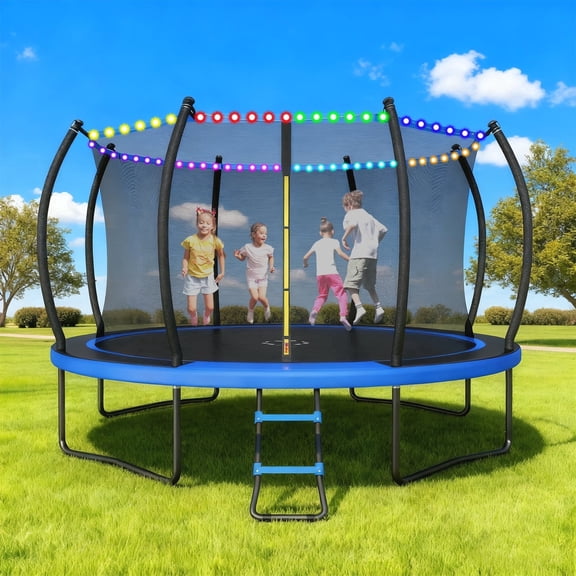
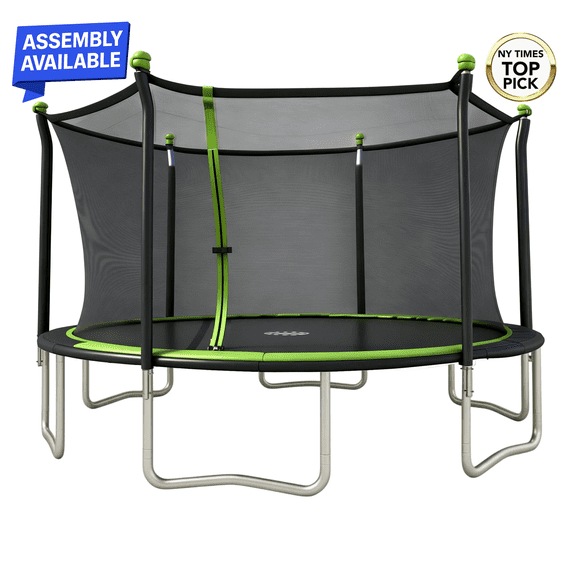
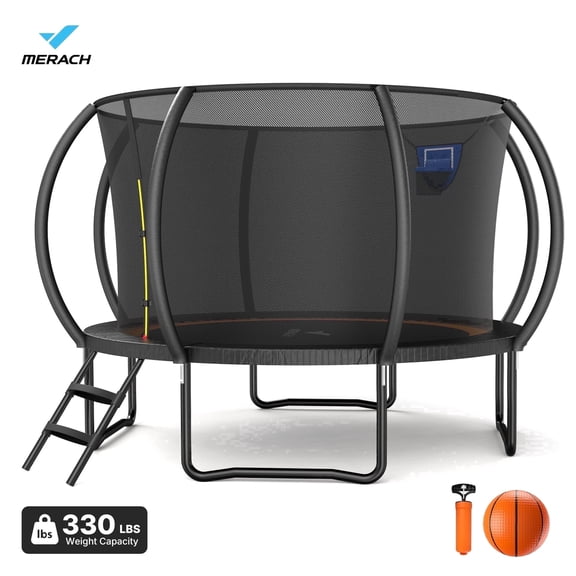
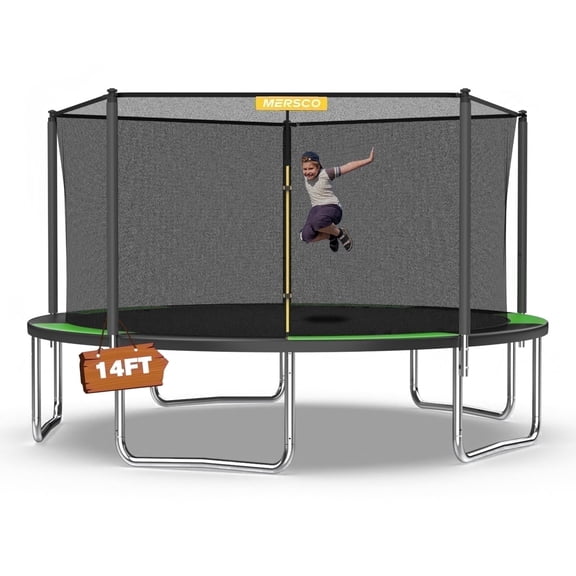
Trampolines help you turn your yard into an active play zone with room to bounce, stretch, and enjoy backyard fun. You can compare sizes, shapes, and safety details here, so your setup fits your space and your routine.
How to choose trampolines for your backyard
When you compare backyard trampolines, you should start with the area you have and the clearance you need around it. You’ll want enough open space for the frame, the enclosure, and easy movement around the perimeter.
An 8 foot or 10 foot option can suit smaller yards or younger jumpers who need a compact footprint. A 12 foot, 14 foot, or 15 foot size gives you more jumping room for bigger backyards.
Shape also changes how your trampoline fits your yard and how you use it. You may prefer round designs for centered bounce, while rectangular or oval layouts can match longer outdoor spaces.
Choosing trampolines with enclosure features
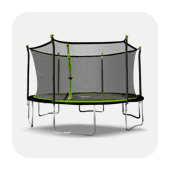
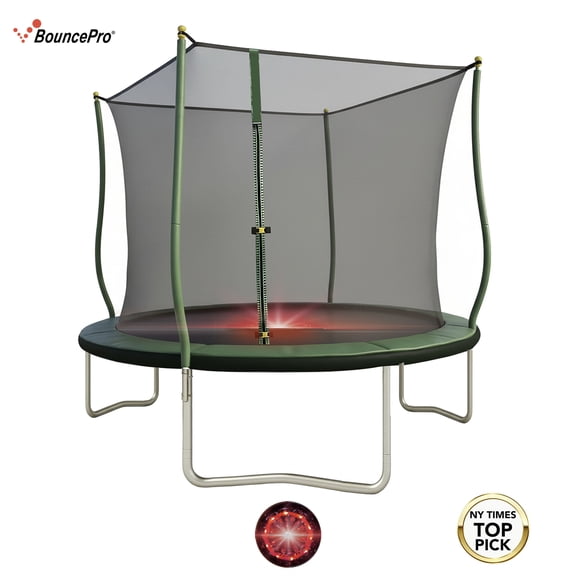
If safety details guide your decision, you should compare trampolines with enclosure options before anything else. You’ll notice that a safety enclosure net helps create a clear boundary around the jump area.
You should also look for a padded spring cover, because it adds a cushioned layer over the spring area. A no-gap enclosure can help you compare models designed to reduce open space near the mat.
Weight capacity matters when you’re thinking about who will use the trampoline and how often. You should check whether the listed limit matches your household’s usual use and the number of jumpers allowed.
- You can use size to match your yard, from 8 foot models to 15 foot options.
- You can compare enclosure nets, padded spring covers, and no-gap designs for everyday backyard use.
- You can look at round, rectangular, and oval shapes based on bounce style and layout.
- You can check frame and mat materials when you want outdoor trampolines built for regular weather exposure.
What to look for in frame, mat, and build details
When you review construction details, you should look for a galvanized steel frame for outdoor placement. You’ll want that term because it points to metal designed for repeated backyard exposure.
You should also compare the jump mat material, especially if your trampoline stays outside through bright, warm seasons. A UV-resistant jump mat can matter when you want the surface to keep its look and feel longer.
Padding thickness and enclosure pole placement also affect how the setup feels during regular use. You should compare how the padding covers the frame edge and how the net connects around the jumping area.
Assembly details can shape your decision if you want a smoother setup process at home. You may look for models with clear frame sections, organized hardware, and step-by-step instructions.
Matching backyard trampolines to real household use
If you’re planning a play area for younger kids, you may prefer a smaller round trampoline with enclosure support. You can place it in a compact yard where you still want open room nearby.
For a family yard with more open space, you may compare 12 foot or 14 foot backyard trampolines. You’ll get a larger jump surface that can suit weekend play and after-school energy.
If your yard is long instead of wide, you may want to consider oval or rectangular layouts. You can use those shapes when you need the frame to follow a narrower outdoor footprint.
When weather exposure is part of your plan, you should compare outdoor trampolines with galvanized steel frames and UV-resistant mats. You’ll have clearer guidance for choosing a setup intended for backyard conditions.
You may also want to think about related setup needs before you choose a final model. You can pair your trampoline area with accessories, backyard games, or outdoor play spaces for a more complete yard layout.
What size and feature choices mean for your decision
As you narrow your options, you should compare size, shape, enclosure style, and weight capacity together. You’ll make a clearer choice when each detail matches your yard space and expected use.
Trampolines work well when your layout, safety features, and outdoor materials align with how your household uses the yard. You’ll feel more confident choosing a model that fits your space and supports active backyard fun.